As a travel journalist, I am away a lot, and there’s one £9 bag makes me feel like one of those super-organised people that can pack light

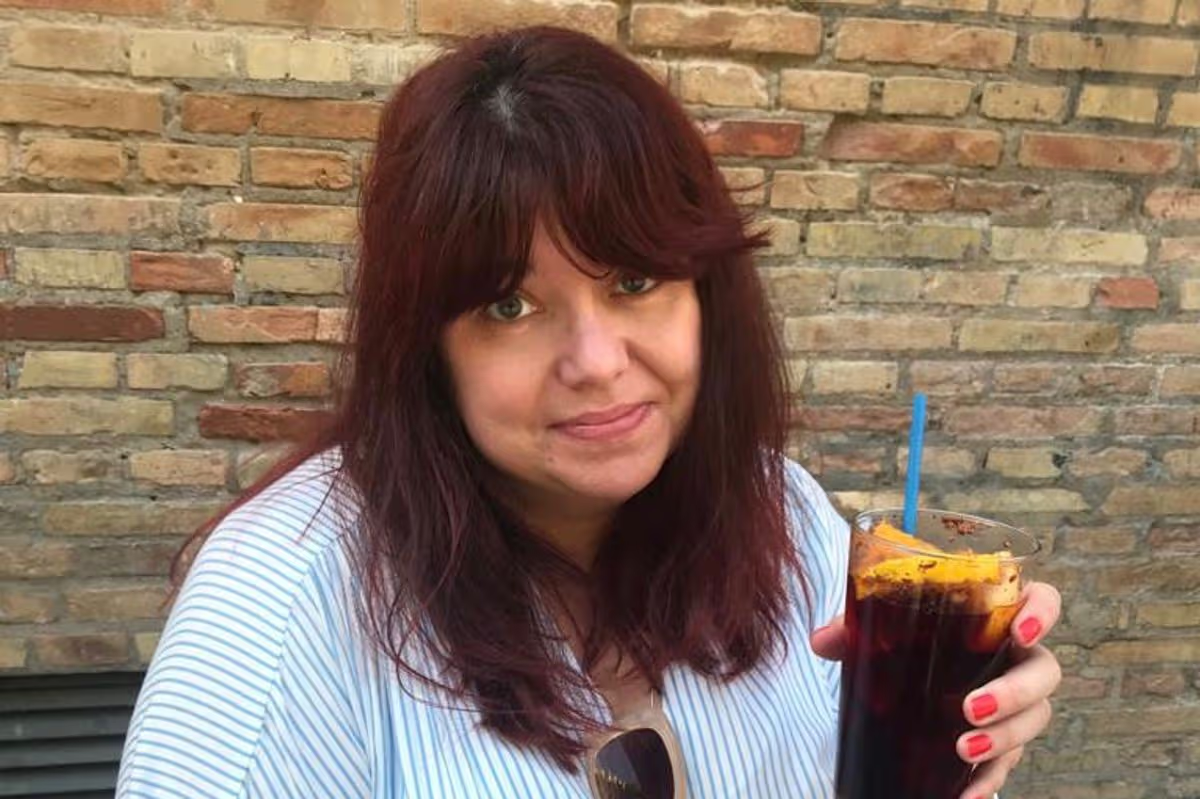
One item has made packing for trips so much easier(Image: Natalie King)
Despite travelling a lot for work, and fun, I’ve never mastered the art of packing light. I do not have a chic capsule wardrobe for city breaks, and I like to test those budget airline baggage capacities to their fullest.
As a perimenopausal woman, my carefree days of chucking a couple of lipsticks and a few makeup remover pads in a bag are also way behind me. When I go away for the night I need my skincare products, magnesium and collagen supplements, and industrial amounts of makeup, which arguably, are not making a huge amount of difference. A teeny tiny makeup bag is not going to do the job.
Last year, I stumbled across a toiletries bag on Amazon that has since become my favourite thing to take on trips, and at just £8.99 it’s something I’ve recommended to anyone I speak to who’s heading abroad. The Chakipee Travel Hanging Toiletry Bag looks just like an ordinary makeup bag on the outside. I bought the medium size, which measures 26x17x9cm, and when it arrived, I was sceptical about how much it would fit.
I don’t know what sorcery the manufacturers have used, but I can fit a surprising amount into this bag. I’ve managed to squeeze full size shampoo bottles into the big pockets, plus it has some smaller compartments for things like my toothbrush, contact lenses, and small stuff I don’t want to lose.
But perhaps the handiest feature is that it unfolds and can be hung up on a hook. While I’d love to pretend that my job always involves luxury travel to hotels with huge marble bathrooms, the truth is, I often stay in budget hotels where the bathroom is roughly the size of a postage stamp. If you are staying somewhere with zero bathroom counter space, just hang the bag from a spot such as a shower rail and you can easily access your products.
I’ve managed to fit a week’s worth of supplements and skincare products into the bag for longer trips, and as the ultimate test, once managed to do an everything shower in the tiny ensuite of a ferry cabin by hanging this bag on the door.
The only time the bag doesn’t come with me is if I’m travelling with hand luggage only, as annoyingly, the 100ml liquid rules are still in place at many airports. In general, the product reviews for the organiser are positive, with lots of people praising it for having plenty of pockets and compartments. A couple of reviews have complained about broken zips., but so far, I haven’t had that issue and have found it to be good quality.
If you’re looking for a bag solely for makeup then the Charlotte Tilbury Pillow Talk Makeup Bag also comes with some glowing recommendations. It also has a Tardis-like interior that can fit in full sized products, yet is compact when zipped up. One review says it offers: “Lots more room than I was expecting, can fit all my products in and love that I can organise things in the separate sections.”
If you’re travelling with hand luggage only, then Charlotte Tilbury also has lots of travel size skincare and makeup products that will ensure you don’t break the 100ml rules. Its Beauty Check-in Kit is currently on sale for £72 and includes a mini lip kit, powder, and setting spray that are just the right size for a week away.
Have a story you want to share? Email us at webtravel@reachplc.com