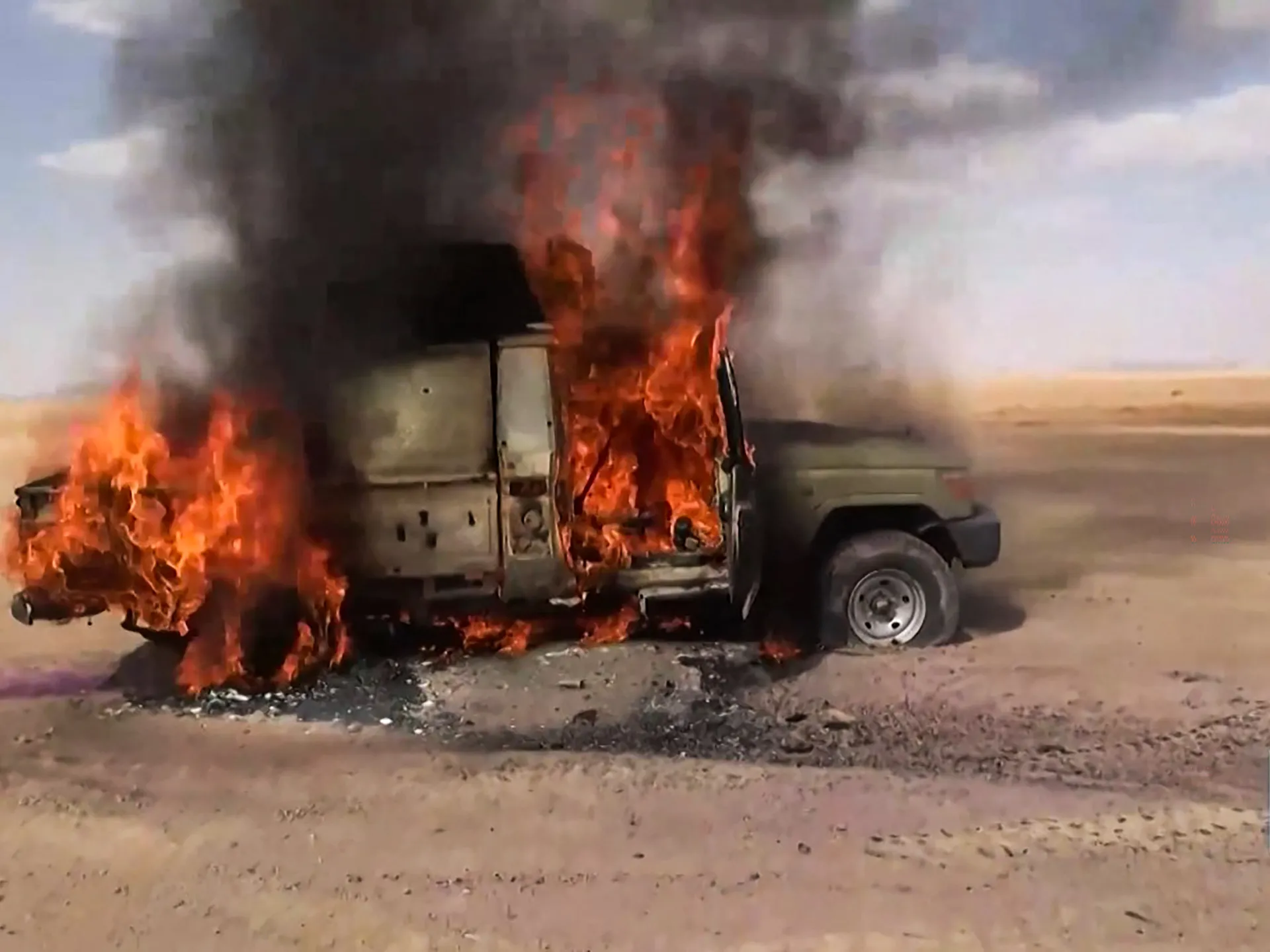
Opinions

Arsenal have grown, but they still have not learned how to dominate | Football

Arsenal and Manchester City are once again battling for the Premier League title in England and, with only weeks of the season remaining, the gap between them remains extremely small.

Whether Arsenal or City go on to win the league, one thing about Arsenal already feels clear: There has been growth, but not dominance.

Arsenal are more consistent than they were a few years ago. They are harder to beat, more confident and more composed during the “no-pressure” parts of the season.

They look so dominant when the pressure is off, but when the moments that matter arrive, they still fail to fully take control. As an Arsenal fan, that is what makes this team so frustrating to watch.

For the second time since the 2022/23 season – when they led the Premier League for much of the campaign before being pipped by Manchester City in the run-in – Arsenal have made the title race harder for themselves than it needed to be.

At the start of the campaign, Arsenal manager Mikel Arteta made a number of significant and, for some, controversial changes. He dropped Myles Lewis-Skelly, who had been outstanding last season, and brought Riccardo Calafiori back into the starting lineup after injury.

Whatever people thought of those decisions, they appeared to immediately make Arsenal impossible to break down. That defensive strength was clear from the opening day, when Arsenal beat Manchester United 1-0 at Old Trafford thanks to an early Calafiori goal. In the following weeks, they conceded fewer than one goal per game.

But in their third game of the season, they lost to Liverpool 1-0 at Anfield, with a late Dominik Szoboszlai free-kick deciding the match.

The obvious question after that game was: Why did Arsenal not go for the kill?

Liverpool were not at their most dominant, yet Arsenal looked more concerned with defending a draw than winning the game. It felt like a missed opportunity and raised early questions about game management in decisive moments.

A similar feeling followed the home draw against Manchester City a month later, in September. That game once again highlighted Arsenal’s competitiveness and extensive growth, but also their reluctance to fully seize control when the game opened up. A late Gabriel Martinelli equaliser earned them a point, but doubts remained about whether they should have been more aggressive.

At that point, for me personally, and for most Arsenal fans, the signs were still overwhelmingly positive.

Martinelli’s equaliser came from an assist by Eberechi Eze, whose arrival added creativity and unpredictability in attack. We all enjoyed watching the team and were hopeful for its success.

When my cohost Stephen Howson taunted me on the Rio Ferdinand Presents podcast by saying, “Those dropped points against Liverpool and Man City will come back to haunt you come the end of the season,” I laughed at him. I was feeling extra confident, as Rio Ferdinand himself had said he believed Arsenal would win the Premier League. That’s what you need to keep believing, right? A six-time Premier League winner backing your club to get it over the line this season.

That belief only grew stronger on October 4, when Arsenal went top of the table after a 2-0 win over West Ham United. Goals from former West Ham midfielder Declan Rice and Bukayo Saka sent Arsenal to the summit.

For much of the season, Arsenal remained close to flawless, even if the sense around them was that they were never fully in control.

The first setback came in December, when Arsenal lost 2-1 away to Aston Villa after a late winner from Emiliano Buendia.

The defeat caused a wave of panic among Arsenal fans about a possible change of trajectory and a repeat of the 2022/23 season, particularly given that the team had looked dominant against stronger rivals such as Tottenham Hotspur and Chelsea.

Thankfully, those fears were eased just a few weeks later, when Aston Villa visited Arsenal’s home stadium, the Emirates, on December 30 and Arsenal battered them 4-1.

That victory was a reminder that the panic around Arsenal after a defeat is often bigger than the reality.

League results remained strong until Arsenal were faced with another opportunity to make a statement, this time against a resurgent Manchester United under Michael Carrick.

United had already beaten Manchester City in the derby and then managed to beat Arsenal as well.

Despite that defeat, Arsenal remained top of the table. But for Arsenal fans, the memories of previous collapses once again started to return.

Then came the draws against Brentford and Wolverhampton Wanderers.

Confidence began to fade, and there was a growing sense that City, strengthened by the arrivals of Marc Guehi and Antoine Semenyo, were beginning to gather momentum. City’s victory against Arsenal in the Carabao Cup final on March 2 worked to cement this feeling.

Fans had another moment of hope and relief on March 14 when 16-year-old Max Dowman scored a brilliant goal in a 2-0 win over Everton, while City could only manage a 1-1 draw away at West Ham. At that stage, it felt as if we had done it.

But then history repeated itself, and Arsenal found themselves in another losing streak – a defeat to Southampton in the FA Cup quarterfinal, and league losses against Bournemouth and, recently, City.

Arsenal are still currently top by three points. However, City have a game in hand and, if they beat Burnley by a couple of goals, they will go top on goal difference.

Is it happening again? Are we to lose it all at the last minute? I hope not, but somehow this shows us once more that Arsenal have shown growth throughout the season. However, the lack of dominance has allowed City to get back into the title race.

In the famous words of Declan Rice, “It’s not done yet,” but there is no denying we have made it very difficult for ourselves.

The views expressed in this article are the author’s own and do not necessarily reflect Al Jazeera’s editorial stance.

Source link

Powerful states are trying to sabotage decarbonisation of shipping | Climate Crisis

The global fallout of the closure of the Strait of Hormuz may create the impression that the world cannot function without fossil fuels. Nothing could be further from the truth. Every single industry can and must decarbonise.

For global shipping, this process would be relatively easy because technological solutions exist and a single United Nations agency can set legally binding rules for all ships. The first steps have already been made.

In 2025, member states of the International Maritime Organization (IMO) agreed on a policy mechanism to cut shipping emissions: the Net-Zero Framework (NZF). But they opted to postpone a decision on formal adoption of this landmark agreement.

This delay is emblematic of obstructive tactics used by countries opposing climate action.

The IMO Framework – the world’s first global carbon price on any international polluter – took years of compromises and watering-down. As it stands, it is the lowest possible bar Pacific Island states like the one I represent can accept. We cannot give in another inch.

While I join the First Conference on Transitioning Away from Fossil Fuels in Santa Marta, Colombia, next week, delegates will gather again at the IMO in London to decide whether to uphold their unanimous commitment to phase out fossil fuels in a just and equitable way.

The delegates of Vanuatu who travel to London have a mandate to push for the adoption of the NZF this year.

Should anyone reopen the framework to water it down, our position is clear: We will revert to our original Pacific demand for a universal levy on emissions of $150 per tonne of carbon dioxide.

Last year my country abstained from the vote on the NZF agreement. We reached that decision because the mechanism is not nearly ambitious enough. Even so, it is a starting point we can work with.

But since then, the tide has shifted dramatically.

After the delay in adoption, a small group of countries is now suggesting further weakening the ambition in the framework to meet the demands of particularly influential states whose current policy positions are not aligned with climate ambition. This strategy is problematic as reducing our collective actions to align with those that want no climate action at all is incompatible with our people’s continued survival.

The world’s poorest countries, and the planet, simply cannot afford anything less than what is already on the table.

The framework, as it is, gives the world and the industry some chance of meeting the climate obligations that IMO countries committed to in 2023, namely reaching net-zero emissions by 2050 in a just and equitable way.

The NZF introduces penalty fees – eg emission pricing for noncompliance with the regulation. This provides the regulation with a “stick” to ensure ships comply or else they must pay.

The penalties also represent revenues, up to $10bn to $12bn a year, to both incentivise industry transition and enable a fair transition for all. This fund is a lifeline for developing – and especially least developed – states to be able to afford clean maritime energy upgrades and compensate for the rising trade costs because of this transition.

Some claim that revenues raised by the NZF will blow out transport costs. This is preposterous.

The penalties charged through this framework come down to less than $1.50 per year for every living human being – although the biggest polluters should pay this cost. If the richest 10 percent of the world’s population foots this bill, it adds up to less than $15 per person. That’s a few coffees a year, which the world’s richest can easily spare.

Losing both financial penalties for noncompliance and financial support for countries like mine in the name of a political compromise with rich oil-producing states is a bad deal. Not just for all climate-vulnerable states but also for the industry that demands and deserves clarity.

If anything, we need more action and more ambition in the framework.

For years, Pacific states have pushed for the IMO regulation to be in the form of a universal levy on emissions, by pricing all emissions. We managed to get the majority of IMO member states on board, including the European Union, South Korea and Japan, as well as important Global South states, such as Panama and Liberia. However, the US has been very effective in exerting its influence in this area, which is resulting in shifts to some positions to the detriment of us all.

Our position was always backed by the best available scientific evidence.

A levy on all shipping emissions is the best way to send an unambiguous signal to the industry: Invest in the future now! The revenues, up to 10 times more than those from the NZF, serve as both a bigger stick for polluters and a bigger carrot for first movers and cash-poor countries.

This is not a handout: Hitting net zero by 2050 is not possible if our countries cannot invest in clean ships.

The bridge we have built in the form of the NZF through years of compromise and evidence is still standing. Let us cross it together by adopting it as agreed without any further dilution.

Pacific states stand ready to fight for what science and justice demand, and we call on our partners to stand with us.

The views expressed in this article are the author’s own and do not necessarily reflect Al Jazeera’s editorial stance.
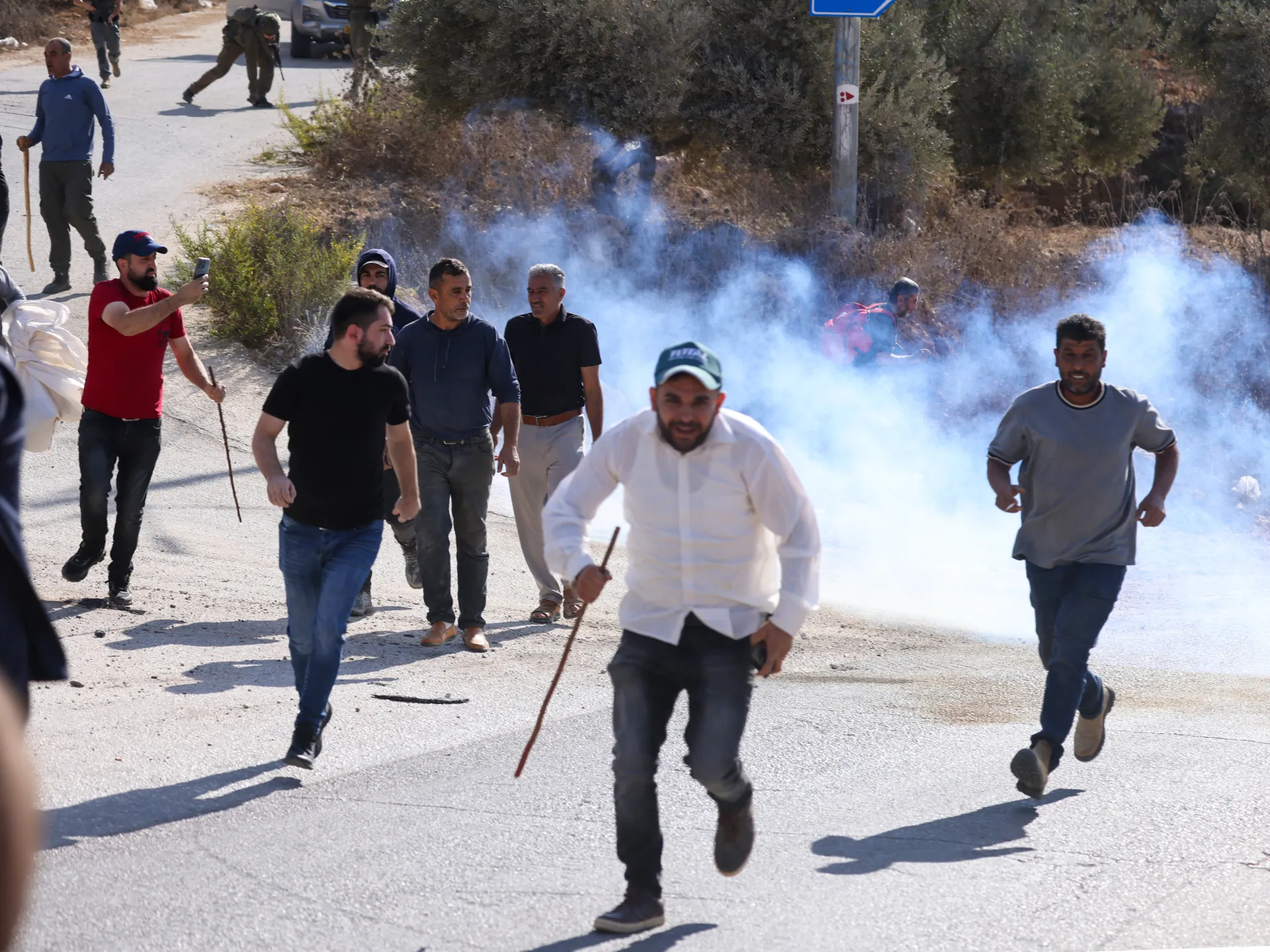
Source link

What is really happening in northern Nigeria | Armed Groups

In recent months, the frequency and intensity of attacks in northern Nigeria have shattered the comforting illusion that the region’s long insurgency has receded into the background of national life. As violent incidents have proliferated, many Nigerians have refused to confront this uncomfortable reality and have opted instead to embrace conspiracy theories suggesting that the resurgence is somehow tied to renewed American involvement in Nigeria’s  counterterrorism efforts.

It is not difficult to see why the theory of foreign collusion with terrorist groups resonates in Nigeria. In February 2025, United States Congressman Scott Perry claimed that the US Agency for International Development (USAID) had funded Boko Haram, but offered no evidence for the allegation. Richard Mills, then the US ambassador to Nigeria, rejected Perry’s statement, but by then the claim had already acquired a life of its own in the public space and on social media.

Then, American officials like Congressmen Ted Cruz and Chris Smith made statements that fuelled the “Christian genocide” narrative, which falsely claims that the killings in Nigeria exclusively target Christians.

Attacks on Christians have happened, including most recently on a church in Kaduna state on Easter Sunday, but Muslim communities have also been regularly targeted. The truth is that terrorist groups have long operated indiscriminately.

What this moment demands, therefore, is to go beyond the seduction of easy explanation, and embark on serious analysis of what is really happening in northern Nigeria.

That diagnosis must begin with clarity about what the attacks reveal. First, they reveal that the insurgency has adapted in both form and method. Second, northern Nigeria’s insecurity can no longer be understood in isolation from the rest of the region; it is part of the wider regional disorder across the Lake Chad basin and the Sahel. And third, the violence continues to feed on deeper domestic vulnerabilities that extend far beyond the battlefield: chronic poverty, educational exclusion, weak local governance, and the long erosion of the social contract in parts of the North.

Let us begin with the first point. Recent attacks demonstrate that the insurgent ecosystem has learned, adapted, and expanded beyond the old image of a crudely armed rebellion fighting in predictable ways. The ISIL affiliate in West Africa Province (ISWAP), in particular, has become more adaptive in structure and tactics, while its conflict with Boko Haram has weakened the latter and left ISWAP as the more organised and deeply entrenched threat in the Lake Chad region. It has consolidated its presence in parts of the Lake Chad basin and expanded into Sambisa Forest, widening the space from which it can threaten civilians and military formations alike.

This matters because insurgencies are sustained not by ideology alone, but by terrain, supply routes, local economies, and the ability to move men and materiel through spaces where the state is weak or absent. In that sense, the insurgency is no longer merely surviving in familiar hideouts; it is entrenching itself in a broader and more fluid battlespace, with ISWAP’s control of trade in and around Lake Chad now a major pillar of its resilience.

ISWAP has also refined the way it fights, demonstrating a growing capacity for coordinated assaults, night raids, ambushes, and operations designed not merely to inflict casualties, but to isolate military positions and slow the movement of reinforcements. This challenge is magnified by the sheer scale of the theatre itself.

Borno, Yobe, and Adamawa states are each comparable in size to entire European countries: Borno is slightly larger than the Republic of Ireland; Yobe is roughly the size of Switzerland; and Adamawa is slightly larger than Belgium. Policing territories of that scale would test any state, all the more so when they border a fragile regional neighbourhood.

The terrain has also shaped the rhythm of the conflict, with the dry season, particularly the first quarter of the year, ushering in an intensification of attacks.

At the heart of this adaptation is the evolution of technology. What once seemed unthinkable in this theatre has now entered the insurgent repertoire. Drones, including commercially available models modified for combat, are now part of the operational environment. The significance of this shift is not merely technical; it is also psychological and strategic.

Beyond technology, the insurgency’s growing mobility has sharpened the threat further. Rapid assaults by motorcycle-mounted units demonstrate the extent to which insurgent violence now depends on speed, concentration, and dispersal. Fighters can assemble quickly, strike vulnerable locations, and disappear into difficult terrain before an effective response can take shape.

The advantage here lies not in holding territory in the conventional sense, but in imposing uncertainty, stretching the state’s defensive attentions, and proving that the insurgents can still choose where and when to shock the system.

Perhaps the most dangerous dimension of this adaptation is the infiltration of foreign fighters. Their significance lies not only in their numbers, but in what they bring with them: technical knowledge, battlefield experience, tactical imagination, and links to wider militant networks.

Their presence points to a deeper cross-fertilisation between local insurgency and global terrorist currents. More troubling still, they are now playing a more active role in the conflict, not only refining tactics and skills but also participating directly in combat.

That is why the regional dimension must be central to any serious analysis. The weakening of regional cooperation has come at the worst time, creating openings that insurgents are only too ready to exploit. A threat that has always been transnational becomes harder to confront when neighbouring states no longer act with sufficient cohesion.

Niger’s withdrawal from the Multinational Joint Task Force after the reaction of the Economic Community of West African States (ECOWAS) to the military coup there has sharpened that challenge and weakened the perimeter defences of the north-east theatre. The force, comprising troops from Nigeria, Niger, Cameroon, and Chad, with a smaller Beninese contingent at its headquarters in N’Djamena, was instrumental in earlier gains and remains vital for reinforcing positions, conducting operations in difficult terrain, denying insurgents safe havens, and intercepting the movement of foreign fighters.

Yet even regional analysis, necessary as it is, does not fully explain the problem. Insurgencies endure not only because they move across borders, but because they can recruit, regroup, and exploit social weakness at home.

Violence in northern Nigeria is sustained by a combination of doctrinal extremism, chronic poverty, educational exclusion, and a state whose presence is often too limited to command confidence in the communities where armed groups seek recruits. The argument, therefore, cannot remain confined to the military sphere.

Poverty and lack of education do not directly produce terrorism, but they increase vulnerability, especially where alienation, weak institutions, and manipulative ideological narratives are already present. This is why the educational crisis in northern Nigeria should be seen not only as a developmental challenge, but as part of the wider security landscape. Education does more than impart literacy and numeracy; it provides structure, routine, and pathways to self-actualisation and social belonging.

It is important to note that the government is not without a response. In 2024, President Bola Ahmed Tinubu signed the Student Loans (Access to Higher Education) Act into law, and the rollout of the Nigerian Education Loan Fund has since opened a wider path to post-secondary education and skills development. But the more decisive educational challenge lies earlier, at the basic level, where literacy begins, habits are formed, and attachment to institutions is either built or lost. By the time a young person reaches the threshold of higher education, the foundational work has already been done or neglected.

This is why local governance matters more to security than is often recognised. In Nigeria’s federal structure, primary education sits closest to the weakest and most politically distorted tier of government. If local government remains fiscally weak, administratively paralysed, or politically captured, one of the country’s most important long-term defences against radicalisation will remain fragile.

That is why local government autonomy, though often framed in dry constitutional terms, has direct implications for security. President Tinubu, an ardent champion of local autonomy, welcomed the Supreme Court’s July 2024 judgement affirming the constitutional and financial rights of local governments and has pressed governors to respect it. Resistance, however, is unsurprising: many governors have long treated local governments as subordinate extensions of their authority.

So what does the present moment demand from Nigeria? It demands, certainly, continued military pressure on insurgent sanctuaries. It demands stronger force protection, sharper intelligence, surveillance and reconnaissance, improved rural and urban security, and a more serious approach to trans-border diplomacy. It demands that regional diplomacy be treated not as a luxury of peacetime statecraft, but as part of the operational infrastructure of security.

But the crisis cannot be addressed by military action alone. It also calls for social, institutional, and educational measures across all tiers of government. The state must confront extremism not only through force, but through education and functioning local institutions. It must rebuild governance, restore trust, and close the social and institutional fractures through which violence renews itself.

The views expressed in this article are the author’s own and do not necessarily reflect Al Jazeera’s editorial stance.
Source link

Slavery reparations are just, but who exactly owes whom? | Opinions

On March 25, the International Day of Remembrance of the Victims of Slavery and the Transatlantic Slave Trade, the United Nations General Assembly passed a landmark resolution. Proposed by Ghana, it recognised the transatlantic slave trade as the “gravest crime against humanity” and called for reparations. A total of 123 countries supported the resolution; three opposed it, including the United States and Israel, while 52 abstained, Britain among them, and several European Union countries.

The UN’s slavery resolution is a historic moment, but what comes next is even more important. Leading up to the resolution, the African Union urged its 55 member states to pursue slavery reparations through formal apologies, the return of stolen artefacts, financial compensation, and guarantees of non-repetition.

This raises a question the resolution does not directly ask: reparations from whom, and to whom? If the answer is simply from European governments to African governments, then the reparations movement risks ignoring the long history of European engagement with Africa, and in doing so delivering justice to the wrong people.

What the reparations debate misses

The contemporary framing of the reparations debate is seductive in its simplicity: Europeans arrived in Africa, Africans were enslaved, Europeans grew rich, and Africans became impoverished. Therefore, Europe owes Africa. This narrative carries moral force, but it risks flattening the complex history of European engagement with the continent.

While European actors undeniably drove the demand for enslaved labour, African political and economic elites were not passive victims. They played a significant role in capturing, transporting and selling enslaved people to European traders.

In some cases, African states, seeking to expand their treasuries and consolidate territorial power, preyed on neighbouring communities, condemning them to enslavement for profit. The Oyo Empire, a powerful Yoruba state in what is now south-western Nigeria, expanded significantly in the eighteenth century through its participation in this commerce. Across the region, African elites who had the means sustained the system by exchanging enslaved people for European goods such as alcohol, textiles and other manufactured commodities.

None of this diminishes European culpability in the slave trade. The demand was European. The ships were European. The plantation system was European. The racialised ideology constructed to justify slavery was European. But it does complicate the story.

The transatlantic slave trade was not solely a narrative of African victimhood and European perpetration. It is a story of elite collaboration, which did not end when the slave ships stopped sailing.

The historical argument: three phases, one logic

European encounter with African societies can be understood in three broad phases, each distinct in form but similar in the underlying logic of collaborative extraction.

The first phase was slavery. Europeans extracted human labour from Africa, often with the active participation of African political rulers. Britain emerged as the world’s leading slave-trading country, transporting roughly 3.4 million Africans across the Atlantic between 1640 and 1807. The abolition of the British slave trade in 1807 marked the formal end of this phase. But abolition did not disrupt the underlying logic of the elite collaboration. It reshaped it.

The second phase was colonialism. A less understood aspect of European domination in Africa is how seamlessly some African rulers transitioned from collaborators during the slave trade to intermediaries in the colonial period.

In Nigeria, for example, regional African rulers became intermediaries for British administrators. As Nigerian historian, Moses Ochonu, demonstrates in Emirs in London, a study of Northern Nigerian Muslim aristocrats who travelled to Britain between 1920 and independence in 1960, these African figures were far from passive subjects of British rule. They actively leveraged their relationship with British authorities to reinforce their own authority at home. Such sponsored travel to the imperial centre helped solidify personal ties between Nigerian elites and British administrators, reinforcing the system of indirect rule.

The third and current phase is the postcolonial era. While formal empire has ended, the structure of elite alignment endures. In countries such as Nigeria, the majority of citizens remain largely excluded from political and economic power. The institutional successors of intermediaries and collaborators during the eras of slavery and colonial rule are now running the African postcolonial states.

Rather than dismantling extractive systems, many have repurposed them. Similar patterns of exclusion and extraction that defined earlier periods have been reproduced, leaving the majority of Africans short-changed by a system that continues to serve elite interests.

Nigerian President Bola Tinubu’s state visit to the United Kingdom last month – complete with royal ceremony, photo opportunities and symbolic gestures – reflected this relationship whose origins lie in the very history the UN resolution condemns. While the majority of Nigerians face difficult socio-economic conditions, the British government announced that Nigerian companies would create hundreds of new jobs in the UK.

This is not an anomaly but a continuation of the extractive logic that shaped the slave trade and colonialism. It endures, now recast in the language of diplomacy and partnership.

Reparations are just, and Britain’s debt is undeniable. But direction matters. If compensation flows from one set of elites to another, the oppressed majority of Africans will once again be excluded. True justice must run in two directions: from European states to formerly colonised societies, and from African elites to the citizens they continue to exploit.

The views expressed in this article are the author’s own and do not necessarily reflect Al Jazeera’s editorial stance.

Source link

Why the Iran war did not go according to US plans | US-Israel war on Iran

The developments following the 12-day war between Iran and Israel did not lead to de-escalation, but rather to a redefinition of the conflict on a much broader scale. While volatile negotiations between Tehran and Washington continued, the gap between the two sides’ expectations deepened. Ultimately, this gap led to a decision at the White House based on an optimistic assessment: To enter a limited conflict and force Iran into a rapid retreat.

But the battlefield quickly shattered that assumption. The war that was meant to be short, controlled, and manageable turned into a 40-day war of attrition, one that not only failed to achieve the initial objectives of the United States but imposed heavy military, economic, and political costs.

The key question is: What caused this deep disconnect between initial assessments and reality? To answer that question, this article focuses on pre-war miscalculations and decisive variables during the conflict.

1- Incorrect generalisation of the 12-day war experience

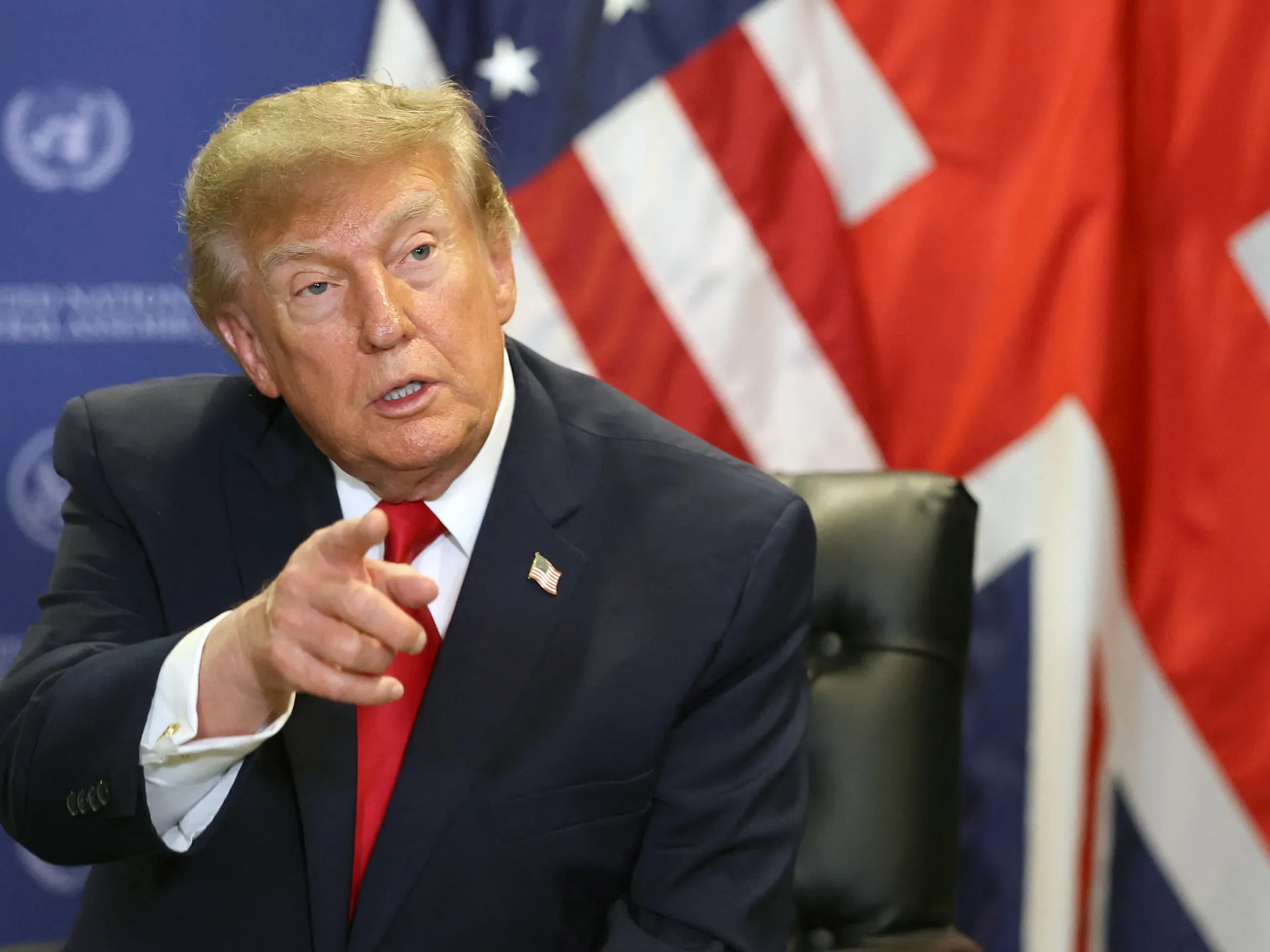
Washington assumed Iran’s behavioural pattern from the short war with Israel would repeat, but this time the level of direct US involvement was far higher. Iran adjusted its response accordingly, most notably by playing the Strait of Hormuz card. According to published reports from a US situation room meeting on February 12, General Keane, chairman of the Joint Chiefs of Staff, warned of the risks of closing the strait, but Trump rejected the general’s assessment and assumed Iran would surrender before reaching that point. On the ground, however, the Strait of Hormuz became a decisive factor in disrupting both economic and military calculations.

2- Neglecting Iran’s strategic shift

The US still assumed Iran’s main target would be Israel, but this time Tehran focused on US bases across the region. The UAE, Bahrain, Kuwait, Qatar, Saudi Arabia and Jordan were placed directly on Iran’s target list.

3- Miscalculating Iran’s military and defensive capabilities

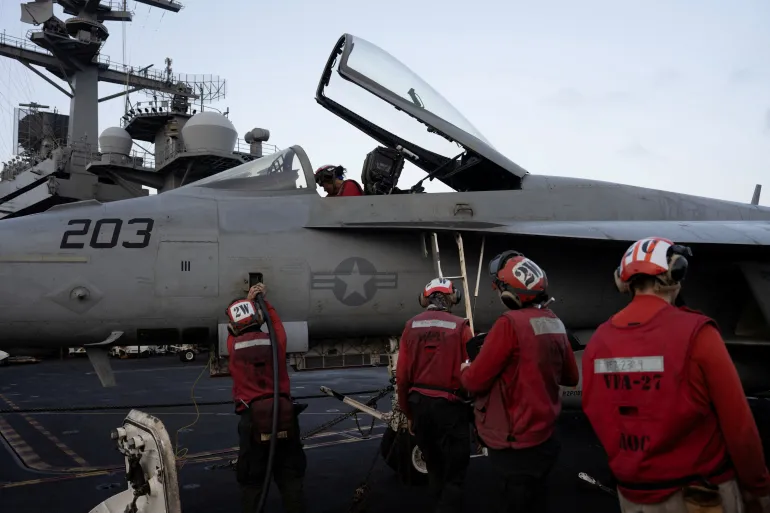
Iran’s gradual advances in missile technology, operational precision and air defence systems were not sufficiently accounted for in Washington’s calculations. The US did not believe Iran’s air defences could down its fighter jets or that Iranian missiles could disable the advanced radars at Gulf Arab states’ bases. Battlefield developments revealed a real leap in Iran’s offensive and defensive capabilities, imposing high costs on the US Air Force and seriously challenging its air superiority.

4- Wrong predictions about Iran’s domestic situation

One of Washington’s key assumptions was the outbreak of instability or internal collapse. Intelligence reports from December led them astray, convincing Trump that with widespread assassinations and the activation of public protests, Iran lacked the necessary resilience. In practice, however, a state of war led to social cohesion and strengthened the spirit of resistance. The reason lies in the “civilisational variable”, the role of historical identity and behavioural patterns within Iranian society, which, in times of crisis, through modern activism and mass street presence, shape national resistance. Washington mistook a “battle for national survival” for “political protests”.

5- Underestimating the cohesion of the “axis of resistance”

The US expected Iran-aligned groups to play a marginal role, but their operational coordination drastically increased battlefield complexity. The “axis of resistance” lined up in a unified front against the US, while NATO failed to provide effective support for Washington, revealing fractures in Washington’s traditional alliances when faced with costly crises.

6- Growing domestic and international pressure

The continuation of the war was met with opposition inside the US – from media criticism by former Trump supporters and figures like Tucker Carlson to human rights protests over attacks on civilians, particularly the Minab school tragedy, which quickly eroded the moral legitimacy of the operation in global public opinion, including within the US.

Meanwhile, the expansion of the war into the region caused oil prices to surge past $120, raising serious concerns and analyses about $200 oil, placing heavy economic pressure on US households.

On the international stage, the veto of Bahrain’s proposed resolution by Russia and China, along with the independent stances of some Western allies, dramatically increased the political cost of the war for Washington.

7 – Signs of fractures within US military decision-making structures

Command disagreements grew increasingly severe. The widespread dismissal of senior generals – including the army chief of staff and several other commanders – in the middle of the war was like a major earthquake at the Pentagon. This was no simple administrative reshuffle; it reflected a deadlock in modern military doctrine, which negatively impacted operational continuity.

Taken together, these errors – from misreading Iran’s behaviour and strategic evolution to ignoring simultaneous domestic and international pressures – placed the US in a position where accepting Iran’s terms after 40 days to begin negotiations became the only realistic option.

In the end, this war stands as a clear example of strategic deadlock: Where the gap between optimistic initial estimates and battlefield realities fundamentally alters the course of events.

It is an experience that will likely be discussed and revisited for years to come in Washington’s strategic circles.

The views expressed in this article are the author’s own and do not necessarily reflect Al Jazeera’s editorial stance.
Source link

Seven ways America can win the ceasefire and end the war | US-Israel war on Iran

It was too much to ask of United States Vice President JD Vance that he hammer out a peace agreement with representatives of the Islamic Republic of Iran after the first direct meeting of the two sides in more than a decade.

But it is not too much to ask for enemy combatants to maintain the ceasefire and for negotiators to come back to the table for a second round of meetings.

As of now, we still have a ceasefire. The question remains: Can America win it?

For President Donald Trump, this question is existential. If voters perceive that the US lost the war against Iran, the Republicans will lose Congress and the president would be on the political hot seat for his last two years in office.

If, on the other hand, voters perceive that this conflict with Iran was worth it and life returns to normal by the summer, then the Republicans have a better chance of breaking even in November’s midterm elections.

What would it take for the US to win the ceasefire and eventually get a peace agreement?

Well, first, the Strait of Hormuz must be open to all shipping. This must be the number one objective for the Trump administration as it is the one thing that has the most impact on the global economy and, most importantly for a domestic audience, the price of oil. Policy planners at the White House didn’t fully appreciate how Iran could seize control of this critical chokepoint in international commerce, but they appreciate it now.

Second, the US must increase domestic pressure on the Iranian regime. Stopping the bombing is a good way to do that. The Islamic Revolutionary Guard Corps has been significantly weakened by the joint US-Israeli attacks. Our intelligence community needs to do everything it can to strengthen the Iranian protest movement, arming them with weapons and resources. Bombing bridges and oil refineries would have been a significant blunder by the Americans because it would have made it much more difficult for insurgents within the country to mount any kind of opposition.

Third, the US must mend its relationships with its traditional allies. This isn’t just about Iran. Russia and China look at the tensions within NATO, and they rejoice. A more united Western world, especially when it comes to keeping the Strait of Hormuz open, is essential.

Fourth, the Trump administration needs to improve its messaging game. Right now, the US is thoroughly divided when it comes to this war. Even elements of Trump’s political base are deeply sceptical of the campaign. I understand the motivation behind the president’s maximalist rhetoric, but trying to convince your opponents that you are a madman who just might put his finger on the button comes with some downsides.

Our allies were frightened, the American people were concerned, the pope was aghast. Even some of the president’s biggest political fans called for him to be removed via the 25th Amendment of the US Constitution, which provides for replacing a sitting president due to incapacity. Messaging from Secretary of War Pete Hegseth hasn’t been much better. Calling this another Christian crusade is not helpful to our long-term goals in the region.

Fifth, the president needs to paint a picture of what peace would mean to the Iranian people and to the region in general and then sell it to them. What is happening with Venezuela is a perfect example of what could happen with Iran. We cut off the head of government there, but the rest of the political body is still mostly in place. We do not need a total change in the regime. We do need a total change in the attitude of the current regime.

Sixth, the president needs to firmly lay out what we expect from a lasting peace agreement and what we need from the Iranian regime. The first thing we need is actual peace. Enough with funding terrorism, terrorist proxies and never-ending war against Israel. Peace means peace. The nuclear programme must never be turned into nuclear weapons.

Seventh, the president needs to make sure Israel’s objectives are aligned with ours. This would require some blunt talk between Trump and Israeli Prime Minister Benjamin Netanyahu. Clearly, the Israeli prime minister sold Trump a bill of goods when he told him that this would be a quick war that would topple the Iranian regime at a relatively low cost. That hasn’t happened.

I appreciate how the Israelis are sick and tired of getting missiles sent their way from Hezbollah. But a forever war seems to be a key component of the Netanyahu political campaign, and that simply does not work for the American people any more.

The US and Israel need to be on the same page about what their objectives are now that we are in a lull in the fighting. This is critical to win this ceasefire.

The views expressed in this article are the author’s own and do not necessarily reflect Al Jazeera’s editorial stance.
Source link

Lessons from the Iran war | US-Israel war on Iran

On Saturday, the United States and Iran held direct negotiations for the first time in more than a decade. The talks ended without a deal, as the US and Iranian positions remain far apart.

While it is unclear what will happen next, the past month and a half of fighting has cast light on important lessons to be learned not just about this conflict but also the nature of modern warfare. These may turn into key considerations for decision-makers in Washington as they determine what to do next.

Scale and geography matter

Iran operates on a scale that immediately complicates any direct confrontation. With a landmass of approximately 1.64 million sq km (more than 633,200sq miles) and a population exceeding 90 million, the country dwarfs the environments in which recent major wars have taken place.

By comparison, Iraq — invaded by a US-led coalition in 2003 — has roughly one quarter of Iran’s land area and half its population. Afghanistan and Ukraine, while sizeable, are still significantly smaller in both territory and demographic weight.

This matters because military operations scale nonlinearly. Larger territory does not simply require more troops and weapons; it requires exponentially more logistics, longer supply lines, and expanded intelligence coverage.

If scale complicates the planning of a war, geography compounds it even more.

The US invasion of Iraq benefitted from favourable terrain. Coalition forces advanced rapidly through the relatively flat southern desert and river valleys, enabling a swift push towards Baghdad. Russian forces also benefitted from the relatively even landscape in Ukraine, easily crossing through the steppe in the eastern part of the country.

The problem with flat terrain is that it exposes troops to enemy attacks, as their movements can easily be detected.

Afghanistan presented the opposite challenge: mountainous terrain that limited conventional operations and forced reliance on airpower, special forces, and local allies.

Iran, however, combines the worst of both environments at a much larger scale.

The Zagros Mountains stretch along Iran’s western frontier, forming a natural defensive barrier. The Alborz Mountains in the north protect key population centres, including Tehran. The central plateau introduces vast desert expanses that can complicate military manoeuvres and sustainment. Meanwhile, Iran’s long coastline along the Gulf and the Gulf of Oman introduces maritime vulnerabilities, but also defensive depth.

Iran’s mountainous terrain not only makes a ground invasion almost impossible but also provides plenty of opportunities to hide missile launchers, military production facilities, and even air defences. This means that even a conflict limited to an air campaign could be stretched over many months, as Iran retains the capability to retaliate.

Strong and cohesive defence

The assumption that internal diversity translates into vulnerability is often overstated. Iran is ethnically diverse, with minorities such as the Azerbaijanis, Kurds, Arabs, Baloch, and others forming a significant part of its population. Yet historical experience suggests that external threats tend to strengthen national cohesion rather than fracture it.

Ukraine provides the most recent example. Despite linguistic and regional differences, Russia’s invasion reinforced Ukrainian national identity and resistance.

Iran followed a similar trajectory. External military pressure did not dissolve the state; it consolidated it.

This is particularly significant given Iran’s military structure. With more than 800,000 active personnel, including both the regular army and the Islamic Revolutionary Guard Corps (IRGC), Iran possesses a layered defence system designed for both conventional and asymmetric warfare. Its doctrine emphasises dispersal, survivability, and long-term resistance.

Unlike Iraq in 2003, whose military had been weakened by sanctions and prior conflict, Iran maintains a functioning state apparatus, integrated command structures, and extensive missile and drone capabilities.

Here, Ukraine offers another important lesson: even a large, modern military can fail to achieve decisive results against a smaller but determined and organised defender.

Russia entered Ukraine with a large force, hoping for a swift victory and regime change. Yet the war quickly evolved into a protracted conflict, with high costs and limited strategic gains.

Limits of conventional arms

There are also lessons to be learned about the effectiveness of conventional arms. The past month and a half has shown that even overwhelming air superiority does not necessarily translate into decisive results when deployed against a state designed to absorb and outlast attacks.

Iran’s ballistic missile and drone capabilities are central to this dynamic. Rather than relying on concentrated, high-value assets that can be quickly neutralised, Iran has developed a dispersed and layered system. Missile launchers, storage facilities and production sites have been embedded in mountainous terrain or hardened underground infrastructure, making them difficult to detect and eliminate. This reinforces the broader point: geography is not just a backdrop to conflict; it is actively integrated into Iran’s defensive strategy.

At the same time, Iran’s increasing reliance on drones and relatively low-cost missile systems introduces a different kind of challenge. These systems do not need to achieve precision or dominance; they only need to survive and sustain pressure over time. In doing so, they impose a continuous operational burden on even the most advanced air defence systems.

This creates a structural imbalance. Highly sophisticated and expensive military platforms are used to counter weapons that are significantly cheaper and easier to reproduce. Over time, this dynamic does not necessarily result in victory on the battlefield, but it erodes the ability to achieve decisive outcomes.

The result is a shift in how military power functions in practice. Conventional superiority remains important, but its role becomes more limited. It can disrupt, degrade, and contain, but it struggles to decisively defeat an adversary that is territorially embedded, operationally dispersed, and strategically prepared for a prolonged confrontation.

What this means strategically

Iran is not Afghanistan in 2001, nor Iraq in 2003, nor Ukraine in 2022. It is a hybrid of all three — combining scale, complexity and resilience.

Taken together, these factors reinforce a central conclusion of this conflict: Iran is not simply a harder target; it fundamentally alters the strategic calculus of war.

The combination of scale, geography, and resilience means that any conflict is likely to become prolonged, costly, and uncertain in outcome. This helps explain why, despite sustained military pressure, the war did not produce a decisive shift on the ground. Instead, it moved towards a temporary pause, reflecting the difficulty of translating military action into clear strategic gains.

This does not suggest that future conflict is unlikely. Rather, it indicates that the nature of such conflict could be different from what we saw in this month and a half. Direct, large-scale confrontation becomes less attractive when the probability of a quick victory is low, and the costs of escalation are high. Instead, what emerges is a pattern of limited engagements, calibrated responses, and strategic signalling — forms of conflict that fall short of full-scale war but stop well short of lasting resolution.

For the US and other major powers, the implications are equally significant. The expectation of rapid, decisive campaigns — seen in Iraq in 2003 — becomes far less applicable in this context. Military superiority can still shape the battlefield, but it cannot easily compress time or guarantee outcomes.

Ultimately, the conflict points to a broader shift in the nature of modern warfare. Victory is no longer defined by speed or initial dominance, but by endurance, adaptability, and the ability to operate effectively within complex environments. This may well be a major factor in US calculations on whether to restart the war.

The views expressed in this article are the author’s own and do not necessarily reflect Al Jazeera’s editorial stance.
Source link

Iran has been bloodied, but it is winning against the US-Israel axis | US-Israel war on Iran

Today, to borrow a phrase, we are all Iranians.

We are Iranians, witnessing the failure of a thuggish logic practised by the United States and Israel, which operates on a single, crude premise: that enough pain can bend any nation to their imperial designs.

The US-Israel axis has long believed that force and coercion would eventually compel Iranians to abandon their sovereignty and accept the leash. It has failed. By refusing to surrender, Iranians have turned a lonely struggle for survival into a universal symbol of resistance — a testament to the endurance of the human spirit.

For weeks, we have watched the predictable mechanics of an empire trying to drain a people’s will. We have seen the familiar script of demonisation followed by the machinery of industrial slaughter. Then, we saw America’s “commander-in-chief” issue a threat that defied decency and defiled statecraft.

US President Donald Trump did not just threaten a government or a military. He threatened to end “civilisation” in Iran.

It was a monstrous decree. It was also a transparent one. This was the desperate act of a desperate man. It was the foul howl of a leader who knew he had lost a war.

So, Trump resorted to the “madman theory” of diplomacy, hoping that by appearing unhinged and capable of infinite destruction, he could scare a proud country into capitulation.

He failed. The prospect of annihilation was meant to trigger a collapse. It was meant to prompt the surviving leadership in Tehran to flee and panicked Iranians to yield.

The American-Israeli axis has made a fatal miscalculation. It remains wedded to the discredited conceit that resolve is a commodity to be bought or broken.

Instead, Iran and Iranians stood fast. The “madman” in the White House was obliged to negotiate with an adversary he claimed had already been defeated.

The moving measure of Iran’s success is found in that defiance. The Iranian people could have wilted, succumbed under the burden of such military, economic and psychological terror.

But Iranians fought back. They proved that you cannot bomb a civilisation into oblivion, nor can you erase a history that spans five millennia with a venomous post on social media.

Iran is prevailing. It is winning a war of attrition militarily, strategically, politically and diplomatically. Iran is winning because it understood its enemies’ limits better than they understood themselves.

Iran is winning strategically since it refuses to fight the war its enemies prepared for. It does not try to match the axis ship for ship or jet for jet. Rather, it stretches the battlefield across borders, allies and time.

It absorbs blows and keeps moving. Its doctrine is simple: survive, retaliate, prolong. In doing so, it raises the price of every strike against it. The axis is now trapped in a reactive crouch — bogged down, bleeding money and credibility, while Iran moves its pieces with precision.

Analysts now warn that the war meant to weaken Tehran may leave it stronger. Iran is winning because it adapts. It uses drones, proxies and patience. It does not need air superiority to impose pressure. It needs endurance. Its “mosaic” strategy — layers of command and decentralised power — means leaders can be killed, but the system survives. It turns vulnerability into resilience. It turns time into a weapon.

Of course, Iran’s control over the Strait of Hormuz serves as a masterclass in “asymmetric leverage”. By sitting atop a chokepoint through which approximately one-fifth of the world’s liquid petroleum passes, Iran effectively holds a “kill switch” for the global economy.

This geographic reality transforms a narrow waterway into a powerful diplomatic shield. For Iran, “winning” isn’t necessarily about permanently closing the strait — which would hurt its own fragile economy — but about maintaining the credible capability to do so.

This creates a permanent state of strategic caution among Western powers and energy-dependent Asian economies, ensuring that Tehran continues to be an indispensable architect of Middle Eastern security.

Politically, the win is even more stark. The axis has not achieved its paramount goal: “regime change.” The war was launched to fracture the Iranian state. It did the opposite. It appears to have fused the people and the state together against an external existential threat. The American-Israeli axis is not viewed as a force of liberation. It is seen as a collection of would-be occupiers. That perception matters more than any missile.

While Washington is paralysed by chaos and tribalism and Israel is consumed by a descent into blatant, corrosive authoritarianism, Iran — although damaged — is sturdy and intact.

Diplomatically, the United States has never been more isolated. Trump’s ignorance, incoherence, bluster and erratic behaviour have alienated America’s closest allies. Europe, once a reliable partner in so-called “containment,” looks at the bizarre cacophony on display day after dizzying day in Washington and turns away.

Iran, meanwhile, has deepened its ties with the East. It secured its flank with China and Russia. It played the long game while Trump played for the next news cycle.

The world is moving towards Beijing and Brussels, while Washington shouts into the void of its own fading relevance. Iran has turned the “maximum pressure” campaign into a “maximum cost” reality for the West.

The axis can no longer move in the Middle East without accounting for Iranian influence. The hunter has become the hunted.

Still, we must be clear. Iran’s success is not a sterile “win” on a geopolitical scoreboard.  It is not a triumph of flags and parades. Its survival is born of fire and bone. It is draped in black and soaked in grief.

The halting human costs and trauma of this war of choice will last for generations. We must remember the thousands who have been killed and maimed. We must remember the schoolchildren whose lives were extinguished by “precision” munitions. The axis failed to break Iran’s back, but it has broken Iranian hearts. That is the nature of war: the winners are merely those who inherit the ruins.

The views expressed in this article are the author’s own and do not necessarily reflect Al Jazeera’s editorial stance.

Source link

What is driving the Houthis’ decision-making on joining the Iran war | US-Israel war on Iran

During the first month of the US-Israel war on Iran, the Houthis adopted a cautious approach, even though many expected them to move faster based on the nature of their close relationship with Tehran. This assessment is not wrong — the relationship is indeed strong — but what this view misses is that decision-making within the Yemeni group has increasingly become the product of an extended internal debate.

This debate goes back to the Houthis’ decision to launch military action in support of Gaza after Operation Al-Aqsa Flood on October 7, 2023. After the United States and Israel launched retaliatory strikes in March 2025, which lasted for two months, an agreement was brokered by Oman in May, bringing the fighting to a halt. This experience had a deep impact on the group.

Some Houthi leaders believe that the cost of that involvement over the past two years was high, not only in terms of military and leadership losses and civilian casualties, but also in terms of draining resources, damaging infrastructure and complicating the political track, especially with Saudi Arabia, which had put forward a roadmap for peace in Yemen in 2022.

This assessment did not remain at the level of abstract analysis; it became the basis for an internal discussion that produced two clear currents.

The first current leans towards caution. It seems that the previous experience proved that direct involvement does not yield strategic gains, but it does open costly fronts. This camp pushes for avoiding open confrontation, preserving existing understandings — especially with Saudi Arabia — and limiting action to political support or small, contained operations that do not drag the group into a large-scale escalation.

In contrast, there is another current that believes the present moment is crucial for the so-called “axis of resistance” created by Iran, and that absence or hesitation could cost the group its place in the post-war equation. For this current, this is a decisive moment to assert the Houthis’ presence, especially amid an expanding conflict and the likelihood of a reshuffling of the regional balance of power.

Two currents have shaped the Houthis’ decision-making over recent weeks. As a result, today the group has embraced neither full-scale engagement nor total absence. This was evident first in the escalation of political rhetoric during the first month of the war, then in the execution of limited, carefully calculated operations that began on March 27. There was a clear declaration of gradual intervention, close monitoring of developments, and a deliberate effort not to cross the red lines identified by the group’s military spokesperson, particularly those related to the Bab al-Mandeb Strait.

However, the balance between the two currents may become unstable at some point as the war escalates and widens regionally, and as Iranian and Houthi talk of a “unity of fronts” intensifies. The longer the conflict lasts, the less able the group will be to remain in this grey zone, and the stronger the pressure will be for deeper involvement.

With each new development on the ground, this internal debate may edge closer to a moment of decision: either entrenching caution as a long-term strategic choice, or shifting to broader involvement that may not be as gradual as was declared in Houthi statements.

What remains constant, however, is that the group has entered this phase with the accumulated experience of past years — a record that has taught it the cost of involvement and made it aware that entering a war is not merely a military decision, but an open-ended political, security, and economic trajectory. It has already paid that price in its previous confrontations with the US and Israel.

Thus, the question is no longer whether the Houthis will enter the war, but how they will enter and at what cost. Will they be able to set and maintain limits on their involvement? Will their calibrated entry avoid paying the full price? The answers to these questions will be made clear in the weeks to come.

The views expressed in this article are the author’s own and do not necessarily reflect Al Jazeera’s editorial stance.
Source link

The US could still try to play the ethnic card in Iran | US-Israel war on Iran

As the US threatens to launch a ground invasion of Iran, many questions remain about its goals and geographical span. Some scenarios suggest a focus on some of the islands in the Gulf, others – joining forces with local insurgent groups.

Early on in the war, Washington seemed to toy with the idea of supporting opposition groups from Iran’s large Kurdish minority to launch a war by proxy.

According to reports in the Israeli media, initial efforts by Mossad to encourage attacks by Kurdish groups in Iran’s northwest failed due to “leaks, distrust”. Iran bolstered its defences in the area and put pressure on the authorities in Iraqi Kurdistan, where the Iranian Kurdish groups are based.

Last week, in an interview with Fox News, US President Donald Trump acknowledged that the US provided weapons to the Kurds.

Further action involving either Kurdish or other ethnic opposition groups may still be on the table as his administration seeks to put together an exit strategy from the war. Encouraging local insurgencies to weaken Tehran may seem like a good plan, but would it work?

Iran’s weak spots

Fomenting ethnic or religious tensions in the enemy camp is an old military tactic, which the US itself has used many times in the Middle East. Trump is likely looking for ways to gain leverage over the regime in Tehran and stretch its military capabilities. Iran’s internal fractures may seem to offer some opportunities for that.

In the past three decades, Tehran has failed to address the growing grievances of various minority populations in the country’s periphery. Sunni Arabs, Kurds and Balochis feel marginalised in the Shi’a majority state, while Arab and Kurdish Shia Muslims feel discriminated against by ethnic Persians.

This has led to various anti-government mobilisations, including armed ones over the past three decades.

Kurdish armed groups based in Iraq have operated for decades in northwestern Iran. Kurdish areas have also seen waves of mass protests, the most recent of which was in the autumn of 2022 following the death of a Kurdish woman at the hands of morality police in Tehran.

Other armed groups have also been active. In 2018, an attack on a military parade in the city of Ahvaz killed 29 people; an Arab separatist group claimed responsibility. In 2019, Baluchi rebels of the Jaish Al Adl group attacked a bus carrying members of the IRGC, killing at least 27. A raid by the same group on a police station in 2023 killed 11 security personnel. Then in 2024, the bombing of a mourner’s procession for the late General Qasem Sulaimani killed at least 90 people in the southeastern city of Kerman; ISIL claimed responsibility.

All of these incidents expose weaknesses in Iran’s periphery, which its enemies have long tried to exploit. If Trump decides to go down that path, he should take heed of the experiences of those who have tried to undermine the authorities in Tehran by fomenting ethno-religious insurgencies.

Past failures

Iraq’s president Saddam Hussein was one of them. When he decided to invade Iran in 1980, he saw an opportunity in the ethnic unrest among Kurds and Arabs the Islamic Republic had inherited from the monarchical regime. Saddam Hussein encouraged insurgencies among both minorities.

By the time Iraqi troops stormed onto Iranian territory, the Kurdish Democratic Party of Iran (KDP-I) had already launched a rebellion against the newly formed Islamic Republic in 1979. Iraq eventually provided arms and finances, enabling the KDP-I to take over some territory and hold it for months, but internal fighting and the brutal campaign Tehran launched through its Revolutionary Guards managed to suppress the rebellion by 1982-83.

Saddam also tried to get the Arabs in the south to revolt, some Iranian Arab separatist groups fought alongside Iraqi forces in the battle for the Iranian city of Khorramshahr in 1980. But the Sunni Arab community did not join in large numbers. Shi’a Arabs had no desire to participate in what they saw as a foreign invasion, launched by an Sunni-dominated Iraqi regime. As a result, Saddam never got the mass Arab uprising he wished for.

Twenty years later, US President George W Bush tried to use a similar playbook against Iran. He authorised the CIA and other intelligence outfits to carry out covert operations in Iran and funnel money and equipment to some opposition armed groups.

Like Saddam, Bush also failed to foment rebellions in Iran. This is not just because the Islamic Republic was able to handle security situations swifty and decisively, but also because efforts to incite uprisings never really got enough momentum. The reason for that is that parts of Iran’s minorities are well-integrated into the nation’s core and elite. Ethno-religious identities and socio-economic realities in Iran are too complex to feed into a simple black-and-white narrative about ethnic oppression by the Persian majority.

The likelihood of success today

More than a month into the war on Iran, it is by now clear that US and Israeli efforts to trigger a mass uprising in Iran by decapitating the regime have failed.

At this time, there is nothing to suggest that any efforts to foment ethnic insurgencies would be more successful. US-Israel support for separatist groups is unlikely to get anywhere further than localised acts of sabotage or small skirmishes.

This would not divert important military resources and attention away from the fight with the US and Israel, as Iran is fighting a techno-guerilla war, where its most valuable weapons are missiles and drones – not ground troops.

Furthermore, there is significant regional opposition to US support for separatist groups from major allies, including Pakistan and Turkiye. Islamabad has been dealing its own violent attacks carried out by Baluch separatists in the southwest of the country. Meanwhile, for Ankara, the issue of any support for Kurdish groups is highly sensitive given its own long history of unrest in the Kurdish regions of the country.

Iraq would also be reluctant to support such activities. The government in Baghdad, as well as the Kurdistan Regional Government, would not risk retaliation from Iran by allowing US-Israeli support for the Iranian Kurds to take place on Iraqi territory.

Inciting ethnic insurgencies may seem like a good strategy on paper, but in reality it would be another recipe for disaster for the Trump administration, which is already struggling with enough failures in its war on Iran.

The views expressed in this article are the author’s own and do not necessarily reflect Al Jazeera’s editorial stance.

Source link

A new regional order for the Strait of Hormuz | GCC

The ongoing war of choice launched by the United States and Israel against Iran has shattered the geopolitical status quo in our region. As Washington finds itself entangled in another Middle Eastern quagmire, reports suggest that US President Donald Trump’s administration is increasingly in need of a political off-ramp.

The Hormuz littoral states possess a rare, collective opportunity to provide the American president with an exit strategy. By taking the initiative to establish a new, locally managed security architecture for the Strait of Hormuz, our nations can further elevate their strategic significance in regional geopolitics and the global economy. The alternative to this win-win scenario is prolonged conflict that would ensure that a new regional order is eventually imposed unilaterally by Tehran.

Seeking to balance their positions, the Gulf Cooperation Council (GCC) states appear trapped between two bad options. Confronting Trump, especially in the middle of a war, would undoubtedly carry significant costs and unpredictable reactions from an increasingly unpredictable leader.

At the same time, their inability to avoid being seen by Iran as at least passive participants in the aggression against the country makes them legitimate targets under its increasingly assertive military doctrine, which seeks to prevent the repetition of such wars for the foreseeable future.

Yet, this reality also demonstrates the limits of the United States’ security patronage. These limits—especially during what appears to be a historically unconditional alliance with Israel in which Israeli interests increasingly trump American interests in the region—suggest that the status quo is unsustainable.

A new order will inevitably replace the existing one, as conditions for all regional states will further deteriorate if the conflict continues to escalate. There is no longer any scenario in which Iran remains a target while the GCC carries on as usual, as was the case during the 12-day war in June 2025.

Iran’s ability to choke the flow of maritime traffic with $20,000 drones that can be produced underground and launched from anywhere in the country suggests that it possesses immense leverage. Iranian officials have clearly stated that it will now be utilised to forge a new order for Hormuz.

Relations between Iran and the GCC states have seen ups and downs since the Islamic Revolution in 1979. The relationship was defined by hostility for a long time until it underwent a radical, positive transformation in the past few years.

Iranian attacks against the military and economic infrastructure in the GCC states, along with the recent expulsion of Iranian diplomats from some GCC capitals, undoubtedly constitute a severe setback and a regression toward the past.

However, this crisis has also demonstrated that security is a collective good; the current war proves how one state’s insecurity renders all states in the region insecure. A security architecture built at the expense of a neighbour is no longer viable. Iran has already begun dismantling the former order, but the new order does not need to be exclusively Iranian in its design.

For a path forward, we can look to Europe’s successful historical experiences in achieving a regional order. From the Congress of Vienna, which stabilised Europe following Napoleon’s wars of aggression, to the gradual economic, political, and security integration that followed World War II, these milestones should not serve as templates, but as sources of inspiration for our region.

The Strait of Hormuz suffers from a legal anomaly, as it remains one of the few critical maritime arteries of its kind lacking a dedicated international regulatory treaty. Unlike Turkiye, whose sovereign control and regional stability are in part anchored in the Montreux Convention regulating the Bosporus and Dardanelles, Hormuz operates without a codified maritime framework, which has made it uniquely vulnerable to superpower impositions throughout history. The current war can thus, to some extent, be understood as a product of this unregulated environment.

Convening a “Congress for Hormuz” could help regional states collectively design a security architecture, fill this legal vacuum, and ensure the stability of not only our own region but the global economy as well.

The ultimate goal of such a platform should be the codification of a treaty that formalises the status of the strait and provides the legal certainty currently absent, while also elevating the strategic weight of regional states in the global economy by ensuring that the management of Hormuz remains a local prerogative.

In the short term, this framework can serve to reopen the strait, providing Trump with a way out of the quagmire by claiming that his regional allies have helped reopen it. In the long term, this framework would protect GCC countries from a patron willing to sacrifice international law and regional stability for the benefit of its principal ally, Israel, an ally that none of us will ever be able to replace or compete with.

The future of Hormuz belongs in the hands of its inhabitants, not the superpowers who have exploited it and are currently destabilising it to pursue their own, or Israel’s, interests.

While a multilateral platform and a formal treaty represent the ideal path towards long-term stability, it is imperative to recognise that the current existential war launched against Iran—a conflict facilitated by the regional status quo—has made the emergence of a new order a non-negotiable necessity for Tehran.

Should the GCC states choose to prioritise the requests of their Western allies over regional integration—which is likely to also prolong the conflict, inflicting costs on all sides—Iran will undoubtedly proceed to forge this new order unilaterally.

In such a scenario, the resulting framework would also be an imposed order, born of strategic necessity and survival rather than consensus. Under these conditions, the common ground for shared peace, regional stability, and collective prosperity would be significantly diminished. This would be a lost opportunity.

The GCC states must now decide whether they wish to be the architects of this new regional era, or passive observers.

The views expressed in this article are the author’s own and do not necessarily reflect Al Jazeera’s editorial stance.
Source link

War crimes are no longer shameful. That should terrify you | US-Israel war on Iran

For decades, leaders who were responsible for war crimes tended to plead ignorance or insist it was a mistake and their hands were clean. What has changed in the Middle East is the swaggering contempt we have seen from the United States, Israel and Iran as they instead dismiss, mock or flout the international laws protecting civilians. If the international community does not urgently reassert support for those norms, it may be acquiescing to their destruction.

US President Donald Trump, who told The New York Times he doesn’t “need international law” and the only restraint on his power was his “own morality”, and Defense Secretary Pete Hegseth, who has dismissed “tepid legality” in favour of “maximum lethality”, have expressed little regard publicly for the safety of civilians  affected by the US-Israeli war on Iran, which just entered its second month.

After announcing that the US had “demolished” Iran’s Kharg Island, Trump told NBC News, “We may hit it a few more times just for fun.” Hegseth has declared that “no quarter” would be given to enemies in Iran. That phrase indicates troops are free to kill those seeking to surrender rather than capture them. Such scenarios have served as a textbook example of a war crime in US military academies.

The Trump administration is not alone in this regard. In language eerily reminiscent of the war in Gaza, Israeli Defence Minister Israel Katz has threatened to demolish homes across southern Lebanon and block hundreds of thousands of civilians from returning.

Iran’s Islamic Revolutionary Guard Corps has declared US banks, investment firms and commercial ships valid targets despite their civilian status. Its spokesman warned Iranians that any street protests would be met with “an even harsher blow” than the January massacres, in which security forces killed thousands across the country. A state television presenter was more direct, saying opponents in the diaspora would face consequences that would see their “mothers sit in mourning”.

These statements are worthy of our attention not only because they telegraph a blatant disregard for civilian life but also because these leaders seem to mean it.

More than 2,000 people have been killed in Iran, more than 1,200 in Lebanon, and 17 in Israel. Altogether, several million people across the Gulf, Israel and Lebanon have been displaced or forced to flee from their homes. Based on a preliminary US military report, US forces were responsible for a deadly attack on an elementary school in Minab, Iran, in which more than 170 children and staff were killed.

The Israeli military has fired white phosphorus, which can burn to the bone, on Lebanese homes despite a clear prohibition on its use as a weapon in populated areas. Iran has launched internationally banned cluster munitions at Israeli cities and attacked commercial ships in the Strait of Hormuz.

The international legal system, designed to protect civilians during armed conflict, did not falter overnight. Unflinching US support for Israel as it carried out acts of genocide against the Palestinian population in Gaza, destroyed its hospitals and water systems, carried out countless air strikes that turned neighbourhoods into rubble and killed tens of thousands of Palestinian civilians over two and a half years contributed to a sense that some leaders would always be above the law.

Those double standards are alive and well, profoundly corroding respect for international law. When Iran struck Gulf energy infrastructure, condemnation rightly came within hours. But when Israel unlawfully dropped white phosphorus on Lebanese neighbourhoods, the same governments went quiet. Leaders need to say, with equal specificity and force, that attacks on Iranian power plants, Lebanese homes and Gulf civilian facilities are violations of the laws of war, regardless of who the perpetrator is. Otherwise, the rules are just a cudgel for punishing rivals.

The Geneva Conventions oblige every country not merely to follow the laws of war but also ensure global respect for them, including by refusing to arm forces credibly accused of violating them.

Yet arms continue to flow to belligerents on multiple sides of these conflicts with no apparent review of the likely impact. European governments that supply weapons or grant overflight and basing rights to forces unlawfully bombing civilians are not bystanders. If the actions of US and Israeli forces match the irresponsible rhetoric of their leaders, countries that arm or assist them could very well find themselves complicit in war crimes.

As during the war in the former Yugoslavia or more recently in Ukraine, the machinery of documentation and accountability needs to occur while the conflict is ongoing, not afterwards. Today, warring parties in the Middle East are working to prevent exactly that. Iran has imposed a nationwide internet shutdown and jailed people for sharing strike footage. Israel has banned live broadcasts and detained journalists. Gulf states have arrested citizens for posting images online. In the US, the Federal Communications Commission has threatened broadcasters’ licences over coverage of the war on Iran unfavourable to the Trump administration.

Governments with developed intelligence capabilities should be preserving and sharing evidence of war crimes right now: satellite imagery, communications intercepts, open-source footage. UN investigative bodies need immediate additional resources. And governments need to speak out clearly on the importance of justice for war crimes.

If this work waits until the shooting stops, the evidence may be gone, and the political will for accountability may quickly shift focus. The belligerents know it. They may even be counting on it.

The leaders repudiating the laws of war today may think they will gain from a world without rules, where brute force settles every question and all civilian harm is just written off as collateral damage. But by dismissing the principle of nonreciprocity, which makes clear that one side’s violations do not justify noncompliance by the other, they have spurred rounds of tit-for-tat strikes that put their own troops as well as their civilian populations in harm’s way.

Those who see the value of the existing system curbing the barbarity of war need to stand up for it. Otherwise, they may one day find themselves forced to explain to future generations why they did nothing while it burned.

The views expressed in this article are the author’s own and do not necessarily reflect Al Jazeera’s editorial stance.
Source link

The attack on the right to protest in the UK is not just about Palestine | Protests

On April 1, a British court is set to rule in an important trial that could define the limits of mass protest in Britain. Ben Jamal, director of the Palestine Solidarity Campaign, and Chris Nineham, vice chair of Stop the War Coalition, were both charged with breaching the Public Order Act 1986 for organising a pro-Palestine demonstration in London on January 18, 2025, on which the police had imposed conditions.

Last week, Judge Daniel Sternberg refused to dismiss the case, despite evidence provided by defence barrister Mark Summers that protesters did not break the conditions, nor had any intention to do so. The trial is seen as yet another indication of the rapidly shrinking space for the free expression of dissent in Britain.

Politicised policing

The proceedings in the trial against Jamal and Nineham have revealed the extraordinarily close relationship between the Metropolitan Police and Zionist groups. This includes the police accepting recommendations from these groups about the Palestine movement’s demonstration routes.

In negotiations between protest leaders and the police ahead of the January 18 demonstration, the police had agreed in principle to a demonstration forming up outside the BBC headquarters in central London, which is close to the Central Synagogue. Protesters had assembled there before and were keen to do so again in order to highlight the BBC’s pro-Israel bias.

During the trial, it was revealed that police commander Adam Slonecki received a letter from the Jewish Leadership Council (JLC), which threatened a judicial review if he failed to impose conditions on the protest. Slonecki had also had a series of meetings with various pro-Israeli groups after receiving the letter.

On December 20, he met with protest organisers and explained – without offering evidence or mentioning the meetings that had taken place – that the demonstrations were producing a “cumulative impact” in the form of serious disruption to the Jewish way of life, and that protesters were to be banned from marching in the vicinity of the BBC.

Ultimately, the police allowed only a static protest on January 18, at Whitehall. In a carefully worded speech on the day, Jamal announced from the stage that a small delegation of protesters would walk towards the BBC to lay flowers in memory of those killed in Gaza. If prevented, they would lay the flowers at the feet of the police and disperse. The police allege that Jamal’s speech constituted incitement to breach the conditions.

In fact, as protesters waited for the police to decide where the flowers could be laid, Nineham was violently arrested.

The defence argued that the police were unduly influenced by pro-Israeli pressure in the run-up to the demonstration and failed to facilitate the right to protest. That the police commander did not make any effort to meet with sections of the Jewish community that are pro-Palestine validates the suggestion of police bias.

Growing restrictions on protest

The trial of Jamal and Nineham should be seen within the context of growing efforts by successive British governments to limit the rights to freedom of expression and assembly.

In 2022, the British Parliament approved the Police, Crime, Sentencing and Courts Act, which expanded police powers to impose conditions based on the location and size of protests, and noise levels. It has been considered an affront to civil liberties, in part because it follows a logic that relies on police perception of risk rather than actual harm.

In 2023, the Conservatives introduced amendments to strengthen Public Order Act 1986, which remains the primary legislation for policing protests in the country. Public Order Act 2023 provides police with greater powers to prevent protests that are deemed disruptive – with vague definitions of what constitutes disruption – and includes pre-emptive restrictions around freedoms of assembly and association.

Both acts are widely criticised for having a chilling effect on people seeking to exercise the legitimate democratic right to protest.

Also in 2023, then-Home Secretary Suella Braverman attempted to push through regulations to lower the threshold for what is considered “serious disruption”, but this was struck down by the Court of Appeal in 2025, which ruled that the government had exceeded its powers.

Now the Labour government – in lockstep with the Conservatives – is seeking to further expand police discretion over the regulation of protest through the Crime and Policing Bill, one element of which is managing “cumulative impact”.

Over 100 MPs have expressed opposition to it, in addition to campaigning groups, because it would restrict protests based on frequency, not behaviour, and make protests more conditional and subject to police discretion.

In parallel, the government is trying to push through a bill that would cut in half the number of trials that go to jury. If this legislation passes, fewer protest-related cases may reach juries, reducing resistance to unpopular laws.

This is on top of the amendments made last year to The Terrorism Act 2000 to proscribe Palestine Action, making it a criminal offence to belong to or support the organisation, punishable by up to 14 years in prison. These came after a group of Palestine Action activists – known as the Filton 24 – broke into the Elbit Systems drone factory in Bristol to protest Israel’s genocide in Gaza. They were arrested and held on remand, many for over 18 months.

Although they were recently cleared of the most serious charges, and the organisation was successful in pleading for a judicial review that ruled that the home secretary’s decision to proscribe Palestine Action as a “terrorist” organisation was unlawful, the police have already made 2,700 arrests and will continue arrests pending the outcome of an appeal.

Already, one of the Filton 24, Qesser Zuhrah, was rearrested on March 30 for a social media post calling for “direct action”.

Cumulative impact

The imposition of tougher legislation was introduced in response to climate protesters and anti-monarchy protesters. Now it is being reinforced over Palestine protest. But it is clear that it won’t stop there.

If implemented, the proposed legislation around cumulative impact could be used against any group of people exercising democratic rights, whether trade unionists or anti-war campaigners, curbing their ability to organise freely.

It could also serve to reinforce division in society, as measures are increasingly deployed at police discretion. Recently, for example, the police have not given protest organisers permission to march on their proposed route for the annual Nakba Day demonstration on May 16, while they have granted Tommy Robinson, a notorious fascist, the whole of central London to do its far-right march.

Whatever the outcome of Jamal and Nineham’s trial on April 1, there needs to be a society-wide mobilisation to defend the rights to free speech and assembly. This is no longer just about the Palestinian cause, but about British democracy.

The views expressed in this article are the author’s own and do not necessarily reflect Al Jazeera’s editorial stance.
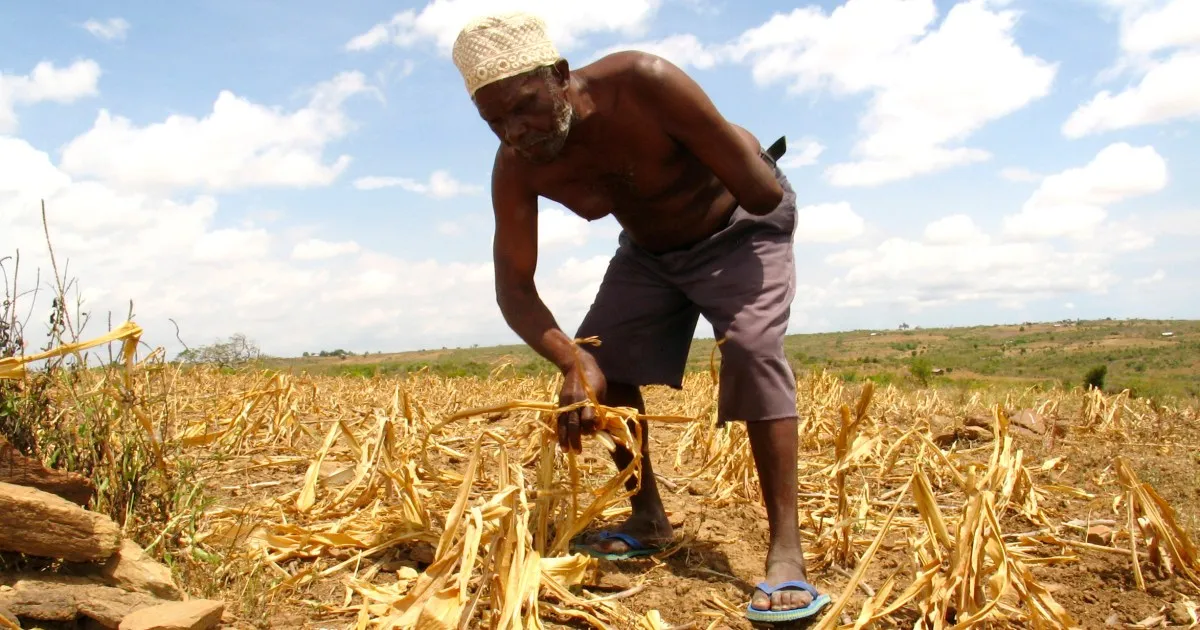
Source link

ICC states should not ignore judicial experts’ conclusions in Khan’s case | ICC

One week ago, several outlets reported on a consequential development in the disciplinary case regarding the alleged sexual misconduct by the International Criminal Court (ICC) prosecutor, Karim Khan. In a confidential report addressed to the Bureau of the Assembly of States Parties (ASP), the judicial experts tasked with assessing the United Nations probe’s factual findings unanimously concluded that no misconduct or breach of duty by Khan could be established under the legal framework.

It is now for the 21 ICC states represented on the bureau to decide whether to uphold or depart from the panel’s legal conclusion. If the bureau were to find misconduct of a less serious nature, it could impose sanctions on Khan. A finding of serious misconduct would lead to a plenary ASP vote on the possible removal.

A minority of bureau members have reportedly been pushing for the judicial experts’ report to be set aside and for the bureau to substitute its own conclusions for those of the panel. This would be a precarious step. We are concerned that it would undermine the quality of subsequent decisions in Khan’s case and seriously damage the integrity of the ICC’s governance framework. It would also raise serious questions about the state parties’ credibility and their commitment to the rule of law in governing the court.

This position is consistent with our unequivocal belief that there must be zero tolerance for sexual and other forms of workplace abuse in any organisation — public or private — especially those dedicated to international justice and the fight against impunity for the most serious crimes, and that accountability for any such abuse is non-negotiable.

At the same time, particularly in politically sensitive cases, strict adherence to due process, the highest standards of decision-making, and the rule of law is of paramount importance to prevent ill-founded decisions, political interference, and abuse of power. These convictions are not in tension. For us, the ends do not justify the means.

It is true that the bureau is not legally bound by the panel’s conclusions: the experts performed an advisory function, and their report is not formally binding. Their mandate was to assist the bureau in reaching a credible and well-founded decision on the legal assessment of the factual findings reached in the UN investigative report.

The question before the panel was strictly legal. It was to give a legal characterisation of facts established by UN investigators. Factual findings are distinct from the allegations or the evidence on which they are based, and, as far as can be judged from media reports, the panel did not cross that line.

Diplomats should refrain from assuming the role of judicial experts at this stage, particularly now that such judicial expert advice has been issued. As a political body, the bureau initially recognised that it was not well-placed to make this legal determination on its own — understandably so, given the risks of politicisation of the process and the diminished credibility of any outcome. It mandated a nonpolitical, quasi-judicial body — a panel of judicial experts with relevant subject-matter expertise and experience — to carry out that assessment. This was a sound decision.

The integrity of the court and of the Rome Statute system is at stake as never before. Given the seriousness and complexity of this matter, it was appropriate that the legal assessment be entrusted to an independent and impartial body of judicial experts. In politically charged contexts, such bodies are best placed to assist political decision-makers in reaching conclusions that are both well-founded and credible – and, as much as possible, insulated from political influence.

This is precisely what the bureau set out to achieve. It developed a novel procedure to be applied to this case and itself chose and appointed the judicial experts. As revealed by The New York Times, the panel was composed of three highly regarded senior judges with impeccable track records and experience serving on the highest national and international courts. Tasked with the legal analysis of the UN investigators’ factual findings, it did the job it was meant to do – where such findings had been made.

But now that the process has run its course and the panel has reached its conclusions after three months of intensive work, some states and rights advocates are ready to ignore them because they disagree with the result. Why pursue a quasi-judicial process in the first place if its outcome can so readily be dismissed?

We are convinced that, given the current stage and the nature of the process that was adopted to get there, the panel’s report should be accorded due deference by the bureau and taken seriously, not dismissed lightly, by ICC states. Should states substitute their own conclusions, however, the outcome would be even more problematic than if no panel had been established in the first place.

Disregarding the report will create the impression that the panel was only needed to assist states in reaching one specific conclusion. Can the impression be avoided then that the judicial expert panel’s report has lost all value in the eyes of assembly officials and bureau states, who had devised and supported this process, once its conclusions proved unwelcome? The spectre of a show trial looms large.

Furthermore, if states disagree with the panel, one must ask: based on what factual findings and based on whose legal analysis? The bureau would need a very solid foundation to depart from the judicial experts’ conclusions. But it can realistically neither conduct a follow-up investigation to collect additional evidence and analysis of facts to resolve the remaining uncertainties, nor engage in their legal consideration de novo.

In our view, dismissing the judicial expert report and substituting the bureau’s own judgement would be deleterious to the rule of law, due process, and the integrity of the legal determination as to the existence or otherwise of misconduct by Prosecutor Khan. It would also undermine the authority of the judicial panel mechanism now codified in the ICC rules for any such situations in the future.

Political decision-making should not be allowed to replace and displace a legal assessment carried out in accordance with the highest standards of judicial competence, independence and impartiality, which the political body itself insisted on upholding.

The implication that legal form was used merely as a cover for arbitrary power would be hard to escape. We fear that this would plunge the ICC system deeper into an already existing crisis, without offering the relief some may hope for. The ICC states know full well that this is a cost they cannot afford, particularly at this juncture.

The views expressed in this article are the authors’ own and do not necessarily reflect Al Jazeera’s editorial stance.

Source link

As a Palestinian, I stand in solidarity with the Iranian people. Here’s why | US-Israel war on Iran

My deepest sympathies lie with the Iranian people, whose hearts are torn in many directions. Many long for freedom and dignity, yet they remain wary of the long history of Western imperial intervention across the world, including their own country.

The Iranian people who took to the streets in recent years did not call for one form of domination to replace another. They demanded an end to oppression in all its forms, not the beginning of a new round under the Western thumb. Nor did they want change at any cost.

At every step, history teaches us – these promises of freedom offered by the West are never fulfilled.

The reason is simple. The freedom of others is simply not on the Western agenda, no matter its public rhetoric. Imperialism of this nature does not want freedom; it wants control, domination, power and profit.

On March 4, as bombs were falling around him in Tehran, Mohamad Maljoo, an Iranian dissident, was finally able to connect to the internet. He wrote on his Telegram channel: “Those who claim that one can rain fire on the body of Iran in the name of striking the Islamic Republic while imagining that the people will remain unharmed either do not understand the reality of war or deliberately choose to ignore it. Bombs do not discriminate. Destruction does not operate selectively.”

The truth of his warning echoes from Palestine to Iran: “Life does not flourish in the shadow of oppression. Nor does it grow beneath the rubble of bombs.”

As a Palestinian, I feel the pain and determination in these words. I cannot help but feel solidarity.

We, Palestinians, know the horror of war in our bodies. We understand the shudders caused by yet another explosion, the tears of orphans and the despair of sleepless nights as fires burn everywhere. From the 1948 Nakba (catastrophe) to the current Ibadah (destruction), we have felt the pain of genocide for many generations. We see the echoes of our experience in the plight of others.

The US-Israel war on Iran began with something all too familiar to us: a strike on a school.

According to UNICEF, an average of a classroom full of children was killed each day for two years in Gaza; 432 out of the Strip’s 564 schools sustained “direct hits” from the Israeli army.

The Shajareh Tayyebeh, a girls’ elementary school in the city of Minab in southern Iran, was also a “direct hit”. About 170 young girls between the ages of six and 12 and staff were killed by two high-precision US-made Tomahawk missiles on February 28.

After the initial strike, teachers rushed to protect the students. Paramedics hurried to the scene to rescue the wounded. And then, a second bomb fell.

It was a double-tap strike – a horror of modern-day warfare that people of Gaza know all too well. It is designed to kill its target and then kill again those who come to the rescue.

Like in Gaza, the attack on the girls’ school in Minab did not remain an exception. Over the past three weeks, Israel and the United States have rained death and destruction on public spaces across Iran. Schools, hospitals, sports halls, stadiums, stores, cafes, bazaars and historical sites have been attacked. More than 5,000 residential units have been hit, and over 1,900 civilians have been killed.

As in Gaza, the cumulative goal is not only physical destruction, but also the spread of fear and terror. The targeting of civilian spaces thus operates as a form of psychological warfare — an assault on the very idea of safety and normality.

Targeting civilian infrastructure is against international law. Yet the US and Israel view international legal norms through the lens of US Defense Secretary Pete Hegseth, who has repeatedly expressed his disdain for the rules of engagement, calling them “stupid”.

By now, it is clear that Gaza has served as Israel’s laboratory, as a testing ground, for the vision it seeks to impose across the entire region.

Just days ago, Israel’s Finance Minister Bezalel Smotrich issued a chilling warning: “Dahiyeh [in southern Beirut] will look like Khan Younis.”

The destruction of Khan Younis – my hometown – has become the new model of devastation to be repeated elsewhere. In Lebanon, in the span of 20 days, this model has resulted in the massacre of nearly 1,100 people, including 120 children – a full classroom every three days.

What we witness in Gaza travels to Lebanon, then on to Iran.

What is the ultimate goal? The consolidation of Israeli hegemony in the region. The strategy is not necessarily the complete overthrow of the Iranian regime, but rather to break the Iranian state itself and significantly curtail its capacity to project power. A weakened or broken Iran would no longer be an obstacle to Israeli regional supremacy.

All this is happening with the full support of the US. Just last month, US Ambassador to Israel Mike Huckabee voiced his approval for Israeli expansion into “Greater Israel”.

Other Western powers have also consented, supporting the illegal war on Iran, albeit refusing to commit their own troops, ships and aircraft.

In his poem “The Earth Is Closing on Us”, Mahmoud Darwish wrote:

“Where should we go after the last frontier?
Where should the birds fly after the last sky?
Where should the plants sleep after the last breath of air?”

Soon, this may become the reality for the entire region. Under Israel’s absolute and unrestrained dominance, we will all feel as if we have nowhere left to go. What will life under this reality look like?

If Gaza is the laboratory, then we can picture that the region will burn in flames for years to come.  Whenever Israel wants to, it will “mow the lawn” to impose its will over any government and to suppress any rebellion from the people of the region.

The views expressed in this article are the author’s own and do not necessarily reflect Al Jazeera’s editorial stance.

Source link

Keir Starmer’s policy on the Iran war is a recipe for catastrophe | US-Israel war on Iran

In March 2003, a million people took to the streets of London to oppose the illegal invasion of Iraq. Seeing straight through the lie that Iraq possessed weapons of mass destruction, protesters warned the British government in no uncertain terms: This action would trigger a spiral of misery, hatred and death.

More than 20 years on, most people now recognise the Iraq war for what it was: a catastrophic mistake that fuelled a string of subsequent conflicts and instability. The United Kingdom had followed the United States into an illegal war – and more than a million Iraqi men, women and children paid the price.

Unfortunately, not everybody has learned the lessons from the past. It has been almost a month since the US and Israel launched their attacks on Iran. More than 1,400 Iranians and more than 1,000 Lebanese people have been killed.

In seeking to justify the bombing, US President Donald Trump spoke of the need to eliminate “imminent threats from the Iranian regime”, whose “menacing activities directly endanger the United States, our troops, our bases overseas and our allies throughout the world”. He said the goal was to make sure Iran “will never have a nuclear weapon”. Sound familiar?

The first casualty of war is the truth, so let us get the facts straight: These are lies that have been peddled to justify an illegal and unprovoked war. As the National Counterterrorism Center Director, Joe Kent, said in his resignation letter last week, Iran “posed no imminent threat to our nation” and that it was “clear that [the US] started this war due to pressure from Israel and its powerful American lobby”.

There is only one nuclear-armed state in the Middle East: Israel. Next month’s UN Conference of the Parties to the Treaty on the Non-Proliferation of Nuclear Weapons would have been the perfect place to call for an end to the nuclear arms race. A diplomatic solution was possible, but the US and Israel chose war instead. In doing so, they have jeopardised the safety of humankind around the world. So, too, have those nations that have decided to lend support to their war of aggression.

Shortly after the attacks on Iran began, British Prime Minister Keir Starmer gave the US permission to use British military bases for strikes on Iranian missile sites. Last week, his government agreed to let the US use British bases to strike Iranian sites targeting the Strait of Hormuz.

The UK could have followed in the footsteps of Spain and said, “No way, absolutely not. We will not be involved in this illegal war in any way whatsoever.” Instead, it has dragged itself into another catastrophic conflict.

Astonishingly, the prime minister still maintains that the British government is not involved – a line that has been regurgitated by many across our media. He says the UK is allowing its sites to be used only for “defensive” strikes. What nonsense.

The reality is, if a bomber takes off from Royal Air Force base Fairford and bombs targets in Iran, we are involved in that act of aggression. If civilians die, will their families stop mourning when they are told that they were bombed for “defensive purposes”? No matter how Starmer dresses it up, he cannot change the truth: The UK is directly involved in this war.

Mark my words: This is a historic mistake that jeopardises the safety of us all. That’s why, earlier this month, I tabled a bill in the House of Commons that would require parliamentary approval for any British involvement in military action. That includes the use of British bases by other nations.

So far, the prime minister has refused to pass this legislation. With no debate, no discussion and no vote, he is dragging Britain into another disastrous illegal war.

Just like with the invasion of Iraq in 2003, today, those of us who oppose the war on Iran are accused of giving succour to authoritarian regimes and leaders. Whatever one thinks of the governments of various places, there is no basis in law for an attack to bring about regime change. There is no basis in history that bombing from the sky would bring about human rights either.

Trump couldn’t care less about people’s human rights. Whether it’s in Iran, Venezuela or Cuba, he is interested in one thing and one thing only: seizing resources and political control around the world.

If the UK cares about international law, it would be standing up to Trump, not bending over backwards to appease him.

The story of US-led foreign interventions is a story of chaos, instability and misery. How many more of these catastrophic failures do we need before we learn the lesson? And what will it take for the UK to finally defend a consistent, ethical foreign policy based on international law, sovereignty and peace?

The views expressed in this article are the author’s own and do not necessarily reflect Al Jazeera’s editorial stance.

Source link

Trump can declare victory in Iran – and he should | US-Israel war on Iran

Since Donald Trump entered the political fray, critics have opined that if he ever faced a direct confrontation with Iran as United States president, the result would be chaos, endless war, and global instability. They have been proven wrong once again.

Today, the world is witnessing the swift decisive assertion of US power that is leading to a clear military victory over a terrorist state that has long threatened US as well as global peace and security.

For too long, US foreign policy was dominated by hesitation disguised as sophistication. US presidents, Democrat and Republican, advocated for “containment”, “strategic patience”, and “measured responses”, while adversaries grew bolder and more brazen. Iran expanded its influence across the Middle East, funded proxy militias, threatened global energy supplies, and openly challenged Washington’s credibility by attacking US interests, personnel and assets.

Trump rejected the conventional Washington approach even before assuming public office. He never believed that endless negotiations or carefully worded diplomatic statements would deter a regime that only yields to power. His critics called it recklessness. What it actually was, was clarity.

Instead of drifting into another conventional decade-long war, Trump chose a simple formula: hit hard, hit fast, and make it clear that the US will not capitulate to threats.

Today, most of the foreign policy establishment still defines “victory” the way it did in the 20th century: overthrow the regime, occupy the country, and rebuild its government in our liking. That post-World War II and Cold War model worked in Europe, Asia and Latin America. It did not in the Middle East. Iraq and Afghanistan proved that nation-building can be a futile endeavour.

Trump understands something Washington does not want to admit: the exercise of American power should not be to build democratic societies. It should be to eliminate threats.

From the outset, the Trump administration made clear that it was launching the attacks to control the outcome.

If Iran’s military leadership has been weakened, if its ability to threaten US forces and allies has been reduced, and if its nuclear ambitions have been significantly set back, then the mission has already succeeded, and it is time to end the war.

When Trump declares victory, he will not do it quietly. He will say it directly: America struck, America won, and America did so without engaging in another endless war.

Timing has always been one of Trump’s political talents. He understands momentum better than any of his predecessors of the past few decades did. If the military objectives have already been largely achieved, waiting months to say so would only weaken the message.

Declaring victory at the moment of peak strength sends a powerful signal — not just to Iran, but to the entire world.  It ratifies that the US has red lines again. It makes clear that threats will be met with force, not speeches. And most importantly, it declares that the US is once again confident enough to act decisively.

Critics on the American left will predictably label any Trump victory “premature” and his methods “illegal” and reckless. But their genuine discomfort with his success has more to do with the use of American firepower to achieve objectives that they believe can or should only be had through diplomacy and multilateral rather than unilateral actions.

Trump’s “America First” foreign policy builds on US President Ronald Reagan’s peace through strength mantra by being willing to pre-emptively exercise American might to demonstrate American resolve and deter adversaries. It has proven effective before, and it is proven effective again today.

It destroys the critics’ primary thesis — that American strength must always be restrained, that military power should be used cautiously, and that multilateral strategies are a prerequisite.

Trump’s Iran victory speech will not be lofty and replete with platitudes. It will be direct, simple, and unabashedly America First.

He will explain that the US acted because it had to do so. He will declare that the imminent threat of a nuclear Iran has been eliminated. He will say American lives were saved. And he will end by stating that the world is safer because of this sacrifice by the American people.

Through Trump’s America First foreign policy, the US will act decisively and unilaterally. It will not apologise for defending its interests. And it will prove that acting boldly can change the course of events in a matter of weeks, not years.

After decades of vacillation, Trump’s message to the world is simple: America’s back and American interests come first.

America did not need another endless war. It needed a president willing to act.

And that is exactly what it got.

The views expressed in this article are the author’s own and do not necessarily reflect Al Jazeera’s editorial stance.
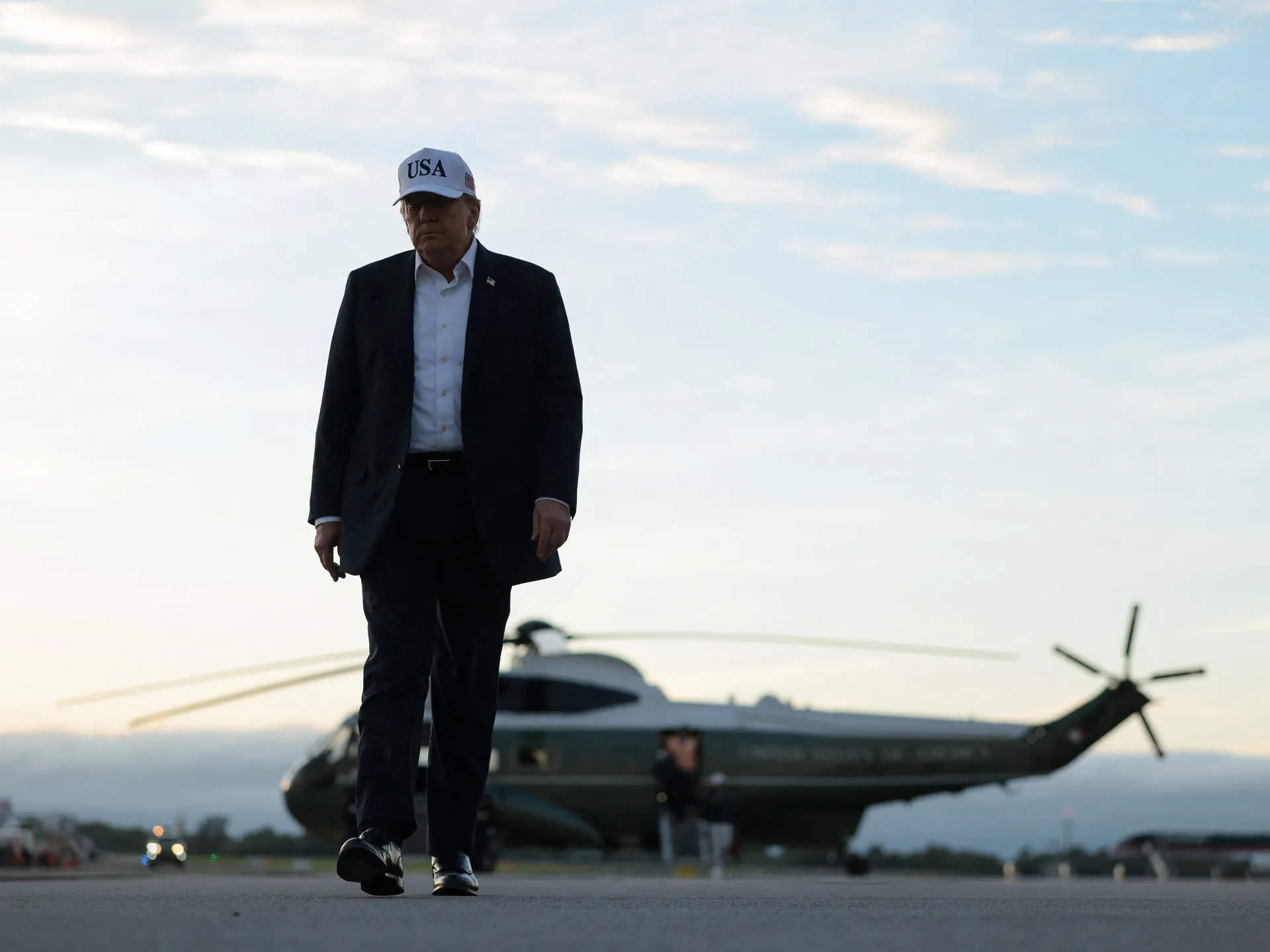
Source link

Canada’s Supreme Court must strike down Quebec’s Bill 21 | Human Rights

Under the guise of preserving secularism, this law allows the exclusion of people based on their religious identity.

On Monday, the Supreme Court of Canada will begin a four-day hearing for one of the most consequential constitutional cases in the country’s recent history. At issue is Quebec’s so-called “secularism law”, known as Bill 21 – a law enacted in 2019 that prohibits certain public sector workers from wearing visible religious symbols at work.

It bars many public sector employees, including teachers, prosecutors, police officers, and judges, from wearing religious symbols such as hijabs, turbans, kippahs, and other visible expressions of faith while at work.

There is much at stake in this case that raises fundamental questions about religious freedom, equality, and the limits of state power in a constitutional democracy. In addition, another significant issue is that to get the bill passed, Quebec’s government had used the “notwithstanding clause”, a unique provision in Canadian law that allows it to override fundamental rights and freedoms. No other constitutional democracy in the world has a similar blanket override of fundamental rights and freedoms.

The Quebec government claims that the law is necessary to preserve the religious neutrality of the state. Yet Bill 21 does the opposite: by forcing some individuals to choose between their profession and their religious identity, the Quebec government is not remaining neutral – it is effectively excluding people of faith from public sector employment.

The use of this extraordinary, and until recently rarely used, constitutional mechanism has turned the spotlight on Bill 21 beyond the borders of Quebec and the debate over secularism and religious freedoms. It has become a test of how far a democratic government can go in limiting fundamental rights and freedoms.

Evidence before the courts shows that Bill 21 affects religious people of many faiths, including Jewish men who wear kippahs and Sikh men and women who wear turbans; but its impact falls particularly heavily on Muslim women who wear the hijab. For many Muslim women who wear headscarves, teaching and other public service careers have effectively been closed off.

The message of exclusion that this law sends to young people is especially troubling. Generations of young people in Quebec are being told that their full participation in public life requires abandoning visible aspects of their identity.

This is why the National Council of Canadian Muslims and the Canadian Civil Liberties Association launched the constitutional challenge against Bill 21. The Supreme Court of Canada must consider the implications, and possible limitations, of allowing governments to sidestep rights protections through pre-emptive use of constitutional override powers. The court’s decision will help determine whether constitutional rights in Canada remain meaningful constraints on government power, or whether they can be suspended whenever politically convenient.

These questions extend far beyond Canada. Across Europe and elsewhere, debates about secularism have increasingly centred on restrictions targeting religious expression, often impacting Muslim women in particular.

Canada often prides itself on being a model of multicultural democracy, one that accommodates diversity. Bill 21 challenges that reputation by testing whether neutrality can coexist with policies that effectively exclude people of visible faith from public service.

True secularism does not demand the erasure of religious identity. A neutral state does not require citizens to shed visible expressions of belief in order to participate fully in public life.

The Supreme Court of Canada now has the opportunity to reaffirm these principles and clarify that constitutional rights cannot be easily set aside. At a time when countries around the world are grappling with questions of belonging, pluralism, and the rights of minorities, the Canadian court’s ruling will send an important signal about whether liberal democracies are willing to uphold their commitments to freedom and equality.

We say this is not an abstract idea, but an imperative to demonstrate that commitments to freedom and equality are more than mere words.

The views expressed in this article are the author’s own and do not necessarily reflect Al Jazeera’s editorial stance.

Source link

Eid under siege: Little to celebrate in Gaza as Israel tightens chokehold | Opinions

As attention shifts to the Iran war, tighter restrictions on Gaza are driving shortages, price hikes and growing suffering, turning a time of celebration into one of anxiety for millions.

While the world’s attention is fixed on the Iran war, Israel has quietly tightened its chokehold on Gaza, further restricting the flow of goods and aid. As Eid al-Fitr begins, a time meant to be marked by joy and family gatherings, millions in Gaza are struggling under deepening shortages and rising hardship. What should be a moment of celebration has instead become one of anxiety, as the worsening crisis strips Eid of even its simplest pleasures.

The economic crisis is not merely a case of ordinary inflation or a temporary shortage of goods, but the result of a complex interplay between the Israeli occupation, local market dynamics, and broader regional and international strategies. Israel has repeatedly taken advantage of external tensions, such as those involving Iran or Lebanon, to justify tightening restrictions on the movement of goods through crossings while intensifying military pressure on Gaza. This leaves residents directly exposed to soaring prices and shortages of essential commodities.

Even when goods are available in the markets, some traders have taken advantage of the crisis to make excessive profits by raising prices unjustifiably. Tomatoes, for example, which used to be 3 shekels ($0.97) before the recent events, now cost 20 shekels ($6.48). Essential canned goods have increased at similar rates. Cooking gas now costs 80 shekels ($25.92) for an 8kg cylinder, meaning that a family may need about 640 shekels ($207.37) per month just to secure cooking gas. Electricity prices have also increased from 18 shekels ($5.83) per unit to 25 shekels ($8.10), while the cost of living for families who often rely on alternatives such as kerosene stoves (babur) for cooking instead of wood has risen sharply.

Price hikes do not stop here. Meat has become prohibitively expensive, essential medicines are increasingly inaccessible at reasonable prices, and even the simplest Eid traditions are now out of reach for many. This price manipulation reflects how some traders exploit the economic fragility and psychological pressure faced by residents, intensifying feelings of injustice and frustration among the population.

The ongoing war, repeated violations of ceasefire arrangements, and Israel’s broader strategy of using external conflicts as justification for military pressure have turned the narrative of “continuous security threats from Gaza” into a recurring pretext for closing crossings or using them as a tool of control. In this way, Gaza has increasingly become entangled in wider regional tensions and military calculations.

Under these circumstances, Eid al-Fitr in Gaza has become a symbol of daily hardship. Families are forced to choose between basic necessities and the traditions of the holiday. Meat, vegetables and cooking gas have become luxuries for many, while the majority struggle simply to secure the essentials of daily life.

Even when supplies exist, the monopolisation of goods and unjustified price hikes make the local market fragile and expose the weakness of Gaza’s economic structure. Every attempt to stabilise prices or increase supply faces strict restrictions linked to the blockade, creating opportunities for traders to secure quick profits at the expense of ordinary civilians.

In the end, Gaza’s crisis is not merely an economic issue; it reflects a complex intersection of occupation, blockade, commercial exploitation, and regional and international policies that have left the territory marginalised.

Eid al-Fitr, once a symbol of joy, has become a reminder of a lost celebration, but also a call for the international community to take meaningful action: to ensure the flow of humanitarian aid, protect civilians from exploitation and prevent human suffering from being turned into an opportunity for profit.

Source link

No, MAGA is not divided on the Iran war | US-Israel war on Iran

Sometimes, journalists indulge in myths and delusions they claim to decry.

This grating inclination has been on almost giddy display in the still evolving aftermath of United States President Donald Trump’s rash decision to join Israeli Prime Minister Benjamin Netanyahu in launching a war with Iran.

Like falling dominoes, a “narrative” gathered momentum among the America’s “progressive” commentariat, insisting that Trump’s order to go to war offended large swaths of the MAGA movement and set off a seismic split in his ardent base.

It is a silly myth and a seductive delusion.

Sure, a handful of familiar MAGA personalities have grumbled that another Middle East conflict betrays the “America First” pledge that helped propel Trump back to the White House.

Conservative commentator Megyn Kelly has questioned whether the US is drifting, yet again, into an endless war without purpose or meaning. Podcaster Joe Rogan has talked about the conflict’s disastrous, unintended consequences. Former Fox News host Tucker Carlson has warned that the unprovoked attack could trigger chaos across an already volatile region.

Trump, of course, parried the backlash with trademark coarseness. He lashed out. He dismissed the naysayers. He mocked allies who briefly turned detractors.

Headlines blared that a domestic quarrel threatened to engulf his MAGA disciples in a “civil war.”

The idea that MAGA has fractured is fantasy. Disquiet is not rupture. Dissent is not rebellion.

The MAGA “movement” is not a conventional coalition held together by consensus around a coherent, considered set of principles or policies.

MAGA remains what it has always been: a political phenomenon built to burnish one man’s ego and narcissism. As long as that man is Trump, the “movement” bends to his designs and whims. It adjusts; and, inevitably, snaps back into loyal line.

That loyalty remains the movement’s signature force.

For nearly a decade, Trump has tested its limits. He has weathered scandals that would have devoured most politicians. Two impeachments. Criminal convictions. A litany of controversies, including his close and lengthy friendship with the architect of a worldwide sex trafficking ring, the notorious paedophile, Jeffrey Epstein.

Through it all, MAGA has, if anything, tightened its loving embrace of Trump.

The notion that a fraternal dispute over foreign policy would shatter the vice-like bond is absurd. That bond is emotion. It is visceral.

For his embittered supporters, Trump is the embodiment of grievance-fuelled defiance. He is a charismatic champion against enemies in Washington — the gilded establishment, the media, the global order who treats them with derision and contempt.

Within that parochial framework, Trump’s actions at home and abroad are filtered through the prism of fidelity. When Trump unleashes a war that he once opposed, his devout followers accept his shifting rationales — however obtuse or contradictory. They believe he sees threats others ignore. They believe he acts when others hesitate.

Indeed, polls confirm their steadfast confidence in Trump’s judgement and his enduring appeal.

The Republican Party has always harboured different instincts. Some supporters lean towards isolationism. Others favour aggressive displays of the America’s unparalleled power.

While there may be hints of unease among Republicans about the prospect of a long, costly war with Iran, that unease has not led, and likely will not lead, to a broad revolt anytime soon.

Trump’s standing within the Republican Party remains strong. His approval among Republican voters remains high. They trust him.

That trust trumps the simmering doubts raised by a small, albeit prominent, slice of MAGA fawning pundits and a few recalcitrant members of Congress.

Kelly knows it. Rogan knows it. Carlson knows it.

The trio understands that they operate inside a MAGA universe fashioned and controlled by Trump. Their popularity and influence depend on staying there. They know the defining rule of Trump’s gravitational pull: stray too far and you will be cast out.

Predictably, Carlson avoided escalation.

Instead, he declared his allegiance. He made plain that he still “loves” Trump. He reminded listeners that Trump had reshaped American politics.

Kelly and Rogan may question the risks and dangers of war, but neither would wage a sustained attack on the president. Neither would dare tell Trump’s loyalists to abandon him.

A fleeting disagreement over Trump’s reckless adventure in Iran will not translate into a lasting break.

Even the most high-profile MAGA hucksters recognise that confronting Trump invites retribution and disaster. Their audiences overlap. Their reach thrives in the same ideological ecosystem.

Picking an ultimately losing fight with the ecosystem’s vengeful anchor is rarely good business.

So, MAGA is, at the moment, experiencing a touch of turbulence. It will pass.

Which is why the constant search by establishment media for a dramatic MAGA schism keeps producing the standard result.

Nothing much changes.

Every time Trump sparks outrage, the same prediction appears. This time, the base will rebel. This time, the coalition will splinter.

This forecast is a tired ritual. It ignores the fundamental nature of the MAGA compact. That connection is not rooted in briefs or blueprints. It is a secular religion where the leader is never wrong.

Myopic scribes mistake a fracas for a collapse. They see tension and hope for a divorce. The believers are not preoccupied with the logistics of war or the mercurial logic of “America First”. They care about the man who gave them a voice.

Once the friction fades, the sceptics will retreat. They have nowhere else to go. The undeniable magnetism of Trump’s celebrity and command of MAGA reels most reluctant strays back.

To leave that agreeable orbit permanently is to vanish into irrelevance — a bleak fate for provocateurs who have forged lucrative careers amplifying Trump’s ignorance, intolerance, and fury.

The views expressed in this article are the author’s own and do not necessarily reflect Al Jazeera’s editorial stance.
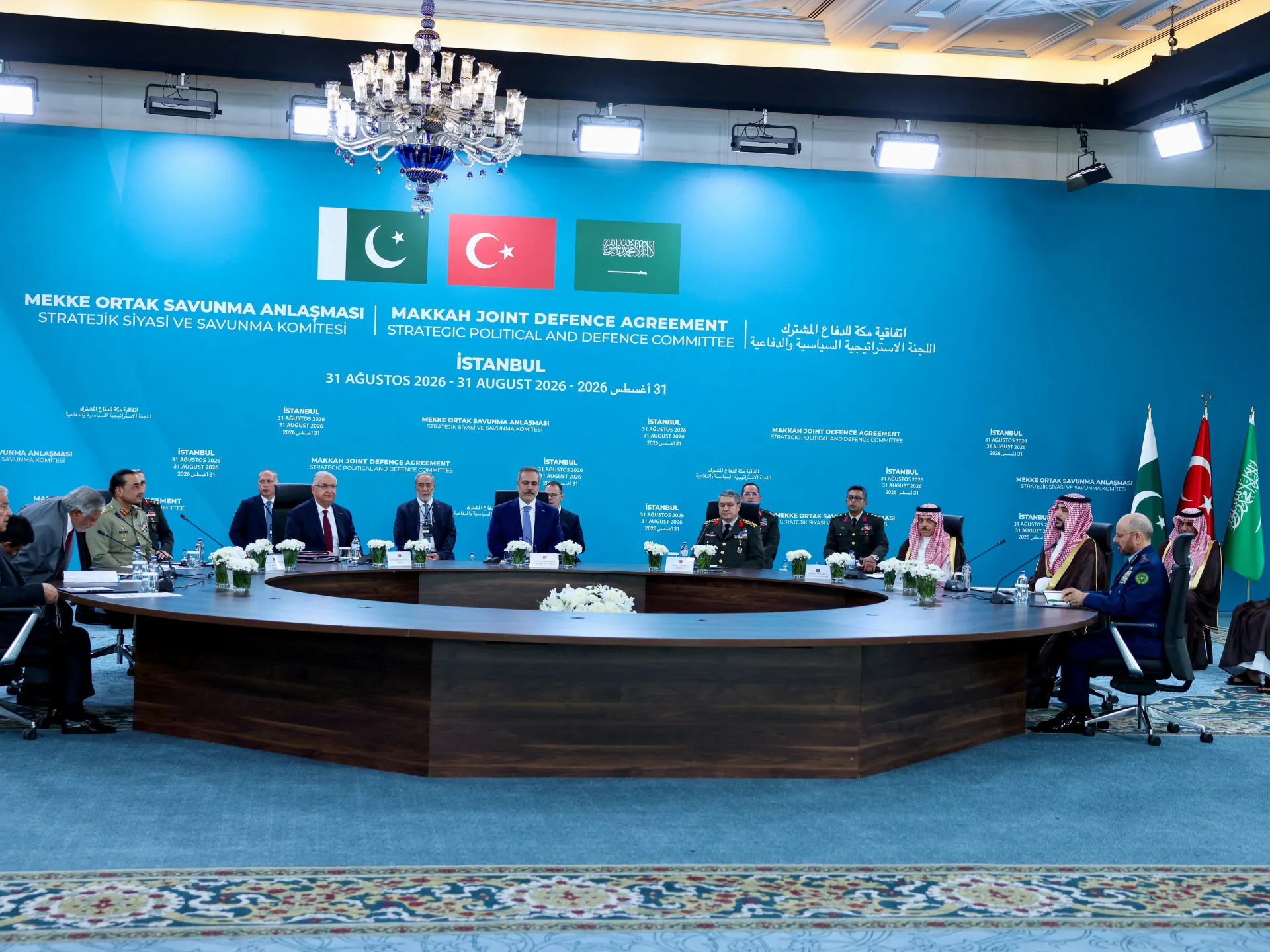
Source link

Destroy, displace, dismantle: Israel’s Gaza doctrine comes to Lebanon | Israel attacks Lebanon

Israel has killed almost 600 people in Lebanon and displaced more than 750,000 in less than two weeks. This is the opening act of Israel’s Gaza doctrine applied to a new front. The formula is consistent: Displace – either by ordering people to leave or by destroying their means of survival. Demolish civilian infrastructure to prevent return and expand territory through so-called “buffer zones”. Fragment any coherent governance by carving territory into disconnected enclaves where military action continues at a lower intensity.

I spent three years working in Palestine before being expelled by Israeli authorities. I watched this doctrine develop in real time. Now, from Beirut, I am witnessing its replication.

In the West Bank, Israel has spent decades fragmenting territory and denying Palestinians any contiguous geography. Water wells sealed with cement, homes demolished over impossible-to-obtain permits, herders pushed from their land by illegal settlement outposts. In Gaza, the same logic was applied with far greater speed and fury.

In October 2023, Israel announced that every Palestinian north of Wadi Gaza had to leave immediately. Days earlier, Israel’s defence minister had declared a complete siege: No electricity, no food, no water. By labelling an entire population as the enemy, Israel created a class of expendable people. The military released maps with Gaza divided into numbered blocks. When your number was called, you were forced to leave. Evacuation orders became the alibi for the crimes that followed. People were ordered into al-Mawasi, a stretch of coastline Israel designated a “safe zone”, a concentration area for hundreds of thousands living in tents, where air attacks continued. So-called evacuation zones were depopulated and destroyed.

Classic counterinsurgency logic would have entailed “clear, hold, and rebuild”. Israel’s approach was radically different: Destroy, displace, dismantle. The goal was not to pacify territory but to empty it. In both Gaza and southern Lebanon, Israel has treated civilian populations as indistinguishable from the resistance they support. Their displacement is the objective. The collapse of their political representation is a condition Israel seeks to make permanent. This is settler-colonial logic in contemporary military form.

The same playbook has now arrived in Lebanon, but with a revealing difference from previous Israeli operations here. In the first Lebanon war in the 1980s, Israel sought to install a sympathetic government. Gaza has shown that Israel has abandoned that aspiration. The goal is no longer to determine who governs a territory but to ensure that no coherent governance exists at all. Nor is Israel alone in this; the UAE’s approach in Yemen and the Horn of Africa – and its support to Israel in Gaza – reflects the same preference for isolated enclaves. What has emerged is a regional doctrine of fragmentation shared between aligned powers.

Israel has issued evacuation orders for the entirety of southern Lebanon and southern Beirut. The familiar map that appeared on my screen in Beirut last week had the same design and the same deadly ambiguity as the ones we dealt with in Gaza; announced evacuation zones failed to match those shown on the map. In Gaza, those who crossed the invisible lines were killed.

Hundreds of thousands of people are now on the move. Schools have become shelters, health workers have been killed, and people are sleeping on the seafront where just two nights ago a tent was bombed. Israel has threatened to attack Lebanese state infrastructure if the government fails to act against Hezbollah – extending its aims from displacement and infrastructure destruction towards the forced destabilisation of the state itself. The Lebanese government has responded by forbidding Hezbollah from firing. This is precisely the internal fracturing that Israel’s strategy appears designed to provoke.

But Lebanon is not Gaza. Hamas was fighting with an improvised arsenal inside a besieged strip of land, and this already proved challenging for Israeli forces. Hezbollah commands more sophisticated weaponry, hardened infrastructure, and decades of preparation for this kind of war. It has shown it can absorb heavy blows and strike back, surprising both Israel and outside observers with the depth of its capabilities. Israeli ground operations in southern Lebanon and the Bekaa have already met significant resistance. It is here that the doctrine may encounter its limits – not through diplomatic pressure, which has failed to materialise, but through asymmetric military reality. Iran has made Lebanon’s fate explicitly part of any ceasefire calculus, signalling a unification of fronts that Israel had thought were weakened.

A doctrine built on the assumption of impunity has encountered little resistance in the conference halls of a so-called rules-based order. The Gaza doctrine is the expanded version of what Israel previously called the “Dahiyeh doctrine” – the use of overwhelming force against civilian infrastructure – now weaponised towards a larger end: The permanent redrawing of the region’s geography, demography, and political order.

This doctrine has developed in a vacuum of accountability. The International Court of Justice has been ignored. The Security Council has been paralysed. Governments have continued trading with Israel as it steadily normalised the unacceptable. Daniel Reisner, who headed the international legal division of Israel’s military advocate general’s office, was candid in saying that “If you do something for long enough, the world will accept it […] International law progresses through violations.”

The United States is not a bystander to this failure; it is an active participant in deepening it. At the Munich Security Conference earlier this year, Secretary of State Marco Rubio framed the transatlantic alliance in ethnonationalist terms and cast colonialism as a Western achievement. At an event in Tel Aviv, US Ambassador Mike Huckabee expressed confidence that Washington would “neuter” both the ICC and the ICJ – the very institutions through which accountability might otherwise be pursued.

What is unfolding in Lebanon is the political continuation of an ongoing settler-colonial project. The evacuation orders are precursors to mass destruction, designed to prevent return and permanently alter the landscape. Stability in the Middle East demands more than ceasefire agreements that manage fragmented populations while permitting lower-grade warfare to continue. It requires unconditional enforcement of international law, full accountability for those prosecuting this doctrine, and the right of return and reconstruction – from Beit Hanoon to Beirut.

The views expressed in this article are the author’s own and do not necessarily reflect Al Jazeera’s editorial stance.

Source link