Named among the world’s five coolest neighbourhoods, it packs cafés, international food and welcoming pubs into a small pocket of a major city.
The neighbourhood is jam-packed full of coffee shops, pubs and restaurants(Image: Nicola Roy)
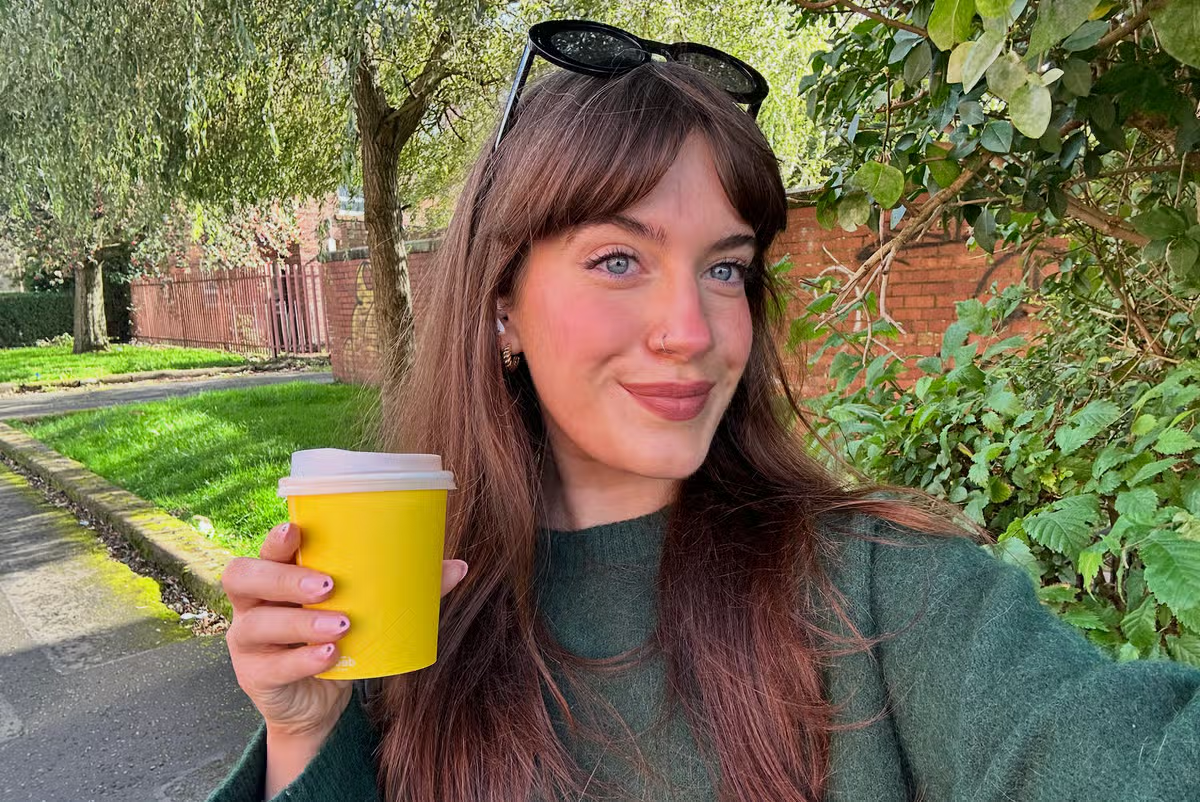
A £4.60 oat milk mocha might not be everyone’s idea of a bargain. But at Zennor in Govanhill, I’d argue it’s worth every penny – and the surrounding streets offer plenty of reasons to stay after the last sip.
The neighbourhood on Glasgow’s south side earned a place among the world’s five coolest neighbourhoods in Time Out’s annual list. Its appeal goes well beyond fashionable coffee shops, with a diverse mix of people, cultures and businesses shaping the area.
From Turkish börek to Pakistani street food, independent cafés to a pub named after a footballing legend, there’s plenty to explore. Some may say it’s all new coffee shops and no substance, but they couldn’t be more wrong.
A neighbourhood best explored on foot
Victoria Road is a natural starting point. Busy with dog walkers, friends catching up and people carrying takeaway coffees, it leads towards the green space of Queen’s Park.
Govanhill is one of Scotland’s most diverse neighbourhoods, reflected in its cafés, bakeries, takeaways and gift shops. You could easily spend hours browsing and stopping for something to eat.
Options include a flat white from a Transylvanian coffee shop or traditional Turkish börek from Pistachio. For me though, Zennor was the destination of choice.
On the corner of Langside Road and Dixon Avenue, Zennor’s second Glasgow location combines Scandi-inspired light wood and stainless steel décor with paper lanterns and the smell of freshly ground coffee.
Zennor’s seasonal specials are really where they excel, but I didn’t spot anything on there that caught my eye on this occasion, so I opted for a mocha. And you can’t pop in here without grabbing a sweet treat, such as their dark chocolate and sea salt cookie – utter bliss.
With oat milk, my coffee order totalled £4.60. It pains me to admit, but I don’t think that’s too steep these days, particularly when it’s this good. And it’s worth every penny in my opinion.
Where to head for a pint or a plate of pasta
Directly opposite Zennor is the Rose Reilly, my favourite pub in Govanhill. Named after the legendary footballer, it offers a welcoming atmosphere, a good choice of drinks and plenty of outdoor seating for sunny days.
For something more substantial, I recommend Pakistani Street Food for a samosa, Bar Vini for a generous serving of pasta and Errol’s Hot Pizza for the best pizza you’ll ever eat.
Together, these venues offer plenty of scope to turn a quick coffee visit into a longer afternoon or weekend exploring the neighbourhood.
More than a ‘coolest neighbourhood’ label
Govanhill’s fashionable reputation is only part of its story. The area faces challenges, and residents hold differing views about how it has changed, with gentrification a particularly contentious issue.
My view, however, is that its mix of people and cultures is what makes it such a lively and fascinating place to discover. The coffee may provide a reason to stop, but it is far from the only attraction.
There’s also libraries, craft spaces, workshops, community projects and events, and with great public transports links too, you’re never too far from other parts of the city. Other nearby neighbourhoods in Glasgow’s south side, like Pollokshields, Strathbungo and Mount Florida, are also full of fun things to do.
THE 40 most trendy spots in the world have been announced, and three neighbourhoods in the UK have made it onto the list.
The locations were chosen by Time Out’s on-the-ground experts based on criteria like food and drink, nightlife and liveability – so which ones came out on top?
Govanhill in Glasgow is officially one of the world’s trendiest neighbourhoodsCredit: AlamyAnother trendy neighbourhood is the Cathedral Quarter in BelfastCredit: Alamy
According to Time Out,one of the best neighbourhoods is Govanhill in Glasgow – it came in fifth place.
Just beating it to the punch were Jongno 3-ga in Seoul, the L’Ocean District in Rabat, Neos Kosmos in Athens and Chinatown in Los Angeles.
Sign up for the Travel newsletter
Thank you!
Talking about Govanhill, the publication described it as for years being “Shawlands‘ rougher little sibling”.
But over the past few years it has been transformed with trendy new bars, bookshops and brunch spots.
It added: “Gen Z are migrating from West End bars and brunch spots to trendy new spots in Govanhill, injecting this once-overlooked sandstone suburb with quirkiness and energy.”
When it comes to pubs, Time Out suggests popping into the Bell Jaror theRose Reilly.
Reporter for the Scottish Sun Oliver Norton gave us the inside track on the neighbourhood, he said: “The Govanhill district of Glasgow has just been voted the fifth coolest neighbourhood in the world. I’m not surprised.
“I don’t live there, but I spend a lot of time in the area as it’s home to some of my favourite people and places.
“There’s always something going on, and the multicultural vibe has totally transformed what some once considered a deprived dump.
“The area in the south side of the city is home to around 17,000 people and has experienced a visible wave of gentrification over recent years.”
Oliver says that Govanhill has recently transformed into a trendy suburbCredit: Alamy
Oliver continued: “It is now home to people from at least 52 different nationalities speaking over 88 different languages, also making it Scotland’s most culturally diverse neighbourhood.
“As a regular visitor, I’ve experienced how dedication from local activists, entrepreneurs and creatives has helped raise the profile of the area and made it a welcoming home to many.
“Time Out, which tipped Govanhill among its top five cool neighbourhoods, hailed it for it for the ‘vibrant community spirit, independent shops, and creative culture’.
“And that’s a fair assessment.
“When visiting, I like to swing by Cibo, an Italian kitchen and deli, or one of the trendy cafes before browsing through local book and record shops.
“Later in the day, the area comes alive thanks to some of Glasgow’s best pubs – far away from the stress of the city centre.
“Personal favourites include McNeill’s Bar or Ryan’s Bar where some of the city’s finest DJs and selectors have provided the soundtrack to many a night.
“Pubs like The Rose Reilly or the The Bell Jar, both name-checked by Time Out, are great for relaxed drinks with friends.
“Govanhill also hosts regular arts and music festivals, concerts and exhibitions which draw people from across the city and beyond, especially during the summer.
“My personal highlights this year include the Sub Club Southside Weekender with house pioneer Kerri Chandler and Detroit techno legend Robert Hood’s Floorplan project.
“Queen’s Park, which is great for a walk or a picnic with friends, also hosts regular events, including concerts, film screenings and entertainment for kids.
“In July, Libertines front man Pete Doherty headlined the annual Recovery Connects festival which is alcohol-free and aimed at supporting people in recovery.”
Travel Reporter Jenna Stevens loves exploring the Cathedral Quarter in BelfastThere are buzzy bars, pubs and independent shops
“The Govanhill Street Music Festival and the Govanhill International Festival and Carnival are also hot tips for music and art lovers planning to visit.”
Two other UK spots made the list – and coming in 24th position is the Cathedral Quarter in Belfast.
It was described as having “cobbled lanes and old warehouses house galleries, gig spaces, restaurants, yoga studios and enduring cultural institutions.”
Travel Reporter Jenna Stevens said: “Whether you’re wanting a pint in a pretty setting, the city’s coolest souvenir shopping or a backdrop for your Instagram pictures, the Cathedral Quarter is the place to be in Belfast.
“The area is anchored by St Anne’s Cathedral, where cobbled streets branch out to reveal buzzy bars, pubs and independent shops.
“Once an old warehouse district, this trendy quarter is now the city’s creative heart. Victorian warehouses that used to store linen and rope now house art galleries and indie coffee shops.
“Red brick walls are plastered with impressive murals of hyper-realistic portraits and landscapes.
“It also hosts many of the city’s festivals, including the yearly Cathedral Quarter Arts Festival packed with comedy, street theatre and arts, and a hilarious Improv Festival in September.
“The Metropolitan Arts Centre is always switching up with the latest theatre and art exhibitions, while the Golden Thread Gallery and Oh Yeah Music Centre are a shrine to the city’s musical heritage, celebrating artists from Van Morrison to Snow Patrol.
“When it comes to shopping, here you’re trading bland malls for independent gems. Hill Street and Commercial Court house vintage clothing, boutiques and specialist shops.
“One must-visit is The Friend in Hand, a whiskey shop and museum that feels like a Harry Potter wand shop, with warm orange lighting filling the small wooden space.
“Inside you’ll find a plethora of Irish whiskeys, including the Writers’ Tears collection celebrating the city’s best authors. King Charles and Queen Camilla even visited in 2025, and you’ll see a framed photo of them propped up at the till.
“Then there’s the food and drink scene, which is one of the quarter’s biggest draws.”
The top neighbourhood on the world’s most trendy is Jongno 3-ga in SeoulCredit: AlamyNew York’s financial district is one of the must-visit spots tooCredit: Alamy
Jenna added: “The Dirty Onion and Yardbird is a popular pub housed in Belfast’s oldest building, which puts on traditional music seven nights a week and has a massive beer garden. You can grab a crispy fried chicken burger for £13.50, or a rack of ribs smothered in sauce for £25.50.
“The Muddlers Club is a more modern spot, serving Michelin small plates in an eight-course tasting menu for £80pp – which is great if you have a special occasion to celebrate.
“As for cheap eats, Common Market is a giant food hall where you can grab dirty loaded fries, gyros, wings and more to sink down with a perfectly-poured pint. Lunch here will cost around £8 – £15.
“For something sweet, Established Coffee does a banging banoffee french toast and lemon meringue pie, plus unique drinks like an apple pie latte (£4.80).
“Whether you’re after a cosy traditional pub, a vintage clothes shop or industrial cocktail bar, the Cathedral Quarter offers them all – often on the same street.
“Oh, and make sure to visit Commercial Court when it gets dark to get that classic picture underneath the neon-lit hanging umbrellas.”
The last spot in the UK to make the list is the neighbourhood of Newington Green in London which came in at number 33.
Time Out describes Newington Green as a mix of old and new London.
The publication said: “These days it’s brimming with brilliance. From newly forged, hipstery gastropub Golden Tooth and small-herd butcher-cum-nightclub Stella’s to legendary Turkish seafood joint Sariyer Balik and the old Mildmay Club, Newington Green successfully combines both new and old London.”
Some of the top spots are Jolene, a trendy bakery and restaurant that is constantly popping up on Instagram thanks to its daily rotating menu, pastries, and natural wines.
There’s a trendy pizzeria called Bar Etna, Stella’s restaurant and the Army & Navypub.
The full list of Time Out’s 40 trendiest neighbourhoods around the world…