
Dino Snores for grown-ups opens up the iconic Natural History Museum overnight

Staying in the Natural History Museum was a dream come true
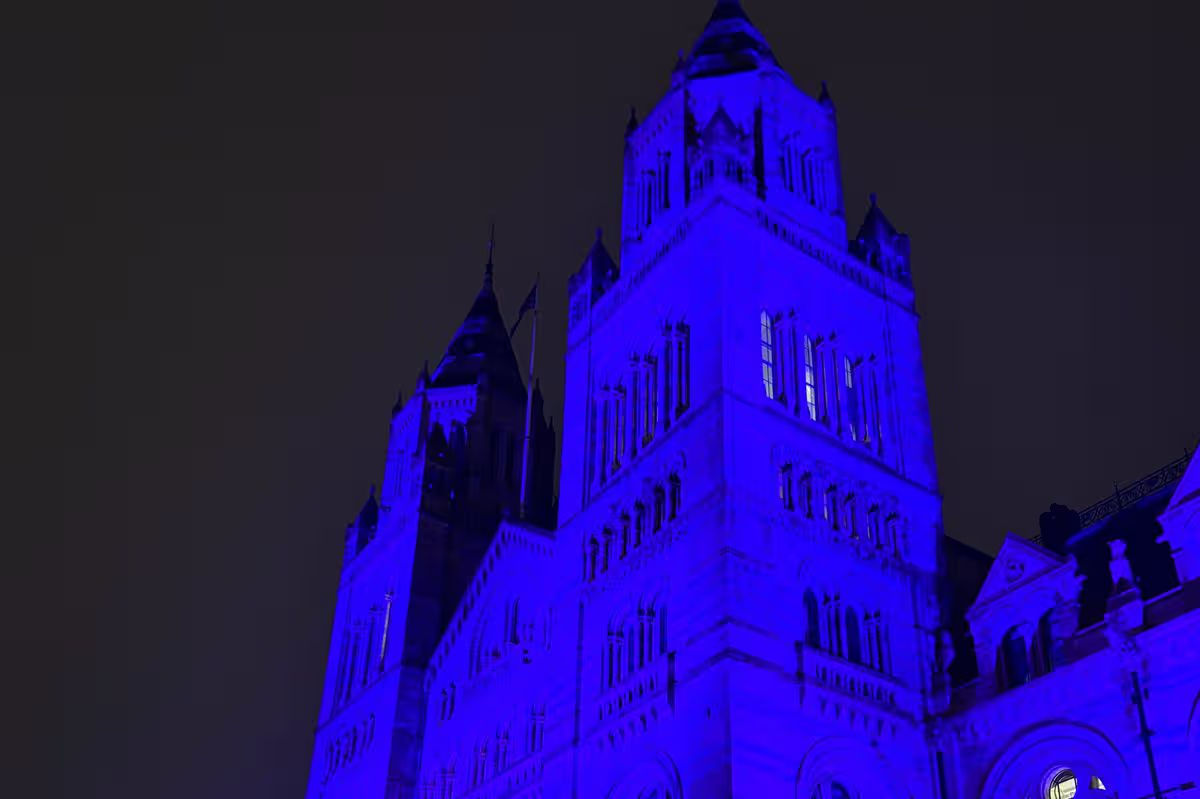
It’s one of the most iconic buildings and attractions in London and is known the world over.
The Natural History Museum is a marvel, containing tens of thousands of specimens from the natural world from across the globe and across time.
Not only that but the building is one of the most stunning in the capital, instantly recognisable and with some new wonder to be found on every visit.
And, in a real bucket list moment and a once in a lifetime experience, I was one of the people lucky enough to spend the night in this iconic building, sleeping under Hope the whale and wandering through the collections in the dead of night.
The Natural History Museum hosts Dino Snores for adults – and what an experience it is.
Not only do you get to spend the night sleeping beneath Hope the whale in the main Hintze Hall, there is so much going on there’s no way you’ll be getting your head down until the wee small hours.
Walking into the museum after the sun had gone down felt like living in my very own fairy tale. The exhibits in the incredible main hall were softly lit.
First up was a delicious three course meal in the T-Rex restaurant, followed by our first activity of the evening – stand-up comedy.
This is the Natural History Museum after all, so it did have a conservation theme in the form of comedian Simon Watt, founder of the Ugly Animal Preservation Society.
Who knew blob fish, frogs and the inexplicable inclusion of the kakapo flightless parrot could be so hilarious.
Next, there was a live animal workshop with ethical handling company, ZooLab, who encouraged us all to think how we would design our own dinosaur using traits from some of the amazing creatures who share the planet with us.
You were even allowed to touch some of these rare species – I very bravely overcame my terror to stroke a snake but have to admit to breathing a big sigh of relief when were were told the tarantula was a look only experience.
Then onto a lecture about sharks with a one of the museum’s palaeontologists – utterly fascinating.
A quick game of Dino Bingo, and then a stroll around the softly lit galleries with no crowds – the dinosaur section really is something else when the lights are out and it’s eerily quiet – and before we knew it it was 3am and we were ready to drop.
Tucking ourselves into our sleeping bags under the watchful gaze of Hope the whale, we were serenaded to sleep by a harpist – the theme from Jurassic Park as my personal favourite.
Throughout the night, there was a fully licenced bar as well as free tea, coffee and snacks to keep you going throughout the evening.
There was just so much to see and do, but for those who didn’t feel like roaming the halls of the Natural History Museum there was also a midnight film screening – what else but the original Jurassic Park.
Waking up in the iconic Hintze Hall was a real pinch me moment and off we went to our early morning yoga class – a stretch was just what we needed – before a full fry up and then some time to once again wander through the galleries, minus the crowds before the museum opened to the public at 10am.
This really was a magical experience and one I’ll cherish forever.
For more information about Dino Snores for adults check out the page on the Natural History Museum website.
There is also a Dino Snores event for kids, for more information visit the website.