Inside the peculiar European island that changes nationality every 6 months

A TINY, curious European island changes nationality every six months – despite being completely uninhabited.
Governed by two different countries, Pheasant Island is the site of a very special historical event.
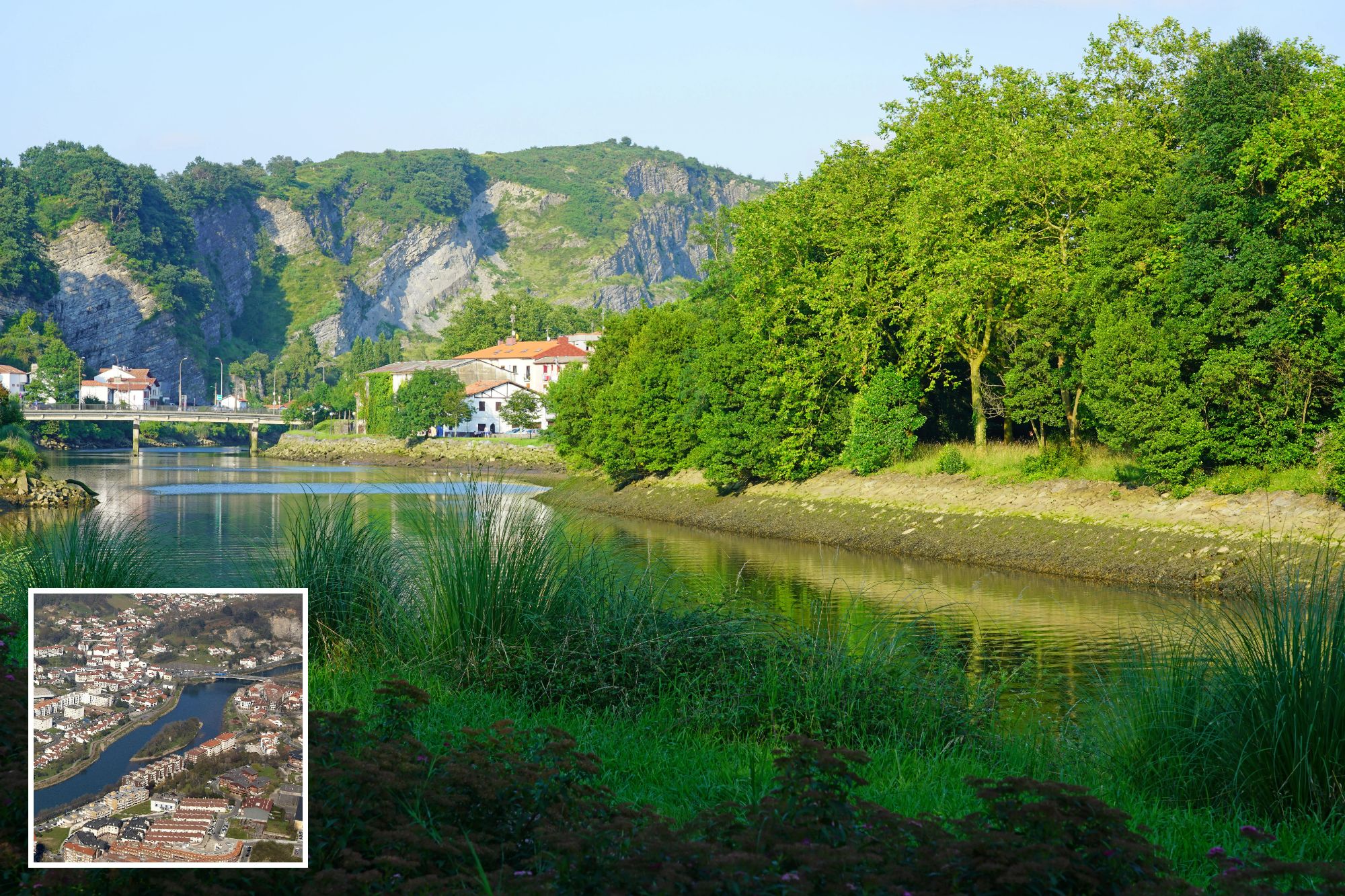
At only 200 metres long and 40 metres wide, it sits within the Bidasoa river.
Just 10 metres from Irun, Spain and 20 metres from Hendaye, France, Pheasant Island is jointly governed by both countries.
Despite it’s name, you won’t be able to find any pheasants on the island – just green crested mallards and migratory birds.
But at its centre lies an important piece of history.


On Pheasant Island sits a monolith commemorating where the negotiations of the Treaty of the Pyrenees took place in November 7, 1659.
The monolith’s inscription is in Spanish on one side and French on the other.
This was a monumental moment as it marked the end of the Franco-Spanish War which had been raging on for over 24 years.
The occasion was also marked a year later by the marriage of French King Louis XIV and the daughter of King Philip IV, Maria Theresa of Spain.
This helped establish an agreed upon border between the two nations.
As a symbolic gesture of peace, the island is governed by Spain from February 1 to July 31, and by France from August 1 to January 31.
During the formal handover, both sides perform military dress parades around the monolith before peacefully switching governance.
Visitors are not allowed on the island, apart from during a few days, but this is limited to military personnel.
It does open occasionally on heritage open days although these are rare.
The island can sometimes be reached on foot from the Spanish side at Bidasoa’s low tide.
Recently, a growing number of migrants have been using the Bidasoa river to illegally cross from Spain to France.
Migrants have been spotted swimming across the river with some reportedly drowning due to the unpredictable currents in the tidal channel.
According to figures from Irungo Harrera Sarea, Irun’s NGO, an estimated 30 migrants arrive every day seeking passage north into France.
Talking to the BBC, Pía Alkain Sorondo, a local archaeologist, said: “This is still a place of new hope for so many, but it is also a death trap.”