The biggest news to come out of two film festivals this week stemmed from documentaries about tech moguls gone bad.
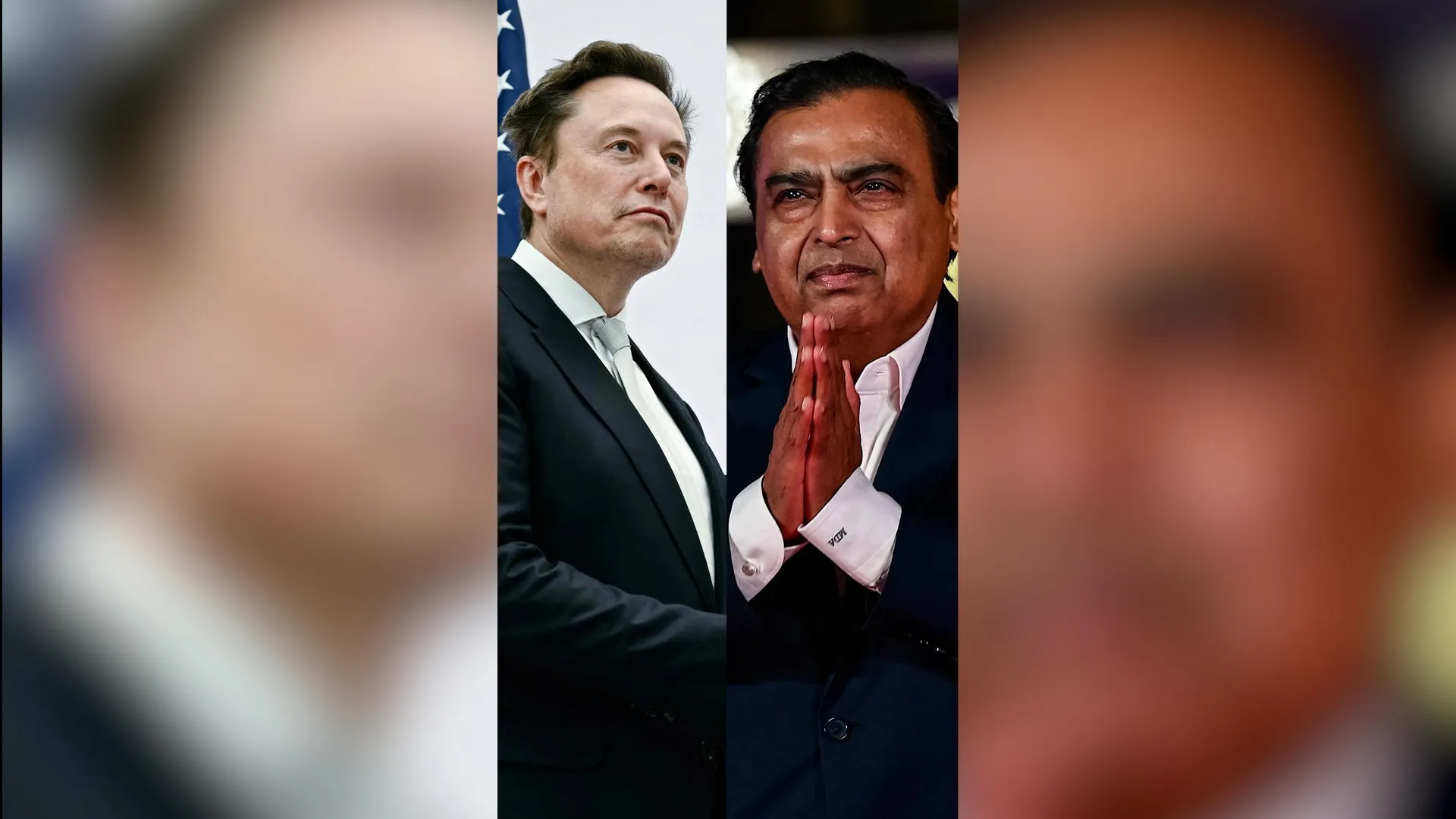
When Alex Gibney’s film production “Musk” premiered at the Venice Film Festival on Tuesday, it received a five-minute standing ovation, shouts of “thank you” from the audience and endless play across social media. The nearly four-hour production chronicles the rise of the world’s first trillionaire out of the dot-com boom, and lays bare the dangers that the Tesla and SpaceX chief executive now presents as a plutocrat with questionable judgment and unchecked power.
Closer to home, at the Telluride Film Festival, it was comedian Nathan Fielder (“The Rehearsal”) and Lance Oppenheim’s “You Can See Everything” that made breaking news. Their film features unfettered access to former Theranos Chief Executive Elizabeth Holmes in the weeks before she reported to federal prison to serve a sentence of 10 years and three months. She rode the early 2000s wave of venture-capitalism consumer-tech hype, defrauding investors and the public with a bogus new way to test blood. By 2014, she was the world’s youngest self-made female billionaire.
A couple of decades ago, films about Musk and Holmes probably would have framed the pair as forward-thinking entrepreneurs and architects of a new era. Today, the pitchforks are out, and who else better represents the hubris and greed of late-stage capitalism?
There’s plenty of buzz around both films ahead of their October releases, yet the richest man in the world is helping promote the “Musk” doc by incessantly posting about Gibney and his “hit” piece.
Musk’s X posts have referred to the filmmaker as a “horrible human” and a “bitter old man” and declared, “Dogs— is worth more respect.” Always looking for a conspiracy to explain away the perfectly explainable, he wrote that the film was a “psy op.” He included in the post an image of Gibney as a puppet of the Democratic Party and George Soros. Musk also offered Trumpian prose: “Gutless Gibney’s fatal flaw of fabricating a false film.”
“Musk” is due for a theatrical release in the U.S. on Oct. 16 followed by a streaming launch on HBO Max.
Musk’s attorney Alex Spiro is threatening a lawsuit. He sent a letter to the Gibney-led Jigsaw Productions accusing the filmmaker of misrepresenting facts about the mogul. Spiro says the filmmaker suggested that Musk used his Starlink satellites to bend the 2024 election in favor of his friend and ally Donald Trump.
“You are … on notice, before release, that the insinuation is false, that the material refuting it is public, and that you chose not to be told the rest,” Spiro wrote. Spiro claimed he contacted the production “multiple times” and “requested an opportunity to present the facts in the normal fact-checking process that is the hallmark of ethical journalism. You have refused to engage.”
Gibney says Musk declined to be interviewed for the film. In his absence, the documentarian created a digital avatar of the Tesla CEO and used statements pulled from decades worth of the entrepreneur’s interviews and public appearances. The film chronicles his childhood in South Africa and his time in Silicon Valley, and suggests that Musk’s genius is not as an inventor but as an investor. His talent, the film contends, is stock-pumping.
“Musk” also reportedly explores how the trillionaire had access to sensitive techno-surveillance data when he ran the Department of Government Efficiency (DOGE) under President Trump in 2025. Geoffrey Hinton , often referred to as the Godfather of AI, is interviewed in the film and explains why Musk’s potential access to the data is such a problem: “It’s fairly clear to me that Trump is hell-bent on corrupting the midterm elections,” Hinton says. “If you wanted to corrupt those midterm elections and you wanted to use AI, all you needed to do was get detailed information on U.S. citizens. And what DOGE did looked like just what you would do.”
Gibney in interviews about the film has warned that Musk’s widespread, unchecked power is “extremely dangerous to world democracy.”
“What I discovered was that the story of Musk was not [a] new tech story,” Gibney said in a news conference at the Venice Film Fest. “[It’s] really the story of an old wine in a new bottle. His story turns out to be the story of the confidence man, the stock pumper, his wealth and power comes from inflated stock, and so I had told that story before with Enron and with Elizabeth Holmes, and so it was a story that was oddly familiar to me.”
Gibney is renowned for taking on big money, corruption and anything else that reeks of injustice. He’s tackled Wall Street, big pharma, Scientology, Guantanamo, and even Theranos founder Holmes.
The new film about Holmes, “You Can See Everything,” offers a quirkier, up-close take on Holmes. Produced by A24 and set for an Oct. 16 theater release, it follows the disgraced CEO post-conviction, and she appears more than comfortable in front of the filmmakers and their cameras. Audiences at Telluride were surprised by the access she gave to the filmmakers, and that Holmes spoke openly about her plans to launch a biotech comeback and revive Theranos from her cell in a Texas prison camp.
Forget the celebrity glitz of high-profile film festivals. In these eat-the-rich times, it’s the dark side of wealth, fame and alleged genius that satiate audience appetites. Enter two new documentaries that feed the beast.