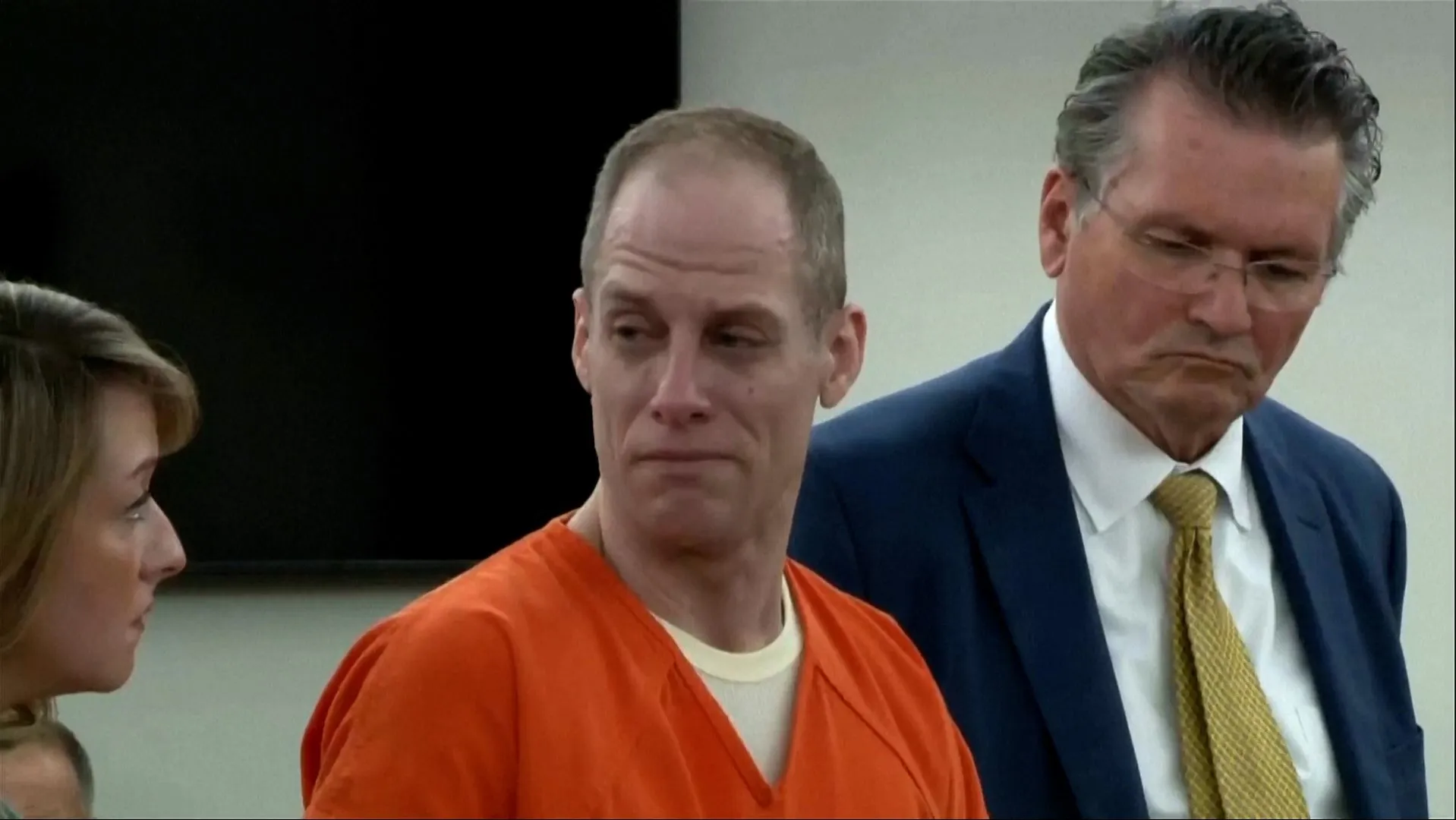
Former ‘American Idol’ singer Caleb Flynn has been sentenced to life without parole after being convicted of murdering his wife and attempting to cover up the crime.
While the circumstances are very different, Norris’ supporters also argue that his case hinges on disputed interpretations of medical evidence.
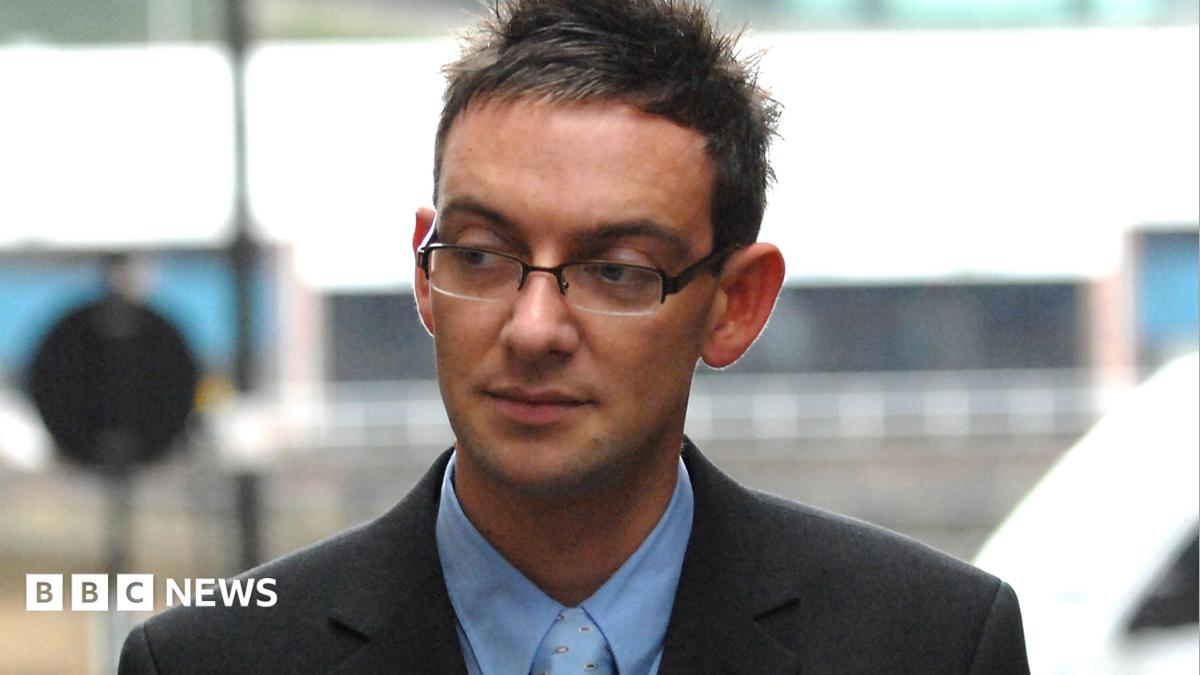
The story begins in 2002 when Norris, a 26-year-old nurse, originally from Glasgow, found Ethel in an hypoglycemic coma as she recovered from a broken hip.
Doctors took blood samples to find out what caused her blood sugar to drop so low.
The test results seemed conclusive – she had a massive amount of insulin in her blood.
She died 21 days later, sparking a murder investigation.
A nurse who had been on shift on the night Ethel was found told the police that Norris had predicted the 86-year-old might not last the night.
He quickly became the prime suspect.
The police operation trawled retrospectively through all the deaths on Norris’s wards, looking for potential murders that may have gone unnoticed.
They identified three other cases of unexplained severe hypoglycemic deaths and one where the patient recovered.
No blood tests had been taken from these cases at the time of their deaths to be able to prove insulin poisoning but experts for the prosecution said in court that their medical charts showed persistent and severe low blood sugar readings.
They said that because this was so rare in non-diabetics that it must be murder.
When it came to court in 2007, experts called by the defence said four of the five patients had died of natural causes.
But after a five-month trial and a deadlocked jury, Norris was convicted by a majority of 11-1 and told he would not be eligible for parole for 30 years.
After the verdict, Ethel’s son Stuart Hall said: “I don’t think he should come out again. He’s got the knowledge to commit murder but do it discreetly.”
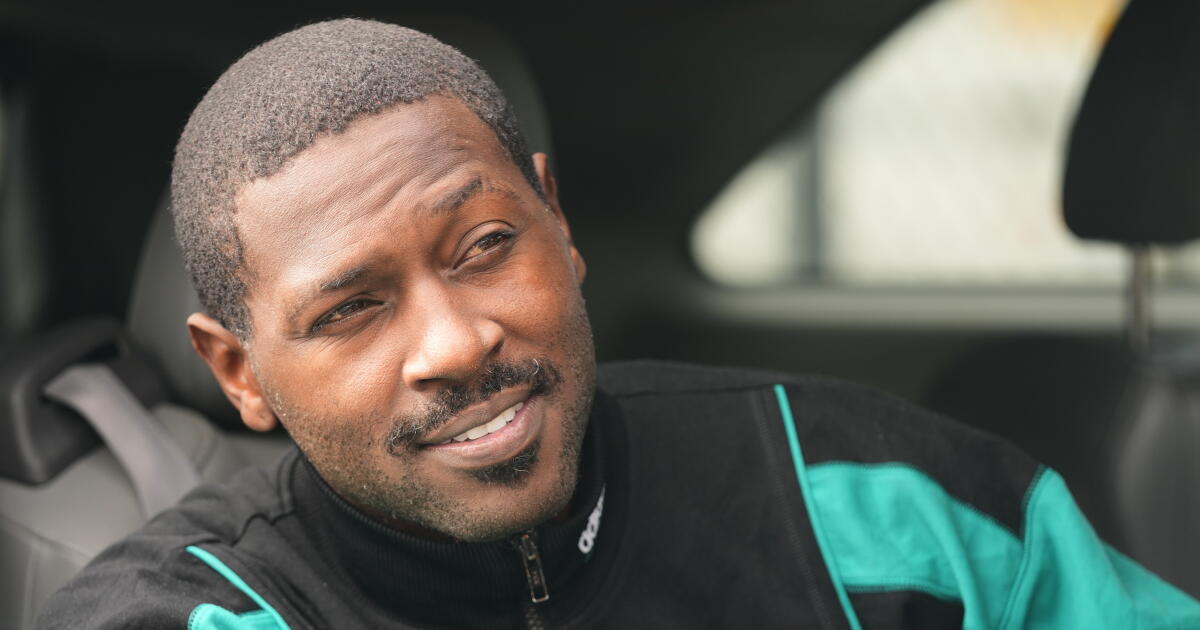
Former NFL star Antonio Brown has accepted a plea deal that will reduce the charge of attempted second-degree murder he’s facing in Florida to aggravated assault, his attorney told The Times on Wednesday.
The move will result in a significantly lighter sentence for the Super Bowl LV champion, according to attorney Mark Eiglarsh, who said Brown would receive three years of probation with the possibility of early termination after half that time is served.
A conviction for the first-degree felony of attempted second-degree murder with a firearm would have brought a prison sentence of 20 to 30 years.
Eiglarsh added that Brown will be given a withholding of adjudication, meaning he will not be considered a convicted felon. He also said that the main requirement of Brown’s probation is simply “staying away from the alleged victim, which he has no problem doing.”
“No community service hours,” Eiglarsh said. “No anger management. No evaluation psychologically. No drug treatment, no evaluations for anything like that. No letter of apology, no fines, nothing.”
A spokesperson for the Miami-Dade County state attorney’s office would not confirm that a plea deal had been reached, stating in an email that “whatever is to transpire regarding an open & pending case will be fully clarified at the next hearing,” which is scheduled for Sept. 30.
A warrant was issued for Brown’s arrest in June 2025 stemming from an altercation outside a celebrity kickboxing event in Miami the previous month. According to the warrant, “cell phone video obtained from social media” showed Brown advancing toward the other man with a gun in hand and captured “two shots which occur as Mr. Brown is within several feet” of the alleged victim.
Brown wasn’t arrested until November, when he was apprehended by U.S. Marshals in Dubai. He entered a not guilty plea to the first-degree felony charge of attempted second-degree murder with a firearm.
In December, Brown filed a motion for the case to be dismissed under Florida’s “Stand Your Ground” law, which means an individual has no duty to retreat before using deadly force in certain circumstances of self-defense.
Earlier this month, the alleged victim, Zul-Qarnain Kwame Nantambu, released a statement through his attorney saying that he “does not wish to participate” in Brown’s prosecution.
In a statement sent to news organizations on Wednesday morning, Eiglarsh said that despite changing his plea, Brown still maintains that he acted lawfully during the incident.
“Antonio believes in his innocence. He believes strongly in his Stand Your Ground defense, and he believes he would ultimately prevail at trial,” Eiglarsh said. “But when prosecutors put an offer on the table that transforms a potential decades-long prison sentence into a significantly reduced charge and probation, there was simply no way he could reasonably turn it down.”
He added: “Antonio has eight children who depend upon him, and every additional day this case remains unresolved creates extraordinary obstacles for him in securing endorsement opportunities and other business opportunities necessary to support his family. He has spent more than 10½ months living under the cloud of a case with no realistic end in sight. At some point, closure has tremendous value.”
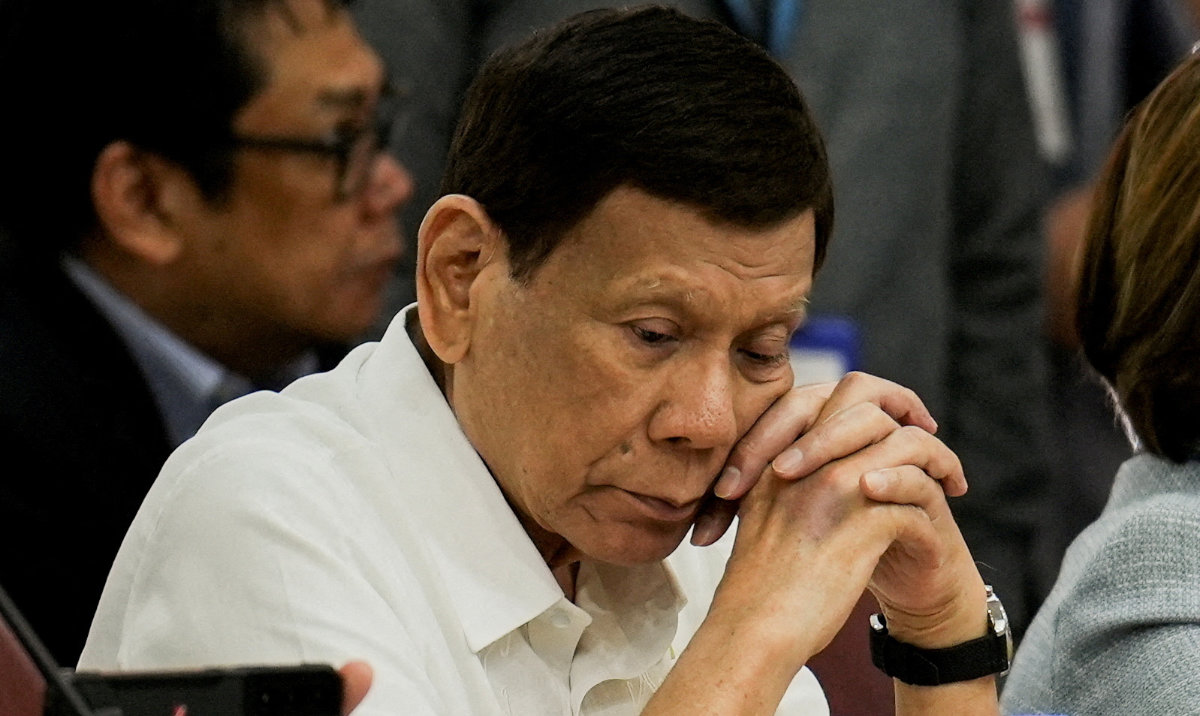
THE HAGUE, Netherlands: Former Philippines president Rodrigo Duterte is expected to appear in public for the first time on Wednesday since being transferred to the International Criminal Court 18 months ago to face murder charges related to his war on drugs.
Duterte, 81, served as president from 2016 to 2022, before being charged with crimes against humanity for creating, funding and arming death squads that targeted narcotics peddlers and users. He was arrested and taken to The Hague in March 2025.
On Wednesday, judges will hear arguments about his health and ability to stand trial, which is scheduled to begin in November. His lawyers have argued that he suffers from cognitive decline and is not well enough.
Duterte’s lawyer and family did not respond to requests for comment.
ICC judges said in January that Duterte’s health was good enough for him to follow proceedings and requested his presence in court, rather than by video link from the detention unit.
Duterte’s warrant says he was responsible for a widespread and systematic campaign that led to thousands of killings between 2011 and 2019, including when he served as mayor of the southern Davao city.
ICC prosecutors have said as many as 30,000 people may have been killed in the crackdown, the details of which were reported in a Reuters investigation.
According to police, 6,200 suspects were killed during anti-drug operations. Duterte said he instructed police to act in self-defense and told supporters he was ready to “rot in jail” if it meant ridding the Philippines of illicit drugs.
MEXICO CITY — He’s been called the “MAGA man” of Latin America, a brash political provocateur whose social media assaults boosted right-wing campaigns from his native Argentina to Central America.
His career as political consultant and co-founder of an ultra-right online outlet made him a rich man and helped elect Trump-aligned politicians across the region. The Economist gave him the “MAGA Man” label, while political commentators gave him another nickname — the “Steve Bannon of Latin America” — a nod to the longtime Trump ally and advisor.
Now, however, Fernando Cerimedo, 45, sits in a maximum-security prison in Bolivia, accused of masterminding a murder-for-hire plot: The attempted femicide of his pregnant mistress, Nadia Beller, 33, a Bolivian lawyer and activist.
It’s a stunning collapse for a onetime ad man with a dodgy reputation who rose to become the go-to digital campaign guru for Latin America’s ascendant right wing. Cerimedo’s signature boasts, exaggerations and peddling of false election-fraud narratives reflected those of his political model, President Trump.
Cerimedo also is another example of how right-wing political operatives outside the United States — as recently in Colombia and Germany — have adopted Trumpian tactics and messaging.
The fall of the “King Midas of the Latin American right,” said Daniel Matamala, a prominent Chilean journalist, stunned “the ecosystem of fake news, bots, trolls and disinformation that has taken this region by storm in recent years.” Speaking on his podcast, Matamala added, “The name of Cerimedo looms like a ghost over the summit of the radical right.”
The Aug. 17 attack on Beller was a seemingly well-planned ambush that was captured by security cameras, the grainy images widely disseminated on social media.
One of two would-be assassins dressed as fast-food deliverymen pulled out a pistol and shot Beller point blank outside a hotel in the eastern Bolivian city of Santa Cruz. She fell to the ground and, according to her account, feigned death. The next day, at dawn, Cerimedo was arrested as he was about to board a plane to Buenos Aires.
Cerimedo set up the hit, prosecutors charge, in a nefarious attempt at damage control. Beller had threatened to expose his alleged criminal behavior and physically abusive behavior toward her while revealing Cerimedo, a married man with two children, as the father of her unborn child.
Cerimedo is also under investigation for alleged illegal enrichment and potential links to cocaine trafficking.
He has denied any wrongdoing.
Even before Cerimedo’s arrest, Latin American journalists had begun unmasking Cerimedo as a prodigious purveyor of fake news — about himself. New reports revealed that his frequent boasts about U.S. connections — that he attended Harvard, trained with U.S. Navy SEALs, worked in the Obama White House — were fanciful.
“He certainly exaggerated things,” said Damian Merlo, a Miami-based consultant who worked with Cerimedo on the 2023 campaign of Argentine President Javier Milei, a Trump favorite. “I never really got the impression that Cerimedo was ‘MAGA’s man in Latin America.’ The guy could hardly speak English! But that’s how he sold himself.”
Many times, the sales pitch worked. It was Cerimedo who helped broker then-candidate Milei’s celebrated 2023 interview with Tucker Carlson, at the time a Trump confidant, an appearance that thrust Milei into the international spotlight.
Like Milei, Cerimedo seemed to relish any proximity to Trump-land.
In February, at the inaugural “Hispanic Prosperity Gala” — a right-wing pep rally held at Trump’s Mar-a-Lago estate — Cerimedo was honored as “Hispanic Political Consultant of the Year.’” From the podium, he spoke of Latin America’s “culture war” and the need to ensure that “the left never again returns” to governments that have elected conservative leaders.
Switching to heavily accented English, Cerimedo gave a shout-out to Brad Parscale, Trump’s former campaign manager, whom Cerimedo thanked for “believing [in] me all the time and giving me your technology.”
Parscale declined to comment.
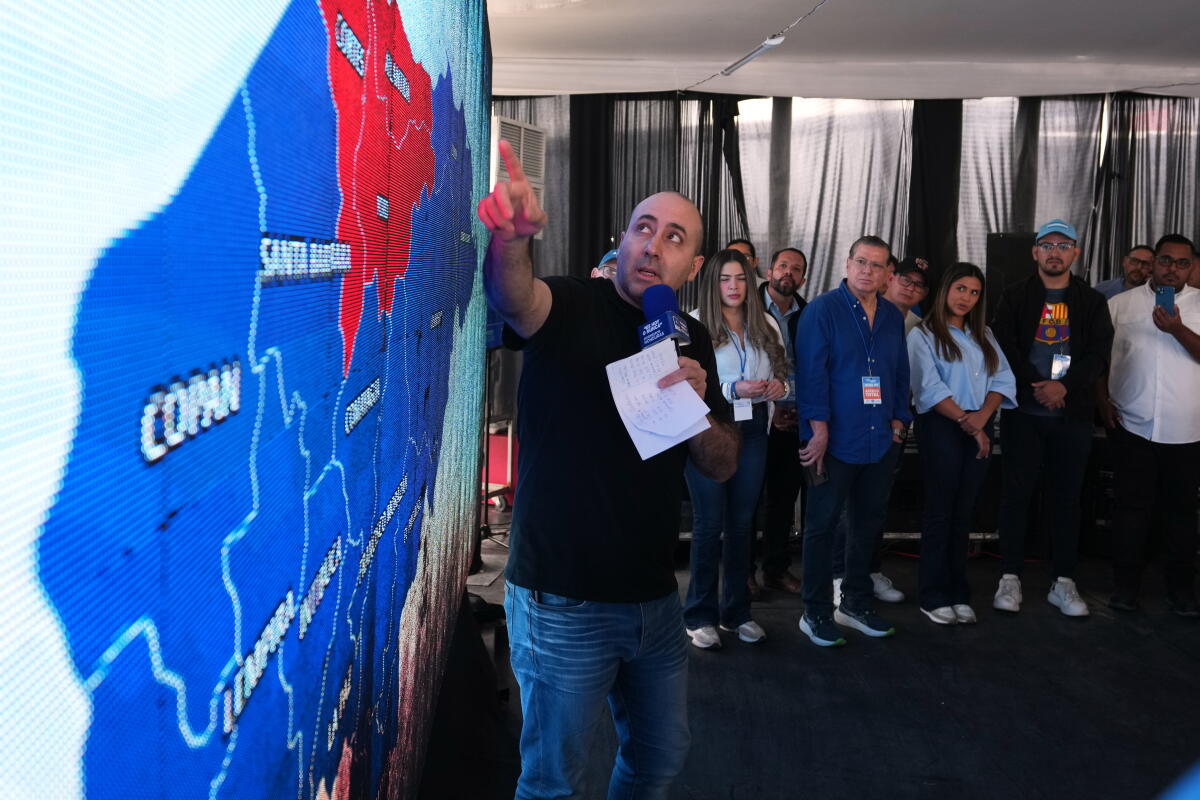
Fernando Cerimedo, an advisor to the National Party, points at a map of Honduras on Dec. 1, 2025, one day after voters went to the polls to elect Nasry Asfura president.
(Moises Castillo / Associated Press)
Both Cerimedo and Parscale were involved in last year’s campaign that resulted in the election of Honduran President Nasry Asfura, whom Trump backed publicly.
Last year, Cerimedo was a key player in the election of Bolivian President Rodrigo Paz, the center-right, U.S.-educated son of a former president who transitioned from Marxist firebrand to moderate. The ascension of Paz broke almost two decades of leftist rule by the Movement for Socialism party of ex-President Evo Morales.
Cerimedo had no official capacity in Paz’s government, but he enjoyed insider status. He accompanied Paz in March to Trump’s anti-narco “Shield of the Americas” summit, a confab of mostly conservative leaders at Trump’s Doral resort in south Florida.
Among the items found in searches of Cerimedo-linked properties, authorities say, was a business card listing him as Paz’s “chief adviser” — a nonexistent post.
“Mr. Cerimedo never had the authorization to represent … the presidency, the government or my family,” a deeply discomfited Paz said in Facebook message last month.
How exactly Cerimedo got into politics — and how he became a right-wing rabble-rouser — remains somewhat opaque. According to media accounts, he worked a series of uninspiring jobs — including stints as a taxi driver, a schoolteacher and an employee of insurance and computer firms — before veering into advertising. In 2019, he assisted the campaigns of several leftist Peronist candidates in provincial races in Argentina, and later founded his own consultancy, Numen.
Cerimedo first gained prominence in neighboring Brazil. That’s where he championed false election-fraud narratives following the narrow reelection defeat in 2022 of President Jair Bolsonaro — a MAGA stalwart — in his reelection bid against Luiz Inácio Lula da Silva, a leftist. Cerimedo’s “Brazil Was Stolen” livestream exacerbated the sense of outrage among Bolsonaro loyalists, who took to the streets in mass protests.
The Brazil exposure helped catapult Cerimedo into successful presidential campaigns in Argentina (Milei), Honduras (Asfura) and Bolivia (Paz). His arrest prompted Chilean lawmakers to create a commission to investigate Cerimedo’s possible role in that nation’s recent electoral shift to the right.
With Cerimedo’s name now toxic, Paz, Milei and other former allies have distanced themselves.
Also ditching Cerimedo was his close partner, Javier Negre, a right-wing Spanish media entrepreneur who, in 2024, purchased 50% ownership of Cerimedo’s La Derecha Diario (The Daily Right), an online, Spanish-language MAGA megaphone. The site strongly backed Colombian President Abelardo de la Espriella — who had Trump’s support — during his tight campaign this summer.
Following Cerimedo’s arrest, Negre announced that he had bought out his former partner in La Derecha Diario.
In Bolivia, the Cerimedo scandal has taken on the character of a Latin American telenovela.
A recovering Beller, shot three times in her upper body, granted interviews from her hospital bed, dishing on her lover’s alleged brutality and criminality.
According to Beller’s testimony to authorities, Cerimedo tricked her into the near-fatal rendezvous outside the hotel. He told her that a source was waiting to share details about the purported rape of a 13-year-old, she said. The supposed rapist? Bolivian ex-President Morales — a despised figure on the Latin American right.
The case has seen the once high-flying Cerimedo reduced to a slumping presence in a hoodie as authorities have shuffled the baldish, heavyset figure to hearings and lockups. Last week, he was transferred while awaiting trial to Bolivia’s maximum-security Chonchocoro prison, infamous for its high-altitude, ill-heated confines.
“I want to see my children!” a sobbing Cerimedo declared at one point in earshot of the media.
His legal team has pushed back. A defense lawyer, Margarita Arce, questioned whether Cerimedo had impregnated Beller and asserted to reporters that Beller staged a “self-inflicted attack” to smear Cerimedo and undermine the Bolivian government.
But prosecutors have sided with Beller, who told the Argentine daily Clarín: “Fernando Cerimedo wanted to kill me because I can tell everything that I know.”
Times staff writer Ana Ceballos in Washington and special correspondents Andrés D’Alessandro in Buenos Aires and Cecilia Sánchez Vidal in Mexico City contributed to this report.