murder case

D4vd murder case: Singer to face key hearing on charges he killed teen

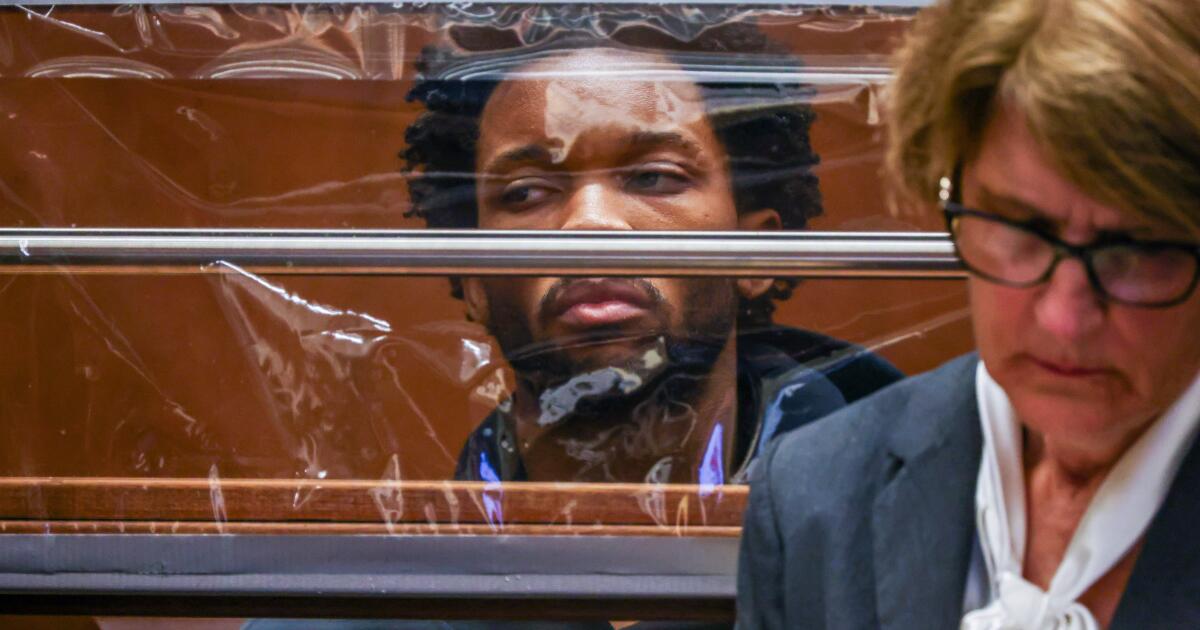
A preliminary hearing the murder case against David Anthony Burke, the 21-year-old singer better known as D4vd, will go forward at the end of June, setting a timeline for when more detailed evidence about the gruesome murder and dismemberment of 14-year-old Celeste Rivas Hernandez will become public.

Burke — who prosecutors say sexually abused the teen for a year before stabbing her to death and mutilating her corpse last year — will face the hearing on June 29, attorneys said during a brief hearing Tuesday morning.

After the singer’s arrest in April, his legal team pushed for an immediate preliminary hearing — where a judge determines if prosecutors have enough evidence to bring a case to trial — but they backed off after prosecutors began turning over what they have described as a massive amount of digital evidence linking Burke to the teenager’s brutal slaying. Burke has pleaded not guilty in the case.

The hearing is expected to last at least five days. A status conference hearing will take place on June 17.

Questions about the singer’s connection to Hernandez’s grisly end have circled since last summer, ever since her badly decomposed and dismembered body was found in the trunk of a Tesla linked to Burke. Late last month, prosecutors filed a nine-page brief laying out what they believe to be Hernandez’s final moments and Burke’s alleged horrific actions after her death.

In the filing, prosecutors said Burke stabbed Hernandez to death inside a Hollywood Hills residence after she threatened to go public about the ascendant singer’s continual sexual abuse. After killing her, Burke ordered a chainsaw, a “burn cage,” a shovel and other implements he used to dismember her remains in his garage, prosecutors alleged last week.

The motion also laid out the dramatic steps Burke went to in order to continue his relationship with the teen. In February 2024, Hernandez was reported missing to the Riverside County Sheriff’s Department by her parents, who were concerned about her involvement with Burke, according to the filing. Hernandez went home and had her phone taken away, but Burke allegedly paid a junior high school student $1,000 to give her a new device so they could stay in touch.

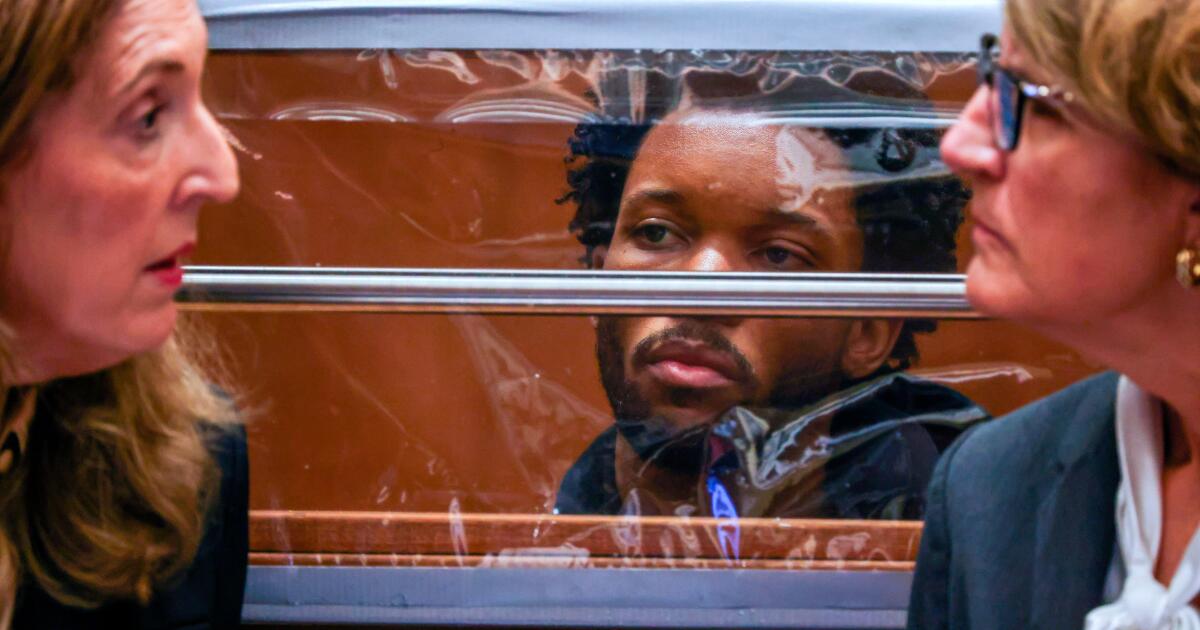
Prosecutors also said they found images of Hernandez naked and performing sex acts on Burke’s phone, according to the document. Deputy Dist. Atty. Beth Silverman said in court last month that search warrants turned up “a significant amount of child pornography” on Burke’s devices.

Burke’s lawyers have not commented on their defense strategy.
Source link

Evidence in D4vd murder case could become public at May hearing

Evidence in the murder case against the singer D4vd — who is charged with the brutal killing of 14-year-old Celeste Rivas Hernandez — will not become public until at least late next month, after his defense attorneys pumped the brakes on a preliminary hearing that was scheduled to take place this Friday.

David Anthony Burke, 21, was charged with murder, continuous sex abuse of a minor and mutilating a corpse earlier this month after Los Angeles police stormed a Hollywood Hills home and arrested him. He pleaded not guilty last week.

The singer has long been linked to Hernandez’s disappearance and death, after her badly decomposed body was found in the trunk of a Tesla he owned at a Hollywood tow yard last September. Authorities said Hernandez was last seen at Burke’s Hollywood residence on April 23, 2025.

Los Angeles County Dist. Atty. Nathan Hochman said last week that Burke killed the 14-year-old because she threatened to expose the fact that he’d been sexually abusing her for nearly a year. An autopsy report made public last week revealed Hernandez died from a pair of stab wounds. Her body was dismembered when police found it in the trunk and two of her fingers had been amputated, the report said.

Burke’s lead defense attorney, Blair Berk, said she does not believe the prosecution’s case can hold up to scrutiny and pushed for an immediate preliminary hearing during his initial court appearance. Defendants have a right to a preliminary hearing, in which a judge determines whether prosecutors have enough evidence to bring a case to trial, within 10 business days. In Burke’s case, that would have put the preliminary hearing on track for May 1.

But on Wednesday afternoon, attorney Marilyn Bednarski asked that the hearing be pushed back to May 26, citing the voluminous amount of discovery in the case. Los Angeles County Superior Court Judge Charlaine Olmedo agreed there was “good cause” to delay the hearing a few weeks.

Deputy Dist. Atty. Beth Silverman expressed some annoyance at Bednarski and Berk’s change of heart, noting she’d already warned the defense team that prosecutors had a trove of evidence to turn over.

Silverman said last week that discovery materials would include the results of a wiretap and searches of Burke’s cellphone and iCloud accounts, which prosecutors allege turned up “a significant amount of child pornography.” Law enforcement executed 54 search warrants in the case, according to court records.

The medical examiner’s report detailing how Hernandez died was not available to the defense until last week. Prosecutors also convened three secret grand juries between November 2025 and February 2026 to collect evidence against Burke, according to Silverman. Transcripts from those hearings were under seal as of last week.

Bednarski said Wednesday she needed “additional time to review the discovery we either just got, or are about to get, in order to have a full and free preliminary hearing.”

“We told them that this was what was going to be coming,” Silverman argued in reply. “As I said in my brief, we sent out subpoenas, we’ve been preparing, we’ve been telling witnesses to cancel planned vacations.”

Berk also sought to have Olmedo seal a filing that Silverman submitted early Wednesday that laid out evidence she plans to present at a preliminary hearing.

“The prosecution has appeared to file a rather unusual pre-preliminary hearing brief that appears to be a very one-sided view of what is anticipated as the evidence in this case. But no evidence has been presented by the prosecution in a courtroom. Certainly there has been no adjudication of the admissibility of that evidence,” Berk said, expressing worry that the publication of such materials would taint future jury pools.

Prosecutors normally file such briefs ahead of trial, which include a list of witnesses they plan to call and a summary of arguments they will make. Olmedo rejected Berk’s request to seal the motion. A copy of the document was not immediately available for review at the downtown Los Angeles courthouse.

Source link