Mohammed bin Salman

Saudi Arabia not to compromise on security as Houthis choose ‘chaos’: MBS | Mohammed bin Salman News

Crown Prince Mohammed bin Salman says the kingdom ‘will not hesitate to respond firmly to any threat’.

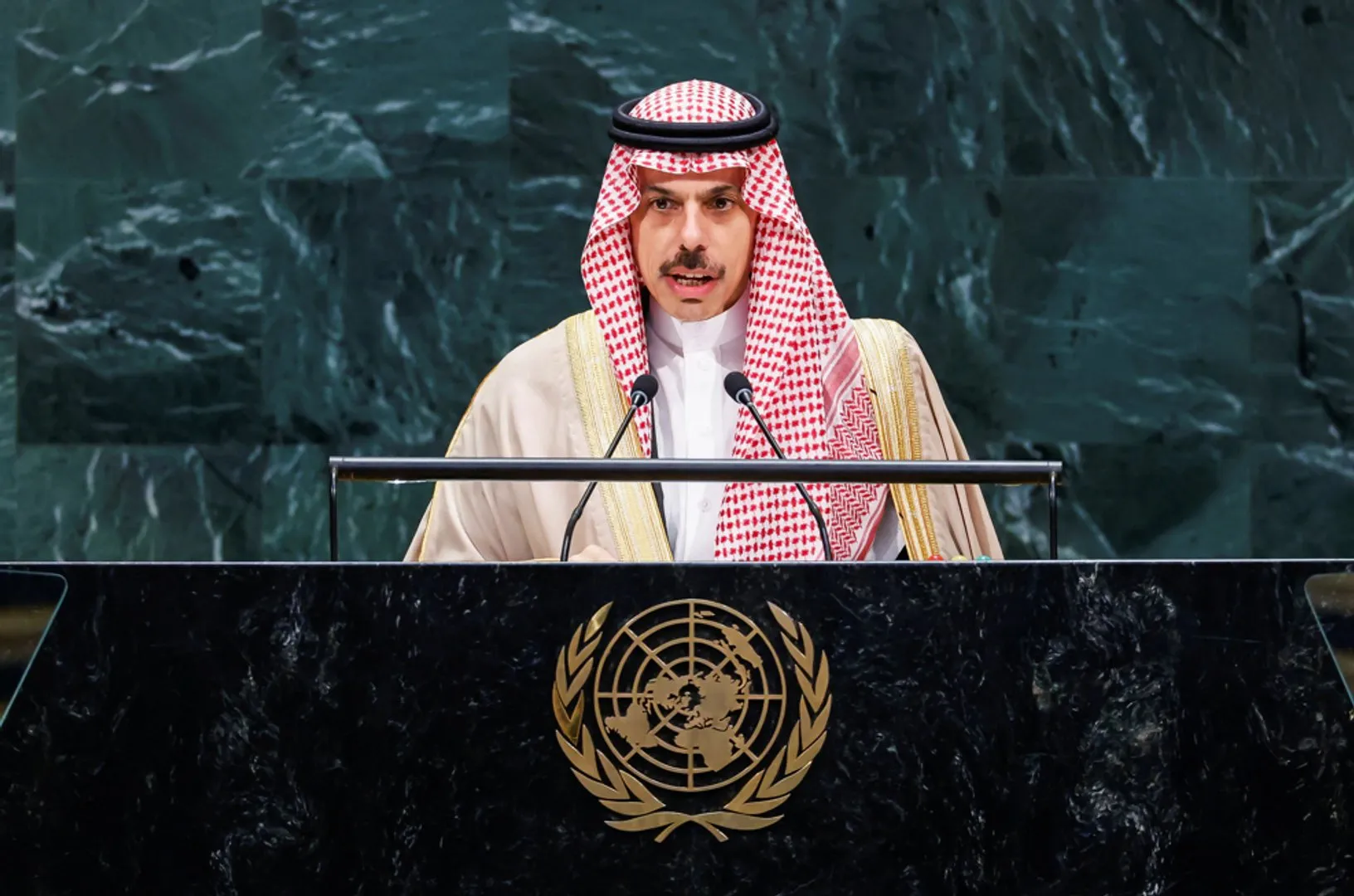
Saudi Arabia’s Crown Prince Mohammed bin Salman (MBS) has promised not to compromise on the kingdom’s security in the face of attacks by the Houthi armed group, saying the Yemeni rebels chose “chaos and destruction, threatening the Yemeni people and the region”.

In a speech delivered Wednesday on behalf of King Salman bin Abdulaziz Al Saud during the opening of the third year of the ninth session of Saudi Arabia’s Shura Council, Prince Mohammed said the country “will not hesitate to respond firmly to any threat or attack aimed at undermining” its security.

He pointed to the trilateral Mecca Joint Defence Agreement with Turkiye and Pakistan that was formalised in August, saying the alliance shows the Saudi leadership’s intent “to strengthen regional stability, shield it from the repercussions of tensions and conflicts and coordinate efforts”.

At the same time, the crown prince said, Saudi Arabia is making “every possible effort to de-escalate tensions and support diplomatic solutions without the slightest compromise on preserving our security”.

Maritime coalition to defend Red Sea

MBS also addressed the targeting of vessels by the Houthis in the Red Sea along the Bab al-Mandeb strait, rejecting the use of international waterways as a tool for political or economic pressure.

He said a “multinational defensive maritime coalition” was set up to ensure “common interests” are protected in international waterways.

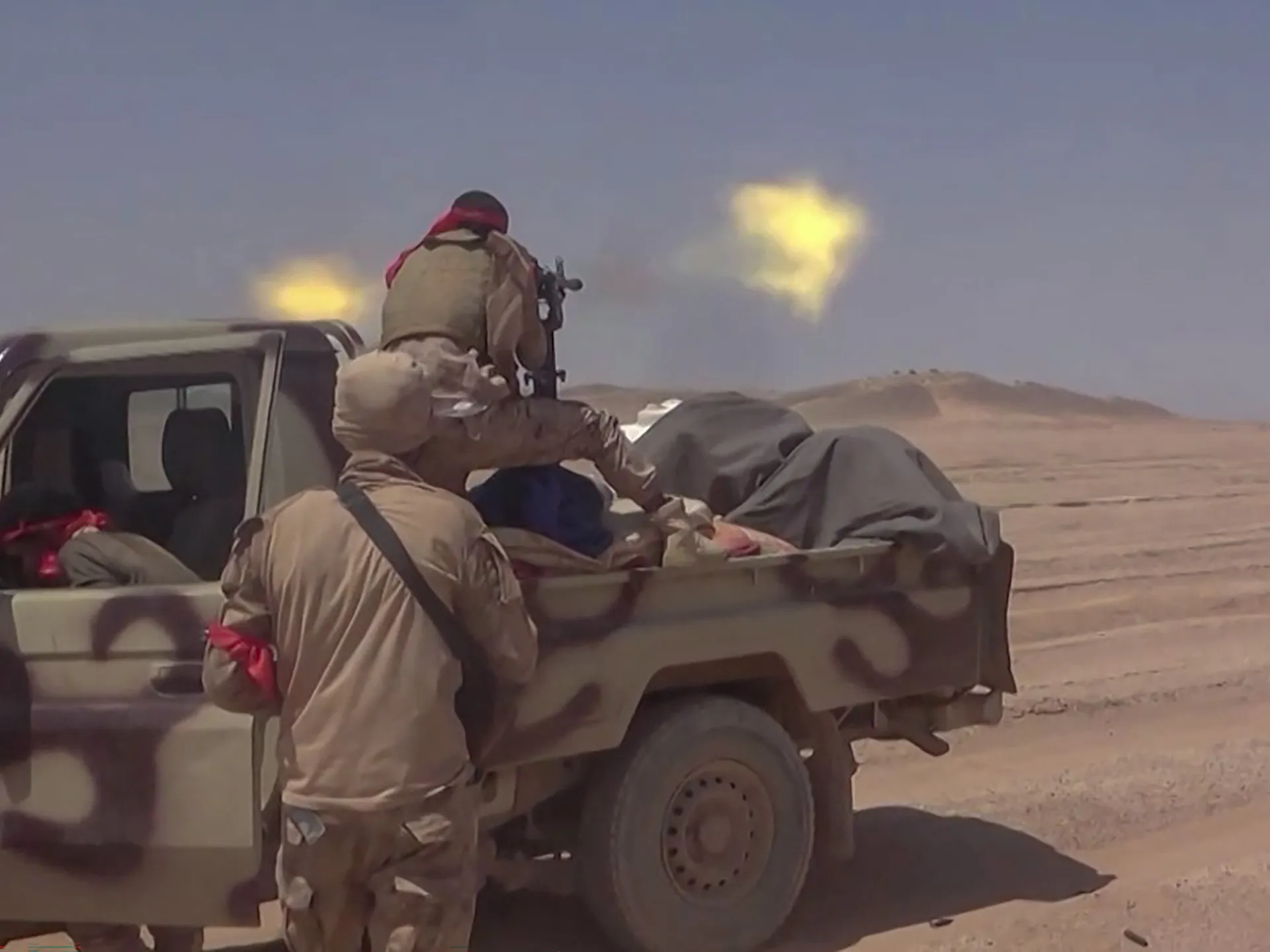
In recent weeks, the Houthis have ramped up attacks on Saudi Arabia, as they fight Yemen’s internationally recognised, Saudi-backed government forces.

Last week, Riyadh said it intercepted six ballistic missiles aimed at Taif in western Saudi Arabia and the Yanbu port area on the Red Sea.

The Houthis also said they attacked “a sensitive target” in the Saudi capital, Riyadh, and Saudi Aramco facilities in Yanbu.

On Tuesday, Pakistan’s Defence Minister Khawaja Muhammad Asif said Islamabad will make “whatever means” available to Saudi Arabia under the mutual defence pact if the Houthi attacks on the kingdom continue.
Source link

Saudi FM accuses Iran of ‘flagrant attacks’ and condemns Houthis at UNGA | Mohammed bin Salman

Saudi Arabia has used its address to the UN General Assembly to accuse Iran of flagrant attacks on civilian and economic targets across the region, while calling on the international community to condemn Houthi actions threatening Red Sea shipping.

Source link

Saudi-led coalition says shot down 6 ballistic missiles launched by Houthis | Conflict News

No response by Yemen’s Houthis to a claim by the coalition forces that its missiles targeted Taif and Yanbu.

Saudi-led coalition forces fighting Yemen’s Houthis say they have intercepted six ballistic missiles allegedly fired by the Iran-allied group towards cities in Saudi Arabia.

The missiles were destroyed on Thursday in the direction of the Saudi cities of Taif and the strategically important port of Yanbu, according to Major General Turki al-Malki, the spokesman for the Saudi-backed Coalition to Restore Legitimacy in Yemen.

Recommended Stories

list of 3 itemsend of list

Saudi air defences intercepted some of the missiles attempting to target the cities, Al-Malki told the Saudi Press Agency (SPA).

There was no immediate claim of responsibility from the Houthis or other groups.

The coalition statement came as the Reuters news agency reported that an ‌‌air defence system operated by Greek ⁠⁠military ⁠⁠personnel in Saudi Arabia intercepted a ballistic missile and a drone on Thursday in ⁠⁠the wider Yanbu region, home to major oil refining facilities.

“Both were shot down,” a Greek security source told Reuters, adding that the Greek Patriot system launched two missiles but did not give details ⁠⁠on the origin of the ⁠⁠drone and the ballistic missile. A second source confirmed the information to the news agency.

Yanbu port is key to Saudi crude when shipments through the Strait of Hormuz are disrupted.

Earlier on Thursday, Saudi Arabia’s General Directorate of Civil Defence issued alerts warning of potential danger in the holy city of Mecca, the northwestern area of Tabuk, the Red Sea areas of Jeddah and Yanbu and the southern area of Taif. They later said the threat had passed and the cities were out of danger.

Last week, Saudi Arabia said it intercepted a drone launched by the Houthis towards Mecca, an accusation the group strongly denied, with Houthi leader Abdel-Malik al-Houthi calling the Saudi claims “a heinous lie”.

It was the first time in nearly 10 years that a security alert had been activated in Mecca, home to the Kaaba, Islam’s holiest site.

The Houthis have largely attacked southern areas of Saudi Arabia.

They stepped up attacks on the kingdom after declaring a naval blockade in July, a second theatre for the US-Iran war. The Houthis also seized the whole of Yemen’s western coast in a lightning offensive nearly two weeks ago that brought them to the shores of the Red Sea’s strategic Bab al-Mandeb waterway.

Forces with Yemen’s Saudi-backed internationally recognised government said on Thursday they repelled Houthi attacks along several fronts in Yemen’s southwestern Taiz governorate.

Colonel Majid al-Nuzaili, spokesman for the Yemeni government forces, said that the Houthis launched coordinated attacks on Wednesday night in a bid to reach positions on a key road connecting the Aden, Lahj and Taiz governorates.

Source link

Turkiye backs Saudi Arabia’s security amid escalating Houthi attacks: FM | GCC News

Fidan highlights Turkiye’s readiness to assist Saudi Arabia militarily, as Houthi attacks escalate in Yemen.

Turkish Foreign Minister Hakan Fidan has said that Saudi Arabia may have unmet military needs from the attacks by Yemen’s Houthi rebels and that Turkiye would consider how to support the kingdom as part of a trilateral defence pact.

Speaking to Turkish broadcaster NTV on Friday, Fidan said it was unacceptable for Saudi Arabia to be dragged into the US-Iran war, adding that Riyadh had no desire to join the conflict.

Recommended Stories

list of 3 itemsend of list

He added that proposals had been conveyed to all sides in an effort to end the fighting, without further elaborating.

The Iran-backed Houthi rebels and Saudi Arabia continue trading attacks in an escalating war in Yemen, as the Houthis press gains that have brought large stretches of the Red Sea coast, including the strategic Bab al-Mandeb Strait, under their control.

Pakistan has made a similar pledge to defend Saudi Arabia under the defence pact.

Lieutenant-General Ahmed Sharif Chaudhry, a spokesperson for Pakistan’s military, told Arab News on Thursday that Islamabad would defend Saudi Arabia “to any extent”, including “physically”, though he did not say whether Riyadh had asked for more Pakistani troops.

Pakistan’s Foreign Office has said no military response is currently under discussion under the pact, adding that Islamabad would act “when time comes”.

The trilateral agreement, known as the Mecca Joint Defence Agreement, was signed on August 7 in Mecca by Saudi Crown Prince Mohammed bin Salman, Turkish President Recep Tayyip Erdogan and Pakistani Prime Minister Shehbaz Sharif.

The three countries formally named the arrangement the Mecca Defence Alliance on August 31, after officials meeting in Istanbul agreed to set up a secretariat in Riyadh, to be headed initially by a Pakistani secretary-general.

Its founding principle is that an armed attack against any one of the three states will be treated as an attack against all three.

Fidan said at the time the alliance was built on “respecting the sovereignty of other states, territorial integrity and not intervening in internal affairs”, and remained open to other countries joining.

Analysts have questioned how much substance lies behind the pact so far, noting it lacks the integrated command structure and standing forces that underpin NATO.

Its institutional shape, including how the mutual defence clause would actually be triggered, remains unclear.

The trilateral pact was struck as Gulf states grow increasingly concerned about being pulled into the wider US-Iran war, which has continued for more than six months since Washington and Israel first struck Iran in February.

Source link