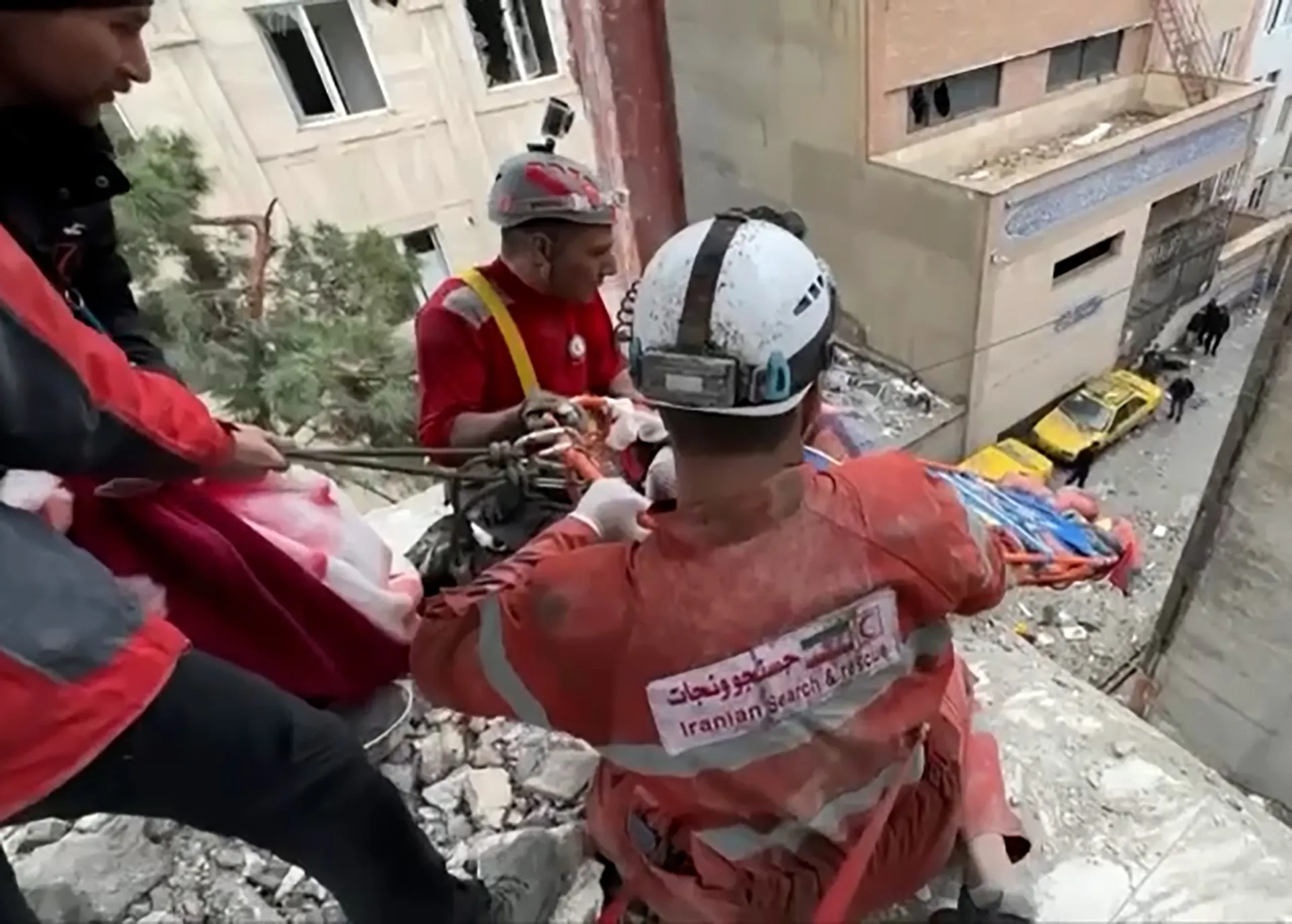
The Iranian Red Crescent Society released video showing rescuers in Tehran lowering a man strapped to a stretcher from the wreckage of a building severely damaged in an airstrike.
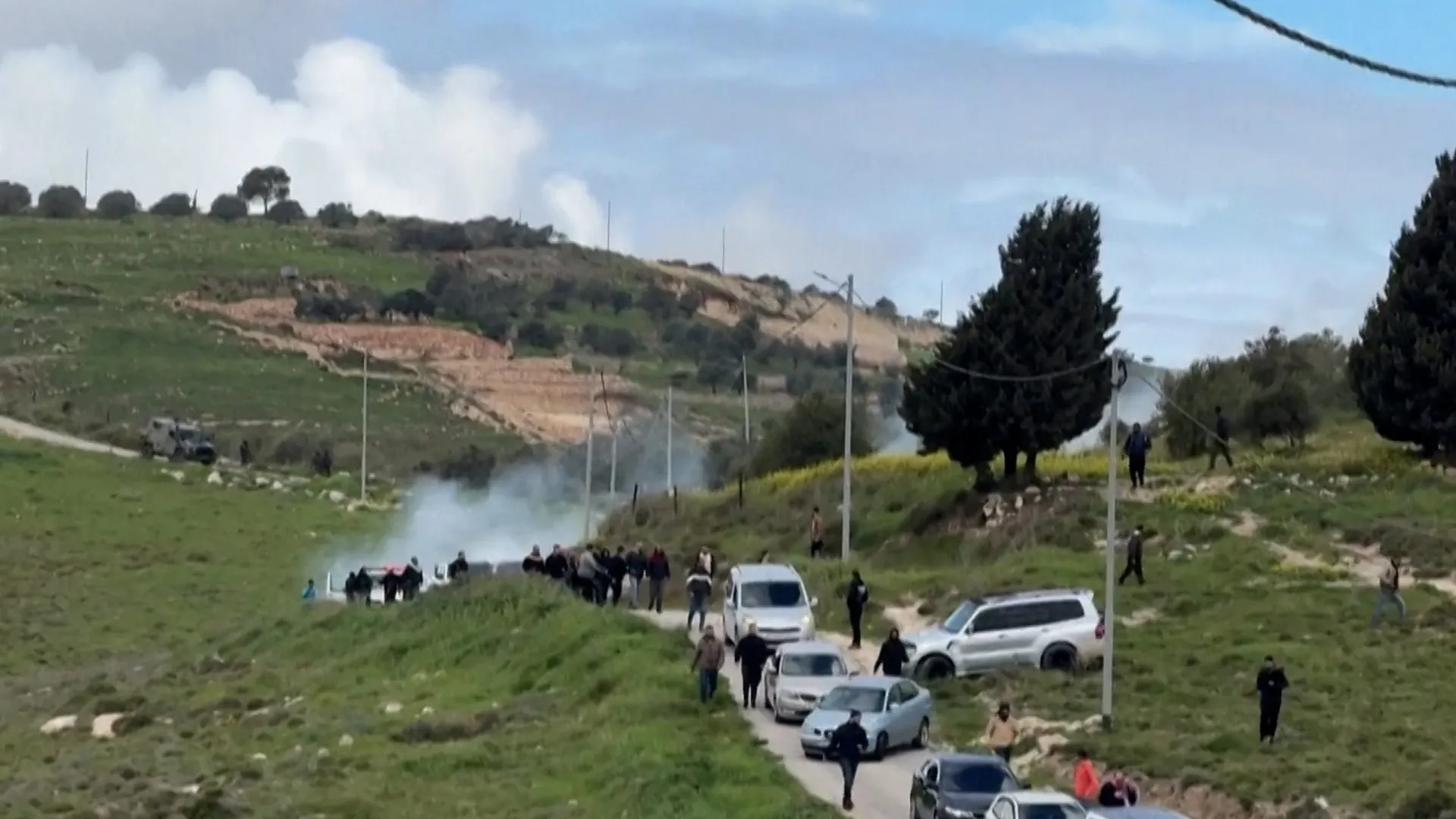
The Israeli army fired tear gas at Palestinian residents of the Beit Imrin village, northwest of Nablus in the occupied West Bank. Israeli settlers can be seen setting up tents, while gunfire is heard as the Palestinians fled.
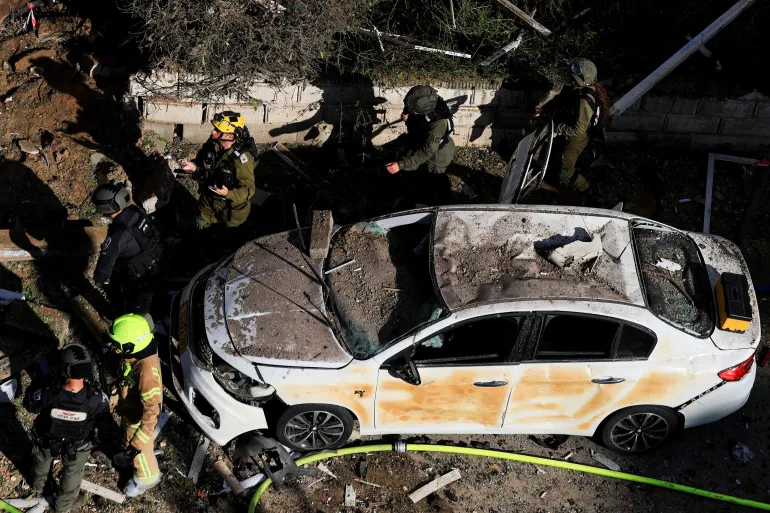
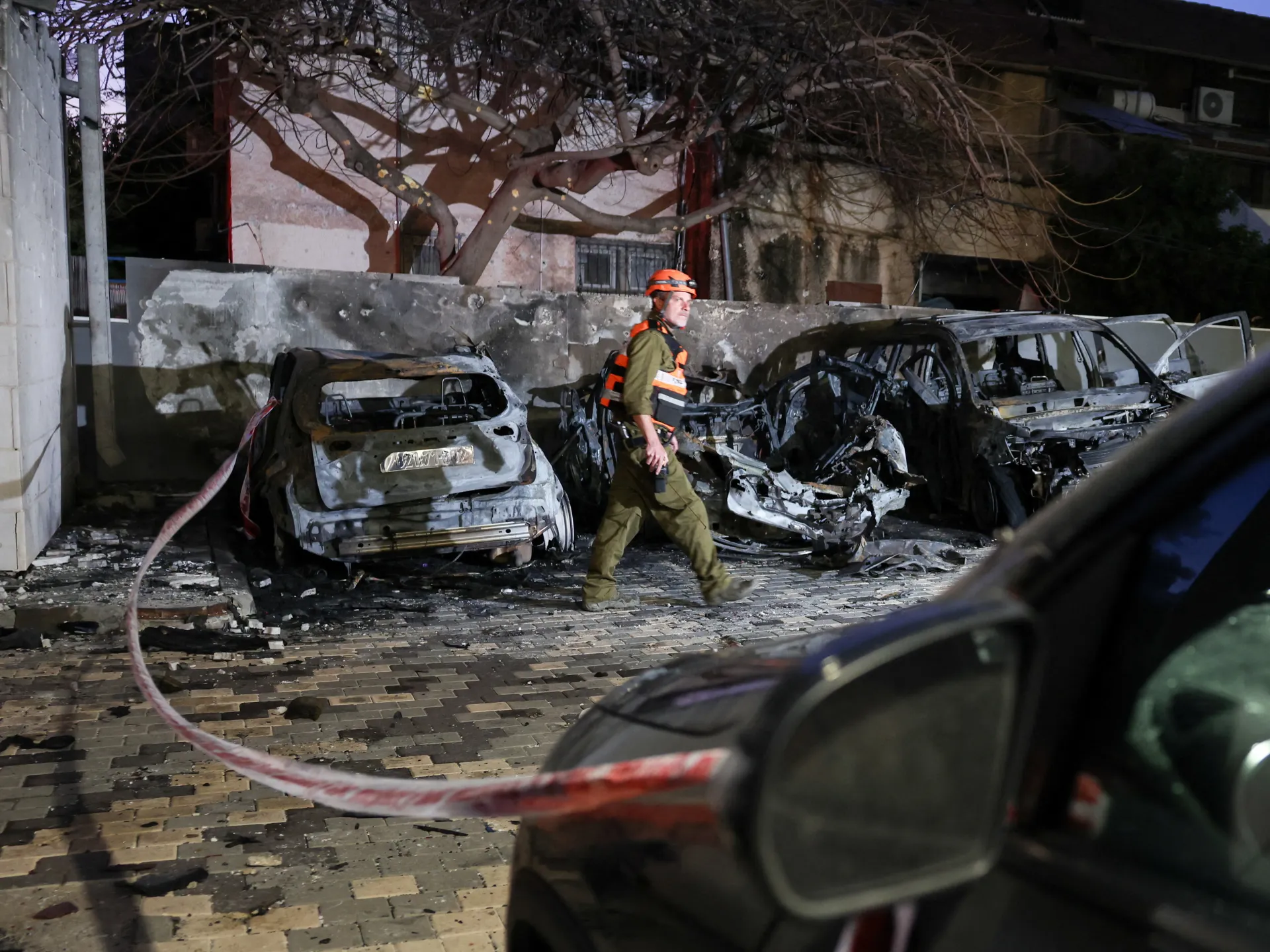
Video captured flames and black smoke where a projectile from Lebanon killed at least one person and injured 13 others in Nahariya, Israel. Burnt vehicles and extensive shrapnel damage could be seen at the site.
Watch this discussion between Ross Harrison and Hassan Ahmadian on US strategy regarding Iran. They conclude the US is still negotiating with old talking points, while Iran has moved on.
Iranian missiles have caused widespread damage across Israel in the latest wave of attacks, as President Donald Trump says US-Israeli strikes have destroyed the majority of Iran’s missile launchers.
Details of a plan submitted by Board of Peace Director General Nickolay Mladenov for the disarmament of Hamas and other Palestinian groups in Gaza have been seen by Al Jazeera.
The plan would see disarmament – one of the components of the October ceasefire to end Israel’s genocidal war on Gaza – implemented gradually over an eight-month, multiphase process.
Recommended Stories
list of 3 itemsend of list
The process would see disarmament in exchange for Israel fulfilling its own obligations, including allowing reconstruction materials into Gaza to begin the work of rebuilding the enclave after Israel’s devastation of the territory since October 2023. Israel would also allow an increase in humanitarian aid entering Gaza, and the plan envisions the transfer of the administration of the Palestinian territory to a national committee.
Mladenov referred to the plan in general terms in a speech to the United Nations Security Council on Wednesday. There he said the plan had been “presented to relevant armed groups” that were urged to accept the framework “without delay”.
“Decommissioning [arms] proceeds in parallel with staged withdrawal,” Mladenov said.
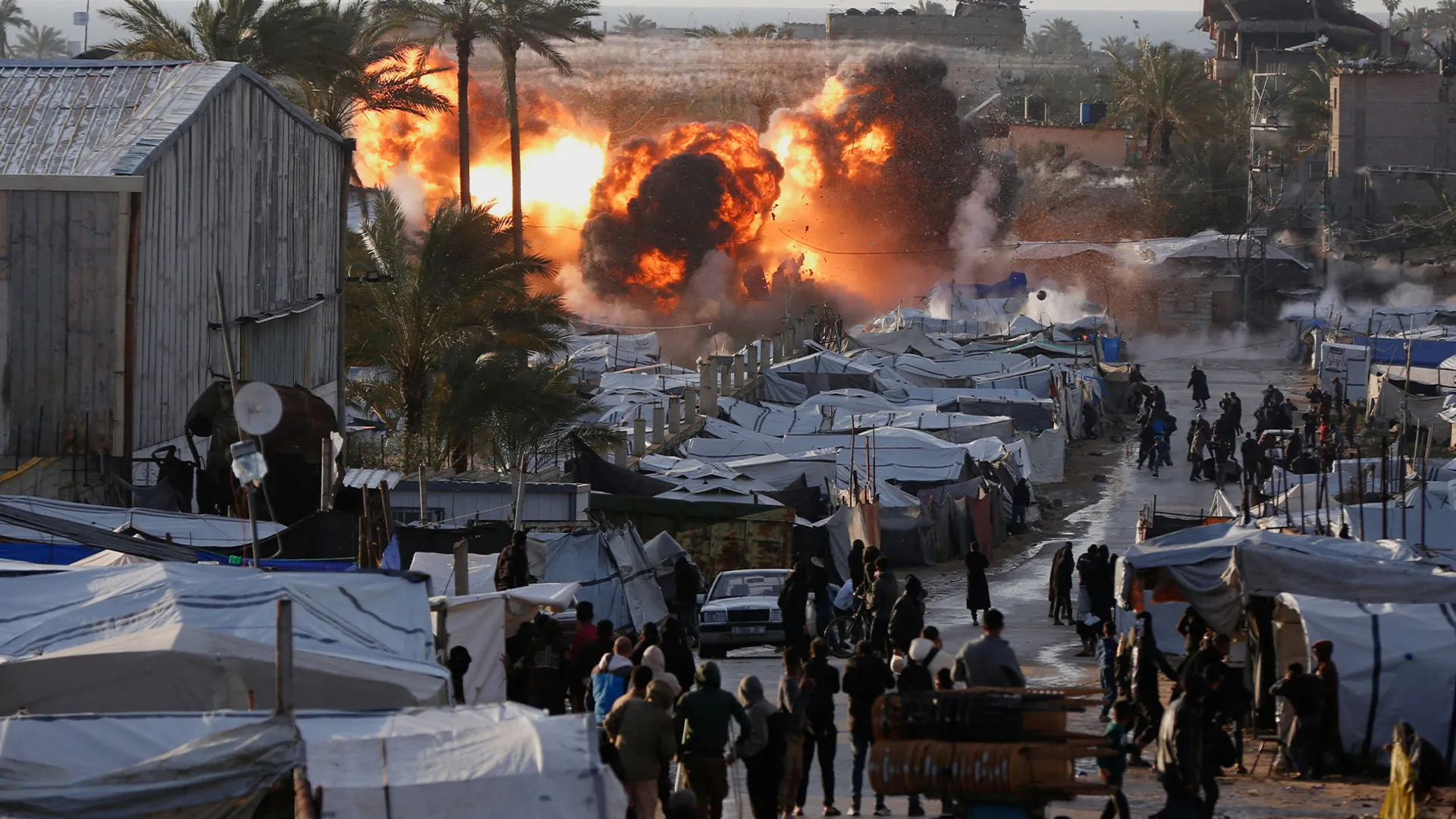
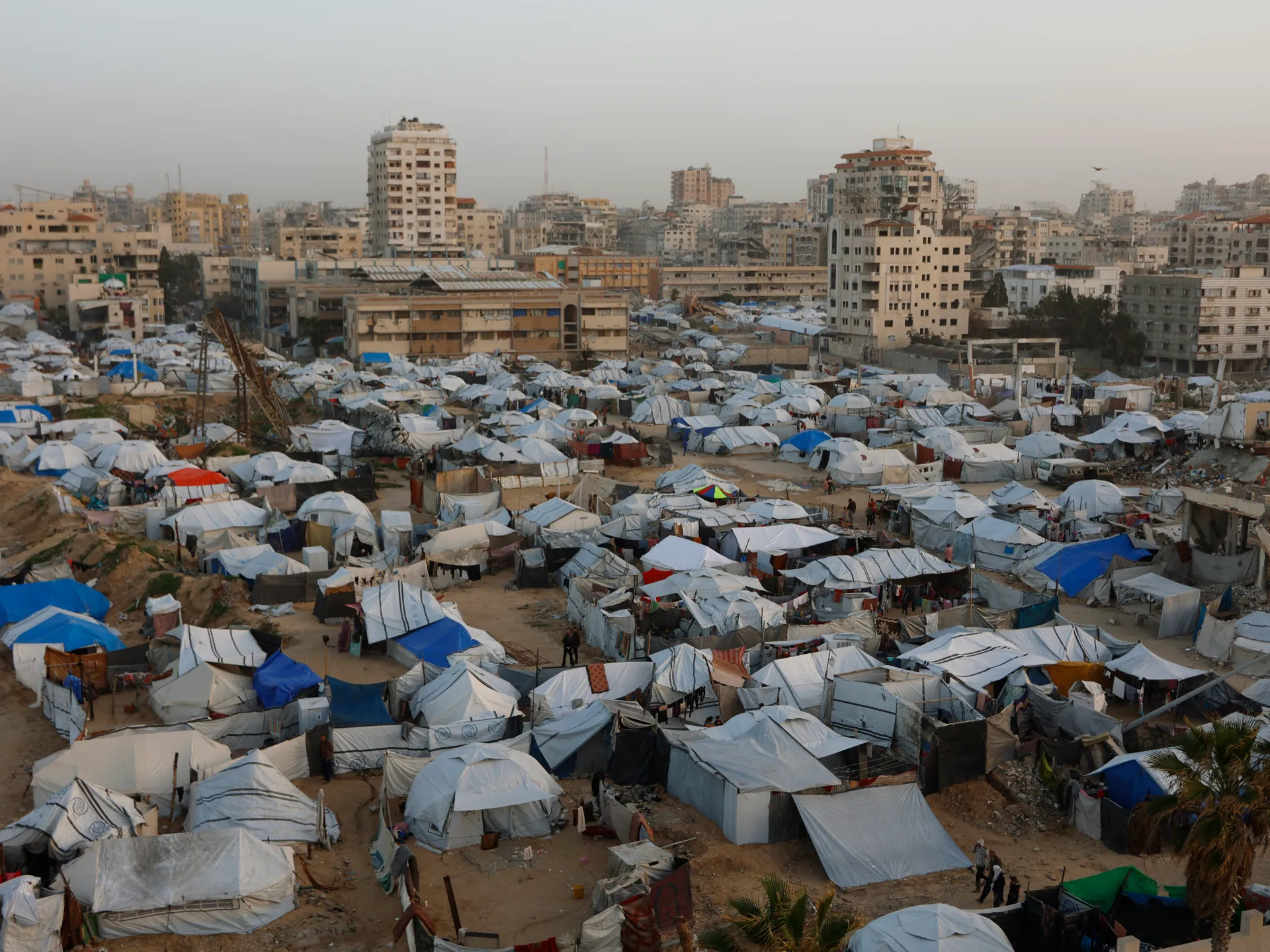
The disarmament of groups in Gaza has been a controversial topic, particularly as Israel has continued to attack the enclave during the ceasefire, killing hundreds of Palestinians. Israel has also not stopped restricting aid into Gaza, driving up prices, even as many in the territory remain displaced and unable to afford basic items.
Hamas has repeatedly refused to give up its arms as long as Israel’s occupation of Gaza continues. Israeli forces maintain a presence in Gaza in areas beyond a “yellow line”, giving it a de facto buffer zone that Palestinians cannot approach without risking being shot. Hamas has also said disarmament is an internal Palestinian matter that should be discussed between factions rather than imposed from the outside.
Hamas and Israel have so far not officially reacted to the details of the Mladenov plan. But Palestinian experts have previously told Al Jazeera that the plan in effect means the “political surrender” of Hamas.
The Board of Peace, created by United States President Donald Trump in the wake of the ceasefire his government brokered, has assumed oversight of Gaza’s administration.
Step-by-step process
The Mladenov plan operates on a step-by-step formula, with transitions between phases only taking place once both sides have fulfilled their obligations.
The first phase, spanning the first two weeks of the deal, would see a complete cessation of military operations by Israel and Hamas as well as the implementation of humanitarian protocols that Israel committed to under the ceasefire. Representatives of the Palestinian national committee – a technocratic body established after the ceasefire with the aim of administering Gaza – would also be allowed into Gaza during this phase to assume all security and administrative responsibilities.
The second phase of the proposal, which would take place between day 16 and day 60, represents the central element of the plan with the beginning of the disarmament process. Hamas and other Palestinian factions would cooperate to remove heavy weapons initially from areas controlled by Israel and then, before 90 days, from areas still controlled by Hamas.
Hamas would also destroy its tunnel network before day 90 of the plan.
For its part, Israel would be required to allow temporary prefabricated residential units to be constructed in locations approved by the Palestinian national committee.
Once all sides have met their obligations in the first three months of the plan, they would move on to the next phase, in which Israeli forces would gradually withdraw to the perimeters of Gaza after a monitoring committee determines that Palestinian factions in Gaza have been disarmed.
Security forces answerable to the Palestinian national committee would be tasked with gathering weapons. That task should be completed by day 251, and if it is, then Israel would withdraw from Gaza with the exception of an undefined security perimeter “until Gaza is secured … from the potential for a return of any terrorist threat”.
Full reconstruction would also be permitted at this stage as well as the lifting of restrictions on the entry of “dual-use materials”, such as concrete, steel, fertilisers and fuel, which Israel has severely restricted, arguing that they can be used for military purposes even as humanitarian groups emphasise their importance to civilian life.
Scepticism
The plan, if implemented, would mark a final end to the war and to Hamas’s almost two-decade-long rule of Gaza.
But stumbling blocks remain, including whether Israel is truly prepared to withdraw from Gaza, fulfil its commitments and not attempt to spoil any deal, as it has in the past.
Hamas and other Palestinian factions are deeply sceptical of Israel’s adherence to any deal and to the idea of giving up their weapons, seeing them as a vital part of Palestinian national resistance.
Hamas would also give up all control of Gaza as part of what the plan envisions as “one authority, one law, and one weapon” in the territory under the Palestinian national committee.
Mladenov referenced that principle at the UN, adding that “the people of Gaza want reconstruction, and reconstruction requires the decommissioning of weapons.”
My deepest sympathies lie with the Iranian people, whose hearts are torn in many directions. Many long for freedom and dignity, yet they remain wary of the long history of Western imperial intervention across the world, including their own country.
The Iranian people who took to the streets in recent years did not call for one form of domination to replace another. They demanded an end to oppression in all its forms, not the beginning of a new round under the Western thumb. Nor did they want change at any cost.
At every step, history teaches us – these promises of freedom offered by the West are never fulfilled.
The reason is simple. The freedom of others is simply not on the Western agenda, no matter its public rhetoric. Imperialism of this nature does not want freedom; it wants control, domination, power and profit.
On March 4, as bombs were falling around him in Tehran, Mohamad Maljoo, an Iranian dissident, was finally able to connect to the internet. He wrote on his Telegram channel: “Those who claim that one can rain fire on the body of Iran in the name of striking the Islamic Republic while imagining that the people will remain unharmed either do not understand the reality of war or deliberately choose to ignore it. Bombs do not discriminate. Destruction does not operate selectively.”
The truth of his warning echoes from Palestine to Iran: “Life does not flourish in the shadow of oppression. Nor does it grow beneath the rubble of bombs.”
As a Palestinian, I feel the pain and determination in these words. I cannot help but feel solidarity.
We, Palestinians, know the horror of war in our bodies. We understand the shudders caused by yet another explosion, the tears of orphans and the despair of sleepless nights as fires burn everywhere. From the 1948 Nakba (catastrophe) to the current Ibadah (destruction), we have felt the pain of genocide for many generations. We see the echoes of our experience in the plight of others.
The US-Israel war on Iran began with something all too familiar to us: a strike on a school.
According to UNICEF, an average of a classroom full of children was killed each day for two years in Gaza; 432 out of the Strip’s 564 schools sustained “direct hits” from the Israeli army.
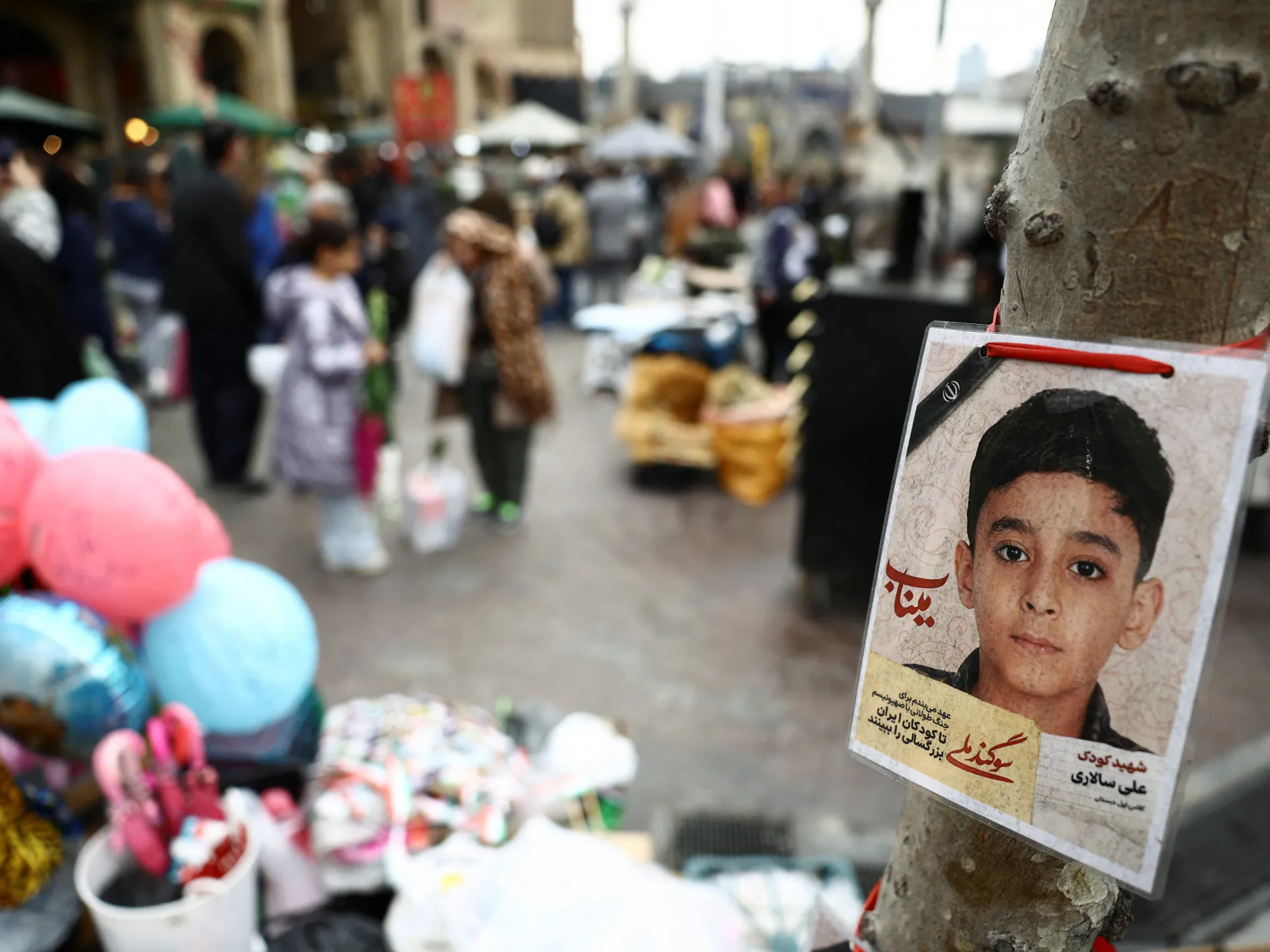
The Shajareh Tayyebeh, a girls’ elementary school in the city of Minab in southern Iran, was also a “direct hit”. About 170 young girls between the ages of six and 12 and staff were killed by two high-precision US-made Tomahawk missiles on February 28.
After the initial strike, teachers rushed to protect the students. Paramedics hurried to the scene to rescue the wounded. And then, a second bomb fell.
It was a double-tap strike – a horror of modern-day warfare that people of Gaza know all too well. It is designed to kill its target and then kill again those who come to the rescue.
Like in Gaza, the attack on the girls’ school in Minab did not remain an exception. Over the past three weeks, Israel and the United States have rained death and destruction on public spaces across Iran. Schools, hospitals, sports halls, stadiums, stores, cafes, bazaars and historical sites have been attacked. More than 5,000 residential units have been hit, and over 1,900 civilians have been killed.
As in Gaza, the cumulative goal is not only physical destruction, but also the spread of fear and terror. The targeting of civilian spaces thus operates as a form of psychological warfare — an assault on the very idea of safety and normality.
Targeting civilian infrastructure is against international law. Yet the US and Israel view international legal norms through the lens of US Defense Secretary Pete Hegseth, who has repeatedly expressed his disdain for the rules of engagement, calling them “stupid”.
By now, it is clear that Gaza has served as Israel’s laboratory, as a testing ground, for the vision it seeks to impose across the entire region.
Just days ago, Israel’s Finance Minister Bezalel Smotrich issued a chilling warning: “Dahiyeh [in southern Beirut] will look like Khan Younis.”
The destruction of Khan Younis – my hometown – has become the new model of devastation to be repeated elsewhere. In Lebanon, in the span of 20 days, this model has resulted in the massacre of nearly 1,100 people, including 120 children – a full classroom every three days.
What we witness in Gaza travels to Lebanon, then on to Iran.
What is the ultimate goal? The consolidation of Israeli hegemony in the region. The strategy is not necessarily the complete overthrow of the Iranian regime, but rather to break the Iranian state itself and significantly curtail its capacity to project power. A weakened or broken Iran would no longer be an obstacle to Israeli regional supremacy.
All this is happening with the full support of the US. Just last month, US Ambassador to Israel Mike Huckabee voiced his approval for Israeli expansion into “Greater Israel”.
Other Western powers have also consented, supporting the illegal war on Iran, albeit refusing to commit their own troops, ships and aircraft.
In his poem “The Earth Is Closing on Us”, Mahmoud Darwish wrote:
“Where should we go after the last frontier? Where should the birds fly after the last sky? Where should the plants sleep after the last breath of air?”
Soon, this may become the reality for the entire region. Under Israel’s absolute and unrestrained dominance, we will all feel as if we have nowhere left to go. What will life under this reality look like?
If Gaza is the laboratory, then we can picture that the region will burn in flames for years to come. Whenever Israel wants to, it will “mow the lawn” to impose its will over any government and to suppress any rebellion from the people of the region.
The views expressed in this article are the author’s own and do not necessarily reflect Al Jazeera’s editorial stance.
The war launched by the United States and Israel has killed more than 1,500 people in Iran.
This number is considered conservative, as actual calculations are yet to be released by the authorities.
Recommended Stories
list of 4 itemsend of list
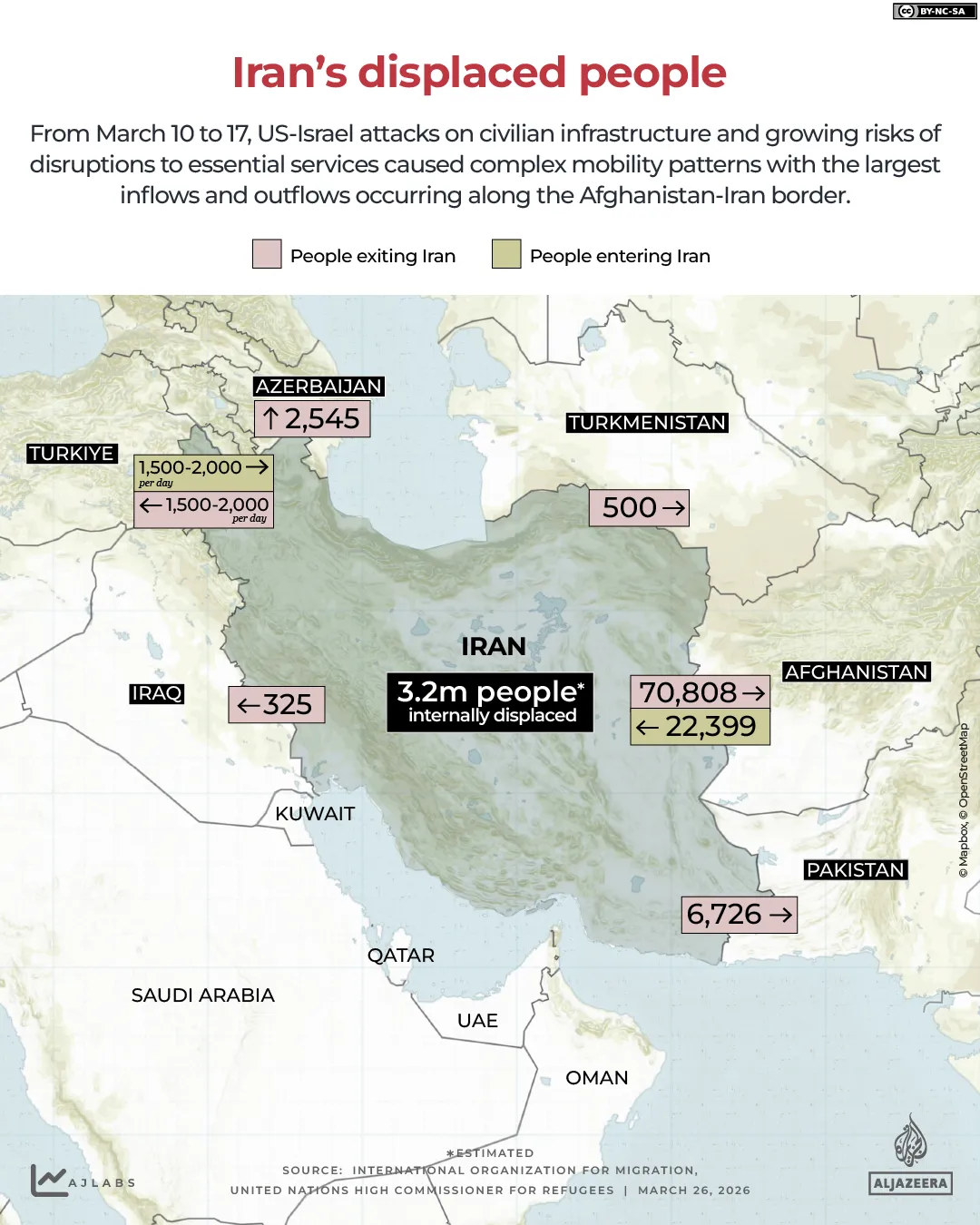
But the devastation from the war has also triggered mass displacement in the country: the United Nations refugee agency, UNHCR, estimates that 3.2 million people – more than 3 percent of the population – have already been displaced within Iran since US-Israeli strikes began on February 28.
Twenty-seven days into the conflict, aid agencies and countries bordering Iran are bracing themselves for a potential refugee crisis as civilians begin to flee the violence.
Cross-border flows have been limited and largely economic or short-term. In Afghanistan, most arrivals are Afghan returnees from Iran, citing insecurity or forced returns. Pakistan reports only authorised entries by citizens or traders, with no refugee inflows.
Turkiye, Turkmenistan and Azerbaijan report stable borders, limited authorised crossings, and occasional evacuations of third-country nationals.
Iraq has seen small-scale returns and 325 Iranian nationals crossing the border, citing the crisis. Within Iran, people have been forced from the ruins of their homes, and several hospitals, nuclear facilities, refineries and desalination plants have been hit.
However, pressure on the ground in Iran is mounting as more than 85,176 civilian sites have been damaged since the war began, including 282 healthcare facilities, 600 schools and 64,583 homes. In Tehran alone, the city administration said to local media that nearly 14,000 residential units in the capital have been damaged and at least 6,000 people have been accommodated in municipal hotels.
The growing risks of disruption to essential services are driving complex mobility patterns.
More than one million displaced in Lebanon
But Iran is not the only country where the rapidly expanding war has led to a displacement crisis.
According to the Norwegian Refugee Council, Israel’s sweeping evacuation orders now cover more than 1,470sq km (568sq miles), or about 14 percent of the country’s territory.
The map below shows more than 100 towns and villages across the country that are under forced evacuation orders from the Israeli military.
Israel’s ground troops are also now increasingly expanding their de facto occupation of parts of southern Lebanon, with Israeli authorities claiming that they want to create what they describe as a “buffer zone”.
Nearly one in five people in Lebanon – or 18 percent of the population – have been displaced over the past two weeks.
According to the International Organization for Migration, the total number of registered displaced people has reached 1,049,328, and the number of displaced people residing in collective shelters is 132,742.
The pace of displacement has outstripped the country’s shelter capacity. Many families have been unable to secure accommodation and are spending nights in streets, vehicles or public spaces as collective shelters fill up. For many of them, this is not the first time.
More than 250,000 people have left Lebanon over the past two weeks, a 40 percent increase compared with the last two weeks of February.
Much of the outward movement has been towards neighbouring Syria. As of March 17, more than 125,000 people had crossed the border. Nearly half are children. Most are Syrian nationals, with about 7,000 Lebanese among those crossing.
Southern Lebanon’s bridges attacked
Israel has struck several bridges in southern Lebanon, connecting the country through the Litani River.
Israeli forces have attacked:
Qasmiyeh Bridge.
Coastal Highway Bridge.
al-Qantara Bridge.
Khardali Bridge.
al-Dalafa Bridge.
Zaraiya-Tirseflay Bridge.
Footage and photos of the locations, verified by Al Jazeera, show each bridge specifically bombed, making them impossible to use. These were key crossings linking Lebanon’s south.
Israeli Defence Minister Israel Katz had last week ordered the military to destroy all crossings over the Litani River and homes close to the border between the two countries.
The areas in Lebanon near the Israeli border to the Litani River are the same locations where at least a million people have been pushed out.
Lebanese President Joseph Aoun has said the attacks on the bridges are “an attempt to sever the geographical connection between the southern Litani region and the rest of Lebanese territory”.
He said they fell “within suspicious schemes to establish a buffer zone along the Israeli border, solidify the reality of the occupation and seek Israeli expansion within Lebanese territory”.
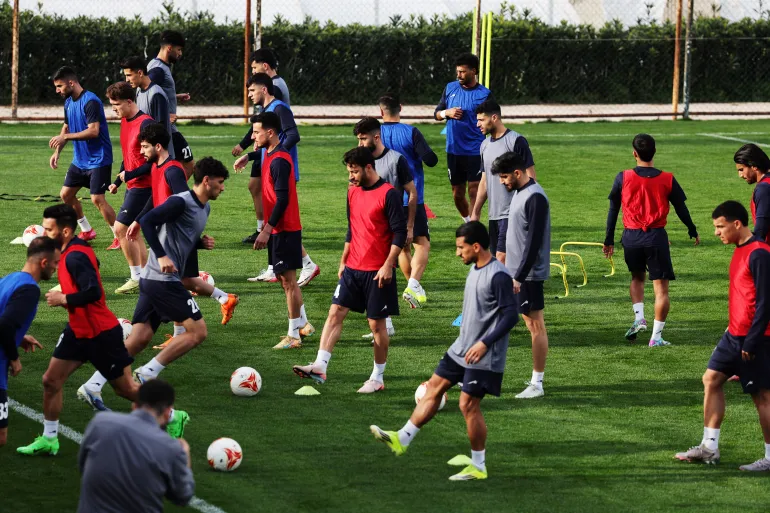
Iran will play two friendly matches in Turkiye as they prepare for the FIFA World Cup in the US, Canada and Mexico.
Published On 26 Mar 202626 Mar 2026
Iran’s men’s football team have been training in southern Turkiye as they prepare for two upcoming friendly matches before the FIFA World Cup, where the squad are likely to attract heightened attention against the backdrop of the United States-Israel war on Iran.
Team Melli held a training session in Belek, a resort area near the Mediterranean city of Antalya, with tightly restricted media access as officials said they wanted to avoid distractions before the matches described as critical to their World Cup preparations.
Recommended Stories
list of 3 itemsend of list
Iran’s football federation is in discussions with world governing body FIFA about moving its World Cup matches to Mexico from the US due to concerns over player safety, federation President Mehdi Taj said last week.
Iran’s camp has largely sought to keep a low public profile as the team builds towards the World Cup, where they are expected to face intense political and media scrutiny.
In Belek, no interviews with players or coaches were made available, and a team media representative said the squad were focused entirely on their immediate competitive programme.
Iran will play two matches in Antalya, against Nigeria on Friday and Costa Rica on Tuesday.
Iran’s football team trained at the Huseyin Aygun Football Center in Antalya, Turkiye [Umit Bektas/Reuters]
The friendlies were originally scheduled to take place in Jordan, but were moved to Turkiye following the outbreak of the war on Iran.
The players appeared relaxed during the session in sunny conditions, with staff and players at times chatting and joking.
Among those present was forward Mehdi Taremi, who has been in the spotlight in recent days after swapping shirts with an Israeli opponent while playing for his club Olympiacos in Greece.
Striker Sardar Azmoun was omitted from the squad after posting a picture on his Instagram feed of a meeting with Dubai’s ruler Mohammed bin Rashid Al Maktoum.
Iranian media reported that Azmoun, who has scored 57 goals in 91 internationals, had been expelled from the national team for a perceived act of disloyalty to the government.
The US and Israel’s war on Iran is intensifying, as Trump again claims Iranian leaders want to ‘make a deal’.
Published On 26 Mar 202626 Mar 2026
The United States and Israel’s war on Iran continues, with an Al Jazeera correspondent in Tehran reporting strikes are “increasing in number and in intensity” amid conflicting claims about whether negotiations are taking place.
US President Donald Trump says talks are happening, but Iran rejects the talks, saying it will continue to “resist” US aggression.
On Thursday, Iran carried out retaliatory strikes against Israel and several Gulf countries, as the Middle East conflict sees no signs of ending, and global energy and food prices continue to rise.
In Iran
Intensifying attacks: US-Israeli attacks on Iran are “increasing in number and in intensity”, according to Al Jazeera correspondent, with Israel announcing extensive strikes on central Isfahan. Alongside US forces, Israel has launched a “wave of extensive strikes” across Iran.
Civilian casualties reported: Iranian media reported that two teenage boys were killed in a recent US-Israeli strike on a residential area in a village in the county of Shiraz.
Iran talks: US President Donald Trump insisted that Iran was taking part in peace talks.
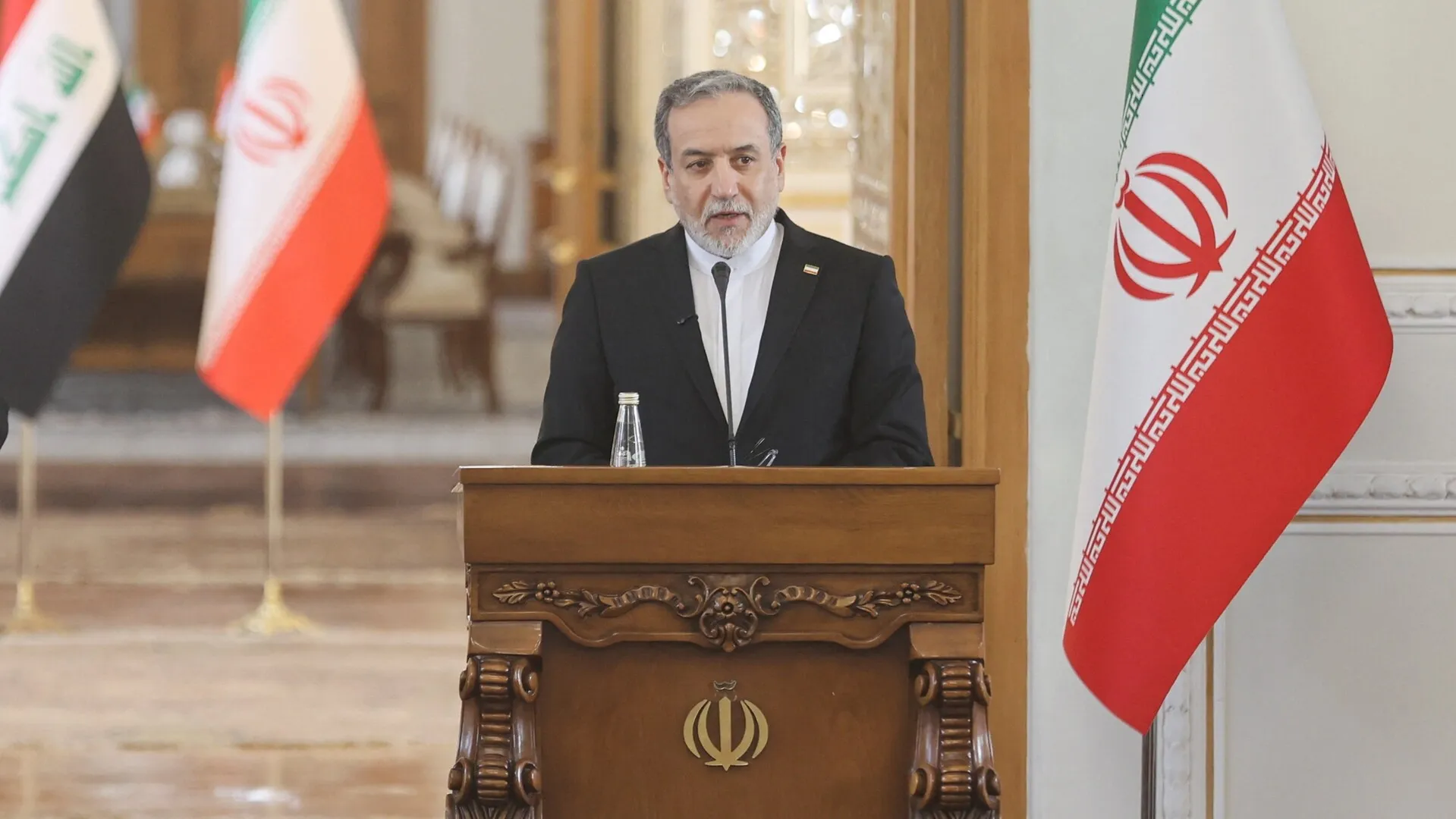
Iran chooses ‘resistance’: Foreign Minister Abbas Araghchi said Tehran will continue its “resistance” and does not intend to negotiate.
US targets missile capacities: The US has hit two-thirds of Iran’s production facilities for missiles and drones, a top officer said.
Threat to Iranian island: Tehran warned enemies may try to occupy one of its islands with support from an unnamed regional country.
Iran’s leverage: Jane Foley, an analyst from Rabobank, noted that Tehran’s position on negotiations leaves the ball firmly in their court. Because the critical Strait of Hormuz remains effectively closed, she suggests Iran could have the power to dictate the terms of any resolution.
New toll legislation: The Iranian parliament is preparing a draft law that would mandate the collection of tolls and duties from ships and tankers transiting the Strait of Hormuz, treating the waterway like a standard transit corridor.
In the Gulf
Hezbollah plot uncovered in Kuwait: Authorities arrested six people allegedly linked to Hezbollah, accused of planning assassinations in the Gulf state, the Interior Ministry said.
Saudi Arabia: Saudi Arabia’s Defence Ministry on Thursday morning announced the interception and destruction of a drone in the Eastern Province. Its air defence systems intercepted and destroyed at least two dozen drones targeting the Eastern Province, home to the majority of the kingdom’s oil facilities, on Wednesday.
Bahrain: A fire broke out at a facility in the Muharraq Governorate due to what the Interior Ministry described as “Iranian aggression”.
United Arab Emirates: The UAE’s Defence Ministry said on Thursday that its air defence systems have been actively responding to and intercepting incoming missiles and drones from Iran.
In the US
Trump says Iran wants a deal: Trump again claims Iranian leaders want to “make a deal so badly” but are afraid to say so “because they figure they’ll be killed by their own people”.
Trump threatens ‘hell’ if no deal: Trump is ready to “unleash hell” on Iran if Tehran does not accept a deal to end the war, the White House warned on Wednesday.
Strategic posturing: Jason Campbell, a former Pentagon official, said US threats to “hit Iran harder” are more about signalling than intensifying attacks.
Intentional vagueness: Campbell told Al Jazeera that Trump is deliberately omitting specific details because he wants the Iranian regime to believe the US is fully capable and willing to execute these harsher attacks.
In Israel
Missile salvoes: Israel’s army on Thursday morning said it had detected a wave of missiles from Iran heading towards the country, the second salvo in less than 30 minutes.
Rockets and missiles targeting Israel: Iranian missiles continue to target central and northern Israel. Additionally, Hezbollah has fired volleys of rockets into the Western Galilee region.
In Iraq, Lebanon
Gulf issues Iraq demand: Gulf states and Jordan have urged Iraq to stop attacks by pro-Iran armed groups from its territory.
Ground clashes with Hezbollah: Israeli troops have crossed the border into Lebanese territory and are actively engaging in ground combat. Hezbollah says its fighters are continuing to clash with invading Israeli troops in south Lebanon.
Defending Lebanese soil: Hezbollah’s Secretary-General Naim Qassem stated that the group is now in a war against both the US and Israel and will do everything it can to defend Lebanese territory.
Oil markets and food
Oil prices climb: Oil prices have climbed higher amid fading hopes of de-escalation in the Iran war following Tehran’s rejection that talks with the US are under way.
Food supply shocks: Antony Currie, a columnist for Breakingviews, warned that the Iran war will likely have a more severe impact on global food security than Russia’s 2022 invasion of Ukraine.
A week into the United States-Israeli war on Iran, and Iran’s attacks on its Gulf neighbours, Jaya Khuntia spoke – as he often did – to his Doha-based son Kuna on the phone.
It was March 6, about 10pm, and Khuntia and the family were worried. “He told me, ‘I am safe here, don’t worry,’” the father recalled from the conversation with Kuna.
It was the last time they spoke.
The next day, the family in Naikanipalli village of India’s eastern Odisha state received a phone call from Kuna’s roommate telling them that the son had suffered a heart attack after hearing the sound of missiles and debris from interceptions falling near their residence. He collapsed and was later declared dead. Kuna’s body reached home days later.
Al Jazeera cannot independently confirm the cause of Kuna’s death, but the family of the 25-year-old, who worked as a pipe fitter in Qatar’s capital, is among millions across South Asia directly affected by the war in the Middle East.
Of the eight people killed in the United Arab Emirates in Iranian attacks, two were Emirati military personnel, a third a Palestinian civilian, and the remaining five were from South Asia: Three from Pakistan, and one each from Bangladesh and Nepal. All three people killed in Oman were from India. An Indian national and a Bangladeshi national are the only deaths in Saudi Arabia.
Migrant workers from South Asia total nearly 21 million people in the Gulf nations, a third of the total population of the region. At stake, for their families back home, is the safety of their loved ones and the future of their dreams.
The Khuntia family had taken on a 300,000-rupee ($3200) debt in 2025 for the marriages of their two daughters. Kuna’s income in Doha – where he had moved only in late 2025 – of 35,000 rupees ($372) was helping them collect what they needed to pay back the loan. Kuna had been sending back about 15,000 rupees ($164) every month.
“We thought our suffering was finally ending,” Jaya said, his voice trembling. “My only son would say, ‘Baba, don’t worry, I am here.’ He was our only hope… our everything.”
That hope is now extinguished. “That one call finished us,” Jaya cried. “He promised to return after clearing our debts … but he came back in a coffin. We have nothing left now. Losing our only son is the biggest debt we have to live with.”
Kuna Khuntia, a 25-year-old pipe fitter from India’s Odisha, who died of a heart attack in Doha, Qatar [Photo courtesy the Khuntia family]
‘I thought we would be next’
In all, Bahrain, Kuwait, Oman, Qatar, Saudi Arabia and the UAE – the six Arab countries in the Gulf – host 35 million foreign nationals, who form a majority of their total population, 62 million.
They include 9 million people from India, 5 million each from Pakistan and Bangladesh, 1.2 million from Nepal, and 650,000 from Sri Lanka. Most of them are engaged in blue-collar work, building or supporting the industries and services that are at the heart of the Gulf’s success and prosperity.
But since the US and Israel launched their war on Iran, these migrant workers have often been among the most vulnerable. That vulnerability extends beyond deaths and injuries to the very nature of their work: Oil refineries, construction areas, airports and docks, where many work, have been targeted in Iranian attacks.
The suspension of work at many of these facilities, coupled with fears of a major economic downturn in the region, has also left many workers and their families worried about the future of their jobs.
Hamza*, a Pakistani migrant labourer working at an oil storage facility in the UAE, recalled a recent attack that he witnessed. “A drone struck a storage unit right in front of us. We were completely shaken. Most of us there are from India, Pakistan and Bangladesh.
“We couldn’t sleep for nights after that. The drone was so close that it could have killed us, too,” Hamza added. “For a moment, I thought we would be next.”
Despite these dangers, he said, leaving is not an option.
“We want to go back, but we can’t,” Hamza said. “Our families depend on us. It’s dangerous here, but if we stop working, they will have nothing to eat. We have no choice.”
Experts say Hamza’s sentiment is common across South Asian blue-collar workers in the Gulf, because of poverty and limited employment opportunities back home.
Imran Khan, a faculty member at the New Delhi Institute of Management working on migration economics, said migrant labourers from South Asia are often driven by desperation to take up jobs in the Middle East. He said Western countries have, in recent years, dramatically raised entry barriers for less-educated blue-collar foreign workers.
“These workers are the worst affected during crises – whether war or natural disasters,” he says. “I have been speaking to several migrant labourers, particularly Indians in the Middle East, and many are living in distress since the conflict began.”
But, like Hamza, most cannot afford to leave, Khan said.
“They cannot simply quit. Their income would stop immediately, and there are very limited opportunities back home,” he explained. “They have families to support, and without these jobs, survival becomes difficult.”
Indian labourers work at the construction site of a building in Riyadh, November 16, 2014 [Faisal Al Nasser/Reuters]
Families – and societies – that depend on remittances
Middle Eastern countries remain a key source of remittances for South Asian nations such as India, Pakistan, Bangladesh, Sri Lanka and Nepal. The remittances these five countries receive from the region, $103bn, are comparable to Oman’s total gross domestic product (GDP).
Just the remittances that India receives from the Gulf, $50bn, are more than Bahrain’s entire GDP. Pakistan receives $38.3bn in remittances, Bangladesh $13.5bn, Sri Lanka $8bn, and Nepal $5bn.
With the recent escalation of conflict in the Middle East, experts warn these flows could be significantly affected, especially if Gulf economies contract and layoffs follow.
Faisal Abbas, an expert in international economics and director at the Centre of Excellence on Population and Wellbeing Studies, a Pakistan-based research institute, said remittances from the Middle East form a crucial economic backbone for South Asian nations, not just families.
“Remittances are a critical pillar for Pakistan and other South Asian economies, and a large share comes from Middle Eastern countries,” he explained. “If the situation worsens, it will not be a positive development for the region.”
Pakistan’s remittances from the Gulf constitute nearly 10 percent of its GDP, about $400bn.
Abbas added that the effect may extend beyond remittance flows. “Migration patterns could also be disrupted. Many workers may return home, while those planning to migrate might reconsider,” he said. “This could further increase unemployment in a region already facing job shortages.”
Unlike Hamza, a number of South Asian workers are planning to return home.
Noor*, a migrant worker from Bangladesh employed at an oil facility in Saudi Arabia, said he no longer feels safe and plans to return home once his contract ends.
“I will never come back here again,” he said. “It’s too dangerous. We can’t even sleep at night. The fear never leaves us.”
Noor said drone attacks had occurred close to his workplace. “We saw it happen in front of us,” he said. “That fear stays with you… It doesn’t go away.”
His family, too, is deeply affected. “My children cry every time they call me. They are scared for my life,” he added.
He said he knows that returning to Bangladesh would mean more economic hardship for his family. But Noor said he had made up his mind.
“I would rather go back and struggle to survive with my family than live here in constant fear,” he said. “At least there, I will be with them.”
*Some names have been changed at the request of workers who fear retribution from contractors for speaking to the media.
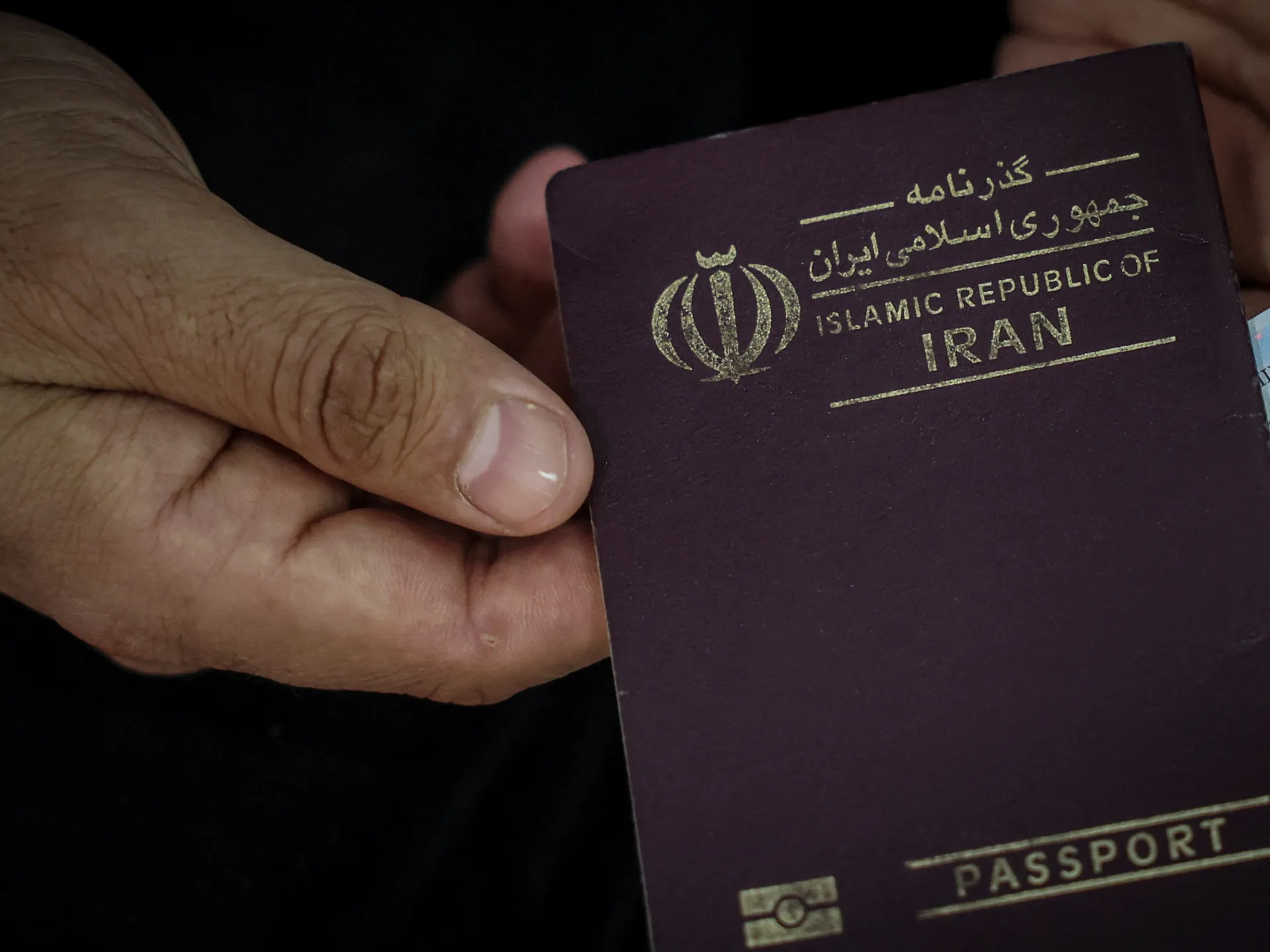
Home Affairs Department said decision to ban Iranian visitors amid the war on Iran was in Australia’s ‘national interest’.
Australia has temporarily banned visitors from Iran, claiming that the United States-Israeli war on the country has increased the risk that Iranian passport holders could refuse or be unable to fly home once their short-term visitor visas expire.
Australia’s Department of Home Affairs said on Wednesday that the restrictions on Iranian visitors would be for a period of six months, describing the move as in the “national interest amid rapidly changing global conditions”.
Recommended Stories
list of 4 itemsend of list
“The conflict in Iran has increased the risk that some temporary visa holders may be unable or unlikely to depart Australia when their visas expire,” the Home Affairs Department said in a statement.
“This measure gives the Government time to assess the situation properly, while still allowing flexibility in limited cases,” it said.
The ban applies to Iranian citizens who are currently outside Australia – even if they have an Australian visitor visa for tourism or work.
Exceptions to the ban include Iranian citizens already in Australia, those currently in transit to Australia, spouses, de facto partners, or dependent children of Australian citizens, and those with permanent visas.
Exemptions will also be considered on a case-by-case basis, such as for the parents of Australian citizens, the department said.
Home Affairs Minister Tony Burke said decisions on who can remain permanently in Australia should be made by the government and should not be the “random consequence of who booked a holiday”.
“There are many visitor visas which were issued before the conflict in Iran that may not have been issued if they were applied for now,” he said.
Burke added that the government is monitoring developments and “will adjust settings as required to ensure Australia’s migration system remains orderly, fair and sustainable”.
The Sydney-based Asylum Seekers Centre said in a post on social media that the ban on Iranian visitors was the result of a “shameful new law” rushed through Australia’s parliament that “threatens the very foundations of Australia’s onshore protection programme” for those seeking safety.
“For years, politicians have been stressing the importance of seeking safety through so-called legal routes,” the group said.
“Now, in the face of an international humanitarian crisis, the government is slamming the door shut and blocking a key pathway for people seeking safety today and in the future,” it said.
Earlier this month, US President Donald Trump called on Australian Prime Minister Anthony Albanese to give the Iranian women’s football team asylum in Australia amid fears that players may face repercussions at home for failing to sing their national anthem before a Women’s Asian Cup 2026 match in Queensland.
Albanese later told reporters that five team members had sought assistance and “were safely located” by Australian authorities.
In total, seven players and officials were granted asylum in Australia, though five team members later reversed their decision to stay in Australia and chose to return home.
The Iranian team had arrived in Australia to participate in the football tournament before the US and Israel launched their attack on Iran on February 28.
According to Australian government figures up to 2024, more than 90,000 Australian residents were born in Iran, and large diaspora communities are present in major cities such as Sydney and Melbourne.
Ross Harrison, Senior Fellow at the Middle East Institute, says public talk of diplomacy between the US and Iran is hiding hardline positions, warning that despite the messaging, the situation is still likely heading toward military escalation.
Donald Trump said Iran is negotiating with the US but is “afraid to say it”. Speaking at a Republican fundraising dinner, Trump said that Iran’s leaders fear they could be “killed by their own people” or by the US.
“No negotiations have taken place.” Iran’s foreign minister, Abbas Araghchi says his country is not and will not negotiate with the US while it is under attack. A day earlier, President Trump said the US was already in talks with Iranian officials, which Tehran denied.
Settler attacks, restrictions on aid, and land seizures marked a week that was supposed to be one of celebration for Palestinians. Al Jazeera’s Nida Ibrahim and Tareq Abu Azzoum explain what’s been going on in the occupied West Bank and Gaza.
As the United States-Israeli war on Iran rages on, schools across Israel have been closed, cultural venues shuttered and large gatherings cancelled under police orders.
Dissent against the war, if there is much at all, has little chance of being aired.
Recommended Stories
list of 4 itemsend of list
A few demonstrations against the war, such as those staged by the Israeli-Arab activist group Zazim, still flicker through central cities, but they do so under heavy supervision, with officers warning crowds to disperse when sirens sound or when assemblies grow beyond what commanders deem safe.
The effect is a public sphere constrained less by decree than by the constant threat hanging overhead.
“Kids aren’t going to school, while employers are insisting their parents go to work,” Zazim’s co-founder and executive director, Raluca Ganea, says. Everyone is too overwhelmed by the daily grind to voice any dissatisfaction, she adds.
“We’re enduring multiple missile attacks daily, which means people aren’t sleeping. It’s like a manual for tyrants. It’s how you suppress protest or opposition and it’s working so far,” she added.
“We’ve attempted a couple of protests, but people are just too tired to engage,” Ganea says of Zazim’s efforts to resist the war. “It’s not so much that people are telling you that you can’t so much as protesting becomes impossible when a missile attack could happen at any time.”
Support for the war on Iran has remained strong in Israel, a fact borne out by polls. But as exhaustion grows and resentment builds over having their fates decided by often distant leaders such as Israeli Prime Minister Benjamin Netanyahu and US President Donald Trump, who have shown little investment in their welfare, the societal fractures that came to define the war on Gaza are almost inevitable, she warns.
“It’s depressing,” she says. “The only response people have is to feel helpless when their fate is in the hands of people like Trump and Netanyahu, who really don’t care about them.”
Those who have put their heads above the parapet to object openly to the war are shunned anyway, as 19-year-old Itamar Greenberg knows only too well. People spit at him in the street.
“It comes in waves,” he says of the criticism he faces for his opposition to the war on Iran on the streets of his hometown, near Tel Aviv. “Sometimes they follow me, shouting ‘traitor’ or ‘terrorist’.”
Itamar is clear enough that he isn’t a terrorist, though he seems ready to accept the label of traitor if it means halting the war on Iran.
“At my university, everywhere, they say my opposition to the war on Iran is somehow crossing a red line. For instance, because of the [danger to the Israeli] hostages, some people could understand opposition to the genocide on Gaza, but opposing the war on Iran, the great evil, is somehow too much,” he says.
Emergency personnel work next to a damaged car at a site following Iranian missile barrages in central Israel, amid the US-Israel conflict with Iran, in Tel Aviv, Israel [Ronen Zvulun/Reuters]
Rising censorship
Across Israel, journalists and activists like Itamar describe a pervasive atmosphere of self-policing and censorship that, they say, has left people less informed about the consequences of the war than the citizens in Iran, whom many in their media encourage them to pity.
In a country largely unified against a threat that, for generations, politicians have told them is existential, criticism, dissent or opposition is, for the majority, beyond the pale.
This way of thinking is baked into Israeli society. The systems employed by the country’s military censor today to curtail media reporting predate the establishment of Israel in 1948.
Furthermore, new wartime restrictions on what can and cannot be broadcast of the Iranian missile barrages targeting Israel, where they land and what damage they have done – introduced on March 5 – mean these largely go entirely unreported, Israeli journalists say.
Reporting on the new media restrictions in mid-March, the Israeli magazine +972 documented one instance when journalists were permitted to report on debris that had hit an educational facility, but did not mention the actual strike by an Iranian missile, which had successfully hit its intended target nearby. Nor were they allowed to examine the site.
In another case reported by +972, journalists photographing damage to a residential block said they were approached by a man they believed to be linked to a security agency. He asked police to stop reporters from recording the real target of the attack, which was located behind them. The police officer replied that the journalists would not have noticed that site at all had it not been pointed out, since the visible destruction was concentrated on the civilian building.
The censorship, which had been growing more relaxed in recent years, had been tightened once more during the current war, Meron Rapoport, an editor at +972’s sister paper, Hebrew language Local Call, told Al Jazeera, “We don’t really know what is being or with what explosives,” he said, “The IDF [Israeli army] announcements always refer to strikes being on ‘uninhabited areas,’ which is peculiar, because there aren’t that many uninhabited areas in Tel Aviv. It’s a very compact city.”
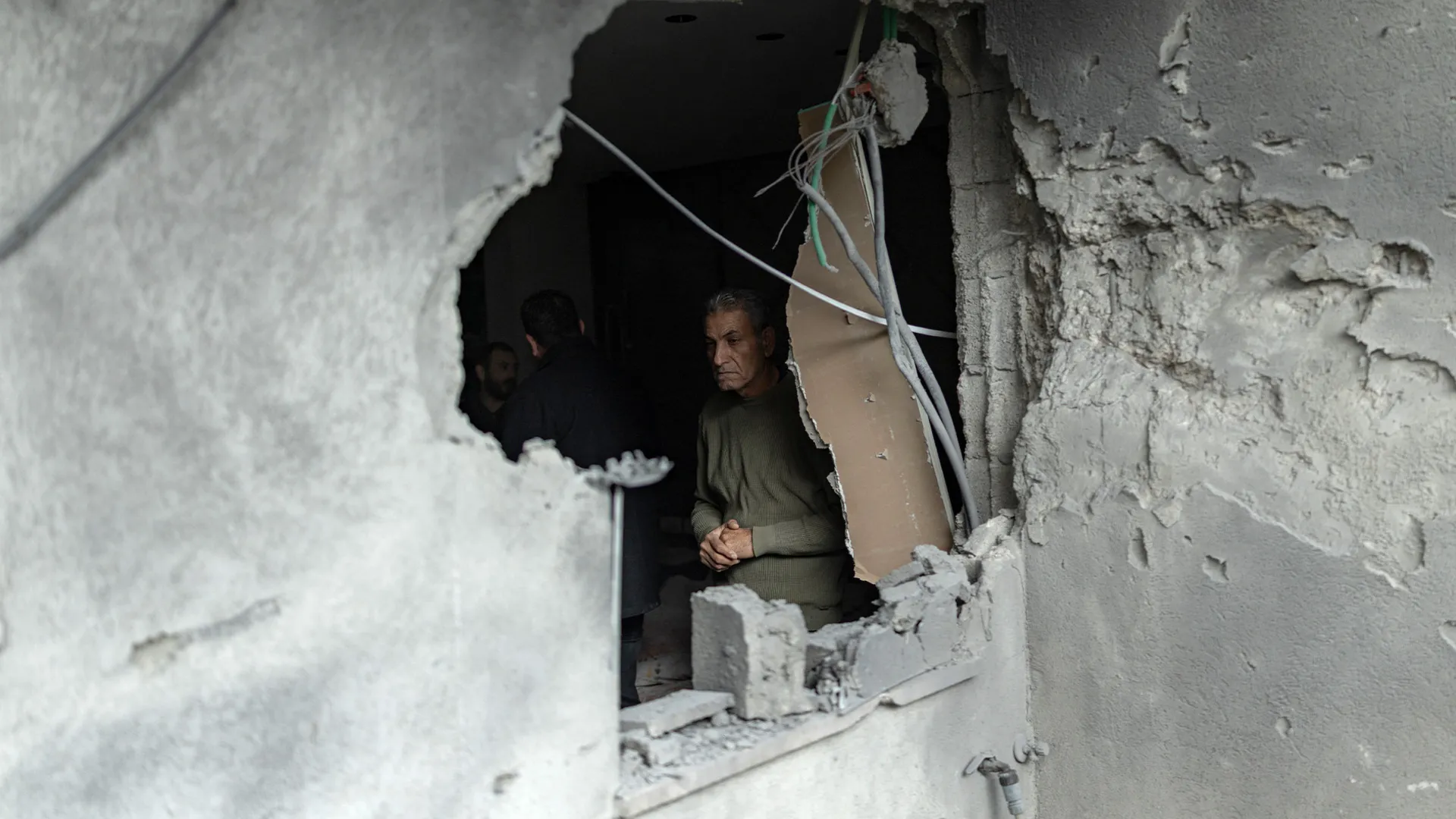
Indeed, Iran has launched multiple missiles at Tel Aviv, some of which have resulted in damage and injuries – either by the missiles themselves or by debris falling following interception. Most recently, on Tuesday, missiles triggered air raid sirens in the city, where gaping holes were ripped through a multistorey apartment building.
Israel’s Magen David Adom emergency medical service said: “Six people were lightly injured at four different sites.”
“It’s curious,” Rapoport says. “Israeli commentators are always saying how the Iranian public has no real idea how badly they’re being hit. The irony is that they probably have a better idea of how hard Israel is being hit than most Israelis.”
Israel has been trying to make the case for its war on Iran by portraying the country as a threat to European cities, warning Iranian missiles could reach capitals like London and Paris.
GCC states, UN rights chief Volker Turk warn of grave repercussions amid war on Iran.
Published On 25 Mar 202625 Mar 2026
Gulf states’ representatives have told the United Nations Human Rights Council that Iranian attacks on their territories amount to a gross violation of state sovereignty, as the UN’s rights chief warned that the Middle East is nearing an “unmitigated catastrophe” as the US-Israel war on Iran approaches the one-month mark.
Saudi Arabia’s representative to the UN, Abdulmohsen Majed bin Khothaila, condemned Iranian attacks during an emergency meeting called by Gulf states in Geneva on Wednesday, saying the Gulf Cooperation Council (GCC) member states were being attacked despite not being involved in the conflict.
Recommended Stories
list of 3 itemsend of list
“[Iranian attacks] violate the UN Charter and international law. We must call things by their name,” Majed bin Khothaila said.
“To target a neighbour is a violation of the principles of good neighbourly relations. To target a mediator betrays all efforts aimed at peace and undermines any constructive initiative. To target states that are not party to the hostilities amounts to unacceptable and unjustifiable attacks that cannot be passed over in silence.”
Qatar’s representative to the UN, Hend bint Abd al-Rahman al-Muftah, said Iran’s attacks had “grave repercussions” that were “not only affecting peace and security in the world, but also human rights”.
“These attacks amount to a great source of concern for us, and we can no longer remain silent,” she added.
“To attack the electricity and desalination plants also involves serious environmental consequences and undermines rights that should be guaranteed by human rights provisions.”
The Qatari representative also noted that the de facto closure of the Strait of Hormuz was “a source of great concern, given the dire consequences it can have on the economy and supply routes”.
Kuwait’s ambassador, Naser Abdullah Alhayen, told the council that the Gulf was “seeing an existential threat to international and regional security”.
“This aggressive approach is undermining international law and sovereignty,” Alhayen added.
The UN’s rights chief, Volker Turk, warned that the war has created an “extremely dangerous and unpredictable” situation that is pushing the Middle East towards an “unmitigated catastrophe”.
“The only guaranteed way to prevent this is to end the conflict, and I urge all states, and particularly those with influence, to do everything in their power to achieve this,” he said.
Al Jazeera’s Zein Basravi, reporting from Dubai, said the “GCC countries are looking for a seat at the table” at negotiations between the United States and Iran.
“As Iran is going to look for guarantees going forward from the US and Israel, Gulf states will be looking for guarantees from Iran,” he said.
Basravi added that while the volume of incoming attacks in Gulf countries seemed to be going down in recent days, a small attack from Iran “can still create the same level of disruption since the beginning of the war”.






![Kuna Khuntia, a 25-year-old pipe fitter from India's Odisha, who died of a heart attack in Doha Qatar [Photo courtesy the Khuntia family]](https://i0.wp.com/www.aljazeera.com/wp-content/uploads/2026/03/Kuna-Khuntia-1774503793.jpeg?w=640&ssl=1)