merger

Press freedom groups allege Larry Ellison vowed to oust CNN anchors

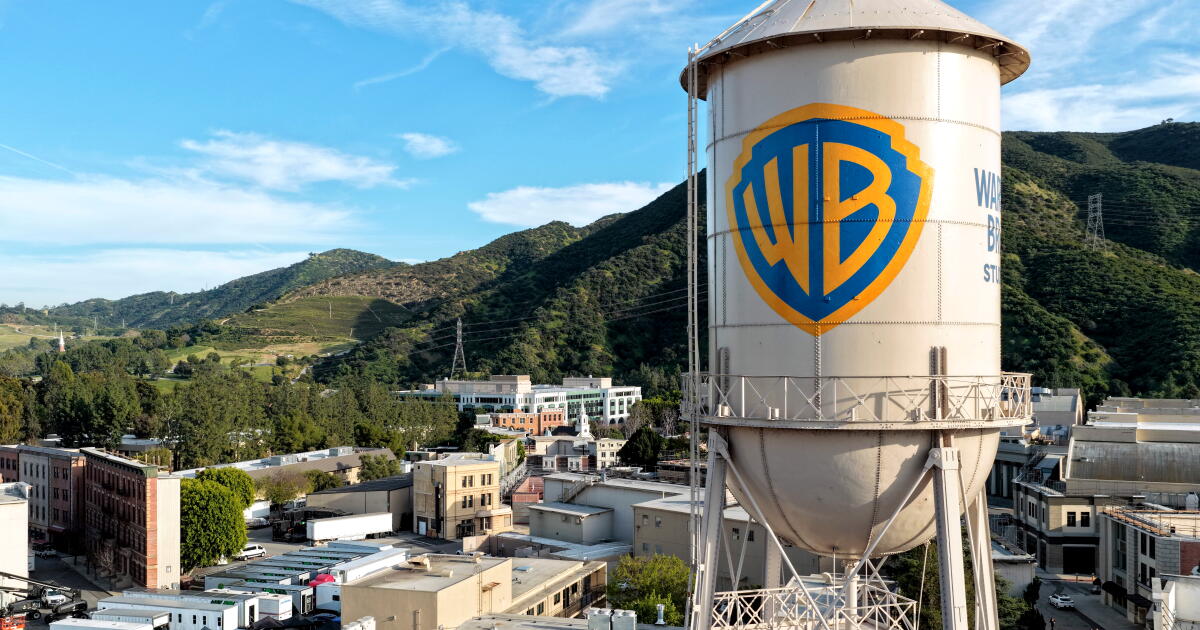
Two press freedom groups that own shares in Paramount Skydance are demanding to see the company’s books and internal documents, citing allegations that the company’s leaders may have promised favors to the White House to win approval for Paramount’s deal to acquire Warner Bros. Discovery.

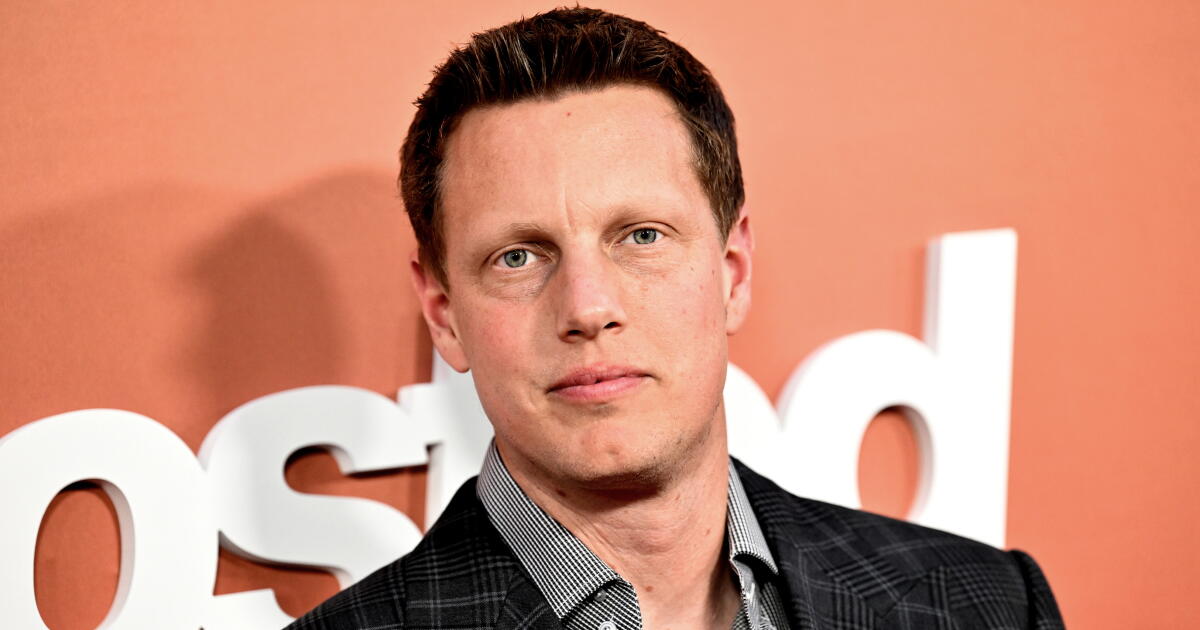
The letter, sent Thursday to Paramount chief legal officer Makan Delrahim, says that media reports alleging that Paramount owner David Ellison and others promised favors to the Trump administration “create credible concern that Paramount leadership has offered, solicited, or effectuated a corrupt exchange,” which the groups argue would “constitute a breach of fiduciary duties” and open the company up to a “range of potential civil and criminal penalties.”

The letter cites Delaware law that allows stockholders to inspect the company’s books and records “for any proper purpose.”

Paramount declined to comment on the letter.

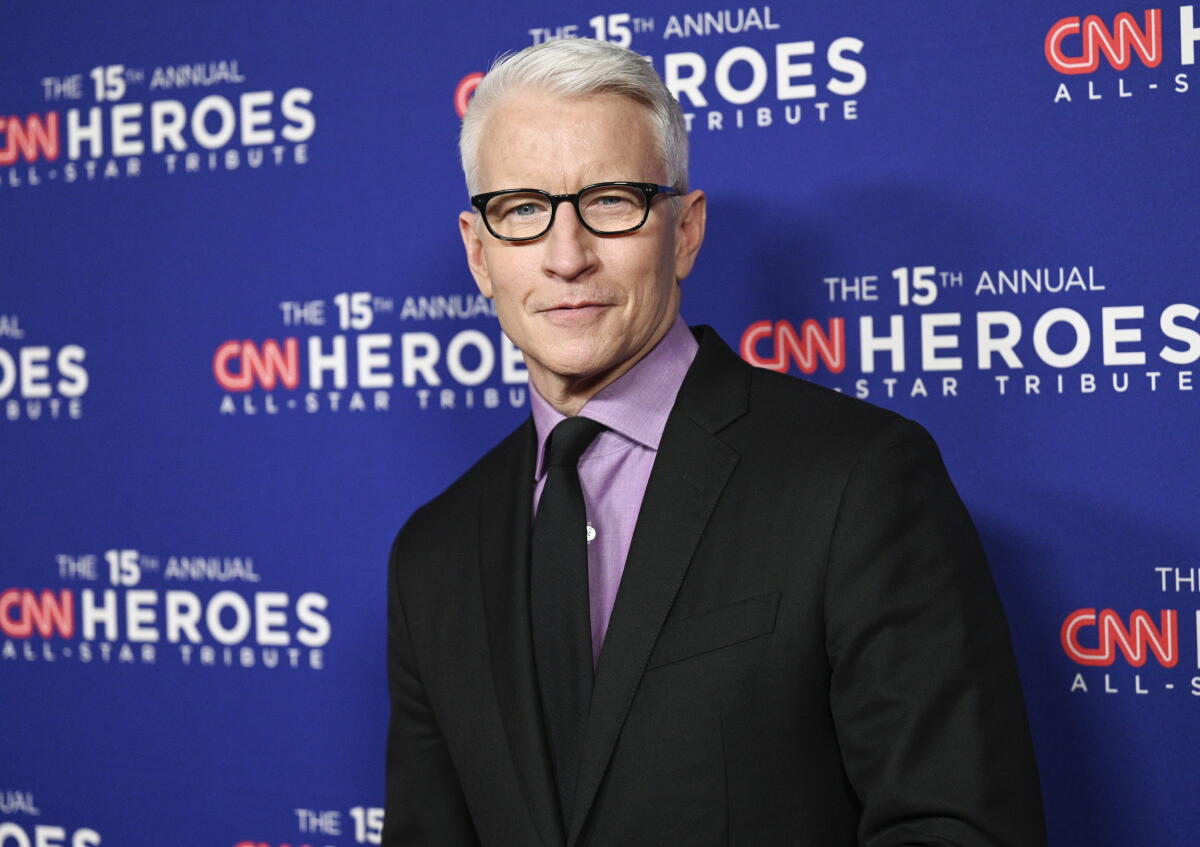
Among the issues raised in the letter are promises reportedly made by David Ellison and his father, Oracle billionaire Larry Ellison, that they would make “sweeping” changes at the news network CNN, which is owned by Warner Bros. Discovery.

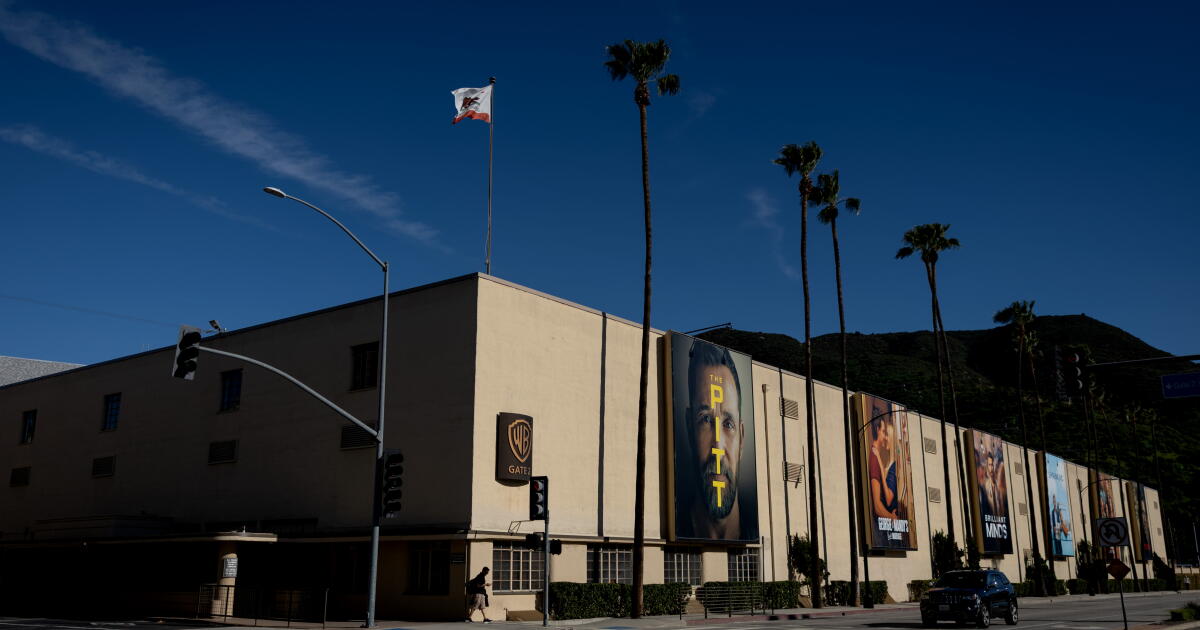
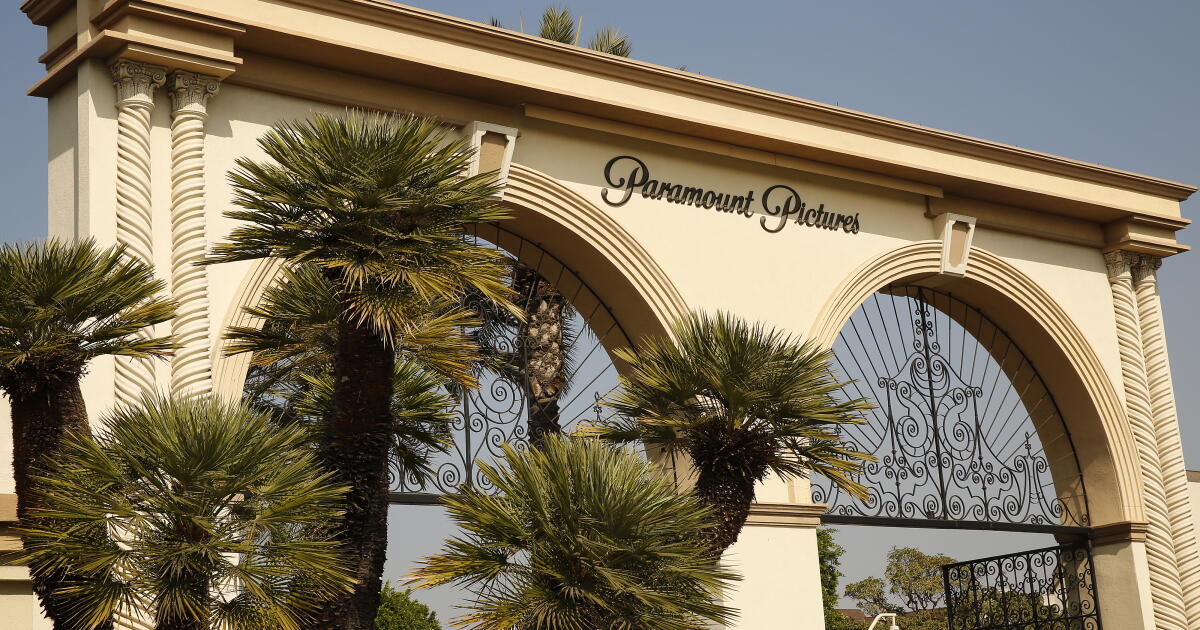
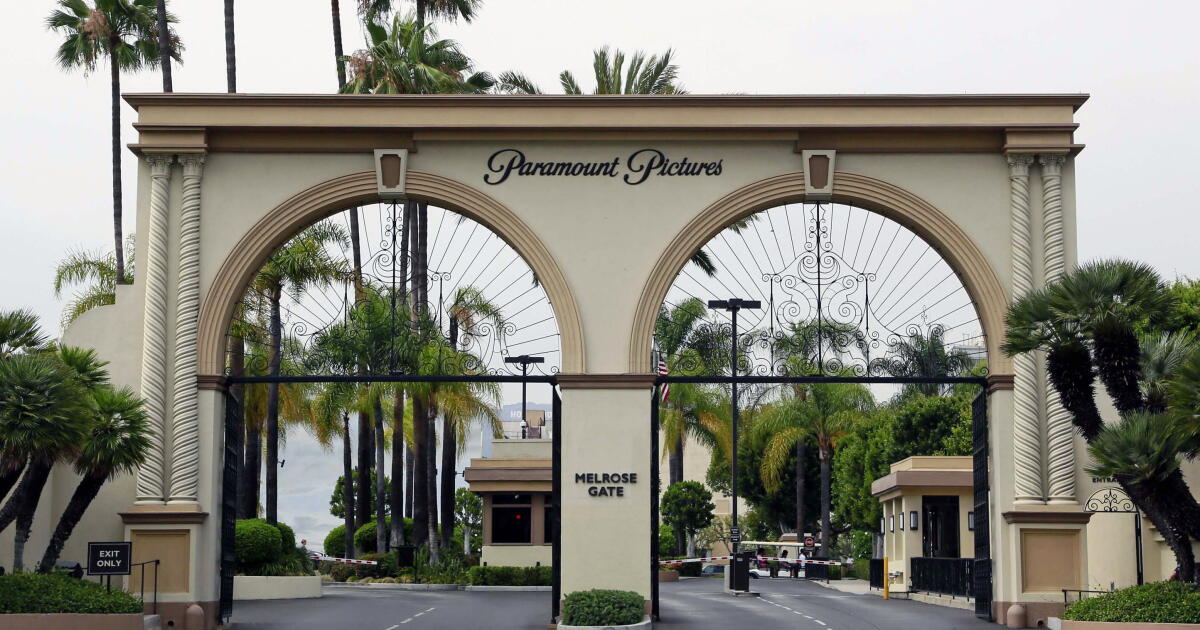
The Ellison family acquired Paramount, which includes CBS and the storied Melrose Avenue film studio, last summer.

The letter cites changes implemented in CBS since their acquisition, including their decision to end late night television house Stephen Colbert’s show days after he characterized a settlement Paramount reached with Trump as a “big fat bribe.”

Under Ellison’s ownership, the letter says, numerous high-profile reporters have left the network and its ratings have dropped to “historic lows.”

Larry Ellison, who is backing the financing of Paramount’s proposed takeover of Warner, reportedly told White House officials that Paramount would “implement the CBS playbook” at CNN if the merger is approved, and remove anchors and commentators at the cable news network that Trump doesn’t like, according to the letter.

The effort comes just two weeks after Warner Bros. Discovery shareholders overwhelmingly approved the proposed merger. Investors have supported the Larry Ellison family takeover, which would become the biggest Hollywood merger in nearly a decade. The deal would pay Warner stockholders $31 per share — four times the stock price a year ago.

The letter was written on behalf of the Freedom of the Press Foundation, which develops secure communication tools for journalists and tracks violations of press freedom, and Reporters Without Borders, which tracks press freedom globally.

The organizations are being represented by former federal prosecutor Brendan Ballou, who established the Public Integrity Project this year to challenged alleged government corruption, as well as Delaware attorney Ronald Poliquin.

The missive, which could be a precursor to a lawsuit, opens another avenue of attack against the controversial $111-billion deal, which would transform the smaller Paramount into an industry titan.

With Warner Bros. Discovery, the Ellisons would also control HBO, TBS and the vast film and TV library of Warner Bros., which includes the Harry Potter, DC Comics, and Scooby-Doo, in addition to CNN.

Paramount, led 43-year-old David Ellison, wants to finalize its Warner Bros. takeover by the end of September. President Trump favors the deal; he has long agitated for changes at CNN.

But the proposed merger would saddle the combined company with $79 billion in debt, stoking fears that Paramount would be forced to make steep cost cuts to juggle such a large debt load.

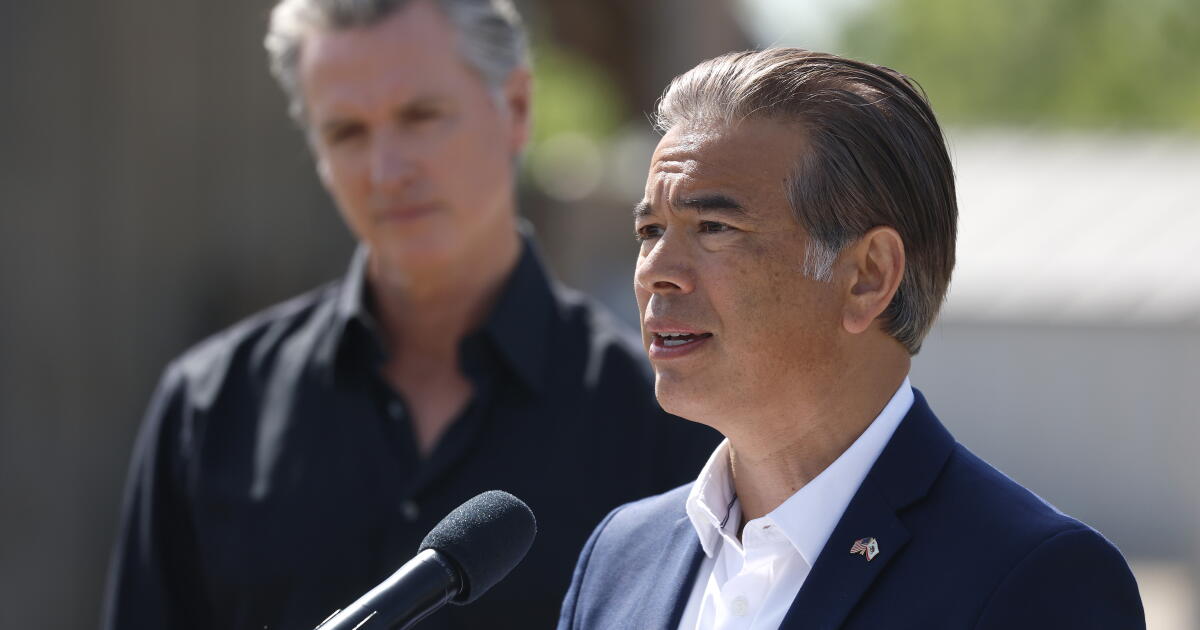
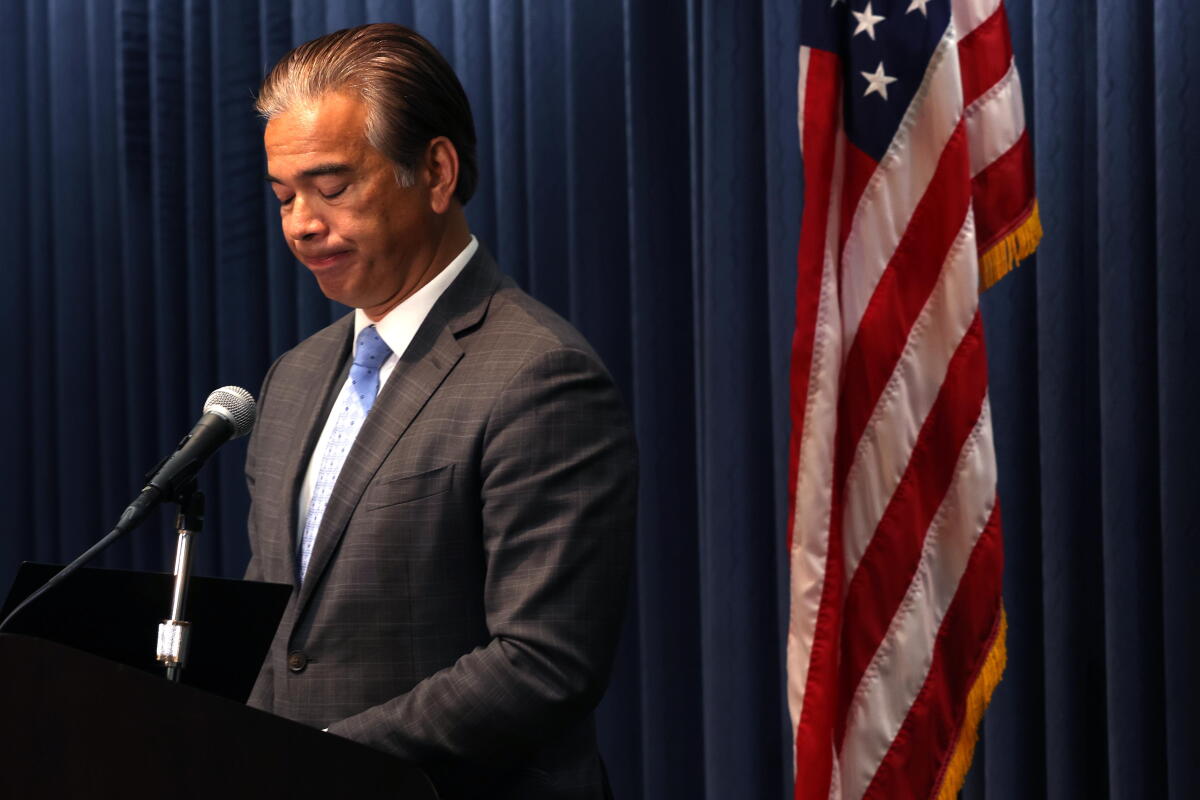
Politicians, unions and progressive groups separately have pressed California Atty. Gen. Rob Bonta to scrutinize the proposed merger, hoping that he brings an antitrust lawsuit in an attempt to upend the deal.

More than 4,000 film industry workers, including Ben Stiller, Bryan Cranston, Ted Danson, J.J. Abrams, Jane Fonda and Kristen Stewart, have signed an open letter imploring Bonta and other regulators to block the merger. The group lamented the proposed tie-up, saying it “would reduce the number of major U.S. film studios to just four.”

Opponents fear the consolidation would lead to massive layoffs and diminish the quality of programming that Warner Bros., CNN and HBO are known for.

Hollywood has sustained thousands of layoffs over the last seven years since Walt Disney Co. swallowed Fox’s entertainment assets in another huge merger. In addition, the film production economy hasn’t recovered from shutdowns during the 2023 labor strikes. An estimated 42,000 entertainment industry jobs were lost from 2022 and 2024.

On Thursday, 34 California Democrats in Congress also sent a letter to Bonta, encouraging him to look closely at the merger.

The deal is expected to become one of the largest leveraged buyouts ever.

Ballou, who is working with the press freedom groups, previously served as a Justice Department special counsel with expertise in private equity transactions.

He resigned from the Justice Department in January 2025 when Trump returned to office. In his book, “Plunder: Private Equity’s Plan to Pillage America,” Ballou examined large leveraged buyouts and found that many of which resulted in bankruptcies.

Source link

Merger costs add up as Warner Bros. Discovery posts $2.9-billion quarterly loss

Warner Bros. Discovery’s impending sale has rattled Hollywood — and the company’s balance sheet as the auction’s high costs increasingly come into focus.

The New York-based media company released its first-quarter earnings Wednesday, which included a $2.9 billion loss. That amount includes $1.3 billion in restructuring expenses, including updated valuations for Warner’s declining linear cable television networks.

Contributing to the net loss was the $2.8 billion termination fee paid to Netflix in late February when the streaming giant bowed out of the bidding for Warner. The auction winner, Paramount Skydance, covered the payment to Netflix but Warner still must carry the obligation on its balance sheet in case the Paramount takeover falls apart. Should that happen, Warner would have to reimburse Paramount.

Warner also spent another $100 million to run the auction and prepare for the upcoming transaction, according to its regulatory filing.

“As we prepare for our next chapter, our focus remains on executing our key strategic priorities: scaling HBO Max globally, returning our Studios to industry leadership, and optimizing our Global Linear Networks,” Warner Bros. Discovery leaders said Wednesday in a letter to shareholders.

Warner generated $8.9 billion in revenue, a 3% decline from the same quarter one year ago, excluding the effect of foreign exchange rate fluctuations.

Its streaming services, including HBO Max, notched milestones in the quarter and 9% revenue growth to $2.9 billion. The company launched HBO Max in Germany, Italy, Britain and Ireland during the quarter.

Advertising revenue for streaming was up 20% compared to the first quarter of 2025.

The streaming unit posted a 17% increase to $438 million in adjusted earnings before interest, taxes, depreciation and amortization (EBITDA).

Warner’s studios, primarily its TV business, had a strong quarter.

Studios revenue rose 31% to $3.1 billion, compared to the prior year quarter.

Television revenue soared 58% (excluding exchange rate fluctuations) due to increased program licensing fees to support the launch of HBO Max in international markets. Those launches also propelled the movie studio, which saw revenue increase 21%.

Video games revenue declined 30% because of lower library revenues.

Adjusted EBITDA for the studios grew $516 million (158%) to $775 million compared to the prior year quarter.

The company’s vast linear television networks saw revenue fall 9% to $4.4 billion compared to the prior year period.

TV distribution revenue tumbled 8% largely due to a 10% decrease in domestic linear pay TV subscribers.

The company also felt the loss of its NBA contract for its TNT channel, which NBC picked up. Advertising revenue fell 12%. “The absence of the NBA negatively impacted the year-over-year growth rate,” Warner said.

As the costs of the merger with Paramount come into clearer focus, the opposition has grown louder.

More than 4,000 artists and entertainment industry workers, including Bryan Cranston, Noah Wyle, Kristen Stewart and Jane Fonda, have signed an open letter warning about the dangers of the merger with Paramount. “This transaction would further consolidate an already concentrated media landscape, reducing competition at a moment when our industries — and the audiences we serve — can least afford it,” according to the letter.

“The result will be fewer opportunities for creators, fewer jobs across the production ecosystem, higher costs, and less choice for audiences in the United States and around the world.”

Adjusted EBITDA for the television networks fell 10% to $1.6 billion, compared to the prior year quarter.

Warner ended the quarter with $3.3 billion in cash on hand and $33.4 billion of gross debt.

Source link

Legal battle to halt Nexstar-Tegna TV station merger expands with five new states

California Atty. Gen. Rob Bonta has enlisted new allies in his legal battle to unravel Nexstar Media Group’s takeover of rival television station group Tegna Inc.

Late Thursday, Bonta announced that five additional states have joined his coalition that is suing to block the $6.2-billion merger. With the additional plaintiffs, the group of top state law enforcement officers has grown to 13 — and the campaign now is a bipartisan effort.

“Antitrust enforcement is not political — it’s about protecting working families and helping ensure the benefits of a vibrant economy are for everyone, not just well-connected corporations,” Bonta said in a statement. “We welcome our sister states into the fray and look forward to fighting alongside them.”

The new states are Indiana, Kansas, Massachusetts, Pennsylvania and Vermont. They have joined existing the plaintiffs that represent the people of California, Colorado, Connecticut, Illinois, New York, North Carolina, Oregon and Virginia.

Nexstar owns KTLA-TV Channel 5 in Los Angeles.

U.S. District Judge Troy Nunley two weeks ago granted a request by the attorneys general to issue a preliminary injunction halting the merger as the legal case proceeds. The proposed merger — which Nexstar rushed to complete despite opposition from the states — would create the nation’s largest broadcast station group with 265 television stations, up from 164 that Nexstar currently controls.

In dozens of markets, including San Diego and Sacramento, Nexstar would own multiple major TV network affiliates. That duplication has raised concerns about staff consolidations and widespread newsroom layoffs.

“State attorneys general nationwide understand just how important robust antitrust enforcement is to American life — and what a rotten deal this is for consumers, for workers, for affordability, and for our local news,” Bonta said.

El Segundo-based DirecTV separately filed a lawsuit to block the deal, saying the Nexstar-Tegna consolidation would harm their business by forcing DirecTV to pay significantly higher fees for the rights to carry their stations as part of its programming lineup.

A Nexstar representative was not immediately available for comment.

Nexstar contends the deal would strengthen TV station economics, allowing stations to bolster their news gathering and expand the number of newscasts. But DirecTV countered that in markets where Nexstar owns two stations, it relies on just one newsroom to program both channels.

Nexstar’s proposed purchase of Tegna would give the Irving, Texas-based Nexstar stations in 44 states covering 80% of the U.S. population.

The federal judge ruled there was sufficient merit in the antitrust arguments brought by Bonta and the others to pause Nexstar’s takeover of Tegna until a trial can be held to decide whether the merger is illegal.

“Nexstar must permit Tegna to continue operating as a separate and distinct, independently managed business unit from Nexstar,” Nunley wrote in his 52-page order on April 17. “And Nexstar must put measures in place to maintain Tegna as an ongoing, economically viable, and active competitor.”

Source link

Union Pacific, Norfolk Southern resubmit railroad merger proposal

A Union Pacific freight train sits idle in the Lincoln Heights section of Los Angeles on January 15, 2022. On Thursday, the rail company, along with Norfolk Southern, resubmitted their merger application to the Surface Transportation Board. File Photo by Jim Ruymen/UPI | License Photo

April 30 (UPI) — The Union Pacific and Norfolk Southern corporations announced Thursday a new merger proposal after a federal regulator rejected their initial plan in January.

The two companies applied for a merger in July, seeking to create the United States’ first transcontinental freight railroad.

The Surface Transportation Board rejected the proposal saying the application was incomplete.

A statement from the two companies said they resubmitted the application with “additional analysis” indicating cost savings for customers and improvement to the U.S. supply chain. It said the deal would take 2 million truckloads off the nation’s roadways and save $3.5 billion each year.

“After completing the additional work requested by the STB, the facts remain clear: This merger enhances competition and delivers real public benefits that make America’s supply chain stronger, Union Pacific CEO Jim Vena said in a statement.

The new submission includes traffic data from each of the six North American Class I railroads instead of sample data provided by the STB, the companies said.

The STB will have 30 days to review the new application.

Source link

United Airlines CEO approached American Airlines with merger plan

April 27 (UPI) — The chief executive officer of United Airlines confirmed Monday that he pitched a potential merger to American Airlines, but was turned down.

United CEO Scott Kirby said in a statement Monday that American Airlines rejected his proposal.

“I approached American about exploring a combination because I thought we could do something incredible for customers together,” Kirby wrote in the statement.

Kirby wrote that he was seeking “a willing partner that shared my big, bold vision.”

He said the plan was aimed at increasing coverage for customers, creating a globally competitive airline and growing the U.S. economy.

“I was hoping to pitch that story to American, but they declined to engage and instead responded by publicly closing the door,” he wrote. “And without a willing partner, something this big simply can’t get done.”

American Airlines CEO Robert Isom said last week that a merger with United would be anticompetitive and bad for customers.

Kirby had reportedly approached the Trump administration with his idea earlier this year, but President Donald Trump told CNBC last week that he would be against such a merger.

President Donald Trump speaks during a Health Care Affordability event in the Oval Office at the White House on Thursday. Trump announced announced a new drug price deal with Regeneron. Photo by Will Oliver/UPI | License Photo

Source link

Warner Bros. shareholders approve controversial $111-billion Paramount takeover

Paramount Skydance’s proposed takeover of Warner Bros. Discovery cleared a major hurdle Thursday as Warner stockholders overwhelmingly embraced the $111-billion deal.

Approval was expected. Paramount Chairman David Ellison’s proposal would pay Warner investors $31 a share — four times the price of the company’s stock a year ago. Warner Bros. officials did not disclose the precise vote count during the nine-minute special shareholder meeting beyond saying the merger “received sufficient votes and has overwhelmingly passed.”

Paramount offered the generous premium to compete with, and ultimately triumph over, Netflix, which withdrew from the auction in late February after Ellison’s father, Oracle billionaire Larry Ellison, agreed to guarantee the financing of his son’s deal.

The merger would create a new Hollywood behemoth by giving Paramount, which owns CBS and the Melrose Avenue film studio, such valuable assets as HBO, HBO Max, CNN, TBS, Food Network and Warner Bros.’ film and television studios in Burbank. Warner controls beloved TV shows, franchises and movies, including “Casablanca,” Harry Potter, D.C. Comics, “Game of Thrones,” “Euphoria,” “The Pitt,” and “Rooster.”

“Shareholder approval marks another important milestone towards completing our acquisition of Warner Bros. Discovery, building on our successful equity and debt syndications and progress across regulatory approvals,” Paramount said Thursday in a statement. “We look forward to closing the transaction in the coming months and realizing the creation of a next-generation media and entertainment company that better serves both the creative community and consumers.”

Paramount now must secure regulatory approvals in the U.S. and abroad. Ellison, who is poised to honor President Trump with a dinner Thursday evening in Washington, hopes to complete the deal by late summer.

Shareholders, however, made known their disdain for Warner Chief Executive David Zaslav’s proposed golden parachute, which could swell to $887 million, depending on when the transaction closes. His cash, stock and options would be valued at more than $550 million. Warner board members also agreed to pay his tax bill, which could approach $330 million, should the merger be completed by year’s end.

Shareholders, in a non-binding vote, voted against Zaslav’s package.

Paramount’s deal has encountered significant opposition in Hollywood and beyond.

More than 4,000 filmmakers, actors and industry workers, including Ben Stiller, Bryan Cranston, Ted Danson, J.J. Abrams and Kristen Stewart have signed an open letter asking California Atty. Gen. Rob Bonta and other regulators to block the deal.

Opponents fear the consolidation would be lead to massive layoffs and diminish the quality of programming that Warner Bros., CNN and HBO are known for. Hollywood has sustained thousands of layoffs over the last six years; the film production economy hasn’t recovered from shutdowns during the 2023 labor strikes.

“This is already an incredibly consolidated industry where writers have seen merger after merger leave fewer and fewer companies in control of what our members can get paid to write,” Michele Mulroney, president of the Writers Guild of America West, said Wednesday during a press briefing organized by Free Press and other progressive groups that oppose the merger.

“A combined Warner Bros. and Paramount would create a media behemoth with tremendous leverage to reduce content, to raise prices, to increase control of production, to suppress member compensation, worsen working conditions and silence the voices of our members,” Mulroney said.

Trump has long agitated for changes at CNN, and few expect his Justice Department to block the transaction. Defense Department Secretary Pete Hegseth echoed the sentiment. “The sooner David Ellison takes over that network the better,” Hegseth told reporters in March.

It’s unclear whether Bonta or other state attorney generals will file a lawsuit to try to stop the deal. Bonta previously told The Times that his office is reviewing the consolidation.

“This deal can get blocked. I personally think it will get blocked — or undone,” Alvaro Bedoya, former Federal Trade Commission member who now serves as a senior adviser to the American Economic Liberties Project, told reporters Wednesday. He pointed to other proposed mergers that unraveled due to fierce opposition, including the proposed combinations of grocery giants Kroger and Albertson’s.

David Ellison has promised to keep HBO entact and the Paramount and Warner Bros. movie studios humming. He promised cinema owners last week that a combined Paramount-Warner Bros. would release 30 movies into theaters each year.

“This transaction uniquely brings together complementary strengths to create a company that can greenlight more projects, back bold ideas, support talent across multiple stages of their careers,” Paramount said in a statement to push back on the opposition. The company would have the power to “bring stories to audiences at a truly global scale — while strengthening competition by ensuring multiple scaled players are investing in creative talent.”

To finance the Warner takeover, Ellison’s billionaire father, Larry Ellison, has agreed to guarantee the $45.7 billion in equity needed. Bank of America, Citibank and Apollo Global have agreed to provide Paramount with more than $54 billion in debt financing.

Paramount has enlisted a former Trump administration official, lawyer Makan Delrahim, who served as Trump’s antitrust chief during the president’s first term.

In a confident move, Delrahim filed to win the Justice Department’s blessing in December — even though Paramount didn’t have an agreement with Warner Bros. Discovery’s board at the time. In February, a key deadline for the Justice Department to raise issues with Paramount’s proposed Warner takeover passed without comment from the Trump regulators.

Source link

Judge blocks Nexstar-Tegna deal, throwing $6.2-billion merger into doubt

A federal judge has blocked Nexstar Media Group’s $6.2-billion acquisition of its rival, upending the already consummated union of the nation’s two largest television station groups.

U.S. District Court Chief Judge Troy L. Nunley on Friday issued a preliminary injunction that forbids Nexstar, which owns KTLA-TV Channel 5 in Los Angeles, and its takeover-target, Tegna Inc., from combining operations amid a legal dispute with California Atty. Gen. Rob Bonta and seven other state attorneys general.

The order takes effect Tuesday.

“Nexstar must permit Tegna to continue operating as a separate and distinct, independently managed business unit from Nexstar,” Nunley wrote in his 52-page order. “And Nexstar must put measures in place to maintain Tegna as an ongoing, economically viable, and active competitor.”

The injunction is Nexstar’s latest setback in the controversial deal championed by President Trump.

Bonta and the others are opposed to the merger, arguing it violates a 112-year-old U.S. antitrust law by knocking out a major competitor. The deal would give Irving, Texas-based Nexstar control of 265 television stations across the country, up from 164. And, in dozens of markets, including San Diego and Sacramento, Nexstar would own multiple TV network affiliates.

That duplication has raised concerns about staff consolidations and widespread newsroom layoffs.

“This is a critical win in our case,” Bonta said in a statement. “This merger is illegal, plain and simple. The federal government may have thrown in the towel, but we’ll keep fighting for consumers, for workers, for affordability and for our local news.”

Nexstar, in a statement, said that it will appeal the ruling, but that it has taken steps to comply with the court order.

“For nearly thirty years, Nexstar has provided free over-the-air access to all its broadcast stations — local news, weather, and community-focused programming alongside major network programming,” Nexstar said. “This procompetitive transaction will make local stations stronger and support continued investment in local journalism and fact-based news.”

Bonta and other state attorneys general sued to block the merger March 18. The state officials, all Democrats, alleged the union would create “a broadcast behemoth” with the “power to raise prices for television consumers” and diminish “local news and sports,” their lawsuit stated.

El Segundo-based DirecTV separately sued. It alleged the merger would dramatically tilt the pay-TV playing field, forcing DirecTV to pay dramatically higher fees for the rights to carry Nexstar-Tegna station programming, including local news and NFL football. Those costs, DirecTV said, would be passed along to its 10 million customers.

Trump had been agitating for the deal, writing in a February social media post: “GET THAT DEAL DONE!”

On March 19, the day after the lawsuits, the Trump administration approved the deal. The U.S. Justice Department terminated its antitrust review and the Federal Communications Commission’s Media Bureau authorized the transfer of Tegna’s station licenses to Nexstar.

Within an hour, Nexstar announced that it had finalized the purchase of its McLean, Va.-based rival.

Tegna was dissolved and its stockholders were paid out — raising questions about the fate of Tegna’s stations.

“Nexstar must not influence the management of the held-separate TEGNA business unit,” Nunley wrote. “Tegna personnel must maintain control over Tegna’s decisionmaking, including … negotiations [with pay-TV partners], newsroom personnel, operations and programming, product and service offerings, product development, advertisement sales, and personnel.”

Nexstar has complained about the unusual nature of blocking a transaction after-the-fact. But the plaintiffs noted that Nexstar had been aware of the state attorneys general concerns since at least March 10 — more than a week before DirecTV and the state regulators sued.

Colorado, Connecticut, Illinois, New York, North Carolina, Oregon and Virginia have joined California in the lawsuit.

The merger was not approved by the full FCC commission, prompting two U.S. senators — Ted Cruz (R-Texas) and Maria Cantwell (D-Wash.) — to question the FCC’s handling of the matter.

“This decision raises serious concerns about the Commission’s use of delegated authority in matters involving significant legal, policy, and economic consequences,” the two lawmakers wrote in a March 30 letter to the FCC. “The transaction is unprecedented in scale, resulting in the largest local broadcast television group in U.S. history.”

Nexstar has built itself into a colossus through a series of acquisitions, including its $6.2-billion takeover of Tribune Broadcasting, the longtime owner of KTLA, in 2019 — during the first Trump term.

Opponents have argued that Nexstar’s proposed purchase of Tegna gives Nexstar stations in 44 states covering 80% of the U.S. population — exceeding a 39% ownership cap set by Congress.

DirecTV has argued that the combination of the nation’s two largest television station groups could harm its pay-TV business by raising prices for consumers and potentially increasing programming blackouts.

The judge late last month combined the two lawsuits.

During a two-hour hearing earlier this month, Nexstar attorneys argued against the injunction, saying it had obtained the necessary federal approvals to take control of the Tegna stations.

“Setting aside the unusual FCC clearance process here, the Court does not find Defendants’ arguments persuasive,” Nunley wrote.

Nexstar contends the deal would strengthen TV station economics, allowing stations to bolster their news gathering and expand the number of newscasts. But DirecTV countered that in markets where Nexstar owns two stations, it relies on just one newsroom to program both channels.

“We commend the Court’s decision, which reinforces the coalition of states’ and our shared belief that unchecked station consolidation will force consumers to pay more for less by reducing the quality and variety of local news coverage,” DirecTV said in a statement.

Nexstar attorney Alexander Okuliar said the plaintiffs failed to demonstrate that the merger posed an immediate threat to the public.

Nunley, who was appointed by former President Obama, wrote in his order that the plaintiffs demonstrated they had a path to prevail at a trial due to the merits of their arguments.

Nexstar had asked the judge to require the plaintiffs to post a $150-million bond to compensate it for damages it would suffer from any delays in closing the deal.

But the judge denied that request, writing that Nexstar did not offer a “financial analysis or documentary evidence to support a bond in this amount” or any evidence that it would incur financial losses should the injunction be overturned.

Source link