Medieval

Abandoned medieval village lay forgotten for centuries now loved by walkers

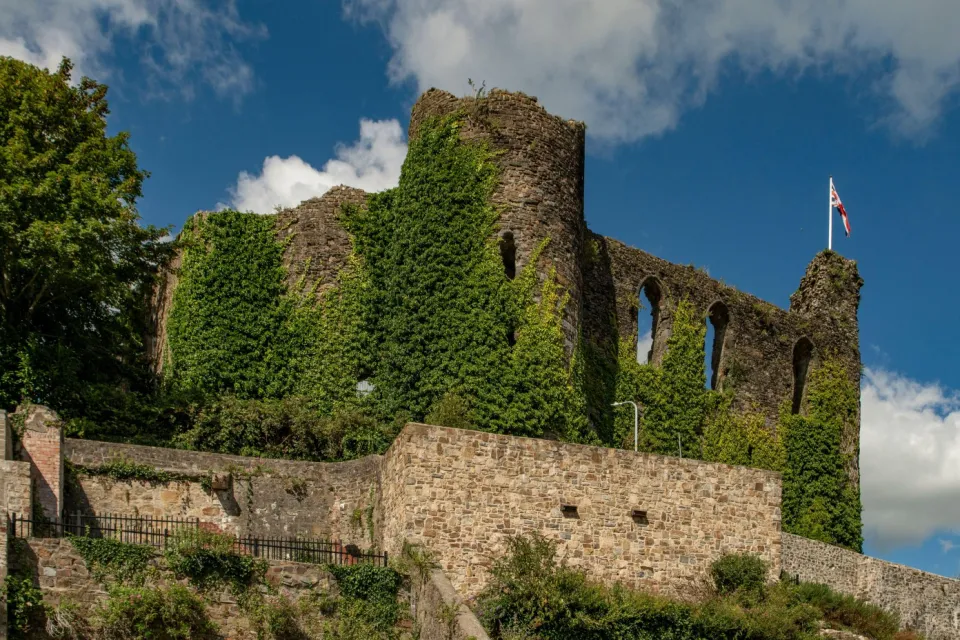
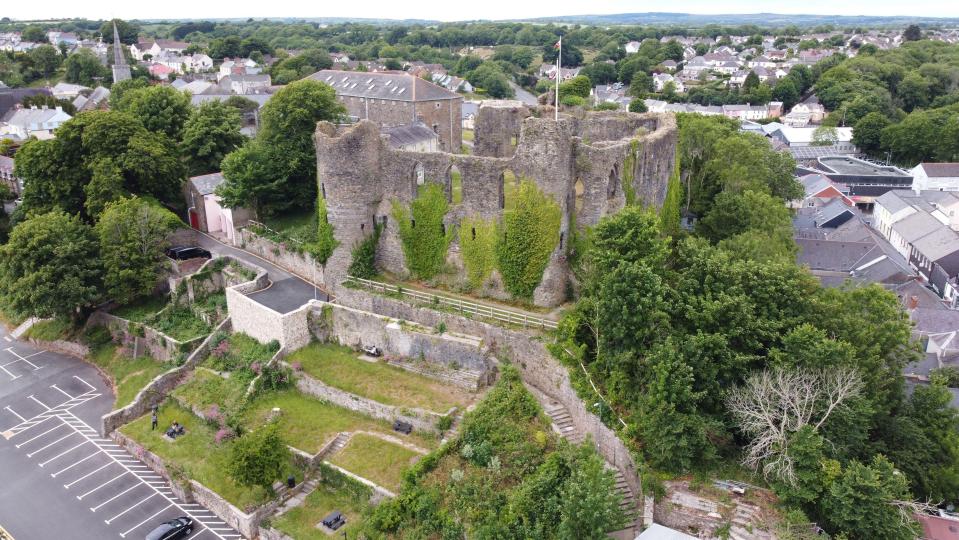
One of Britain’s biggest and most famous deserted medieval villages, Wharram Percy in North Yorkshire has remnants of century-old houses, a church and ancient ruins for visitors to explore

Travellers journey from all corners to glimpse the UK’s ‘best preserved’ medieval village, Wharram Percy in North Yorkshire, which lay deserted for centuries and now serves as a fascinating site for walkers and history enthusiasts.

Nestled in North Yorkshire, Wharram Percy is one of the largest abandoned medieval villages in Britain and undoubtedly the most renowned. Visitors are invited to stroll through the historic grounds, taking in the remnants of age-old houses, a church, and manorial ruins.

Ideally located halfway between popular attractions Scarborough Castle and Clifford’s Tower in York, it makes for an excellent stopover on your trip between these two sites. While entry to the village is free, there is a nominal £2 charge for parking.

Over an impressive 60-year period, archaeologists have gradually unearthed more details about Wharram Percy’s history. Their findings have shed light on why the area was initially abandoned and what life was like here in bygone times.

Perched on the edge of a Yorkshire valley, this unique village once housed inhabitants for up to six centuries but was deserted after the 1500s. It’s believed that even today, outlines of old houses can be discerned in the ground, alongside the more substantial remains that attract curious visitors.

The history takes some understanding, but experts believe the earliest settlement dates back to approximately 50 BC. This land was subsequently transformed into farmland but lay deserted during the 5th century, before eventually becoming a Middle Saxon settlement.

It’s important to note that reaching the village requires roughly a 3/4 mile walk from the car park to the main site, which is frequently both steep and muddy. The site features rough terrain throughout, which can be challenging for some visitors and is generally unsuitable for wheelchairs or buggies.

A TripAdvisor reviewer highlighted this, writing: “Parking on the Heritage car park off the B1248 prepare for a trek to the village.” They went on to describe it as a “sharp gravelled decline” and a “daunting” journey unsuitable for those with limited mobility, as the route passes through fields.

Following their visit, one enthusiast praised their experience, saying: “Lovely walk from the car park to the site, but people with mobility issues may struggle. It’s a fascinating historical site that has been really well managed. Only a few visitors when we visited, which added to the peace and tranquillity of the place. Loved it!”.

Another guest added: “This lovely deserted mediaeval village is truly fascinating! The history is incredible, and it was wonderful to wander around and explore. We really lucked out and had beautiful weather, so we got to sit on the grass by the pond and soak it all in.”

Source link

Medieval city ignored by most tourists tipped for 2026 with £4 lunches and UNESCO sites

The city, just 65km from Porto, combines UNESCO World Heritage sites with Michelin-starred dining and budget-friendly meals from £4

A beautiful medieval city packed with great things to do has been tipped as a must-visit destination for 2026.

Guimarães is, according to a ranking of the top 20 travel spots this year, “astonishingly under the radar”, given its long history and the relative ease of getting there from the UK.

Sat just 65km inland from Porto, the Portugese city is considered the 12th-century birthplace of Portugal and its first capital. Norman Miller, who wrote about Guimarães for the BBC ranking, praised its “beautifully preserved medieval core is a tangle of cobbled squares and lanes dotted with grand palaces and terraced restaurants”. Among the warren you will find all sorts of excellent places to eat, including Michelin-starred spots, laid-back eateries and craft beer bars.

If you’re after a great but affordable place for a bite to eat, O Petisko is one of the cheapest lunch options in town, with meals starting from £4, it is known for its daily set lunch of soup, main and a drink.

READ MORE: Italy’s first five-star campsite turns Venice into a family-friendly dreamREAD MORE: Great British Rail Sale 2026 launches with up to 50% off train tickets and deals from £10

The Taberna Trovador is a touch more expensive but delivers classic taverna vibes, tapas and small plates right in the city centre.

In terms of significant monuments, history enthusiasts will love the Palace of the Dukes of Bragança, is a magnificent example of seventeenth-century seigneurial architecture and the birthplace of the House of Bragança. It has been classified a National Monument since 1910.

Whether or not the attraction’s claim that “Portugal was born” in the Palace is true, it’s fair to say that Guimarães is not a city that is stuck in the past.

As one of Portugal’s oldest university towns it has a vibrant energy. Almost half of its population is younger than 30. Large stretches of the city were freshened up for its 2012 European Capital of Culture title. Most bars are clustered around Praça de São Tiago and Largo da Oliveira, the heart of the old town. There’s plenty to choose from when it comes to bars and clubs, including the Púrpura – vibrant university bar and the Madeira-themed Poncha cocktail bar.

The coming year is a big one for the city. It is celebrating both 25 years of UNESCO World Heritage status and its new title as Europe’s Green Capital – recognition of two decades of sustainability work embedded across the city.

If you walk through the city today you will find creatively repurposed heritage buildings or restored riverbanks. A fleet of electric buses are on hand to whisk you from location to location.

“It’s a forward-thinking, quietly confident city – and one of Europe’s most compelling surprises for 2026,” the BBC writes.

If you’re keen to swap the chilly UK for a spot of sunshine, then Guimarães delivers that and plenty of fresh air. According to the European Commission, 97% of its residents enjoy ‘good’ or ‘very good’ air.

“Designated a UNESCO World Heritage Site in 2001 for its well-preserved historic centre, Guimarães has since earned several prestigious titles: European Capital of Culture in 2012, European City of Sport in 2013 and the most sustainable municipality in Portugal for three consecutive years. These remarkable achievements underscore the city’s innovative spirit and dedication to progress, despite its relatively modest population of 156,830 residents. Guimarães has embraced sustainability as a cornerstone of its local culture. Innovative businesses are increasingly aligning with the city’s environmentally conscious policies, fostering a new industrial culture and enhancing its ecosystem of innovation,” the Commission reported.

While there are no direct flights from UK airports to Guimarães, travel hubs including London Heathrow, London Gatwick, Manchester, Birmingham and Bristol offer budget fares to nearby Porto.

Direct coaches run from Porto Airport to Guimarães, taking about 40–50 minutes. Operators such as FlixBus and local services offer regular departures and tickets from around €5 (about £4–£6). If you prefer rail, you can take a bus or taxi into Porto city centre and then catch a train to Guimarães from Porto’s São Bento or Campanhã stations. The train journey from Porto to Guimarães takes about 60 minutes.

Source link