A disabled woman has been left “very upset” after missing her holiday to the Canary Islands due to issues with her mobility scooter battery.
Carol Hutchins had been eagerly anticipating a sunny getaway at the TUI Magic Life Hotel in Fuerteventura with her daughter, Layla, scheduled for late October. However, the mother-and-daughter pair’s dream holiday came to an abrupt end at Manchester Airport, where staff informed them Carol’s scooter couldn’t be loaded onto the aircraft.
Carol has been left “very upset” by the cancelled holiday and the fact she’s more than £1,000 out of pocket. There is no indication that TUI failed to follow protocol. However, Carol and Layla’s experience acts as a cautionary tale for Brits travelling abroad with a mobility scooter.
A TUI spokesperson said: “We’re sorry that Ms Hutchins wasn’t able to travel on her holiday, and we recognise how upsetting that must have been for her. This was due to them not having the required documentation and battery identification information for their electric mobility aid, which meant it couldn’t be cleared to fly under safety guidance. The TUI airport team supported her on the day and explored alternative options, which she chose not to accept.”
Carol arranged her holiday to the sun-drenched Canary Islands at the TUI Doncaster branch on 23 October 2025. As the reservation was made within a fortnight of departure, the travel agent contacted the welfare team while Carol was in the shop, to ensure the mobility scooter was included in the booking. When a mobility aid is included in a holiday booking, customers are sent the Conditions of Carriage, which contain crucial instructions passengers must adhere to before their flight, reports the Mirror.
They specify: “The battery or batteries should clearly be labelled showing the type and the watt-hour (Wh) rating. Failure to show this can lead to refusal of battery or batteries. Please carry the manufacturer’s operating instructions with you, which will help you and the airport staff to block the vehicle’s electric circuits and remove the battery if necessary.”
According to TUI, the Conditions of Carriage were sent to Ms Hutchins four times via email as her booking was amended, and provided twice more alongside ticket documentation.
When Carol and Layla arrived at Manchester Airport on October 29, her battery lacked any visible identification label, meaning airport personnel could not lawfully approve it under safety regulations.
An on-site duty manager liaised with the resort team in Fuerteventura to locate an alternative mobility scooter she could utilise during her holiday.
However, according to Layla, Carol did not feel at ease travelling without her own scooter or with the prospect that she might be without one for a time once at her destination.
According to TUI, Carol and Layla declined the offer of two alternative flights and goodwill vouchers.
TUI’s website features a section that outlines what customers using mobility scooters need to know and do before they travel.
Before flying with your electric mobility aid, you’ll need to:
Check your battery type and specifications
Provide battery details to TUI in advance
Bring manufacturer documentation to the airport
TUI accepts these battery types:
Non-spillable batteries (like AGM, Gel Cell, SLA)
Lithium batteries with specific watt-hour limits:
Single battery: maximum 300Wh
Two batteries: maximum 160Wh each
However, wet cell (spillable) batteries are not permitted on TUI flights.
Important pre-flight steps:
Share your device’s battery details with TUI as early as possible
A travel content creator based in Tenerife believes there are five common mistakes tourists make when visiting the largest of the Canary Islands and has advised how to avoid making them
Alan Johnson Social News Reporter
06:00, 05 Apr 2026
View of San Cristóbal de La Laguna from the Jardina Viewpoint, with the Teide volcano covered by clouds, Tenerife (Image: Manuel ROMARIS via Getty Images)
If you’re planning a getaway to Tenerife in the near future, a travel content creator based in the popular Canary Islands resort has highlighted five common blunders many visitors make. Taking to TikTok, Tenerife Ambience suggested that such missteps stop tourists from experiencing the “real” island.
Around 2.3 million Brits flock to the sun-soaked destination each year. However, Brits travelling to Spain this weekend could face severe travel disruption amid major airport strikes.
More than a million travellers could be hit by industrial action taking place at popular destinations across Spain. Tenerife Ambience warned against falling victim to these pitfalls.
Staying only in the South
“The South is for sun and hotels,” Tenerife Ambience said, “but the soul of the island is in the North (Anaga, La Orotava, Garachico) – that is where the real magic begins.”
Fearing the North’s weather
Connected to the previous point, Tenerife Ambience urged prospective holidaymakers not to be deterred by the supposedly more challenging weather conditions in the island’s northern region. “Mist in the laurel forests is not a ‘bad forecast’,” they explained.
“It is the most photogenic atmosphere you will ever see. Just pack a light jacket.”
Content cannot be displayed without consent
Overlooking logistics
While mountain roads may look short on the map, these winding ‘serpentine’ routes require time to navigate. Therefore, Tenerife Ambience recommends: “Do not rush through the drives. Tenerife is not for hurrying.”
Visiting Teide
Mount Teide is a 3,718-metre-high active stratovolcano situated on the island, and is an absolute must-see. However, Tenerife Ambience cautions against visiting around midday, when it tends to be heaving with crowds.
“The heat and crowds kill the scale of this place,” they said. “Stay for the sunset. Watching the sun go down above the clouds is a life-changing experience.”
‘Tourist’ food
Rounding off Tenerife Ambience’s list is a word of warning about dining out. “Forget frozen paella in the ports,” they advised. “Look for Guachinches in the North. Local wine and fresh octopus are the true taste of the island.”
For those who love exploring on foot, Tenerife Ambience has put together five “iconic” oceanfront routes to “feel the real energy” of the Atlantic, taking in “wild cliffs to misty palm groves”. In their own words, these are:
1. Costa de El Sauzal. A hidden scenic boardwalk directly above the crashing waves.
2. El Médano to Montaña Roja. Windy dunes and a stunning view of the Red Mountain. Pure freedom.
3. Lago Martiánez to Playa Jardín. The best of Puerto de la Cruz: saltwater pools, black sand, and lush parks.
4. Punta del Hidalgo. Walking between huge volcanic mountains and natural ocean pools. North side vibe.
5. Rambla de Castro. A lush palm forest trail right above the powerful Atlantic ocean. A total fairytale.
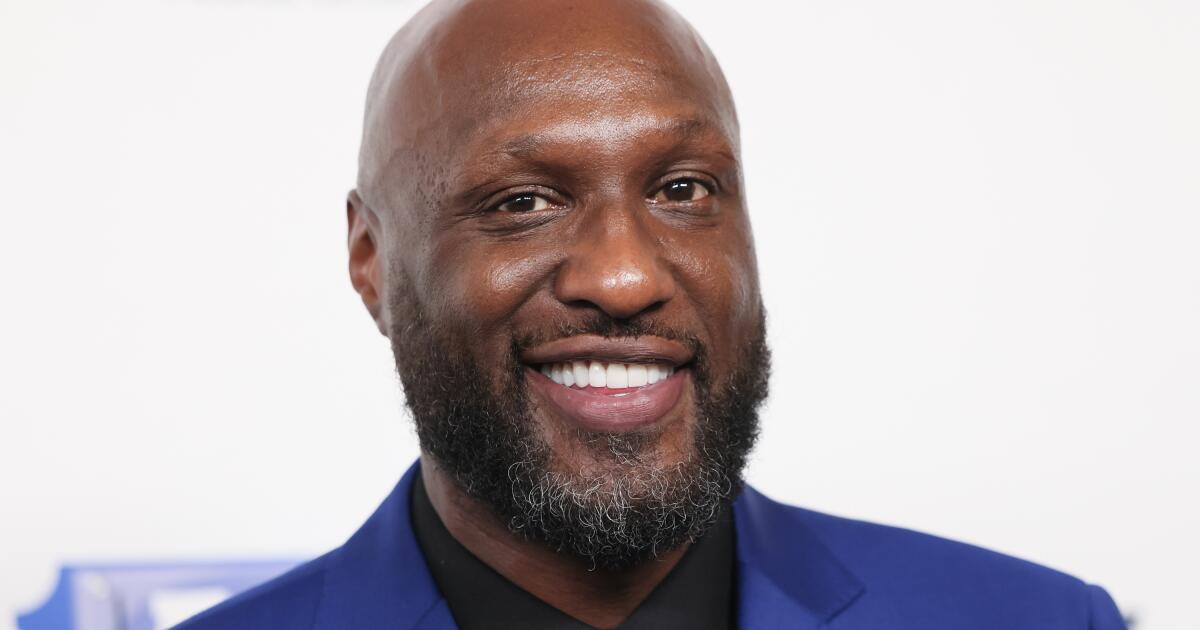
After his October 2015 overdose at a Nevada brothel, Lamar Odom says, he had “12 strokes and six heart attacks. All my doctors say, like, I’m a walking miracle.”
Now, more than a decade later, the Love Ranch brothel has been demolished, but Odom is still around.
The former Laker and onetime husband of Khloé Kardashian is telling his story for “The Death and Life of Lamar Odom,” the newest episode of Netflix’s documentary series “Untold,” along with Kardashian, former coach Phil Jackson and others who were around during his Oct. 13, 2015, health emergency. The episode premiered Tuesday.
“You know what’s funny?” the 46-year-old former player told Sports Illustrated in an interview published Monday. “I haven’t even watched it yet. You know why? Because I lived it.”
Odom, who just got out of another month of rehab in February, insists that the 2015 episode was not a mere overdose but a “hit,” an attempt on his life.
“Right when I signed the divorce papers, I was like, ‘I’m gonna get it in.’ The Bunny Ranch I used to always see on TV, but I don’t have any coke to take,” he says in the documentary. “ … It’s crazy when you think about [how] one decision, so big or so minor, could be so pivotal to you and to people that you really love.”
The late Dennis Hof, owner of the Bunny Ranch, where HBO’s “Cathouse: The Series” was shot, owned other Nevada brothels. Odom set off that October for Hof’s Love Ranch in Crystal, about 80 miles outside of Las Vegas.
“It was pretty rare that a celebrity — certainly anybody above the D-list — would be actively trying to come out to one of the brothels,” former Love Ranch manager Richard Hunter says in the “Untold” episode. “This was kind of a myth. This was something Dennis perpetuated.”
But, Hunter said, “Lamar Odom actually began contacting several of the girls from the Love Ranch on Instagram. … Being a professional athlete, there’s a lot of easier ways to do this than to drive an hour outside of the city into the desert, walk into a brothel, such as it was, and want to live there for a few days.
“As the days progressed, I remember that him or one of his handlers … actually contacted the brothel and wanted a car to pick him up. So it definitely became real when he gave us the address of where he was at.” The driver called the Love Ranch and let them know his passenger really was Odom. They put him in a house behind the brothel, Hunter said, where they put folks who were “spending enough money.”
Odom told USA Today in an interview published Monday that what transpired at the Love Ranch — which was demolished in November 2024, after Hof’s 2018 death — “was like a hit. Obviously they missed. I don’t know if they want to finish the job.”
Kardashian explains in the episode that her divorce from Odom came as a result of an ultimatum she was told to deliver during a planned intervention: a three-month rehab stint or a split. Odom surprised them, she said, when he said that all he wanted was his passport — and the divorce.
“I was like, looking around like, ‘Wait. Wait. I — I don’t want the divorce,’” she said. “‘You guys [who assembled for the intervention] told me I have to say this.’”
Odom and Kardashian had signed their papers before the OD, but a judge hadn’t yet signed off on the dissolution, which allowed her to keep him insured and, as his wife and next of kin, to make decisions regarding his health. Kobe Bryant, Odom’s Lakers teammate and Kardashian’s close friend, flew to Nevada to help her decide whether to proceed with surgery to fix Odom’s lung that had collapsed. She said yes, even though there was only “like a 10% chance” that it would work and that he would survive the procedure.
Odom made it through, recovering at Cedars-Sinai Medical Center. Bryant died in a helicopter crash less than five years later.
After the OD, Kardashian never left the hospital. She put their divorce — finalized in 2016 — on hold. When Odom awakened from his coma, he couldn’t control his bowels and needed six hours a day of dialysis, according to the documentary. “So you can understand the humility … I’ve won two championships. I’m Lamar Odom. I can’t walk, can’t talk. And they come in to check my diaper.”
He was 35 at the time. The next summer, he was removed from a flight at LAX before takeoff while drunk and vomiting, having been seen earlier slamming beer and whiskey in the Delta Airlines lounge.
So what would Odom tell his younger self, if he could, after suffering a dozen strokes and six heart attacks after that visit to the Love Ranch?
“Stay away from your weakness. And my weakness, obviously, was drugs because I’m a drug addict,” he told SI. “It could have been passed down to me from my father. But I’m not blaming anybody. Makes no sense to blame anybody. On or off the court, you have to work with what you’ve got. And I had an incredible stat line in terms of skills and how to play the game.
“And just work on being the best player that you can be. Anybody who offers you that s—, drugs, whether it be coke, pot, alcohol, they probably ain’t your friend. And to choose my friends wisely, because they could affect you on or off the court.”
Odom also wasn’t sure why Netflix had tapped him at this moment, but hopes that by telling his story he might help other people who are trying to get out of addiction.
“I was telling my girlfriend on the way here, it’s like swimming in a cesspool of trauma,” he told USA Today, mentioning a partner who has not been identified. “And I’m trying to get out of it, but the story reels me back into that pool every time. But I just know I’m bigger than the situation, and I hope to help a lot of people by giving my testimony. Not just with the story, but just in life, that we can all overcome addiction.”
That and, well, “Netflix had a good paycheck, bro,” he told SI with a laugh. “No, but it’s a time and place for everything. I don’t know what made me relevant now.”
IF you’re wondering where the next big holiday trend is coming from, I can save you some time.
It’s not a brand new destination, and it’s not somewhere “undiscovered”.
The 1990s were a peak for all-over tans at any costCredit: Getty ImagesBut the same resorts are now great for family breaks with school summer holidays dates from £58pp a nightCredit: Getty
It’s the places your parents went in the 90s.
I spend most of my time looking at holiday booking data, and this one trend keeps jumping out.
A whole wave of classic British package holiday resorts are making a serious comeback in 2026.
And the reason is simple: they’re still ridiculously good value.
From Europe to Africa, here are my top 10 cheap holiday spots that are booming again… and the deals you can get right now.
10. Skanes, Tunisia
Skanes is a proper throwback to 90s package holidays – big beachfront hotels, short transfers, and everything centred around the resort.
And now, it’s having one of the biggest comebacks I’ve seen in the data, with bookings to Tunisia up massively again heading into 2026.
I found a really strong all-inclusive deal here – 7 nights at the 4* Hotel Liberty Resort, flying from London Southend (16–23 Aug 2026), from £535pp for a family of four. That’s roughly £76pp per night, and crucially, it’s all-inclusive.
What makes this one work is how family-friendly it is – big pool areas, loads going on for kids, and everything included, so you’re not constantly spending.
And the reason it’s this cheap is simple. Tunisia is still rebuilding demand, so hotels are pricing low to win Brits back. Which means right now, you’re getting proper beachfront value for a fraction of what you’d pay elsewhere.
Our holiday expert found an all-inclusive deal in Skanes, Tunisia from just £76pp per nightCredit: Getty
9. Calpe, Costa Blanca, Spain
Calpe was huge with British tourists in the 80s and early 90s – classic Spanish seaside, big beaches and that iconic rock backdrop.
Now it’s trending again in 2026, as people look for more relaxed, less chaotic alternatives to bigger resorts.
I found a great-value summer deal – 7 nights at the 4* AR Diamante Beach, flying from Bournemouth (3–10 Aug 2026), from £588pp for a family of four. That’s about £84pp per night, on a bed & breakfast basis.
This hotel stands out because it feels a bit more premium than your typical Costa Blanca stay – big modern rooms, great pool area, and close to the beach without being chaotic.
It’s cheaper because it’s not trying to be flashy or all-inclusive heavy. And for families, that works – because you can eat out cheaply and control your spending instead.
The coastal town of Calpe is situated in Costa Blanca, and is famous for the Peñón de Ifach rockCredit: Getty
8. Hurghada, Egypt
Hurghada was unbelievably popular in the 2000s all-inclusive boom, thanks to massive resorts, guaranteed heat and loads included in the price.
And now it’s properly back again, with bookings climbing fast into 2026.
This one’s properly eye-opening – 7 nights at the 4* Royal Lagoons Aqua Park Resort & Spa, flying from Belfast (22–29 Aug 2026), from £668pp for a family of four. That’s around £95pp per night, and it’s all-inclusive.
What makes it great for families is the waterpark setup with slides, multiple pools and enough going on to keep kids busy all week without leaving the hotel.
This is why Egypt is flying with Brits right now, despite its proximity to the Iran conflict. Because once you arrive, everything’s covered.
Flights are longer, which keeps demand slightly lower, but for families, that means ridiculous value for what you get.
You can stay a week at the 4* Royal Lagoons Aqua Park Resort & Spa from £95pp per nightCredit: Alamy
7. Hammamet, Tunisia
Hammamet was one of the classic British beach holidays of the 90s – long sandy beaches, big hotels and loads of all-inclusive resorts.
Just like Skanes, it’s seeing a massive resurgence heading into 2026.
I spotted this while digging through peak summer prices – 7 nights at the 4* Houda Yasmine Hammamet, flying from London Southend (23–30 Aug 2026), from £553pp for a family of four. That’s about £79pp per night, and it’s all-inclusive.
It’s a proper classic family hotel with a massive pool, entertainment, and everything geared around easy, no-stress holidays.
Again, the price comes down to perception catching up with reality.
The hotels are good, the weather’s great – but demand hasn’t fully returned yet. So you’re benefiting from that gap.
Hammamet in Tunisia offers some of the most affordable 4 and 5* stays on the marketCredit: Getty
6. Salou, Costa Dorada, Spain
Salou was massive with British families in the 90s and early 2000s with beaches, family hotels and PortAventura right next door.
And now it’s flying back again in 2026 as families rediscover how easy it is.
I couldn’t ignore this deal – 7 nights at the 4* 4R Playa Park, flying from Birmingham (21–28 Aug 2026), from £408pp for a family of four. That’s just £58pp per night, on a bed & breakfast basis.
This is exactly what Salou does well: simple, well-located hotels with good pools and easy access to everything – and at a really great price too.
And it’s such great value because you’re not paying for extras upfront.
But in Salou, that’s ideal – everything locally is affordable, so you can build your own budget holiday.
Salou in Spain is a great-value resort with lively nightlife and the PortAventura theme parkCredit: Getty
5. Torremolinos, Costa del Sol, Spain
Torremolinos is where the British package holiday basically started back in the 60s and 70s.
And in 2026, it’s trending hard again thanks to how easy and reliable it is.
I found a really solid summer option here – 7 nights at the 4* Hotel Apartamentos Bajondillo, flying from Bournemouth (22–29 Aug 2026), from £518pp for a family of four. That’s about £74pp per night, on a self-catering basis.
What makes this one great is the location, as it sits right on the beachfront, with loads nearby, and perfect if you want flexibility with food and spending.
It’s not the cheapest on the list, but you’re paying for convenience – short transfer, loads to do, and no surprises.
Torremolinos in Malaga is a reliable holiday resort with package holidays from £74pp per nightCredit: Getty
4. Benidorm, Costa Blanca, Spain
Benidorm was the capital of British holidays in the 80s and 90s, and now a whole new generation is discovering it.
Bookings are up again in 2026, especially with younger families and couples.
I found this cracking value deal – 7 nights at the 3* Terralta Apartments, flying from Dublin (23–30 Aug 2026), from £403pp for a family of four. That’s roughly £58pp per night, on a self-catering basis.
It’s ideal for families too, as it’s home to spacious apartments, a big pool, and a quieter location just outside the main strip.
And this one’s cheap simply because Benidorm is built for volume: loads of apartments, loads of competition – which keeps prices low.
Best part is, once you’re there, everything else is cheap too.
Benidorm remains an affordable holiday destination for Brits, with deals from £58pp per nightCredit: Getty
3. Sousse, Tunisia
Sousse has always been one of Tunisia’s most popular beach resorts – big hotels, great beaches and loads of all-inclusive options.
And just like the rest of Tunisia, it’s seeing a huge comeback into 2026.
One of the best-value all-inclusive deals I found – 7 nights at the 4* El Ksar Resort & Thalasso, flying from London Southend (16–23 Aug 2026), from £583pp for a family of four. That’s about £83pp per night, and it’s all-inclusive.
This is exactly what families want – beachfront setting, slides, big pool areas and everything included from day one.
This is where the value really shows.
Because when everything’s included, you’re not constantly spending – which makes it one of the easiest holidays to budget for.
Tunisia’s Sousse is home to a UNESCO World Heritage medina and your pick of beachesCredit: GettySome of the most popular beaches in Sousse, Tunisia are Bou Jaafar and Samara BeachCredit: Alamy
2. El Arenal, Majorca, Spain
El Arenal was massive in the charter flight era – big beach, loads of hotels and right next to Palma.
And now Majorca, and El Arenal in particular, is firmly back on the rise again in 2026.
I found a peak summer Majorca deal that really stood out – 7 nights at the 3* BLUESEA Costa Verde, flying from Bournemouth (19–26 Aug 2026), from £580pp for a family of four. That’s about £83pp per night, and it’s all-inclusive.
What makes this one work is simplicity – good pool, food included, and a no-frills base in a super easy destination.
It’s slightly pricier because Majorca never really goes out of demand.
But you’re paying for ease – short flight, reliable weather and a destination that just works.
1. Sharm El Sheikh, Egypt
Sharm El Sheikh was one of the BIGGEST British holiday hotspots of the 2000s.
And now it’s making the biggest comeback of all destinations worldwide heading into 2026.
And this is where the value really hits home – 7 nights at the 4* Xperience Saint George Homestay, flying from London Luton (5–12 Aug 2026), from £650pp for a family of four. That’s around £93pp per night, and it’s all-inclusive, in great hotel, with guaranteed heat.
This hotel is built for proper relaxation with multiple pools, loads of food options and everything set up so you barely need to leave. Just turn up, pay for nothing, and leave rested, relaxed and tanned.
And the reason it’s such good value, even in the summer holidays, is simple.
Flights have only relatively recently come back at scale, so demand is still catching up. But the hotels are still world-class.
Which means right now, you’re getting proper 4* all-inclusive… for less than most self-catering holidays in Europe.
Al Sahaba Mosque is a spectacular landmark to visit in Sharm El SheikhCredit: GettyYou can stay in Sharm’s Xperience St.George Homestay from just £93pp per nightCredit: EasyJet
If I had a nickel for every time an editor has sent me an SFGate story and asked me to match it, I’d be at least a couple dollars richer. The San Francisco-based news website provides solid coverage of California public lands, especially our national parks.
So when my colleague Jaclyn Cosgrove told me the National Park Service had reportedly blacklisted SFGate, I wasn’t exactly shocked.
The L.A. Times climate team gets you up to speed on climate change, energy and the environment. Sign up to get it in your inbox every week.
By continuing, you agree to our Terms of Service, which include arbitration and a class action waiver. You agree that we and our third-party vendors may collect and use your information, including through cookies, pixels and similar technologies, for the purposes set forth in our Privacy Policy such as personalizing your experience and ads.
I emailed the National Park Service to learn more. “Unfortunately, SFGate has distorted the facts and has caused confusion with their reporting with the mainstream media,” a spokesperson replied. “This has caused the Department to spend countless hours correcting their false narrative with other media outlets.”
Although the statement came from a park service email address, the wording is identical to a statement provided to SFGate by an Interior Department spokesperson.
But others — like questions about whether the park service is relying more heavily on seasonal employees amid a decline in permanent staff — went unreturned. And some — like an inquiry for a previous edition of a Boiling Point newsletter about an interpretive exhibit under scrutiny at Death Valley National Park — were fielded by a spokesperson for the Interior Department , rather than the park itself.
I’m not alone. When our wildlife and outdoors reporter Lila Seidman wrote about a wildfire that ripped through Joshua Tree National Park during last year’s government shutdown, she received responses from the Interior Department, but emails to the park service went unreturned.
Jack Dolan, an investigative reporter who often covers public lands, said he hasn’t received meaningful responses from the National Park Service since early last year.
And Cosgrove, who writes The Wild newsletter, said that park rangers remain friendly and helpful, but any communication involves a demand for all questions in writing.
Park service sources and advocates describe all this as part of a broader effort to centralize communications from sub-agencies to the Department of the Interior. Since last year, roughly 230 communications employees have been moved from the National Park Service to the Department of the Interior — part of a broader push in which more than 5,700 employees at the 11 agencies the Interior Department oversees were shifted from the agencies to the department, according to figures provided by the National Parks Conservation Assn., a nonprofit that advocates for the park system.
What’s more, the Interior Department must now approve many park service communications that were once left up to the parks themselves, said John Garder, senior director of budget and appropriations for the National Parks Conservation Assn. That includes exhibits, news releases, website updates and even social media posts, said a source within the park service who asked to remain anonymous over fears of retaliation.
The consolidation “creates significant inefficiencies and removes a layer of accountability to the parks themselves,” Garder said. “It makes it difficult for parks to act nimbly using their professional discretion to make decisions about informing the public about developments in the park,” like a closed road, wildlife hazard or natural disaster.
In an email to The Times, the park service accused National Parks Conservation Assn. employees of donating to Democratic political campaigns and pointed out the nonprofit’s X account follows progressive politicians and groups. “Our parks are nonpartisan, but the NPCA isn’t and they are using you to further raise money off of our parks while never giving those funds to our parks,” a spokesperson wrote in an emailed statement.
National Parks Conservation Assn.’s X account follows over 55,000 users of the platform, including both Democratic and Republican lawmakers and organizations. Garder also noted that the association’s longstanding role has been to advocate for national parks, rather than to raise money directly for them.
The park service email confirmed that officials are “modernizing” the Department of the Interior so that it “will share one voice when communicating the priorities of the Department.”
“The unification of the communication functions will allow for a more collaborative, creative and hands-on approach to Department communications,” the statement said, “and will modernize the federal government by providing a product that is not only better for the American taxpayer but also showcases the state-of-the-art communications capabilities of the United States of America.”
I asked whether I should attribute the statement to a spokesperson for the park service or the Interior Department. The spokesperson replied that I could attribute it to either.
A quick announcement
If you’re a Southern California local, you are probably familiar with PBS SoCal. On April 22, the public media organization is premiering the seventh season of the award-winning program “Earth Focus,” which will be followed by the eighth season in May. We’re excited for the eighth season in particular, because we collaborated with the PBS SoCal team on a few stories about the complexities of rebuilding Los Angeles. You can stream the show for free at pbssocal.org/earthfocus.
More recent land news
Karen Budd-Falen, the third highest-ranking official at the Department of the Interior, has been granted an ethics waiver to work on grazing issues despite potential conflicts of interests that prompted her to recuse herself from such matters during the first Trump presidency, according to Chris D’Angelo of Public Domain.
A pair of Republican senators have officially moved to overturn the management plan for Utah’s Grand Staircase–Escalante National Monument, casting uncertainty on its future and raising new questions about the future of public lands management, Caroline Llanes of Rocky Mountain Community Radio reports.
The Interior Department has officially pulled back more than 80% of its regulations tied to implementing the National Environmental Policy Act in a bid to streamline the environmental review process for major projects on federal public lands. Conservation groups say the changes will block public input and violate federal law, according to Hannah Northey and Scott Streater of E&E News by Politico.
The Trump administration is taking the final steps to undo the Public Lands Rule, which elevated conservation to an official use of Bureau of Land Management lands, Streater also reports. The rule allowed conservation groups to obtain leases for restoration work, similar to how the Bureau of Land Management awards leases to private contractors for extraction and development, points out Sage Marshall of Field & Stream.
Meanwhile, the U.S. Forest Serviceis expected to soon release an updated proposalfor the rescission of the Roadless Rule, which blocked new road building and commercial logging on some 58 million acres of backcountry. The rollback would strike a big blow to hunting and fishing opportunities, according to a report from Trout Unlimited.
A few last things in climate news
Amid a global energy crisis that’s seen oil prices skyrocket, California has been particularly hard-hit due to a dearth of refineries and higher taxes and fees, all of which have left politicians, consumer groups and business interests arguing over who’s to blame, write Ivan Penn and Kurtis Lee for the New York Times.
In the latest maneuver in its campaign against renewable energy, the Trump administration will pay a French company $1 billion to walk away from two U.S. offshore wind leases, according to Jennifer McDermott of the Associated Press.
Southern California’s most destructive wildfires, wettest holiday season and hottest March heat wave have all taken place in the last 15 months, and there’s one clear through line connecting them all, scientists told my colleague Clara Harter.
Mosquitoes have gone year-round in Los Angeles, but business owners have indicated they’re not willing to pay to expand a promising effort to help control their numbers, my buddy Lila Seidman reports.
This is the latest edition of Boiling Point, a newsletter about climate change and the environment in the American West. Sign up here to get it in your inbox. And listen to our Boiling Point podcast here.
This is the April 21, 2021, edition of the Essential Politics newsletter. Like what you’re reading? Sign up to get it in your inbox three times a week.
Outgoing presidents often leave decisions for their successors to take on.
Over the last two decades, and four presidents, how to end America’s longest war — in Afghanistan — has been among the largest open questions. President Biden inherited it from President Trump, who inherited it from President Obama, who took it from President George W. Bush. Unpopular, seemingly unending and unwinnable, the war is a case study in how the choices of one administration echo into the next.
Last week, Biden formally announced a deadline of Sept. 11 — the 20th anniversary of the terrorist attacks that provoked the U.S. invasion of Afghanistan — to end military involvement in the country.
“War in Afghanistan was never meant to be a multigenerational undertaking,” he said.
The prospective exit also has been years in the works. Obama promised to scale back U.S. involvement, but first he sent a surge of troops. Trump vowed several times to withdraw all troops, making chaotic progress that stopped short of a full exit. Biden is now the third president to make a similar commitment.
Whether he will follow through remains to be seen. My colleagues David S. Cloud and Tracy Wilkinson have extensively covered the American involvement in Afghanistan, from Trump’s growing tensions with the Pentagon over withdrawal to the lives of Afghanistan’s youngest generation, which was born into U.S. occupation.
Taken together, their work over the last few years reveals the deep roots of Biden’s promise, and the complicated history that will color his path forward.
Get our L.A. Times Politics newsletter
The latest news, analysis and insights from our politics team.
By continuing, you agree to our Terms of Service, which include arbitration and a class action waiver. You agree that we and our third-party vendors may collect and use your information, including through cookies, pixels and similar technologies, for the purposes set forth in our Privacy Policy such as personalizing your experience and ads.
The long path to leaving
January 2017: A president who promised peace leaves office after eight years of war
During his first presidential campaign, Obama pledged to end the war in Afghanistan, as well as in Iraq. He ended his presidency as the first two-term president to see U.S. forces at war for all eight years.
Experts saw his legacy as mixed. He did reduce the number of troops in Afghanistan, cutting their ranks to 8,400, and his administration reduced American deaths — if not Afghanis’ — by relying on diplomacy and on drones to launch airstrikes. Yet intelligence officials said the U.S. faced more threats in more places than the country had seen since the Cold War. “We’re now wrapped up in all these different conflicts, at a low level and with no end in sight,” one expert told The Times.
August 2017:Trump presides over a stalemate and negotiated settlement
Trump the candidate ran as a tough-on-the-Taliban leader, promising a hard-fought and fast victory to end U.S. engagement. But Trump the president softened when it came time to reveal formal plans, Cloud and Wilkinson wrote with former Times reporter W.J. Hennigan. Fighting continued — to show U.S. forces could not be pushed out — while Trump promised that the 16-year war might end “some day” in a negotiated settlement. It was an acknowledgment that victory would elude a president who loved to win and refused to concede defeat.
“This entire effort is intended to put pressure on the Taliban, to have the Taliban understand you will not win a battlefield victory,” then-Secretary of State Rex Tillerson said. “We may not win one, but neither will you. So at some point, we have to come to the negotiating table and find a way to bring this to an end.”
By February 2018, the Trump administration proposed a defense budget that increased spending in Afghanistan by almost $2 billion, for a total of $48.9 billion in the next fiscal year.
December 2018:Trump presses for peace talks and announces a withdrawal of half of troops
That month, a series of announcements signaled Trump’s growing dissatisfaction with involvement in Afghanistan. Increased Taliban attacks had caused hundreds of Afghan civilian and military casualties a month, prompting Trump administration officials to press for a cease-fire agreement, but with dim prospects, Cloud wrote.
Less than two weeks later, administration officials announced a drastic plan: withdraw up to half of the 14,000 American troops serving in Afghanistan, potentially by summer. The backlash was swift from U.S. lawmakers, allies and even the Pentagon. Defense Secretary James N. Mattis was so furious that Trump would abandon allies in Syria and Afghanistan that he resigned in protest, as Cloud reported.
February-May 2020: A truce and a landmark agreement to withdraw
With 12,000 troops still in Afghanistan, the Trump administration brokered a temporary deal with the Taliban to reduce violence for a week in February, Wilkinson reported. The test was a success, and on Feb. 29, U.S. and Taliban officials signed an accord to end the war. The Taliban would prevent Al Qaeda and other terrorist groups from using Afghan territory to threaten the U.S., without renouncing its terrorist ties. In return, the U.S. would withdraw its troops within 14 months, setting a deadline of May 1, 2021.
The plan again drew backlash, from former Trump and Obama administration officials, who warned a complete withdrawal could backfire, Cloud, Wilkinson and Stefanie Glinksi reported. Even as conflict continued between the Taliban and the Afghan government into May, the Trump administration remained committed to removing troops.
November 2020: Hopes of exiting before the election dashed
Trump, hoping that a full exit in 2020 would boost his reelection prospects, made clear to advisors that he cared little about conditions in Afghanistan, Cloud and Wilkinson reported. He wanted out, period. By July, the number of troops on the ground had shrunk to 8,600.
But as the peace talks the U.S. hoped to broker struggled to get off the ground, administration officials said about 4,000 troops would have to remain into November. The Pentagon said too rapid a withdrawal would doom the talks, invite violence and cause American forces to have to abandon valuable equipment. Trump said he wanted a withdrawal by the end of his term in January, and in November — as he refused to concede his loss to Biden — he ordered troop levels reduced in Iraq and Afghanistan, to 2,500 in each country.
Trump’s relationship with Congress further deteriorated in December, in part over the bipartisan pushback to his withdrawal plans. It was among the reasons he cited in vetoing the annual National Defense Authorization Act, Cloud and Jennifer Haberkorn wrote.
April 2021: Biden says it’s “time to end the forever war.”
When Biden took the oath of office on Jan. 20, 2,500 troops remained in Afghanistan. But the new president faced the decision of whether to honor Trump’s May 1 deadline for withdrawing them — the final exit from the war, Cloud wrote. Once again, Defense Department officials pressured the president to delay a full withdrawal as the deadline the Trump administration negotiated with the Taliban approached.
On April 14, Biden made his decision public: The drawdown would proceed, but not so quickly. The U.S. would fully exit by Sept. 11, Cloud and David Lauter wrote.
“I am now the fourth United States president to preside over an American troop presence in Afghanistan. Two Republicans. Two Democrats,” Biden said. “I will not pass this responsibility onto a fifth.”
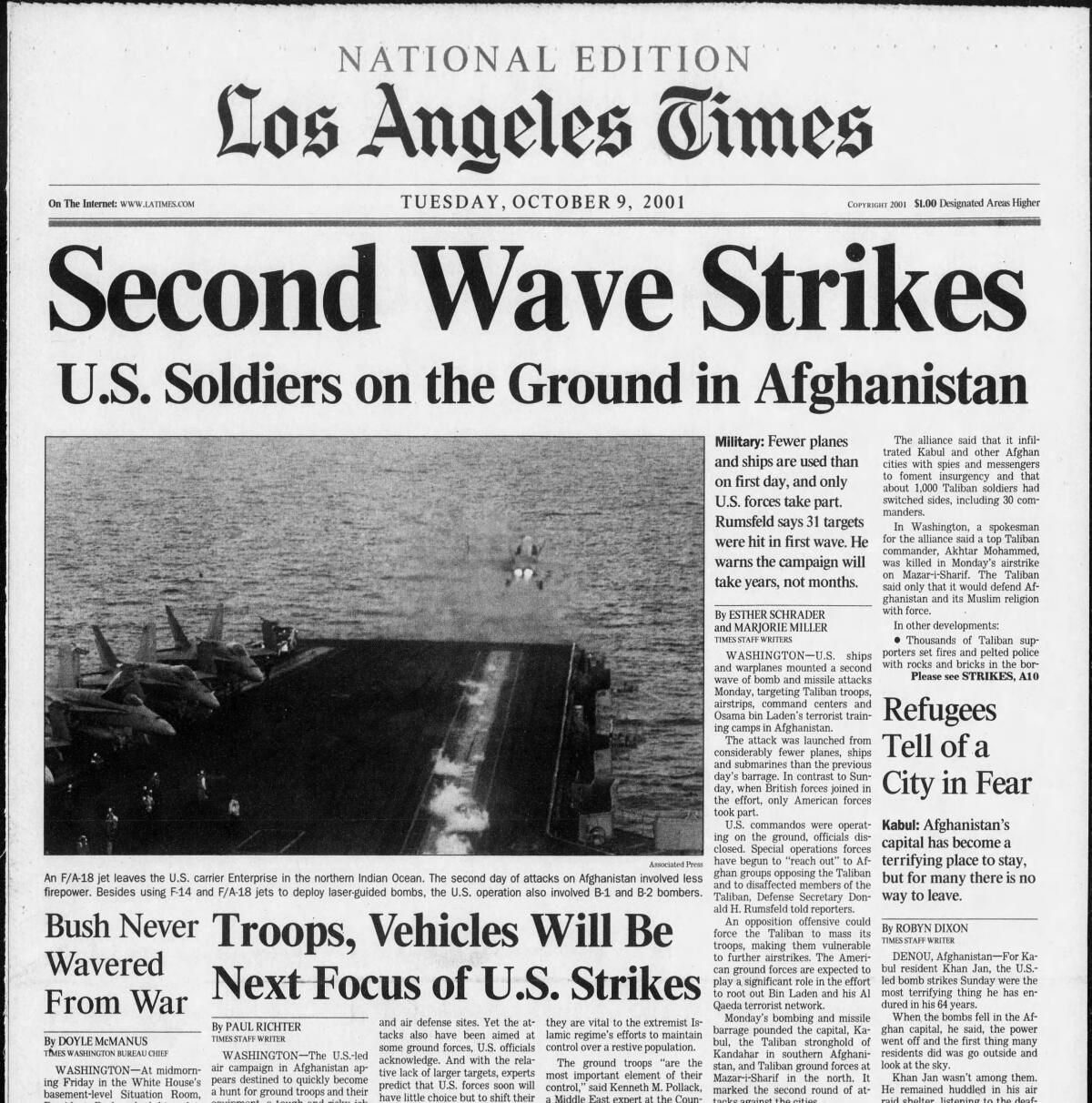
The top half of the front page of the Los Angeles Times on Oct. 9, 2001.
(Los Angeles Times)
Enjoying this newsletter? Consider subscribing to the Los Angeles Times
— The conviction of former Police Officer Derek Chauvin for the murder of George Floyd reenergized a push for sweeping criminal justice reform by President Biden and leading Democrats, who said Tuesday’s verdict was just the first step on the path to national healing, report Evan Halper, Eli Stokols and Sarah D. Wire.
— Anticipating an uproar, Facebook said it would crack down on violent content, hate speech and harassment ahead of the Chauvin verdict. But as Brian Contreras reports, critics are wondering why the platform doesn’t take those precautions all the time.
The latest on the environment
— China, Japan and South Korea are the world’s biggest funders of coal-fired power plants around the globe — and the Biden administration is looking to win their agreement to deep cuts in their greenhouse gas emissions by the end of the decade, write Anna M. Phillips and Wilkinson.
— Biden will convene leaders from around the world on Thursday and Friday as he marks the United States’ return to the global fight against climate change, Chris Megerian writes. Three people with knowledge of the White House plans say Biden will pledge to cut U.S. greenhouse gas emissions at least in half by 2030.
— Solar panels, wind turbines and electric cars will go far in helping California and the Biden administration meet their aggressive climate goals — but not far enough. As time runs short, scientists and government officials say the moment to break out the giant vacuums has arrived, Halper writes.
More from Washington
— Vice President Kamala Harris traveled to North Carolina on Monday to talk about economic opportunities and electric school buses as part of the Biden administration’s efforts to promote its roughly $2-trillion infrastructure, clean energy and jobs plan, Noah Bierman writes.
— The Supreme Court is weighing whether immigrants granted temporary protected status can get green cards — and if the Biden administration will make that decision, David G. Savage reports.
— The Justice Department has brought charges against hundreds of people who stormed the Capitol during the Jan. 6 riot, but one of its most pivotal potential cases involves a man who never set foot inside the building, writes Del Quentin Wilber.
— After Jan. 6, many of the nation’s largest corporations pledged that they would suspend donations to elected officials who opposed the certification of Joe Biden’s victory, hindered the peaceful transfer of power or incited violence. The vast majority kept their word, report Seema Mehta, Maloy Moore and Matt Stiles.
— What is there left to say about House Speaker Nancy Pelosi? Plenty, it turns out. In a new biography, Pelosi dishes on chiding Rep. Alexandria Ocasio-Cortez and using the nickname “Moscow Mitch,” writes Wire.
Former Chelsea and Arsenal player Jorginho may be best known as a defensive midfielder – but he has gone viral on social media for his attack on pop singer Chappell Roan, alleging her security guard reduced his 11-year-old daughter to tears.
The 34-year-old Italy international, who has dual Brazilian citizenship and now plays for Flamengo in Rio de Janeiro, claimed in a post on Instagram, external that his family suffered the “very upsetting situation” over breakfast at a hotel in Sao Paulo, Brazil.
The former Premier League midfielder said his daughter was a big Chappell Roan fan and had made a sign to take to the Lollapalooza music festival in Sao Paulo, which the singer was headlining.
He says his daughter recognised the star while eating at a nearby table and walked past her, smiled, then went back to her seat without saying anything or asking anything of the Pink Pony Club singer.
“What happened next was completely disproportionate,” he wrote.
“A large security guard came over to their table while they were still having breakfast and began speaking in an extremely aggressive manner to both my wife [Catherine Harding] and my daughter, saying that she shouldn’t allow my daughter to ‘disrespect’ or ‘harass’ other people.”
He added: “He even said he would file a complaint against them with the hotel, while my 11-year-old daughter was sitting there in tears. My daughter was extremely shaken and cried a lot.”
Chappell Roan has not responded to his claims.
Jorginho said he understood well the pressures of public exposure after playing 57 times for Italy – helping them win the European title in 2021 by beating England at Wembley.
He has also played for elite clubs across Europe and Brazil – winning the Champions League and Europa League with Chelsea and silverware in Italy with Napoli.
But he added: “I understand very well what respect and boundaries are. What happened there was not that. It was just a child admiring someone.
“It’s sad to see this kind of treatment coming from those who should understand the importance of fans. At the end of the day, they are the ones who build all of this.
“I sincerely hope this serves as a moment of reflection. No-one should have to go through this, especially not a child.”
Jorginho finished his impassioned post with a direct message to Chappell Roan, written in capital letters: “WITHOUT YOUR FANS, YOU WOULD BE NOTHING. AND TO THE FANS, SHE DOES NOT DESERVE YOUR AFFECTION.”
The “unexpected beef”, as described by some commentators, led to a flood of responses on social media in support of Jorginho and his family – some serious, some tongue-in-cheek.
Rio de Janeiro’s mayor, Eduardo Cavaliere, wrote that he intended to ban Chappell Roan from performing in his city, adding that Jorginho’s daughter would be invited as a guest of honour to the city’s Todo Mundo music festival in May.
Heavy social media use has contributed to ‘worrying decline’ in wellbeing in Western countries, World Happiness Report says.
Published On 19 Mar 202619 Mar 2026
Social media has played a large role in declining happiness among young people in Western countries, a United Nations-backed report has found.
Heavy social media use partly explains a “worrying decline” in the wellbeing of young people in the West, the latest edition of the annual World Happiness Report said on Wednesday.
Recommended Stories
list of 4 itemsend of list
In total, 15 Western countries, including the United States, Canada, Australia and New Zealand, saw significant declines in youth wellbeing over the past two decades, according to the report.
The trend was not observed globally, with young people in regions covering 90 percent of the world’s population reporting higher life satisfaction than before.
“The trends are caused by many factors, which differ between continents. However, the evidence in this report does suggest that heavy social media use, especially in some countries, provides an important part of the explanation,” researchers John F Helliwell, Richard Layard, Jeffrey D Sachs, Jan-Emmanuel De Neve, Lara B Aknin, and Shun Wang said in an executive summary of the report.
“Outside the English-speaking world and Western Europe, the links between social media use and wellbeing are more positive, and they vary between platforms,” the researchers added.
The report, published by the University of Oxford’s Wellbeing Research Centre in partnership with Gallup and the UN Sustainable Development Solutions Network, cited data from sources including the Programme for International Student Assessment (PISA) and research by the American social psychologist Jonathan Haidt.
Despite the decline in youth wellbeing, Western countries, particularly in Scandinavia, dominated the overall happiness rankings across age groups.
Finland ranked as the world’s happiest nation for the ninth consecutive year, followed by Iceland, Denmark, Costa Rica, Sweden and Norway.
The Netherlands, Israel and Switzerland also made the top 10.
Middle Eastern and African countries had the lowest happiness scores.
Afghanistan reported the lowest life satisfaction, with Zimbabwe, Malawi, Egypt, Yemen and Lebanon also ranking among the bottom 10 countries.
Social media use among young people has been a growing concern for governments amid reports linking platforms to bullying, sexual exploitation and worsening mental health.
Australia last year introduced the world’s first social media ban for under 16s, with plans for similar restrictions under way in Indonesia, France and Greece.
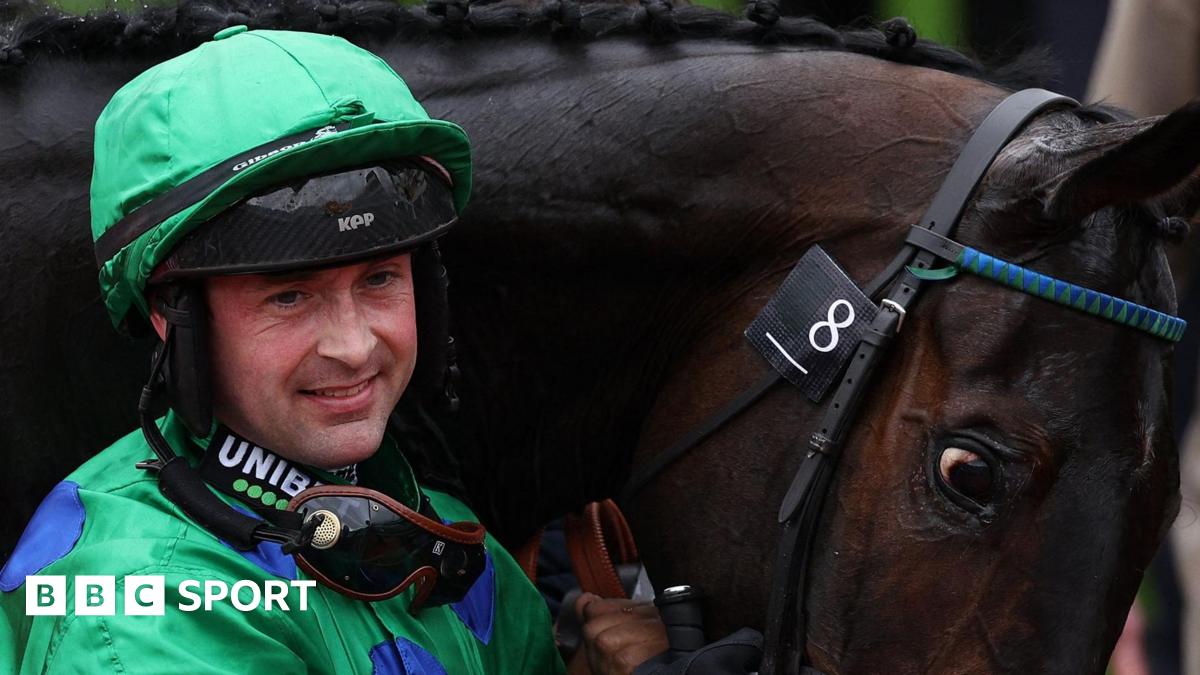
Nico de Boinville has been cleared of making racist comments towards fellow jockey Declan Queally at the Cheltenham Festival.
De Boinville, 36, had “categorically” denied the accusation he used such language.
Irish amateur jockey Queally had alleged he was racially abused before the Novices’ Hurdle, when it was held up because of a false start on day two of the meeting.
Queally, riding I’ll Sort That, and Englishman De Boinville, on Act Of Innocence, could be seen exchanging words at the start line.
Queally later told ITV Racing he had received abuse and then told the Racing Post some of the abuse was racial in nature – though De Boinville denied this was the case.
The two then appeared on ITV Racing together and shook hands at the entrance of the weight room, where the Irishman said the matter was “all sorted”.
However, a British Horseracing Authority investigation had been opened. It has now concluded and found “no evidence to support the allegation made by Mr Queally of racist comments”.
“It is understood, and accepted, that strong language was used by De Boinville at the start and directed towards Mr Queally,” said a BHA statement.
“It was also stated that a number of riders were also verbally expressing their frustration at the start, away from the incident being enquired into.
“There was no audio evidence or verbal evidence given from any party during the course of the enquiry to corroborate that any language used was of a racist nature.”
While Queally’s complaint was not upheld, De Boinville was reminded of his “obligations and the expectations to ensure he behaves in a professional manner, and this includes when pressure is heightened at the start of high-profile fixtures”.
The brutal episode will plunge viewers into another chilling investigation
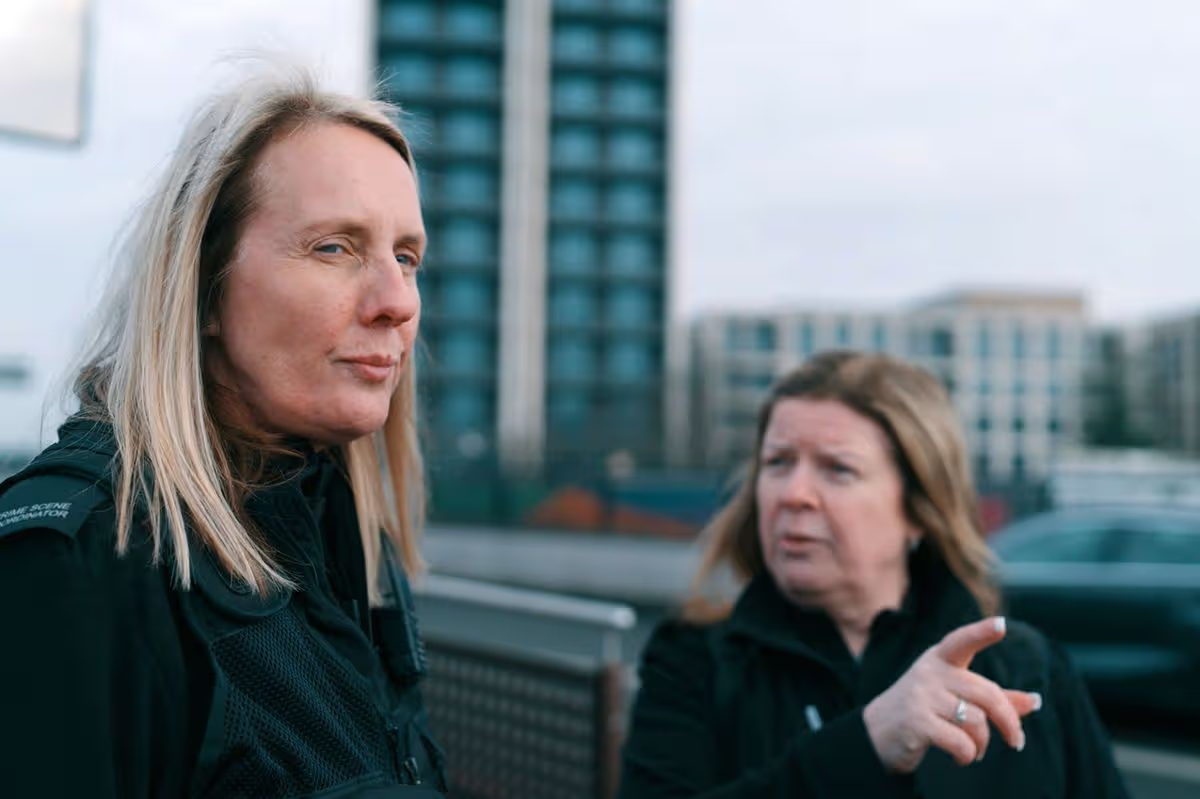
BBC’s Forensics: The Real CSI returns to BBC Two at 9pm tonight(Image: BBC/Blast Films)
A chilling new episode of a harrowing true crime documentary will be released tonight.
Viewers are once again plunged into a race against time as Forensics: The Real CSI’s brand new series continues, giving fans an unprecedented insight into a local police force. Focusing on the forensic evidence gathered in the search for justice, the documentary, now in its sixth series, has been branded the perfect watch for fans of true crime.
Plunging viewers into complex investigations and searches within the West Midlands Police Force, another brand new episode is set to air tonight (March 15) at 9pm on BBC2 with yet another chilling case.
Tonight’s instalment will investigate a harrowing phone call where one teenage girl calls 999 to say her friend has been attacked as his life hangs in the balance.
A BBC synopsis reads: “It’s the early hours of the morning when a frantic teenage girl calls 999 to say that her friend has been attacked and stabbed in a car park. Police rush to the scene, where they find a 16-year-old boy with a life-threatening stab wound to his stomach.
“While his life hangs in the balance, the case is escalated to West Midlands Police’s homicide team, and forensic investigators get to work. They discover two discarded weapons at the scene – a kitchen knife and a machete.”
The episode will also be available to stream on BBC iPlayer shortly after broadcast, with other instalments also available to stream online.
Titled Ambush in the Car Park, the upcoming episode marks the third instalment within the new series, with viewers having to wait every week for new episodes to be released.
Previously, viewers have witnessed a brutal attack in a public phone box with investigators searching for evidence, as well as a young boy who was fatally stabbed on his way home from school with police suspecting a 14 year old, but needing forensic proof.
Viewers claimed the new series has broadcast the “worst” episodes yet, with one saying last week’s instalment was “absolutely shocking”.
Another described the latest series as “unbelievable” as a third said they were “speechless”. A fourth added: “Made me feel sick.”
Spanning across six seasons, the BBC documentary has been branded as the “best ever”, becoming a firm favourite amongst true crime fans.
Taking to TikTok, one true crime fan said the upcoming series was a must watch, adding: “I love this show… they’re really interesting. Some of them are quite brutal what you see.”
One person commented: “Real CSI is my most favourite programme I’ve watched every single series.” Another wrote: “Been waiting so long for a new series.” A third added: “Forensics is one of the best documentaries.”
Forensics: The Real CSI airs tonight at 9pm on BBC Two. For the latest showbiz, TV, movie and streaming news, go to the new **Everything Gossip** website.