lounge

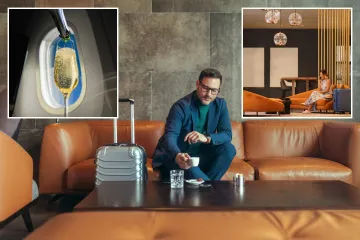
UK airport warning as ‘departure lounge is worst place on Earth’ to buy common item

An expert said it was a common error

People who shop at duty free in airports are being told to think twice by an expert.

Holidaymakers could end up paying 10 times more than they need to for perfume if they buy it at the airport instead of planning ahead, according to an expert. While many travellers still assume airport duty-free offers the best deals, UK fragrance research site ScentVerdict said the departure lounge was one of the worst places to buy perfume because shoppers are rushed into making expensive decisions.

The biggest example is Tom Ford’s Lost Cherry. A 100ml bottle typically retails for around £300, but analysis by ScentVerdict found 14 UK dupe brands selling their own interpretation for a median price of just £30 – around one tenth of the cost.

Daniel Grimes, founder of ScentVerdict, said buying perfume at the airport was a mistake many travellers make.

He added: “The departure lounge is the worst place on Earth to buy perfume, because it is the one place where you are shopping against the clock. The ‘duty-free’ label does the persuading; you have not smelled the thing properly, and your flight is boarding.

“Decide before you fly, not at the gate. Take Tom Ford’s Lost Cherry as an example.

“It is around £300 at retail for 100ml; 14 different UK dupe houses sell their own version of it and the typical price is about £30 for the same 100ml, roughly a tenth.

“It will not be identical and you are not buying Tom Ford. But if what you want is that cherry-and-almond hit rather than the box it comes in, the maths is hard to argue with.”

The findings suggest dupe fragrances tend to sell for broadly the same price regardless of how expensive the original designer bottle is. Across 10 of Britain’s most popular fragrances, originals ranged from £89 to £310, while equivalent dupes typically sold for around £30.

The most extreme example remains Creed Aventus, one of the UK’s best-known men’s fragrances. A 100ml bottle retails for £310, while the median price of a comparable dupe is just £29.

Even fragrances with much lower retail prices show a similar pattern. Montblanc Explorer sells for around £89, while a typical dupe costs £25, suggesting dupe brands price according to what shoppers expect to pay rather than matching the original fragrance. Grimes said many people assume dupes simply undercut luxury brands by a percentage, but the figures suggest otherwise.

He continued: “That flat £30 is the story. The dupe houses aren’t pricing against the original at all. They charge what someone will pay for a dupe, and it barely shifts whether they’re copying an £89 Montblanc or a £310 Creed.

“The saving isn’t really a discount. It just tracks whatever the designer decided to charge.”

He added that shoppers should still compare prices before deciding, as some designer fragrances are regularly discounted outside airports, narrowing the gap between the original and a dupe.

Retail prices for the designer fragrances were checked at John Lewis, Boots and The Perfume Shop on July 17, 2026, while dupe prices represent the median price charged across brands selling equivalent fragrances at each bottle size.

Source link

Delta strips perks from premium seats as flyers chase first-class deals

Delta Air Lines Inc. Chief Executive Ed Bastian said travelers care more about their seat than extras like lounge access or limousine shuttles often thrown into costly tickets, as he defended a stripped-down premium product that has irked some customers.

“Consumers want different value decisions to take,” Bastian said in a Bloomberg Television interview on Monday. “If you can give people the opportunity to sit in first class, they may not want different elements and they may not need to go in the lounge.”

Delta is bringing the basic-economy playbook to Delta First, Delta Premium Select and Delta One, offering passengers the same onboard seats, meals and service at a lower price in exchange for fewer benefits. Depending on the product, restrictions can include reduced mileage earnings, lower checked-bag allowances, fees for changes or cancellations and limits on lounge access and advance seat selection.

“What consumers care more about than anything is the seat,” Bastian said. “All the other things are nice, but it’s the seat and the comfort of the seat that’s most important.”

Bastian’s comments contrast Delta’s recent investments in its ground amenities. The airline has spent years opening and expanding swanky Sky Clubs and Delta One lounges, which remain in such high demand that crowding and lines have prompted tighter access rules.

Delta last month opened the first phase of a second Delta One Lounge at Los Angeles International Airport, a 4,000-square-foot space with table-service dining, showers and a premium bar. By 2028, Delta plans to operate four lounges at LAX spanning 60,000 square feet and seating more than 1,000 guests, part of a global network that now includes five Delta One Lounges and more than 50 Sky Clubs.

“One of the things we’re disappointed about is the continued segmentation of the fare structure,” Jefferies analyst Sheila Kahyaoglu said in an interview with Bloomberg Television, referring to how Delta has refined its premium offering into different, sometimes hard-to-follow groups. “You could accidentally get locked out of a lounge if you don’t pick that main business fare.”

Delta last week reported second-quarter earnings that beat Wall Street expectations despite recording the highest quarterly fuel expense in its history. The airline earned an adjusted $1.56 a share, topping analysts’ estimate of $1.51, while revenue rose 14% from a year earlier and capacity increased just 1%. Delta also reaffirmed its full-year profit guidance.

Bastian said strong demand for premium, corporate and international travel helped offset the surge in fuel prices caused by fighting in the Middle East. Although fuel costs eased as the war in Iran appeared to be winding down, renewed US military strikes have raised the risk of another escalation and kept energy markets volatile.

The CEO reiterated that Delta would continue pricing tickets to recover those higher costs and did not expect airfares to decline. The new basic premium fares give the airline another way to appeal to price-conscious travelers without broadly discounting its most valuable seats.

The strategy also allows Delta to widen the pool of passengers who can afford premium cabins while still charging more to corporate travelers and frequent fliers who value flexibility, loyalty benefits and lounge access. It reflects how airlines are increasingly selling each component of the travel experience separately.

But it risks alienating premium and loyalty travelers by introducing complexity or making it seem harder to get the same level of access.

“Delta’s change to its premium-seating offerings suggests competition is weighing on pricing at the front of the cabin, a negative for earnings,” Bloomberg Intelligence analyst George Ferguson said.

Taylor and Abramowicz write for Bloomberg.

Source link