Visual effects artist Phil Tippett shutters Berkeley studio
Phil Tippett, the visual effects artist who crafted aliens in “Star Wars” and dinosaurs in “Jurassic Park,” is shutting down his Berkeley-based studios after more than 40 years of business.
The closing was marked by a weekend liquidation sale, where fans purchased memorabilia from movies like “Star Wars,” “Jurassic Park,” “RoboCop” and “Starship Troopers.” The sale included models of Imperial Walkers from “The Empire Strikes Back,” “Starship Troopers” miniatures, signed posters and equipment like computers and 3D printers.
“We have recently decided to evolve our physical footprint and production approach, and to exit our longtime Berkeley facility,” said the company in a statement on social media. “As we make this transition, Tippett Studio continues its visual effects and animation work across film, television and entertainment.”
The closure follows Tippett‘s sale of a majority stake in the company to PhantomFX, an India-based VFX studio, in 2024 and the Chapter 11 bankruptcy filing that followed. PhantomFX has completed the acquisition of Tippett Studio and will operate the studios under the same name.
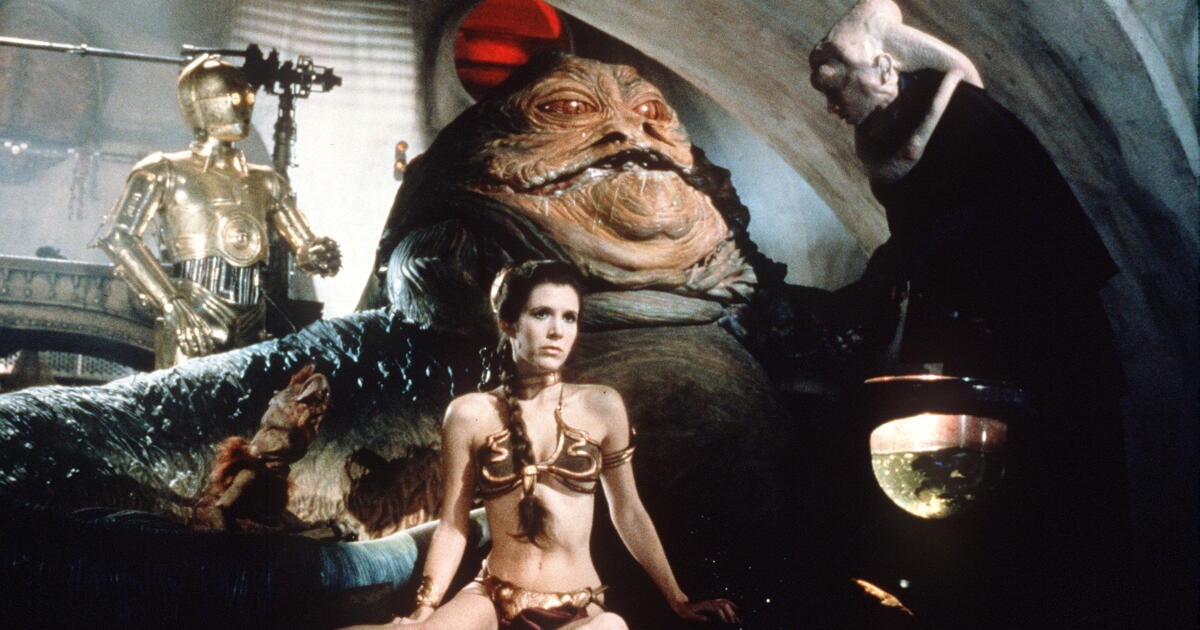
Tippett and his wife, Jules Roman, founded the studio in 1984, by which point he’d already made his name in the world of visual effects through his work on the original “Star Wars” trilogy. He was instrumental in doing the stop-motion miniature chess scene in “Star Wars: A New Hope,” bringing the Imperial Walkers to life and creating aliens like Jabba the Hutt and tauntauns.
Under his own studio, he became best known for the dinosaurs in Steven Spielberg’s “Jurassic Park,” using computer generation to animate the prehistoric creatures. He also worked on effects for “The Matrix” films, “Hellboy” and the “Twilight” franchise.
Tippett had occupied the 6,200-square-foot Berkeley facility for 35 years, but as technology evolves, the studio no longer needs the large space.
“Stop-motion remains an important part of our creative capabilities, but maintaining a large permanent physical footprint is no longer necessary for our current requirements,” wrote Tippett Studios. “When projects require dedicated stages, fabrication, motion-control photography or other specialised physical infrastructure, we will work with appropriate external facilities to meet the needs of each production.”
The company‘s Toronto studio will keep running and is “currently in active production on a large feature film,” per the same statement.
The downsizing comes amid a particularly challenging stretch for film and TV productions in California. Following Covid-19, labor strikes and the flight of major Hollywood productions to other states and countries, many specialty businesses such as prop houses and VFX studios are struggling to stay afloat.
Despite the sale, Tippett told CBS News he isn’t giving up or planning to retire. He does not have plans to retire. “I will die with my sword in my hand,” he said. “We had almost a 40-year run. It was a good run.”