live nation

Former Live Nation executive says he was fired after raising ‘financial misconduct’ concerns

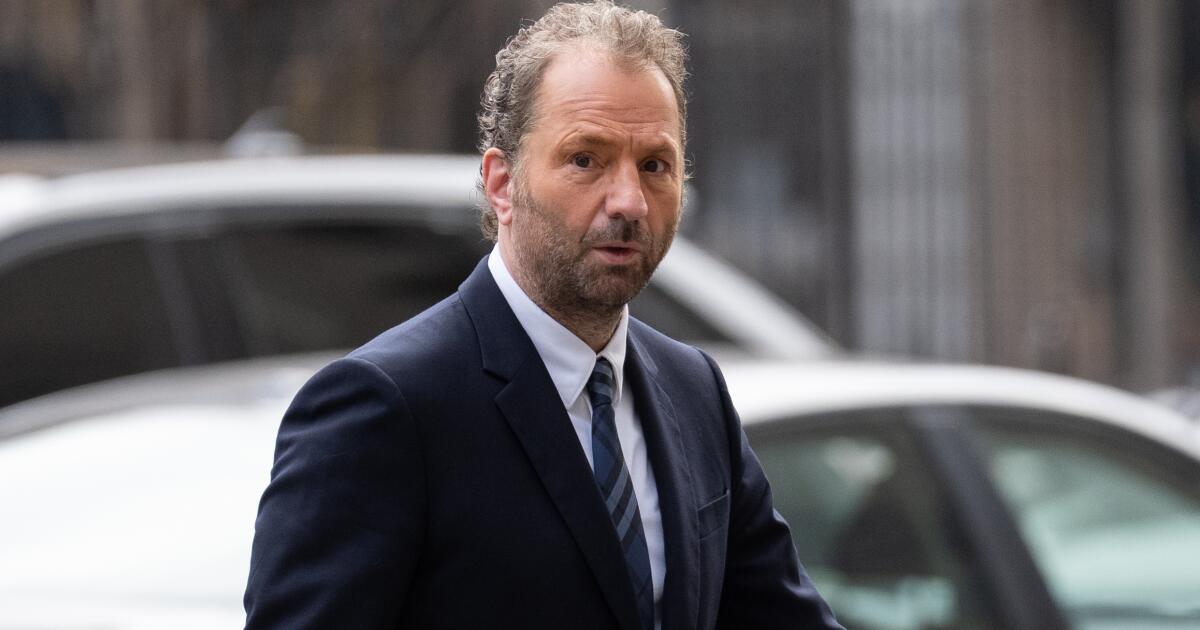
A former executive at Live Nation, the world’s largest live entertainment company, is suing the company, alleging that he was wrongfully terminated after he raised concerns about alleged financial misconduct and improper accounting practices.

Nicholas Rumanes alleges he was “fraudulently induced” in 2022 to leave a lucrative position as head of strategic development at a real estate investment trust to create a new role as executive vice president of development and business practice at Beverly Hills-based Live Nation.

In his new position, Rumanes said, he raised “serious and legitimate alarm” over the the company’s business practices.

As a result, he says, he was “unlawfully terminated,” according to the lawsuit filed Thursday in Los Angeles County Superior Court.

“Rumanes was, simply put, promised one job and forced to accept another. And then he was cut loose for insisting on doing that lesser job with integrity and honesty,” according to the lawsuit.

He is seeking $35 million in damages.

Representatives for Live Nation were not immediately available for comment.

The lawsuit comes a week after a federal jury in Manhattan found that Live Nation and its Ticketmaster subsidiary had operated a monopoly over major concert venues, controlling 86% of the concert market.

Rumanes’ lawsuit describes a “culture of deception” at Live Nation, saying its “basic business model was to misstate and exaggerate financial figures in efforts to solicit and secure business.”

Such practices “spanned a wide spectrum of projects in what appeared to be a company-wide pattern of financial misrepresentation and misleading disclosures,” the lawsuit states.

Rumanes says he received materials and documents that showed that the company inflated projected revenues across multiple venue development projects.

Additionally, Rumanes contends that the company violated a federal law that requires independent financial auditing and transparency and instead ran Live Nation “through a centralized, opaque structure” that enables it to “bypass oversight and internal checks and balances.”

In 2010, as a condition of the Live Nation-Ticketmaster merger, the newly formed company agreed to a consent decree with the government that prohibited the firm from threatening venues to use Ticketmaster. In 2019 the Justice Department found that the company had repeatedly breached the agreement, and it extended the decree.

Rumanes contends that he brought his concerns to the attention of the company’s management, but his warnings were “repeatedly ignored.”

Source link

Punk in the Park festival’s founder donated to Trump. The fans revolted

Cameron Collins was sick of Joe Biden.

The owner of concert promoter Brew Ha Ha Productions describes himself as a libertarian-leaning conservative who built his career in San Juan Capistrano. He’d kept his personal politics out of his popular SoCal events, like the ska fest OC Super Show and the nationally touring Punk in the Park fest, a staple for bands like Bad Religion and Pennywise.

On May 30, 2024, Collins felt dismayed that Biden had pursued reelection. In a fit of anger, he donated $225 to Donald Trump’s campaign.

“It was just an impulsive thing,” Collins said in an interview. “Biden had said he was going to run again. I was like, nope. He’d said he wasn’t. It was more about that than anything. I don’t post anything political or talk about anything politically. I’ve never donated to anything like that before.”

That donation proved fateful. After a small punk label discovered and decried Collins’ donation, the scene turned on him. Influential bands pulled out of his festivals or said they wouldn’t return.

On Feb. 27, Collins canceled every Punk in the Park date for 2026.

“The current climate surrounding the events has created challenges that make it impossible for us to move forward,” the organizers wrote on Instagram.

It’s no surprise that an underground music scene would loathe a Trump-donating promoter. Amid the Iran war, raids by U.S. Immigration and Customs Enforcement, and the Epstein files, many Americans want Trump supporters gone from their lives, some viewing any form of support for him as an attack on their and others’ safety and dignity.

Yet until this donation, Collins was a respected promoter whose events sustained hundreds of acts, including progressive bands. Some artists who relied on Collins’ festivals — even if they hate his politics — said the backlash will hurt their livelihoods too.

“It was the worst money I ever spent,” Collins said. “It was not worth this.”

On a March afternoon after canceling his tours, Collins spoke to The Times on a Zoom from his home in Texas. He wore a thick gray beard and the chunky glasses of an aging rocker. His home office was plastered in concert posters from his decades of shows, which include Punk in Drublic (a long-running collaboration with his friends in the left-leaning band NOFX), Silverado Showdown in Orange County and SoCal rock radio station KLOS’ Sabroso Festival.

He expressed bewilderment over the fan revolt that turned him from a scene mogul who gave to pediatric cancer research charities to a villain with a gutted festival business.

“I feel like my reputation with every artist I ever worked with was that they would say, ‘The guy’s got integrity. He treats everyone right. He fights for this scene,’ ” Collins said. “I’m wondering what is happening right now that this has become so polarizing.”

Asked what Trump policies he supported, Collins sighed and said, “A vote for a candidate is not an endorsement of everything they stand for. I am very antiwar. There were promises that Trump made — no more foreign wars, supporting Ukraine by ending that war, lowering prices on gas and on groceries. Dinner table topics.”

Those goals are significantly at odds with the president’s track record. Did Trump deliver on Collins’ donation?

“The way that this whole fiasco has gone down — no one would have voted for that,” he said.

Punk has long struggled with a reactionary streak. British bands in the ‘70s wore swastika armbands for shock value. The Sex Pistols’ Johnny Rotten and the Ramones’ Johnny Ramone turned rightward, and Orange County’s hardcore scene has had neo-Nazi extremists. Gen X punk fans who consider themselves anti-establishment might see online leftists as imposing on their ability to have consequence-free political speech.

Yet the vitality of today’s punk scene is driven by young, racially and sexuality-diverse fans who believe they are in grave danger from Trump’s policies.

Last year, Brandon Lewis, the founder of the Columbus, Ohio-based label Punkerton Records, was poking around on the donor database Open Secrets. He was curious how his scene was donating, and he’d attended Brew Ha Ha events like the Ohio punk festival Camp Anarchy. He checked where Collins put his money and was appalled that it went to Trump.

“We refuse to support, defend, or stay silent about someone who gave money to a man actively destroying everything we care about, deporting our friends and families, erasing the existence of our trans community, stripping away civil liberties, civil rights, and workers’ rights, while dismantling the Constitution itself,” Lewis wrote from Punkerton’s Instagram.

“I’m a combat veteran, and this administration is just pushing everything I believe in about freedom out the window,” Lewis told The Times. “When I would listen to Trump’s rhetoric about ICE — I’ve got friends who are undocumented. Supporting that in a financial way, supporting someone saying my trans friends don’t exist, and to do so coming from a music scene that to me is accepting and kind and certainly not ripping families apart, I couldn’t in good conscience let that go.”

Other bands in the scene, like Dillinger Four, found more donations — around $100 or $200 each — from Collins going to the Trump-supporting political action committees WinRed and Never Surrender and the Trump National Committee. Collins’ support ran deeper than a one-off gesture.

Left-leaning fans demanded that bands drop off Collins’ festival bills.

Dropkick Murphys, a rough-and-ready enemy of Trumpism in punk, had played Collins’ past events. When word of his donations spread, the band came out swinging.

“Punk Rock and Donald Trump just don’t belong together,” they wrote in an Instagram post . “So, upon finding out that Brew Ha Ha promotions donated to the Trump campaign, we will not be playing any more Punk in the Park shows.”

Some acts, like old-guard punks the Adicts and ska group the Aquabats, canceled sets at Collins’ events. Other bands, like Dead Kennedys, said they opposed his beliefs but fulfilled their contracts.

“Dead Kennedys have always stood firmly against authoritarianism, racism, and fascism. That has not changed,” the group wroteon social media. “After these scheduled appearances, we will not be participating in future Punk In the Park events.”

Collins said he understood why bands jumped ship. “There was so much pressure building,” he said. “The bands are a business. You have to say, at what level is the pay worth the headache?”

Yet he insisted that “anyone that pulled off did not pull out because they were standing for something, but were being pummeled to the ground by everyone that said they’d better do it or else. I don’t want those bands to go through that.”

Many fans say that Collins is seeing the predictable consequences of supporting a politician the scene despises.

Others struggled with what to do in response. Monique Powell, the singer for the Orange County ska band Save Ferris, describes herself as a “queer anarchist anti-Netanyahu Jewish child of a North African immigrant,” and far from a Trump sympathizer. Yet Save Ferris played Collins’ OC Super Show event in spite of the protests and bands pulling out.

She said that, while she opposes MAGA, she “wasn’t willing to disappoint fans and put hundreds of people out of work just because someone had a view I didn’t agree with.”

She said Collins “has been an important part of creating and nurturing this scene. He gave a lot of people work. From onstage, I see all the vendors, the stage crew, all providing jobs for people of all backgrounds. He’s given a place for fans to come together, even if they don’t all believe the same stuff.”

Save Ferris was a breakout act in the ‘90s and is now a working-class band on the ska and punk festival circuit. “I see the midsized, hometown venues that the bands of my ilk play — they’re being bought out or dying,” Powell said. “I’m not about to start getting out pitchforks for someone who did something that’s nothing compared to the effects of larger companies.”

Take, for example, Beverly Hills-based concert giant Live Nation, which was in the news last week after a federal jury in New York ruled against it in an antitrust case. Live Nation’s chief executive, Michael Rapino, has donated to Democrats Kamala Harris, Sens. Jacky Rosen of Nevada, Lisa Blunt Rochester of Delaware and Adam Schiff of California, and the music biz-friendly Texas Republican John Cornyn. Live Nation’s PAC has given to Republican Sens. Marsha Blackburn of Tennessee and Ohio Rep. Jim Jordan, alongside several Democrats. Billionaire Philip Anschutz, whose namesake firm AEG is the parent company of Coachella promoter Goldenvoice, has donated millions to Republican politicians, PACs and party organizations for decades — exponentially more than Collins ever did.

It’s fair for to wonder why music fans who hold the line on supporting a Trump donor like Collins might attend those other shows. Lewis said he struggles with that contradiction too but said it hurt worse coming from a punk promoter.

“Donating to Trump is antithesis of what punk means. Hating people for their sexuality or skin color is not punk in the least bit. People clearly expected better from a punk rock festival,” he said.

“I think Live Nation should be broken in half,” Lewis added. “But it’s no knock on someone who wants to see Social Distortion at a Live Nation venue; they need escape as well. I’m just not going to pretend Live Nation is a beacon for good things.”

Those punk communities are pushing back beyond Collins’ events. The SoCal gothic-cumbia DJ collective Los Goths pulled out of the Orange County festival Los Darks after learning its organizers, Peachtree Entertainment, produced the MAGA-champion Kid Rock’s controversial Rock the Country festival. The Los Angeles crust-punk event C.Y. Fest was scrapped after its organizer, Ignacio “Nacho Corrupted” Rodriguera was accused of sexual misconduct (he called the claims “false allegations and misinformation,” but stepped back from the festival).

Collins’ company produces events outside the punk scene, focused on craft beer and other music genres. He recently revamped his upcoming Me Gusta festival into Sublime Fest after the rap group Cypress Hill pulled out. (Last year, Sublime played at the Trump National Doral golf course for the Saudi-backed LIV Golf tour.)

Collins is not sure how he’ll find his way back into the punk scene or if the fans will want him there again.

“I still go out into the audience because I just want to see, is it real? Do people hate me?” he said. “We have bands up there like the Casualties, who are flying [anti-ICE] flags. People are like, ‘You’re a fascist,’ but I’m paying a band to go on my stage to say whatever they want, and then signing a check and going, ‘Thanks for doing it.’ ”

In America‘s current political climate, left-leaning punk fans may not have patience for Trump sympathizers. Having heterodox beliefs is one thing; financially supporting the president is another. Collins is a free market guy, and the punk market has spoken.

Yet huge companies that donate to Trump and his allies are consolidating the industry. It’s harder for progressive punks who want the scene to reflect their values.

“I feel like we created a sustainable, realistic scene that can keep going for years, and bands can earn the money that they need to anchor those tours,” Collins said. His donation caused this avoidable backlash, but “if you take away festivals that are their anchors, like we have been for so many of these artists over the years, how do they tour? This is what the bands are telling me, that ‘we’re the ones getting killed here.’ ”


Source link

Live Nation is supporting two California bills to lower prices. Can fans trust it?

Bruno Mars tickets running for $2,000 and ones for SZA costing $600 caught California lawmakers’ attention. They’re advancing two bills targeting the resale market.

Earlier this year, tickets to see SZA perform at the Crypto Arena in Los Angeles were selling for $600 the day before they officially went on sale at $35 a piece.

In San Francisco, tickets to see Sam Smith at the newly renovated Castro Theater went on sale for $120, only to be quickly snatched up by scalpers and resold for upwards of $600.

Those are some of the stories that California lawmakers are citing as they advance two plans to change the ticketing landscape. One caps the extent to which resellers can mark up the original ticket price while the other prohibits resellers from selling tickets they don’t yet own.

Democratic Assemblymembers Issac Bryan of Culver City and Matt Haney of San Francisco are each carrying bills that they say would protect consumers from fraudulent and deceptive ticket sales.

Both measures are backed by the ticket market’s dominant seller, Beverly Hills-based Live Nation, which owns Ticketmaster. Its support has some worried that the bills will help the company crush its competitors and jack up prices.

A federal jury in New York this week found that the company illegally acted as a monopoly in a victory for, among others, California Attorney General Rob Bonta, who with colleagues in other states sued the company two years ago and kept going after federal prosecutors settled. Live Nation is now awaiting penalties.

Despite these headwinds, the ticket bills are sailing through the Legislature.

Supporters say the legislation has nothing to do with the antitrust case against Live Nation and helps consumers. Opponents disagree.

“The state Legislature should really be standing up for consumers instead of advancing bills that are there to help a monopoly that has been caught on record calling its fans stupid and has bragged about robbing them blind,” said Jose Barrera, national vice president for the far west region at the League of United Latin American Citizens, a civil rights advocacy group.

Ticketmaster’s competitors in the online resale market are lobbying against the measures, a sign that they view the proposals as a threat to their business.

Jack Sterne, StubHub’s head of policy communications, wrote to CalMatters, stating, “Passing laws that hand the Ticketmaster monopoly more power and don’t actually make tickets more affordable is the last thing California’s leaders should do.”

But Stephen Parker, executive director of the National Independent Venue Association, which is co-sponsoring the bills, argues that they will regulate the marketplace to better protect fans by limiting price gouging and encouraging the face value — or below face value — exchange of tickets.

“Ultimately, that is what these bills will do, in addition to making sure that the tickets are actually real,” he said. “That is a good thing for California consumers. It’s a good thing for artists and it’s a good thing for these small businesses and nonprofits that make up the independent stages across the state.”

A Live Nation spokesperson said in a statement to CalMatters, “The resale lobby constantly tries to change the subject by pointing fingers at Ticketmaster, even though it has less than 25% of the resale market. This has nothing to do with anyone’s monopoly, but rather is about protecting fans from scalpers and the resale sites that cater to them.”

The company has spent roughly $165,000 on lobbying efforts this legislative session, including to support Bryan’s bill.

‘Unlikely allies’

Bryan’s Assembly Bill 1349 would ban the sale of speculative tickets — or tickets that are not in the possession or ownership of the people who list them online. In an April hearing, Bryan said the bill protects consumers from predatory mark ups.

“This bill is so important that, after our introduction, it brought unlikely allies together,” Bryan said, according to the CalMatters Digital Democracy database. “In fact, this bill brought the Giants and the Dodgers together, brought the National Independent Venue Association and Live Nation together. It brought Kendrick Lamar and Kid Rock together. It brought Isaac Bryan and Donald Trump together.”

Several secondary ticket sellers are fighting the measure, including StubHub, SeatGeek and Vivid Seats. The three companies have spent roughly $1.1 million dollars on lobbying efforts this legislative session, which included opposition to Bryan’s bill.

People watch fireworks during Bad Bunny’s halftime show from a parking garage outside Super Bowl LX at Levi’s Stadium in Santa Clara on Feb. 8, 2026. Photo by Jungho Kim for CalMatters

People watch fireworks during Bad Bunny’s halftime show from a parking garage outside Super Bowl LX at Levi’s Stadium in Santa Clara on Feb. 8, 2026. Photo by Jungho Kim for CalMatters

Opponents including Robert Herrell, executive director for the Consumer Federation of California, argue that the bill strengthens Live Nation Ticketmaster’s grip on the ticketing and live entertainment industry. According to them, the measure would give Live Nation complete control over the ticket even after it has been purchased — meaning, for example, that consumers could lose the ability to sell it or give it away.

“There’s no consumer choice in the matter,” said Herrell. “They can keep people out of shows if they want to. There have been situations where, if you bought a ticket on the secondary market, you’ve been denied entry into a show.”
Proponents say Herrell and other opponents are mistaken. They say they are not trying to prevent transferability but rather, they want to protect fans from speculative costs.

“We want those rooms full,” said Ron Gubitz, executive director of Music Artists Coalition, which is co-sponsoring both bills. “So you have to be able to transfer a ticket. We just want it to be in a way that’s safe, trustworthy and not creating this run on the market that exists now.”

Gubitz pointed to a recent Bruno Mars concert, where tickets were on StubHub for $400 to $2,000 before they were on sale through Ticketmaster.

“That’s crazy,” he said. “That’s a speculative ticket that Bryan’s bill is trying to stop. That shouldn’t happen. It’s not fair to anybody, except for the secondary (market). It seems great for them.”

Price caps in a free market

Haney’s Assembly Bill 1720, also known as the California Fans First Act, would put a 10% cap on resale event ticket markups, inclusive of the ticket fees. In other words, a reseller could not charge more than 10% higher than the original ticket price.

In an interview with CalMatters, Haney said artists, independent venues and downtowns are currently being “screwed over and exploited” by scalpers and brokers.

“We can’t allow the status quo to continue if we want to ensure Californians have access to affordable tickets to see their favorite artists or if we want independent venues or the broader landscape of musicians and artists to thrive in our state,” he said.

Haney rejected the idea that his bill would strengthen the Live Nation Ticketmaster monopoly, saying that the company is one of the biggest operators and profiteers of the secondary ticket market and would therefore be subject to the same restrictions as any other platform or broker.

“I don’t think it’s a free market to allow folks to come in and buy up all these tickets and then create scarcity and then you’re now required to buy your ticket at a much higher price from someone who had nothing to do with the event,” he said. “This is not something we would ever allow for airplane tickets or even dinner reservations.”

The bill has been criticized by opponents like Diana Moss, vice president and director of competition policy at Progressive Policy Institute, who said price caps notoriously distort the market, describing them as “anti-consumer, anti-competitive and anti-artist.”

“If you shut down the resale market with price caps then guess what? Ticket buyers have no place to go but right back to Ticketmaster,” said Moss. “If (Live Nation) succeed(s) in decimating the resale market, then they steer millions and millions of fans back to their own ticketing platform where they charge monopoly ticket fees and where fans are hostage to their glitchy online platform and all of their data, privacy and security concerns that we always hear about in the news.”

Those concerns didn’t stop the bill from passing out of the Assembly Committee on Arts, Entertainment, Sports and Tourism last week with a 6-1 vote. The bill also passed out of the Assembly Committee on Privacy & Consumer Protection on Thursday with a 9-4 vote.

Mihalovich is a California Local News fellow for CalMatters.

Source link

Jury finds Ticketmaster and Live Nation operated illegal monopoly

Beverly Hills-based Live Nation and its Ticketmaster subsidiary faced a bruising courtroom loss Wednesday after a federal jury found that the company operated a monopoly over concert venues.

The verdict by a Manhattan, N.Y., jury came after a five-week trial and caps a closely watched case that could have far reaching effects across the music industry, potentially leading to the breakup of the companies.

Ticketmaster is the world’s largest ticket seller for live events, while Live Nation is a dominant force in the concert business.

The civil case began when the federal government alleged that Live Nation used its clout to engage in a variety of anticompetitive practices, including preventing venues from using multiple ticket sellers.

“It is time to hold them accountable,” Jeffrey Kessler, an attorney for the states, said in a closing argument. He called Live Nation a “monopolistic bully” that drove up prices for ticket buyers.

Jurors agreed. They found that Ticketmaster had overcharged consumers by $1.72 for each ticket. The judge will assess damages later.

Live Nation, which owns and operates hundreds of venues, countered that it did not violate U.S. antitrust laws, arguing that artists, sports teams and venues decide prices and ticketing practices.

“Success is not against the antitrust laws in the United States,” Live Nation attorney David Marriott said in his summation.

Live Nation said in a statement that the “jury’s verdict is not the last word on this matter,” noting the court had yet to rule on a motion it had filed to challenge its liability in the case.

The trial revealed some embarrassing internal communications, including emails from a Live Nation executive who called customers “so stupid” and said the company was “robbing them blind, baby.” The executive, Benjamin Baker, testified that the messages were “very immature and unacceptable.”

The original lawsuit, led by a cadre of interested parties including the federal government, 39 states and the District of Columbia, dates to 2024. It alleged that Live Nation and Ticketmaster monopolized various aspects of the live music industry, such as concert promotion, venue operations, artist management and ticketing services.

Live Nation manages more than 400 artists and controls more than 265 venues in North America, while Ticketmaster simultaneously controls around 80% of the primary ticket marketplace and also is increasing its involvement in the resale market, according to the lawsuit.

Last month, Live Nation secured an unexpected tentative settlement with the Department of Justice in which the company agreed to several structural changes to its business, including adjustments to ticketing deals with venues, capping service fees and paying a $280-million fine.

However, more than 30 states, including California, decided to proceed with the trial. California Atty. Gen. Rob Bonta praised these state-led efforts to protect consumers, even amid dwindling antitrust enforcement from the Trump administration, he said in a statement.

“This is a historic and resounding victory for artists, fans, and the venues that support them,” Bonta said. “We are incredibly proud of today’s outcome … this verdict shows just how far states can go to protect our residents from big corporations that are using their power to illegally raise prices and rip-off Americans.”

Though a verdict has been reached, remedies for how Live Nation will be held accountable for its actions are still being decided by the judge.

One possibility is that the companies could be split up, an outcome favored by critics.

National Independent Venue Assn. Executive Director Stephen Parker said Ticketmaster and Live Nation need to be separate for the industry to see change.

“Live Nation and Ticketmaster must be broken up now. Ticketmaster should not be permitted to participate in the ticket resale market. Live Nation should not be able to promote more than 50% of artists’ tours,” Parker said in a statement. “And the damages paid to the states should be remitted to the independent venues, promoters, festivals, and fans that have suffered under Live Nation’s monopolistic reign over the last 15 years.”

Serona Elton, attorney and interim vice dean at the University of Miami’s Frost School of Music, said that the separation of Live Nation and Ticket master seems to be “on the table,” but she said it’s too early to assess the verdict’s fallout on the music industry.

Elton said fans might notice small changes in pricing, but there are factors other than Live Nation that are contributing to high ticket prices, such as the secondary ticket market as well as supply and demand challenges.

The verdict, Elton said, “sends a message of support to music companies and professionals working in the live space who have felt like they have suffered financial consequences because of Live Nation’s behavior.”

The ruling is a small but necessary step toward achieving a balanced and competitive ticketing industry, said Hal Singer, a managing director of economic consulting firm Econ One, who specializes in antitrust and consumer protection issues.

Forcing a Ticketmaster sale probably is the only remedy that will bring real change, Singer said.

“We’re not out of the woods quite yet,” Singer said. “We’ve kind of tilted the probability.… It could change the competitive balance. But that requires that a meaningful remedy follows the liability. You need both.”

Fans and some artists have long groused about Ticketmaster, which was founded in 1976 and merged with Live Nation in 2010.

Dustin Brighton, director of government relations for the Coalition for Ticket Fairness, agreed that although the verdict is a landmark moment for fans, “it’s not the end of the road.”

“As the court considers remedies, the focus must be on restoring competition, increasing transparency, and ensuring fans have real choice,” Brighton said in a statement.

Times staff writer August Brown and the Associated Press contributed to this report.

Source link

Jury: Live Nation, Ticketmaster an illegal monopoly

Ticketmaster and its parent company Live Nation were found to be an illegal monopoly by a Manhattan, N.Y., jury Wednesday. File Photo by Andrew Gombert/EPA

April 15 (UPI) — A jury found Wednesday that Live Nation and its subsidiary Ticketmaster maintained an illegal monopoly in ticketing.

The case was heard in a Manhattan federal court over five weeks and saw testimony from dozens of witnesses. The jury began deliberations Friday.

The complaint was brought by the Department of Justice and several state attorneys general in 2024. It said that the company engaged in “anticompetitive conduct” and controlled all ticketing, concert booking, venues and promotions.

Because of this, fans paid higher fees, and artists had fewer options for touring and venues.

Live Nation denies acting as a monopoly.

California Attorney General Rob Bonta called the verdict “a historic and resounding victory for artists, fans and the venues that support them.”

“In the face of dwindling antitrust enforcement by the Trump Administration, this verdict shows just how far states can go to protect our residents from big corporations that are using their power to illegally raise prices and rip-off Americans,” Bonta said in a statement.

The Justice Department struck a settlement deal in March, but states decided to continue with the lawsuit instead.

The Justice Department settlement with Live Nation required Ticketmaster to divest up to 13 amphitheaters, reserve 50% of tickets for nonexclusive venues and cap ticketing service fees at 15%. A senior Justice Department official said it would lower prices by expanding choices.

“This settlement will resolve all remaining matters with the DOJ, without any admission of wrongdoing,” Live Nation said in a statement.

The verdict does not mean prices will drop soon, CNN reported.

Judge Arun Subramanian now must have a second trial to decide on remedies. The states requested a breakup of the company, or he could order a sale of the business.

“It will be an earthquake in the industry in terms of people’s perception in feeling validated,” Scott Grzenczyk, a lawyer with law firm Girard Sharp, told CNN.

“There’s a big difference between people complaining about Goliath and getting a jury verdict that Goliath was a monopolist and doing something wrong,” he said.

Jeffrey Kessler, an attorney for the states, pleaded with jurors during closing arguments to “apply your common sense,” NBC News reported.

“You’re New Yorkers,” he said. “I trust that you know when someone is blowing smoke or being straight with you.”

“It’s time to hold them accountable,” Kessler said.

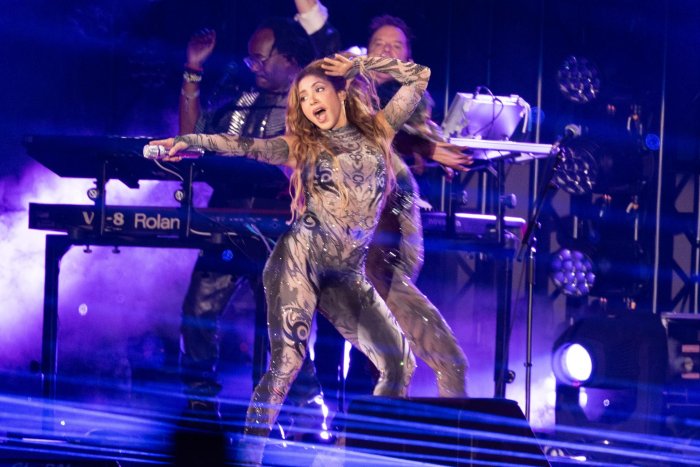
Shakira performs onstage during Global Citizen Live at Central Park in New York City on September 27, 2025. Photo by Derek French/UPI | License Photo

Source link

Pay $4,000 for your Coachella ticket? This California bill may curb scalping

Coachella is never cheap, much less this year’s sold-out edition with the long-awaited live return of Justin Bieber. But if you’re looking to score a last-minute pass, you likely lost your swag when you saw the resale prices on secondary sites like StubHub.

As of Friday afternoon, you’ll pay between $4,000 and $5,000 for a sold-out weekend one GA pass on StubHub. (Prices are lower for weekend two on Coachella’s official resale site. Weekend one tickets originally retailed for $649).

“That’s insane,” said California Assemblymember Matt Haney (D-San Francisco), who has introduced AB 1720, the California Fans First Act, to combat extortionate ticket re-selling. Haney’s bill would ban reselling tickets at more than 10% above face value in California.

“We’ve allowed live events including Coachella to be dominated by speculators who aren’t fans, but who simply want to profit off these events,” he continued. “They didn’t contribute to Coachella, they don’t play an instrument. They’re using events as a way to screw over fans and jack up prices. The result is that people who are Justin Bieber fans pay eight or nine times over the face value of a ticket.”

The proposal comes as the U.S. Department of Justice recently announced a settlement with Live Nation in a federal suit that will allow it to keep control of Ticketmaster. Many states, including California, are looking at options to pursue their own legal action and legislation to fix a ticket market fans have come to see as deeply broken.

Coachella, produced by Goldenvoice and AEG, isn’t affiliated with Live Nation or Ticketmaster. But eye-watering secondary market prices are an example of how desirable concerts have become a hot commodity for predatory resellers.

“We’ve got to break up [Live Nation’s] monopoly, but there is a problem with the secondary market and the ways we’ve allowed scalpers to crowd out fans. That exists on all platforms,” Haney said. “We’ve got to address monopolies and ridiculous fees in direct ticket sales, but we also can’t allow scalpers to buy up tickets to profit off the art of others. I have no doubt that if we didn’t allow gambling on ticket prices, there would still be Coachella tickets available for fans.”

The issue of high concert prices is multifaceted, and artists and promoters play more of a role than many fans want to believe. The technology exists for many tours to do what Haney’s bill proposes — cap resale prices — on their own. Fans clearly are willing to pay extremely high prices for in-demand performances like Coachella.

“If people are willing to pay a lot to see a performance,” Haney said, “Those dollars should go to the artist, to folks who work at the event. If demand is high, tickets may be expensive, but we shouldn’t allow scalpers to create scarcity and higher prices.”

If the California Fans First Act were to pass (it’s still working through the Assembly) it would bring the state‘s ticket market more in line with many European countries that already ban exorbitant resale practices. Other states like New York are considering similar legislation, and in the absence of federal action to address issues in the ticket market, state legislation may be the next best option.

Haney hopes California — a state whose cultural identity and economy is deeply tied to live music — can lead on that front.

“There is no California without creators and culture and music,” he said. “It’s the heart and soul of who we are, it’s a massive part of our economy and part of our culture. We have to make sure creators can receive the support for their art, and that fans have the opportunity to experience it. Right now, we’re losing on both fronts. There’s an urgency for this legislation here more than anywhere because of how central it is to who we are.”

Source link