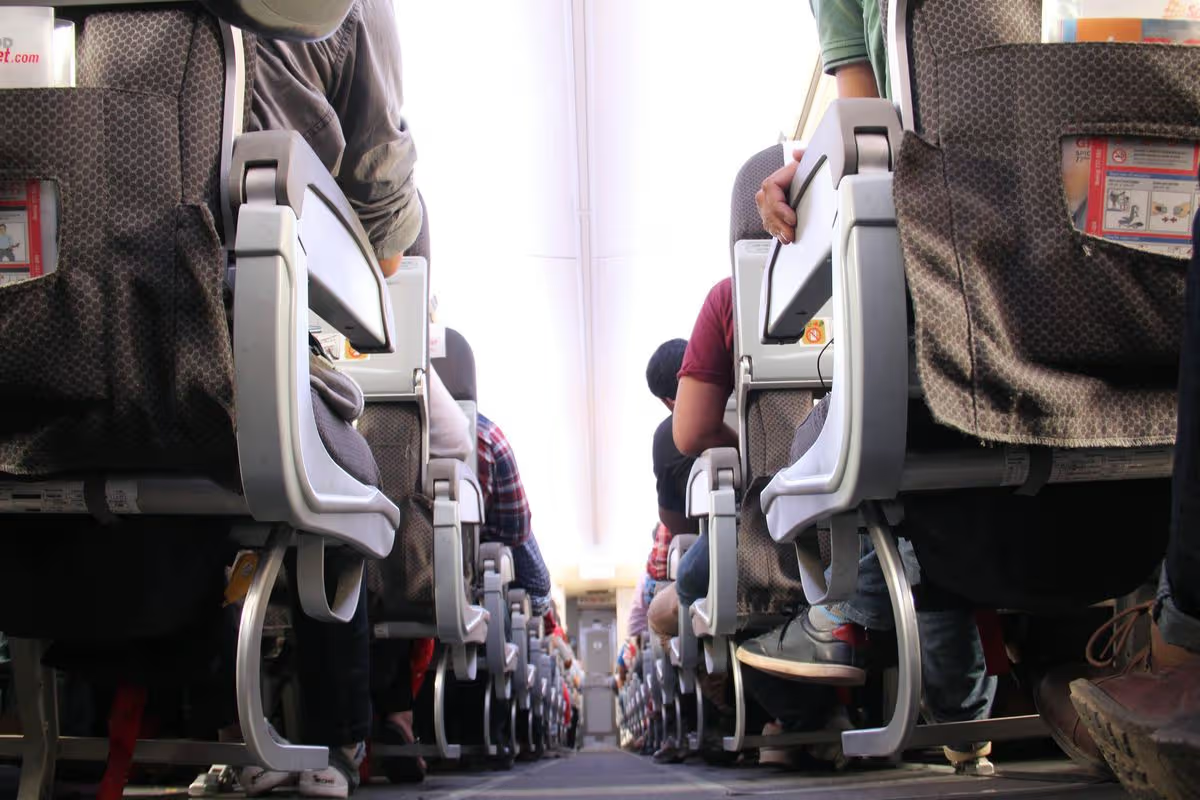
A couple who were flying out of Manchester Airport were furious after realising a major downside to spending £150 each on seats with extra legroom – with the couple vowing ‘never again’

The couple were furious after realising they made a mistake when paying for extra legroom (stock)(Image: Nasir Kachroo/NurPhoto via Getty Images)
A passenger on a plane was furious after paying £150 for extra legroom on a flight, before realising one major downside. Being comfortable when travelling is one of the most important things for passengers.
Depending on where you are travelling to, you could be on a plane for up to 19 hours, so being somewhat comfortable is important if you’re planning to sleep while onboard. There are a number of ways people can ensure comfort on a flight including upgrading seats to extra legroom or buying a first-class ticket for the duration of the flight.
Upgrades, however, do come at a cost which can be thousands of pounds on top of the initial flight price – which can already be pricy enough.
But if you’re travelling on a smaller plane, the only upgrade available can be a seat with extra legroom, also known as exit row seats.
Sitting in this row means that you must both be physically and mentally able, and willing, to help cabin crew open the heavy exit door and assist them in the event of an evacuation.
One couple, from Manchester and Yorkshire, flew out of Manchester Airport and decided to upgrade to seats with extra legroom for £150 each.
They were initially happy with their seats, until the flight took of and the seatbelt signs were turned off, and they instantly realised the downside to paying extra money for their flight.
The couple said: “You pay £150 for extra legroom seats just to have people queuing for the toilet right in front of you. The British people see a queue and love to join it. There was a free toilet approx 10 rows back but here they are.”
They shared a video on TikTok showing the situation, where a crowd of people were seen standing waiting for the toilet right in front of them.
The couple were unable to extend their legs and were forced to be sat the same as anyone else on the flight due to the amount of people in front of them.
Other people commented on the video to explain how they had also learned the hard way after purchasing seats with extra legroom.
One person said: “This always happens and exactly why I’d never choose those seats! Plus the smell.”
The couple replied: “Literally never again! we had the ones in the middle on the way to Mexico which weren’t as bad, but these seats were the worst!!”
Another person said: “I just leave my feet out and they have to move around them. I’ve never been stood on …yet.”
A third person said: “I did this when I had a cast on my leg and some pensioner stepped over my leg and tripped then had the cheek to look at me like it was my fault.”