legal

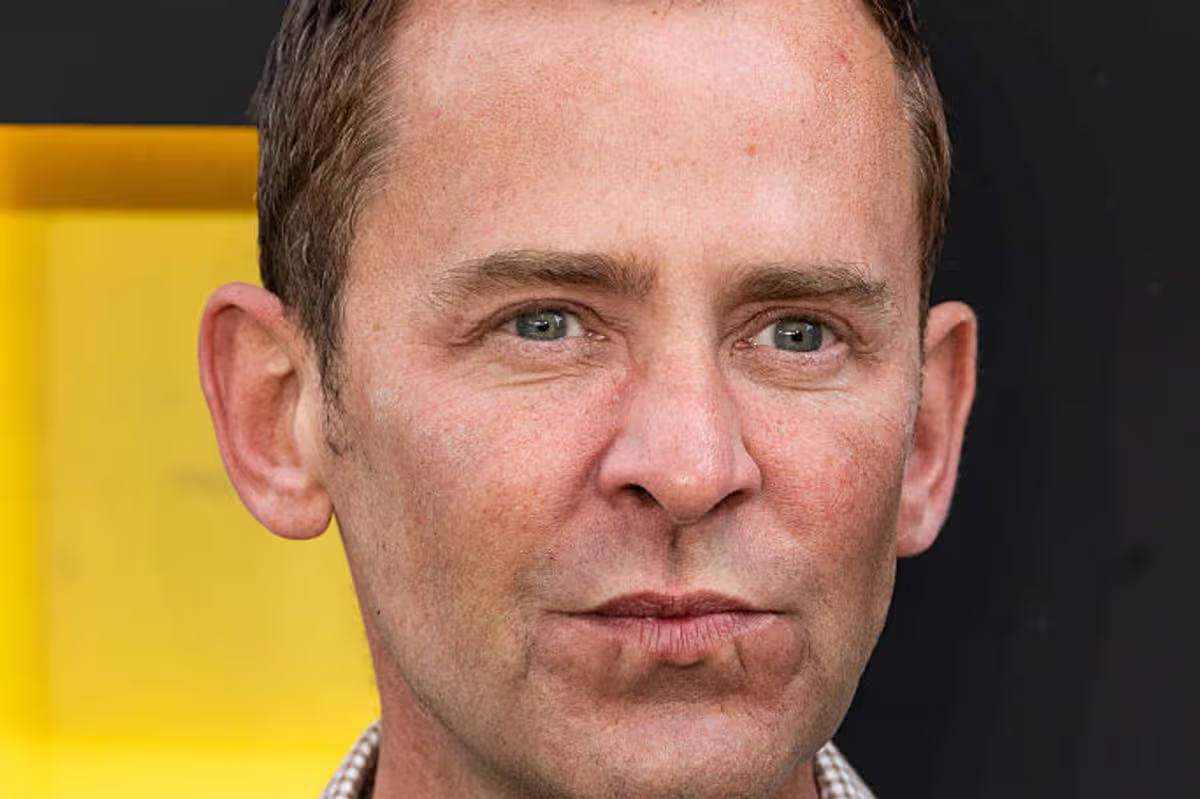
Scott Mills’ life now – ‘comeback plan’, legal battle and friends who have backed him

EXCLUSIVE: Scott Mills was axed from the BBC earlier this year after new evidence came to light about a historical alleged sexual offences – but this might not be the end of the former radio DJ

Axed star Scott Mills has seen a flurry of support this week as his husband Sam Vaughan returned to Instagram to mark their two-year anniversary.

In his first post since the DJ’s shock sacking, Sam posted a sweet picture of him and his husband from their wedding day, captioning the post with a white heart emoji and the words “2 years.”

Stars including Zoe Ball, Rylan Clark and Sara Cox reacted to the post, with former colleauge Zoe writing: “Love you,” in the comments, followed by four red heart emoji’s. Rylan and Sarah also posted hearts in the comments section.

It comes as the Mirror exclusively revealed that Scott is set to sue the BBC for unfair dismissal after his surprise sacking. The DJ has enlisted top lawyers to lodge a case against the BBC. It’s understood he will claim that he disclosed the full details of the cop probe – including the accuser’s age – to BBC Radio 1 bosses at the time.

Content cannot be displayed without consent

The BBC has previously said that they knew about the investigation but that “new information” came to light which sources claim was the fact the accuser was under 16. But it’s understood Mills will argue that this was all raised at the time to Radio 1. A source said: “It’s going to get very messy indeed.”

Mills was interviewed by police in 2018 under caution after being accused of serious sexual offences against a boy under the age of 16. A full file was sent to the CPS, who said there was not enough evidence to charge him.

In April, Mills released a statement through his lawyers claiming he had been the subject of “rumour and speculation” since his sacking and that he had “co-operated fully” with the police investigation into the allegations.

As Scott gears up for a battle with the Beeb and his partner returns to social media, questions have been raised on when the DJ could make a career return. “I think Scott Mills’ route back into the spotlight will depend on whether the public see his departure as a temporary setback or as a sign that his broadcasting career has reached a crossroads,” Mayah Riaz, a PR to the stars, tells the Mirror.

“Historically, we have seen that established presenters who have a strong personal brands and years of goodwill behind them are often afforded a second act. This is especially true when they have built up a loyal audience and have industry support over many years,” she said.

The expert noted the significance of the public show of support towards Scott’s husband Sam as it highlights that the star still has a network of influential friends and colleagues who are willing to publicly stand by him. She said this can help “soften the narrative” and “remind people of the affection that exists for a personality.”

The DJ has lost a number of gigs since being axed by the BBC, including podcast roles on Race Across the World and Pop Top 10 with Rylan Clark. Mills was also dropped as a patron of children’s cancer charity Neuroblastoma UK and “stepped back” from his role as an ambassador for the MS Society UK.

His regular panto work, which reportedly made him £600,000 in the last three years, has also been cut. Imagine Theatre, which got Scott involved in Jack And The Beanstalk shows, said there are no plans to work with the presenter for the 2026/2027 season. It said the decision was taken before he was fired by the BBC.

If Scott was to make a comeback, Mayah suggests it won’t be through a “grand relaunch”. Instead, it could be through a project that reminds his audience why they connected with him in the first place.

She explained: “Talent and familiarity remain powerful currencies in broadcasting. It goes without saying that authenticity will be key. The public are increasingly sceptical of overly polished comeback campaigns and media-managed statements.”

Mayah says the public respond “far more positively to resilience, humility and genuine passion for the work” and the biggest mistake Scott Mills could make is to come across “desperate to reclaim the spotlight”. She added: “The strongest celebrity comebacks are those that give people something new to talk about.”

Mills previously issued a statement via lawyers thanking his well-wishers. He said: “I wish to thank from the bottom of my heart all those who have reached out to me with kindness, my former colleagues, and my beloved listeners, who I greatly miss.”

On the police probe, he said: “The recent announcement that I am no longer contracted to the BBC has led to the publication of rumour and speculation. In response to this the Metropolitan Police has made a statement, which I confirm relates to me.

“An allegation was made against me in 2016 of a historic sexual offence, which was the subject of a police investigation in which I fully co-operated and responded to in 2018.” He added: “Since the investigation related to an allegation that dates back nearly 30 years and the police investigation was closed seven years ago, I hope that the public and the media will understand and respect my wish not to make any further public comment on this matter.”

Source link

Zuffa Boxing plans to proceed with Chris Billam-Smith fight despite legal challenge from rival promoter

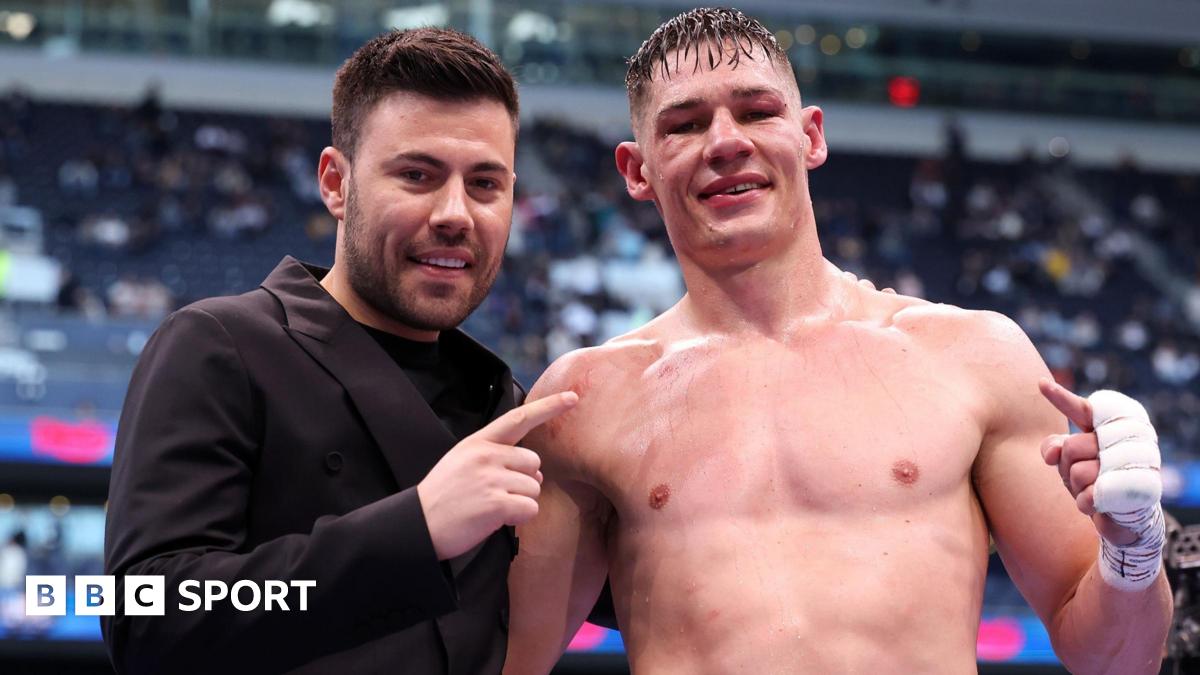
Zuffa Boxing’s first show in the UK, featuring Chris Billam-Smith, appears set to go ahead on Saturday despite legal action from rival promoter Boxxer.

Former WBO cruiserweight champion Billam-Smith is scheduled to fight Canadian Ryan Rozicki at the Bournemouth International Centre as the headline bout, with fellow Britons Jack Massey and Sam Hickey both on the undercard.

The event is due to be shown on Sky Sports, but promoter Boxxer claims to have contractual rights involving fighters on the bill and says they are appearing without “consent or authorisation”.

BBC Sport understands that Zuffa does not accept the claims by Boxxer and plans to proceed with the event as planned.

“Boxxer can confirm it is seeking urgent injunctive relief against Zuffa Boxing and Sky Sports concerning the promotion and proposed participation of fighters who remain subject to binding contractual obligations to Boxxer,” said a statement from Boxxer.

“Boxxer have ensured that all parties involved are fully aware of the contractual obligations owed to Boxxer by the fighters being promoted for Saturday’s event. Despite this, those fighters continue to be advertised and promoted without Boxxer’s consent.

“As a result of the conduct it has witnessed in recent months, Boxxer has been left with no option but to seek further relief from the English courts.”

Zuffa Boxing, which was founded by UFC president Dana White and backed by Saudi Arabian funding, is looking to rival the sport’s established promoters.

Billam-Smith signed a multi-fight deal with Zuffa Boxing in April after previously being promoted by Ben Shalom’s Boxxer.

Source link

Man City threatens legal action against Real Madrid following Haaland claim | Football News

Enrique Riquelme held up a Real Madrid shirt bearing Erling Haaland’s name, while campaigning for club presidency.

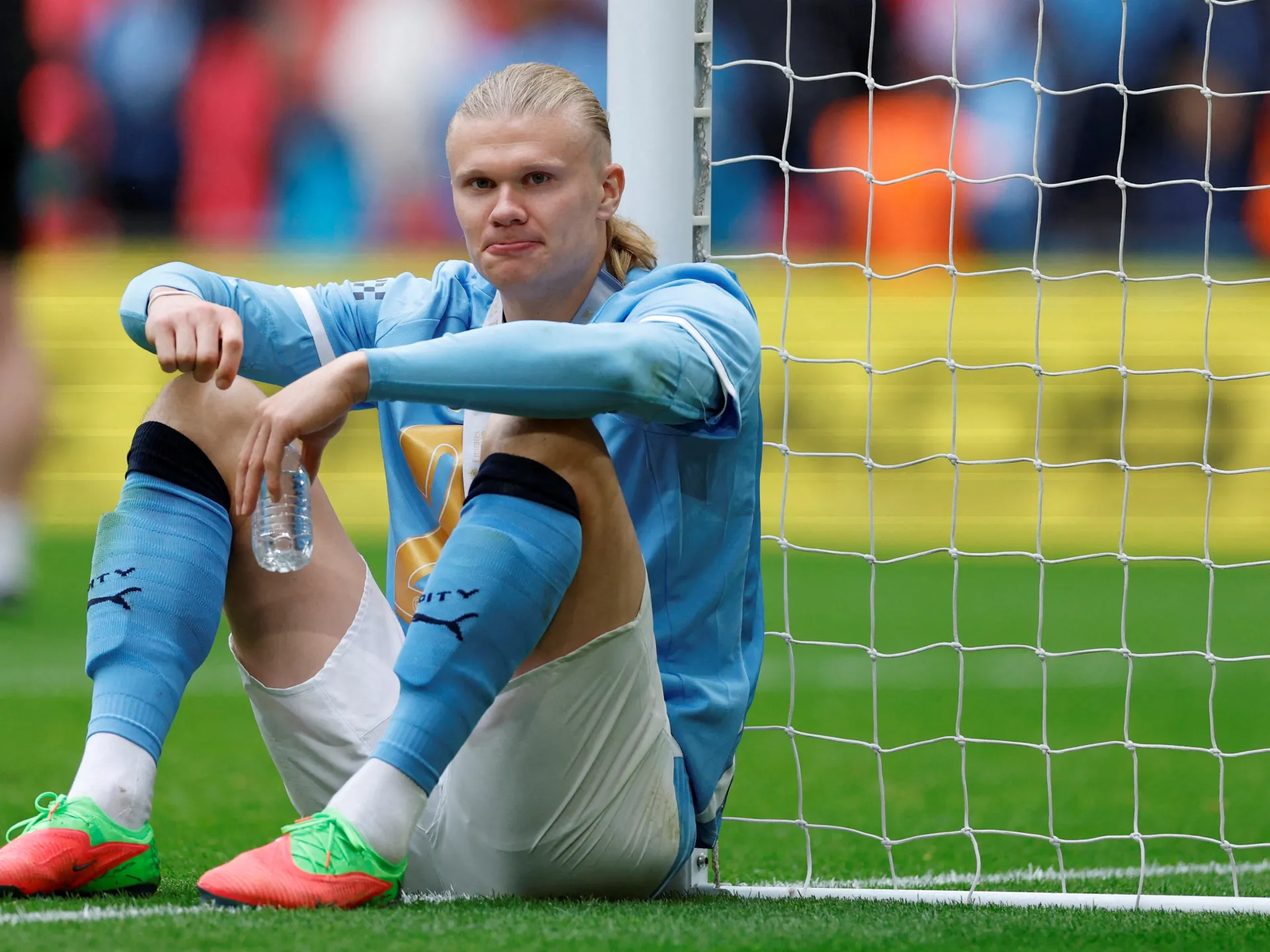
Manchester City is considering legal action after Real Madrid presidential ⁠candidate Enrique Riquelme ⁠said he would sign the Premier League club’s Norwegian striker Erling Haaland if elected.

Riquelme, a renewable energy entrepreneur challenging incumbent Florentino ⁠Perez, made the pledge during an appearance on Spanish television on Wednesday, where he held up a Real Madrid shirt bearing Haaland’s name.

Recommended Stories

list of 4 itemsend of list

“The stories which ⁠have emerged from Spain regarding the future of Erling Haaland are untrue,” a City spokesperson said on Thursday.

“There is no chance of this happening, and there is no contractual clause to enable it. We are considering legal action for ‌the use of our player’s image in this context.”

Riquelme said Haaland, who scored 38 goals in all competitions last season, had a release clause and wanted to move to the Spanish club, adding that he would make the transfer a priority if he wins Sunday’s election.

A joint statement from the 25-year-old footballer’s father, Alfie Haaland, and his agent, Rafaela Pimenta, swiftly ⁠rejected the suggestion, describing it as “not true”.

Riquelme added he ⁠would try to sign City’s Spain midfielder Rodri, saying he had spoken to the player’s agent and would “do everything possible” to bring the Ballon d’Or winner to Madrid.

The remarks come against ⁠the backdrop of Real’s presidential election, the first in two decades in which Perez is not running unopposed, ⁠after the club’s two seasons without a major ⁠trophy.

Voting is scheduled for Sunday, with some 100,000 club members eligible to take part.

Haaland had the option to join Real in 2022, when he left Borussia Dortmund. But he chose City, where ‌his father played.

While the striker, who won the Premier League Golden Boot for the third time in four seasons, said he would like to play ‌for ‌Real one day, there has been no suggestion he is unhappy at City. He signed a new nine-and-a-half-year contract in January 2025.

Perez announced on Wednesday that, should he be elected, he would bring Benfica manager Jose Mourinho back to Real Madrid for a second term at the helm of Los Blancos.

The Portuguese former manager of Manchester United, Chelsea and Inter Milan previously won the La Liga title during a three-year spell in Madrid.

Source link

Erling Haaland: Man City threaten legal action over Real Madrid candidate’s transfer claim

Manchester City are contemplating taking legal action over a promise to sign striker Erling Haaland by a candidate in Real Madrid’s presidential election.

Enrique Riquelme – a renewable energy magnate who is challenging current president Florentino Perez for the position – unveiled a Real Madrid shirt bearing Haaland’s name while on television on Wednesday, saying: “He has a release clause and would like to join Real Madrid.”

A swift denial was issued in a joint statement by Haaland’s father and agent, before City rubbished the suggestion.

“The stories which have emerged from Spain regarding the future of Erling Haaland are untrue,” the statement read. “There is no chance of this happening and there is no contractual clause to enable it.

“We are considering legal action for the use of our player image in this context.”

More to follow.

Source link

Paramount, pushing to buy Warner Bros., girds for legal challenges

Is Paramount making a Tony Soprano move?

David Ellison’s media company appears to be girding for a big battle with California Atty. Gen. Rob Bonta and fellow state attorneys general who may team up to file a lawsuit aiming to block Paramount’s proposed $111-billion takeover of Warner Bros. Discovery.

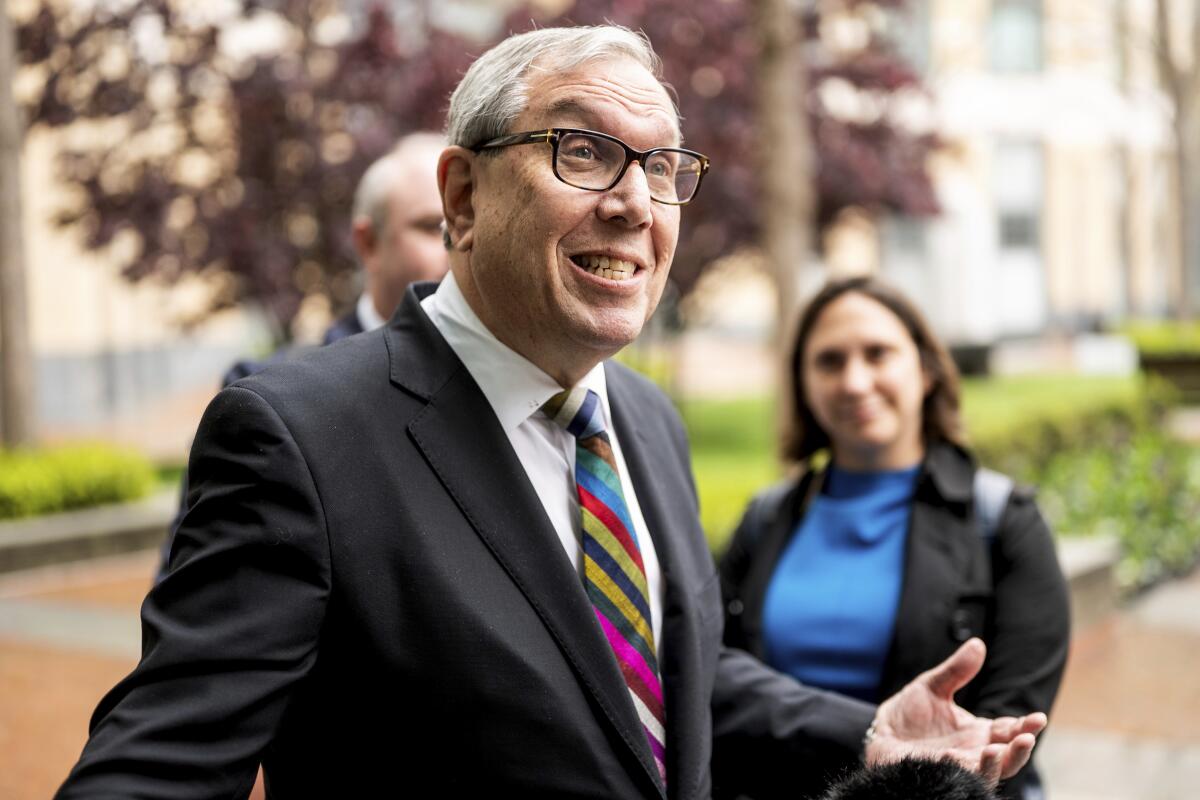
Last week, Paramount hired powerhouse antitrust attorney Jeffrey Kessler to help defend its proposed takeover of Warner, which owns CNN, TBS, HBO and the prestigious Burbank film and television studios.

Kessler — co-executive chairman of Winston & Strawn in New York — is one of the nation’s top antitrust lawyers. He most recently led the state attorneys’ case against concert promoter and ticketing firm Live Nation, resulting in a monumental win for the states, including California.

Now Kessler may be on the opposite side, potentially going after the government to help Paramount build a behemoth that would include CNN and CBS News, two historic film studios and four streaming services.

The states have not indicated whether they plan to go to court to block Paramount’s takeover of Warner, but Bonta has said Ellison’s proposed consolidation, which is widely expected to lead to layoffs, is problematic.

Paramount declined Tuesday to discuss Kessler’s remit. Kessler was not immediately available for comment.

Hiring an attorney who is more commonly aligned against big companies prompted at least one observer to postulate that Paramount could be angling to remove a big name from the legal chessboard to prevent him from joining the other side, in the vein of TV mob boss Tony Soprano.

During the HBO show’s fifth season, Soprano spent months consulting with top divorce attorneys, creating a potential conflict of interest that prevented those lawyers from representing his wife Carmela in the dispute.

Jeffrey Kessler arriving at federal court in Oakland in 2025

Attorney Jeffrey Kessler arrives at federal court in Oakland in a file photo.

(Noah Berger/Associated Press)

Kessler also knows the ins and outs of a courtroom as well as antitrust settlements, which could benefit Paramount as it seeks to avoid a bruising court challenge.

More than 5,000 artists and other entertainment industry workers already have signed an open letter that urges Bonta to take action to upend the Paramount and Warner Bros. deal.

Ellison and his team have vowed to make $6 billion in cuts following the merger. The combined company would have to contend with $79 billion in deal debt.

Adding Kessler comes as state attorneys general have been taking a more aggressive role in waging anti-trust fights. Many believe the U.S. Justice Department has been sitting on the sidelines to allow deals favored by President Trump to sail through their legally mandated regulatory reviews.

Trump favors Paramount’s takeover of CNN and other Warner properties.

Paramount Chief Legal Officer Makan Delrahim has made several savvy tactical moves since joining Ellison’s Melrose Avenue firm last fall.

Delrahim, who was Trump’s antitrust chief during his first term, filed paperwork to win the U.S. Justice Department’s blessing in December — soon after Netflix had clinched the bidding war for Warner Bros.

Netflix ultimately bowed out of the auction in late February. And Delrahim’s move gave Ellison’s Paramount a head start in the regulatory approval process.

The company is waiting for confirmation that the Justice Department will consent to its Warner Bros. purchase. It is separately responding to issues raised by regulators in Europe.

It’s not clear when Bonta or his fellow attorneys general might decide whether to bring a case against Paramount, although the deadline is approaching because Ellison wants to get his deal wrapped up by September.

Attorneys general also could opt for negotiating a settlement agreement with Paramount, which might be willing to bend to concessions to get the deal approved.

Bonta is leading a challenge against another big merger — TV station owner Nexstar Media Group’s $6.2-billion purchase of rival company Tegna Inc. Nexstar owns KTLA-TV Channel 5 in Los Angeles and more than 100 other stations.

Nexstar initially argued that Bonta’s action came too late — after Nexstar had gained its federal approvals for the deal. Nexstar also was in the process of consolidating Tegna’s operations and top Tegna executives had cashed out.

The move backfired on Nexstar as a federal judge in Northern California issued a preliminary injunction, ordering Nexstar to halt the Tegna consolidation.

U.S. District Judge Troy Nunley ruled Tegna must be managed as a separate company pending the outcome of a trial.

On Tuesday, Tegna announced that it hired a former Fox TV station executive, Patrick Paolini, as its chief executive. Beginning next week, Paolini will be responsible for “Tegna’s daily operations, revenue-generating business strategies, local journalism and production, and growth initiatives,” according to a corporate statement.

Paolini will report to Tegna’s board — not Nexstar.

Source link

Report warns pro-Palestine protesters face legal crackdown: What to know | Protests News

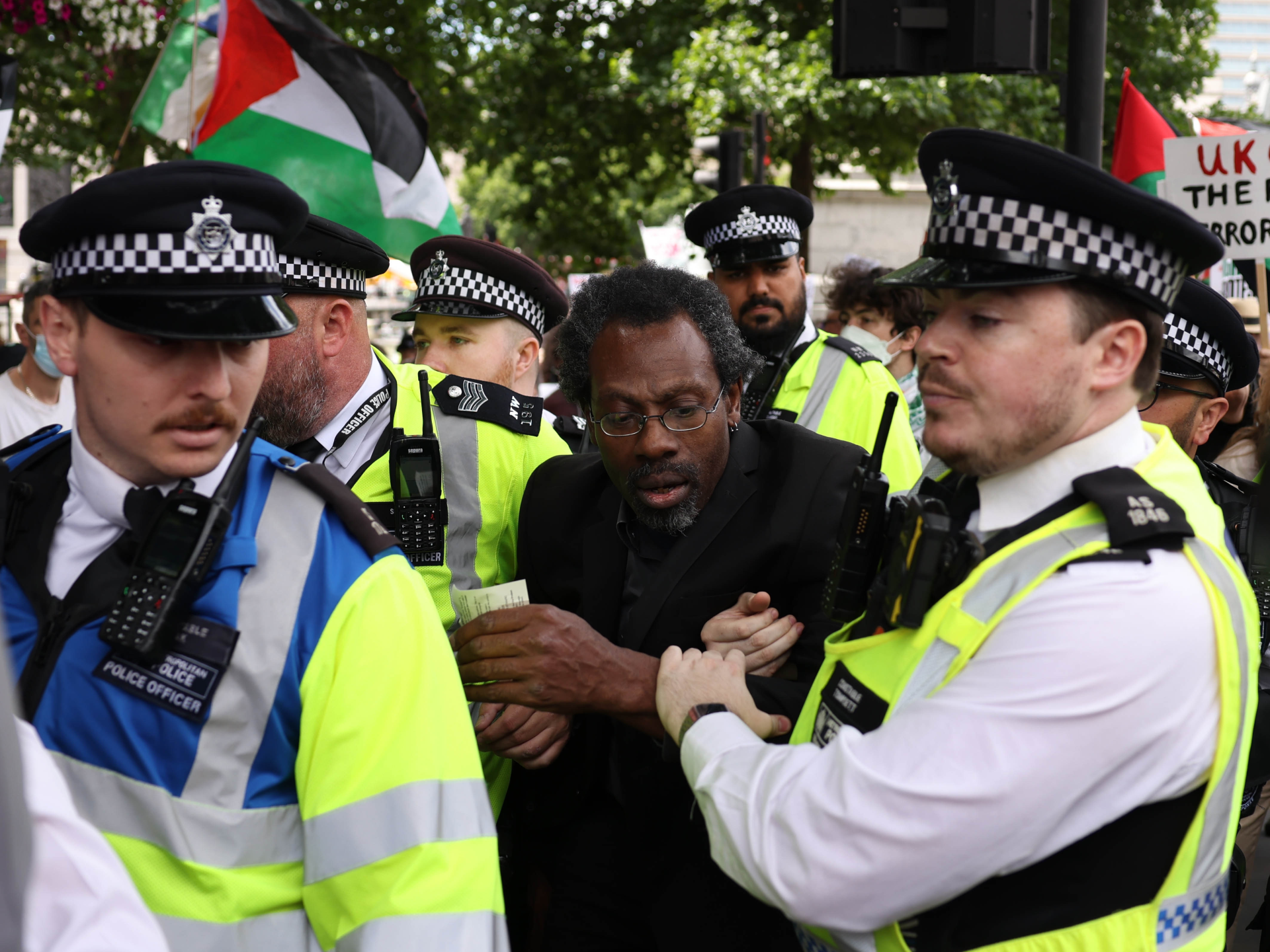
A new report warns that Britain is undergoing a “deeply troubling transformation” in how it treats political protest as climate activists and pro-Palestine campaigners increasingly face lengthy prison sentences, sweeping legal restrictions and months in jail before trial.

The report, Britain’s Political Prisoners, copublished by researchers at the Centre for Climate Crime and Climate Justice at Queen Mary University of London and the campaign group Defend Our Juries, said the UK has “witnessed an increase in anti-protest powers granted to the police and the courts through legislation” that has “created a significantly more repressive legal terrain for activists engaging in civil disobedience and direct action”.

Recommended Stories

list of 4 itemsend of list

It traces the shift from crackdowns on protests by Extinction Rebellion, Black Lives Matter, Insulate Britain and Just Stop Oil to more recent prosecutions linked to Palestine solidarity actions, including campaigns targeting British factories operated by Elbit Systems, Israel’s largest weapons manufacturer.

The report, released on Tuesday, found that a combination of new laws, broader police powers and increasingly punitive court tactics has reshaped Britain’s protest landscape since 2019.

The United Kingdom has witnessed numerous mass protests and direct actions by activists to pressure the government to stop selling arms to Israel during its genocidal war on Gaza, in which more than 72,000 Palestinians have been killed, including more than 40,000 women, children and elderly.

So what does Britain’s shifting stance on protests mean for civil rights, and what’s behind the legal clampdown on climate and pro-Palestine protests?

The report painted a stark picture of how Britain’s legal system has changed in response to climate and pro-Palestine direct action campaigns through a mix of new laws, expanded police powers and what campaigners describe as increasingly punitive court tactics. What this means for protesters is longer jail sentences, stricter bail conditions and harsher treatment in the courts than was once typical for acts of civil disobedience, according to the report.

At the centre of that shift are two major laws introduced after waves of demonstrations by groups such as Extinction Rebellion and Just Stop Oil, two environmental groups that employ nonviolent civil disobedience tactics to pressure governments to address the climate crisis.

The Police, Crime, Sentencing and Courts Act 2022 transformed the old common law offence of “public nuisance” into a formal criminal offence carrying a sentence of up to 10 years in prison. This means actions that seriously disrupt the public – such as blocking roads, stopping traffic or shutting down infrastructure – can now lead to far more severe criminal penalties than before because the offence was never previously codified into legislation. Campaigners said the law has given prosecutors a powerful new tool to pursue long prison sentences against protesters.

The Public Order Act 2023 introduced a series of protest-specific offences in May of that year, largely in response to climate protests by groups including Just Stop Oil, Insulate Britain and Extinction Rebellion, whose actions included blocking motorways, occupying oil terminals and targeting infrastructure projects in an attempt to pressure the government to halt new oil and gas extraction.

Such offences under the act included “locking on”, in which protesters attach themselves to roads, buildings, vehicles or each other using chains, glue or other devices to make removal difficult. The law also criminalised tunnelling, a tactic used by some activists to delay infrastructure projects, and introduced offences for disrupting major transport networks, oil terminals and other nationally important infrastructure. 

The legislation also significantly widened police powers whereby officers may now place restrictions on even one-person protests if they are deemed disruptive. Police were also granted powers to carry out stop-and-search operations in designated protest zones without needing reasonable suspicion that someone has committed an offence – a significant expansion of police authority criticised by civil liberties groups.

But the report argued the crackdown extends beyond parliament and into the courts.

One of its central findings is the growing use of civil injunctions and contempt of court proceedings against activists.

Oil companies, arms manufacturers, councils and universities have increasingly obtained court orders banning protests near their sites, the report said.

The report identified contempt of court as the most common route to imprisonment among the 249 protest-related cases it analysed. Contempt of court usually refers to someone disobeying a judge’s order or behaving in a way the court says interferes with justice. In protest cases, it has increasingly been used against activists who ignore injunctions or refuse to follow restrictions imposed during trials.

Because contempt proceedings are handled directly by judges rather than juries, campaigners argued they allow courts to imprison protesters more quickly and with fewer legal safeguards.

Researchers also highlighted what campaigners described as the “gagging” of defendants. Judges have increasingly stopped protesters from mentioning climate concerns, Gaza, international law or their political motivations in front of juries.

Courts have often argued that juries should focus only on whether a defendant broke the law, not on the political or moral reasons behind their actions. Critics said those restrictions prevent activists from fully explaining why they protested in the first place.

Campaigners also said the legal shift reflects a broader political change, driven in part by corporate lobbying under successive Conservative governments and continuing under Prime Minister Keir Starmer’s Labour government. They argued that peaceful protest is increasingly being criminalised to protect corporate interests, regardless of wider ethical concerns about the supply of arms to Israel during its war on Gaza or opposing fossil fuel projects linked to the climate crisis.

Perhaps most controversially, the report pointed to the growing use of lengthy pretrial detention. That means protesters being held in prison before they have been convicted of any crime.

According to the findings, many activists spend months on remand awaiting trial while some Palestine Action defendants have been held for more than a year before their cases are heard in court.

In 60 percent of the cases studied, the final sentence handed down was shorter than the time defendants had already spent in custody awaiting trial.

Are lobbyists influencing the crackdown?

Tim Crosland, director of Defend Our Juries, said the findings challenge Britain’s claims of ensuring democratic protections.

“This report strips away the illusion that Britain remains committed to democratic principles,” Crosland said.

“It reveals that peaceful protesters are being jailed in ever-increasing numbers under pressure from the oil and arms industries, the Israeli government and their lobbyists.”

The report pointed to what it described as growing political and corporate pressure behind Britain’s crackdown on protest movements.

Researchers cited reports that parts of the Police, Crime, Sentencing and Courts Act may have originated in proposals from the right-wing think tank Policy Exchange. According to the investigative news site Open Democracy, Policy Exchange has previously received funding from ExxonMobil. The think tank had earlier published a report titled Extremism Rebellion, which called for new laws targeting Extinction Rebellion activists.

Al Jazeera could not independently verify the links between the think tank and the legislation.

The report further alleged that British officials came under pressure from both Elbit Systems and the Israeli government to take a tougher approach towards Palestine Action protests targeting Elbit’s UK factories.

According to correspondence quoted by the researchers, the British government said in 2022 that it had “expressed our support in recognising the attacks and boycott on Elbit UK”. The report said the issue was later raised directly with then-Foreign Secretary Dominic Raab during a visit to Israel, where he reportedly “declared that the British government is committed to stopping the attacks”.

Zoe Blackler, founding director of the London events space Kairos, said: “In the face of this clampdown on the right to peaceful protest, we need to come together in solidarity and defiance.”

Which are the cases at the centre of Britain’s protest crackdown?

The report traced Britain’s hardening response to the protests through a series of landmark cases involving climate activists and Palestine solidarity campaigners, many of whom received lengthy prison sentences or spent months behind bars before trial.

Among the most high-profile is the case of the Whole Truth Five, a group of Just Stop Oil activists jailed in July 2024 over a Zoom call discussing plans to disrupt the M25 motorway. The five were convicted of conspiracy to cause a public nuisance and initially sentenced to between four and five years in prison.

The report described the case as one of the clearest examples of the tougher approach now being taken towards protest movements. Campaigners argued the sentences were extraordinary because the activists were punished largely for planning disruptive action rather than carrying it out. Prosecutors relied on conspiracy laws, which allow people to be charged for agreeing to commit an offence even if the planned action never ultimately happens.

Four Palestine Action activists were also sentenced to between 23 and 27 months for conspiring to damage an Israeli-linked arms factory in Wales. Meanwhile, four Just Stop Oil activists received prison terms of up to 30 months over plans to disrupt Manchester Airport despite never reaching the site. A fifth defendant, Noah Crane, spent almost a year in jail on remand before later being acquitted.

Another major case involved the Filton 24, Palestine Action activists prosecuted after a protest at an Elbit Systems factory in Bristol. Some defendants were held on remand for up to 18 months before trial.

After several activists were acquitted of aggravated burglary charges, most were eventually granted bail.

The report said the case raises “serious concerns” that prosecutors used unusually serious charges to justify holding defendants in prison for long periods before trial.

The report also highlighted the Brize Norton Five, activists accused of spray-painting air force planes in protest against Britain’s military links to Israel’s genocidal war on Gaza. According to the report, the group has remained on remand since August and is not expected to stand trial until 2027, meaning some could spend close to two years in jail before a verdict is reached.

Other cases revealed the growing use of judicial “gagging orders”.

During the retrial of the Filton 6, a separate trial from the Filton 24, the judge barred defendants from mentioning Gaza, Elbit’s role in supplying weapons to Israel and their political motivations for protesting. Critics argued such restrictions make it harder for juries to hear the broader context behind direct action campaigns.

In another case, three Insulate Britain activists were imprisoned for contempt of court after defying a judge’s order not to mention the “climate crisis” or “fuel poverty” before a jury.

Despite the legal restrictions, several juries continued to acquit activists. The report pointed to acquittals involving Just Stop Oil protesters, Extinction Rebellion activists and a hung jury in the first Filton 6 trial as evidence that some jurors remained unconvinced by the increasingly aggressive prosecution of protest movements.

Kerry Moscogiuri, Amnesty International UK CEO, told Al Jazeera that “the right to protest is being eroded before our eyes.”

“We’re seeing a worrying shift where the state is using remand, sweeping injunctions and contempt proceedings to lock people up or silence them before they’ve even stood trial.

“The broader legal implications here are concerning. It’s not just about one group of activists; it’s about a systemic attempt to shut down dissent, something we’ve been ringing the alarm on for a long time.

“By replacing the presumption of liberty with preemptive legal intimidation, it creates a chilling effect, undermines the rule of law and flies in the face of basic human rights.”
Source link