Kyiv

Kyiv targeted for third time in a week, 6,000 buildings with no power

Cars light the way in an almost totally blacked-out downtown Kyiv on Tuesday night as the Ukrainian capital is gripped by severe power outages from Russian drone and missile strikes targeting its energy infrastructure that have intensified in recent days. Photo by Maxym Marusenko/EPA

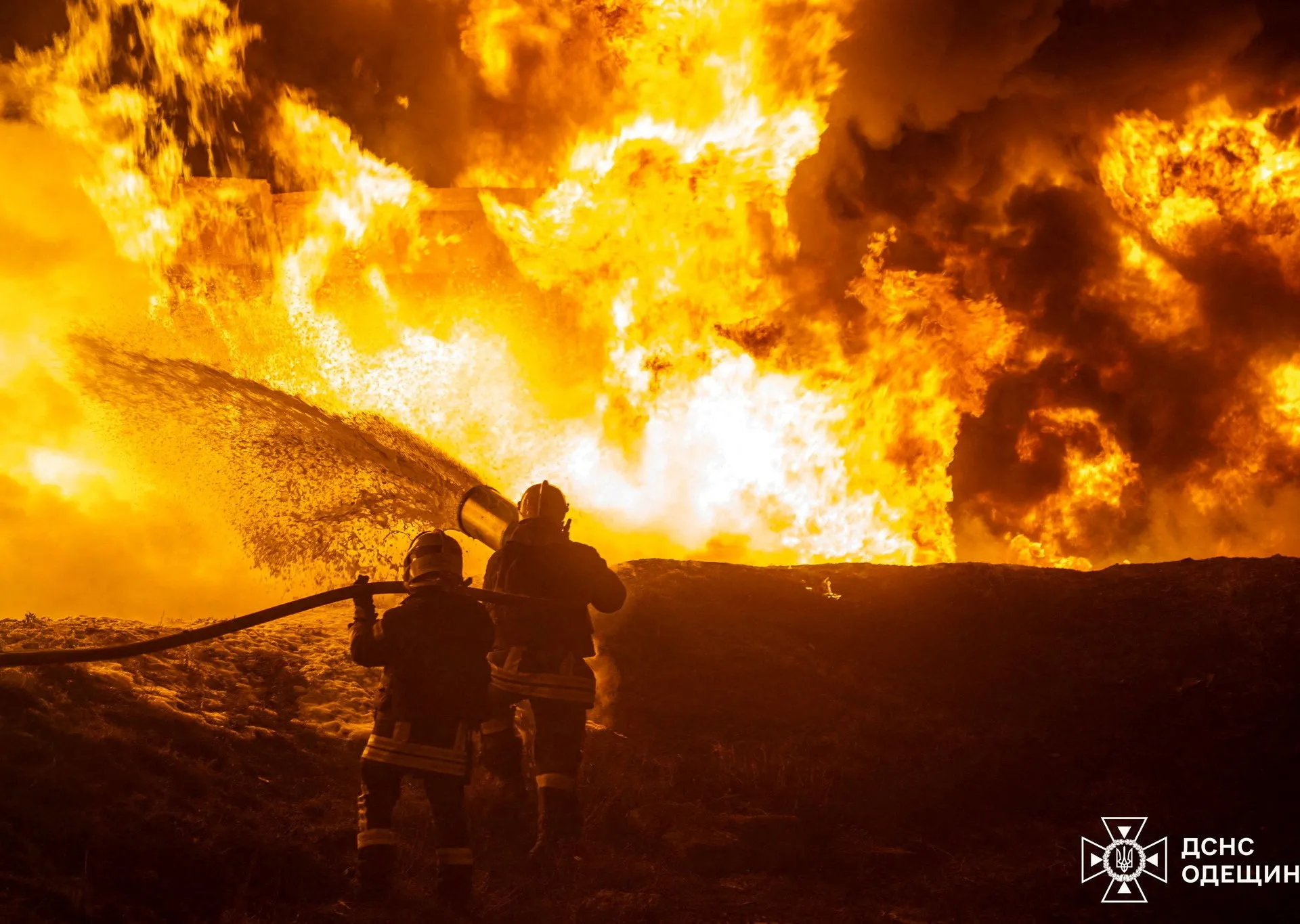
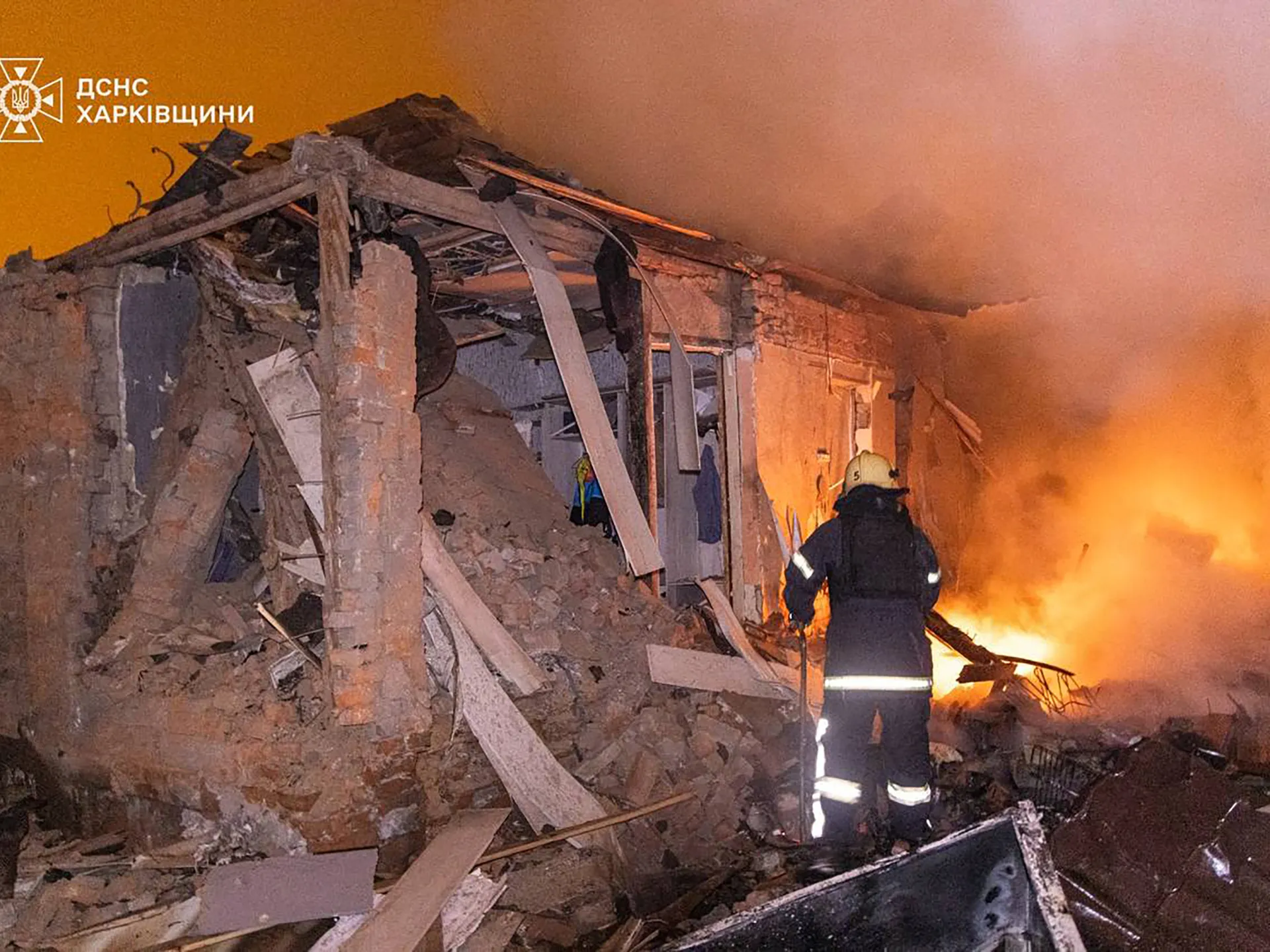
Jan. 14 (UPI) — Ukrainian air defenses were in action around Kyiv on Wednesday morning as Russian forces launched another mass drone attack targeting the city’s already ravaged power and heating infrastructure with multiple explosions heard downtown.

Mayor Vitali Klitschko said that following the raid — the third major attack in five days — 6,000 buildings, about half of all buildings, were without power amid freezing temperatures.

Deputy Energy Minister Mykola Kolisnyk said Tuesday that Russia was “going all in” to take out Ukraine‘s energy infrastructure after mass attacks targeting power and gas facilities overnight Monday and Jan. 9.

The state-run electricity network operator Ukrenergo said earlier that 70% of Kyiv had no electricity following Monday’s attack.

Senior Ukrainian officials from President Ukrainian Volodymyr Zelensky on down, have said the attacks on Kyiv and other major cities have no military value but are part of a concerted effort by Moscow to “break” the will of Ukrainians by depriving them of the ability to keep warm during the harsh Ukrainian winter.

The overnight temperature in Kyiv dipped to -2 degrees Frahrenhreit.

The situation led Klitschko to appeal on Friday to residents with someplace else to go to get out of Kyiv temporarily to relieve pressure on emergency services and hospitals, as well as engineering crews scrambling to repair energy infrastructure and keep what remains working.

One couple with a 1-year-old child told the BBC they were preparing to leave for the home of the wife’s parents outside Kyiv on Friday because they were struggling to stay warm and the intermittent power supply meant they were unable to charge their batteries sufficiently.

State-run Ukrainian Railways has begun providing static trains for people with no power at home to get some respite. Dubbed “Invincibility Trains,” the trains spend their days sitting at suburban station platforms with their engines idling, providing heat and water for residents.

As she watched her son play with toys donated by international charities, a woman told the BBC that the train was a safe space to escape to from her 17th-floor apartment, which was without electricity or water and where the elevator was out.

Supporters of ousted Venezuela’s President Nicolas Maduro carry his portrait during a rally outside the National Assembly in Caracas, Venezuela on Monday. Photo by Jonathan Lanza/UPI | License Photo

Source link

Trump spurns Kremlin’s Putin residence attack claim, Russia kills 2 in Kyiv | Russia-Ukraine war News

Russia’s Defence Ministry had published a video of a downed drone it said Ukraine had launched at Putin’s residence, which Kyiv rejected.

United States President Donald Trump has dismissed claims that Russian President Vladimir Putin’s residence had been attacked by Ukraine as the war grinds on, saying he did not “believe that strike happened”, after having initially accepted the Kremlin’s version of events at face value.

On Sunday night, Trump, on board Air Force One, told reporters that “nobody knew at that moment” whether a report about the alleged incident was accurate. He added that “something” happened near Putin’s residence, but after US officials reviewed the evidence, they did not believe Ukraine targeted it.

Recommended Stories

list of 3 itemsend of list

Ukraine immediately denied its involvement, accusing Russia of a false-flag type operation to undermine peace negotiations. Moscow promptly said the incident would harden its peace talks stance.

Reports of the attack emerged last week after Russia’s Ministry of Defence published a video of a downed drone it said Kyiv had launched at Putin’s residence in the Novgorod region.

According to the ministry, the residence was not damaged, and Putin was elsewhere at the time.

Alongside Ukraine, its Western allies also heavily disputed that the attack had occurred at all.

The claim of the attack came as Russia and Ukraine work towards agreeing to a ceasefire deal to end the nearly four-year-long war.

European leaders are expected to meet in France on Tuesday for further talks on a US-backed ceasefire plan, which Ukrainian President Volodymyr Zelenskyy said was “90 percent ready”. Territorial issues over ceding land conquered in war or not remain at the heart of the matter.

First civilian deaths in Kyiv in 2026

Ukraine’s authorities reported on Monday morning that an overnight Russian attack on the Kyiv region had killed two people, in the first casualties in the capital in 2026.

According to the State Emergency Service of Ukraine, the Russian attack set a medical facility in the Obolonskyi district in Kyiv’s northern sector, where an inpatient ward was operating, on fire.

The service said once the fire was extinguished, a body was found inside. A woman was also injured, and 25 people were evacuated, the service added on Telegram.

Towns and villages across the Kyiv region were also damaged and critical infrastructure hit, leading to the killing of a man in his 70s in the Fastiv district, southwest of the capital, Governor Mykola Kalashnyk said on Telegram.

Kalashnyk added that small parts of the region were left without power.

Russia has not commented on the overnight strike yet.

Source link

Zelensky works yet again to break Putin’s hold on Trump

Standing alongside President Trump at his Palm Beach estate, Volodymyr Zelensky could only smirk and grimace without overtly offending his host. “Russia wants to see Ukraine succeed,” Trump told reporters, shocking the Ukrainian president before claiming that Vladimir Putin is genuine in his desire for peace.

It was just the latest example of the American president sympathizing with Moscow in its war of conquest in Europe. Yet Zelensky emerged from the meeting Sunday ensuring once again that Ukraine may fight another day, maintaining critical if uneasy support from Washington.

Few signs of progress toward a peace agreement materialized from the meeting at Mar-a-Lago, where Zelensky traveled with significant compromises — including a plan to put territorial concessions to Russia before the Ukrainian people for a vote — in order to appease the U.S. president.

But Zelensky won concessions of his own from Trump, who had for weeks been pushing for a ceasefire by Christmas, or else threatening to cut off Ukraine from U.S. intelligence that would leave Kyiv blind on the battlefield. “I don’t have deadlines,” Trump said Sunday.

Over the course of Trump’s first year in office, Zelensky and other European leaders have repeatedly worked to convince Trump that Russia’s President Putin is, in fact, an aggressor opposed to peace, responsible for an unprovoked invasion that launched the deadliest conflict in Europe since the Second World War.

Each time, Trump has come around, even going as far over the summer as to question whether Ukraine could win back the territories it has lost on the battlefield to Russia — and vowing to North Atlantic Treaty Organization allies, “we’re with them all they way.”

Yet, each time, Trump has changed course within a matter of days or weeks, reverting to an embrace of Putin and Russia’s worldview, including a proposal that Ukraine preemptively cede sovereign territories that Russia has sought but failed to occupy by force.

Zelensky’s willingness to offer concessions in his latest meeting with Trump has, at least temporarily, “managed to keep President Trump from tilting further towards the Russian position,” said Kyle Balzer, a scholar at the conservative American Enterprise Institute. “But Trump’s position — his repeated insistence that a deal is necessary now because time is not on Ukraine’s side — continues to favor Putin’s line and negotiating tactics.”

U.S. intelligence agencies have assessed that Putin’s revanchist war aims — to conquer all of Ukraine and, beyond, to reclaim parts of Europe that once were part of the Soviet empire — remain unchanged.

Yet Trump’s director of national intelligence, Tulsi Gabbard, whose own sympathies toward Russia have been scrutinized for years, recently dismissed the assessments as products of “deep state” “warmongers” within the intelligence community.

On Monday, hours after speaking with Trump, Putin ordered the Russian military to push toward Zaporizhzhia, a city of 700,000 before the war began. The city lies far outside the Donbas region that Moscow claims would satisfy its war aims in a negotiated settlement.

“Trump’s instincts are to favor Putin and Russia,” said Brian Taylor, director of the Moynihan Institute of Global Affairs at Syracuse University. “Ukraine and its European partners still hope to convince Trump of the obvious fact that Putin is not interested in a deal that doesn’t amount to a Ukrainian surrender.

“If Trump was convinced of Putin’s intransigence, he might further tighten sanctions on Russia and provide more assistance to Ukraine to try to pressure Putin into a deal,” Taylor added. “It’s an uphill battle, one might even say Sisyphean, but Zelensky and European leaders have to keep trying. So far, nearly a year into Trump’s second term, it’s been worth it.”

On Monday, Moscow claims that Ukraine orchestrated a massive drone attack targeting Putin’s residence that would force it to reconsider its stance in negotiations. Kyiv denied an attack took place.

“Given the final degeneration of the criminal Kyiv regime, which has switched to a policy of state terrorism, Russia’s negotiating position will be revised,” Sergei Lavrov, Russia’s foreign minister since 2004, said in a Telegram post.

Another senior Russian official said the reported attack shocked and infuriated Trump. But Zelensky, responding on social media, said that Russia was “at it again, using dangerous statements to undermine all achievements of our shared diplomatic efforts with President Trump’s team.”

“We keep working together to bring peace closer,” Zelensky said. “This alleged ‘residence strike’ story is a complete fabrication intended to justify additional attacks against Ukraine, including Kyiv, as well as Russia’s own refusal to take necessary steps to end the war.”

“Ukraine does not take steps that can undermine diplomacy. To the contrary, Russia always takes such steps,” he added. “It is critical that the world doesn’t stay silent now. We cannot allow Russia to undermine the work on achieving a lasting peace.”

Frederick Kagan, director of the Critical Threats Project, which collaborates with the Institute for the Study of War to produce daily battlefield assessments on the conflict, said that the meeting did not appear to fundamentally shift Trump’s position on the conflict — a potential win for Kyiv in and of itself, he said.

“U.S.-Ukraine negotiations appear to be continuing as before, which is positive, since those negotiations seem to be getting into the real details of what would be required for a meaningful set of security guarantees and long-term agreements to ensure that any peace settlement will be enduring,” Kagan said.

Gaps still remain between Kyiv and the Trump administration in negotiations over security guarantees. While Trump has offered a 15-year agreement, Ukraine is seeking guarantees for 50 years, Zelensky said Monday.

“As Trump continues to say, there’s no deal until there’s a deal,” Kagan added. “We’ll have to see how things go.”

Source link