Whereas players in sports like football earn a salary based on a contract with the team that employs them, and athletes in individual sports like tennis and golf can earn a great deal from prize money at major tournaments, athletics competitors rely much more heavily on personal sponsorships and endorsements.
That is because they are paid no direct annual salary, and the only standardised prize money on offer is $50,000 (£37,000) for winning gold in one of the 48 track and field events at the Olympics.
That prize money was only introduced at the 2024 Games in Paris, and is paltry compared to the potential millions in winnings on offer in other major sports.
Some nations – including the USA – also choose to pay athletes who win medals from their own resources, but Britain does not.
Instead, athletes are awarded funding and grants by UK Sport, with the majority of the money coming from the National Lottery.
UK Sport ranks athletes by how likely they are to win medals at major events, and gives more funding to those whose chances it believes are better.
Athletes typically use that funding to pay for training camps, equipment, travel and, in some cases, personal support staff like physiotherapists, nutritionists and chefs.
So why would athletes be instructed to wear national team kit at the Ultimates?
The Ultimate Championship is billed as three fast-paced evenings with a record $10m (£7.4m) prize pot on offer for the biggest stars in athletics.
The condensed schedule and focus on star names is designed to appeal to viewers on television and social media – the latter likely playing a role in the focus on short, sharp bursts of action which can capture attention online.
Most viewers of athletics are used to watching athletes compete while wearing national kit at the Olympics and World Championships. Put simply, the use of a national kit makes it easier for the casual viewer to quickly spot who they should be rooting for and feel invested in the action.
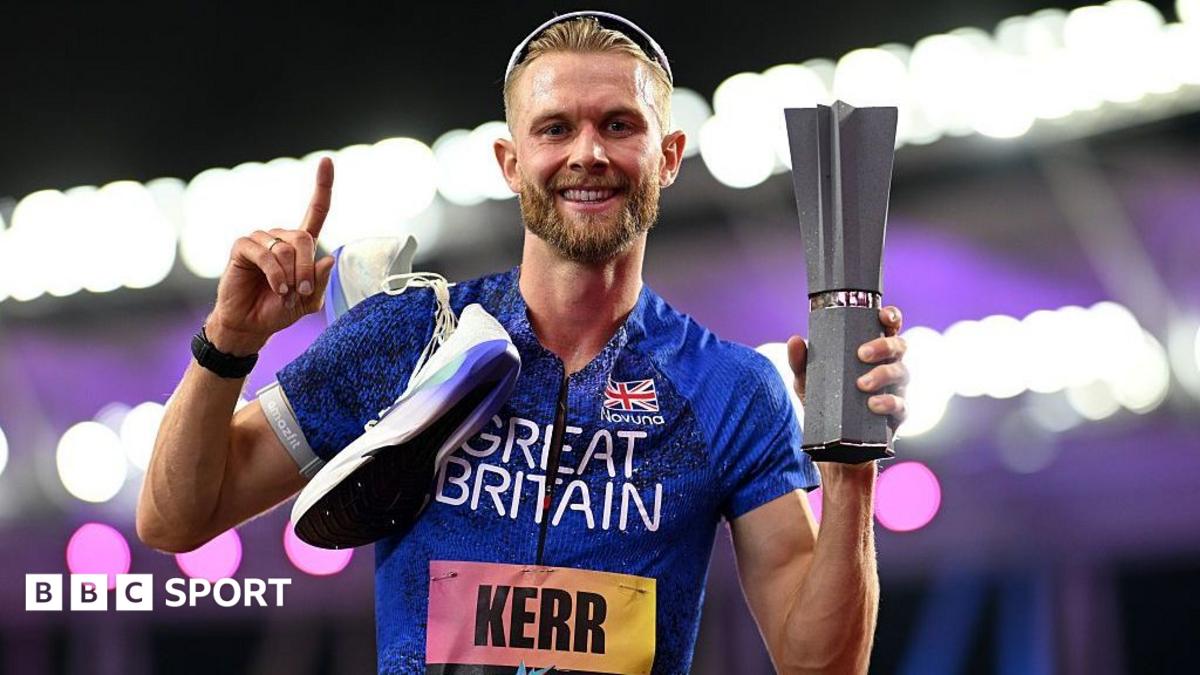
But Kerr’s comments have highlighted the fact that something which may well improve the viewing experience can be felt as a direct financial negative by the athletes themselves.
With the next edition of the Ultimate Championship set to take place in September 2028, shortly after the Olympics in Los Angeles, the battle between brands and country could continue to heat up.