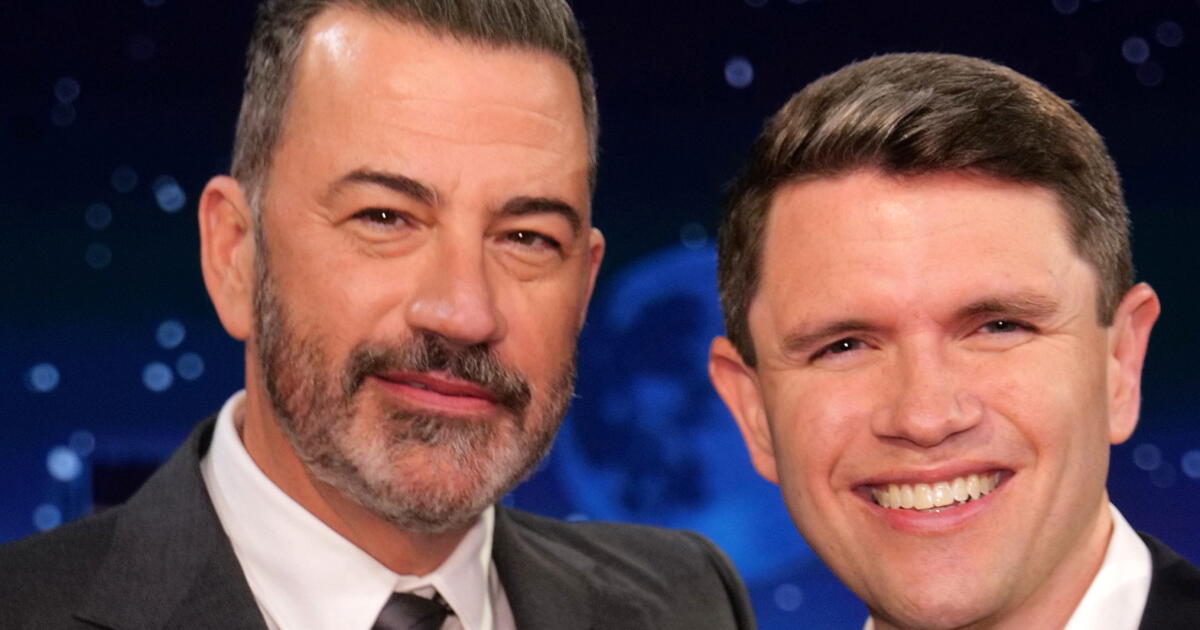
Jimmy Kimmel and the interview ‘the FCC doesn’t want you to see’
The video is titled “Jimmy Kimmel’s Interview With James Talarico That the FCC Doesn’t Want You to See.”
It was posted Thursday night on the “Jimmy Kimmel Live!’s” YouTube page. By 10 a.m. Friday, the video had gained more than 2.7 million views — and the interview hadn’t aired on the show’s network, ABC.
“… We are being targeted by the FCC for the crime of interviewing political candidates,” Kimmel says in the YouTube clip. “Even though for years we, and every other late-night talk show, have welcomed numerous candidates, including Donald Trump when he was running. He was on this show two times. [Trump’s] FCC has threatened me, threatened our show, threatened our network, ABC, our affiliates, our local stations, because they want to make our editorial decisions for us, which of course, we cannot accept.”
The host continued: “Tonight we are bypassing the public airwaves and hosting this interview on YouTube, even though our government would clearly prefer we not do it at all.”
The late-night host moved his interview with the Democratic candidate for U.S. Senate in Texas online to sidestep new Federal Communications Commission policy regulations.
Kimmel said earlier in the week that the FCC had “threatened” his show.
“For the whole 20-plus years of our show, in fact, I’ve been interviewing Americans who are running for office with no problem,” Kimmel said during Wednesday’s ABC broadcast. “Something has changed,” he said.
The change Kimmel was referring to involves the Communications Act’s “equal opportunities” requirement. It states that if a broadcast station features a qualified political candidate, it must provide equal airtime to an opposing candidate. Daytime and late-night talk shows have long operated under a “bona fide news program” exemption that shielded them from the equal time rule.
But under new guidance from the FCC Media Bureau, which is overseen by Donald Trump appointee Brendan Carr, talk shows may no longer qualify for the news exemption if their candidate interviews are determined to be motivated by partisan purposes.
In short, political bias is in the eye of the FCC beholder, and it has been focused on shows like “Kimmel Live!” and “The View,” which voice criticism of the president. The FCC has ordered early license reviews for several Disney-owned ABC stations. ABC has accused the Trump administration of trying to chill free speech.
FCC Commissioner Anna Gomez, who is the commission’s only Democrat, said Thursday in a statement that Kimmel’s choice to move Talarico’s interview to YouTube “shows just how far this Administration’s campaign of censorship and control has gone.”
The YouTube summary of the Kimmel/Talarico interview reads as follows: “Jimmy’s interview with Democratic Senate candidate from Texas James Talarico was not televised because of threats from the FCC so we’re hosting their discussion here on YouTube. James talks about Republicans being scared of him winning, Jesus being co-opted by MAGA, the RNC Convention being held in Texas, not taking money from corporate PACs, Trump calling him a ‘freaky guy’ and having second thoughts about endorsing his opponent Ken Paxton, and the GOP making it harder for people to vote.”
Assistant White House Press Secretary Davis Ingle accused Kimmel of “play acting” and “creating a false narrative about this administration’s policies,” in a statement Thursday. “Chairman Carr has not threatened him regarding interviewing James Talarico, or any other candidate,” Ingle said. “Any media outlet blindly amplifying Kimmel’s egocentric delusion should insist on proof. Of which they will find none.”
Unless they spend 10 seconds on Google, where there’s ample proof.
During a February taping of “The Late Show With Stephen Colbert,” Colbert told his studio audience that CBS lawyers had prohibited him from broadcasting an interview with Talarico, or even mentioning the cancellation on television, following threats from the FCC.
“[Talarico] was supposed to be here, but we were told in no uncertain terms by our network’s lawyers, who called us directly, that we could not have him on the broadcast,” Colbert said.
CBS denied they stopped “The Late Show” from airing the interview, which was instead posted on the show’s YouTube page.
Within months, “The Late Show” was canceled after 33 years on the air. Its final broadcast was May 21.
During Kimmel’s interview with Talarico, the host pointed out that it wasn’t the first time an interview with Talarico had been “demoted” from network television to YouTube. He asked his guest, “Why are they so scared of you?”
“They’re worried that we’re going to win this race in Texas,” Talarico said about running against Republican Ken Paxton.
The race will be decided in November.
“We’re not just going up against the most corrupt politician in Texas,” Talarico said. “We’re going up against this entire corrupt system.”