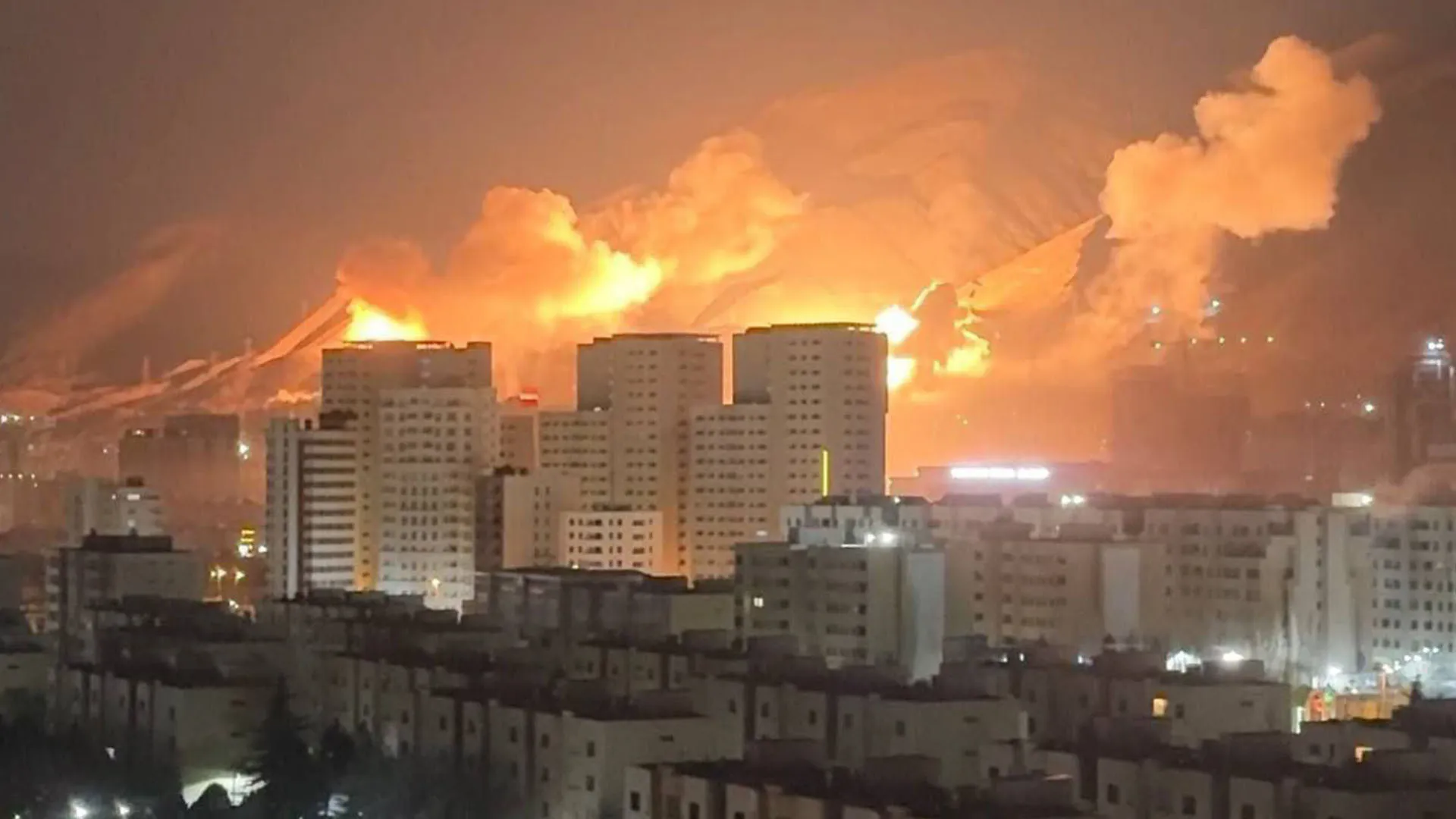
Tehran comes under attack from new round of Israeli strikes | Israel-Iran conflict
Videos show heavy bombardment of Tehran after Israel’s military said it had launched another wave of attacks on Iran.
Published On 2 Mar 2026
Videos show heavy bombardment of Tehran after Israel’s military said it had launched another wave of attacks on Iran.
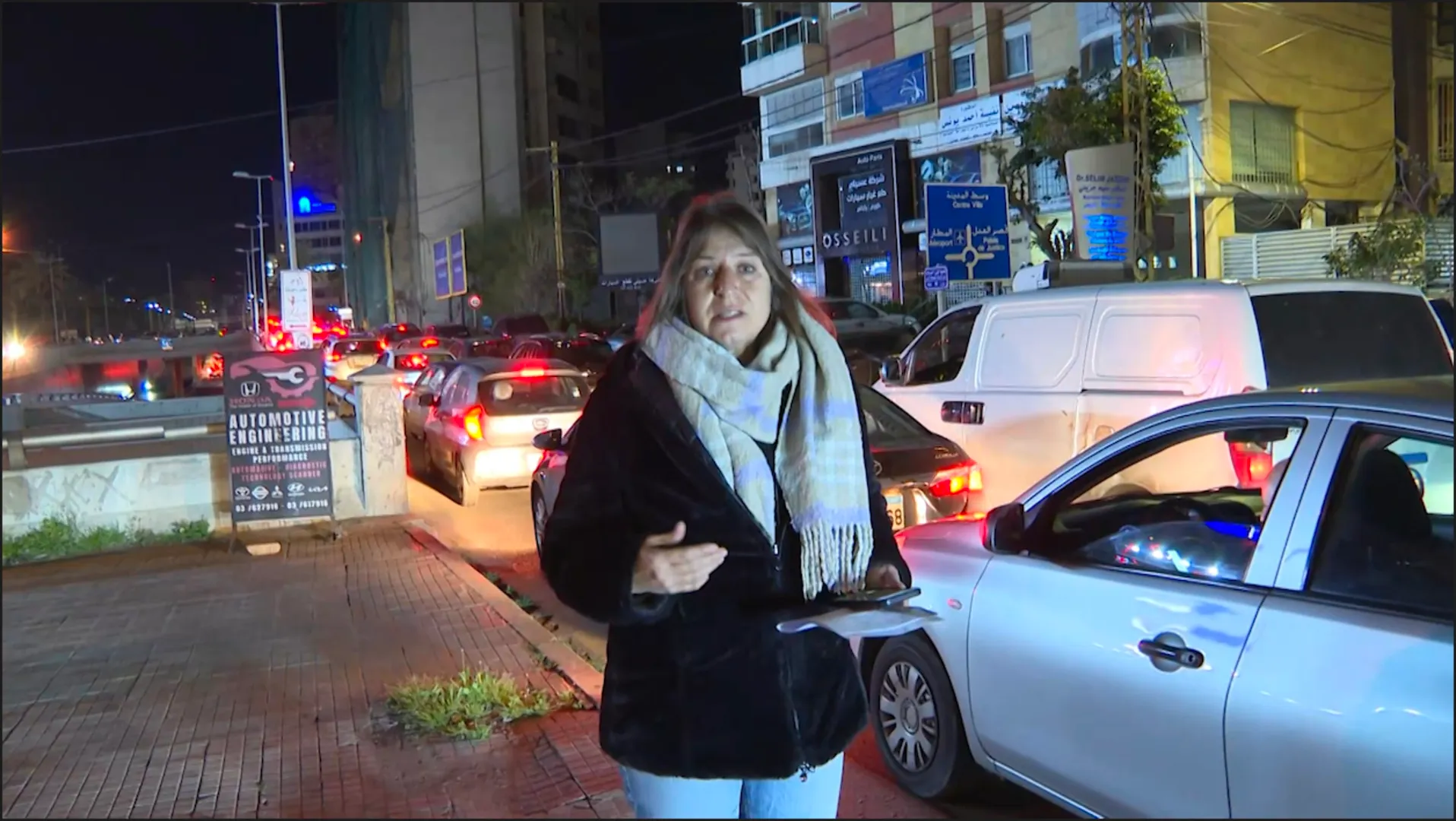
Tens of thousands of Lebanese civilians are leaving areas in Beirut following Israeli strikes and forced displacement orders. Earlier Hezbollah launched a retaliatory attack on Israel. Al Jazeera’s Zeina Khodr is amid the heavy traffic.
Published On 2 Mar 20262 Mar 2026
Share
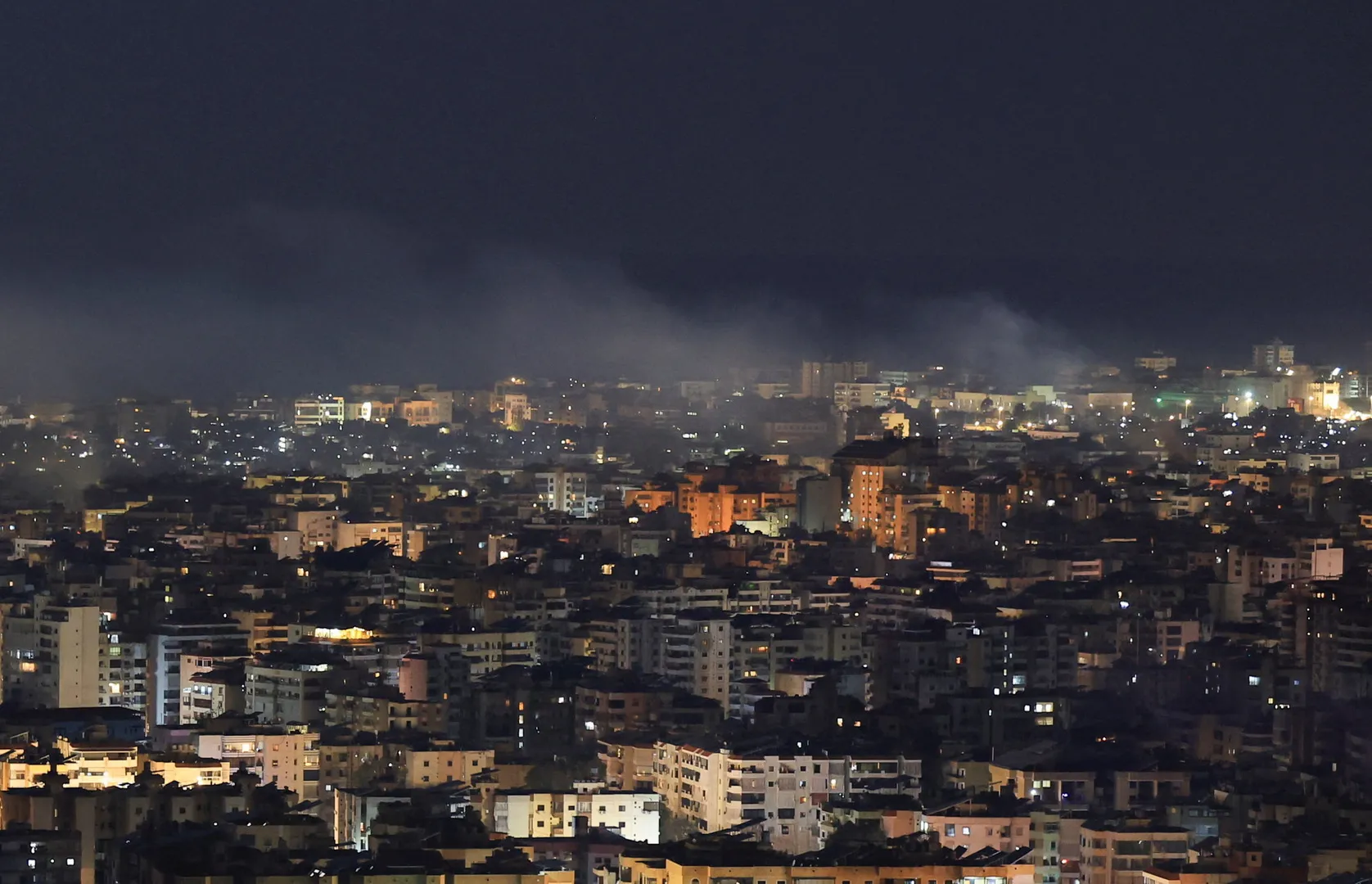
Israel has carried out heavy strikes in the southern suburbs of Lebanon’s capital Beirut after Hezbollah launched an attack on northern Israel in retaliation for the killing of Iran’s Supreme Leader Ali Khamenei.
Published On 2 Mar 20262 Mar 2026
Share
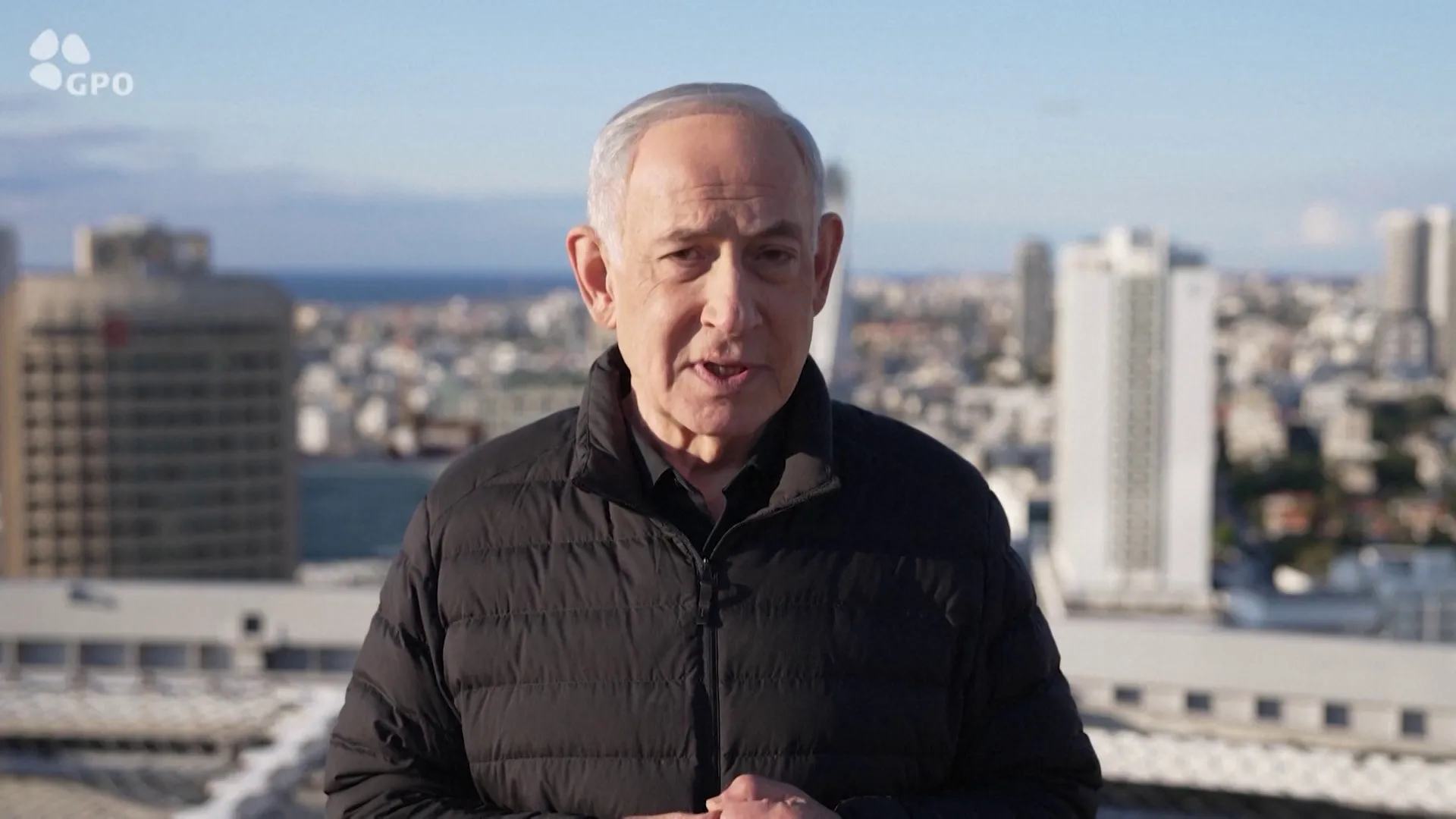
Israel’s prime minister says strikes on Tehran will increase in the coming days, with US support, to do what Benjamin Netanyahu says he’s ‘hoped to do for 40 years’. Israel and the US killed Iran’s Supreme Leader on Saturday in a renewed war on Iran.
Published On 2 Mar 20262 Mar 2026
Share
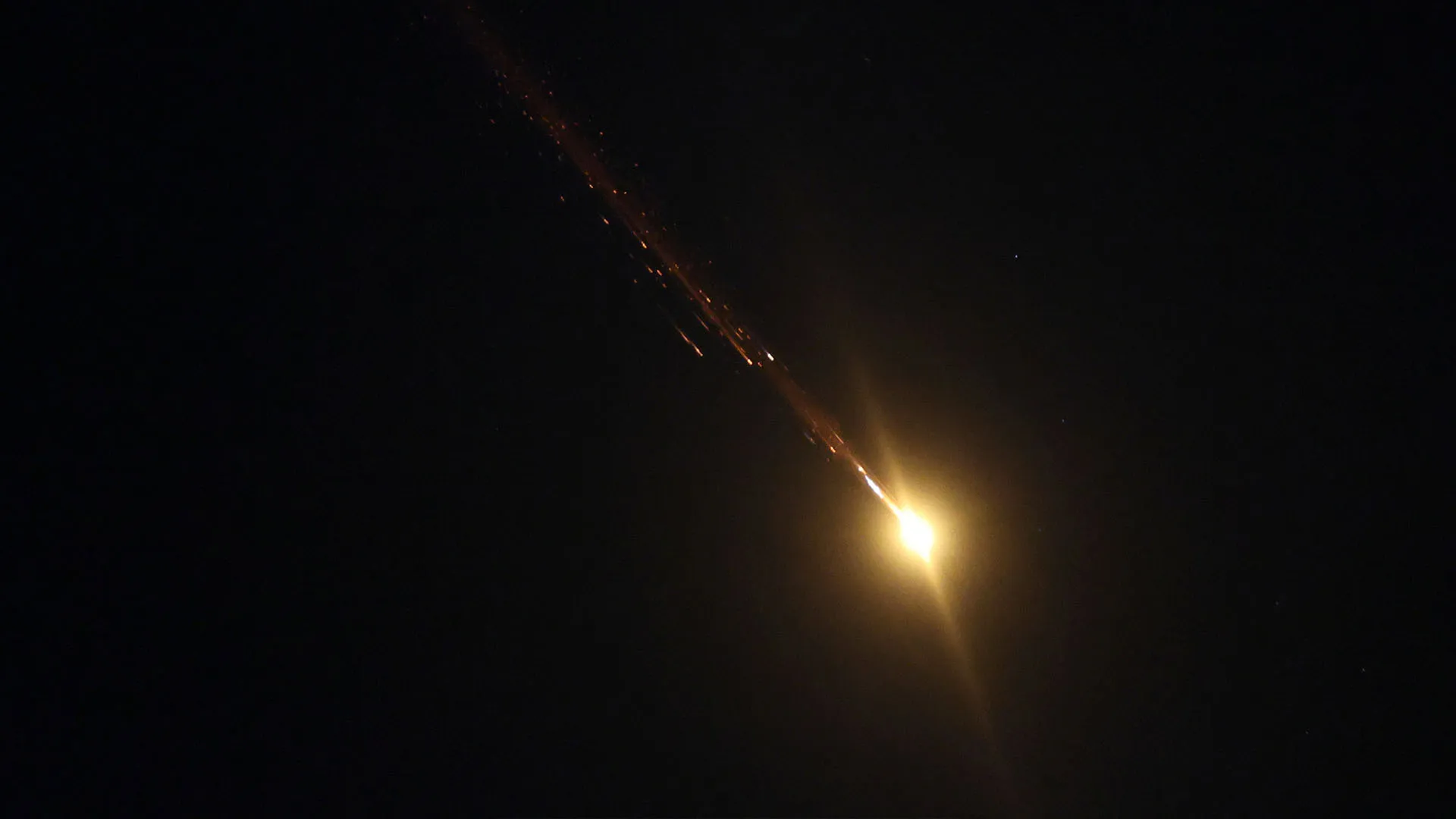
Israelis filmed the moment an Iranian missile broke through Israel’s air defence systems to strike a target in West Jerusalem, in retaliation for Israel’s war on Iran.
Published On 2 Mar 20262 Mar 2026
Share
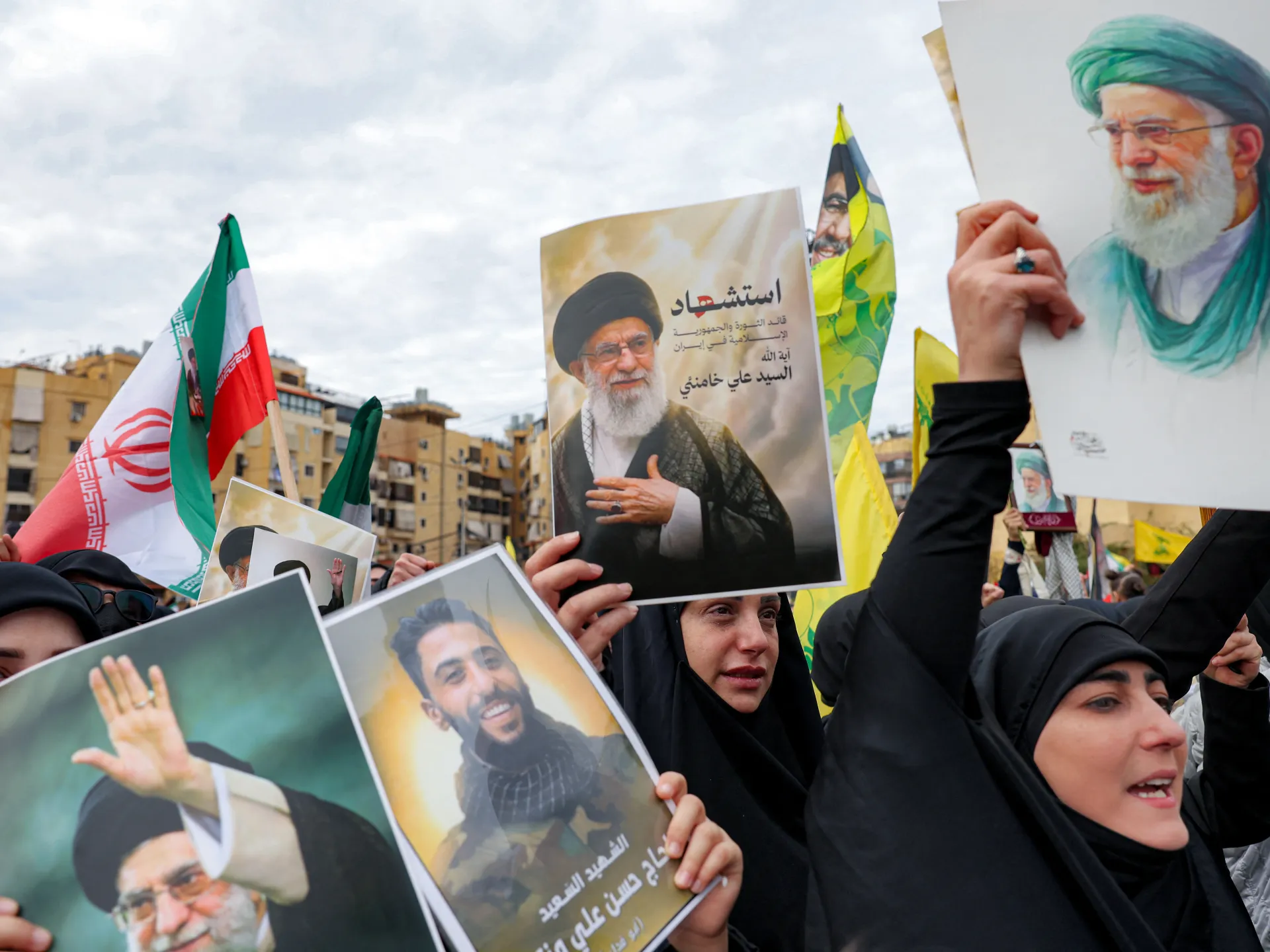
The Lebanese armed group has not taken action against Israel or US assets since the attacks on Iran began on Saturday.
Published On 2 Mar 20262 Mar 2026
Share
The Lebanese armed group Hezbollah has pledged to fulfil its duty in “confronting aggression” after attacks by Israel and the United States killed Iranian Supreme Leader Ayatollah Ali Khamenei.
In a statement on Sunday, the Iran-aligned group offered condolences for Khamenei, who was killed along with other Iranian leaders in a joint US-Israeli attack on Iran early on Saturday.
list of 3 itemsend of list
“That the criminal American and Zionist [Israeli] aggression targeted our guardian, our leader, the leader of the Nation, Imam Khamenei (may his soul be sanctified), along with a group of leaders, officials, and innocent sons of the Iranian people, represents the height of criminality,” the group said.
“We will fulfill our duty in confronting aggression, confident in Allah’s victory, guidance, and support… No matter how great the sacrifices, we will not abandon the field of honour and resistance, nor the confrontation against American tyranny and Zionist criminality, in defence of our land, our dignity, and our independent choices,” it added.
So far, Hezbollah, which operates as a largely independent armed force within Lebanon, has not taken action against Israel or US assets since the attacks began on Saturday.
Lebanese President Joseph Aoun said on Sunday that “the decision of war and peace rests solely with the Lebanese state”, after an emergency meeting of the country’s Higher Defence Council.
On Saturday, Lebanese Prime Minister Nawaf Salam said he would not accept anyone “dragging the country into adventures that threaten its security and unity”.
“In light of the serious developments unfolding in the region, I once again call on all Lebanese to act with wisdom and patriotism, placing Lebanon and the Lebanese people’s interests above any other consideration,” Salam said in a statement sent to the Reuters news agency.
Lebanon is continuing its attempts to recover after a yearlong war between Hezbollah and Israel that ended after the November 2024 ceasefire. However, Israel has continued to target Lebanon in violation of the agreement and has maintained several military outposts within Lebanese territory.
On Sunday, Hezbollah organised a gathering of thousands of supporters in the capital, Beirut, to mourn Khamenei, as they chanted, “Death to America, death to Israel”.
Zainab al-Moussawi, a 23-year-old teacher, told the AFP news agency that the death of Khamenei was “very painful. It is a tragedy.”
“It felt just like the martyrdom of the Sayyed,” she added, referring to Israel’s killing of former Hezbollah leader Hassan Nasrallah in 2024.
Hezbollah also called on mosques to recite the Quran and organise other mourning ceremonies in different parts of the country where the group holds influence to mark Khamenei’s death.
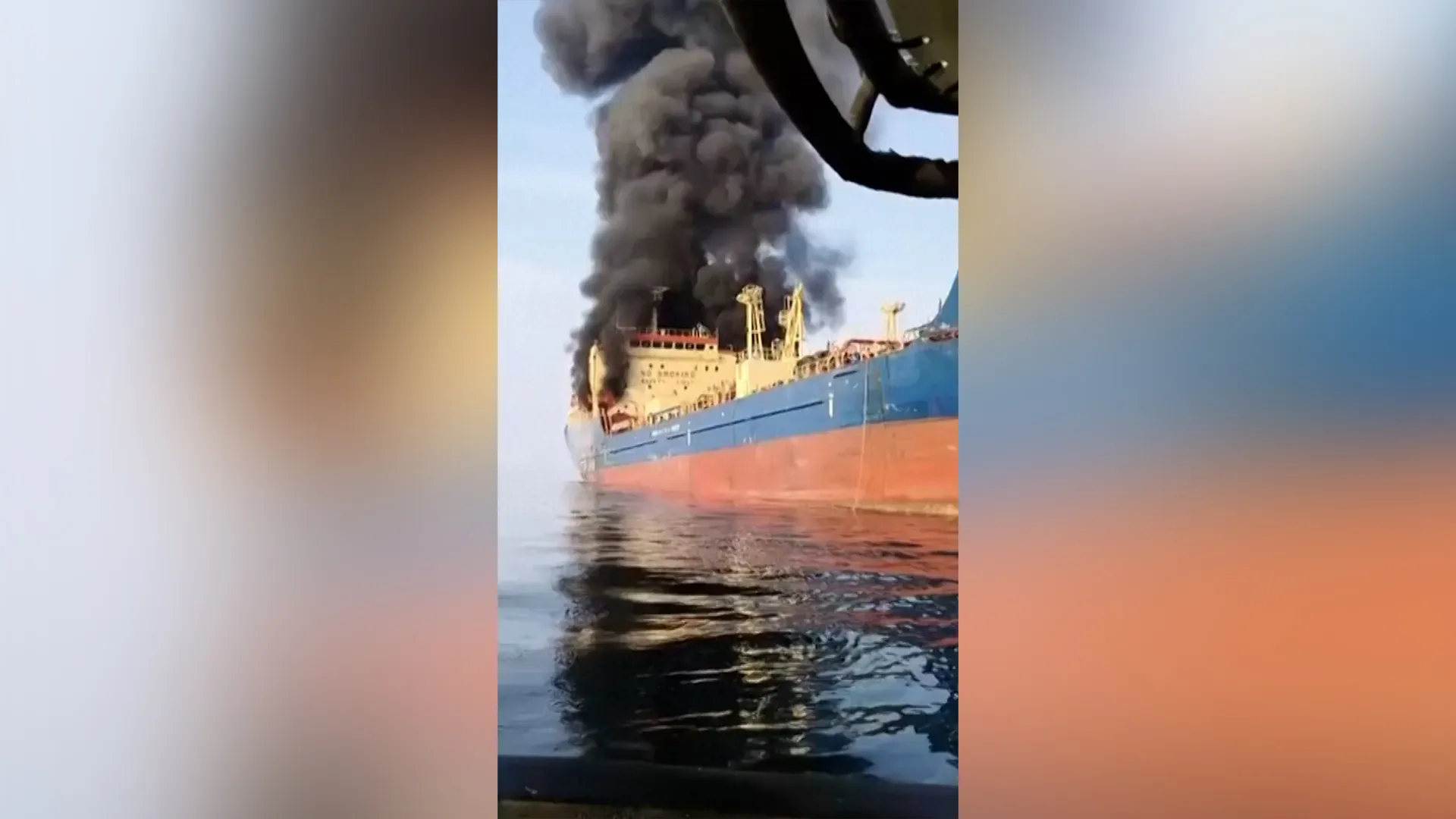
Footage from near the Strait of Hormuz shows a Palau-flagged oil tanker ablaze after what Oman’s maritime security centre said was a hit from an unidentified projectile. At least three ships have been struck in the area. More than 150 others have dropped anchor to avoid entering the strait.
Published On 1 Mar 20261 Mar 2026
Share
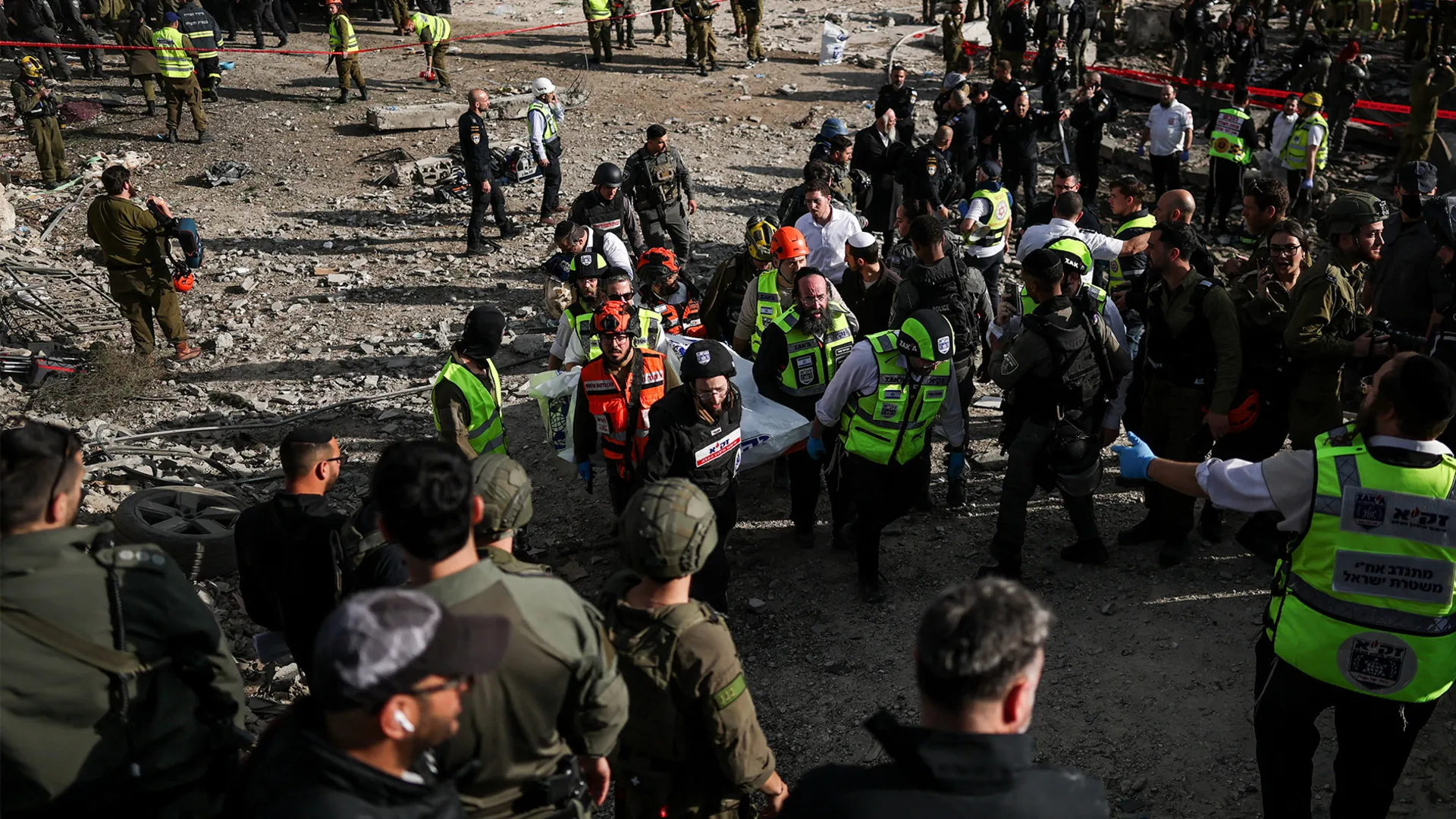
An Iranian missile attack on the Israeli town of Beit Shemesh, 30 kilometers west of Jerusalem, has killed at least nine people and wounded dozens more. The strikes reportedly targeted an army headquarters and a weapons manufacturing complex.
Published On 1 Mar 20261 Mar 2026
Share
Ayatollah Alireza Arafi, member of a constitutional watchdog, appointed to temporary council, along with Iranian president and chief justice.

Published On 1 Mar 20261 Mar 2026
Share
Iran has announced the formation of a three-member transitional council to handle the state duties following the killing of Supreme Leader Ayatollah Ali Khamenei.
Ayatollah Alireza Arafi, member of a powerful constitutional watchdog, was appointed on Sunday to the temporary council, whose other two members are President Masoud Pezeshkian and Supreme Court Chief Justice Gholam-Hossein Mohseni-Ejei.
list of 4 itemsend of list
The 67-year-old cleric, who is a member of the Guardian Council that must later choose a supreme leader, was confirmed to the council by the Expediency Council, a powerful arbitration body.
According to Article 111 of the Iranian Constitution, the transitional council will govern the country until an 88-member panel called the Assembly of Experts chooses a new supreme leader after almost 37 years of rule by Khamenei.
His killing on Saturday by the joint United States and Israeli forces has raised crucial questions about Iran’s future.
Although the leadership council will govern in the interim, the Assembly of Experts “must, as soon as possible,” pick a new supreme leader, according to the Iranian constitution.
The Islamic Revolutionary Guard Corps (IRGC) and Iran’s security chief Ali Larijani are also expected to play pivotal roles in the transitional council, but it remains to be seen where the balance of power lies.
The commander-in-chief of the IRGC was also killed in the US-Israeli attack on Saturday – the second such killing in less than a year – and the next leader of the elite military and economic force is yet to be announced.
IRGC-linked Telegram channels are citing deputy chief Ahmad Vahidi, who was appointed to the position by Khamenei two months ago, as a likely candidate.
Earlier on Sunday, Larijani accused the US and Israel of trying to plunder and break apart Iran and warned “secessionist groups” within Iran of a harsh response if they attempt action, state media said.
“The brave soldiers and the great nation of Iran will teach an unforgettable lesson to the international oppressors,” he said.
A former parliamentary speaker and senior policy adviser, Larijani was appointed to advise Khamenei on strategy in nuclear talks with US President Donald Trump’s administration.
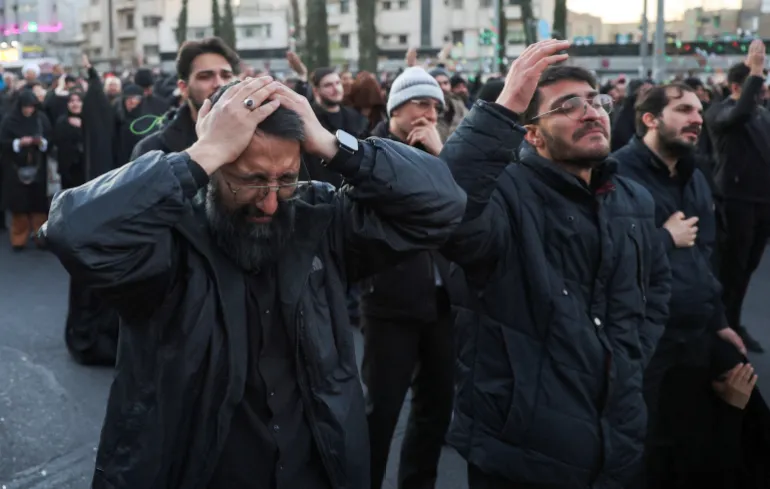
Iran has begun 40 days of mourning after Supreme Leader Ayatollah Ali Khamenei was killed in ongoing attacks by the United States and Israel, according to Iranian state media.
Top security officials were also killed in Saturday’s strikes, along with Khamenei’s daughter, son-in-law and grandson. The killings mark one of the most significant blows to Iran’s leadership since the 1979 Islamic revolution.
list of 4 itemsend of list
President Masoud Pezeshkian condemned the killing as “a great crime”, according to a statement from his office. He also declared seven days of public holidays in addition to the 40-day mourning period.
Reporting from Tehran, Al Jazeera’s Tohid Asadi said people were pouring into the streets of the capital following the news of Khamenei’s killing.
“There will be expected ceremonies,” he said, noting they would likely take place amid continuing bombardment across the country.

Protests denouncing Khamenei’s killing were also reported elsewhere, including Shiraz, Yasuj and Lorestan.
“There will be expected ceremonies,” he said, noting they would likely take place amid continuing bombardment across the country.
Footage aired by Iranian state media showed supporters mourning at the shrine of Imam Reza in Mashhad, with several people seen crying and collapsing in grief.
The killing also led to protests in neighbouring Iraq, which declared three days of public mourning. In Baghdad, protesters confronted security forces in the heavily fortified Green Zone, which houses Iraqi government buildings and foreign embassies.
Videos verified by Al Jazeera showed demonstrators waving flags and shouting slogans, with witnesses saying some were attempting to mobilise towards the US Embassy. Footage also showed protesters blocking vehicles at a roundabout near one of the entrances to the area.

There was also a protest in the Pakistani city of Karachi, where footage, verified by Al Jazeera, showed people setting fire to and smashing the windows of the US consulate.
However, there have also been reports of celebrations in Iran, with the Reuters news agency quoting witnesses as saying some people had taken to the streets in Tehran, the nearby city of Karaj and the central city of Isfahan.
Meanwhile, the official IRNA news agency reported that a three-person council, consisting of the country’s president, the chief of the judiciary, and one of the jurists of the Guardian Council, will temporarily assume all leadership duties in the country. The body will temporarily oversee the country until a new supreme leader is elected.
Khamenei assumed leadership of Iran in 1989 following the death of Ayatollah Ruhollah Khomeini, who had led the Islamic revolution a decade earlier.
While Khomeini was regarded as the ideological force behind the revolution that ended the Pahlavi monarchy, Khamenei went on to shape Iran’s military and paramilitary apparatus, strengthening both its domestic control and its regional influence.
Meanwhile, the Islamic Revolutionary Guard Corps (IRGC) pledged revenge and said it had launched strikes on 27 bases hosting US troops in the region, as well as Israeli military facilities in Tel Aviv.
Explosions have continued to be reported in Qatar and the United Arab Emirates, while security alerts are in place in several countries across the region.
US President Donald Trump, in a social media post on Sunday, warned Iran that it would be hit “with a force that has never been seen before” if it retaliated.
Iran’s retaliatory attacks since Saturday have targeted Israel and US assets across multiple Middle East countries, including Qatar, the UAE, Kuwait, Bahrain, Jordan, Saudi Arabia and Iraq.
Harlan Ullman, chairman of the strategic advisory firm Killowen Group and an adviser to the Atlantic Council in Washington, DC, said the US may have made a “big mistake” by killing Khamenei.
“Decapitation only works when you get all the leaders, and I don’t think that we got all the leaders,” Ullman said, adding that the US should not expect Iran’s leadership to enter negotiations in the immediate aftermath.
Iranian state media reported on Saturday at least 201 people have been killed in the joint US-Israeli attacks across 24 provinces, citing the Red Crescent. In southern Iran, at least 148 people were killed and 95 wounded in a strike on an elementary girls’ school in Minab on Saturday, with the toll continuing to rise, according to state media.
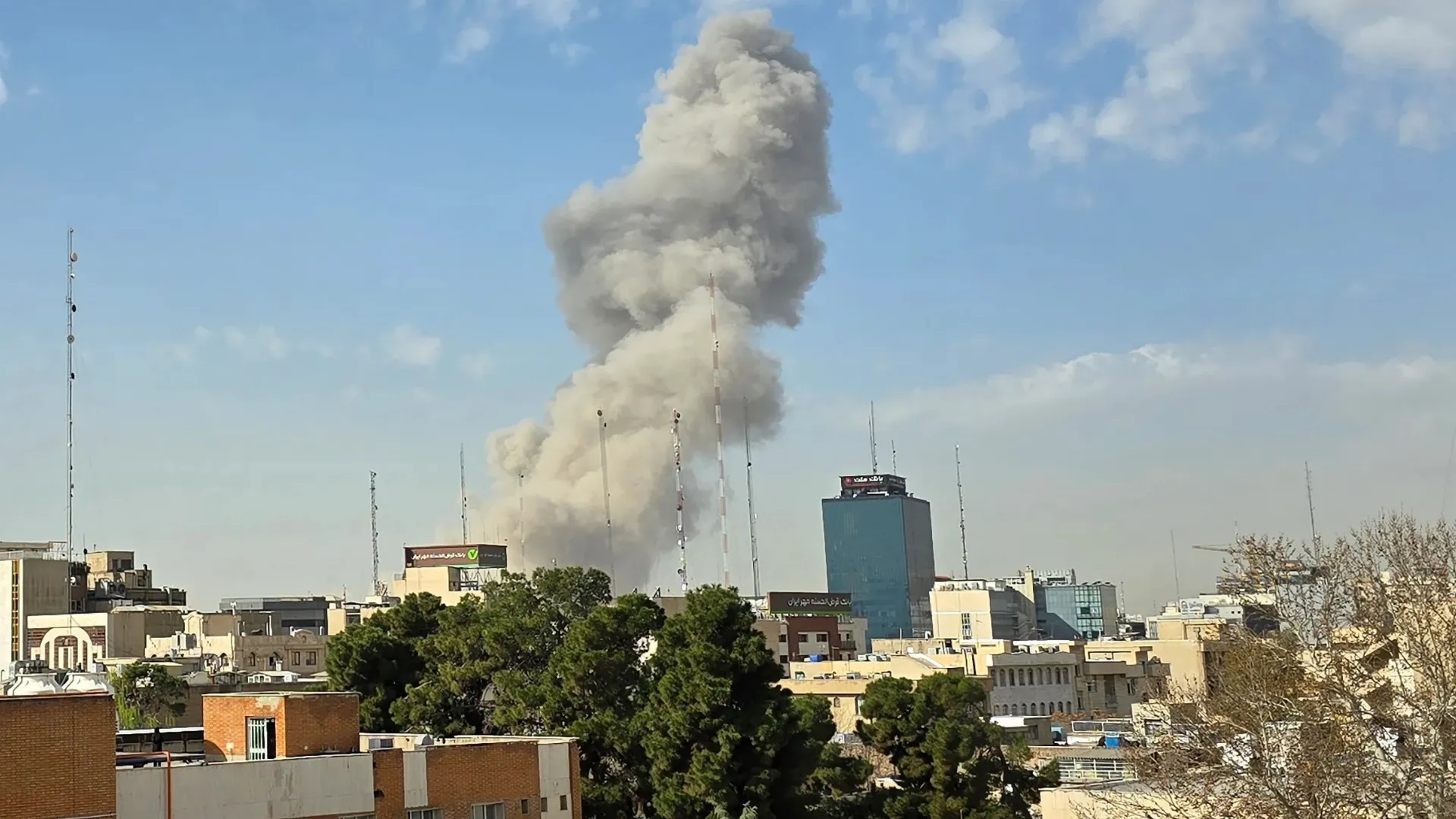
Iran has retaliated, firing at Israel, as well as US military assets, in the Middle East.
The United States and Israel have attacked Iran, and Tehran has retaliated, firing missiles at Israeli targets and US assets in the region.
The attacks come after weeks of Washington’s massive build-up of military assets in the Middle East, as well as indirect talks between the US and Iran over its nuclear programme.
So, how dangerous is the situation?
Presenter: James Bays
Guests:
Daniel Levy – president of the US/Middle East Project and a former Israeli negotiator
Mehran Kamrava – professor of government at Georgetown University in Qatar
Richard Weitz – senior fellow at the NATO Defense College in Washington, DC
Published On 28 Feb 202628 Feb 2026
Share
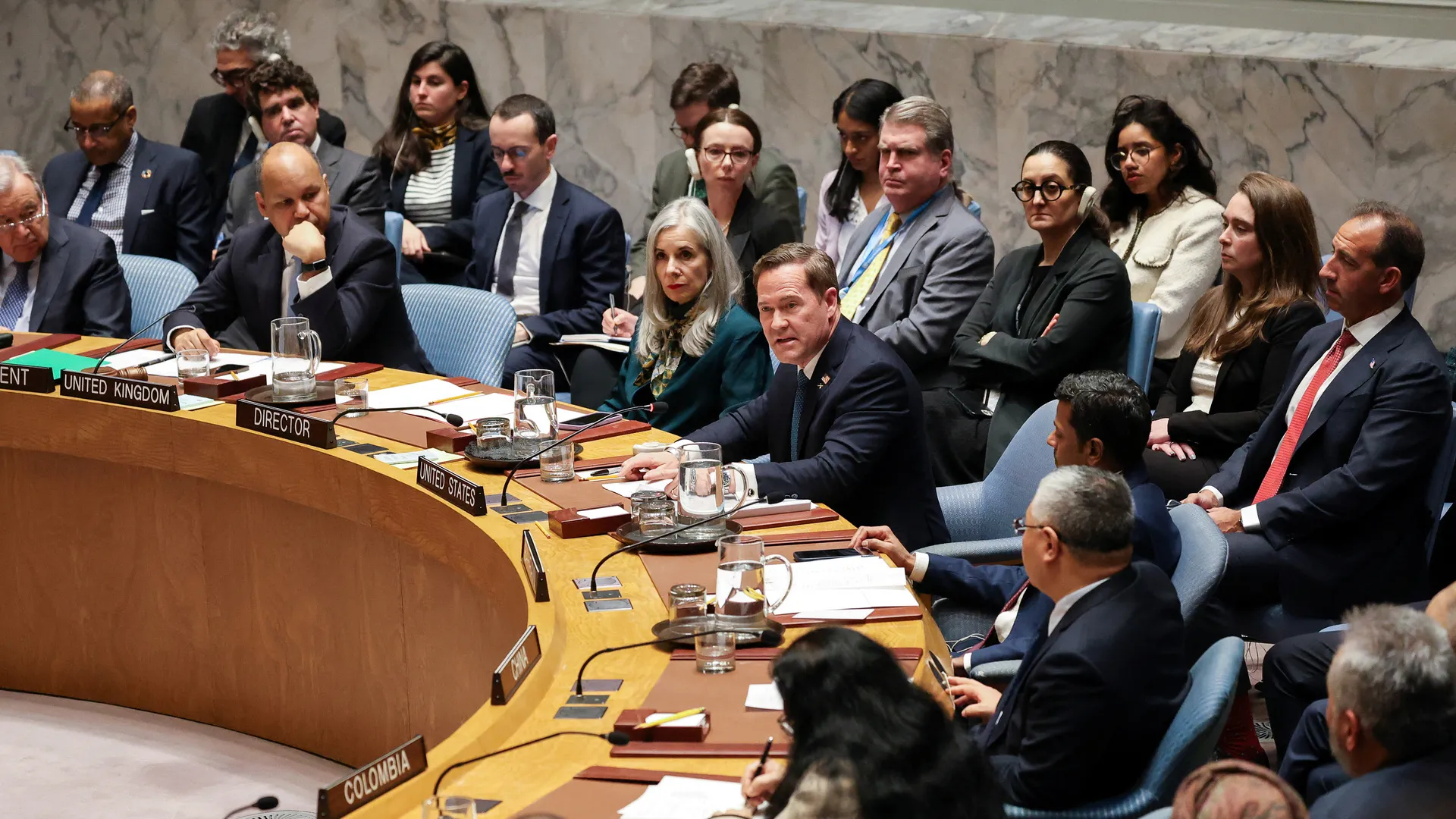
The US Ambassador to the United Nations Mike Waltz says striking Iran was necessary to protect American allies, prevent proxy militias, and to ensure that Tehran can never “threaten the world with a nuclear weapon.”
Published On 28 Feb 202628 Feb 2026
Share
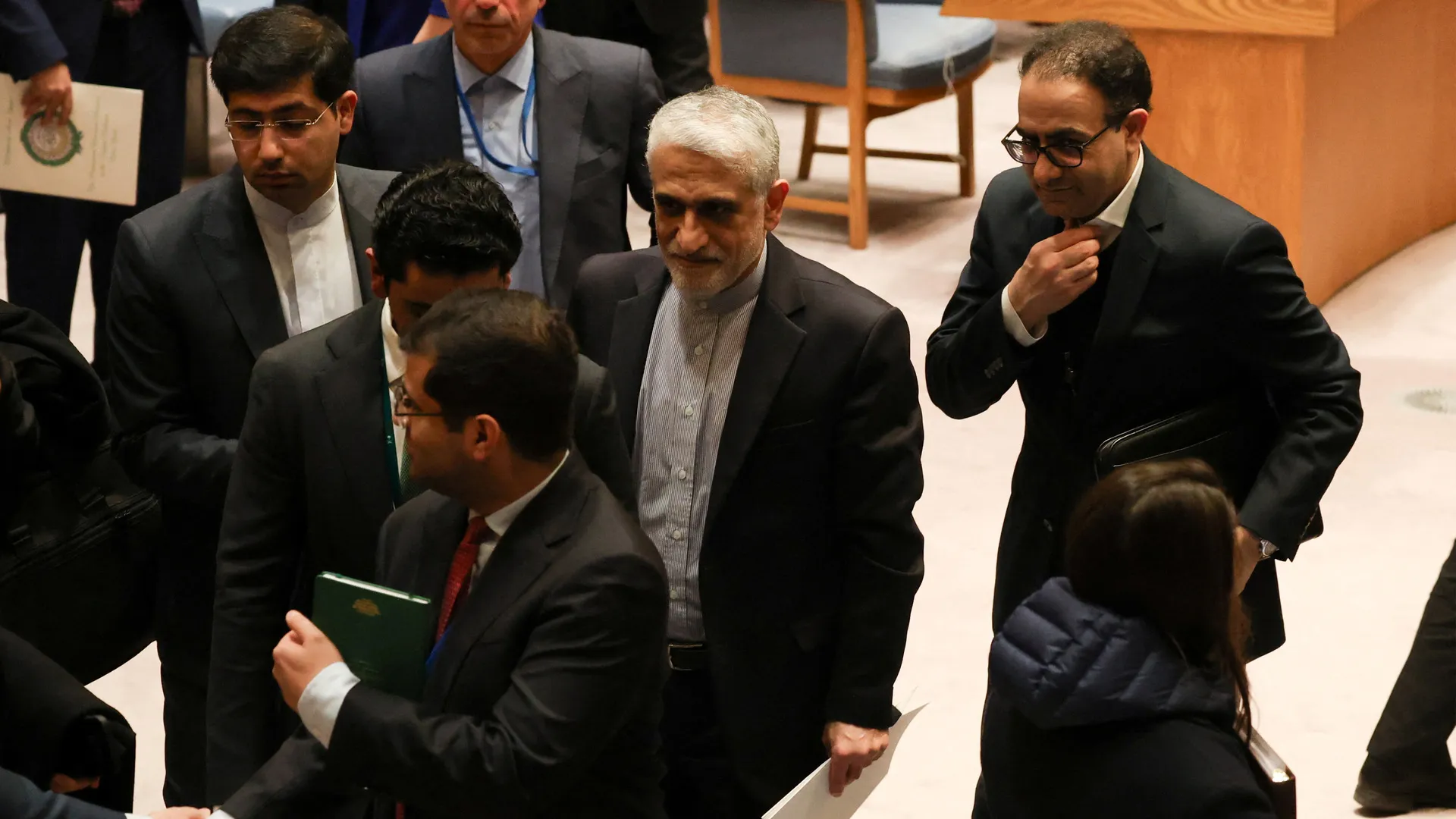
Iranian Ambassador to the United Nations, Amir-Saeid Iravani denounced US-Israeli military strikes across the country, decrying the deaths and injuries of hundreds of civilians as a war crime.
Published On 1 Mar 20261 Mar 2026
Share
Interior Ministry official says 66 missiles were fired at Qatar, and there were 114 reports of falling shrapnel.

Published On 28 Feb 202628 Feb 2026
Share
Doha, Qatar – Eight people have been injured in Qatar after missile shrapnel landed in multiple locations across the country, authorities said, following a barrage of Iranian missiles that Qatar said were intercepted by its air defences.
Brigadier Abdullah Khalifa Al-Muftah, the head of public relations at Qatar’s Ministry of Interior, said in a televised address on Saturday that 66 missiles were fired at Qatar and that authorities received 114 reports of shrapnel falling nationwide. He said one of the injured people was in serious condition.
list of 3 itemsend of list
The Interior Ministry issued an emergency alert urging the public to stay away from military sites and remain indoors, warning people not to approach or handle any unidentified debris and to report any to authorities.
Qatar’s Ministry of Defence said it had “successfully intercepted” a second wave of attacks targeting several areas. It said all missiles were intercepted before reaching the country’s territory, and urged residents to remain calm and follow official instructions.
Qatar’s Ministry of Foreign Affairs condemned what it said was the targeting of Qatari territory with Iranian ballistic missiles, calling it “reckless and irresponsible”, as well as a “flagrant violation” of sovereignty and an escalation threatening regional stability.
Ibrahim Sultan Al-Hashemi, the head of public relations at the Foreign Ministry, said the attack was inconsistent with the principles of “good neighbourliness”, and that Qatar reserved the right to respond “in accordance with international law”.
The ministry also called for an immediate halt to escalation and a return to negotiations.
The missile barrage came as Iran launched strikes across the Gulf after the US-Israeli attacks on Iran, an escalation that prompted air-defence interceptions over several countries. The news agency Reuters reported that Kuwait, Qatar, the United Arab Emirates and Bahrain said they intercepted Iranian missiles, while Jordan also intercepted missiles.
This is not the first Iranian attack on Qatar. In June 2025, during the 12-day war between Iran and Israel, Iran launched missiles at the Al Udeid airbase, a key facility hosting US forces near Doha.
Saturday’s barrage came after the United States and Israel carried out strikes on Iran, raising fears of a wider conflict and increasing pressure on Gulf states that host US forces and critical energy infrastructure.
The developments heightened anxiety across the Gulf, where Ramadan routines were disrupted by air raid alerts, interceptions and warnings about unexploded fragments, as leaders urged restraint amid fears of a widening confrontation.
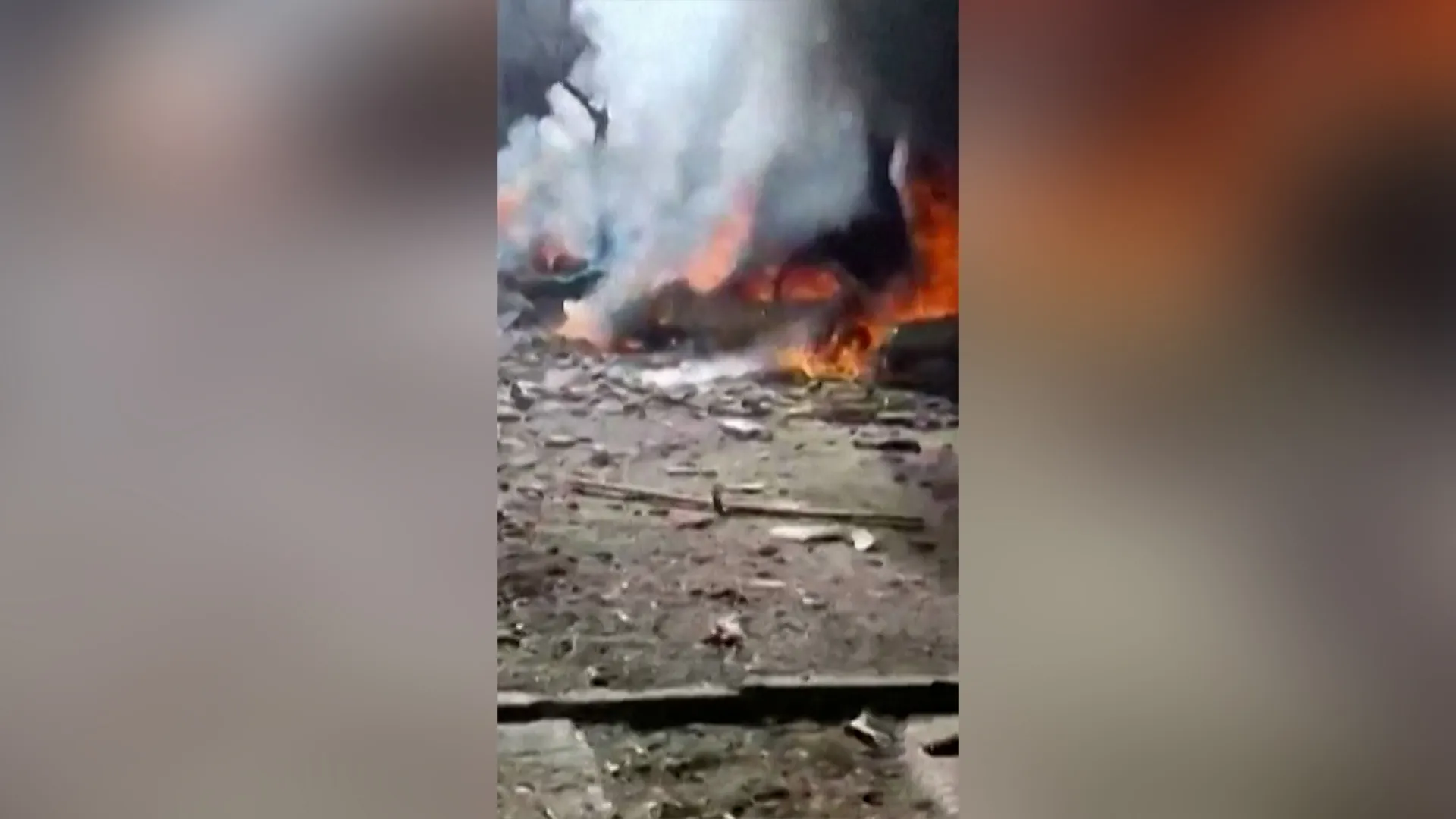
Footage from Tehran shows burned vehicles, wrecked buildings, towering plumes of smoke, and a massive crater after US-Israeli strikes on Iran.
Published On 28 Feb 202628 Feb 2026
Share
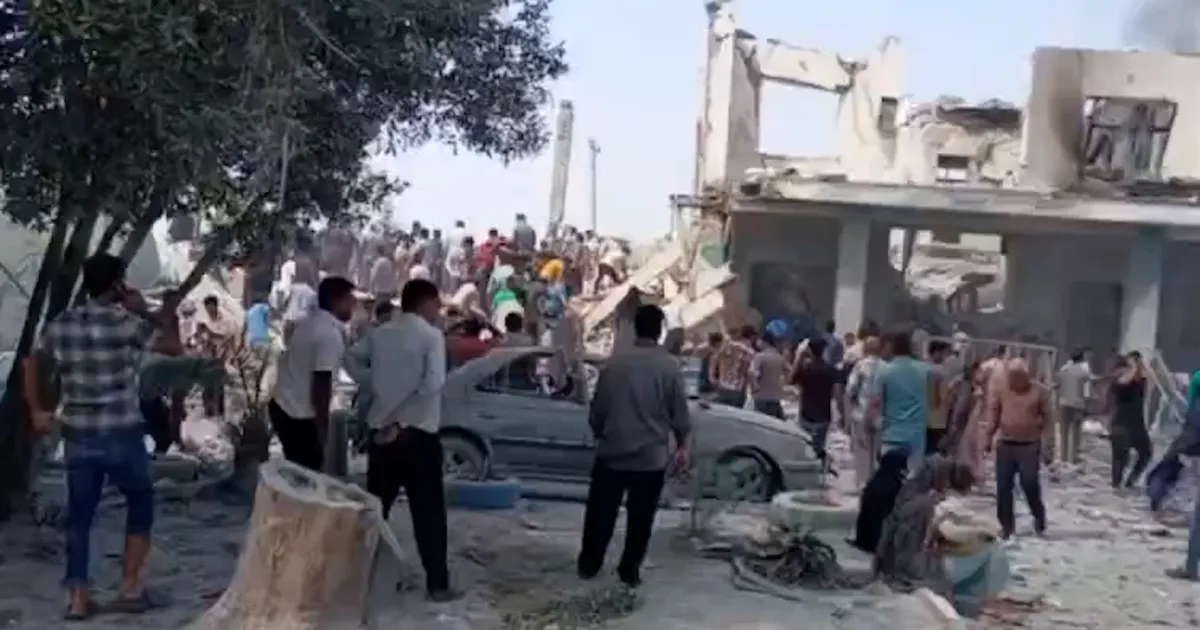
Footage from Minab, Iran, shows the aftermath of an Israeli-US strike on a girls’ elementary school that reportedly killed more than 50 people.
Published On 28 Feb 202628 Feb 2026
Share
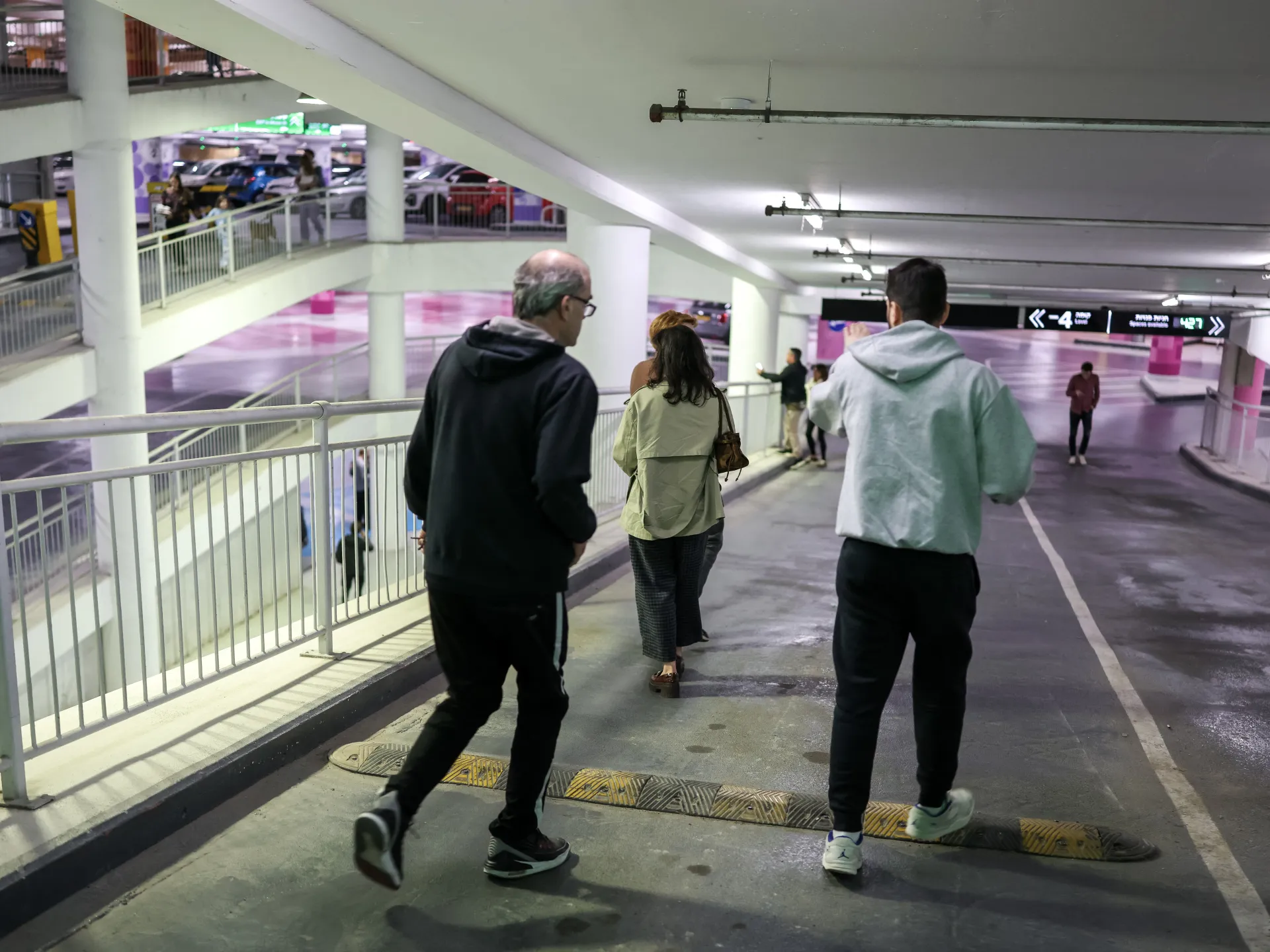
Commentators within Israel have described a sense of business as usual in the wake of the country’s joint attack with the United States against Iran.
“It’s Saturday, so the streets are naturally quiet,” political analyst Ori Goldberg said from outside Tel Aviv, as he returned from his shelter for the second time.
“I think, politically, there’s a sense of triumphalism, of having attacked an enemy regime. Not really because we’re greatly invested in the future of the Iranian people, but because, through the genocide on Gaza, we’ve devalued human life,” he said, referring to the Israeli attacks on the besieged territory since October 2023.
Returning to shelters around the country is now the stuff of everyday life for most Israelis, he said.
Israel has been on high alert since it launched a wave of attacks on Iran, the country that its leaders have consistently portrayed as its nemesis for decades.
Announcing the attack through a video post on X, Israeli Prime Minister Benjamin Netanyahu framed the attack in characteristically apocalyptic terms, saying Israel and the US had launched attacks to “remove the existential threat posed [to Israel] by the terror regime in Iran”, and going on to call upon the Iranian people to rise against their own leaders in response to the US and Israeli unprovoked strikes upon their cities.
Iran has retaliated with its own waves of missiles and drones against Israel and US assets in the region. At least one person was reported wounded in northern Israel.
But the latest strikes against Iran were met warmly by Israel’s political elite.
“I want to remind us all: The people of Israel are strong. The IDF [Israeli army] and the Air Force are strong. The strongest power in the world stands with us,” opposition leader Yair Lapid wrote on social media, referring to the US.
“In moments like these we stand together – and we win together. There is no coalition and no opposition, only one people and one IDF, with all of us behind them.”
In a subsequent post written in Farsi, he echoed the prime minister’s calls for Iran to enact regime change from within, a longstanding Israeli policy.
Accounts of the relative calm in Israel stand in sharp contrast to previous escalations, when sources described panic and bulk buying before an anticipated Iranian response to the wave of strikes Israel launched against targets in Iran.
“People here are well trained,” Aida Touma-Suleiman, a Palestinian member of the Israeli parliament representing the left-wing Hadash-Ta’al faction, which is almost alone in opposing the strikes, said from her apartment near Haifa, where she had just returned from her shelter.
“This is what they’re saying all the time in the media: How well-trained and ready we are. It’s crazy. I don’t think any country in the world has experienced more war than we have, so this is what they mean by ‘trained’,” she said, referencing the wars on Iran, Lebanon, Yemen and Gaza that Israel has waged since the Hamas-led attack of October 2023.
As Touma-Suleiman spoke, she was interrupted by an alarm on her phone. “That’s not the alert. That’s a warning on my phone telling me there’s going to be an alert and then I’ll have to return to the shelter,” she explained, laughing drily. “You see what I mean about being well trained?”
Texting from Israel, Ahron Bregman, a senior teaching fellow at the Department for War Studies at King’s College London, described the relative calm and almost relief felt by many within the country that the uncertainty over war with Iran was at an end.
“Both Israel and the US are after the Iranian leadership. They hope to weaken it substantially, though I doubt they could topple it from the air,” he said, raising the possibility of a prolonged conflict.
However, how ready Israel might be for a lengthy war, and to what degree that might be Israel’s choice, was far from certain, Touma-Suleiman said.
“It will be the United States that determines how long the war will be. They’ll continue until they’ve achieved whatever it is they want,” she said.
“I don’t think Israel is ready for that. People are exhausted. The army is exhausted. I don’t know if they even have the reserves to manage a long war, and this is what Netanyahu is willing to gamble with, just so he can say to the public before elections: ‘Here is at least one victory.’”
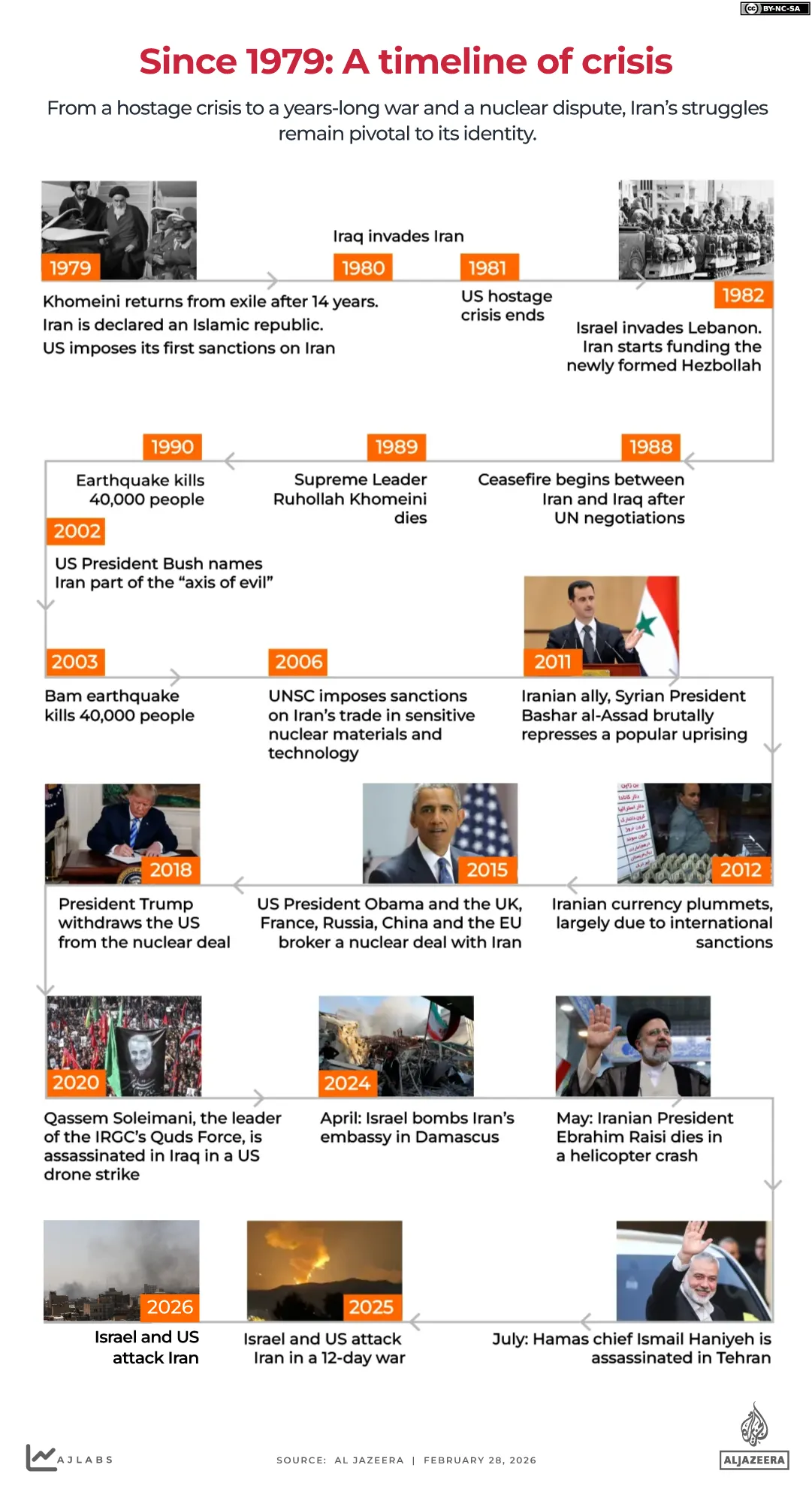
The United States and Israel have launched strikes on Iran despite ongoing talks between Washington and Tehran over Iran’s nuclear programme.
Iran responded to Saturday’s attacks with missile and air strikes across the region, including in Israel, Bahrain, Saudi Arabia, Qatar, the United Arab Emirates and Iraq.
list of 3 itemsend of list
Israeli officials said their strikes targeted Iran’s military and nuclear-related infrastructure, while airspace across Israel was closed and emergency measures imposed. Several other countries in the region also announced the closure of their airspace.
Meanwhile, President Donald Trump said Washington has begun a “major combat operation” in Iran, aimed at “eliminating threats from the Iranian regime”.
“This regime will soon learn that no one should challenge the strength and might of the United States Armed Forces,” he said.
The strikes came just two days after high-stakes US–Iran nuclear negotiations in Geneva, mediated by Oman, ended without a breakthrough. The US-Israel attack marks the most serious escalation since the brief but intense June 2025 war.
Here is a timeline of the events, including attacks and diplomatic overtures leading up to Saturday’s strikes by the US and Israel, and Iran’s fierce response.
June 13, 2025 — Israel launches major air strikes against Iranian nuclear and military facilities, amid ongoing talks between the US and Tehran. Iran responds within hours with large-scale missile and drone attacks on Israeli cities.
June 22 – The US strikes Iranian nuclear facilities at Natanz, Fordow and Isfahan, with Trump claiming the attacks degraded Tehran’s nuclear programme. Iranian officials said their programme was set back but not destroyed.
June 23 – In retaliation, Iran fires missiles towards Al Udeid airbase in Qatar, housing US soldiers. The missiles are intercepted, and no casualties are reported.
June 24 – After 12 days of fighting, a US-brokered ceasefire takes effect between Iran and Israel, ending all hostilities. Iran says at least 610 of its citizens were killed in the war, while Israel claimed 28 were killed on its side.
July 2 – Iranian President Masoud Pezeshkian signs legislation halting cooperation with the International Atomic Energy Agency (IAEA), barring its inspectors from accessing Iran’s nuclear facilities unless specifically authorised by the country’s Supreme National Security Council.

July 22 – Abbas Araghchi, Iran’s foreign minister, says Tehran will not give up its uranium enrichment programme, despite a temporary halt due to “serious and severe” damages.
August 12 – Iranian police arrest as many as 21,000 people related to the 12-day war with Israel, according to state media.
August 22 – Iran agrees to resume nuclear talks later in the month with the United Kingdom, France and Germany, despite the threat of revived sanctions.
August 28 – The three European countries trigger a mechanism reinstating the United Nations’ sanctions on the Islamic republic for the first time in a decade.
November 1 – Oman urges both the US and Iran to go back to the negotiating table as Iran reiterates it will not stop enriching uranium.
November 7 – Trump says Iran has requested that Washington remove its crippling sanctions on Tehran, and that he is willing to talk about the issue.
December 28 – Protests break out in major cities, including Tehran, over soaring prices after the rial plunges against the US dollar.
January 8, 2026 – The internet is shut down across Iran following the outbreak of antigovernment protests, which have now spread beyond cities. The blackout lasts for more than two weeks.
January 13 – Trump tells Iranians to “keep protesting” , claiming that “help is on the way”, and that the US may be preparing for military intervention against Tehran. The US begins to bolster its military presence off Iran.
February 6 – Iran and the US begin indirect nuclear negotiations in Geneva, mediated by Oman, with the aim of reaching a deal to curb Tehran’s nuclear programme.
February 17 – High-level US–Iran nuclear talks resume in Geneva, again with Omani mediation.

February 22 – Oman confirms another round of discussions in Geneva, describing a “positive push” but admits that significant differences remain.
February 26 – A third round of nuclear talks concludes in Geneva, with mediator Oman saying “significant progress” was made and more discussions would be held the following week in Vienna.
February 27 – Oman’s foreign minister says Iran has agreed to degrade its current stockpiles of nuclear material to “the lowest level possible” — effectively to unrefined levels. US President Donald Trump says he prefers diplomacy but warns that “all options” remain available if diplomacy fails.
February 28 – Israel launches coordinated strikes on Iranian targets, including sites in and around Tehran. Iran retaliates by launching air and missile strikes across the region, including Qatar, United Arab Emirates, Saudi Arabia, Bahrain and Kuwait.
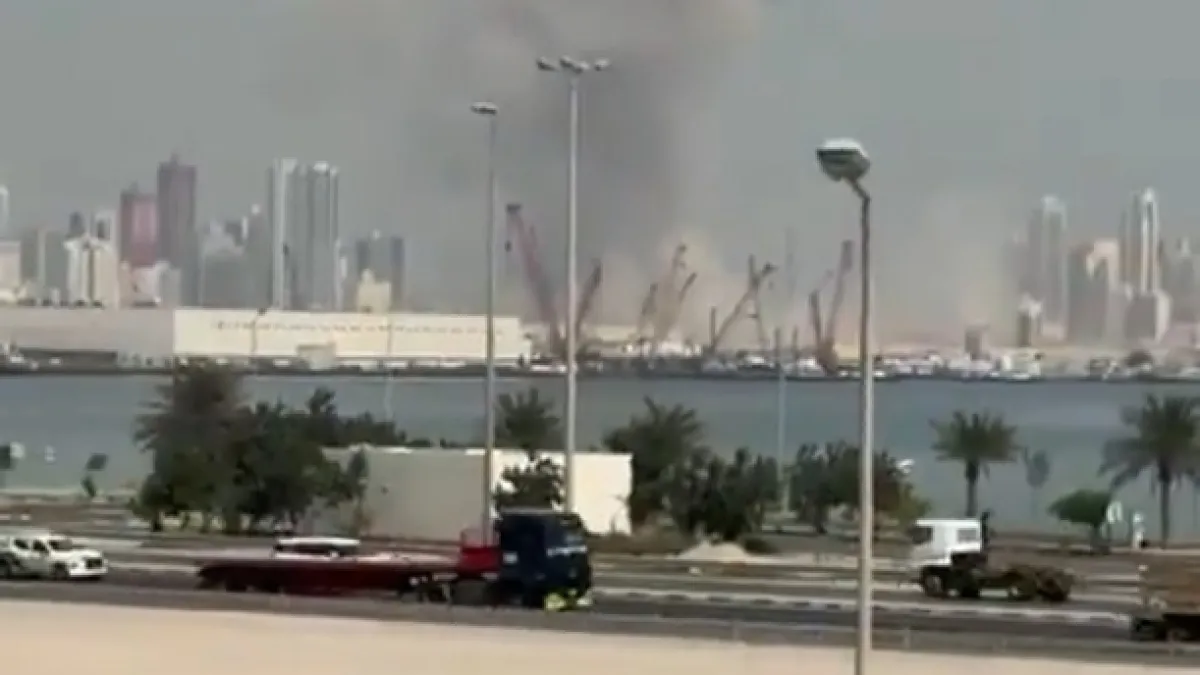
Video shows plumes of smoke rising after Iran targeted a United States military base in Bahrain, following Israel–US attacks across Iran. Two missiles were intercepted over Qatar and explosions were reportedly heard in Abu Dhabi, Kuwait and Saudi Arabia.
Published On 28 Feb 202628 Feb 2026
Share
As Washington escalates threats of military action against Iran, negotiations over Tehran’s nuclear programme continue behind the scenes. But while the Trump administration insists that the standoff is about security, Iran’s state media are pushing a very different narrative: that the crisis is a deliberate distraction from the Epstein scandal that continues to implicate the US president.
Contributors:
Dina Esfandiary – Middle East Lead, Bloomberg Economics
Fereshteh Sadeghi – Iranian journalist
Jamal Abdi – President, National Iranian American Council
Sina Toossi – Senior Fellow, Centre for International Policy
Indian Prime Minister Narendra Modi travelled to Israel this past week in a carefully choreographed display of solidarity. While Modi’s trip was celebrated in the Israeli media, criticism by Indian journalists was blocked back home. Leaving the two leaders to sign arms deals that will boost an already significant military partnership.
Nearly two years after Jair Bolsonaro’s fall from power in Brazil, the movement he built is searching for a new figurehead. A rising generation of young, evangelical, and hyper-online politicians is stepping in.
They are leveraging a sophisticated, decades-old religious media machine that evolved from radio and television into a powerful force on social media. Brazil’s political right is being reshaped for the digital age.
Featuring:
Anna Virginia Balloussier – Journalist, Folha de Sao Paulo
Caro Evangelista – Executive Director, ISER
Magali Cunha – Editor-in-Chief, Berreia Project
Published On 28 Feb 202628 Feb 2026
Share
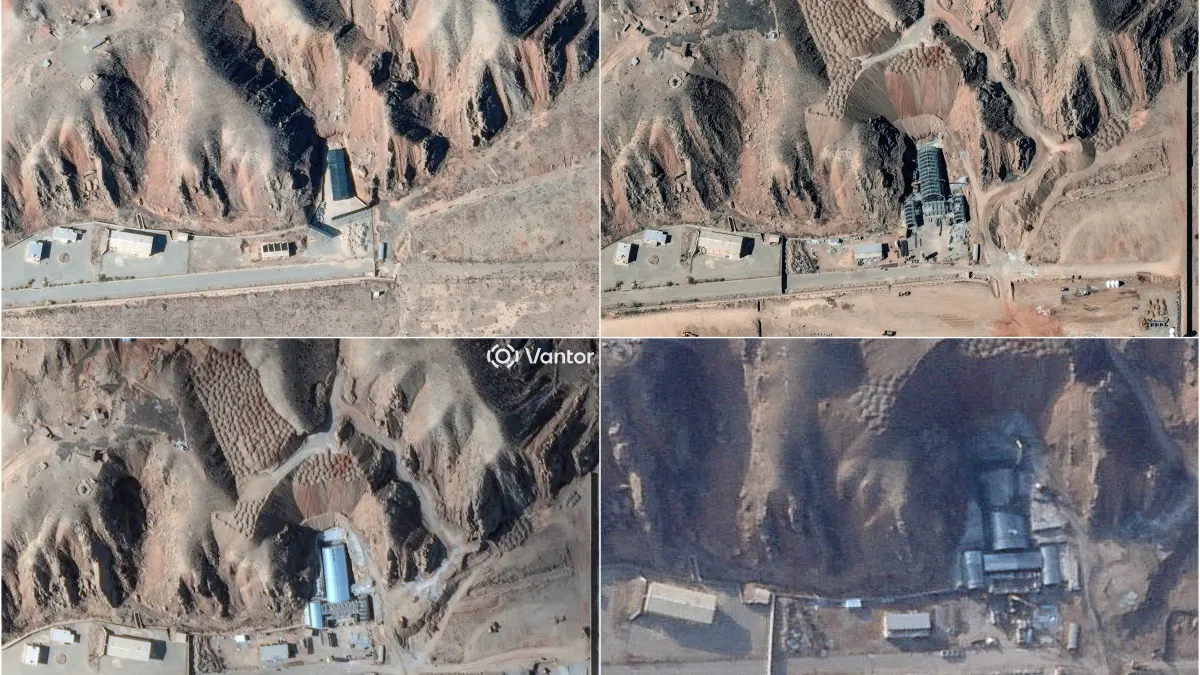
Newly released satellite images show that Iran has recently built a concrete shield over a new facility at a sensitive military site and covered it in soil, advancing work at a location reportedly bombed by Israel in 2024 amid soaring tensions with the United States and the threat of regional war.
The images also show that Iran has buried tunnel entrances at a nuclear site bombed by Washington during Israel’s 12-day war with Iran last year – which the US joined on Israel’s behalf – fortified tunnel entrances near another, and has repaired missile bases struck in the conflict.
list of 4 itemsend of list
They offer a rare glimpse of Iranian activities at some of the sites at the centre of tensions with Israel and the US.
Some 30km (20 miles) southeast of Tehran, the Parchin complex is one of Iran’s most sensitive military sites. Western intelligence has suggested Tehran carried out tests relevant to nuclear bomb detonations there more than 20 years ago. Iran has always denied seeking atomic weapons and says its nuclear programme is purely for civilian purposes.
Neither US intelligence nor the UN nuclear watchdog found any evidence last year that Iran was pursuing nuclear weapons.
Israel reportedly struck Parchin in October 2024. Satellite imagery taken before and after that attack shows extensive damage to a rectangular building at Parchin, and apparent reconstruction in images from November 6, 2024. Imagery from October 12, 2025, shows development at the site, with the skeleton of a new structure visible and two smaller structures adjacent to it.
Progress is apparent in imagery from November 14, with what appears to be a metallic roof covering the large structure. By February 16, it cannot be seen at all, hidden by what experts say is a concrete structure.
The Institute for Science and International Security (ISIS), in a January 22 analysis of satellite imagery, pointed to progress in the construction of a “concrete sarcophagus” around a newly built facility at the site, which it identified as Taleghan 2.
ISIS founder David Albright wrote on X: “Stalling the negotiations has its benefits: Over the last two to three weeks, Iran has been busy burying the new Taleghan 2 facility … More soil is available and the facility may soon become a fully unrecognizable bunker, providing significant protection from aerial strikes.”
The institute also reported in late January that satellite images showed new efforts to bury two tunnel entrances at the Isfahan complex – one of the three Iranian uranium-enrichment plants bombed by the US in June during the war. By early February, ISIS said all entrances to the tunnel complex were ”completely buried”.
Other images point to ongoing efforts since February 10 to “harden and defensively strengthen” two entrances to a tunnel complex under a mountain some 2km (1.2 miles) from Natanz – the site that holds Iran’s other two uranium enrichment plants.
This comes as Washington seeks to negotiate a deal with Tehran on its nuclear programme while threatening military action if talks fail.
On Tuesday, US and Iranian representatives reached an understanding on main “guiding principles” during a meeting in Geneva, but felt short of achieving any breakthrough. The meeting in the Swiss city came after a first round of talks in Oman on February 6.
Reports suggest that Tehran would make detailed proposals in the next two weeks to close gaps. Among the many hurdles in the negotiations is the US push to widen the scope of the deal to include restrictions on Iran’s ballistic arsenal and support for its allies in the region.
That is fuelled by Israel’s demands and regional narrative, with Israeli Prime Minister Benjamin Netanyahu repeatedly pressing US President Donald Trump to shift from nuclear-only parameters.
Tehran has insisted that these provisions are non-negotiable but that it is open to discuss curbs on its nuclear programme in exchange for sanctions relief.
A previous negotiating effort collapsed last year when Israel launched attacks on Iran, triggering the 12-day war that Washington joined in by bombing key Iranian nuclear sites.
As diplomacy forges a path, both parties are ramping up military pressure.
The Islamic Revolutionary Guard Corps (IRGC) held a series of war games on Monday and Tuesday in the Strait of Hormuz to prepare for “potential security and military threats”.
On Wednesday, Tehran announced new joint naval drills with Russia in the Sea of Oman. Rear Admiral Hassan Maqsoudlou said the exercises were aimed at preventing any unilateral action in the region, and enhancing coordination against threats to maritime security, including risks to commercial vessels and oil tankers.
The US has also escalated its military build-up in the region. Trump has ordered a second aircraft carrier to the region, with the first, the USS Abraham Lincoln and its nearly 80 aircraft, positioned about 700 kilometres (435 miles) from the Iranian coast as of Sunday, according to satellite imagery.
The Trump administration also issued new threats against Tehran with White House press secretary Karoline Leavitt saying on Wednesday that “Iran would be very wise to make a deal” with the US. Trump escalated his rhetoric on social media.
“Should Iran decide not to make a Deal,” the US may need to use an Indian Ocean airbase in the Chagos Islands, “in order to eradicate a potential attack by a highly unstable and dangerous Regime”, he wrote on his Truth Social platform.