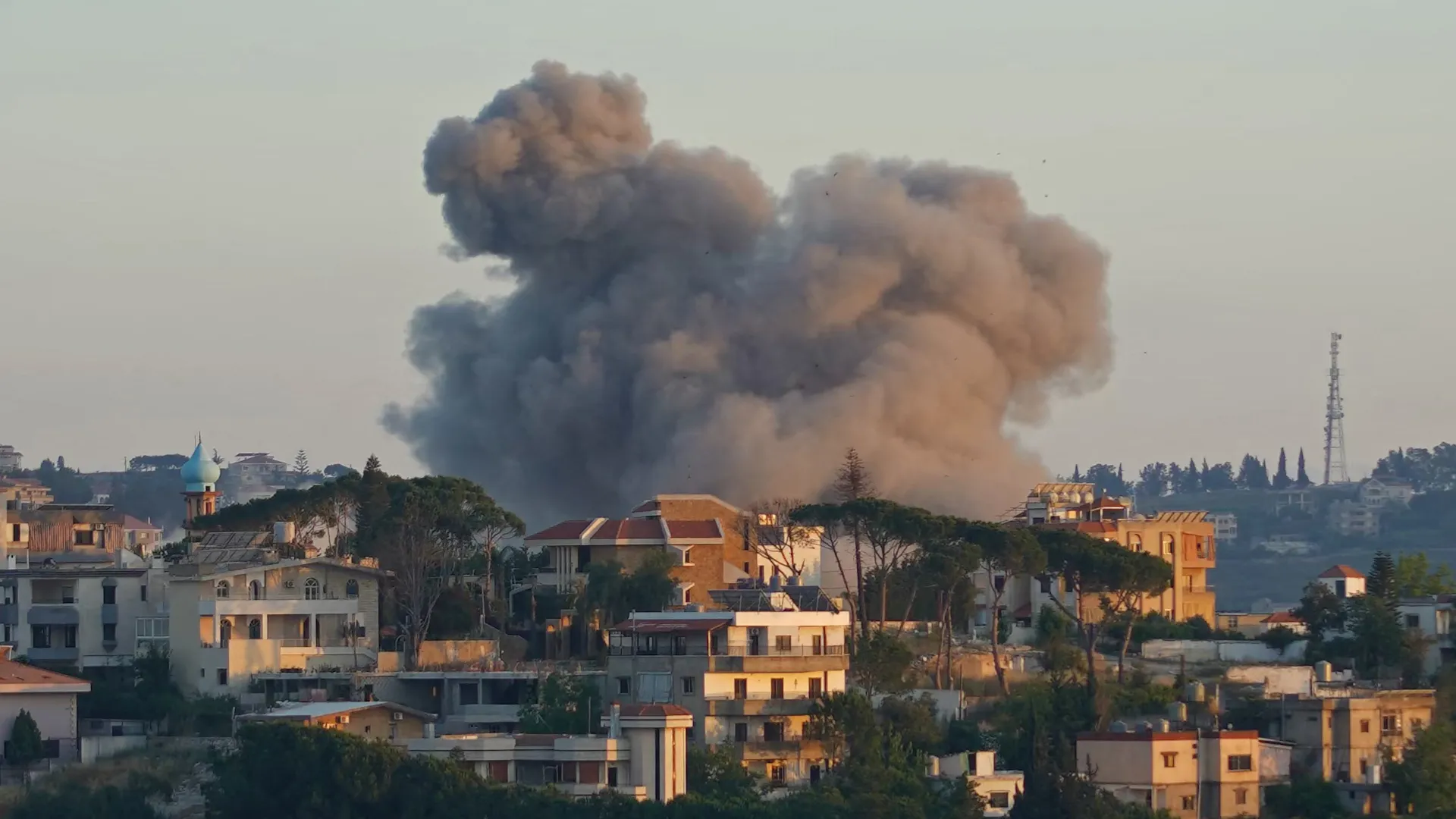
Israel attacks Lebanon

Lebanon excluded from ceasefire as Israeli strikes continue | Israel attacks Lebanon News

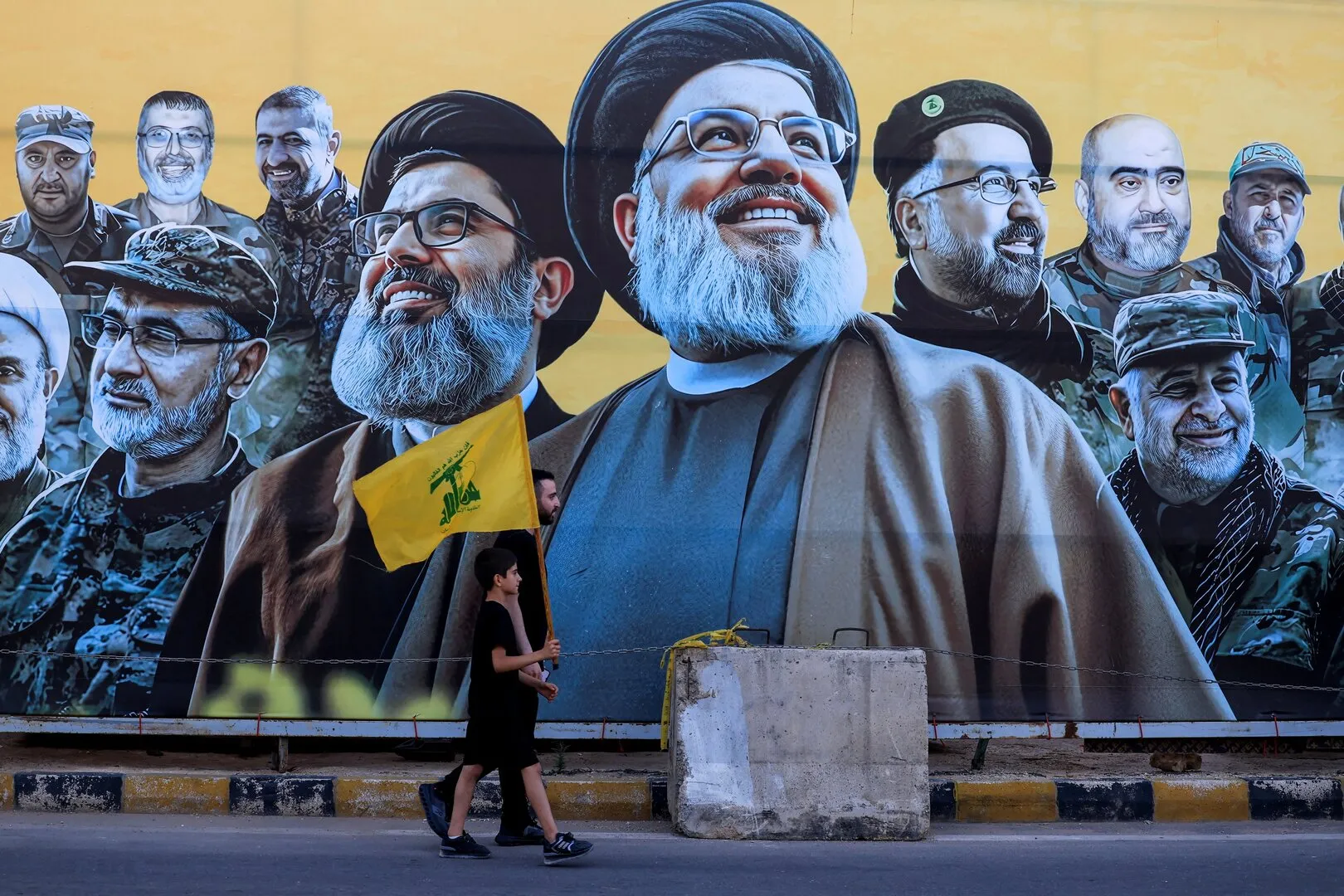
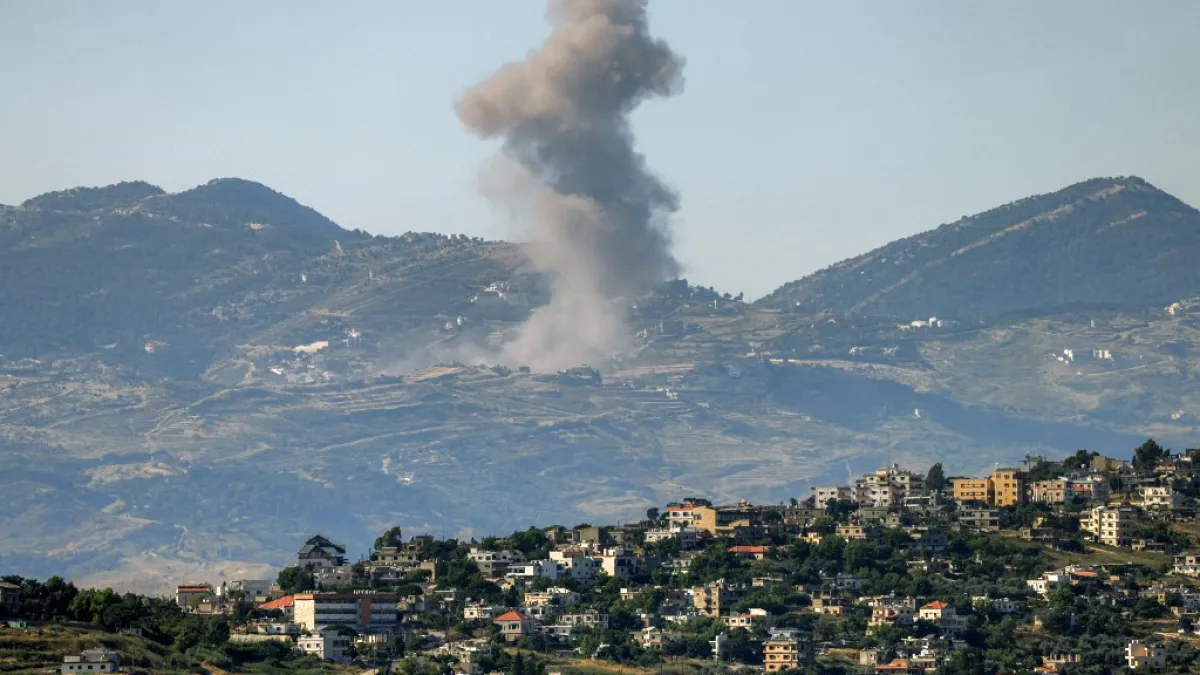
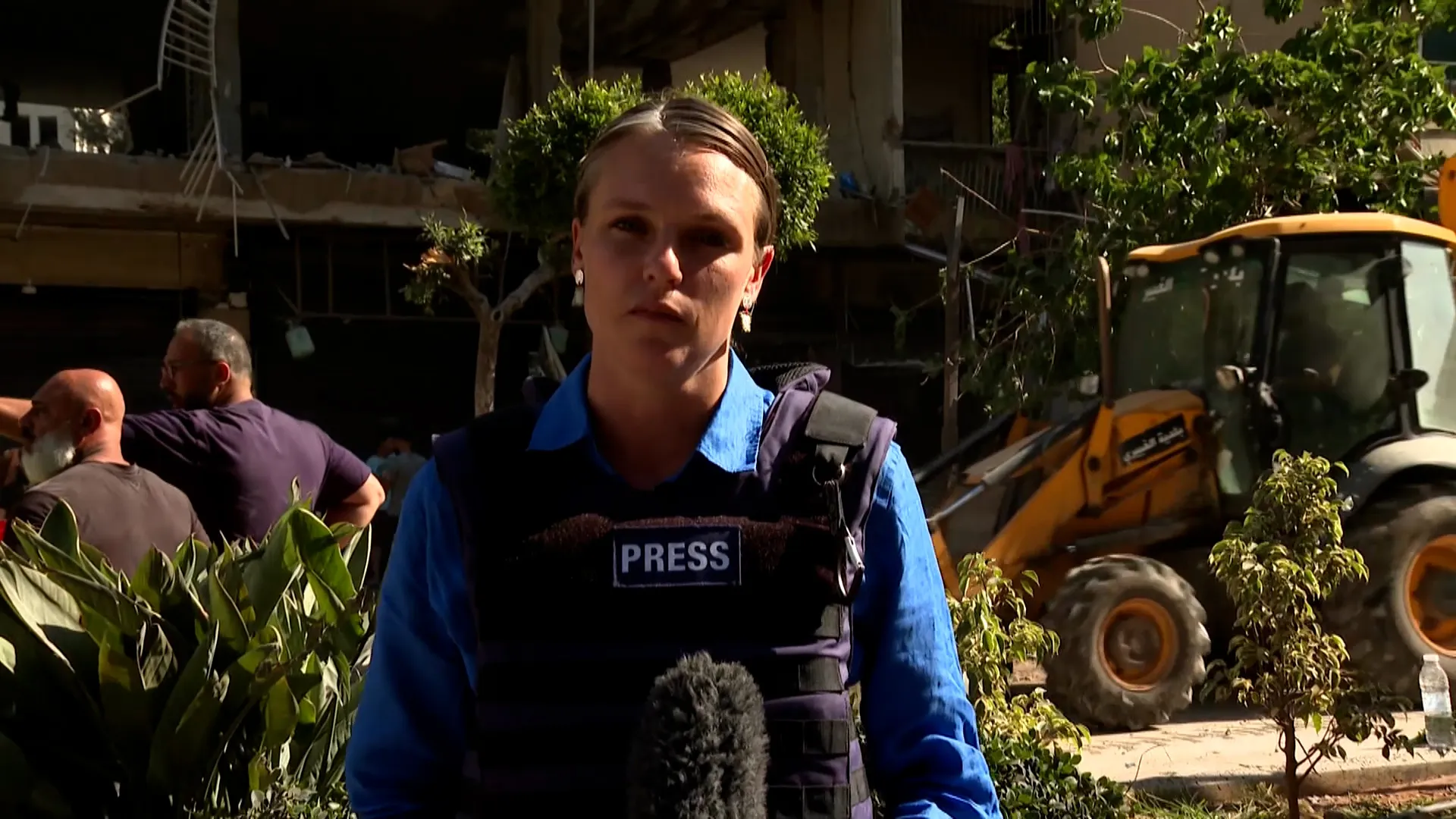
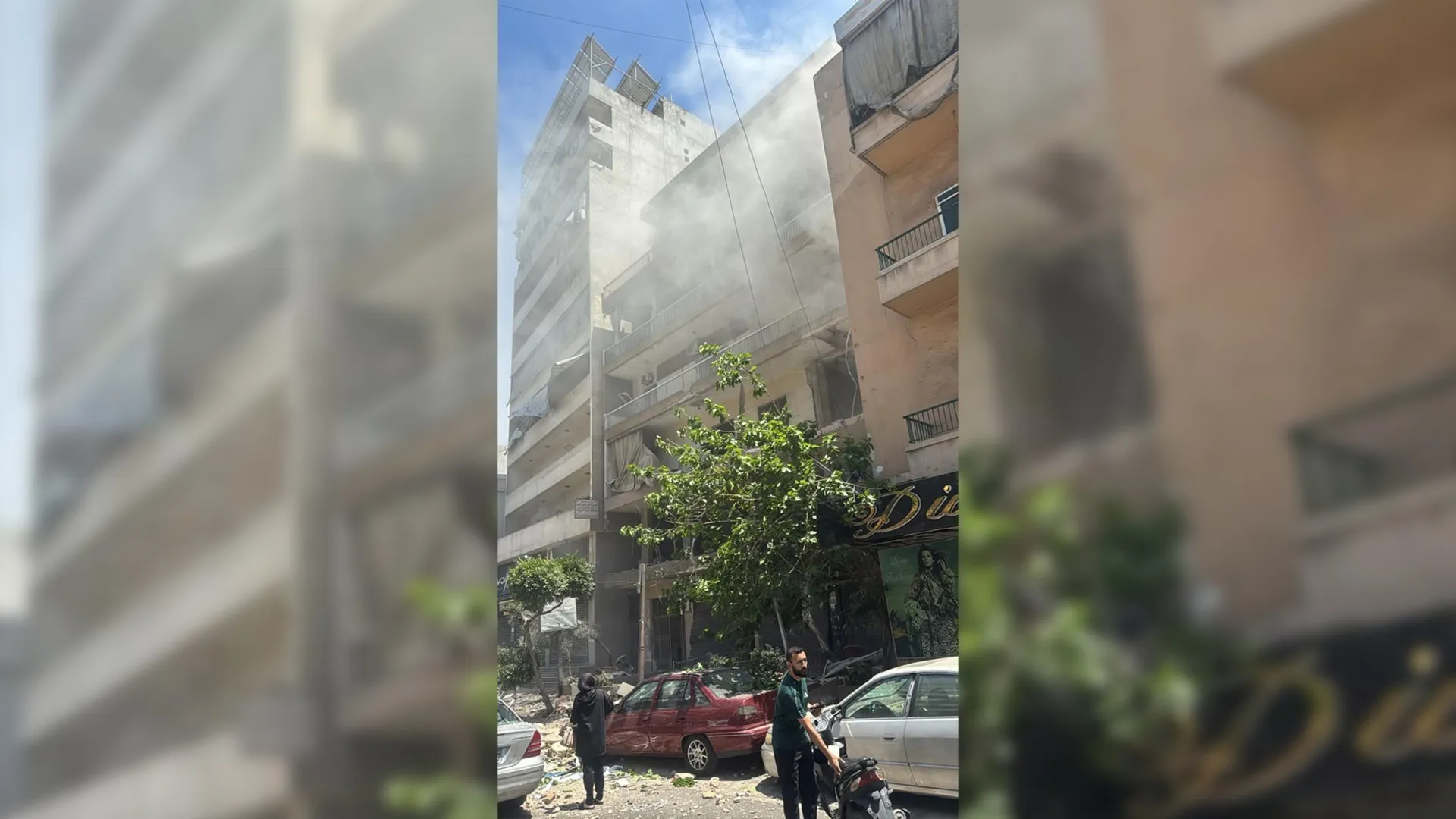
Israel has backed a ceasefire between the US and Iran but made clear it does not extend to Lebanon. Al Jazeera’s Heidi Pett reports that as Israeli strikes continue, residents remain wary after repeated violations of past ceasefires and ongoing displacement.

Source link

Netanyahu says US-Iran ceasefire ‘does not include Lebanon’ | US-Israel war on Iran News

DEVELOPING STORY,

Israeli prime minister’s office welcomes US decision to suspend attacks on Iran, but says the two-week truce does not apply to Lebanon.

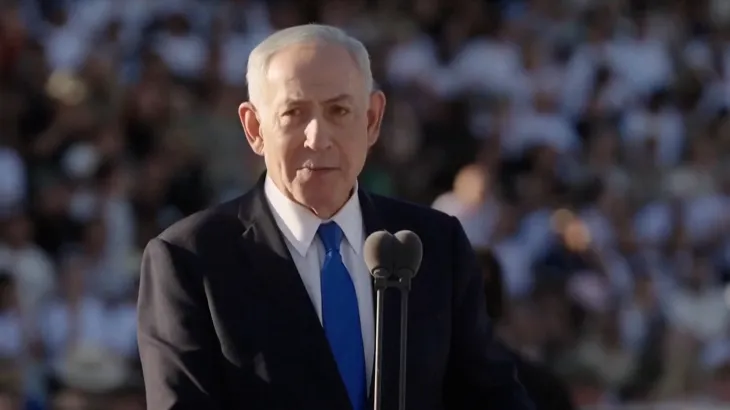
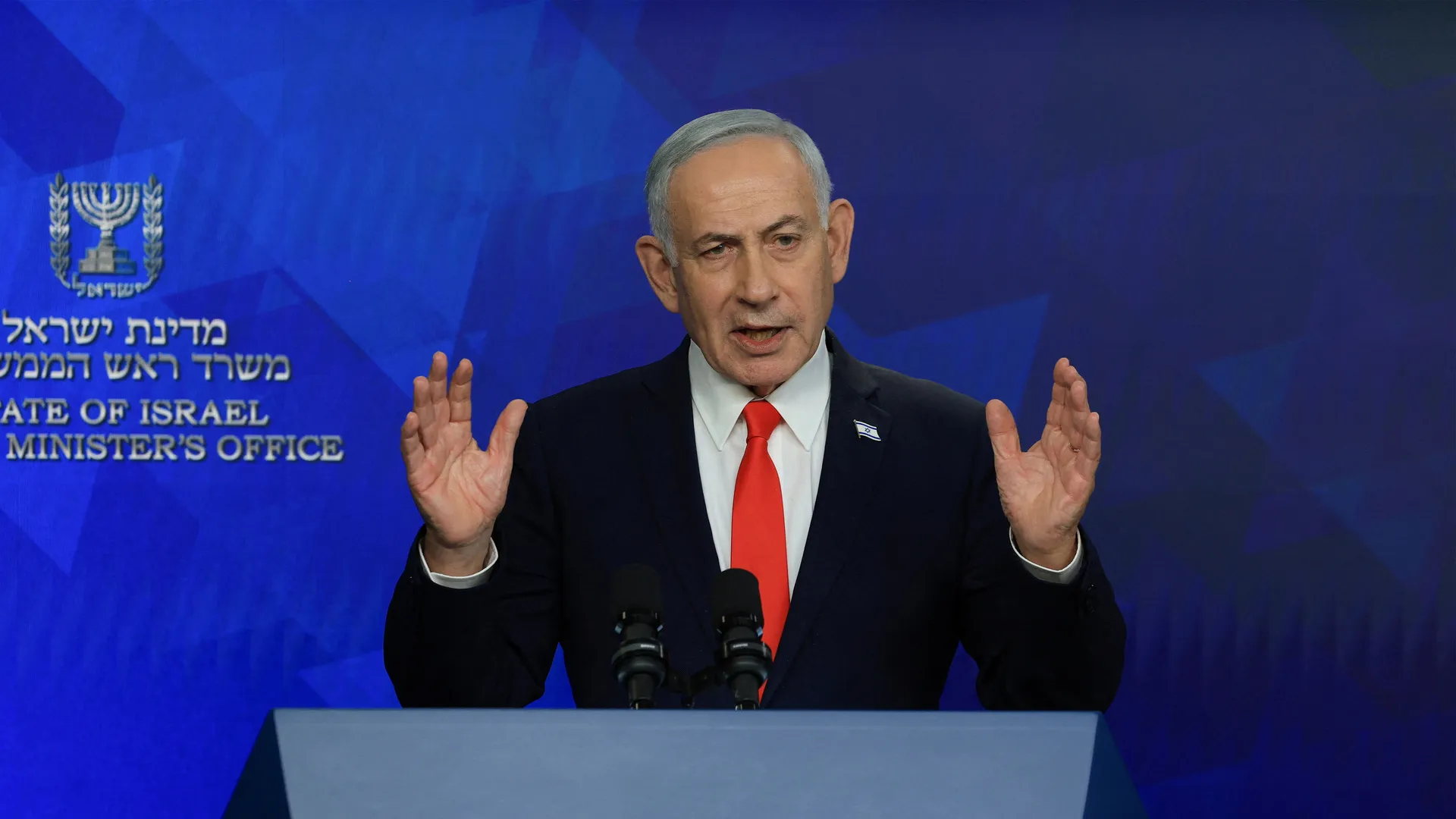
Prime Minister Benjamin Netanyahu’s office has announced that Israel backs the United States’s decision to suspend strikes against Iran for two weeks, but said the truce “does not include Lebanon”.

In a statement on X on Wednesday, Netanyahu said Israel supported US President Donald Trump’s efforts to ensure “Iran no longer poses a nuclear, missile and terror threat to America, Israel, Iran’s Arab neighbors and the world”.

He said the US has told Israel that it is committed to achieving these goals in the upcoming negotiations in Pakistan’s Islamabad on Friday.

But the two-week ceasefire “does not include Lebanon”, he added.

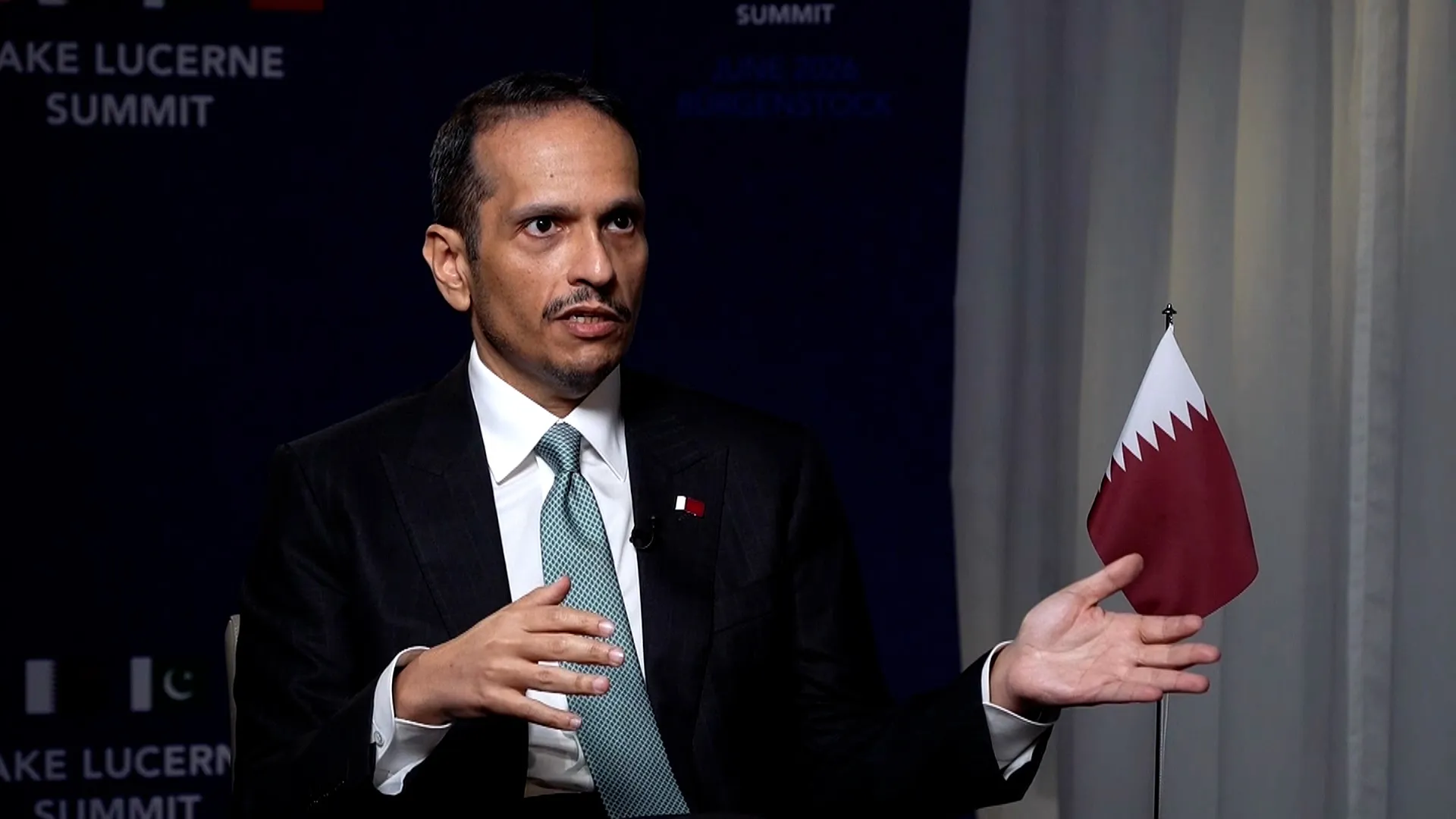
Netanyahu’s statement comes after Pakistani Prime Minister Shehbaz Sharif announced that the US, Iran and their allies “have agreed to an immediate ceasefire everywhere including Lebanon and elsewhere”.

Sharif said the move was “effective immediately”.

Lebanon was drawn into the war on March 2 after Iran-aligned Hezbollah launched attacks on Israel.

Hezbollah said the attacks were in retaliation for Israel’s killing of Iran’s Supreme Leader Ayatollah Ali Khamenei on February 28 as well as its near-daily violations of a ceasefire it agreed in Lebanon in November of 2024.

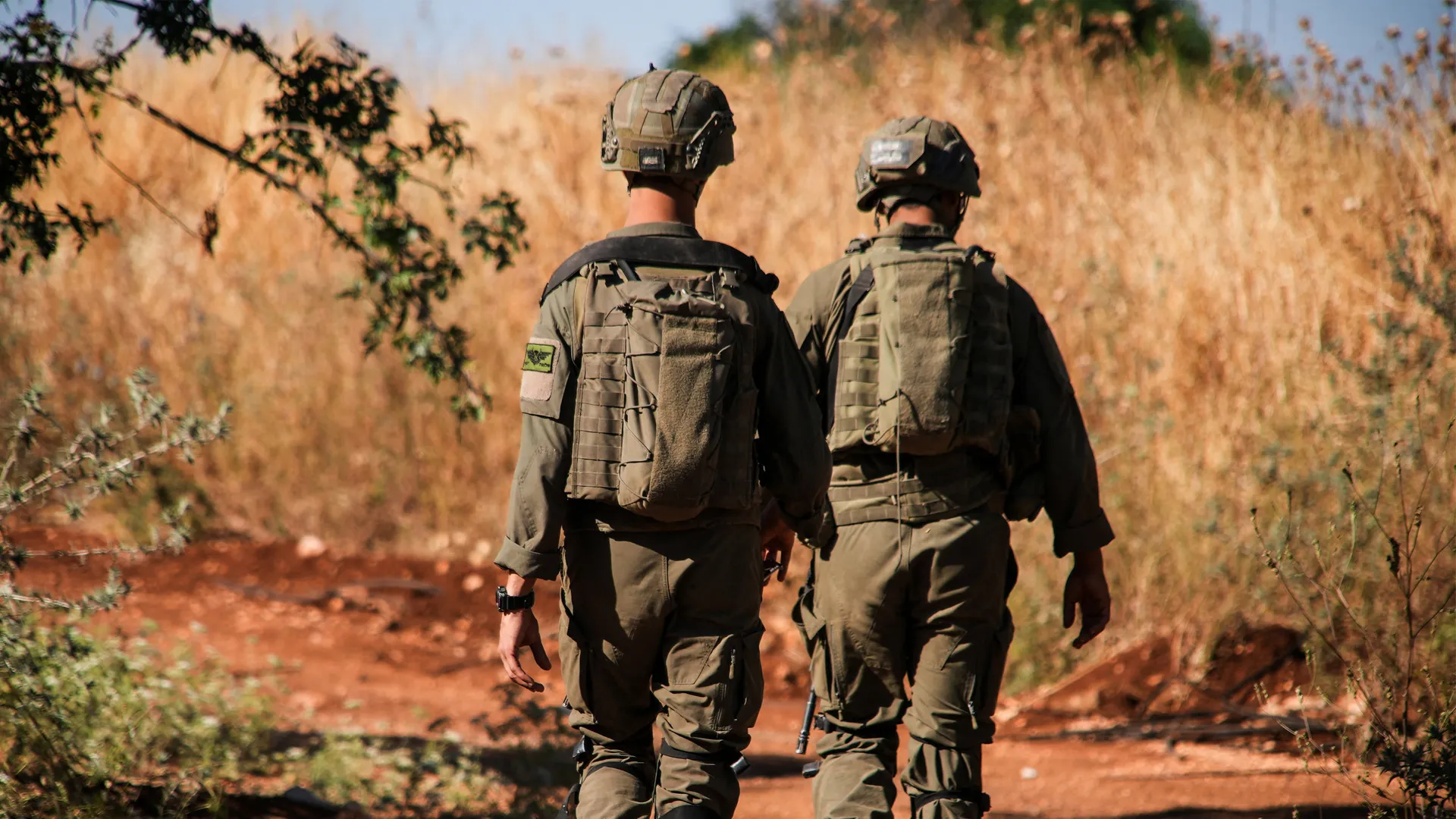
Israeli attacks on Lebanon have since killed more than 1,500 people and displaced more than 1 million people. The Israeli military has also launched an invasion of southern Lebanon and said it aims to seize more territory for what it calls a buffer zone.

There’s been no immediate comment from Hezbollah or Lebanon.


Source link

Protesters swarm US embassy in Tel Aviv, demanding end of wars | US-Israel war on Iran

NewsFeed

Around two dozen protesters gathered outside the US embassy in Tel Aviv, calling for an end to the war with Iran and Lebanon. Police ordered the protest to disperse within minutes as tensions rose and members of the public confronted demonstrators.

Source link

Up to 1.2 million people forced to flee as Israel pummels Lebanon | Israel attacks Lebanon News

Israeli air raids on Lebanon have killed more than 1,450 people, including 126 children, and displaced some 1.2 million residents since March 2, according to Lebanese authorities. The bombardment has wounded more than 4,400 individuals.

In southern Lebanon’s Kfar Hatta, an Israeli attack killed seven people, including a four-year-old girl and a Lebanese soldier, the Ministry of Public Health reported on Sunday. The Israeli military had ordered the forced evacuation of the town the previous evening, an area where many displaced Lebanese had sought refuge.

As invasion expands deeper into southern Lebanon, leaving devastated villages behind, Lebanese President Joseph Aoun has intensified calls for negotiation. “Why don’t we negotiate … until we can at least save the homes that have not yet been destroyed?” he pleaded in a televised address on Sunday, hoping to prevent destruction comparable to Israel’s Gaza operation.

In Toul village in the Nabatieh district, a couple were killed while their children, aged 15 and nine, were injured. Multiple bombardments have wiped out entire families in single attacks. Officials report that approximately 25 percent of all victims are women, children and medical workers.

On March 12, the Israeli military expanded its forced evacuation orders for southern Lebanon residents – from the Litani River to north of the Zahrani River, about 40km (25 miles) north of the Israeli border.

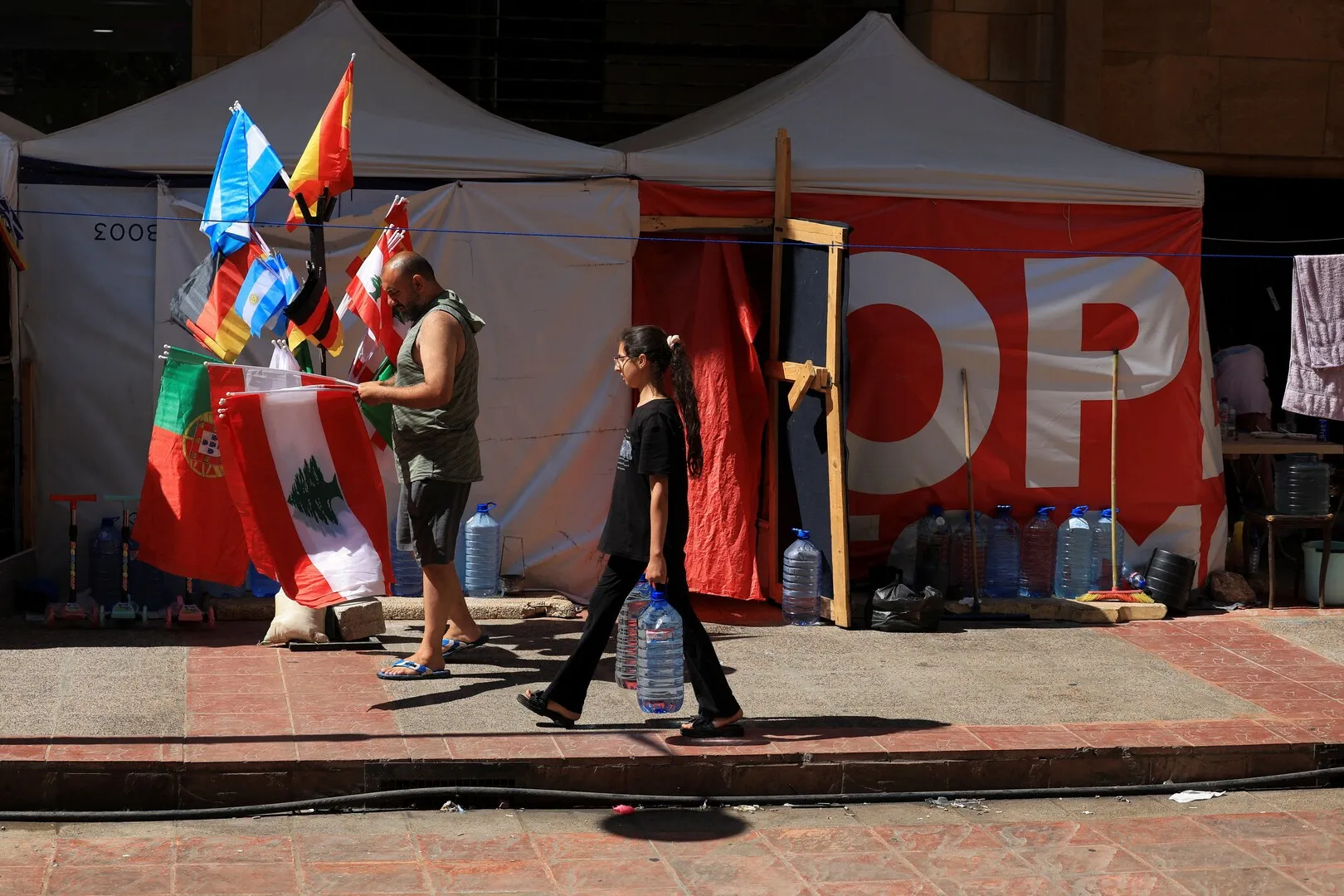
The massive displacement has overwhelmed the country’s shelter capacity. Many families are unable to find accommodation, spending nights in streets, vehicles, or public spaces as collective shelters reach maximum capacity. For many, this represents repeated trauma.

Between October 2023 and November 2024, amid cross-border fighting between Hezbollah and Israel, hundreds of thousands of residents of southern Lebanon’s border villages suffered the worst of the violence.

At its height, 899,725 people were forcibly displaced by Israeli forces back then. Most had returned by last October, only to be forced to flee again.

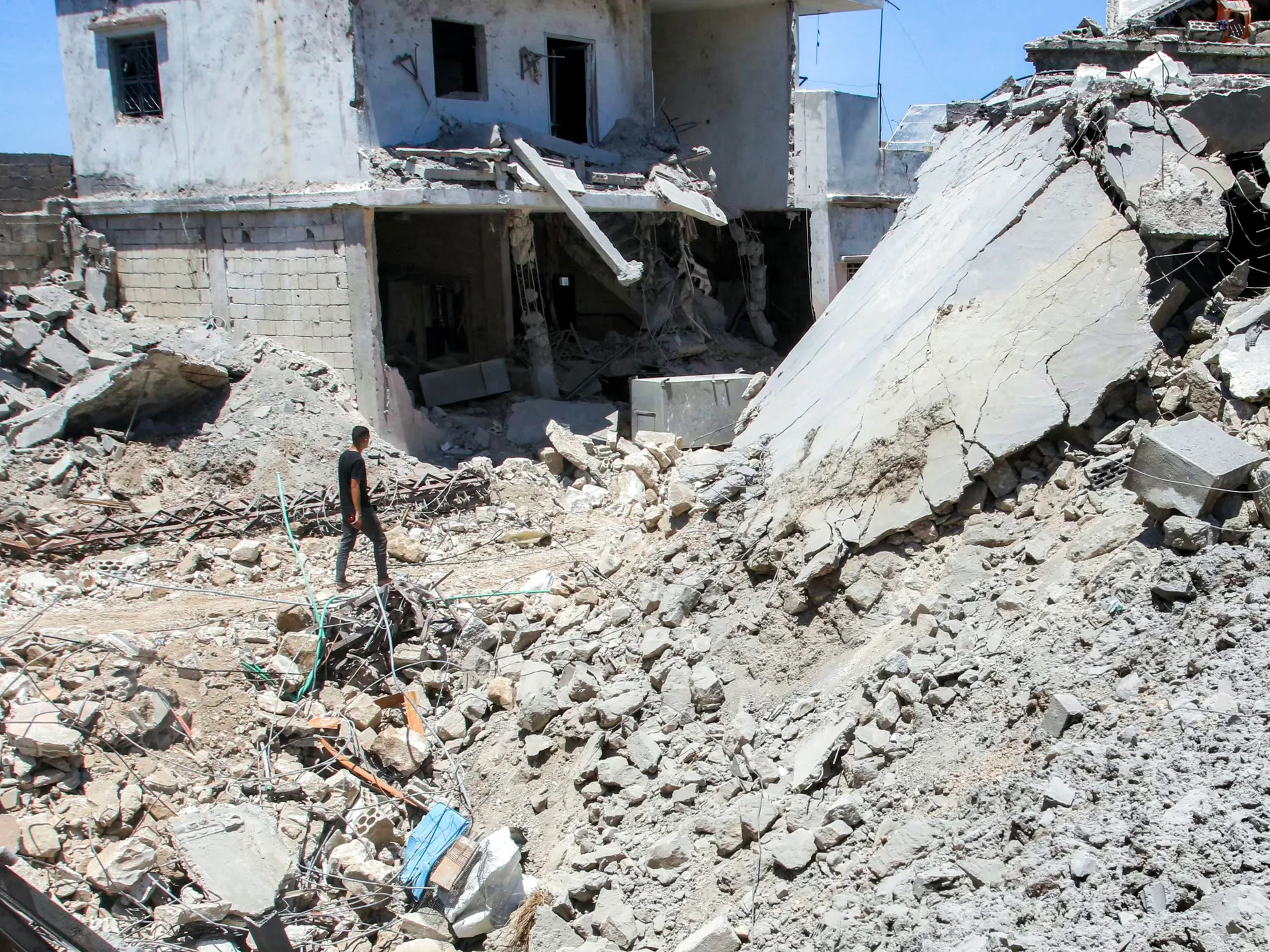
Israeli attacks during those 14 months inflicted extensive damage to homes and infrastructure. The World Bank estimated damage to residential buildings alone at approximately $2.8bn. About 99,000 homes were damaged or destroyed, preventing many families from returning even after the ceasefire.

Source link

At least 14 people killed in Israeli strikes across Lebanon | Israel attacks Lebanon News

Lebanese armed group Hezbollah fires projectiles at northern Israel while Israeli troops push deeper into southern Lebanon.

Israeli strikes across southern Lebanon and the capital, Beirut, have killed at least 14 people, a day after Israel threatened to hit Lebanon’s main border crossing with Syria, forcing its closure.

Israeli strikes on Beirut’s southern suburbs on Sunday killed at least four people while 10 people – including a family of six – were killed in Israeli attacks on southern Lebanon.

Recommended Stories

list of 3 itemsend of list

A further 39 people were wounded in an Israeli strike on Beirut’s Jnah neighbourhood, according to Lebanon’s Ministry of Public Health. The strike hit about 100 metres (330ft) from Rafik Hariri University Hospital, the country’s largest public medical facility, a medical source told the AFP news agency.

Israel has launched air strikes across Lebanon since March 2 after the Lebanese armed group Hezbollah fired rockets into Israel in response to the United States-Israeli war on Iran. Israeli forces have also launched a ground invasion of southern Lebanon.

Hezbollah on Sunday claimed to have fired a cruise missile at an Israeli warship 126km (78 miles) off the Lebanese coast. There was no immediate comment from the Israeli military. Al Jazeera was not able to verify the claim.

Although most Israeli strikes against Hezbollah have been conducted by jets and drones, some have come by sea.

In a statement, the Israeli military warned it had “begun striking Hezbollah infrastructure sites” in Beirut’s southern suburbs without providing evidence for its claims.

On Saturday, Israel said it would carry out strikes on the Masnaa border crossing between Lebanon and Syria. Masnaa serves as a vital trade route for both countries and a key gateway to the rest of the region for Lebanese people.

The border post was quickly evacuated on the Lebanese side, and the site was virtually deserted early on Sunday with only a few guards still on duty, according to AFP.

In Syria, Mazen Aloush with the General Authority for Borders and Customs insisted that the crossing, known as Jdeidet Yabous on the Syrian side, was “exclusively for civilian use and is not used for any military purposes”.

Aloush said traffic through the crossing would be temporarily suspended due to the Israeli threat.

Israeli attacks on Lebanon since March 2 have killed more than 1,400 people, including 126 children, and displaced over 1.2 million, according to Lebanese authorities.

In the southern Lebanese town of Kfar Hatta, an Israeli strike killed seven people including a four-year-old girl and a Lebanese soldier, the Health Ministry said on Sunday.

The previous evening, the Israeli army issued a forced evacuation order for the town, where many displaced people from other parts of southern Lebanon have fled.

In another air strike on southern Lebanon, at least three people were killed and others injured early on Sunday, Lebanon’s National News Agency (NNA) reported.

As Israeli troops push deeper across their border into southern Lebanon and destroy villages, Lebanese President Joseph Aoun reiterated his call for talks with Israel, saying he wanted to spare southern Lebanon from destruction on the scale seen in Israel’s genocidal war on Gaza.

“Why don’t we negotiate … until we can at least save the homes that have not yet been destroyed?” he proposed in a televised address on Sunday.

Source link

9-year-old boy recounts airstrike in Lebanon that killed whole family | Israel attacks Lebanon

NewsFeed

9-year-old Karim Al-Haj Hussein survived an Israeli strike on his home in Lebanon’s Baalbek that killed his mother, father and other family members. Karim managed to crawl from the rubble of his home, despite being injured himself.

Source link

UN experts urge investigation into Israel’s killing of Lebanese journalists | Israel attacks Lebanon News

UN experts say Israel ’emboldened by impunity’ for previous journalist killings in Lebanon, Gaza and the West Bank.

Three United Nations experts have called for an independent and thorough investigation into Israel’s recent killing of three journalists in Lebanon, denouncing the deadly incident as “another egregious attack on press freedom by Israeli forces”.

UN special rapporteurs Irene Khan, Morris Tidball-Binz and Ben Saul on Thursday noted that “journalists carrying out their professional duties in armed conflict are civilians and must not be targeted or made the object of attack”.

Recommended Stories

list of 3 itemsend of list

“The deliberate killing of journalists not directly participating in hostilities constitutes a serious violation of international human rights and humanitarian law and a war crime,” they said in a statement.

The Israeli military killed Al Mayadeen journalist Fatima Ftouni, her brother, freelance photojournalist Mohamad Ftouni, and Al-Manar’s Ali Shoaib in a targeted strike on their car in southern Lebanon on March 28.

Al Mayadeen and Al-Manar are pro-Hezbollah media outlets, and Israel accused Shoaib – without presenting any evidence – of being a fighter with the Lebanese armed group.

That claim was rejected by Shoaib’s colleagues as well as by the UN experts, who on Thursday also stressed that working for media outlets affiliated with an armed group does not mean journalists are directly participating in hostilities under international law.

“Israeli officials know this, yet they choose to ignore it – emboldened by impunity for their previous killings of journalists in Lebanon, Gaza and the West Bank,” they said.

In February, the Committee to Protect Journalists (CPJ) reported that Israel was responsible for two-thirds of all killings of journalists in 2024 and 2025.

More than 60 percent of the 86 members of the press killed by Israeli fire last year were Palestinian journalists reporting from the Gaza Strip amid Israel’s genocidal war in the coastal enclave, the advocacy group found.

After the killings in southern Lebanon last week, CPJ’s Middle East director Sara Qudah also warned that Lebanon is becoming “an increasingly deadly zone for journalists, despite their status as civilians who must not be targeted”.

“We have seen a disturbing pattern in this war and in the decades prior of Israel accusing journalists of being active combatants and terrorists without providing credible evidence,” Qudah said in a statement.

“Journalists are not legitimate targets, regardless of the outlet they work for.”

The UN experts also warned that Israel’s killing of Lebanese journalists is part of “an abominable push … to silence reporting on Israel’s current military action in Lebanon, and shut down news coverage of war crimes committed, just as it did in Gaza”.

At least 1,345 people have been killed and 4,040 wounded in intensified Israeli attacks across Lebanon since early March, according to the Lebanese Ministry of Health.

Source link

Israel says four soldiers killed as army pushes deeper into south Lebanon | Israel attacks Lebanon News

Hezbollah attempts to make Lebanon ground invasion ‘costly’ for Israeli army as it continues its advance.

The Israeli military has said four soldiers were killed in combat in southern Lebanon, where its forces are clashing with Hezbollah fighters after launching a ground invasion of the country.

An army statement on Tuesday named three soldiers from the same battalion who “fell during combat”. In a separate statement, it said another soldier had been killed in the same incident and two others wounded, without naming them.

Recommended Stories

list of 3 itemsend of list

Ten Israeli soldiers have been reported killed since fighting between Israel and Hezbollah flared up on March 2, following a United States-Israeli joint attack on Iran. More than 1,200 people have been killed in Israeli attacks on Lebanon, according to the Lebanese Ministry of Public Health, and more than a million displaced.

This comes a day after the United Nations Interim Force in Lebanon (UNIFIL) said two peacekeepers were killed “when an explosion of unknown origin destroyed their vehicle” near the southern Lebanese village of Bani Haiyyan. Another peacekeeper was killed by a projectile on Sunday near the southern Lebanese village of Aadchit el-Qsair.

Israeli Prime Minister Benjamin Netanyahu on Monday ordered the military to expand its invasion in southern Lebanon, pushing deeper to extend what he calls a “buffer zone” reaching the Litani River.

Israel’s far-right ministers have urged Netanyahu to annex southern Lebanon, as the military destroys bridges and homes to cut the area off from the rest of the country.

Al Jazeera’s Lebanon correspondent Zeina Khodr said Monday night marked a new escalation as Israel opened a new front in Lebanon’s Bekaa Valley, targeting roads that link towns known to be Hezbollah strongholds and strategic supply lines for the group.

“In the past weeks, [the Israeli army] hit bridges over the Litani, now they are trying to isolate the west Bekaa from southern Lebanon,” Khodr said, reporting from Beirut.

“Hezbollah Secretary-General Naim Qassem made it very clear they know the imbalance of power. They are not going to be able to stop this invasion, and the Israeli army will most likely reach until the Litani River, but they will not make it easy for them to consolidate control,” she continued.

“What Hezbollah is trying to do is make this a costly war for Israel.”

The escalation in Lebanon comes amid the ongoing US-Israel war on Iran, which has killed more than 1,340 people since February 28.

The Israel Hayom newspaper on Monday reported that Netanyahu told senior US officials that any future agreement between the US and Tehran would not stop Israel’s war in Lebanon.

Israel’s far-right Minister of Finance Bezalel Smotrich last week said in an Israeli radio interview that the war in Lebanon “needs to end with a different reality entirely”, which includes a “change of Israel’s borders”.

Source link

Beirut apartment damaged in Israeli strike | Israel attacks Lebanon

NewsFeed

An Israeli air strike has heavily damaged a residential building in Beirut’s southern suburbs, scattering rubble and crushing cars. Israel says its relentless attacks target Hezbollah, as more than a million people were forced to flee their homes since the war on Lebanon began on March 2.

Source link

UN peacekeeper killed in southern Lebanon as Israeli invasion intensifies | Israel attacks Lebanon News

UNIFIL says it doesn’t know the origin of the projectile that killed the Indonesian peacekeeper amid ongoing fighting between Israel and Hezbollah.

The United Nations Interim Force in Lebanon (UNIFIL) has confirmed one of its peacekeepers was killed in the country’s south as fighting between Israeli troops and the Hezbollah group intensifies amid Israel’s invasion.

“A peacekeeper was tragically killed last night when a projectile exploded in a UNIFIL position near Adchit al Qusayr,” a UNIFIL statement said on Monday. “Another was critically injured.”

Recommended Stories

list of 3 itemsend of list

Indonesia confirmed that one of its peacekeepers was killed and three others were wounded due to “indirect artillery fire”.

The UNIFIL statement said they did not know the origin of the projectile but had launched an investigation. “No one should ever lose their life serving the cause of peace,” it added.

UN Secretary-General Antonio Guterres called “on all to uphold their obligations under international law and to ensure the safety and security of UN personnel and property at all times”.

UNIFIL has reported that its positions have been hit more than once since the start of the latest fighting on March 2.

On March 7, three Ghanaian soldiers were wounded by gunfire in a border town in southern Lebanon.

‘Control is going to be key’

The US-Israel war on Iran spread to Lebanon after Iran-aligned Hezbollah fired rockets at Israel, following the assassination of Iran’s Supreme Leader Ayatollah Ali Khamenei on the first day of the war on February 28.

Before that, Hezbollah had not attacked Israel since a ceasefire came into effect in November 2024, despite near-daily Israeli breaches of the deal.

On Monday, the Israeli military said six soldiers were injured in three separate incidents, and three of them were seriously wounded.

Israeli officials say their invasion of southern Lebanon intends to set up a security zone extending 30km (18.6 miles) from the Israeli border.

Reporting from the Lebanese capital, Beirut, Al Jazeera’s Zeina Khodr said the Israeli military has shifted from “limited incursions” to a broad ground offensive in southern Lebanon, aiming to seize territory up to the Litani River.

“Since last week, Israeli troops have advanced into several areas,” she said, noting the movement along the western coastal highway and about 8km [4.97 miles] south of Tyre, one of the main cities in southern Lebanon.

“It’s still too early to say who will have the upper hand … but the word control is going to be key,” she said. “What Hezbollah will try to do is prevent the Israeli army from consolidating control, and that will be Hezbollah’s test.”

Other attacks

Meanwhile, a strike hit Beirut’s southern suburbs on Monday, the first Israeli attack since Friday. Live footage showed plumes of smoke rising from the area.

The attack comes after the Israeli military warned of attacks on seven southern suburbs of the city, including Haret Hreik, Ghobeiry, Laylaki, Haddath and Burj al-Barajneh, claiming it was targeting Hezbollah military sites in the areas without providing any evidence.

The Israeli military has carried out aerial and ground attacks across Lebanon while issuing mass forced displacement orders for residents in the south, including several Beirut suburbs.

Smoke rises from Beirut's southern suburbs following an Israeli strike, amid escalating hostilities between Israel and Hezbollah, as the U.S.-Israel conflict with Iran continues, Lebanon, March 30, 2026. REUTERS/Adnan Abidi TPX IMAGES OF THE DAY
Smoke rises from Beirut’s southern suburbs following an Israeli attack [File: Adnan Abidi/Reuters]

“Many will say there are no military targets left in this area,” Al Jazeera’s Khodr reported. “This is just about collective punishment and putting pressure on Hezbollah.”

More than 1.2 million people have been forced out of their homes since the beginning of March, according to the UN, prompting concerns about a mounting humanitarian crisis.

Source link

Smoke rise from Beirut suburbs following Israeli attack | Israel attacks Lebanon

NewsFeed

Smoke billows above buildings in Beirut’s southern suburbs after a strike that followed Israeli warnings targeting the area. The neighbourhood has been largely emptied after residents were forcibly displaced by repeated Israeli attacks since the war with Hezbollah began on March 2.

Source link

Netanyahu orders deeper Israeli invasion into Lebanon | US-Israel war on Iran

NewsFeed

Israeli Prime Minister Benjamin Netanyahu has ordered the military to expand its invasion in southern Lebanon, pushing deeper to extend what he calls a ‘buffer zone’. As Israeli forces advance towards the Litani River, an explosion at a UN position in southern Lebanon killed a peacekeeper.

Source link

Israeli police bar priest from Jerusalem’s Holy Sepulchre on Palm Sunday | US-Israel war on Iran

NewsFeed

Christians in Jerusalem and Gaza marked Holy Week under wartime restrictions, with Israeli police blocking the Latin Patriarch from the Holy Sepulchre for the first time in centuries. In Gaza, a small Christian community continued Palm Sunday rites despite ongoing attacks and severe shortages of basic essentials.

Source link

Lebanon’s Catholics observe Palm Sunday under looming threat of war | Israel attacks Lebanon News

As Christians gathered in churches across Lebanon on Palm Sunday to commemorate Jesus’s triumphal entry into Jerusalem, the escalating conflict between Israel and Hezbollah cast a sombre shadow over the celebrations.

A Maronite Catholic church near Dahiyeh in Beirut’s southern suburbs was filled to capacity, despite its proximity to the once-bustling district – now largely deserted following Israeli evacuation orders and ongoing air strikes. In the coastal city of Tyre in southern Lebanon, nearly cut off from the rest of the country by Israeli bombings that destroyed nearby bridges, church bells tolled, and choral music filled the air.

Worshippers prayed earnestly for peace, even as Lebanon’s history of sectarian tensions, rooted in the 1975–1990 civil war between Christians and Muslims, remained a poignant backdrop. Today, congregants underscore that all Lebanese people are enduring the consequences of the intensifying Israel-Hezbollah conflict.

“There’s no bombing here right now, but no one is safe from this—not the Christians, not anyone,” said Mahia Jamus, a 20-year-old university student in Beirut. “No one is spared from its effects.”

In Tyre, where many residents have stayed despite Israeli evacuation orders, Christians sought solace in preserving their sacred traditions amid the devastation surrounding them.

“Amid the wars, the tragedies, and the destruction happening around us, we remain on our land,” said Roseth Katra, 41, speaking from the centuries-old stone church in Tyre. “Today is Palm Sunday, and we are celebrating.”

According to Lebanon’s Ministry of Health, at least 1,238 people have been killed and more than 3,500 wounded in Israeli attacks since March 2 amid the rapidly widening regional conflict now entering a second month.

Israeli troops have launched a ground invasion, advancing towards the Litani River. Hezbollah has claimed dozens of operations against Israeli forces in the past 24 hours.

Source link

Houthis open new front against Israel, is Red Sea shipping at risk? | US-Israel war on Iran News

NewsFeed

The Houthis in Yemen have launched their first attacks on Israel, opening a new front in the month-long regional war. Al Jazeera’s Virginia Pietromarchi explains why the move could raise new risks for oil shipping, and civilians in Yemen.

Source link

Israel’s unending attacks in Lebanon push country’s population to the brink | Israel attacks Lebanon News

Beirut, Lebanon – It is four weeks into the United States-Israeli war on Iran, and millions of civilians are suffering in Lebanon, now facing a second large-scale Israeli attack on their country in less than two years.

About a quarter of Lebanon’s population has been displaced after Israel’s mass forced evacuation orders from the country’s south and Beirut’s southern suburbs, known as Dahiyeh.

Recommended Stories

list of 3 itemsend of list

Many of the displaced are extremely frustrated and fatigued. And even those who are not displaced are feeling the pressure, with deadly Israeli attacks continuing, petrol prices increasing, business in general slowing down, and little sign that the conflict will end any time soon.

Samiha, a Palestinian teacher who had been living near Tyre, in southern Lebanon, but recently relocated to Beirut, said the experience was “not good at all”. However, with the previous Israeli campaign in Lebanon not long ago, her family came into this round more prepared.

“It’s not the first time for us. Now we know more about where to go.” Still, she maintained, “we don’t know how long this will last and if there is a solution”.

Foreigners most vulnerable

Israel intensified its war on Lebanon again on March 2, after Hezbollah responded to Israeli attacks for the first time in more than a year.

Hezbollah – a close ally of Iran – claimed the attack was retaliation for Iranian Supreme Leader Ayatollah Ali Khamenei’s assassination two days earlier. A ceasefire between Israel and Hezbollah had ostensibly been in effect since November 27, 2024, despite the United Nations counting more than 10,000 Israeli ceasefire violations in that period, and hundreds of Lebanese deaths.

After Hezbollah’s reply, Israel intensified its attacks on the south and declared its intention to occupy southern Lebanon. Israel also issued forced evacuation orders for areas of southern Lebanon, Beirut’s southern suburbs, and a few villages in the eastern Bekaa Valley, leading to a massive displacement crisis of at least 1.2 million people, according to the Lebanese government. Now, Israel has also stated its intent to occupy southern Lebanon and set up a so-called security zone, while destroying more villages along the southern border.

The crisis has hit people who live in Lebanon severely, particularly the country’s most vulnerable people.

“The most vulnerable cases that we’re coming upon are happening, either migrant workers, either Syrians, foreign bodies, basically,” Rena Ayoubi, a volunteer who has organised aid near Beirut’s waterfront, Biel, told Al Jazeera.

She said other people who have suffered deeply in this period include: people with chronic diseases, cancer patients on dialysis, people who cannot access insulin, and displaced people who don’t have access to a fridge to store their medicine.

‘Different in scale and speed’

A series of catastrophes is unfolding, with women, children and those suffering with psychological issues suffering the most, according to a variety of sources, including aid workers, volunteers and UN workers. The humanitarian crisis in 2024 was severe, they said, but 2026 is on a whole different level.

“Now is significantly different in the scale and speed and number of people impacted,” Anandita Philipose, the UN sexual and reproductive health agency (UNFPA)’s representative in Lebanon, told Al Jazeera. “The mass evacuation orders are new. The scale of displacement is new. The fact that civilian infrastructure was targeted is new.”

Many women, in particular, have been displaced not only from their homes but from their healthcare networks, including offices or support systems that will help them through pregnancies.

“Pregnant women do not stop giving birth in the middle of conflict, and women don’t stop having periods in the middle of conflicts,” Philipose said.

Israel’s latest war on Lebanon has so far killed 1,094 people and wounded another 3,119 in Lebanon, according to the country’s Ministry of Public Health. Among the dead are 81 women and 121 children, in just over three weeks.

“Children have yet again been caught up in this escalation, Heidi Diedrich, national director of World Vision in Lebanon, told Al Jazeera. “Children are deeply affected by the violence regardless of their protected status as civilians under international humanitarian law, and regardless of their rights as children. We are deeply concerned that this escalation will continue to impact children in Lebanon for weeks or even months to come.”

Never-ending trauma

At an office building in Beirut, two volunteers sit behind desks waiting for phones to ring. The volunteers are closely monitored by clinical psychologists. On the other end are people calling in for help, many in some of their darkest moments.

This is the office for the National Lifeline in Lebanon (1564) for Emotional Support and Suicide Prevention Hotline, a collaboration between the National Mental Health Programme and Embrace, a nonprofit focused on mental health. 1564 is the phone number that people who require psychological support can dial.

“We’ve been in the worst situation for the past two years,” Jad Chamoun, operations manager at the National Lifeline 1564, told Al Jazeera from the Lifeline centre in Beirut.

“Even when there was a ceasefire, people were still living under the conditions, they were still displaced.”

Even before March 2, about 64,000 people in Lebanon were displaced, according to the International Organization for Migration. According to a March 2025 report from Lebanon’s National Mental Health Programme, three in five people in the country “currently screen positive for depression, anxiety, or PTSD”. And that was before the current intensification.

“The living conditions we’re in is a continuous trauma, because it’s never ending,” Chamoun said. Lebanon went through one of the world’s worst economic crises in 2019, which continues today. In the following years, people in Lebanon experienced the COVID-19 pandemic, the Beirut explosion, mass emigration, and now two Israeli large-scale military campaigns in short succession.

Amid the current violence, the number of calls has increased substantially, Chamoun said, from about 30 a day during 2024’s Israeli attacks to almost 50 a day now. But, he added, that the peak for calls tends to be a few months after the end of a conflict or crisis. Currently, people are in survival mode.

The cascading series of disasters and brutal Israeli aggression has left many in Lebanon near, or well past, their breaking points. Many are falling through the cracks. Volunteers and professionals at efforts like this one are doing what they can to catch as many people as they can.

“We try to sit with them in the darkness, which is what’s heavy around us. We try to share with them this pain,” Chamoun said. “And this is what’s been the heaviest nowadays.”

Source link

Lebanon faces ‘humanitarian catastrophe’ under Israeli assault: UN | Israel attacks Lebanon News

Displaced Lebanese families ‘living in constant fear’ under Israeli bombardment, warns UN Refugee Agency official.

Lebanon faces the threat of a “humanitarian catastrophe”, the United Nations Refugee Agency (UNHCR) has warned, as Israel expands its weeks-long bombardment and ground invasion of the country.

UNHCR’s Lebanon representative Karolina Lindholm Billing said on Friday that Israeli strikes and forced displacement orders have affected people living across the country – from southern Lebanon to the Bekaa Valley, the capital Beirut, and further north.

Recommended Stories

list of 3 itemsend of list

More than 1.2 million people have been forced from their homes since Israel’s intensified attacks against its northern neighbour began in early March, according to UN figures.

“The situation remains extremely worrying and the risk of a humanitarian catastrophe … is real,” Lindholm Billing told reporters during a briefing in Geneva.

She noted that, as displacement numbers continue to rise, Lebanon’s already overstretched shelter system is struggling to meet families’ needs.

“Just last week, there were strikes that hit central Beirut, including in densely populated neighbourhoods … where many people had tried to find safety in collective shelters,” Lindholm Billing said.

“The families are … living in constant fear, and the psychological toll, particularly on children, will last far beyond this current escalation.”

Israel launched intensified attacks across Lebanon after Hezbollah fired rockets towards Israeli territory following the February 28 assassination of Iranian Supreme Leader Ayatollah Ali Khamenei in the US-Israel war on Iran.

The Israeli military has carried out aerial and ground attacks across the country while issuing mass forced displacement orders for residents of the country’s south, as well as several suburbs of Beirut.

On Friday afternoon, the Israeli military said it had begun a wave of air strikes on Beirut. It also issued more forced displacement orders for several areas in the city’s southern suburbs, including the neighbourhoods of Haret Hreik and Burj al-Barajneh.

Hezbollah has continued to fire rockets into northern Israel and confront Israeli troops in southern Lebanon, with leader Naim Qassem stressing this week that the group had no plans to stop fighting “an enemy that occupies land and continues daily aggression”.

Israeli Prime Minister Benjamin Netanyahu also announced plans to expand the country’s ground invasion in southern Lebanon, saying the military would create “a larger buffer zone” in Lebanese territory.

Rights groups have condemned the expanded operation and warned that preventing Lebanese civilians from returning to their homes in the south may amount to the war crime of forced displacement.

“Israel’s tactics of mass expulsion in Lebanon raise serious risks of forced displacement,” Human Rights Watch said on Thursday. “Forced displacement and collective punishment are war crimes.”

epa12853726 Displaced residents sit outside a tent in a local school after fleeing their homes in southern Lebanon following Israeli airstrikes, in Beirut, Lebanon, 27 March 2026. According to the Disaster Management Unit of the Lebanese government, as of 27 March 2026, more than 1,785,000 people have been internally displaced in collective shelters in Lebanon since the escalation began on 02 March. EPA/WAEL HAMZEH
Displaced residents sit outside a tent in a local school in Beirut after fleeing their homes in southern Lebanon, on March 27, 2026 [Wael Hamzeh/EPA]

The Israeli military’s destruction of civilian homes and several bridges linking southern Lebanon to the rest of the country has also fuelled concerns that Israel is trying to isolate the area.

During Friday’s news briefing, UNHCR’s Lindholm Billing noted that the destruction of the bridges has made accessing southern Lebanon “increasingly difficult”.

“The destruction of key bridges in the south has cut off entire districts … isolating over 150,000 people and severely limiting humanitarian access with essential items to reach them,” she said.

Reporting from Tyre in southern Lebanon on Friday afternoon, Al Jazeera’s Obaida Hitto also stressed that Israel’s forced evacuation orders are “causing a lot of panic” among residents.

“Evacuation orders are happening in areas that were previously thought to be safe,” he said, adding that the destruction and damage to bridges over the Litani River in the south has made the prospect of finding safety more difficult.

“This is putting the government in Beirut in a very difficult situation to try and respond to the humanitarian crisis quickly growing in the south of the country,” Hitto said.

Source link