Student aid loans used for stock investing prompt new cap

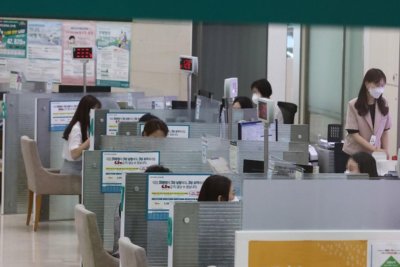
Customers visit a bank branch in Seoul, South Korea. Photo by YONHAP / EPA
March 8 (Asia Today) — South Korea plans to introduce a cap on student living expense loans after some university students began using the low-interest funds for stock and cryptocurrency investments.
The Korea Student Aid Foundation said the new loan cap system is expected to take effect next semester to reduce the risk of excessive borrowing among young people.
The agency currently offers living expense loans to undergraduate and graduate students at a fixed interest rate of 1.7%, significantly lower than typical commercial lending rates of about 3% to 4%.
Students who complete at least 12 credits in the previous semester and maintain an average grade of 70 or higher can apply. Borrowers may receive up to 2 million won ($1,490) per semester and are not required to provide documentation explaining how the funds are used.
Some students have used part of the loans as investment capital.
A 26-year-old student at Hankuk University of Foreign Studies said he invested part of his loan in semiconductor stocks.
“The interest rate is around 1% a year, so the burden is small,” he said. “If the investment return is higher than the interest, I felt there was no reason not to try.”
Another student at a four-year university in Jeju said he had previously invested loan funds in bitcoin during a price surge and made a profit. He said he continues to look for investment opportunities while stock markets remain strong.
Experts say the trend reflects both speculative investment behavior and financial pressures faced by young people.
Kim Dae-jong said the loans were originally intended to help students focus on their studies.
“Living expense loans are a public financial program designed to provide minimum support so students can concentrate on school,” Kim said. “Using them as investment funds is far removed from the program’s purpose.”
Loan delinquencies have also increased. According to the foundation, overdue balances rose from 19.2 billion won ($14.3 million) in 2021 to 38.7 billion won ($28.8 million) last year.
The number of delinquent borrowers nearly doubled during the same period, rising from 4,271 to 8,126.
Officials said most students still use the loans for living expenses and academic needs, but financial education programs are required before borrowers apply.
Students must complete an online financial education course that explains repayment obligations and the risks of excessive borrowing.
The foundation said the upcoming loan cap system aims to prevent excessive debt among students, since the loans must eventually be repaid after graduation.
— Reported by Asia Today; translated by UPI
© Asia Today. Unauthorized reproduction or redistribution prohibited.
Original Korean report: https://www.asiatoday.co.kr/kn/view.php?key=20260308010002045