The 11 best book club books (L.A. reader approved)
Nearly every week, I pass a colleague in the office who taunts me with four words: “Count of Monte Cristo, Count of Monte Cristo,” as he shakes his head. He’s disappointed his favorite book didn’t make the cut of our 101 best book club picks list, which served as the 2026 LA Times Festival of Books curtain-raiser. I don’t mind the barb. There’s nothing more exciting than an impassioned reader — even when they’re wrong. I’m all for rallying around a book or author and debating their merits like it’s a sporting match. Our book lists, after all, aren’t meant to be final verdicts. They’re invitations to read more (and, maybe, better).
Reading List
If you buy books linked on our site, The Times may earn a commission from Bookshop.org, whose fees support independent bookstores.
To compile our expansive list we surveyed more than 200 bookish luminaries — along with a few zealous book club members. Our readers had their own ideas for their top book club picks, many of which we deeply considered. Here you’ll find some of our worthy Los Angeles Times reader selections.

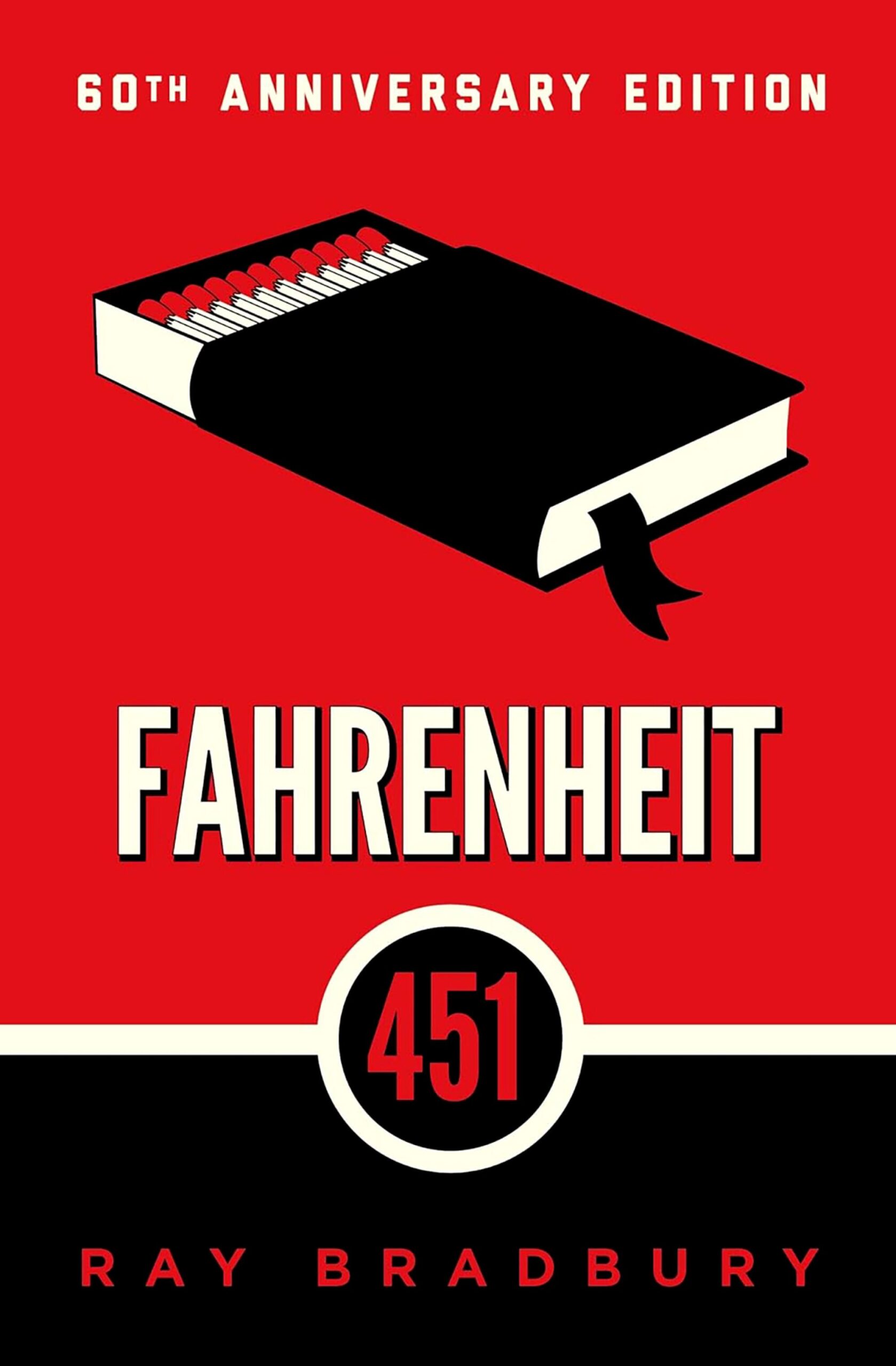
“Fahrenheit 451” by Raymond Bradbury
“A favorite book my book group read and discussed is ‘Farenheit 451.’ It was fascinating to see what the past thought the future might bring,” reader Margaret Hardy writes of the 20th century classic. “In terms of technology and control by the government we are seeing today what Bradbury was thinking about in 1953. We felt that the future was found in the past. It was a chilling read.” Equally chilling is that the book often shows up on banned books lists — not unlike in its narrative.

“Homegoing” by Yaa Gyasi
“You missed ‘Homegoing’ by Yaa Gyasi!” reader Melanie H. writes of the critically acclaimed Ghanian historical fiction novel. “My book club read it and I was enthralled. I can’t stop thinking about it ever since. The amount of research and empathy into every single character and era Gyasi put into this story is incredible. It altered my brain and to this day I tell everyone about this book.”

“Giovanni’s Room” by James Baldwin
Reader Roxanne Yahner writes, “It is beautifully written, elegant and eloquent, and there is no preparing anyone for the sheer inexorable force of Baldwin’s language. This novel expresses the personal — and historical — grief of two gay, perhaps bisexual, men as they explore their sexuality at a time and place where such behavior was dangerous. The reader aches for these men and feels their grief. Some in our book club were disturbed by this novel, but all agreed they were deeply moved by it.”

“The Satanic Verses” by Salman Rushdie
Several readers wrote to us recommending Rushdie’s magical realist epic. “It’s such a complex, yet entertaining novel. We learned a lot about the tenets of Islam as woven into the story,” Ellyn Moscowitz shares about their book club pick. “It provoked great discussions about death, afterlife, religion in general and great character studies.”

“Geek Love” by Katherine Dunn
Reader Francesca Smithwick-Driver chose this as a book club pick in the ‘90s for her group and the 1989 National Book Award fiction finalist remains a favorite.
“[It’s] about a family who runs a carnival of ‘freaks.’ The story is told by an albino dwarf. There are strong themes about what it is to be normal, falling in and out of love with yourself — your family — and the world around you. Wonderfully written scenes about horrible things and beautiful things. I still remember the discussion of my book club — from ‘why in the world did you recommend this disgusting book’ to ‘what a book’ … I couldn’t wait to get back to it each time I put it down.”

“The Master and Margarita” by Mikhail Bulgakov
Reader Kate Karp, who has a cat who resembles a key character in this Russian classic, writes: “[It] turned out, no surprise, to have been the inspiration for the Stones’ ‘Sympathy for the Devil.’” She notes it also requires multiple readings to grasp all the subplots — but it’s worth it.

“Klara and the Sun” by Kazuo Ishiguro (and “Chain Gang All-Stars” by Nana Kwame Adjei-Brenyah)
“I am terrible at book clubs because I have found that I am a very picky reader who simply will not read a book that I do not enjoy,” reader Mike Gascoigne writes. “That said, in a book club I did very much enjoy Kazuo Ishiguro’s ‘Klara and the Sun’ and Nana Kwame Adjei-Brenyah’s ‘Chain Gang All-Stars.’ There was a lot to discuss about both titles including AI/robots, intellectual enhancements, climate change, reality television, prison reform/abolition and human nature.”

“All the King’s Men” by Robert Penn Warren
“‘All the King’s Men’ is a powerful summer read — a Pulitzer-winning novel that feels strikingly current,” reader Ken Muche writes. “Set in the 1930s South, Willie Stark’s political rise echoes modern demagogues, reminding us how easily power can blur truth. Even more important, the novel invites reflection on our own bad life choices — showing that taking accountability for one’s actions is the first step toward forgiveness, peace, and ultimately, a more grounded kind of happiness.”

(Grove Press / Black Cat)
“Girl, Woman, Other” by Bernardine Evaristo
Reader Seth Kivnick’s pick is this work of fiction that co-won the Booker Prize in 2019, he notes that the compelling book describes the Black women in the British Isles who came from all walks of life and different countries. “[It] appealed to male and female club members.”

“Hell of a Book” by Jason Mott
“It’s good-humored without being comedy or satire but opens serious friendly discussions about contemporary problems,” reader Christine Almeida writes of the novel that won the 2021 National Book Award for fiction. “Our library-based book club talked about it for a solid 90 minutes without straying from what the book itself had to offer its readers.”