Ecuador to acccept Chinese hydroelectric plant despite concerns

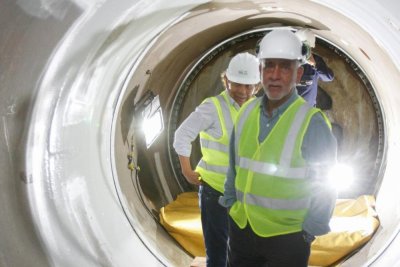
Minister of Electricity and Renewable Energy Carlos Perez (C) visits the Coca Codo Sinclair hydroelectric power plant during a tour for journalists in El Chaco, Ecuador, in June 2018. The government at the time was preparing to hire a specialized company check the plant for safety issues, File Photo by Jose Jacome/EPA
April 14 (UPI) — Ecuador’s government will formally accept the Coca Codo Sinclair hydroelectric plant this week, nearly a decade after technical disputes first delayed final delivery of the Chinese-built facility.
The handover follows resolution of an international arbitration dispute with Sinohydro, a subsidiary of PowerChina, over structural defects at the plant.
Ecuadorian Environment and Energy Minister Ines Manzano said the transfer will proceed under guaranteed conditions, allowing immediate operation and maintenance of the infrastructure.
Since the plant began partial operations in 2016, Ecuador and the Chinese contractor remained locked in a legal dispute over major structural flaws that prevented final acceptance of the project.
A 2018 report by Ecuador’s comptroller identified more than 7,600 cracks in the plant’s eight water distributors — key components that channel water to the turbines, local newspaper La Hora reported.
Subsequent technical reports and audits raised that figure to more than 17,000 cracks, fueling concerns over material quality, welding processes and possible design flaws.
The comptroller’s office warned the defects pose serious risks, including possible flooding of the powerhouse, total shutdown of the plant and danger to workers.
After Sinohydro declined to undertake permanent repairs, Ecuador took the dispute to the International Chamber of Commerce’s arbitration court.
The dispute was resolved through a financial and operational agreement under which Ecuador will receive $400 million in compensation. The government will next sign an operation and maintenance contract with PowerChina requiring the company to repair damage and replace defective water distributors, local newspaper El Comercio reported.
Separate from the structural issues, the facility also faces a broader environmental threat from regressive erosion of the Coca River, a geological process that has altered the surrounding area since the plant entered service.
The erosion has advanced toward the plant’s water intake structures, prompting the government to carry out emergency work that includes construction of permeable dams to slow the river’s force and retain sediment at a cost of $19 million.
The Coca Codo Sinclair plant is Ecuador’s largest and most strategic power generation facility.
With installed capacity of 1,500 megawatts, it supplies about 30% of Ecuador’s electricity demand on average and can account for more than half of the country’s hydropower generation during peak operations.
According to Infobae, the Coca Codo Sinclair case has become a symbol for analysts citing problems in Chinese-financed infrastructure projects across Latin America.
The plant was built with loans from the Export-Import Bank of China during the administration of Rafael Correa and has been at the center of investigations into alleged corruption tied to its contracting.