Sean and Heidi Cripe will never forget the call from their son’s high school saying Davis was being taken to the emergency room.
“He chugged an energy drink — like, just trying to be cool,” said Sean Cripe, recounting the day nearly a decade ago.
The teen’s heart soon fell out of rhythm and he died. While such deaths are rare, doctors across the country have warned for years that energy drinks contain high levels of caffeine that can seriously harm children, causing problems such as abnormal heartbeats, increased heart rate, sleep disturbances, dehydration, agitation, high blood pressure and seizures.
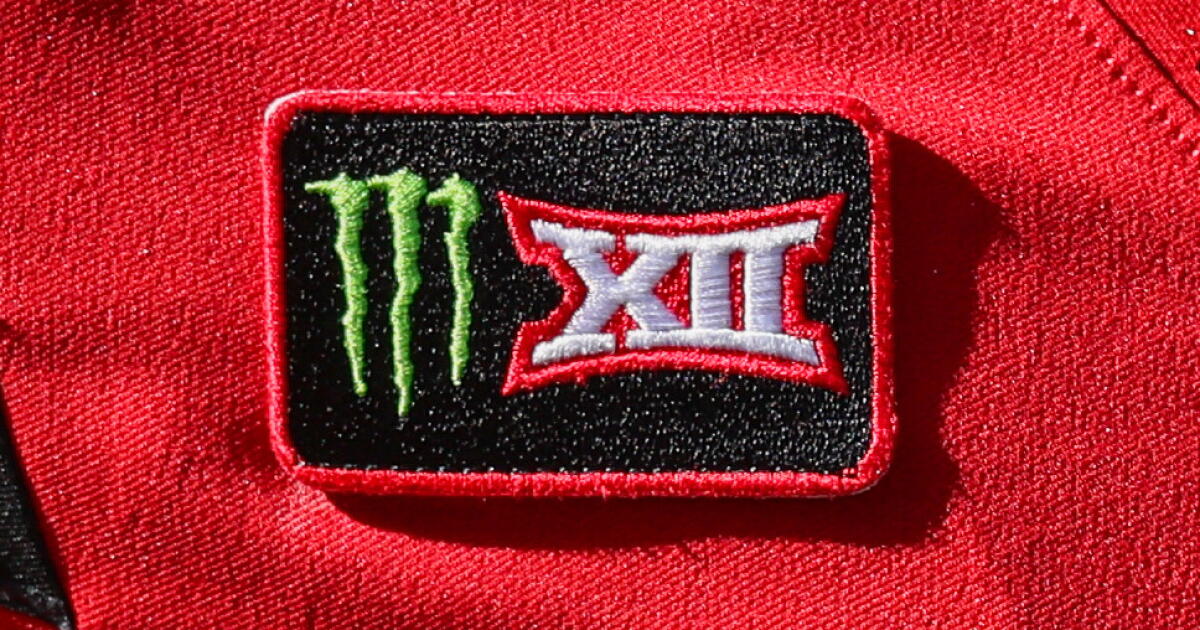
A newly formed coalition of doctors is highlighting these risks in the wake of a sponsorship deal between Monster Energy and the Big 12 Conference college athletic organization. The group has asked conference leaders to pause the sponsorship and the NCAA to review energy drink marketing to youths in general, citing the deaths of three children including Davis, a 16-year-old from South Carolina.
The doctors stress that they’re not just concerned about Monster but all energy drinks and any similar partnerships.
“Kids are going to see energy drinks now promoted by the universities and the athletes that they admire and want to emulate,” said Dr. Matthew Nelson, an Idaho cardiologist involved with the effort. “The kids will think of them as sports drinks, which they’re not.”
Too much caffeine can harm kids in many ways
Various medical groups, including the American Academy of Pediatrics, say children and teens should avoid energy drinks altogether. Yet many are not. According to the latest results of the federally funded Monitoring the Future survey, run by the University of Michigan, 23% of 12th-graders, 20% of 10th-graders and 18% of eighth-graders reported consuming energy drinks daily.
Depending on the product, caffeine content can range from 80 to 300 mg per serving. By comparison, a typical 8-ounce coffee contains about 80 to 100 mg and some sodas contain 50 mg or less. Overall, the pediatrics academy recommends children ages 12 to 18 limit caffeine to 100 mg a day. Younger kids are discouraged from consuming any caffeine.
Caffeine and other stimulants increase heart rate and the reactivity of the nervous system — basically “how fast things go in the body, which can create an overload of the system,” said Dr. Tamara Hannon, an Indiana pediatrician who chairs the academy’s nutrition committee.
She likened it to running a blender until the motor heats up too much. “The same thing can happen when you deliver stimulants to people,” she said. “The heart can wear out, the nervous system can go haywire and you can have really serious consequences.”
Mixing different types of caffeine can be risky
Children with preexisting conditions such as high blood pressure are at especially high risk, Hannon said, but even healthy children who get too much of a stimulant can have serious problems. That includes young athletes.
Another consideration: Kids often drink various types of caffeinated beverages. That was the case with Davis Cripe, who died in 2017. According to the coroner at the time, Davis had no prior heart condition and drank a Mountain Dew and a latte from McDonald’s earlier in the day. He experienced arrhythmia after having the energy drink.
It wasn’t the first time Davis drank one, although he didn’t consume them regularly.
“We had talked to him and let him know that they weren’t healthy,” Sean Cripe said. “We didn’t understand they could be deadly.”
Trade group says the energy drink industry tries to protect kids
The American Beverage Assn. — which includes Monster and other companies comprising 94% of the energy drink category — said members voluntarily disclose caffeine totals on product labels, which carry advisories such as: “Not intended for children, pregnant or nursing women, or persons sensitive to caffeine.” Members also don’t sell or market energy drinks in K-12 schools.
Monster Energy said in a statement that caffeine and other drink ingredients are found in a broad variety of food products. “Mainstream energy drinks have been marketed worldwide for more than 30 years and more than 100 billion energy drinks have been sold and safely consumed globally,” the company added.
The deal between Big 12 and Monster calls for a co-branded logo on football and basketball jerseys, fields and courts, and across digital and social media channels.
“The energy drink category is not new to collegiate athletics,” the Big 12 Conference said in a statement, adding that beverage companies are always looking for ways to reach sports fans.
The NCAA doesn’t have the authority to regulate conference or school sponsorship agreements, Dr. Deena Casiero, the association’s chief medical officer, told the doctor group in a letter. She said the association offers schools educational resources on caffeine and student-athlete health, and caffeine has been a topic of interest for an NCAA committee, which recently commissioned a cardiac advisory group.
How to educate kids about excess caffeine
To protect children, teachers and coaches can educate them about the dangers of too much caffeine and the difference between energy drinks and sports drinks, according to the U.S. Centers for Disease Control and Prevention. Sports drinks are designed to help replace water and electrolytes lost through sweating after activity.
Parents and other adults can also model good behavior by not consuming energy drinks in front of kids.
On a related topic, Harvard Medical School experts say there’s no scientifically valid evidence behind the common belief that caffeine can stunt a person’s growth.
At well visits, parents should talk with pediatricians about all the beverages their children are consuming, said Hannon, who often advises families to “Rethink your drink.”
Sean Cripe said sharing stories like his could also help children understand that energy drinks are not for them.
Ungar writes for the Associated Press.