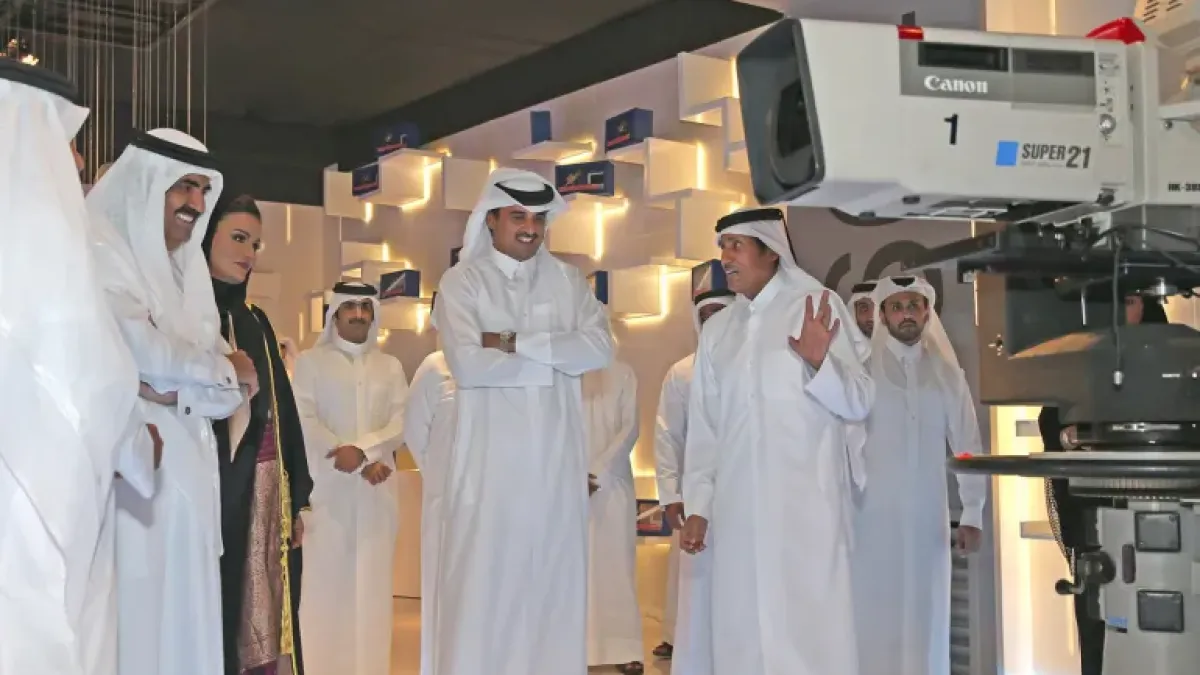
Hamad

Sheikh Hamad bin Khalifa Al Thani and Al Jazeera | Media

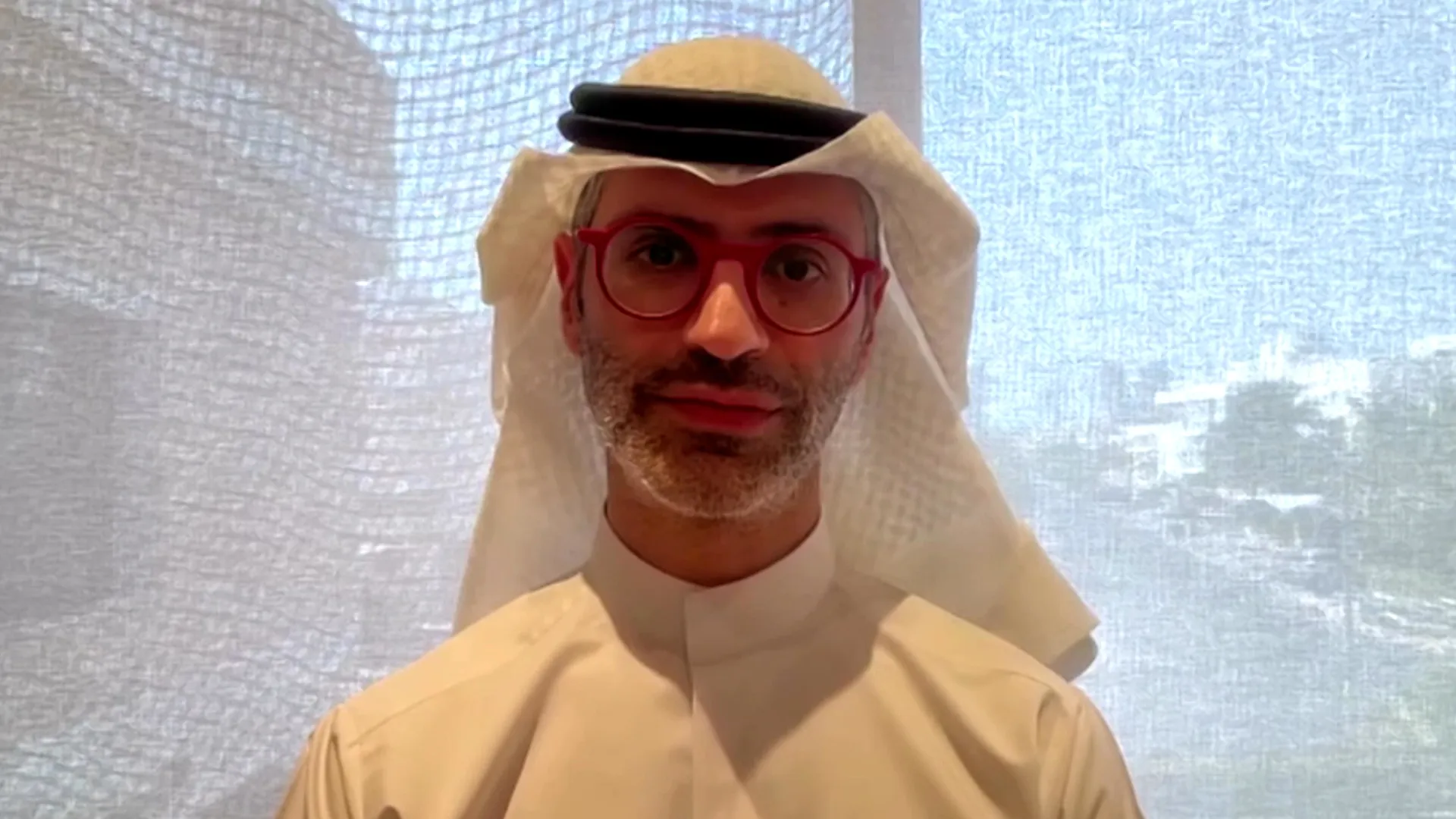
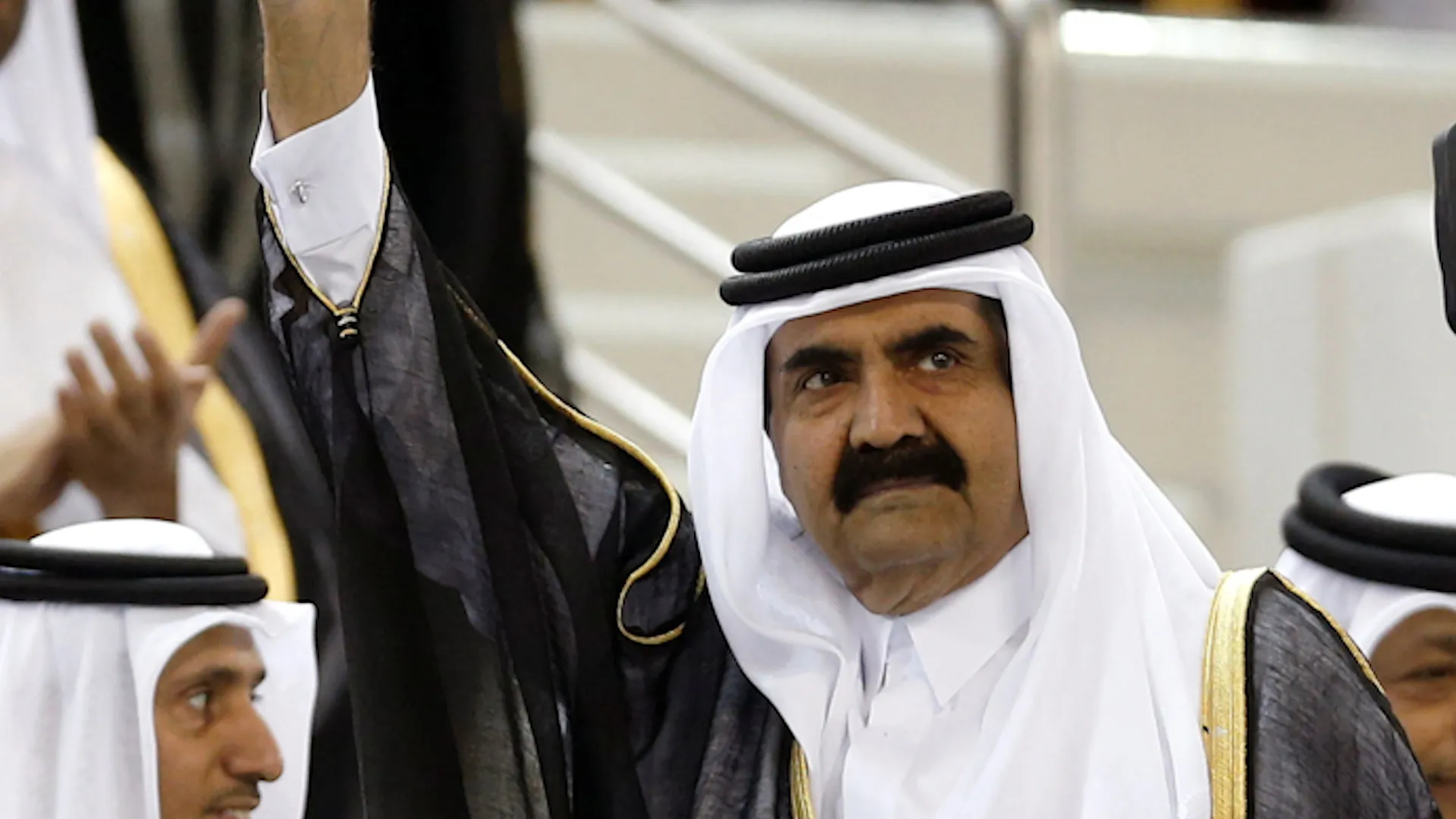
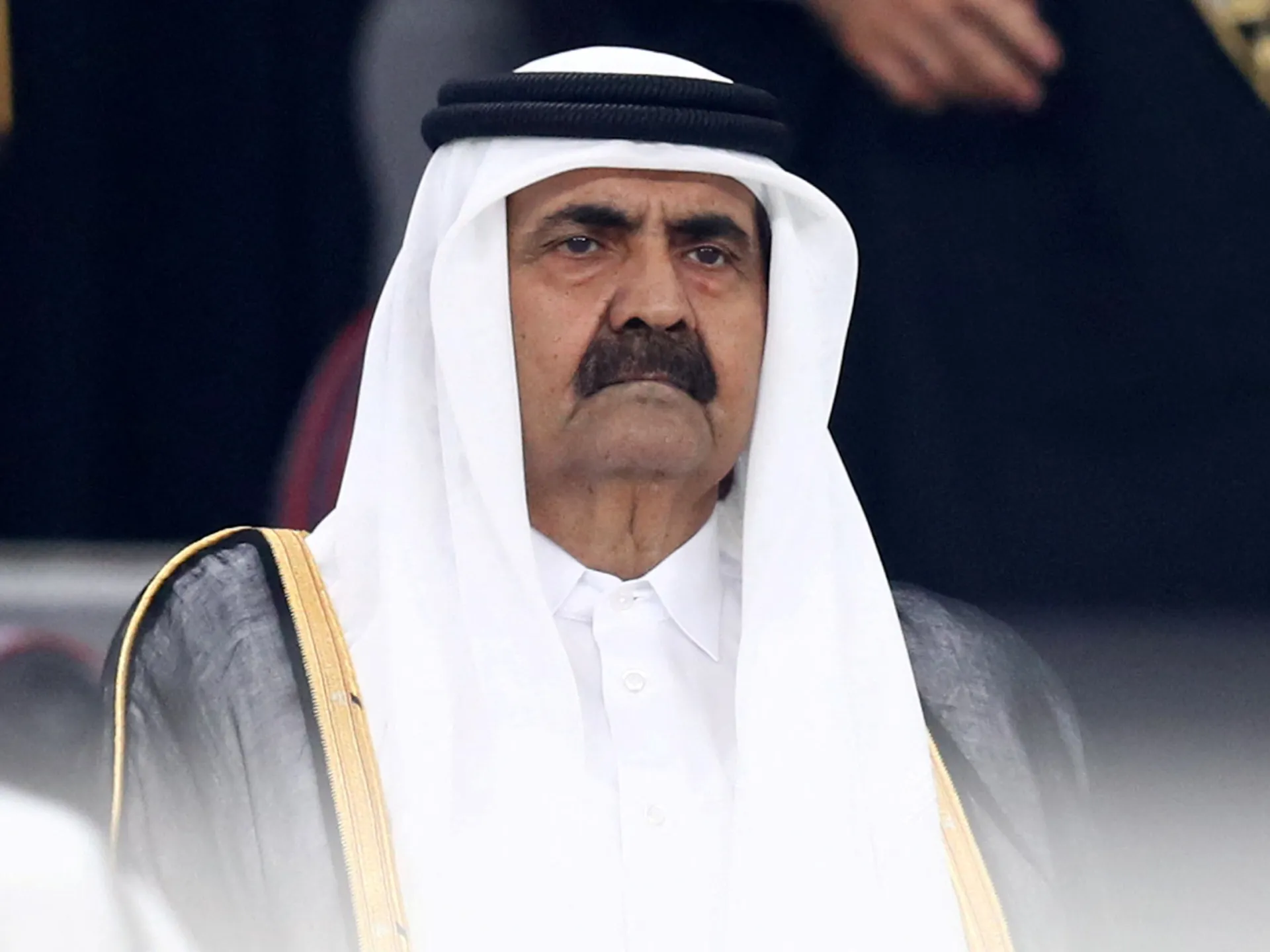
May God have mercy on Sheikh Hamad bin Khalifa Al Thani, the humane emir, the brave leader, and the great father, who loved Qatar and its people. Advancing the nation, both in the present and the future, was his primary concern and highest goal; today, it occupies advanced ranks across all fields, including media.

The Al Jazeera Media Network was one of the projects launched during his reign, may God rest his soul.

One day, His Highness summoned me, and I met him at his home. He informed me that he intended to establish a television news channel to be named Al Jazeera. It would enjoy a wide margin of freedom so it would be different from what people were accustomed to seeing in the Arab media landscape.

It would be a news channel that operates according to the principles of free journalism, akin to professional international media institutions and outlets.

We began constructing the building not far from Qatar Television, and we proceeded to equip it with broadcasting and satellite communication equipment, and prepared the newsroom to receive those who would work there.

His Highness was keen on following the progress of all major projects, offering encouragement and guidance, despite his immersion in state affairs, having taken the reins of power only a few months prior at the time.

The Board of Directors was formed, and the director general of the channel was appointed. Then the steps of attracting and recruiting journalistic and technical personnel began.

Journalists and staff arrived, and the newsroom came to life. The channel’s slogan, “The Opinion and the Other Opinion”, was set and trial broadcasting commenced.

In late November 1996, the first half-hour news bulletin aired, serving as a window outside the general norm. The beginning consisted of six hours of broadcasting per day.

Signs of success emerged from the early days when journalists and the general public began talking about a new voice unlike anything the Arab world had seen before. Everyone felt joyful at the success of the idea after doubts had troubled many.

Sheikh Hamad bin Khalifa used to visit the channel, but he never once interfered in any coverage or programme, as long as everything proceeded according to professional rules.

This is what strengthened everyone’s belonging to the project and cemented the conviction that it was a project for the nation, aimed at conveying the truth from the field in image and word, no matter the hardships and sacrifices.

It was not unexpected for His Highness that the channel — with its strong performance in the arena of news and talk shows, and its independent, professional editorial policy — would face opposition and pressure from both the Arab and international spheres alike.

However, Sheikh Hamad bin Khalifa did not yield to this, driven by his belief in the importance of independent and free media. This served as a protective umbrella for the channel and its employees, reinforcing their spirit of belonging, deepening their faith in their message, and increasing their readiness to continue contributing.

His vision for the future of Al Jazeera also proved true. The painful targeting it endured over the years did not deter it from continuing to carry its independent message. Its impact continues to grow day by day, within its region and beyond. It changes concepts, broadens culture and awareness, and shifts media equations around the world, north and south. The network today occupies a leading position at the forefront of both the traditional media landscape and the digital sphere.

Among all the projects established by His Highness, Al Jazeera held a special place. In my final meeting with him, may God have mercy on him, his health condition did not prevent him from asking about Al Jazeera and checking on its current state and future, just as he used to do with the workers in the rest of the country’s projects.

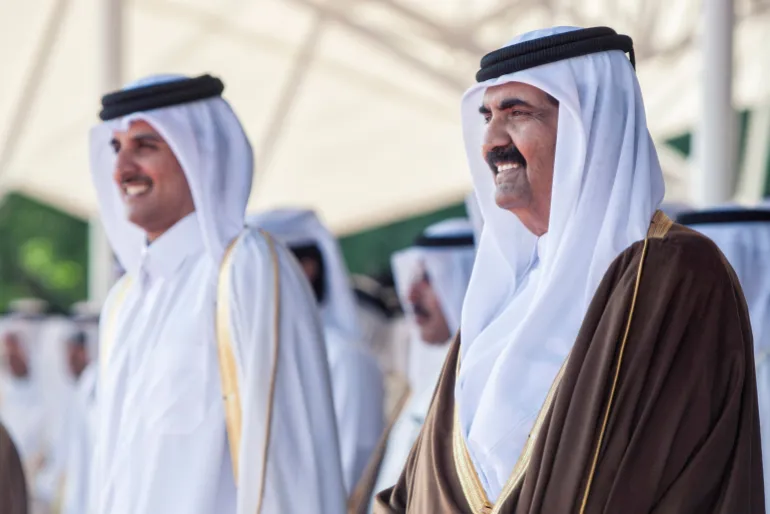
Sheikh Tamim bin Hamad Al Thani succeeded his father as emir. He too faced, during one of the most difficult periods in Qatar’s history, pressures seeking to alter the network’s approach, yet he did not accept any interference in its editorial policies, regardless of the source.

Furthermore, he does not personally intervene in its operations as long as it adheres to professional rules and ethics.

This is the story of Al Jazeera’s inception with its visionary founder, Sheikh Hamad bin Khalifa, up until he passed away.

However, this article does not recount the complete history of Al Jazeera; rather, it presents merely one chapter of its tale. It is a story that will continue to be read, emulated and cited as an example of a successful enterprise that left a profound impact spanning generations, despite the hardships and challenges it endured.

Above all, these words — and many more — cannot do justice to Sheikh Hamad bin Khalifa for all that he gave to his nation, his people, and his extended Qatari family. He dedicated his entire life to serving them and spearheading developmental projects across all fields. Among these is the Al Jazeera project, which is widely regarded as a success story acclaimed by the entire world and described as an exceptional media model.

May God have mercy upon Sheikh Hamad bin Khalifa — the human, the father and the leader. May He grant him rest in His vast paradise and reward him with the best of rewards on behalf of us all. And may God protect the emir and wise leader, Sheikh Tamim, and protect Qatar and its people.

A version of this piece was first published on Al Jazeera Arabic

Source link

How former Emir Sheikh Hamad bin Khalifa Al Thani built Qatar’s economy | Business and Economy News

Qatar’s Father Emir Sheikh Hamad Bin Khalifa Al Thani has died at the age of 74.

During his 18-year rule, Sheikh Hamad reshaped the energy-rich country’s domestic and global footprint.

When he assumed power in 1995, Qatar’s economy was limited in size and relied mainly on oil, while the vast gas wealth of the North Field site was still in the early stages of development.

In less than two decades, Qatar became the world’s largest exporter of liquefied natural gas (LNG), the owner of one of the largest sovereign wealth funds and one of the countries with the highest per capita incomes.

This transformation was not just an oil or gas boom fuelled by rising energy prices, but an overhaul of the country’s economic model that was underpinned by a strategy of investing natural resource wealth in building productive assets, financial institutions, infrastructure and human capital.

The economic shift did not begin with Sheikh Hamad’s assumption of power. It was preceded by his appointment in 1989 as chairman of the Supreme Council for Planning, the body then responsible for formulating Qatar’s economic and social policies, which allowed him to oversee the preparation of development programmes before he came to power.

Here, we take a look at Sheikh Hamad’s economic legacy that helped transform Qatar from a small Gulf economy to a major and influential player in global energy and investment markets.

How gas changed Qatar’s economy

The development of the North Field, the world’s largest natural gas field, marked the true starting point of Qatar’s economic transformation.

The decision to accelerate investment and expand gas liquefaction projects during the second half of the 1990s changed the country’s position in the energy market and propelled it towards global leadership.

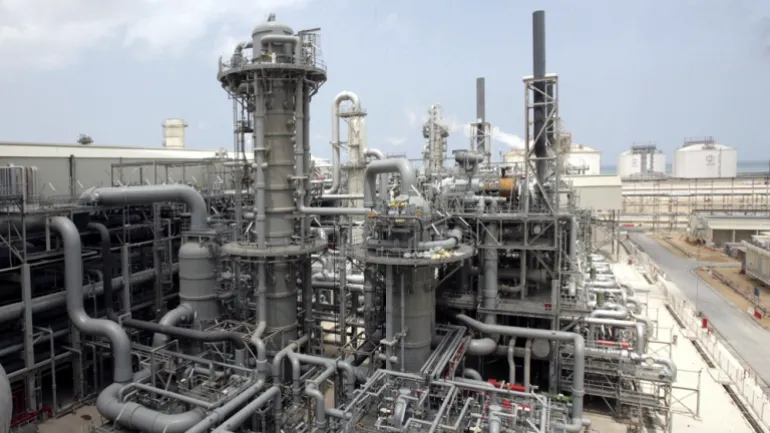
Qatar gas plant - CTC
An overview of Qatar’s massive Ras Laffan ‌industrial complex [File: Maneesh Bakshi/AP Photos]

Qatar went from exporting its first LNG shipment in 1996 to becoming the world’s largest exporter of the commodity in fewer than 15 years.

By 2010, production capacity had risen to 77 million tons per year, according to data from QatarEnergy and the International Energy Agency.

The impact of this boom was not limited to increasing revenues; it also cemented Qatar’s position as a strategic partner in global energy security, especially for the economies of Asia and Europe.

Data from Qatar’s Amiri Diwan reflect the scale of the transformation witnessed by the energy sector, as the added value of the hydrocarbons sector rose from 11 billion Qatari riyals (about $3bn) to 403 billion riyals (about $110.4bn) during Sheikh Hamad’s rule.

Unprecedented economic growth

The gas boom was directly reflected in the performance of Qatar’s economy, which became one of the fastest-growing in the world during the first decade of the millennium.

World Bank data cited by Bloomberg showed Qatar’s economy grew more than twentyfold during Sheikh Hamad’s reign, with gross domestic product (GDP) rising from about $8bn in 1995 to about $199 billion in 2013.

According to the International Monetary Fund (IMF), the economy also recorded the highest growth rates in the world during that period, with real growth reaching 18 percent in 2006 before rising to 26.2 percent in 2011, as LNG production projects came onstream.

From gas boom to capital export

The economic transformation did not stop at increased production or revenues, but it also extended to the way wealth was managed.

As part of building a system to manage financial surpluses, Qatar in 2001 established the Supreme Council for Economic Affairs and Investment under the chairmanship of Sheikh Hamad.

The council was tasked with diversifying domestic and foreign investments “with the aim of developing Qatar’s financial reserves and diversifying sources of income”, according to the Qatari Amiri Diwan.

Four years later, the Qatar Investment Authority (QIA) was established to manage the financial surpluses generated from oil and gas exports.

Sheikh Hamad implemented a policy based on allocating part of the energy revenues to long-term investment, with the aim of building sustainable sources of income beyond natural resources.

QIA quickly became one of the world’s largest sovereign wealth funds, acquiring stakes in companies such as Barclays and Volkswagen, as well as the United Kingdom-based Harrods department store in 2010.

Qatar’s investment policies expanded to cover almost every continent – from investments in football clubs, to global economic institutions, to London’s Shard skyscraper, among others.

The authority’s assets are now estimated at more than $500bn, according to the Sovereign Wealth Fund Institute, making it one of the world’s largest government investors.

Former Emir Sheikh Hamad bin Khalifa Al Thani
Emir Sheikh Hamad addresses the first meeting of his cabinet in Doha on October 30, 1996 [Reuters]

Qatari citizens’ rising living standards

The economic growth was reflected in welfare indicators.

According to the World Bank and the IMF, Qatar during Sheikh Hamad’s reign became one of the countries with the highest GDP per capita in the world.

It exceeded $90,000 in terms of purchasing power parity, as it expanded spending on housing, education and health and recorded a steep decline in unemployment rates to very low levels.

Experts believe the rise in income was not solely the result of higher energy prices, but also stemmed from expanded government investment and the creation of jobs linked to energy and infrastructure projects.

Investment in people

In parallel with energy investments, Qatar also moved towards building a knowledge-based economy.

One of the first development decisions after Sheikh Hamad assumed power was the establishment of the Qatar Foundation for Education, Science and Community Development in August 1995 to serve as the main arm for investment in education, scientific research and innovation.

The country later attracted international universities including Georgetown, Texas A&M and Carnegie Mellon, in a move seen as part of a strategy to prepare for the post-oil and gas phase.

The health sector also saw significant expansion through the development of Hamad Medical Corporation and the establishment of new hospitals and specialised centres as part of efforts to improve the quality of public services and keep pace with population growth.

At the same time, the country’s economic openness, coupled with a policy of strengthening its position as a financial and commercial hub in the region, turned the expanding capital of Doha into an increasingly important centre for international economic and investment conferences.

The World Cup and the economy of the future

Gas revenues during Sheikh Hamad’s rule were not limited to financing Qatar’s budget, but were also used for massive infrastructure investments.

That period saw the launch of projects such as Hamad International Airport, Hamad Port, Lusail City and modern road networks, alongside projects that later formed the foundation of the Doha Metro.

These works helped transform Doha from a small Gulf city into a global urban hub, providing the foundation that enabled Qatar to become the first Arab and Middle Eastern country to host the FIFA World Cup in 2022.

After the country won the right to host the major football tournament, its infrastructure and construction sector witnessed a major boom as the government approved huge spending plans exceeding $200bn in infrastructure, including roads, stadiums, railway lines and the construction of a new airport and port.

Sheikh Hamad bin Khalifa Al-Thani
Emir Sheikh Hamad and his wife Sheikha Moza bint Nasser with the World Cup trophy after the announcement that Qatar will host the 2022 edition at the FIFA headquarters in Zurich, Switzerland on December 2, 2010 [Philippe Desmazes/AFP]

An ongoing economic legacy

In 2008, the state launched Qatar National Vision 2030, a strategic plan aimed at building a knowledge-based economy with the goal of ensuring continued prosperity for future generations.

This vision, which continues to serve as the governing framework for economic policies, reflects a direction that began under Sheikh Hamad based on transforming natural wealth into a foundation for sustainable development.

And if the development of the gas industry was the starting point for Qatar’s economic transformation, the most prominent legacy of Sheikh Hamad lies in transforming exceptional energy revenues into long-term development tools.

Through the establishment of institutions such as the Supreme Council for Economic Affairs and Investment and QIA, the launch of Qatar National Vision 2030 and investments in education and infrastructure, Qatar moved from an economy dependent on oil exports to a model that combines energy strength with global investment influence.

This blueprint still forms the basis of the state’s economic policies that are being pursued to this day by Sheikh Hamad’s son and successor, Emir Sheikh Tamim bin Hamad Al Thani.

Qatar former emir Sheikh Hamad
Former Emir Sheikh Hamad with his son, Emir Sheikh Tamim bin Hamad Al Thani [File: Handout/The Amiri Diwan]

Source link

Sheikh Hamad: The Arab leader who broke Israel’s siege on Gaza | Israel-Palestine conflict News

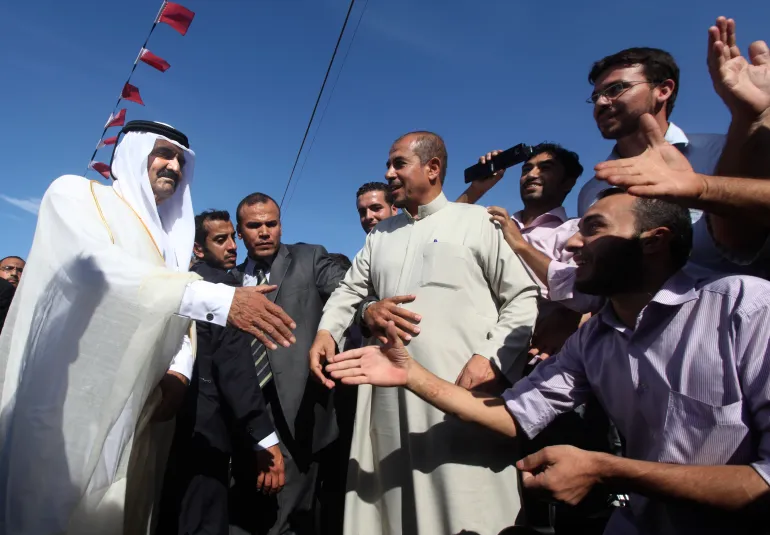
Following the passing of Qatar’s Father Emir Sheikh Hamad bin Khalifa Al Thani on Sunday, his solidarity with the Palestinian people remains one of the defining legacies of his leadership. He is being remembered not only as a regional statesman, but also as a steadfast ally of the Palestinian people and the only Arab leader to physically break the crippling siege on the Gaza Strip.

In October 2012, Sheikh Hamad visited the embattled Gaza Strip, six years after Israel imposed its crippling international blockade on the territory, following the 2006 Palestinian elections.

Accompanied by his wife, Sheikha Moza bint Nasser, and a high-level delegation, the emir bypassed the political isolation imposed on the enclave by Western powers and regional actors, leading to a massive official and popular reception.

The head of Hamas’s diaspora office, Khaled Meshaal, told Al Jazeera that the visit to the Strip means that “Jerusalem, Gaza and Palestine mourn him.”

“He was the first Arab and Muslim leader to visit Gaza, standing by its side with chivalry and magnanimity, as if officially announcing the breaking of the siege in its darkest circumstances,” Meshaal told Al Jazeera. “He was intelligent, brave and a man of principles.”

Ahmed al-Sheikh, a senior journalist, Arab affairs commentator and former news director at Al Jazeera Arabic Channel, said the Father Emir had ”a special kind of love for Palestine”.

“Has any other leader in the Arab world done that [visit to Gaza], except Hamad bin Khalifa?” al-Sheikh reflected in a recent interview.

”Why did he go to Gaza? It’s because he saw that everyone around Gaza is neglecting it”, he added.

Sheikh Hamad bin Khalifa Al-Thani
The late Emir of Qatar greets people in Gaza City as he arrives for a cornerstone-laying ceremony at a Qatari-funded rehabilitation centre, October 23, 2012 [Hatem Moussa-Pool/Getty Images]

During that landmark visit, Sheikh Hamad announced an increase in Qatar’s reconstruction grant to the enclave from $254m to $400m, laying the foundation for vital housing, infrastructure and healthcare projects that benefited thousands of Palestinians.

Addressing crowds at the Islamic University of Gaza – which awarded him and Sheikha Moza honorary doctorates for their humanitarian efforts – he praised the resilience of the Palestinian people, while criticising the international community’s double standards.

Sheikh Hamad Qatar former emir Gaza
Palestinian leaders and the former Emir arrive at a cornerstone-laying ceremony for a new residential neighbourhood called Hamad in Khan Younis, October 23, 2012 [Mohammed Salem-Pool/Getty Images]

Personal pain and the ‘spearhead’ of liberation

His commitment to the Palestinian cause predated the blockade on Gaza. In 1999, Sheikh Hamad became the first Gulf leader to visit the Palestinian territories since 1967, meeting with the late Palestinian President Yasser Arafat during a critical political impasse.

According to al-Sheikh, the emir viewed the Palestinian struggle through a deeply personal lens. When former Israeli Prime Minister Ariel Sharon besieged Arafat’s headquarters in Ramallah, the emir was profoundly pained. He told his aides that when Sharon attacked the Muqata’a, it felt as though he was attacking Qatar itself.

His connection to Palestine was coupled with a regret that he had never visited Jerusalem before its occupation in 1967, According to al-Sheikh, that prompted him to commission an extensive three-hour documentary on the holy city to capture its history and identity.

Rather than relying solely on international intervention, he believed in the agency of the Palestinian people and that they were the essential spearhead of their movement. “You will do the primary action and without this action there can be no liberation,” the emir once told al-Sheikh.

Defying regional consensus

This stance put him frequently at odds with the regional consensus. During Israel’s devastating 2008–2009 war on Gaza, deep divisions emerged among Gulf Cooperation Council (GCC) members over how to respond to the crisis.

Sheikh Hamad called for an emergency Arab summit in Doha, proposing a $250m reconstruction fund and a maritime corridor to bypass the blockade. He famously expressed his disappointment on live television about the lack of an Arab quorum for the emergency meeting. “God is sufficient for us and he is the best disposer of affairs.”

Some of Gaza’s most vital infrastructure projects before the outbreak of Israel’s genocidal war in October 2023 were the result of financial pledges made by Sheikh Hamad.

Qatar funded the rehabilitation of vital highways and the flagship Sheikh Hamad City in Khan Younis—a $58m public housing project with 53 modern apartment buildings for thousands of low-income families.

GAZA CITY, GAZA - OCTOBER 23: The Emir of Qatar Sheikh Hamad bin Khalifa al-Thani (L) and Hamas Prime Minister Ismail Haniyeh of the Palestinian National Authority wave to the crowd as they arrive to a cornerstone-laying ceremony of a Qatari funded rehabilitation center October 23, 2012 in Gaza City, Gaza. The Emir of Qatar received a hero's welcome in Gaza, becoming the first head of state to visit the Palestinian territory since the Islamist militant Hamas seized control there in 2007. (Photo by Hatem Moussa-Pool/Getty Images)
The former Emir with Hamas Prime Minister Ismail Haniyeh at a ceremony for a Qatari-funded rehabilitation centre in Gaza City, October 23, 2012 [Hatem Moussa-Pool/Getty Images]

Additionally, the Sheikh Hamad Hospital for Rehabilitation and Prosthetics, which officially opened in April 2019, became the territory’s premier facility for amputees and children with hearing impairments.

Israel’s genocidal war on Gaza has systematically erased much of the infrastructure Qatar helped finance during Sheikh Hamad’s leadership. Satellite imagery from May this year confirms that Hamad City and other areas in southern Gaza have been wiped from the map.

The Sheikh Hamad Hospital managed to resume its vital services last December, despite suffering direct attacks, severe shortages and the broader collapse of Gaza’s healthcare system. Operating the only CT scanner in northern Gaza, the hospital has even opened a new branch in the south to cope with a 225 percent increase in amputation cases.

Sheikh Hamad Hospital’s continued operations during the ongoing genocide in Gaza remain a tangible remnant of the late emir’s unprecedented efforts in the besieged enclave. His support for Gaza will remain for generations to come.

Palestinian children wave colored balloons and Qatari flags while waiting for the convoy of Emir of Qatar Sheikh Hamad bin Khalifa al-Thani, not pictured, to pass by a street in Gaza City, Tuesday, Oct. 23, 2012. The emir of Qatar received a hero's welcome in Gaza on Tuesday, becoming the first head of state to visit the Palestinian territory since the Islamist militant Hamas seized control there in 2007. (AP Photo/Hatem Moussa)
Palestinian children wave Qatari flags while waiting for the former Emir to arrive in Gaza City, October 23, 2012 [Hatem Moussa/AP]

Source link

How Sheikh Hamad bin Khalifa Al Thani built Qatar’s soft power | GCC News

The leader known as Qatar’s father emir was able to redefine his nation’s position on the political map of the Middle East.

From a tiny state struggling to survive to a country punching above its weight with soft power, wealth and influence felt in the region and beyond, Qatar and its success story were propelled by late Father Emir Sheikh Hamad bin Khalifa Al Thani.

Sheikh Hamad, who died on Sunday aged 74, was able to redefine Qatar’s position on the political map of the Middle East, moving it from the margins of the Gulf to regional prominence in the political, diplomatic, national and humanitarian fields, relying on his vision that transcended the country’s modest size and narrow borders.

Recommended Stories

list of 3 itemsend of list

Those who knew Sheikh Hamad said he was aware, even before assuming power in 1995, of his country’s lack of traditional elements of strength and understood the need to invest in soft power.

From the early days of his reign, he implemented enormous projects in education, health, scientific research and sports in addition to the vital energy sector, transforming his country’s wealth into international diplomatic weight and not merely a source of prosperity for his own people. The former emir also understood the power of media when he created Al Jazeera, one of the most successful news channels in the Arab world, which later transformed into a powerful media network.

Qatari diplomacy led fruitful mediations in complex disputes and conflicts across a vast geographic expanse from the Eastern Mediterranean to the Horn of Africa.

Doha brought together leaders in Lebanon in 2008, concluding a historic agreement that quelled the risk of another civil war. Qatar sponsored negotiations that lasted 30 months between the Sudanese parties over the Darfur crisis, culminating in 2011 in the signing of the Doha Document for Peace.

Qatar continued to sponsor dialogue between Hamas and Fatah, the two sides in the Palestinian divide, and settled disputes in Yemen and Somalia and between Eritrea and Djibouti in a rare diplomatic model.

During the Father Emir’s era, Qatar established the Al Udeid military base, which hosts the largest United States military force in the Middle East. Not far from it, Doha hosted the leadership of Hamas, a stance that prompted some residents to describe Sheikh Hamad as the “emir of the resistance” when he visited southern Lebanon in 2010 to inspect villages that had been rebuilt with Qatari funding after the 2006 Israeli-Hezbollah war.

He was the first Arab leader to visit the Gaza Strip in the aftermath of the Israeli war in 2012, announcing from there the launch of housing and reconstruction projects with a grant worth $400m.

Sheikh Hamad Qatar former emir Gaza
Hamas Prime Minister Ismail Haniyeh (3rd-L) of the Palestinian National Authority and the Emir of Qatar Sheikh Hamad bin Khalifa al-Thani (4th-L) arrive to a cornerstone-laying ceremony for Hamad in Khan Younis in the southern Gaza Strip [ FILE: Mohammed Salem-Pool/Getty Images]

Qatar’s mediation role remained shielded from affecting its political principles, especially the Palestinian cause, considering it had to maintain open communication channels with all parties to the conflicts, including Israel.

The Gulf state supported the “Arab Spring” revolutions, and it adopted policies that explicitly backed the right of the region’s peoples to freedom and dignified lives.

The Qatari project during the father emir’s era was not focused solely on economic modernisation but also built an independent political identity capable of regional and international influence.

Sheikh Hamad left his post in 2013 after his vision for Qatar became a reality, and during the era of his son and successor, Emir Sheikh Tamim bin Hamad Al Thani, he witnessed Qatar’s transformation into an energy and mediation power.

Source link

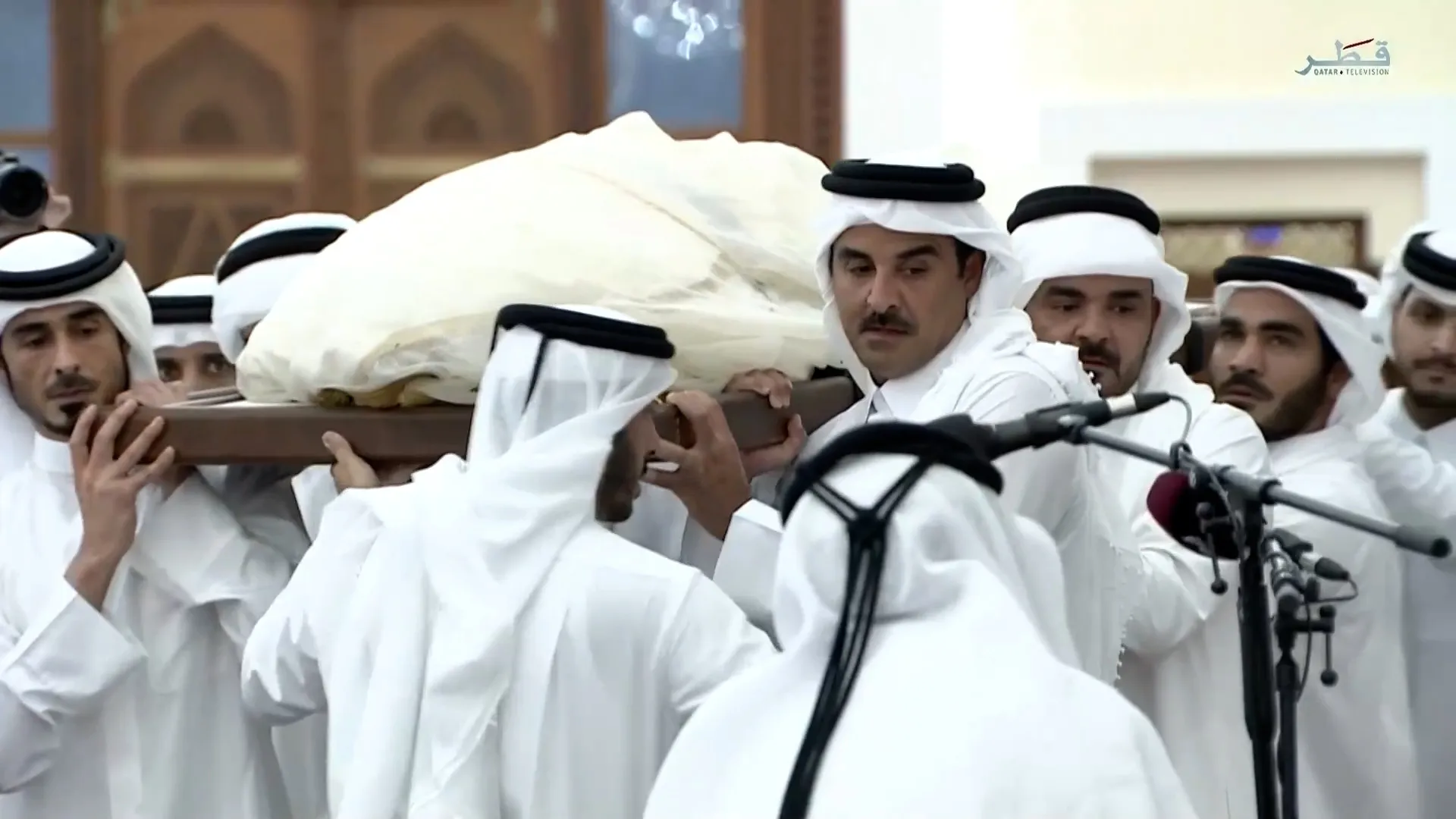
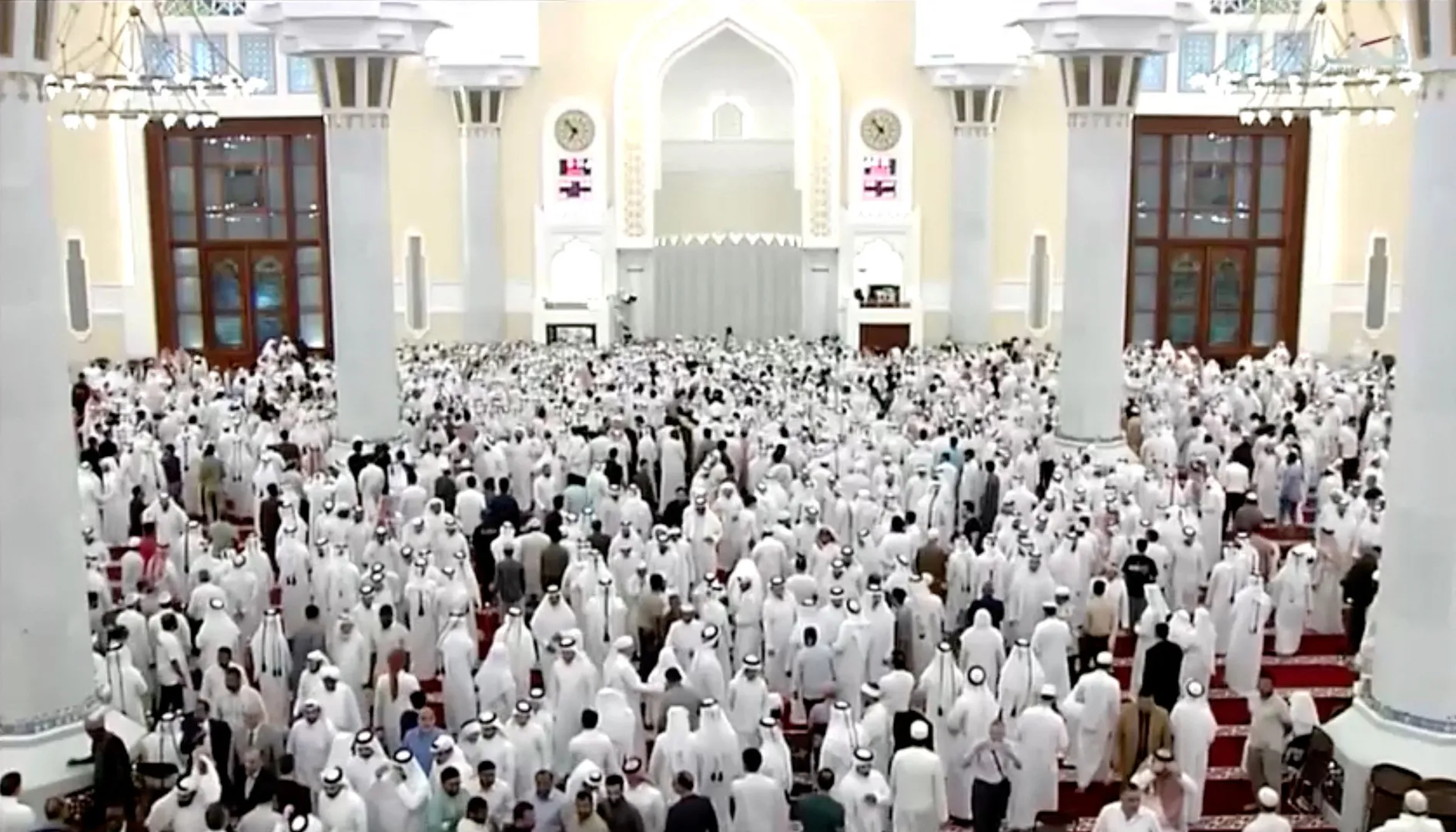
Qatar mourns Father Emir Sheikh Hamad bin Khalifa Al Thani | News

NewsFeed

Qatar’s Father Emir Sheikh Hamad bin Khalifa Al Thani has died at the age of 74. During his 18 years in power, he transformed Qatar into a global energy, diplomatic and media powerhouse, overseeing the expansion of its LNG industry, the founding of Al Jazeera, and the country’s rise on the world stage.
He stepped down voluntarily in 2013, handing power to his son, Emir Sheikh Tamim bin Hamad Al Thani. Mohammed Jamjoom looks back at his life and legacy.

Source link

Key moments from former Qatar Emir Sheikh Hamad bin Khalifa Al Thani’s life | Obituaries News

The architect of modern Qatar, former Emir ⁠Sheikh Hamad bin ⁠Khalifa Al Thani, has died at the age of 74.

Fondly known as Father Emir, ⁠Sheikh Hamad, who ruled Qatar from 1995 to 2013, leaves behind a legacy that includes sweeping economic, social and cultural reforms in Qatar, raising the Gulf country’s profile on the regional and global stage.

Recommended Stories

list of 3 itemsend of list

During his 18-year rule, Qatar’s gross domestic product (GDP) grew more than 24-fold as the small nation of nearly 2.5 million people became one of the world’s largest exporters of liquefied natural gas (LNG).

Sheikh Hamad’s tenure also saw the adoption of Qatar’s permanent constitution and the launch of the Qatar National Vision 2030, a long-term strategy aimed at transforming the country into a knowledge-based economy and achieving sustainable development.

Here is a look at some key moments in the former Qatari emir’s life:

Path to leadership

Born in January 1952 in Doha, Sheikh Hamad was raised and received his early education in the city.

In 1971, he graduated from the British Royal Military Academy at Sandhurst, United Kingdom, and joined the Qatar armed forces, where he reached the rank of major-general. He was credited with playing a pivotal role in developing the armed forces in terms of ordnance, according to a statement by the Amiri Diwan.

On May 31, 1977, Sheikh Hamad was appointed the heir apparent and minister of defence. On May 10, 1989, he was appointed the chairman of the Supreme Council for Planning, where he was tasked with developing Qatar’s social and economic policies.

After a successful career in the military and senior government positions, Sheikh Hamad assumed leadership of Qatar on June 27, 1995. He remained the ruler of Qatar until June 25, 2013, when he transferred power to his son, Sheikh Tamim bin Hamad Al Thani.

Qatar former emir Sheikh Hamad
Sheikh Hamad, right, with his son Sheikh Tamim bin Hamad Al Thani [Handout/The Amiri Diwan]

Economic transformation

Under Sheikh Hamad’s leadership, Qatar saw rapid economic growth driven by the expansion of its energy sector.

He viewed the country’s untapped North Field, which is the largest nonassociated natural gasfield in the world, as the cornerstone of Qatar’s future economic dominance, and invested heavily in the LNG sector. In 1996, the country began exporting LNG, with the first shipment sent to Japan.

According to the Amiri Diwan, in 2006, Qatar became the largest LNG exporter in the world, and in 2010, its LNG production capacity reached 77 million tonnes per annum. Qatar’s LNG exports currently represent 20 percent of the global market, it said.

Besides the energy sector, Sheikh Hamad also formulated comprehensive reconstruction plans which helped Qatar’s development in the education, healthcare, sports, culture and media sectors.

In October 2001, he established the Supreme Council for Economic Affairs and Investment to oversee the economy, energy and investment affairs and diversify local and foreign investments and sources of income.

Emir
Sheikh Hamad walks beside members of a security team as he arrives to attend the National Day celebrations in Doha, Qatar [File: Fadi Al-Assaad/Reuters]

Press freedom and launch of Al Jazeera

A few months after taking office as the emir of Qatar, in October 1995, Sheikh Hamad abolished the censorship of the local press, seeking to improve the country’s press freedom status.

In 1996, he launched the Al Jazeera Media Network, which resulted in “a new dawn” in the Arab and international media world, according to the Amiri Diwan.

Since its launch, Al Jazeera has become one of the world’s most prominent media outlets covering global news, geopolitics and underreported topics and giving a voice to minority communities through its stories.

In August 1995, Sheikh Hamad founded Qatar Foundation for Education, Science and Community Development, which helped expand the country’s influence in media, education, and innovation.

Qatar
Sheikh Hamad with his daughter Hind at the Arab League summit in Doha [File: Marwan Naamani/AFP]

Constitution and national vision

Sheikh Hamad played a key role in introducing democratic measures in the country after he assumed power. In March 1999, he introduced municipal elections, in which women were allowed to vote and stand as candidates.

On June 8, 2004, Sheikh Hamad led Qatar to adopt its first permanent constitution.

According to the Amiri Diwan, the permanent constitution sets out the country’s “preamble, the foundations of democratic rule” and lays out the “basic pillar” for society to guarantee the rights and freedoms of Qatar’s citizens.

In 2004, Sheikh Hamad launched “Qatar National Vision 2030” to guide the country’s long-term development and modernisation and help it transform into a knowledge-based economy.

Global profile

Qatar’s political influence today stretches across North Africa, the Middle East and Asia, with the country using its diplomacy to mediate several conflicts.

Sheikh Hamad drove the country’s mediation efforts in conflicts including the Hanish Islands dispute between Eritrea and Yemen in 1995, the Yemen war between 2007 and 2010, the Lebanese political crisis in 2008 and the Darfur peace process between 2010 and 2011, among others.

In October 2012, he became the first Arab leader to visit Gaza, since the imposition of a widespread international boycott of the Palestinian territory, which was spurred after Hamas began its rule in 2006.

Sheikh Hamad arrived with 90 tonnes of aid and pledged $400m to invest in housing and infrastructure, as he embraced the Hamas leadership of Gaza with an official visit, breaking the isolation of the Palestinian movement, much to the dismay of Israel, its allies, as well as the Western-backed Palestinian leaders in the occupied West Bank.

Besides diplomacy, the late former leader also focused on improving Qatar’s international status by projecting the country as a suitable venue for global sports and entertainment events.

In 2022, Qatar hosted the men’s FIFA World Cup, the world’s most-watched football tournament. Sheikh Hamad received rapturous applause from fans when he attended the tournament’s opening match.

Sheikh Hamad Qatar former emir Gaza
Sheikh Hamad, centre, and slain Hamas leader Ismail Haniyeh, third from left, arrive for a cornerstone-laying ceremony for Hamad, a new residential neighbourhood in Khan Younis, southern Gaza, October 23, 2012 [Mohammed Salem/Pool via Getty]

Source link

Former emir of Qatar, Sheikh Hamad bin Khalifa Al Thani, dies at 74 | News

⁠Qatar’s former Emir ⁠Sheikh Hamad bin ⁠Khalifa Al Thani ‌has died at the age of ⁠74, the country’s Amiri ⁠Diwan said.

“With hearts steadfast in faith in God’s decree and destiny, the Amiri Diwan mourns the great loss to the nation of the late – may God have mercy on him – His Highness the Father Amir Sheikh Hamad bin Khalifa Al Thani, who passed away this morning,” the Amiri Diwan said in a statement on Sunday.

More to come…

Source link