Haiti

Dominican Republic bans Haiti from its stadiums after football fans clash | Football

Groups of fans forced through entrances, damaging a gate at the teams’ CONCACAF Nations League match in Santo Domingo.

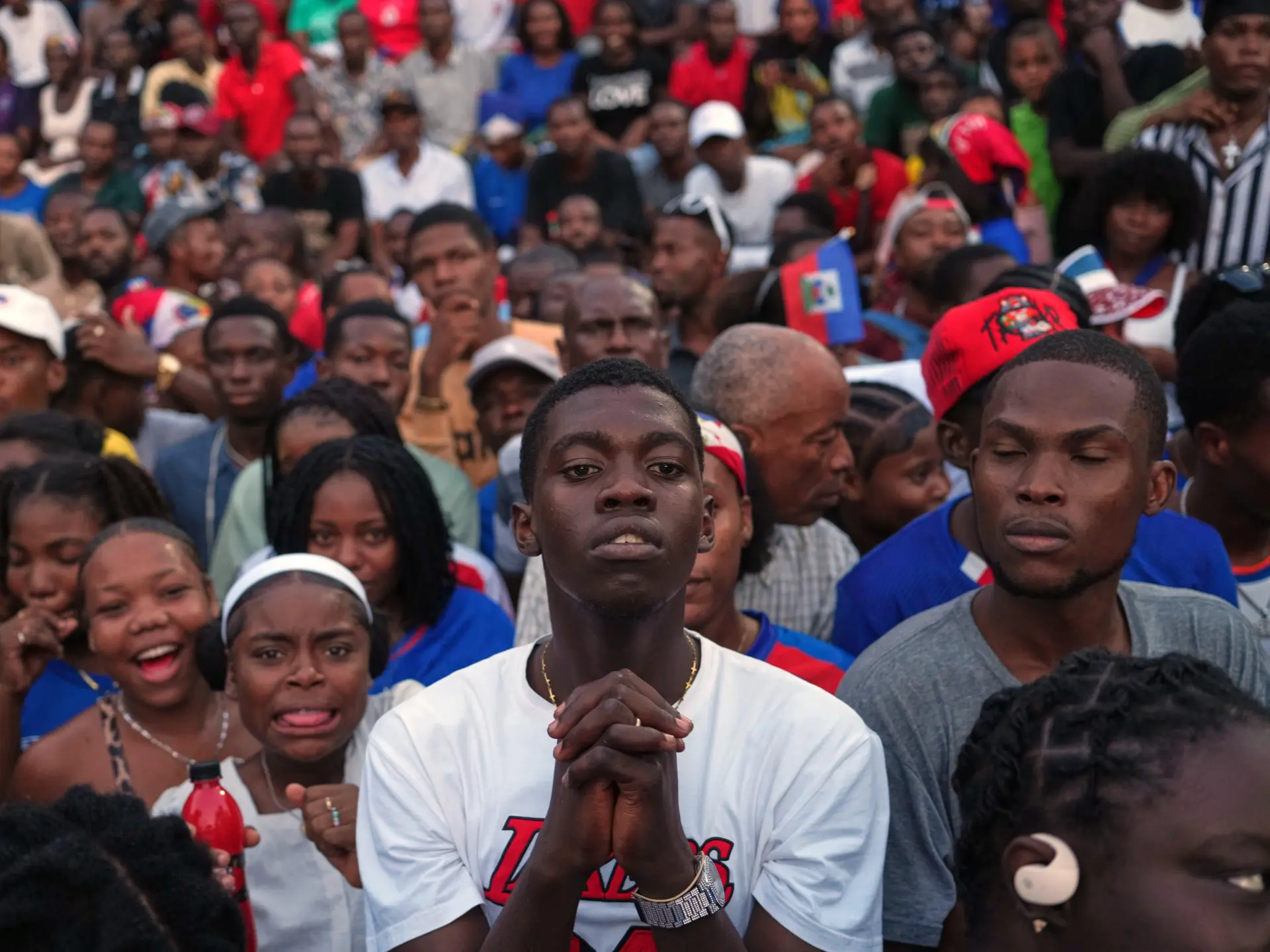
The Dominican Republic has banned Haiti’s national football team from playing at its sports venues after crowd trouble at a CONCACAF Nations League match between the two island neighbours.

Sports Minister Kelvin Cruz announced the ban after incidents before the match on Thursday night at the entrances to the Felix Sanchez Olympic Stadium in Santo Domingo.

Video posted on social media showed groups of fans forcing some entrances, with one gate damaged.

“What we saw yesterday with a gate at the Felix Sanchez, a sports facility that has cost millions and millions of pesos to make it shine, is unacceptable,” Cruz said, citing a zero-tolerance policy on indiscipline.

Dominican Republic President Luis Abinader backed the decision, saying: “The position of the Sports Minister is the position of the Government.”

Haiti’s ⁠embassy in Santo Domingo said the remarks, made “in the heat of competition and the intensity characteristic of sporting events”, did not reflect the position of ⁠the Haitian government and thanked Dominican authorities for the event.

“Sporting ⁠rivalries must not call into question relations of good neighborliness and mutual respect that must prevail between the two states,” the embassy said in a statement.

In a post on X after the match, the federation called it a “beautiful night for Haiti, beautiful night for the island we share”, adding: “On the field, competition; off the field, respect for the neighbor.”

Haiti won the match 4-1, with Sunderland striker Wilson Isidor scoring twice. The win gave Haiti nine points in Group A, while the Dominican Republic remained on six points. Haiti play Costa Rica in San Jose on Sunday.

Isidor was filmed saying: “Hispaniola is Haiti.” Hispaniola is the Caribbean island shared by the Dominican Republic and Haiti, which have long clashed over migration and border security.

Dominican Football Federation president Jose Deschamps called Isidor’s remark “a lack of respect for national sovereignty” and said the federation would file a complaint with FIFA and CONCACAF.

Abinader’s government has stepped up deportations of undocumented Haitians since October 2024, when it pledged to deport up to 10,000 people a week.

Sport has been drawn into the neighbours’ disputes before.

In 2023, after Abinader shut the border in a dispute over a Haitian canal on the shared Massacre River, Haiti’s sports ministry ordered its football federation to stop staging national team matches in the Dominican Republic.
Source link

Haitian government calls for renewal of international anti-gang task force | Conflict News

Haitian foreign minister says renewal is necessary to ensure safety ahead of elections scheduled in December.

Haiti’s Foreign Ministry has called on the United Nations Security Council to renew the mandate of an internationally backed security force meant to tamp down the powerful armed groups controlling parts of the country.

On Thursday, Foreign Minister Raina Forbin reiterated her view that the Gang Suppression Force (GSF) needed to be fully deployed to her country, with support from the international community.

Recommended Stories

list of 3 itemsend of list

Its mandate, however, is slated to expire on September 30, unless the UNSC acts to extend its mission.

“We need technical, financial, logistical and safety support that is up to the challenge,” said Forbin. “We must now move from solidarity to action.”

Her remarks came at a meeting of the Organisation of American States (OAS), focused on the continued gang violence in Haiti.

Forbin gestured to a pressing need in her country. This year alone, in the three months from April to June, an estimated 1,408 people were killed in Haiti, with 656 injured. Much of that violence was attributed to gangs.

Haiti is also pushing ahead with long-postponed general elections. Critics, however, fear that the violence could disrupt the elections and weaken public confidence in the outcome.

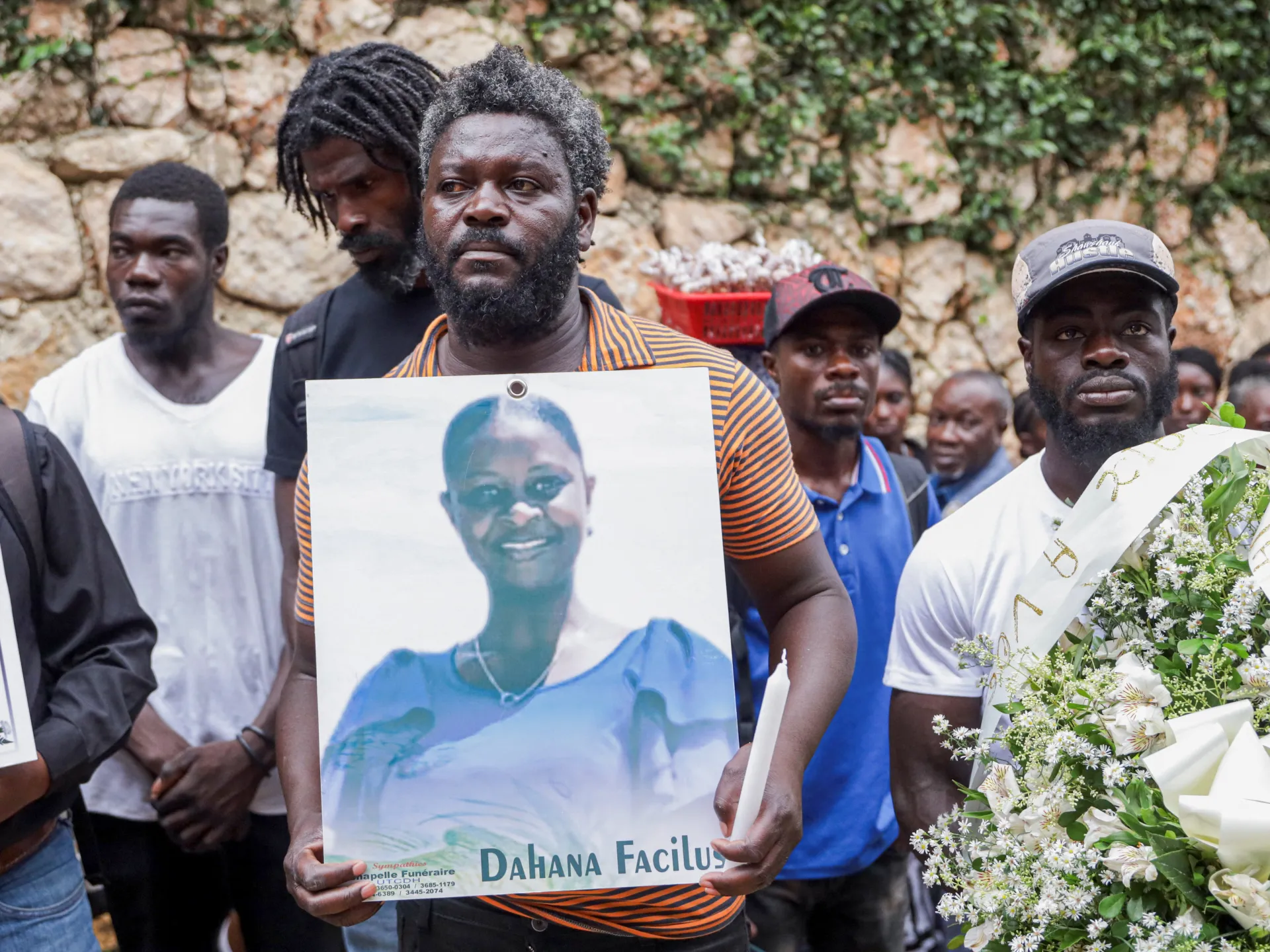
Political instability in Haiti has been heightened since the assassination of former President Jovenel Moise in 2021. Armed groups have flourished in the vacuum, assuming control over large swaths of the capital of Port-au-Prince and displacing more than one million people.

Authorities have struggled to address either the out-of-control violence or the deeper causes of instability in the country, including poverty and government corruption.

The upcoming elections, the first in a decade, are currently scheduled to take place on December 13. But officials have questioned whether they will take place, given conditions on the ground.

OAS Secretary-General Albert Ramdin said that the regional body would deploy an Electoral Observation Mission to help support a credible vote, urging greater assistance for Haiti’s provisional electoral council.

He added that about one million identity cards must also be produced and distributed before voting can take place.

“Haiti is at a critical juncture,” Ramdin said in a statement on Thursday. “Our responsibility is clear: to strengthen security efforts, advance electoral preparations, fulfill existing commitments and ensure that international cooperation translates into tangible improvements in the daily lives of the Haitian people.”

But international assistance efforts have also drawn criticism, with many Haitians sceptical of outside interference in their country.

Officials within such international forces have also bemoaned a lack of steady support. Before the GSF, Kenya had led a Multinational Security Support (MSS) to support Haitian police, only to withdraw in April, after failing to meet its funding and deployment goals.

The UN Security Council voted to create the GSF task force in October 2025 as a replacement for the MSS. The mission was given a 12-month mandate.

The GSF is authorised to pursue “counter-gang operations to neutralize, isolate, and deter gangs”, either independently or in cooperation with Haitian police and its military.

Human rights advocates, however, note that such international support has been lacking for Haitians fleeing the violence.

Many Haitians have been forcibly returned to the country after fleeing for safety. A UN official informed an emergency meeting of the UNSC last week that nearly 200,000 people have been sent back to Haiti during the first eight months of this year.

That amounts to a 20,000 increase over the same period last year.

Source link