Fifa: Gianni Infantino apologises over World Cup move but told he must do more
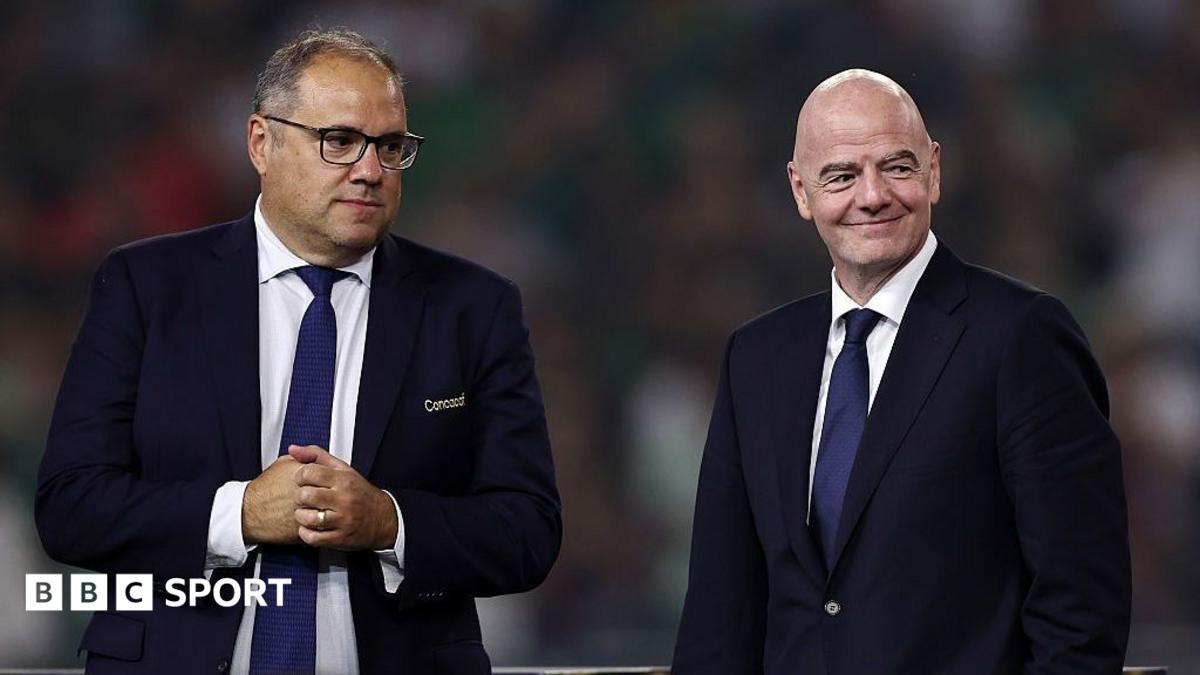
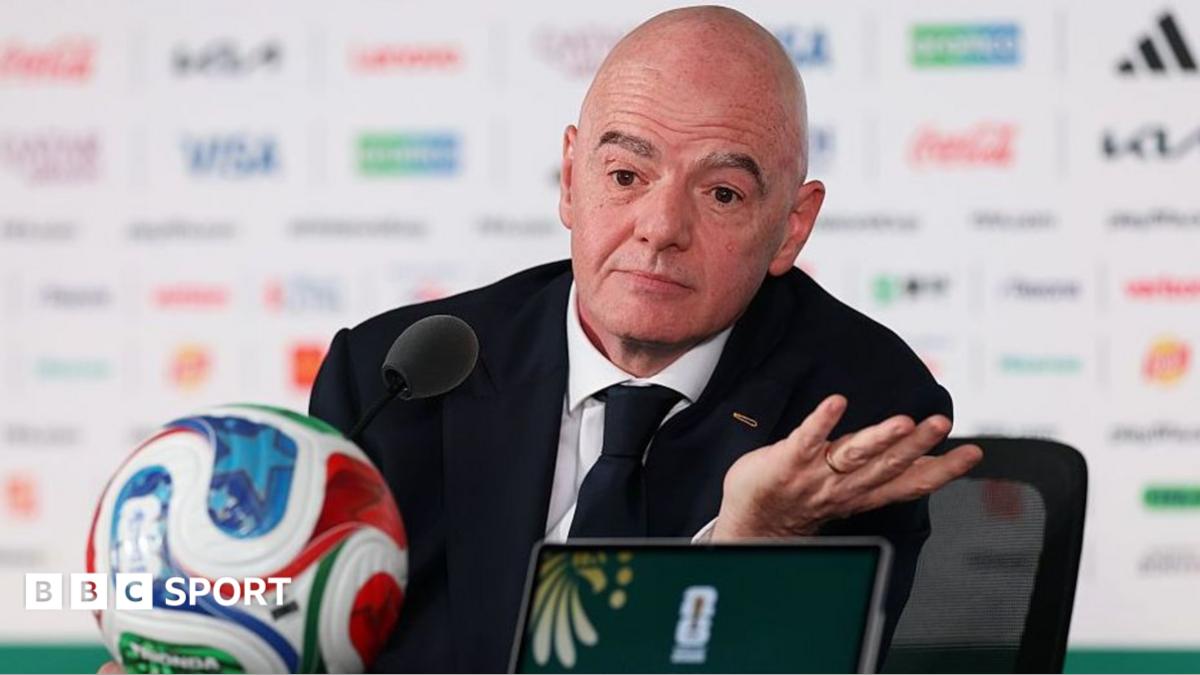
President Gianni Infantino has apologised to the Fifa Council for his World Cup sell-off plan – but has been told he is not fit to lead unless he releases all of the documents and answers key questions.
The Fifa Council met in Zurich on Thursday for the first time since Infantino’s secret Fifa Forward Enterprise (FFE) proposal emerged.
Under FFE, which Infantino scrapped within days, a portion of the commercial rights of football’s world governing body would have been given to a private investment firm.
In a three-and-a-half-hour meeting, Infantino also faced questions about US striker Folarin Balogun’s suspended red-card ban, the Fifa Peace Prize and funding for national associations.
Football Association chair Debbie Hewitt – a Fifa vice-president – said afterwards that many questions remained unanswered.
“One of the disappointing things is that we didn’t get answers to anything that we had specifically requested – for example getting the papers from FFE,” Hewitt said.
“I asked the question ‘why not?’ – and we were asked to submit those questions in writing.
“I think the man has to answer those questions and if he doesn’t answer those questions now, he’s not fit to be Fifa president – and that was what was shared in the meeting.”
Hewitt acknowledged there had been “some contrition” in Infantino’s apology.
“Then there were no holds barred in terms of what we felt about what had happened,” she added.
“What he really apologised for was not bringing it to the council. If you regret it that deeply, share it with us.”
Uefa – European football’s governing body – has been one of Infantino’s fiercest critics and has repeatedly called on him to stand down.
It has prepared criminal legal proceedings against Infantino and lodged a claim in three US courts for all documents related to FFE to be released.
Asked if there was any change in stance from Uefa about Infantino, Hewitt added: “From my position, nothing has shifted. I’ve no new information that makes me feel any differently, other than we do have a president who is apologetic.”