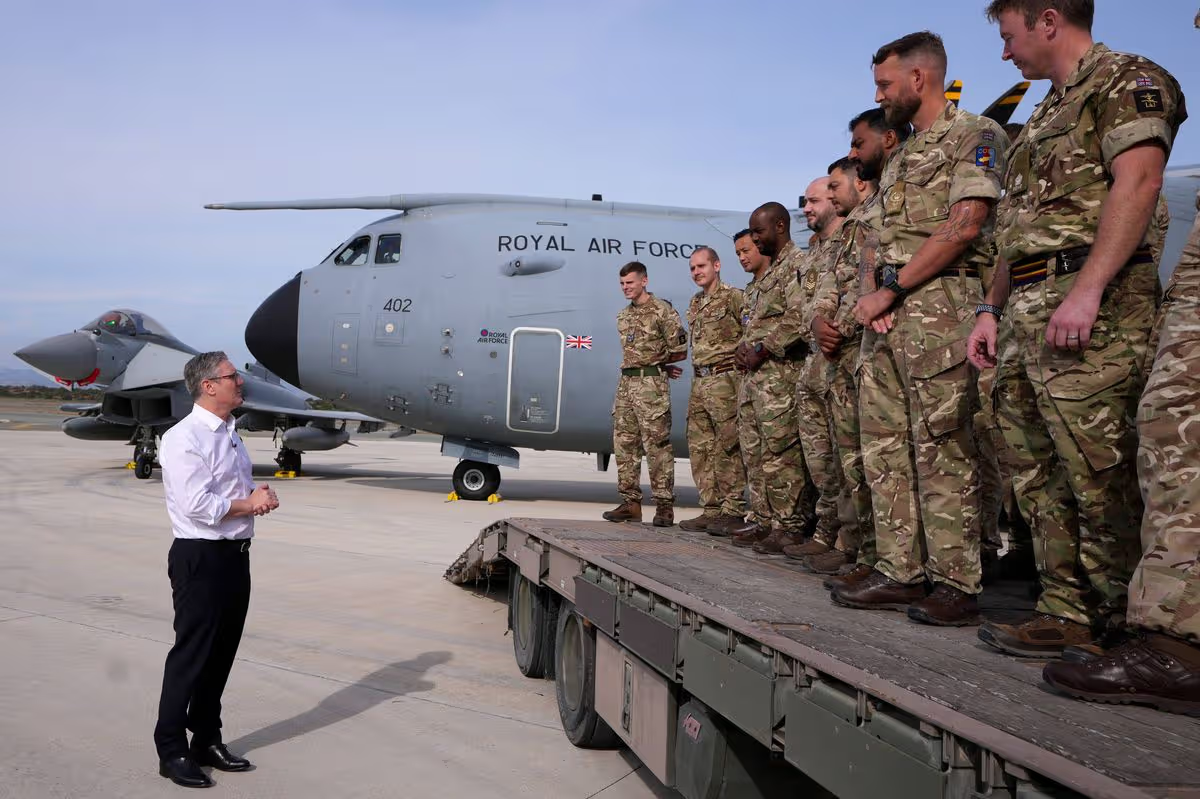
RAF Akrotiri on Cyprus was hit by a drone, which has threatened the safety of British military personnel, and now the Foreign Office has issued a warning to tourists there
22:46, 03 Mar 2026Updated 22:52, 03 Mar 2026
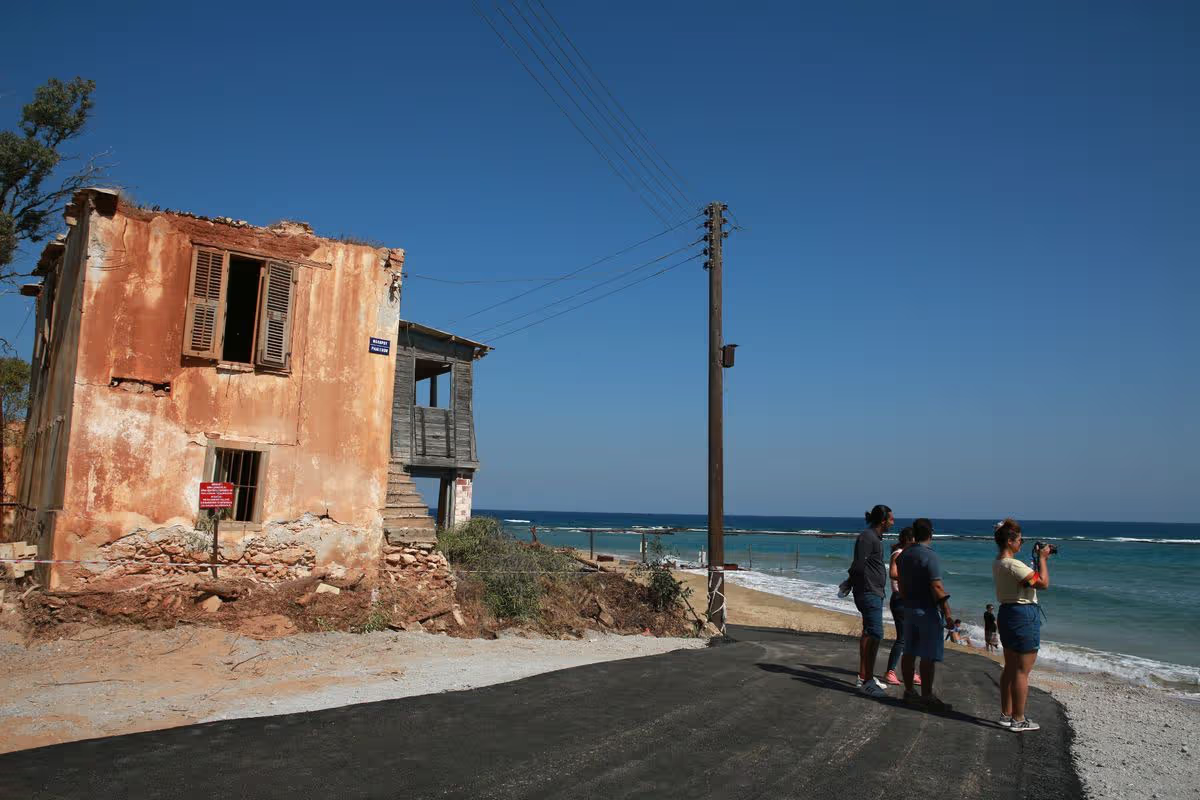
Tourists stand on a beach in Varosha in Famagusta, Cyprus(Image: Getty Images)
British tourists on Cyprus should follow five key steps to ensure their safety, the Foreign Office says.
Visitors on the island in the Mediterranean Sea have been ordered to keep their departure plans under review and ensure their travel documents are up to date amid the conflict in the Middle East. RAF Akrotiri on Cyprus was hit by a drone on Monday, after which 60 flights to and from Cypriot airports were cancelled.
The UK will send HMS Dragon, one of the Royal Navy’s six Type 45 air defence destroyers, but tourists should also take action. The Foreign, Commonwealth and Development Office (FCDO)’s website reads: “Regional escalation poses significant security risks and has led to travel disruption.”
read guidance on “how to prepare for a crisis” on the FCDO website, with suggestions on what you might include in your emergency supplies and “what to do in a crisis”
sign up to FCDO Travel Advice email alerts
monitor local and international media
sign up to local information alerts/resources AND follow the advice of local authorities
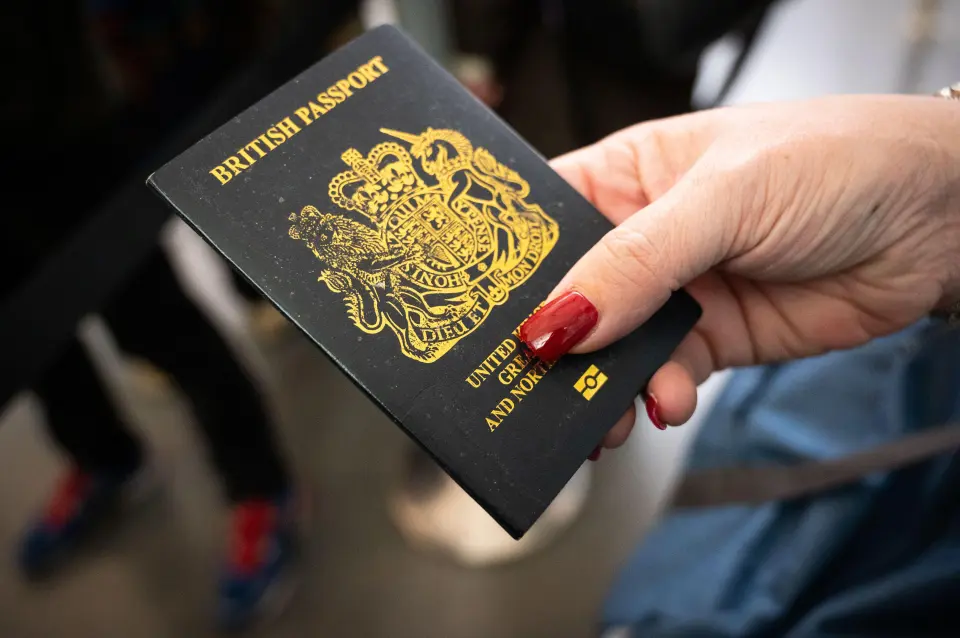
keep your departure plans under review AND ensure your travel documents are up to date
The conflict and tension in the Middle East and Gulf states continues. Donald Trump, though, has said he is “not happy” with the UK after it did not initially allow the US to use its bases for strikes on Iran, and added that Keir Starmer is “not Winston Churchill”.
It is the latest in a series of broadsides from the US president over the UK’s position on the Middle East war. Meanwhile, the Foreign Secretary confirmed that a Government charter flight will take off from Muscat, Oman, “in the coming days” to bring vulnerable British nationals back.
The HMS Dragon, due to be sent from Portsmouth in Hampshire and crewed by more than 200 people, is designed for air defence, it is equipped with a Sea Viper anti-air missile system. Defence Secretary John Healey said: “We are moving quickly to further reinforce our defensive presence in the Eastern Mediterranean.
“HMS Dragon brings world-class air defence capability, and our Wildcat helicopters are armed with Martlet missiles to counter the growing drone threat.
“I am deeply proud of the professionalism and bravery of our Armed Forces personnel who have in recent days, successfully taken action across the region to protect our allies and defend British interests.”
“Only you can make an informed decision based on your own individual circumstances and the risks.”
In general, travelling to a country or region where the advice is against all but essential travel will also invalidate most travel insurance policies.
Countries with updated travel warnings
Afghanistan
While Afghanistan was already classified as a no-travel destination by the FCDO, its website flagged that there is “new information about heightened tension between Afghanistan and Pakistan”.
British nationals are advised: “You should not travel to Afghanistan. The security situation is volatile and tensions between Afghanistan and Pakistan have previously resulted in violent clashes in border regions.”
The warning described travel throughout the country as “extremely dangerous”, noting that “a number of border crossings are not currently open”.
It also flagged a “heightened risk of British nationals being detained”, with the potential of “years of imprisonment” and “extrememly limited support” from the FCDO.
Armenia (certain areas)
The FCDO also advises against all travel to regions surrounding the Armenia-Azerbaijan border due to tensions between the nations.
Azerbaijan (certain areas)
As well as avoiding the Armenia-Azerbaijan border, the FCDO advises British nationals against all but essential travel to southwestern Azerbaijan.
Bahrain
The FCDO advises against all but essential travel to Bahrain and is also encouraging Britons currently in the country to register their presence.
Egypt (certain areas)
All travel to Egyptian zones near Israel as well as the Egypt-Libya bordershould be avoided.
The FCDO also advises against all but essential travel to Egypt’s Western Desert.
Warnings are not currently in place for popular holiday destinations such as Sharm el Sheikh and Hurghada.
Iran
The FCDO continues to advise against all travel to Iran, with “regional escalation posing significant security risks”.
The latest update advises British nationals already in Iran to “carefully consider your presence there and the risks you take by staying”.
The FCDO warned: “British and British-Iranian dual nationals are at significant risk of arrest, questioning, or detention.
“Having a British passport or connections to the UK can be reason enough for the Iranian authorities to detain you.”
Iraq
Iraq is also on the FCDO’s “do not travel” list, with British nationals warned of a “significant risk of further escalation”, with the situation described as “fast-moving and unpredictable”.
Israel
The FCDO now advises against all travel to Israel, with British nationals currently in the nation told to register their location and follow local guidance.
Jordan
British nationals are advised against all but essential travel to Jordan, while any area located within 3km (approximately 1.8 miles) of the Jordan-Syria border should be avoided entirely.
Kuwait
All but essential travel should also be avoided to Kuwait, with the FCDO advising British nationals already in the country to immediately shelter in place “due to reported missile attacks”.
“Remain indoors in a secure location, avoid all travel, and follow instructions from the local authorities,” the Foreign Office said in its official update.
Lebanon
The FCDO advises against all travel to the borders between Lebanon-Syria and Lebanon-Israel.
Meanwhile, all travel to certain areas of Beirut should also be avoided, while the rest of the country should be avoided unless travel is essential.
Oman (certain areas)
A shelter in place warning is in place for Brits currently in specific regions of Oman, specificially the city of Duqm and surrounding areas.
British nationals currently visiting Salalah, or within 100km, are advised to leave as soon as possible “if commercial means allow” and to follow the advice of local authorities.
Pakistan(certain areas)
The FCDO advises against all travel within 10 miles of the Pakistan-Afghanistan border, with a comprehensive list of areas to avoid in the region.
All but essential travel is also recommended within five miles of the Pakistan-India Border Area.
Palestine
All travel to Palestine is not advised, with British nationals encouraged to register their presence in the country.
Qatar
The FCDO now advises against all but essential travel to Qatar, with immediate shelter in place warnings for British nationals “due to reported missile attacks”.
Saudi Arabia(certain areas)
British nationals are urged to steer clear of areas within 80km (roughly 50 miles) of the Saudi Arabia-Yemen border region.
Britons currently in Saudi Arabia are currently adised to “immediately shelter in place”.
Syria
The FCDO continues to advise against all travel to Syria, warning regional escalation posing “significant security risks”, leading to travel disruption.
Turkey(certain areas)
The zone within 10km (just over six miles) of the Turkey-Syria border should be avoided, according to the FCDO.
But all other areas, including tourist areas like Istanbul and Bodrum are considered safe to visit.
Yemen
The FCDO continues to advise against all travel to Yemen, telling British nationals: “If you’re in Yemen, you should leave immediately.”
Check the latest air travel status including departures from popular holiday destinations such as Dubai, Cyprus and Egypt after the Iran war forced airports to close and airlines to cancel flights
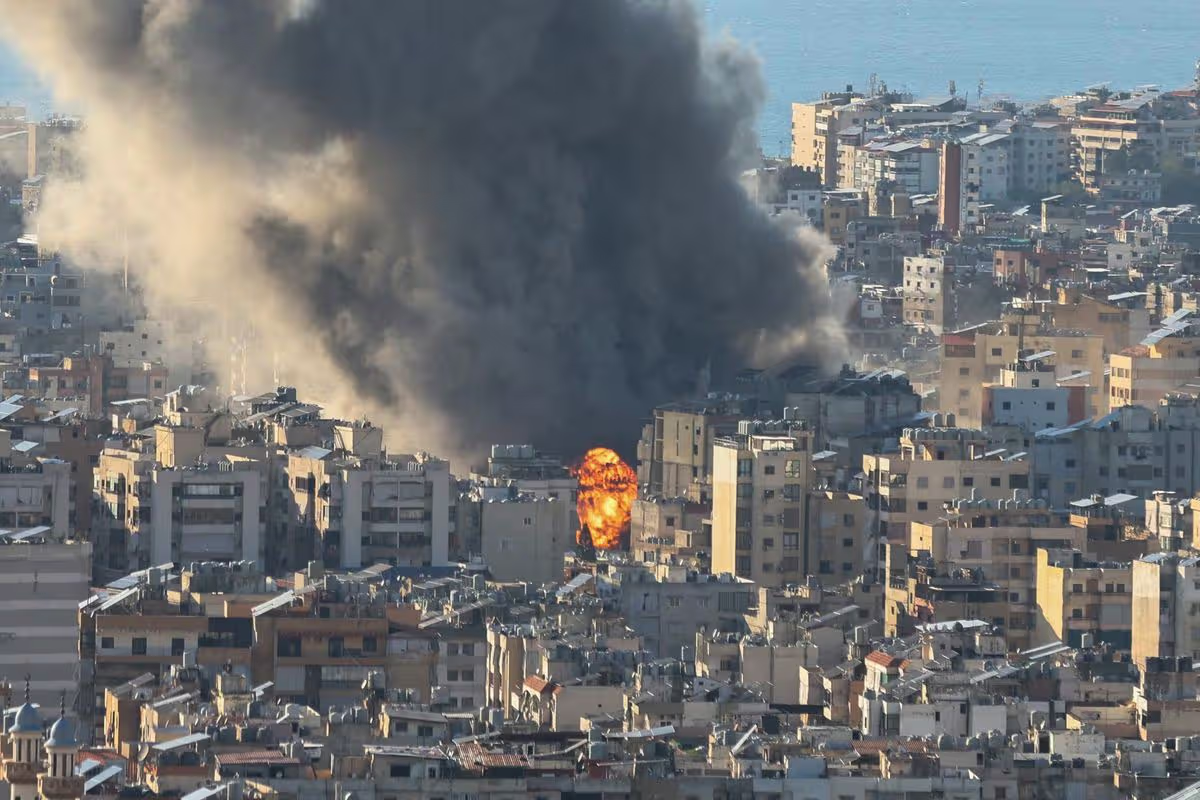
War in the Middle East is causing flight disruption across the world(Image: AFP via Getty Images)
Conflict between Iran, the US and Israel has spread across the Middle East and triggered widespread airspace closures, sparking major disruption to flights, and leaving thousands of British tourists stranded abroad.
Popular holiday destinations including Egypt, Abu Dhabi and Dubai are among those to ground all flights or severely limit departures, but the ‘ripple effects’ are also impacting travel to and from a number of other countries, including Cyprus and Turkey.
Here’s all the latest on flight cancellations, cruise ships and your rights if something goes wrong:
Ensure our latest headlines always appear at the top of your Google Search by making us a Preferred Source.Click here to activate or add us as your Preferred Source in your Google search settings.
The UK Foreign Office now advise against all but essential travel to the UAE, Qatar and Bahrain.
Airspace closures mean flights to and from the United Arab Emirates (including Dubai and Abu Dhabi), Qatar, Saudi Arabia, Lebanon, Kuwait and Oman are almost entirely cancelled, with aviation largely reserved for military and cargo flights.
If you have a flight due soon to one of these countries, you should get in touch with your airline as soon as possible.
While flights to and from Cyprus, Egypt and Turkey are going ahead largely as scheduled, they may be subject to short-notice delays or cancellations, so you should check regularly with your airline before you travel.
Dubai and UAE travel advice
The Foreign Office advises against all but essential travel to United Arab Emirates.
Your travel insurance could be rendered invalid if you travel against this advice.
British nationals currently in the country should stay indoors due to risk of missile attacks, and the current advice reads: “Remain indoors in a secure location, avoid all travel and follow instructions from the local authorities.”
Cyprus travel advice
After a suspected Iranian-made drone was fired at the RAF base at Akrotiri, the Foreign Office updated its advice to read: “Regional escalation poses significant security risks and has led to travel disruption.
“British nationals in the Sovereign Base Areas should follow instructions from the Sovereign Base Areas Administration. British nationals in the Republic of Cyprus should follow any instructions from Cypriot local authorities.”
Turkey travel advice
The Foreign Office advises against all travel to within 10km of the border with Syria due to “fighting and a heightened risk of terrorism”.
Egypt travel advice
There is “heightened risk of regional tension” which “could lead to travel disruption and other unanticipated impacts”, the Foreign Office said.
Which airlines have cancelled flights?
A handful of flights will bring British nationals stranded in the Middle East back to Britain today – but the majority of departures from the region remain cancelled.
The current Emirates flight status is that the airline plans to operate two flights to Heathrow, and one each to Gatwick and Manchester. At least some of these flights will be operated by the airline’s A380 jets, which can each carry up to 615 passengers depending on how they are configured.
Emirates usually operates 146 weekly flights to the UK, which is the equivalent of about 21 per day.
Etihad Airways has scheduled one UK flight on Tuesday, from Abu Dhabi to Heathrow.
Qatar Airways, which usually serves Heathrow and Gatwick from Qatar, said on Tuesday morning that its operations remain suspended because of the closure of Qatari airspace.
British Airways has cancelled its timetabled flights to Heathrow from Abu Dhabi, Amman, Bahrain, Doha and Dubai on Tuesday.
The airline told passengers: “We are closely monitoring the situation and have cancelled a number of our flights to the Middle East.
“Safety is always our top priority and we would never operate a flight unless it was safe to do so.”
Passengers with bookings on certain routes up to March 15 are being allowed to amend the date to fly on or before March 29.
Virgin Atlantic axed a flight from Dubai to Heathrow.
What about connecting flights?
You could also be affected if you’re due on a flight that changes at an airport disrupted by the war – such as Abu Dhabi, which acts as a major hub for connecting flights to Thailand, Vietnam, India, Australia and New Zealand. Check with your airline in advance if you’re in any doubt.
What if I’m stuck abroad?
British nationals currently in the Gulf have been advised by the Foreign Office to remain indoors and follow local authorities. Plans for evacuation repatriation flights are going ahead, but at a very limited capacity, and you should not make plans around these until you have been contacted by British consular staff.
What are my rights if something goes wrong with my flights?
Don’t cancel your own ticket if your destination or connecting flight is affected – instead, wait for the airline to cancel the flight.
If you cancel voluntarily, you will likely forfeit your right to a full refund or rebooking under UK air passenger rights.
It’s important to check your travel insurance, as standard policies will usually cover extended emergency medical expenses if you are stranded abroad – but many exclude cancellation or curtailment costs arising directly from acts of war.
What about cruise ships?
Thousands of cruise line passengers are currently trapped in ports in the Middle East due to the war in Iran.
At least six well-known ships from big companies, including TUI, are reported to be at a standstill and awaiting news of when they can leave.
Cruise liners affected include TUI Cruises’ ships Mein Schiff 4 and Mein Schiff 5, which are stranded in the ports of Abu Dhabi and Doha. The cruise line has had to cancel its upcoming departures due to the lack of operating repatriation flights.
The MSC Euribia remains docked in the port of Dubai, under strict security measures, with embarkations suspended until further notice.
The ships Celestyal Journey and Celestyal Discovery have also had their departures cancelled and are being kept under supervision in regional ports.
TUI Cruises said in its latest alert: “We are currently monitoring the evolving situation in the Middle East region and the latest guidance from the UK Foreign, Commonwealth & Development Office (FCDO).”
Disruption ‘could last weeks’
Last night, US president Donald Trump said the joint US-Israel military operation in Iran could last four to five weeks or “far longer”.
Aviation consultant John Strickland said it could take weeks to clear the backlog of passengers, even if the conflict ends sooner.
He said: “It’s a bit uncertain (when that will happen) because of course it will depend on how long the airspace restrictions remain in place.
“But factoring in the high volumes of normal daily traffic and the high capacity of aircraft such as the A380 and the Boeing 777, plus the fact that other flights covering similar routes operate at high occupancy, then it will certainly be quite a period of time which would likely run into weeks.”
The Foreign Office has taken measures amid the war in the Middle East and several holiday hotspots, such as Thailand, Egypt and United Arab Emirates, are impacted
23:40, 02 Mar 2026Updated 23:43, 02 Mar 2026
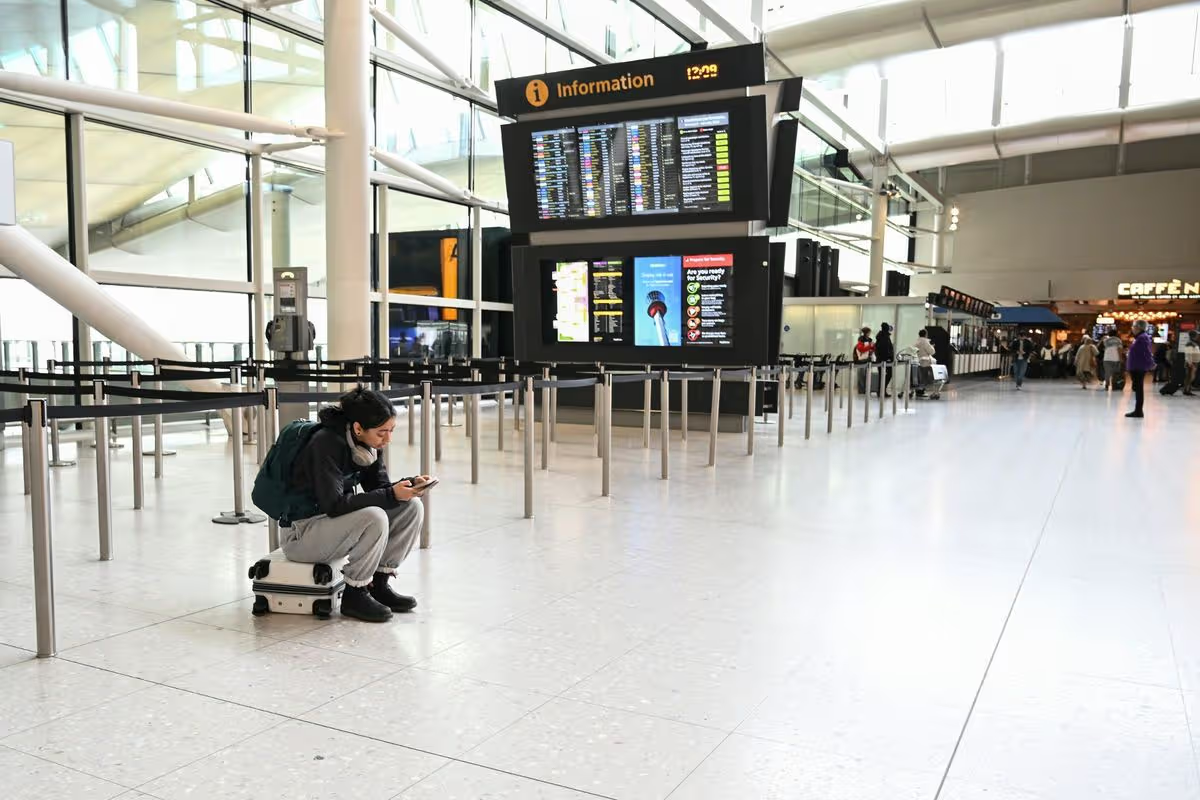
A passenger sits on her suitcase in an empty section of the check-in area at Heathrow Airport this weekend(Image: AFP via Getty Images)
Brits have been warned not to travel to dozens of countries due to the war in the Middle East.
Keir Starmer has insisted the UK Government will help keep Brits abroad safe. However, his FCDO team has listed 76 countries Brits should avoid for the time being due to the conflict. Of 226 countries or territories with foreign travel advice pages, 76 are currently flagged as having no-go zones.
Larges areas of airspace remained closed across the Middle East. Various airlines, including British Airways, have said they are “closely monitoring the situation” and have cancelled “a number of our flights to the Middle East”. Our sister title, Birmingham Live, has carefully broken down the full list, which features countries all across the world.
The Foreign Office has updated its travel advice for Turkey and Cyprus amidst the ongoing conflict between Iran, the US and Israel
Foreign Office advice has been issued for Brits in Cyprus (Image: KIRSTY WIGGLESWORTH, POOL/AFP via Getty Images)
Travel warnings have been issued for Brits in both Cyprus and Turkey as the conflict between Iran, the US and Israel enters its fourth day.
A huge swathe of the global airspace has been shut down completely as the conflict spreads further across the region. Israel and Hezbollah in Lebanon have exchanged strikes, with the Lebanese health ministry announcing that Israeli attacks in Beirut and southern Lebanon have killed at least 31 people, with 149 injured
On Sunday, an Iranian missile strike killed nine people in the Israeli city of Beit Shemesh, while Iranian officials reported that at least 153 people were killed after a strike on a girls’ school. Iran’s President Masoud Pezeshkian called the incident a “barbaric act”.
Have you been impacted by the conflict? If you’re safe to do so, please contact webtravel@reachplc.com
It is important to note that at the time of writing, the Foreign, Commonwealth and Development Office (FCDO) has not issued ‘do not travel’ warnings for either Turkey or Cyprus. Such alerts are key because they signal extremely high risks – such as conflict, terrorism, or civil unrest – that often instantly invalidate travel insurance, leaving tourists personally liable for accidents or medical bills.
However, the FCDO does advise against all travel to within 10km of the border with Syria “due to fighting and a heightened risk of terrorism”, warning that “your travel insurance could be invalidated if you travel against advice from the FCDO.”
On Sunday, the FCDO updated its Turkey travel advice for those planning to cross the border from Iran to Turkey. The border remains open visa-free for people travelling on UK or Iranian passports.
“If you are a British national intending to cross the land border from Iran into Turkey, you must request facilitation from the British Embassy in Ankara by contacting the FCDO before travelling to the border. You must state which border point you intend to use and provide personal details (name, date of birth, details of travel document used to enter Turkey). Also indicate whether you are contacting from Iran or from the UK on behalf of a relative,” the FCDO update reads.
“If you intend to leave Iran overland, you do so at your own risk. In Iran, holding a British passport or having perceived connections to the UK can be reason enough for the Iranian authorities to detain you. “
Concerns are also growing for Cyprus, which sits less than 100km from the coasts of Lebanon and Syria. This morning it was reported that the RAF base Akrotiri in Cyprus has been hit by a one-way attack drone. No one was reported injured.
In response to the attack, the base is moving families and temporarily relocating non-essential staff. Around 30,000 Brits live in Cyprus and 1.3million visit from the UK each year.
The Foreign Office travel advice for Cyprus was updated this morning (March 2). The latest advice reads: “On 2 March 2026, the Sovereign Base Areas Administration confirmed a suspected drone impact at RAF Akrotiri. British nationals in the Sovereign Base Areas should follow instructions from the Sovereign Base Areas Administration British Bases Cyprus Facebook. British nationals in the Republic of Cyprus should follow any instructions from Cypriot local authorities.”
The FCDO has also issued general advice for people in the region. It urges British nationals to take “sensible precautions, considering their own individual circumstances.” These include:
Read if you’re affected by a crisis abroad – GOV.UK. This includes guidance on “how to prepare for a crisis” with suggestions on what you might include in your emergency supplies and “what to do in a crisis”
Sign up to FCDO Travel Advice email alerts
Monitor local and international media for the latest information
Sign up to local information alerts/resources and follow the instructions of the local authorities
The governmental body has also launched a central advice hub where all the latest updates can be found. British nationals in Bahrain, Israel, Kuwait, Palestine, Qatar and United Arab Emirates can register their presence to receive direct updates from the Foreign Office.
Make sure to check the Foreign Office advice regularly if you’re travelling to or are in the region. The advice is updated often.
Spokesman Esmaeil Baghaei says Iran’s attacks on US targets across the region are legitimate defensive actions.
Published On 28 Feb 202628 Feb 2026
Share
Iran is entitled to defend itself from Israeli and US attacks, the spokesman for Iran’s Ministry of Foreign Affairs has stressed.
“We have every right in accordance with international law, with the UN Charter, to defend ourselves with all might”, Esmaeil Baghaei said in an interview with Al Jazeera on Saturday.
Recommended Stories
list of 3 itemsend of list
The US and Israel launched a wave of attacks across multiple Iranian cities, including Tehran, on Saturday, in what US President Donald Trump described as “major combat operations”.
At least 201 people have been killed, according to Iranian media, citing the Red Crescent.
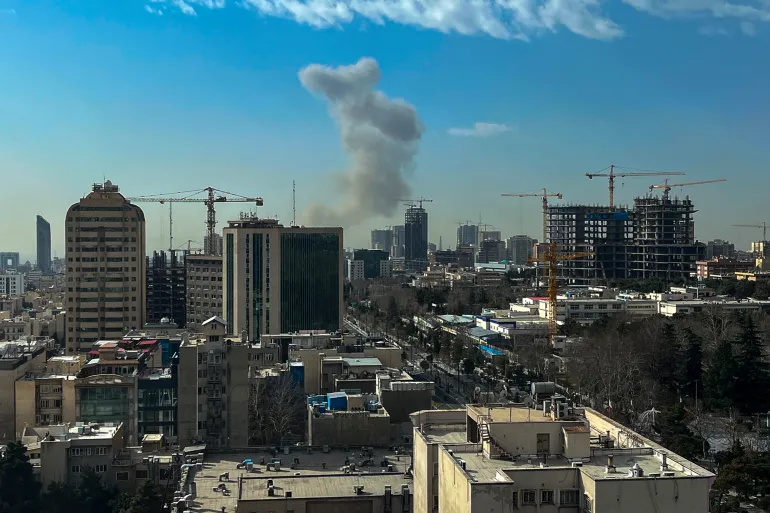
A plume of smoke rises following a reported explosion in Tehran on February 28, 2026 [AFP]
Iran responded by firing missiles towards Israel and US military targets in multiple countries, including Bahrain, Iraq, Jordan, Kuwait, Saudi Arabia, Qatar and the United Arab Emirates.
Baghaei said the country’s armed forces “are defending national sovereignty and the territorial integrity of Iran against these barbaric acts of aggression”.
The US-Israeli attacks came after a third round of indirect negotiations on Iran’s nuclear programme between the US and Iran ended on Friday.
“We were supposed to meet on Monday to talk about technical aspects of any possible deal on [the] nuclear issue,” Baghaei said. “And the Americans themselves acknowledged that these negotiations went quite well. The mediator, [the] foreign minister of Oman, qualified this round of negotiations as being of significant progress.”
It was the second time in less than a year that diplomacy had been scuttled by an attack on Iran, Baghaei noted. Iran and the US had engaged in several rounds of negotiations last year, when Israel launched a 12-day war on Iran in June, which the US briefly joined, despite Trump saying he was committed to a diplomatic resolution.
Baghaei said the US “launching an act of aggression against another member of the United Nations” also threatened the international body, as its main pillar, “the UN Charter, is the provision of the use of force.”
“So, I think what is at stake is not only the security and peace of the region and that of Iran, but also the whole fabric of international law. And the normative system that has been created by the United Nations Charter,” he added.
Friends in the region
Baghaei defended Iran’s retaliatory attacks in several countries across the region.
“Under international law, any place, any location, any logistical support that are given to the aggressor [is a] legitimate target for the victim state,” he said. “So, we are not attacking any country in the region. We are friendly with all countries of the region. What we are doing is just taking defensive actions.”
“We have proven that we trust our friends in the region,” Baghaei said. “That’s why we try to get together with the countries of the region in furtherance of this diplomatic process. The problem is that the United States is conducting this war of aggression at the cost of everyone, including the countries of the region.”
Foreign Office continues to warn about Turkey travel(Image: monticelllo via Getty Images)
The Foreign, Commonwealth and Development Office (FCDO) continues to issue warnings for those travelling to Turkey following the deaths of several UK nationals. The FCDO is responsible for issuing regular travel guidance covering roughly 226 countries and territories worldwide.
Many Brits travel to Turkey to for medical treatment, with the most popular procedures being cosmetic surgery, cardiac surgery, and dental care. The FCDO warns: “The standard of medical facilities and available treatments can vary widely globally and also within countries.”
The department confirmed it is aware of 7 British nationals having died in Turkey in 2025 following medical procedures, and guidance reads: “Some British nationals have also experienced complications and needed further treatment or surgery following their procedure”.
Those thinking about a trip to Turkey for medical, surgical or dental procedures are strongly advised to consult with your UK doctor, clinician or dentist beforehand. It’s also recommended that you conduct thorough independent research, as “private companies have a financial interest in booking your treatment and their literature should not be your only source of information”.
The Turkish Ministry of Health maintains a register of approved medical providers on the HealthTurkiye website. The FCDO emphasises it “cannot usually help if you have travelled abroad for medical treatment, for example if you have issues with the care received or costs involved”.
This is due to the fact that planned medical treatment is viewed as a commercial arrangement.
Ensure our latest headlines always appear at the top of your Google Search by making us a Preferred Source.Click here to activate or add us as your Preferred Source in your Google search settings.