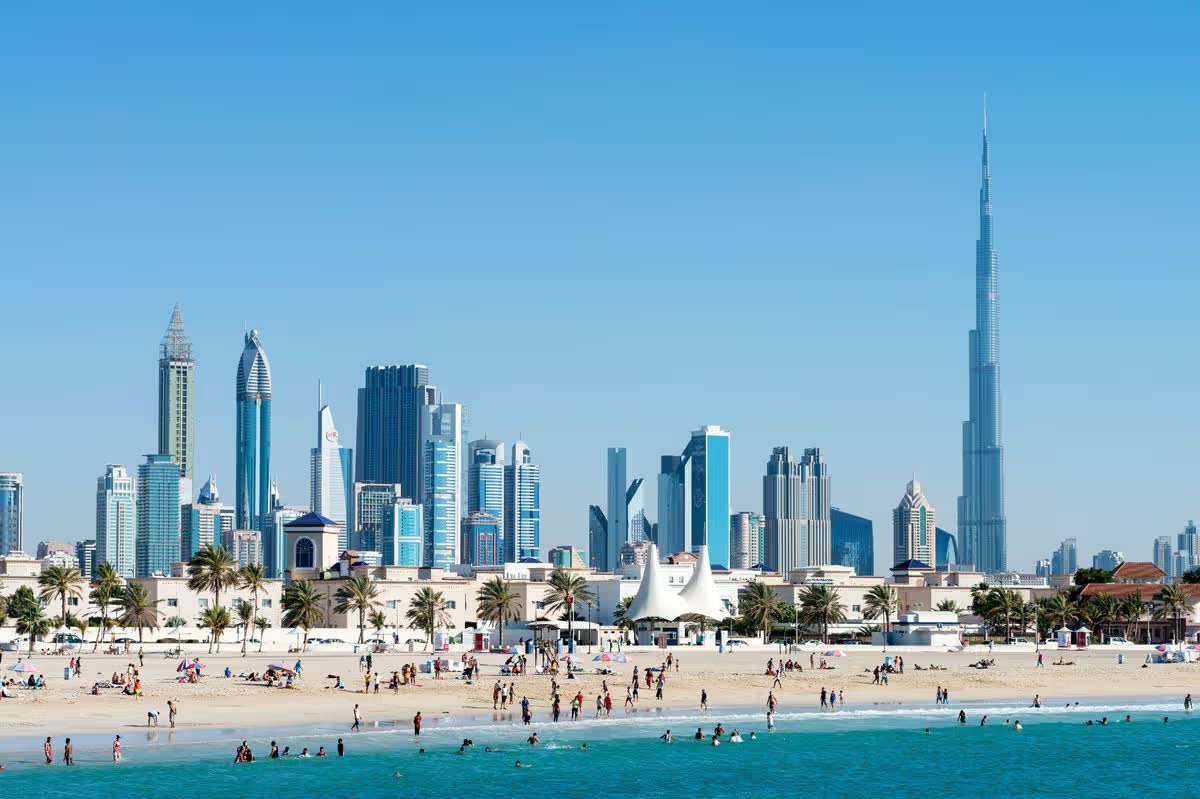
The Foreign Office has lifted its warning against travelling to the United Arab Emirates including Dubai and Abu Dhabi
14:16, 18 Jun 2026Updated 14:55, 18 Jun 2026
(Image: Getty Images/arabianEye)
The Foreign Office has lifted its travel ban to the United Arab Emirates.
The FCDO has had a warning against all but essential travel to the UAE in place since March, due to the Middle East war, but today (Thursday 18th June), it updated its advice and no longer warns against travel to the region. It has also issued updates for 14 countries including Cyprus and Turkey.
However, the government body still has a stark warning in place for Brits. As part of an update on ‘regional tensions’ it warns:
“The US and Iran have announced a memorandum of understanding in relation to the conflict in the Middle East. The situation remains unpredictable and attacks could resume at short notice.
“Should hostilities resume, British nationals should:
read If you’re affected by a crisis abroad – GOV.UK. This includes guidance on “how to prepare for a crisis” with suggestions on what you might include in your emergency supplies and “what to do in a crisis”
monitor local and international media for the latest information
stay away from areas around security or military facilities
keep your departure plans under review, and ensure your travel documents are up to date
if you are advised to take shelter, stay indoors or find the nearest safe building or designated shelter. An interior stairwell or a room with as few external walls or windows as possible may provide additional protection. The greatest risk is from falling debris caused by intercepts, and you are safest inside a secure structure
“Before the 8 April ceasefire, the Iranian regime had stated its intention to target locations in the Gulf associated with the US and Israel. This included US or Israeli-linked organisations, businesses, facilities and institutions. Iran has previously targeted civilian infrastructure across the region such as ports, hotels, roads, bridges, energy facilities, oil production sites, water systems, and airports.”
Foreign Office backed experts issue update as tourists from England, Scotland and Wales struck down
09:14, 12 Jun 2026Updated 09:19, 12 Jun 2026
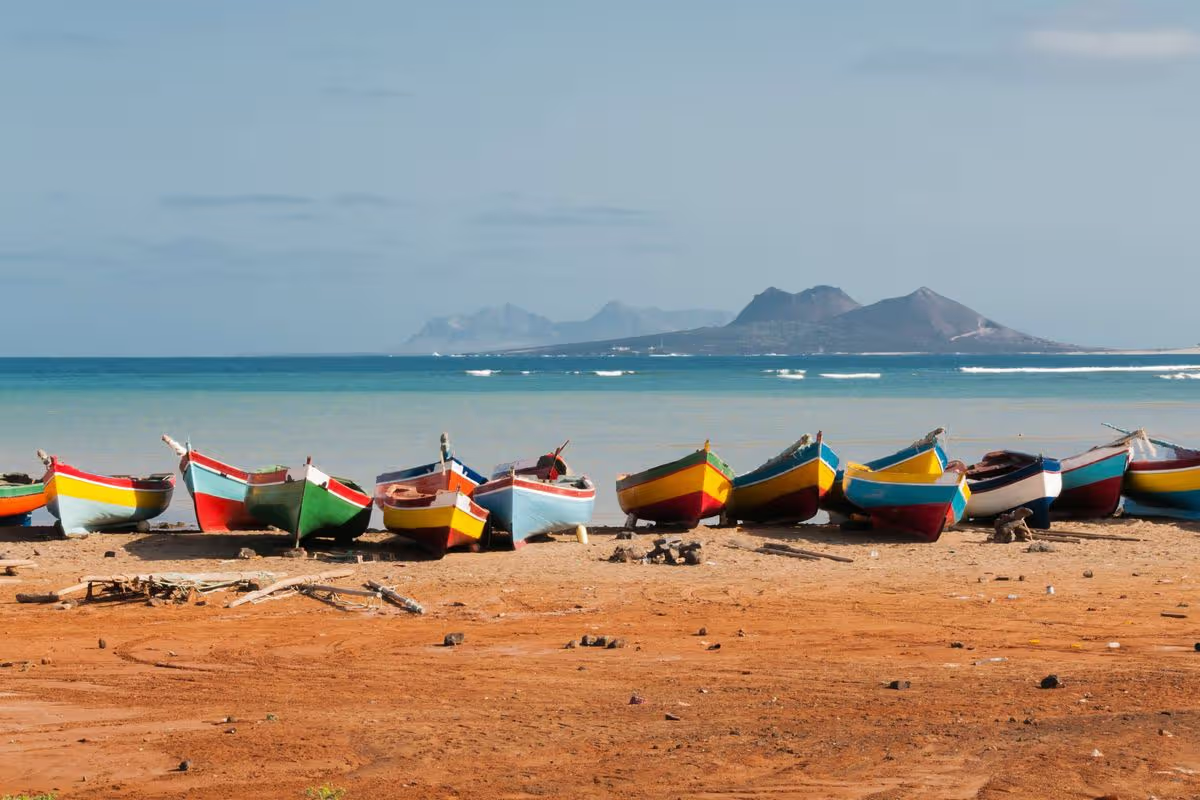
Fishing boats rest in Mindelo beach. Cape Verde has been hit by outbreaks of serious stomach illnesses(Image: Getty Images)
UK health experts have disclosed that 164 individuals have arrived back in England, Scotland and Wales from a holiday destination carrying a serious infection. In a fresh update, the Foreign Office-backed Travel Health Pro stated that people must exercise additional caution.
The surge in stomach bugs Shigella – also referred to as shigellosis or dysentery – and Salmonella has been occurring on the Cape Verde Islands, a favoured destination among British holidaymakers. Authorities confirmed that over the past eight months, cases of Shigella and Salmonella infection have been documented in travellers returning to England, Scotland and Wales from the Cape Verde Islands.
Of 164 confirmed Shigella cases, the majority – 112 – individuals reported travel to Cape Verde, predominantly to the Santa Maria and Boa Vista regions. As of June 2026, of 99 confirmed Salmonella cases, from three distinct clusters reported in England, Scotland and Wales since 1 October 2025, a total of 70 individuals reported travel to Cape Verde.
Cases in the largest of the Salmonella clusters reached their peak in January 2026. The European Centre for Disease Prevention and Control (ECDC) also flagged a surge in Shigella cases amongst travellers returning from Cape Verde since September 2022.
More than 1,000 confirmed and suspected cases of shigella and other gastrointestinal infections, including salmonella, have been identified in travellers returning from Cape Verde to 13 countries across the European Union/European Economic Area: Belgium, Czechia, Denmark, Finland, France, Germany, Ireland, Luxembourg, Norway, Poland, Portugal, Sweden and the Netherlands. Cases have also been recorded amongst US travellers who visited Cape Verde.
Shigella is a bacterium that can trigger shigellosis, a gut infection capable of causing severe diarrhoea, fever and stomach cramps. The majority of people recover within a week.
However, certain individuals, such as older adults, those with weakened immune systems, anyone with complex medical conditions, pregnant women and children under five, may face a heightened risk of complications, including sepsis.
Shigella spreads through contact with contaminated faeces, either directly via person-to-person transmission or indirectly through food, water or surfaces tainted with Shigella. Travellers visiting destinations where food and water safety cannot be guaranteed are particularly at risk.
Globally, the majority of Shigella cases occur in children younger than five years of age, though all age groups can be affected. There is additionally a risk of sexual transmission amongst men who have sex with men.
Salmonella, also known as salmonellosis, is a bacterial illness that primarily targets the intestines. Symptoms such as diarrhoea, stomach cramps, nausea, vomiting and fever typically appear between 12 and 72 hours after infection [8].
Young children, pregnant women, those with underlying health conditions and elderly people are at greater risk of developing severe symptoms. The majority of human cases stem from contaminated food and water.
For further details, click here.
While you are away.
Be sure to follow these steps when travelling overseas.
Travel insurance for Turkey has jumped almost 50 per cent in just a year, according to new data
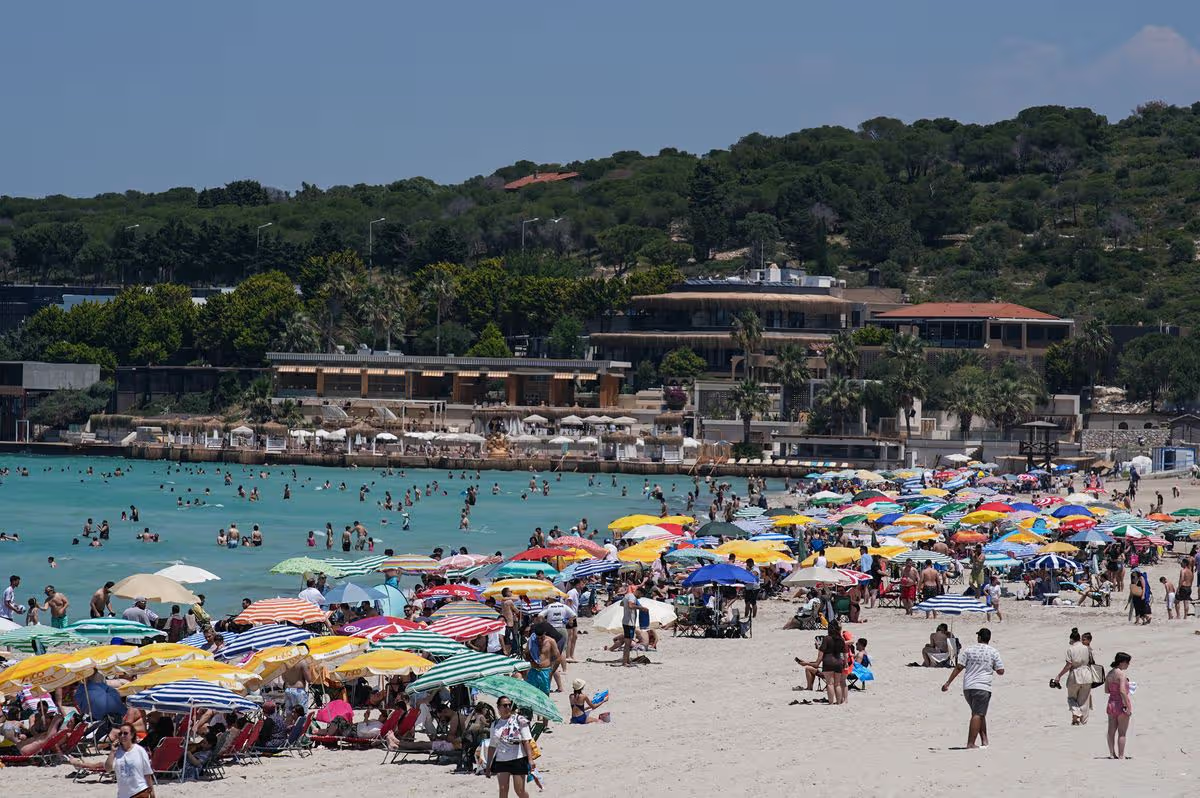
Izmir, Turkiye. UK tourists are facing higher insurance premiums, one travel expert said(Image: Getty Images)
Five European and Mediterranean destinations including some hotspots much loved by British tourists have been named as having seen big rises in insurance costs, directly caused by the Middle East crisis. Travel insurance for Turkey has jumped 46% in just a year, according to new data analysing 5,000 policies across popular destinations near conflict zones.
There is no sign of the Middle East conflict calming down – today Iran fired ballistic missiles and drones towards Bahrain and Kuwait, Bahrain’s government said, adding that they were intercepted.
Bahrain’s government called on Tehran to immediately cease attacks on Gulf neighbours that it deemed a “serious escalation”. Iran’s Foreign Ministry said the US early Saturday attacked surveillance facilities on Qeshm Island and near Sirik that it said were used to protect borders and “ensure the security of navigation in international waters”.
The latest exchange of fire came as the Trump administration pressed Iran to make a deal to end the war that has strained the global economy and threatened a hunger crisis in some of the world’s most vulnerable countries.
The US military earlier said it shot down several Iranian missiles and drones launched towards the Strait of Hormuz and Gulf Arab allies, and struck some of the Islamic Republic’s coastal surveillance radar sites in response.
It has had a big impact on the region with some popular destinations seeing big rises in premiums. Quotezone travel insurance expert Helen Rolph warned travellers not to assume last year’s prices still apply and urges holidaymakers to compare policies carefully, buy cover as soon as they book, and check Foreign Office advice before travelling.
Industry experts compared 5,000 travel insurance premiums across five popular tourist destinations close to conflict zones, revealing which countries have seen the biggest price increases over the past year.
Prices in Turkey have been affected the most despite it traditionally being considered one of the most popular and cost-effective destinations for UK holidaymakers over recent years.
Standard travel insurance premiums to the country have jumped from £40.56 in early 2025 to £59.19 just a year later – a rise of 46% or almost £20 per trip – which may be due to the fact it shares a border with Iran.
Holidaymakers travelling to Bulgaria are also seeing a sharp rise with prices up 19%, possibly down to its proximity to Ukraine.
Premiums for Cyprus have increased by 6%, Egypt by 4% and Poland by 8%. To gather the data, popular holiday destinations for British tourists were cross-referenced with countries geographically close to conflict zones, namely Ukraine and Iran, creating a dataset of major holiday hotspots in relative proximity to areas of geopolitical tension.
Insurers regularly reassess risk when global tensions rise, particularly in destinations close to areas where travel complications might become more likely.
Destinations situated close to areas experiencing heightened tensions – such as Iran and Ukraine – could see premiums shift as insurers reassess the likelihood of travel disruption, delays or emergency evacuation should issues escalate.
Helen Rolph, travel insurance expert at Quotezone.co.uk said: “Travel insurance prices change constantly as insurers respond to global events, the number of claims made and healthcare costs.
“Even if a destination remains popular despite its proximity to ongoing conflict, premiums can rise when the wider region becomes more uncertain.
“Travellers and holidaymakers shouldn’t assume last year’s prices will still apply and make sure they’re comparing policies carefully rather than opting for the cheapest option, as cover can vary significantly.
“It’s also sensible to arrange insurance as soon as a trip is booked, check government travel advice before departure, and ensure any medical conditions are fully declared.
“Travel disruption insurance can also be useful as it covers a wider range of issues while travelling but it’s important to remember that travel insurance won’t provide cover if the foreign office advises against travel to that region and most travel insurance policies won’t cover war related incidents. It’s crucial for holidaymakers to check what is and isn’t covered on their policy and add any extras or specialised cover they might need.”
Travel Insurance Premiums
Country // Average 2025 // Average 2026 // Average Price Change // % Change