Hi, and welcome to another edition of Dodgers Dugout. My name is Houston Mitchell. Today is one of those newsletters that we devote to only one topic.
Get our Dodgers Dugout newsletter for insights, news and much more.
By continuing, you agree to our Terms of Service, which include arbitration and a class action waiver. You agree that we and our third-party vendors may collect and use your information, including through cookies, pixels and similar technologies, for the purposes set forth in our Privacy Policy such as personalizing your experience and ads.
Do you remember where you were 36 years ago today?
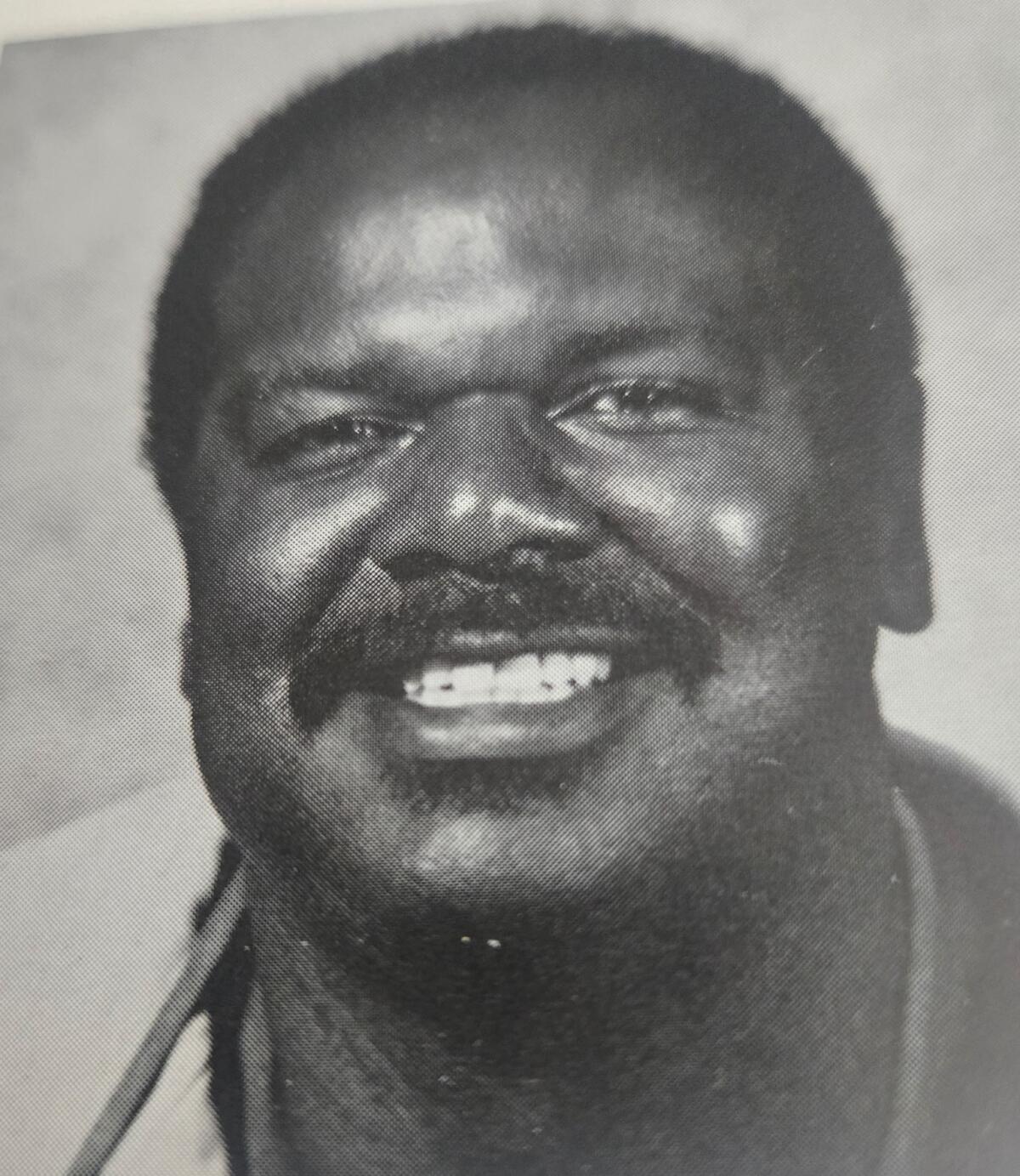
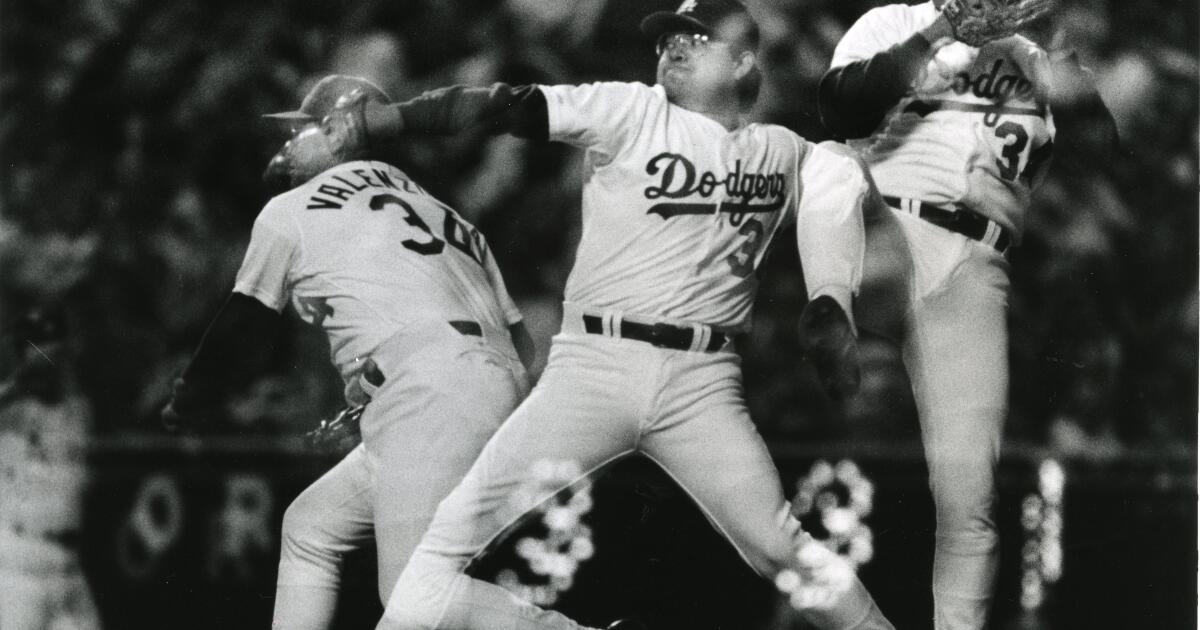
Fernando Valenzuela was a great pitcher. I think he should be in the Hall of Fame for his on-field talents and the fact he brought thousands of new fans to the sport, all across the country.
But by 1990, he was no longer a great pitcher. He was an afterthought on the 1988 World Series title team. In 1989, he was basically a league average pitcher, going 10-13 with a 3.43 ERA. Going into his start against St. Louis on June 29, 1990, he was 5-6 with a 4.09 ERA, had given up 97 hits in 94.2 innings and had given up eight runs in 5.1 innings in his last start.
Pitching a no-hitter, which seemed possible earlier in his career, was off the table. And then, well, who better to take us through that final inning than Vin Scully?
Covering the Dodgers then for The Times was Bill Plaschke. The rest of this is his words as written that evening:
Thirty minutes before the Dodgers faced the St. Louis Cardinals Friday, Fernando Valenzuela noticed on a clubhouse television set that Oakland pitcher Dave Stewart had thrown a no-hitter in Toronto.
“Fernando turned to some teammates and he said, ‘That’s great, now maybe we’ll see another no-hitter,’ ” Dodger Manager Tom Lasorda said.
It was the first time in the modern baseball era that two no-hitters have been pitched on the same day. It was the Dodgers’ first no-hitter since Jerry Reuss had one against the San Francisco Giants on June 27, 1980.
“And it couldn’t have happened to a tougher, more competitive guy,” Lasorda said. “You look at Fernando and he has done everything in his career except a no-hitter. And now . . . this.”
With Willie McGee on first base and one out in the ninth inning, former Dodger Pedro Guerrero hit a grounder up the middle that seemed destined for the outfield. But Valenzuela stuck out his glove, the ball nicked the leather and rolled to Juan Samuel, who stepped on second base and threw to first baseman Eddie Murray, who made the catch that sent Dodgers running to the mound.
“Do you think if I don’t touch that ball, it goes through for a single?” Valenzuela asked afterward. “Whoooa. I think it does. I think I don’t touch it, I’m in trouble.
“I was just glad to see Scioscia running to the mound from the plate. Only then did I know it was over. Thank goodness Alfredo Griffin made the catch and the throw.”
When reminded that it was Samuel who made the final play, Valenzuela laughed.
“That shows you how excited I am,” he said after improving to 6-6 with a 3.73 earned-run average. “This is a great moment for me.”
But in the final three innings, he threw 49 pitches, and was obviously tired.
“But this was a different kind of tired,” Valenzuela said. “This kind of tired did not bother me. You think I feel anything during those last inning? No way.”
“This is a different pitcher than in previous seasons,” catcher Mike Scioscia said. “This guy is not as quick as the old Fernando, but this guy still knows how to win.”
Back to your humble host here. If you want to read Plaschke’s entire article, click here.
When watching the final inning as called by Vin, I was struck by a tinge of sadness when Vin gave the day and time in case “Fernando wants to play this to his grandchildren one day.” Valenzuela died in 2024. He had seven grandchildren; let’s hope they all got to sit with him and hear it.
It was also amazing to hear Vin say that Fernando had thrown only 108 pitches through eight innings, so he has plenty of ammunition left. Now baseball managers and front office people are afraid a pitcher’s arm would fall off if they throw 108 pitches today.
And thanks, Fernando, for all the great memories.
Here’s another link to Vin’s call.
Up next
Monday: Dodgers (*Eric Lauer, 3-5, 4.87 ERA [2-0, 2.54 ERA with the Dodgers]) at Athletics (*Gage Jump, 3-1, 2.04 ERA), 6:40 p.m., SportsNet LA, AM 570, KTNQ 1020
Tuesday: Dodgers (*Justin Wrobleski, 9-2, 2.71 ERA) at Athletics (*Jeffrey Springs, 3-7, 5.52 ERA), 6:40 p.m., SportsNet LA, AM 570, KTNQ 1020
Wednesday: Dodgers (Shohei Ohtani, 8-2, 1.58 ERA) at San Diego (J.T. Ginn, 6-4, 3.15 ERA), 6:40 p.m., SportsNet LA, AM 570, KTNQ 1020
All times Pacific
*-left-handed
In case you missed it
Wife, kids of Dodgers’ Miguel Rojas in Caracas when earthquakes hit Venezuela
Mookie Betts is ‘back’ for Dodgers: Offensive takeaways from series win over Padres
‘He cares about people.’ How Dodgers’ Dave Roberts got to the cusp of 1,000 career wins
Shaikin: Did Padres curse themselves by messing with that anti-Dodgers FTD burger?
And finally
Vin Scully and Fernando Valenzuela throw out the first pitch before Game 2 of the 2017 World Series. Watch and listen here.
Until next time …
Have a comment or something you’d like to see in a future Dodgers newsletter? Email me at houston.mitchell@latimes.com. To get this newsletter in your inbox, click here.