extends

Loveholidays extends cancellation of Middle East breaks until start of summer

THE conflict in the Middle East has resulted in thousands of cancelled holidays and it’s set to continue.

loveholidays has now announced it won’t be selling any of its package holidays to the likes of Qatar and Dubai until June 2026.

Dubai is a popular holiday spot for Brits – but holidays remain cancelled due to the Iran crisisCredit: Alamy
loveholidays said flights with KLM between May 11-17 have been cancelledCredit: Alamy

loveholidays, which offers affordable breaks all over the globe, is not selling package holidays to the UAE, Kuwait, Bahrain, Qatar or Jordan that leave in March, April or May 2026.

It has also cancelled a number of holidays set to depart in May.

On its website, loveholidays said: “We’ve made the decision to cancel all holidays departing up to and including 10 May 2026 to countries currently on the FCDO ‘all but essential travel’ list (UAE, Kuwait, Bahrain, Qatar, Jordan and Riyadh).

“This includes holidays with a connecting flight via one of these countries.”

DIG IN

We found 20 of the cheapest all-inclusive hotels for summer… with breaks from £349pp


TOP TIPS

Our £9.50 Hols Agony Aunt’s tricks for finding cheap deals & the parks teens love

It continued: “If you are due to travel or transit through these destinations after May 10, please rest assured that we will contact you directly if there is any impact to your holiday.”

In more detail, loveholidays said that flights operating with airline KLM to these destinations between May 11-17 have been cancelled, with refunds being processed.

It added that those flying with Qatar Airways between May 11 and June 15 have the option of cancelling their flights for a full refund.

Customers flying to or via Dubai, Doha, Amman or Bahrain on a British Airways flight between May 11-31 also have the option to cancel for a full refund.

A loveholidays spokesperson told Sun Travel: “We want to give customers with holidays to or transiting through the Middle East in the coming weeks as much certainty as possible and the flexibility to make alternative travel plans.

“Due to ongoing disruption affecting travel to the region, we have now cancelled and refunded all holidays to and transiting through the UAE, Qatar, Kuwait, Jordan, Bahrain and Riyadh up to and including 10 May.

“We are continuing to monitor the situation closely with the FCDO and our airline partners, who are finalising their operational plans for the coming months.”

Spring holidays to and through the UAE with loveholidays have been cancelledCredit: Alamy

Meanwhile, On the Beach has cancelled holidays to the UAE that depart up to April 15 with breaks afterwards being monitored.

It’s not just holiday companies that are cancelling holidays, as flights are also being axed due to the rising cost of fuel caused by the conflict.

United Airlines was the latest to confirm that it would be cutting five per cent of flights in the second and third quarters of 2026.

With up to 5,000 flights a month – working out to around 4,000 domestic and 800 international routes – this means it affects around 250 flights a month.

It’s set to last until the end of summer, meaning thousands of passengers will be affected.

Other airlines cutting back on flights include Air New Zealand and Scandinavian Airlines System (SAS).

Some UK airlines are less affected for now because they have secured some of their fuel at a fixed price for a certain amount of time.

These include RyanaireasyJetBritish Airways and Virgin Atlantic.

For more information on travel insurance and your airline rights during the crisis, Head of Sun Travel Lisa Minot explains what you can do.

And if you still want to travel – here’s where prices for all-inclusive deals are an absolute bargain with some 70 per cent cheaper.

Holidays to the likes of Dubai won’t be sold until June 2026 at the earliest with loveholidaysCredit: Alamy

Source link

Miami Open: Jannik Sinner extends record winning run

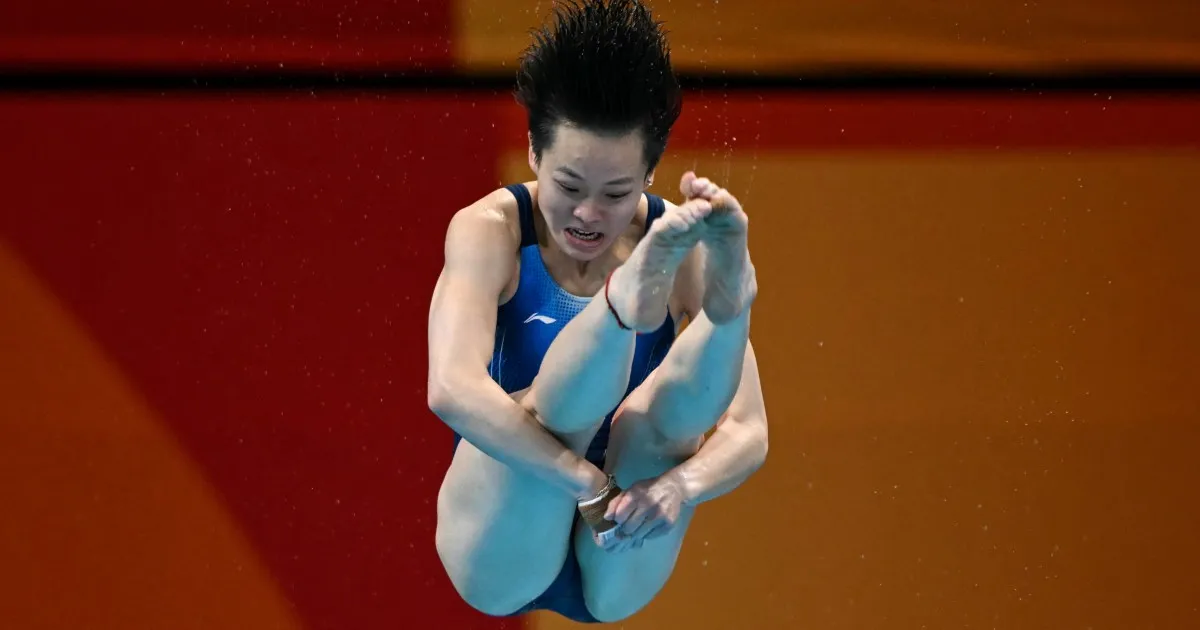
Jannik Sinner extended his remarkable run with a 7-5 7-6 (7-4) win over Alex Michelsen at the Miami Open.

The Italian world number two claimed his 25th and 26th consecutive set wins at ATP Masters 1,000 events during his win over Corentin Moutet on Monday – setting a new record.

Sinner made it 28 sets in a row by beating Michelsen but did not have it all his own way. Having taken the first set, he fell 5-2 down in the second before coming back to win on a tie-break.

The four-time Grand Slam winner has triumphed at the past two Masters 1,000 tournaments – at Indian Wells earlier this month and Paris in November – without losing a set.

In the women’s draw, Coco Gauff takes on Belinda Bencic in a quarter-final later on Tuesday, while Karolina Muchova was the first to power into the semis with a 7-5 7-6 (7-5) win against Canada’s Victoria Mboko.

Third seed Elena Rybakina ended Talia Gibson’s run late on Monday with a comprehensive 6-2 6-2 win to move into the last eight.

The 21-year-old Australian had won 11 of her past 12 matches but was outclassed by two-time Grand Slam champion Rybakina, who will face fifth seed Jessica Pegula on Wednesday.

Source link

Six killed in attacks on Ukraine as EU extends sanctions against Russians | Russia-Ukraine war News

EU maintains pressure after slamming US for lifting sanctions on Russian oil exports as Middle East war bites.

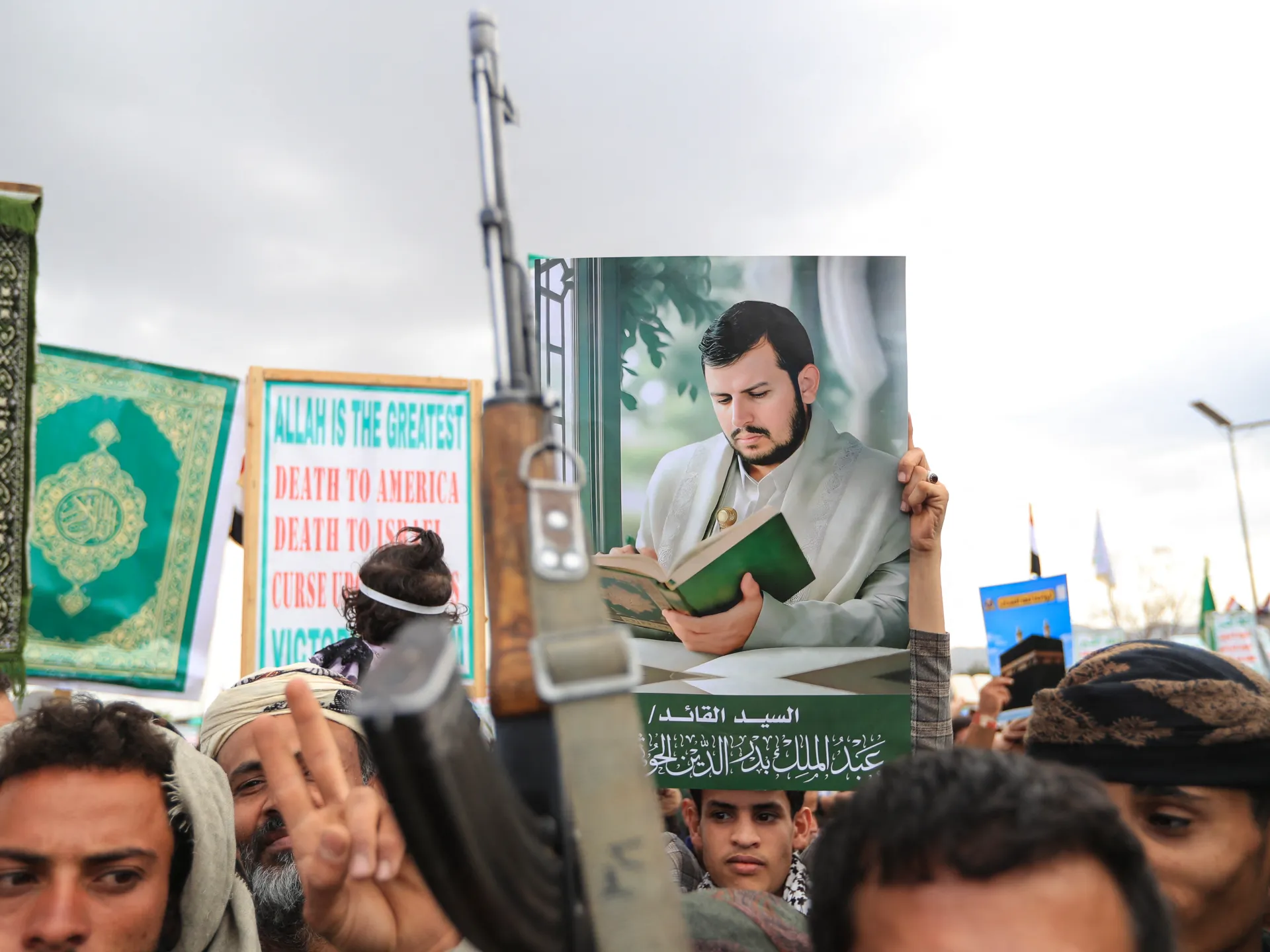
The European Union has voted to renew sanctions against individuals and entities supporting Russia’s war on Ukraine, as Russian forces continued to target Ukrainian energy infrastructure, killing six people in the Zaporizhia and Kyiv regions.

The EU Council announced that the bloc’s 27 member states had agreed on Saturday to extend sanctions targeting some 2,600 individuals and entities with measures like travel restrictions and asset freezes until September 15, breaking an earlier deadlock caused by Hungary and Slovakia’s opposition to the move.

Recommended Stories

list of 3 itemsend of list

The extension of sanctions came one day after EU Council chief Antonio Costa slammed the United States for lifting sanctions on Russian oil exports, saying on X that weakening restrictions increased “Russian resources to wage the war of aggression against Ukraine”, with a knock-on impact on European security.

The measure was announced as Russia hammered Ukraine with missiles and drones on Saturday, killing five people and injuring 15 in the Kyiv region surrounding the capital, according to regional military administrator Mykola Kalashnyk.

The city of Zaporizhzhia was also hit by Russian-guided bombs, killing one person and injuring three, said the governor of the southeastern region, Ivan Fedorov. Photos posted online showed parts of buildings reduced to rubble.

Ukraine’s President Volodymyr Zelenskyy said Russia’s main target was energy infrastructure outside the capital Kyiv, but that the Sumy, Kharkiv, Dnipro and Mykolaiv regions were also targeted in an attack that included about 430 drones and 68 missiles, most of which were downed by air defences.

Russia’s winter attacks on Ukraine have left swaths of major cities without power or heating, as Moscow’s troops continue their offensive amid demands Kyiv cede more territory in the east. Ukraine’s Energy Ministry said on Saturday that consumers in six regions were without electricity.

Ukraine’s forces have targeted Russian strategic infrastructure such as oil refineries, depots and terminals in long-range strikes. On Saturday, Ukraine’s military said that it had struck the Afipsky oil refinery and Port Kavkaz in Russia’s southern Krasnodar region.

Putin ‘exploiting’ Middle East distraction

Saturday’s fighting came as the Iran conflict has distracted international attention from a US-backed peace push in the four-year war, which Kyiv says Moscow has no interest in ending.

Belgium’s Prime Minister Bart De Wever called on Saturday for the EU to be mandated by its member states to negotiate with Russia as it became apparent amid spiking oil prices caused by the Iran war that the US was easing pressure on Russian President Vladimir Putin.

“Since we are not capable of threatening Putin by sending weapons to Ukraine, and we cannot choke him economically without the support of the United States, there is only one method left: making a deal,” he told the Belgian newspaper L’Echo.

EU chief diplomat Kaja Kallas has said in the past that the bloc must first reach an agreement on what is expected from Russia before directly approaching Putin, formulating its own “maximalist demands”.

However, the bloc’s inability to reach a common position was highlighted during the EU Council’s recent deliberations on extending sanctions.

Hungary and Slovakia, which have been sparring with Ukraine over blocked Russian oil flows through the Druzhba pipeline, had earlier opposed the extension of the restrictions, reportedly calling for some Russian oligarchs to be removed from the list of offenders.

Reacting earlier this week to soaring oil prices caused by the war in Iran, Hungarian Prime Minister Viktor Orban urged the EU to suspend sanctions on Russian energy.

Posting on X, Zelenskyy said, “Russia will try to exploit the war in the Middle East to cause even greater destruction here in Europe, in Ukraine.”

Source link