etna

Mount Etna eruption – what to do you if you have an Italy holiday booked

Flights to Italy’s fifth busiest airport have been suspended and advice has been issued for any Brits who are due to fly to the Mediterranean island in the next few days

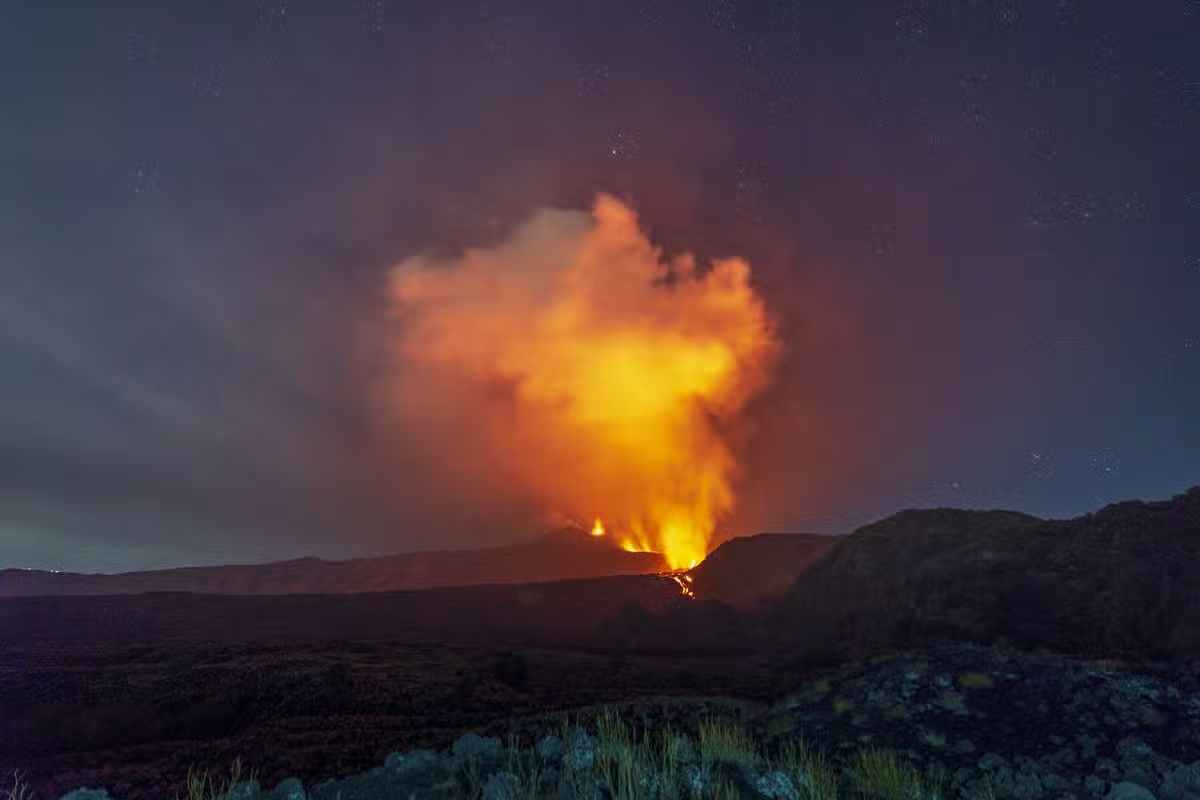
An eruption at Europe’s largest and tallest active volcano has led to the closure of one of Italy’s busiest airports, throwing travel plans into chaos for many Brits.

Mount Etna is one of the world’s most active volcanoes, and over the weekend it was spotted bellowing smoke and ashes into the atmosphere, forcing the suspension of arrivals into nearby Catania-Fontanarossa Airport.

In a statement posted today on its official website, airport officials said: “Due to Etna’s eruptive activity and the associated release of volcanic ash into the atmosphere, the airspace corresponding to the ash cloud southwest of the volcano (Sector C1) has been closed. Arrivals are suspended until 5:00 PM.

“As the situation is significantly affecting operations, passengers are kindly advised to check the status of their flight with their airline before heading to the airport. The situation is being constantly monitored, and further updates will be provided depending on the evolution of volcanic activity and weather conditions.”

Initially, the airport allowed a small number of landings until the early hours of this morning, before the decision was made to suspend flights completely. Other airports on the island are currently unaffected.

Airlines with routes from the UK to Catania include British Airways, easyJet, Jet2, Ryanair, and Wizz Air, and passengers who have a flight booked to the airport should immediately check their flight status on its official website. Passengers may see flight delays, diversions, or cancellations to their itineraries, and airlines should be getting in touch with any holidaymakers affected by the change.

Volcanic activity on Mount Etna has often affected flights to Catania, due to its location just 29 miles from the volcano, and passengers are sometimes re-routed to other Sicilian airports such as Palermo. Similar cancellations and diversions were seen at Catania just last month, with a two-day closure on July 5 and 6.

It’s worth noting that at the moment, the Foreign, Commonwealth & Development Office (FCDO) doesn’t have any warnings in place about visiting the island, it simply advises “Check with your travel provider or Catania airport before travelling.” Other than any exclusion zones close to the volcano, Brits are still free to visit the island, but should look out for local emergency updates.

While flight delays of over three hours often allow passengers to claim for compensation, a volcanic eruption usually comes under ‘extraordinary circumstances’, which means a claim is unlikely to be successful.

However, passengers from the UK to Sicily are still covered by the Denied Boarding Regulation, also known as EU Regulation 261/2004, meaning airlines need to assist them during delays. For a flight to Sicily, this would come into force for any delay over three hours.

Airlines need to provide two free phone calls or emails to each passenger, meals and refreshments that are appropriate to the time of day and delay length – usually given as vouchers – and hotel transfers and accommodation if the delay is overnight.

Have a story you want to share? Email us at webtravel@reachplc.com
Source link

10 best books to read in August 2026: fresh releases from Jill Lepore, Claudia Rankin and more

Reading List

10 books for your August reading list

If you buy books linked on our site, The Times may earn a commission from Bookshop.org, whose fees support independent bookstores.

If your summer could use a little energy boost, forget the complicated smoothie — turn to one of these fresh book releases instead. From fast-paced World War II history to a slow-burn rescue in rural Wyoming, along with an art-world mystery and a punchy look at modern America, you’ll find something to galvanize your bedside book stack. Happy reading!

FICTION:

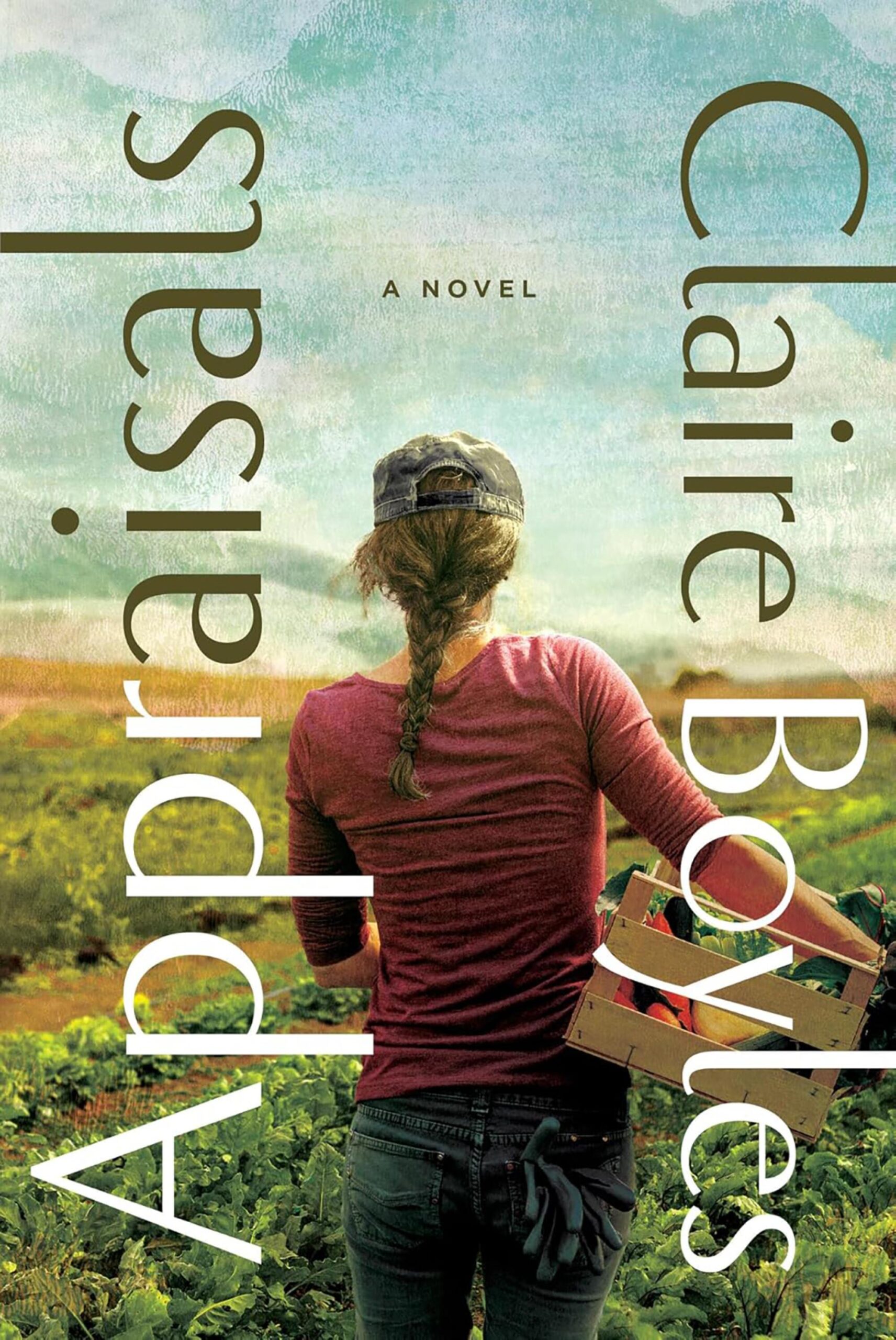
'Appraisals' by Claire Boyles

Appraisals: A Novel
By Claire Boyles
W. W. Norton: 288 pp., $30
(Aug. 4)

While Boyles’ debut novel ostensibly follows the fate of an Eastern Colorado family farm, its deeper purpose involves showing how dire water resources are for all agricultural endeavors in the region. Maggie and her husband Fish have inherited their land from her grandparents, but they and their teenage daughter Ozzie all know that without irrigation, even defeating big development plans won’t make much of a difference to locals.

'The Seekers of Deer Creek' by Thao Thai

The Seekers of Deer Creek: A Novel
By Thao Thai
Mariner Books: 320 pp., $30
(Aug. 4)

Vietnamese American sisters Vivi and Calla are also a curator and an artist. When their father dies and leaves behind a sketch that might be the work of renowned Vietnamese painter K.P. Lý, the siblings embark on a quest to find out whether Lý had connections to their family. Along the way they reexamine their difficult upbringing and find new ways to communicate that matter more than any artwork.

'Etna' by Paul Yoon

Etna: A Novel
By Paul Yoon
Scribner: 208 pp., $28
(Aug. 4)

Anyone who has seen “The Odyssey” with Matt Damon or is anticipating “Heart of the Beast” with Brad Pitt (about a veteran and his war dog), should pick up Yoon’s remarkable tale of a combat survivor in an alternate present who happens to be a former military dog named Etna. His adventures traversing a broken land of haunted people and animals may be less the stuff of future myth and more about trauma, but Yoon brilliantly creates voices for human and canine that make both more whole.

'A Tender Age' by Chang-Rae Lee

A Tender Age: A Novel
By Chang-Rae Lee
Riverhead: 368 pp., $30
(Aug. 11)

Jeon-Gi, known as J-G, is a relatively happy 10-year-old in 1976, until a neighbor’s attack on him fuels his own violent ideas. Although he gets a relatively easy sentence after threatening a classmate, J-G’s parents decide to send him to a Christian summer camp. Incidents there that might be sweet nostalgia for other kids only remind him of how different and lonely he feels inside. However, it’s J-G’s adult reason for sharing his experience that hits home.

'Sunrise' by Tea Obreht

Sunrise: A Novel
By Téa Obreht
Random House: 368 pp., $29
(Aug. 11)

Many, so so many, historical novels seek to tie a contemporary protagonist to a long-ago event or story; so so many fail to make the connections mean anything. That’s why Obreht’s superb and fascinating new book should earn a place on your 2026 reading list: She not only meaningfully connects the stories of a stranded young woman, an early-20th-century gunslinger, and a historical reenactor, but manages to make them illuminate each other.

NONFICTION:

'Triage' by Claudia Rankine

Triage
By Claudia Rankine
Graywolf: 192 pp., $28
(Aug. 4)

The book’s epigraph says a great deal: “Any attempt to name and describe our lives will always seem unstable because all language is a form of triage.” Rankine’s new attempt at triage focuses on her long friendship with a person identified only as “the theorist.” Anecdotes and analysis are interspersed with photos of all sorts of sofas and couches, calling into question ideas about where and how we find respite and support — or not.

'Your Fellow Americans' by Peter Santenello

Your Fellow Americans: Dispatches Across the Country We Call Home
By Peter Santenello
Simon & Schuster: 336 pp., $30
(Aug. 4)

Santenello has over 4 million subscribers on YouTube, where he posts videos about every kind of place in America — rich and poor, renowned and hidden, busy and abandoned. Love or hate the author’s self-described nonpartisan approach, you’ll find this book surprising, particularly as it reveals how geography, climate and infrastructure affect community and communication. Think Anthony Bourdain crossed with Michael Moore.

'Empire of Ashes' by James M. Scott

Empire of Ashes: Truman, Hirohito, and the Descent into Total War
By James M. Scott
W. W. Norton & Co.: 528 pp., $42
(Aug. 4)

Historian Scott (“Black Snow”) creates a propulsive read about the last days of World War II, in which America’s development of the atomic bomb pushed against Japan’s aggressive majority, with tragic results that many — including the author — believe necessary. The contrast between President Harry S. Truman, who had been in office for a matter of weeks, and Emperor Hirohito, whose military seemed unstoppable, remains shocking.

'The People's Historian' by Dave Zirin

The People’s Historian: The Outsized Life of Howard Zinn
By Dave Zirin
Dutton: 320 pp., $33
(Aug. 4)

Recently a friend showed me a list of books recommended by a pundit and asked which one to read first. Without hesitation I told her she should pick up “A People’s History of the United States” by Howard Zinn, first published in 1980 and still the most comprehensive remedial tonic to received wisdom I know. Zirin’s lively biography of this activist should remind everyone that history isn’t just about facts and figures but also context and compassion.

'The Rise and Fall of the Artificial State' by Jill Lepore

The Rise and Fall of the Artificial State
By Jill Lepore
Liveright Publishing Corp.: 336 pp., $30
(Aug. 25)

Hannah Arendt, one of the 20th century’s defining political thinkers, posited that modern life was making “being human superfluous”; her learned successor Lepore warns that our present bears out that idea. One day scholars will teach Lepore’s work alongside Arendt’s, seeing that Lepore interrogates not simply a modern moment, but traces our current machine age back to the 17th-century conceit for artifice as improvement. According to her, the way out is to get back to nature. Meet you in the woods.

Source link