All the attractions in England where you pay once and then return all year for FREE, from adventure centres to museums

WITH the average museum or attraction entrance fee costing between £12 and £21 a day in the UK, you might expect annual passes to be budget-obliterating.
Yet there are tourist spots across England that let you pay for a day and return all year for free, which is a great option for families on a budget.
If you were to boomerang back to some of the below attractions once a month, the cost of a visit works out as little as 41p a time.
So here are all of the best places across the UK – by region – where you can pay once, then visit again and again for the whole year, absolutely free…
North East
Preston Park, Stockton on Tees
Centred around a 19th century mansion on the banks of the River Tees, this 100-acre site features history galleries, a replica Victoria street, and gardens with a poison plot and honeybee hives.
Adults £12, children (3-16) £8.
Magna Science Adventure Centre, Rotherham
Set within a former steelworks, this interactive science museum has four pavilions dedicated to the concepts of earth, air, fire and water. Plus, there’s a splash park for summer.
Adults £19, children (4 to 15) £17 or (2 to 3) £9.
Beamish, The Living Museum of the North, County Durham
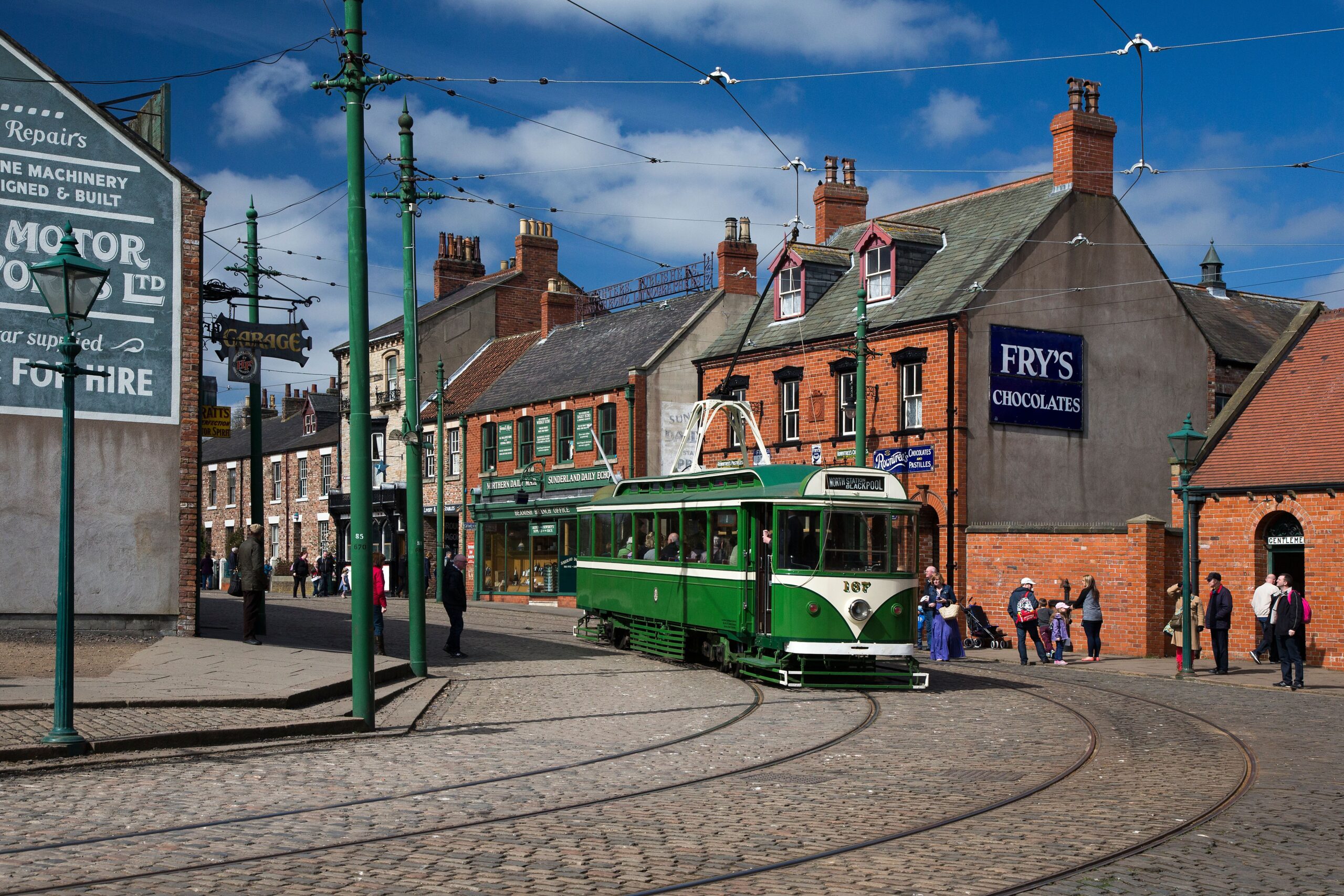
Spreading out across 350 acres, Beamish has revived dozens of 19th and early 20th century buildings like post offices, pubs, and sweet shops, and filled them with costumed characters to interact with.
Adults £35, children (5-16) £20.50.
York Castle Museum, York
Plunge into 400 years of York’s history in the museum’s exhibition rooms, replica Victorian street, and the former cells of York Castle Prison.
Adults £18, children (5-16) £10.80.
Yorkshire Air Museum, York
The UK’s largest independent aviation museum set on a former WW2 airfield with historic aircraft, displays, a cafe and shop.
Adults £17, children (4-17) £7.
The Deep, Hull
More than 2.5 million litres of water provide shelter to 3,000 fish, sharks, rays, and even penguins at this 24,000 square metre aquarium.
Adults £24, children (3-15) £18.
North West
Port Sunlight, Wirral
Built for soap factory workers in the 19th century, this model village offers a history museum, art gallery, and 130 acres of parkland.
Adults £8, children (5-16) £5.50.
Jodrell Bank, Cheshire
The UK’s largest radio telescope, an immersive planetarium, and a series of hands on exhibitions about space and the universe await visitors to this Unesco World Heritage Site in the Cheshire countryside.
Adults £15, children £10.50.
Eureka! Science + Discovery, Wirral
Walk through a pair of lungs, design your own toothpaste, and hug a heartbeat tree within four interactive zones themed around the science of bodies, homes, and nature.
Adults and children (3+) £15.95.
National Football Museum, Manchester
Everything from trophies and football shirts to Subbuteo tables and VR games are on offer at this museum dedicated to the beautiful game.
Adults £16, children (5 to 15) £10.
Fusiliers Museum, Bury
This museum documents 300 years of The Lancashire Fusiliers and the latter Royal Regiment of Fusiliers, with artefacts like Victoria Cross medals and replica First World War trenches.
Adults £4.95, children £2.95.
Windermere Jetty Museum, Bowness-on-Windermere
Get to know the 200-year boating heritage of England’s largest lake through vessels, interactive displays, and oral histories.
Adults £12, children (5-15) £6.
Ryedale Folk Museum, Hutton-le-Hole
A six-acre acre swatch of countryside with 20 heritage buildings such as a 1950s village store, Victorian cottage, and thatched Tudor longhouse.
Adults £12, children (4-15) £10.
Yorkshire Museum
Featuring displays on everything from the Vikings and Romans to Yorkshire during the Jurassic period – with iPads that showcase what the dinosaur skeletons on show really looked like when they were alive.
Adults £10, children (5-16) £6.
Murton Park, Murton
Discover 14 acres of countryside exhibits including a farming museum, railway, farm animals, and a Viking village and Roman fort that are open on weekends and school holidays.
Adults £20, children (1-16) £17.
East Midlands
National Tramway Museum, Crich
Set around a recreated period village compete with tea rooms and a sweetshop, this museum displays more than 80 historic trams and features a working rideable tramway.
Adults £24, children (4-15) £15.
Silverstone Museum, Northamptonshire
The two floors of exhibits at Silverstone Museum are crammed with racing memorabilia, F1 cars, immersive experiences like break tests, and photo ops.
Adults £24 online, children (5-15) £20.
Lamport Hall, Lamport
Wander through period rooms dripping in antiques before ambling around 10 acres of gardens, which once boasted the first ever garden gnomes.
Adults £16, children (11-17) £9.
Nottingham Castle, Nottingham
Brush up on your knowledge of Robin Hood, Nottingham lace, and the history of rebellion in Nottinghamshire at the hilltop castle that was first built by William the Conqueror in the 11th century.
Adults £18, children free.
Bakewell Old House Museum, Bakewell
11 rooms of exhibits spill the secrets of Bakewell’s oldest standing residence and its inhabitants from the past 500 years.
Adults £7.50, children (5-16).
King Richard III Visitor Centre, Leicester
Immersive exhibits recount how King Richad III’s body was discovered under a carpark in Leicester and backtrack through 500 years of history, feuds, and intrigue linked to the King.
Adults £12.50, children (5-15) £6.25.
Eyam Museum, Hope Valley
This museum lifts the lid on how the residents of sleepy Eyam responded to the outbreak of Bubonic Plague in the 17th century. Additional displays on local prehistory, mining, and the silk and shoe industry.
Adults £6, children (5+) £4.
National Space Centre, Leicester
Amongst the 150 plus exhibits at this final frontier-themed museum, visitors will find two genuine rockets, real moon rock, and the UK’s largest domed planetarium.
Adults £22, children (5-15) £20.
1620s House & Garden at Donington le Heath, Coalville
Explore the stone-walled home and gardens that once belonged to the relatives of Sir Everard Digby, who was executed for taking part in the Gunpowder Plot.
Adults £6.65, children (3-15) £3.95.
Bosworth Battlefield Heritage Centre, Sutton Cheney
Nine interactive exhibition rooms walk visitors through the dramatic War of the Roses and the resulting battle that changed the course of British history.
Adults £10, children (3-15) £6.95.
Peak District Lead Mining Museum, Matlock Bath
Hundreds of rocks, minerals, tools, and three interactive mock mine tunnels evoke a time when lead mining was one of the Peak District’s most important industries.
Adults £8.50, children (4-17) £5.
National Justice Museum, Nottingham
Five floors of exhibits on crime, the law, and punishment, including a Victorian courtroom and Georgian jail. Daily mock trials and free workshops.
Adults £16, children (5-15) £11.50.
Wollaton Hall, Wollaton
Cocooned within 500 acres of parkland, this Grade I listed Elizabethan mansion is home to a 750,000 item Natural History Museum.
Adults £18, children free.
Louth Museum, Louth
Learn about brickmaking, carpets, archaeology, the devastating Louth flood of 1920, and the ghost of the green lady at this four gallery town centre museum. Open April to October.
Adults £5, children free.
City of Caves, Nottingham
Burrow through the caves beneath Nottingham, learning about the people who worked and even lived in them over the years as you go.
Adults £12, children (5-15) £9.50.
West Midlands
The Fusilier Museum, Warwick
Artefacts like drums, bearskin hats, uniforms, memorial plaques and even wedding gifts illustrate the personal stories of the soldiers of the Royal Warwickshire Regiment.
Adults £5, children (under 16) free.
Coventry Transport Museum, Coventry
Cast your eyes over more than 300 cycles, 120 motorcycles, and 250 cars, including penny farthings, Triumphs, E-type Jaguars, and the world land speed record-breaking Thrust SSC.
Adults £15.50, children (5-16) £8.50.
Museum of Royal Worcester, Worcester
Starring the largest display of Worcester porcelain in the world, with a sensory trail and regularly updated temporary exhibitions.
Adults £11.95, children (5-17) £4.50.
British Motor Museum, Gaydon
More than 400 classic cars welcome visitors to the British Motor Museum. Free guided tours take place twice a day and there’s an outdoor play area for sunny days.
Adults £18, children (5-16) £9, when booked in advance.
East of England
Museum of the Broads, Stalham
This dog-friendly museum spotlights the natural and human history of the Norfolk and Suffolk Broads through more than 6,000 artefacts.
Adults £9.50, children (12-17) £5.50.
Ely Musuem, Ely
Root around in Ely’s history through exhibits on the city’s prehistoric settlers, folk traditions, local trades, the importance of eel fishing in the area and plenty more.
Adults £7, children (5 and up) £3.
Denny Abbey & The Farmland Museum, Waterbeach
This yawning site brings together a 12th century abbey, a vintage village shop, rural trade exhibitions, a nun’s refectory, farming equipment displays, a 1940s farmworker’s cottage, and a clutch of gardens and play areas.
Adults £9.50, children (5-17) £6.50.
Norfolk and Suffolk Aviation Museum, Flixton
More than 60 aircraft, 30,000 artefacts, and individual museums on Suffolk’s 446th Bomb Group, RAF Bomber Command, and the Royal Observer Corps come together on this 11 acre site.
Adults £10, children (5-17) £5.
Verulamium Museum, St Albans
Occupying the site of one of Britian’s largest Roman cities, Verulamium depicts what everyday life was like for the people who once lived here. Count on coin hoards, mosaics, and reconstructions of Roman rooms.
Adults £10, children (under 16) £5.
Great London and Outer London
London Transport Museum, Covent Garden
Charting 200 years of transportation developments in London, including exhibits on riverboats, omnibuses, the underground, and the capital’s iconic red Routemasters.
Adults £27, under 18s free.
Foundling Museum, Bloomsbury
Artworks by Tracey Emin and music scores by classical composer Handel are some of the surprising items on display at the UK’s only museum dedicated to the experiences of people who have been in care.
Adults £14.50, 21 and under free.
The Postal Museum, Clerkenwell
See rare Penny Black stamps, dress up in postal uniforms, and have a ride on the narrow gauge underground Mail Rail railway at this museum that documents 500 years of postal history.
Adults £20.50, children (2-17) £11.
Old Royal Naval College, Greenwich
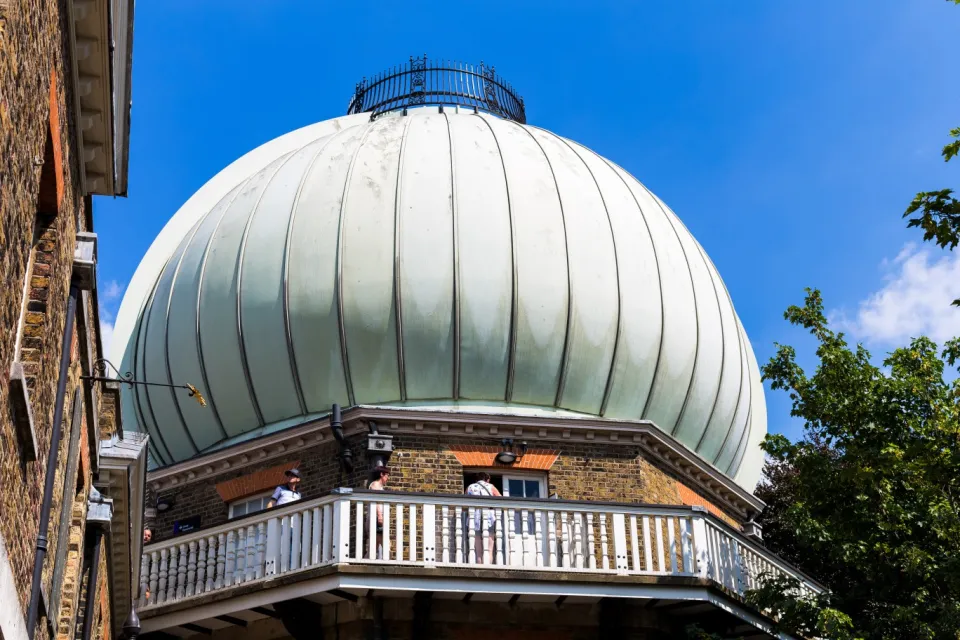
The hub of Greenwich’s Unesco World Heritage Site, this former hospital treats visitors to an ornately frescoed Painted Hall, an elegant chapel, and an interactive visitor centre.
Adults £19, children free.
The Royal Mews at Buckingham Palace
Discover what goes on behind the scenes at the stables responsible for all the road travel arrangements for the Royal Family, including a peek at the Cinderella-esque golden state coach.
Adult £18, young person (18-24) £12, children £9.
Windsor Castle, Windsor
The largest occupied castle in the world, Windsor Castle welcomes visitors to explore its state apartments, ceremonial rooms, and castle precincts.
Adults £32, young person (18-24) £21, children £16.
South East
Milton Keynes Museum, Wolverton
With displays on prehistoric times, Victorian life, farming, printing, and a street of replica shops from yesteryear, this museum looks into the stories that have shaped Milton Keynes.
Adults £17, children (5-16) £12.
Bletchley Park, Buckinghamshire
The former top-secret workplace of Britain’s World War Two codebreakers features 11 historic buildings, 12 hands-on exhibitions, recreated period rooms, and a cinematic experience.
Adults £28.75, children £7.50.
Soldiers of Oxfordshire Museum, Woodstock
Exploring how conflict has shaped Oxfordshire, the permanent exhibition at this museum looks into everything from The Liberation of Bergen Belsen by the Oxfordshire Yeomanry to the county’s secret agents.
Adults £9, children (5-16) £5.50.
Wallingford Museum, Wallingford
This two-floor, wood beamed museum tackles almost 3,000 years of local history including Wallingford’s links to Queen of Crime fiction, Agatha Christie.
Adults £6, children free.
Milestones Museum, Basingstoke
The replica streetscapes at this film set style museum chart the history of Hampshire from the Victorian era to the swinging sixties.
Adults £18.50, children (5-15) £12.50.
Roald Dahl Museum and Story Centre, Great Missenden
Based in the village where Roald Dahl lived and worked for almost four decades, this museum celebrates the life of the BFG author through memorabilia, hands-on activities, moving images, and craft offerings.
Adults £13.95, children (5-18) £9.95.
Aldershot Military Museum, Aldershot
Highlights at this local military history museum include tank collections, a rifle handling area, recreated army barracks, and a World War Two inspired outdoor assault course.
Adults £11, children (5-15) £8.
Cowper and Newton Museum, House and Gardens, Olney,
Deep dive into the lives and careers of writers William Cowper and John Newton, co-authors of the hymn Amazing Grace, in the restored 18th century mansion where Cowper lived.
Adults £12, children (under 16) free.
Jane Austen’s House, Chawton
This red brick cottage is where Jane Austen lived and wrote her novels. Highlights include Jane’s personal letters and first editions of her stories.
Adults £15.50, young people (17-26) £11, children (6-16) £7.25.
SeaCity Museum, Southampton
Covering 2,000 square metres, SeaCity unveils Southampton’s links to the ill-fated Titanic and reveals how they city became known as The Gateway to the World.
Adults £5, children (5-16) £3.50.
Leeds Castle, Kent
A favourite residence of King Edward I and dwelling place of Catherine of Aragon, this turreted castle treats visitors to a ‘1930s castle experience’, children’s playground and maze, 500 acres of parkland, and a bird of prey centre.
Adults £38.50, children £28.
Huguenot Museum, Rochester
Britian’s only museum about the Huguenots – the French protestants who took sanctuary in Britain after fleeing religious persecution in the early 18th century.
Adults £5.50, children £4.50.
Museum of the Iron Age, Hampshire
This two-floor museum offers an insight into the history of the nearby Danebury Hill Fort and the people who lived there more than 2,500 years ago.
Adults £5, children (5-15) £3.50.
South West
National Maritime Museum, Falmouth
15 galleries spread across five floors explore how the sea has shaped human history and culture with remote-controlled boat pool, play zone and more.
Adults £19, children (five to 18) £10.
Cornwall Museum and Art Gallery, Truro
Swot up on all the elements that have helped forge Cornwall’s identity, from its ancient civilisations and geology to its myths and biodiversity.
Adults £10, under 18s free.
Wheal Martyn Clay Works, Carthew
Learn about Cornwall’s 250-year clay mining history and find out how the industry contributed to the formation of landmarks known as The Cornish Alps.
Adults £17, children (5-15) £7.50.
Newlyn Art Gallery and the Exchange, Penzance
A twin set of contemporary art galleries where the walls are hung with the works of regional, national, and international artists alike. Exhibitions change regularly.
Adults £9, children free.
The Eden Project, Bodelva
30 acres of indoor and outdoor gardens, including two iglu-like biomes filled with rainforest and Mediterranean flowers and plants.
Adults £35.50 online, children (5-15) £12.50.
Torquay Museum, Torquay
More than 400 artefacts on Egyptology – including a mummified body – accompany displays on natural history, archaeology, planetology, world cultures, and ceramics at this eclectic museum.
Adults £10, children (5-17) £5.
Dorset Museum and Art Gallery, Dorchester
Four floors of displays spill the beans on Dorset’s natural history, 500,000 years of people’s history, Hardy’s Dorset, and the county’s artistic heritage.
Adults (26+) £13.95, young people (16-25) £11.70, children (0-15) free.
The Tank Museum, Bovington
The world’s largest collection of tanks and armoured vehicles spreads out across six hangar-sized exhibition halls here, showcasing more than 300 artefacts from 26 nations.
Adults £19.60, children (3-15) £4.80.
The Etches Collection, Kimmeridge
This modern space is filled with Late Jurassic marine fossils with a ‘sea-rex’ skull, a sea dragon skeleton, and CGI imagery that brings all the information to life.
Adults £9.50, children (5-16) £4.75.
Museum of East Dorset, Wimborne Minster
The 11 galleries inside this Grade II listed house catalogue the social and local history of East Dorset, touching on subjects from childhood to agriculture.
Adults £12.50, children (5-16) £6.
Lyme Regis Museum, Lyme Regis
Overlooking Dorset’s Jurassic Coast, this museum lays bare Lyme Regis’ geological heritage, history, culture, and literary connections using audio, touchscreen displays, and handleable objects. Adults £9.95, children (6+) £6.95.
Bridport Museum, Bridport
The displays at Bridport Museum switch from Jurassic Coast fossils to local rope making history, Anglo Saxon history, and the ‘beastly Bridport’ topic of disease and the ‘deadly Bridport dagger’.
Adults £5, under 21s free.
Somerset Rural Life Museum, Glastonbury
Scattered across the cow shed, farmyard, barn, and orchard of a former abbey farm, the exhibits of this heritage attraction shed light on the working life and rural crafts of countryside Somerset over the ages.
Adults £11, children (5-17) £5.25.
Haynes Motor Museum, Sparkford
15 exhibition rooms showcase more than 300 vehicles here, whilst displays touch on topics from the birth of the internal combustion engine to sustainable transport.
Adults £22.45, children (4-15) £12.74, when booked online.
The Food Museum, Stowmarket
17 historic buildings spread across 84 acres highlight how food is grown, made, and eaten. With daily talks and regularly changing exhibitions.
Adults £17.50, children £12.
Lewes Castle, Lewes
An 850-year-old Norman Castle, where you can climb the keep for views of the South Downs, check out Medieval artefacts in the museum, and picnic in the grounds.
Adults £18, children (5-17) £6.50.
Anne of Cleves House, Lewes
This timber-framed wonky-roofed building was gifted to Henry VIII’s fourth wife, Anne of Cleves, after their royal marriage ended. Wander through the Tudor style rooms to gen-up on this period of history.
Adults £7.50, children (5-17) £4.50.
Fishbourne Roman Palace and Gardens, Fishbourne
See the remains of a once lavish Roman villa, complete with mosaics and artefacts, and mooch around the reconstructed period gardens.
Adults £15, children (5-17) £7.50.
Michelham Priory House & Gardens, Upper Dicker
Get stuck into 800 years of history at this moated building with its period rooms and seven acres of grounds and gardens.
Adults £15, children (5-17) £7.50.