


Englands

England’s ‘City of Kings’ is home to huge space-themed attraction and ‘rocket tower’

ONE destination in the Midlands known as the ‘City of Kings’ thanks to its links to the Crown.

It’s had connections to royalty throughout history, both fictional and in real-life – plus for visitors, it has some great attractions.

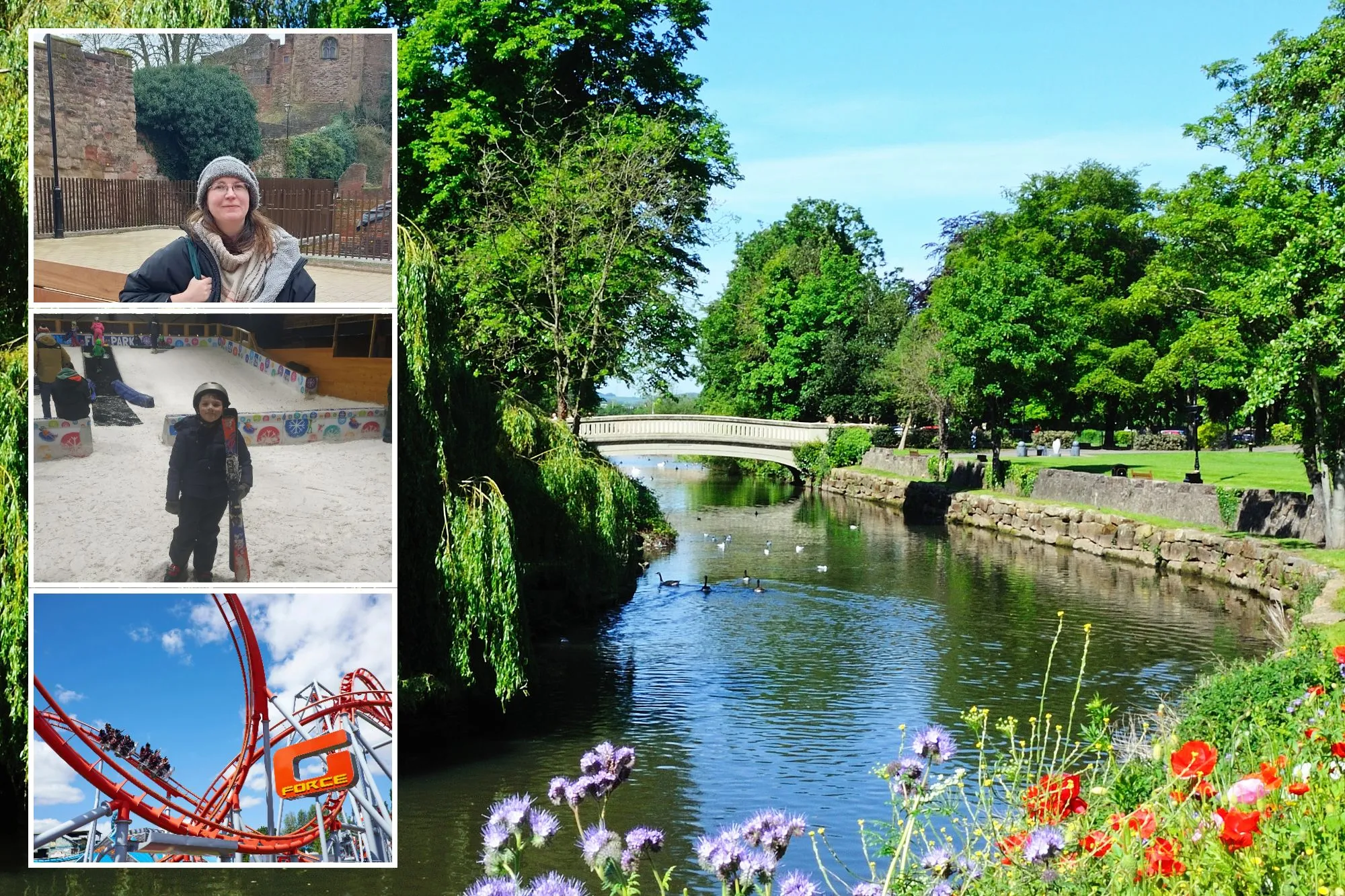
Leicester has links to royalty throughout history – and it’s the resting place of King Richard IIICredit: Alamy
The Jewry Wall is one of the largest remaining Roman structures in BritainCredit: Alamy

The city of Leicester is the final resting place of King Richard III and the birthplace of the Shakespeare’s mythical King Leir.

Leicester Cathedral is where the remains of King Richard III can be found – after they were excavated from a car park in Leicester in 2012.

Other attractions include the King Richard III Visitors Centre, and the King Power Stadium.

Another popular attraction is Jewry Wall Museum, which immerses visitors in the stories of Roman Leicester – and it reopened after renovations earlier this year.

YULE DO

Travel expert reveals cheap UK holiday parks with Xmas breaks from £9pp a night


CHRIMBO WIN

Enter these travel comps before Xmas to win £2k holidays, ski trips & spa stays

It’s where you can see Jewry Wall which was once part of a public bathhouse and it’s one of the largest surviving Roman masonry structures in Britain.

Inside the museum are plenty of Roman artefacts from soldiers’ helmet pieces to brooches and rings.

Tickets for adults are £12.50, those for children between 5-15 are £6.25 – families can get group tickets for £32.

The city in the Midlands is known for many things – but one must-see is the National Space Centre.

Most read in Best of British

The museum is the number one attraction in Leicester followed by Tropical Birdland and the Retro Computer Museum.

The National Space Centre is not just top in Leicester, it’s the UK’s leading visitor attractions dedicated to space science and astronomy.

National Space Centre in Leicester is the top attraction on TripadvisorCredit: Osborne Hollis Ltd.
You can see the space centre for miles thanks to its Rocket TowerCredit: Alamy

It has interactive exhibits throughout the year and the UK’s largest planetarium.

Heading into the city, you’ll be able to spot it thanks to Rocket Tower – which is 42 metres high.

It has Blue Streak and Thor Able rockets, as well as the Gagarin Experience, Apollo Lunar Lander and real Moon Rock.

For those who want even more, stay for Space Lates — exclusive evenings of talks, activities, and galleries.

Entry for adults starts from £20.95, tickets for children between 5-16 are £18.95.

For anyone who fancies a night out on the town after day of wandering about the local attractions, Leicester is a great place to do it.

The city in the east midlands was also previously named the country’s nightlife capital thanks to its nightclubs and pubs.

Mosh is a three-storey nightclub house inside a Gaudi-inspired building in the city and an underground club called the Basement.

There’s also the Fanclub, which has been open since 1985, and it’s well-known for its retro-themed club nights.

jungle rumble

I’m A Celeb star Ruby Wax’s secret feud with TV rival who ‘stole her career’


XMAS SPIRIT

Town goes wild celebrating ‘Xmas for alcoholics’ as girls faceplant in street

This much-mocked UK city is set to be huge next year – according to National Geographic…

According to National Geographic, one of ‘best places in the world to travel to in 2026’ is Hull – all thanks to its lively bar scene, award-winning aquarium, and completion of a huge project costing millions.

Hull, is a port city in East Yorkshire that sits on the north bank of the river Humber.

National Geographic has named it as one of the best places in the entire world to visit next year, but it’s not always been so up and coming. For example in Hull took top spot in the book Crap Towns: The 50 Worst Places to Live in the UK back in 2003.

However, it’s set to become more popular in 2026, and National Geographic mentioned that one of the reasons why is Hull’s investment into conserving its rich maritime history.

Hull was a very important trade route during the 13th and 14th centuries. Thanks to this, you can see Dutch-influenced architecture buildings that line the streets of the quaint Old Town. 

Since 2020, the Maritime Museum has been undergoing a huge revamp worth £11million, but it will finally reopen to the public next year. This has been part of a wider £27.5 million project to promote Hull’s maritime history which has gone into restoring the museum and ships.

Another reason is the city’s new leisure spots that have transformed warehouses and the old waterside Fruit Market to become bars, restaurants, and art galleries.

The publication added: “There’s also a spectacular performance amphitheater, called Stage@TheDok, overlooking River Hull where it meets the Humber Estuary.

“And a former shipyard has for over 20 years been the base for The Deep, one of the United Kingdom’s most highly respected aquariums and marine conservation centers.”

Hear from one writer who lives in one of the UK’s coolest cities – five lesser-known neighbourhoods tourists forget about and are much more fun.

Plus, one writer opens up on his home city which is Lonely Planet’s coolest UK destination for 2026 – here’s why it trumps London and Manchester.

Leicester is nicknamed the ‘City of Kings’ and has both Roman and modern attractionsCredit: Alamy

Source link

Ashes: ‘England’s first-Test defeat in Perth one of their worst ever’

England are not a bad cricket team. They are a good cricket team that can occasionally be a thrilling cricket team. They are also a stubborn, maddening and slow-learning cricket team.

Many of the worst, most painful defeats since Ben Stokes and Brendon McCullum took charge have been self-inflicted.

In Wellington in 2023, England made New Zealand follow on, and lost. In the Ashes of the same year, England declared on day one at Edgbaston, then had the benefit of Nathan Lyon limping off Lord’s. They lost both.

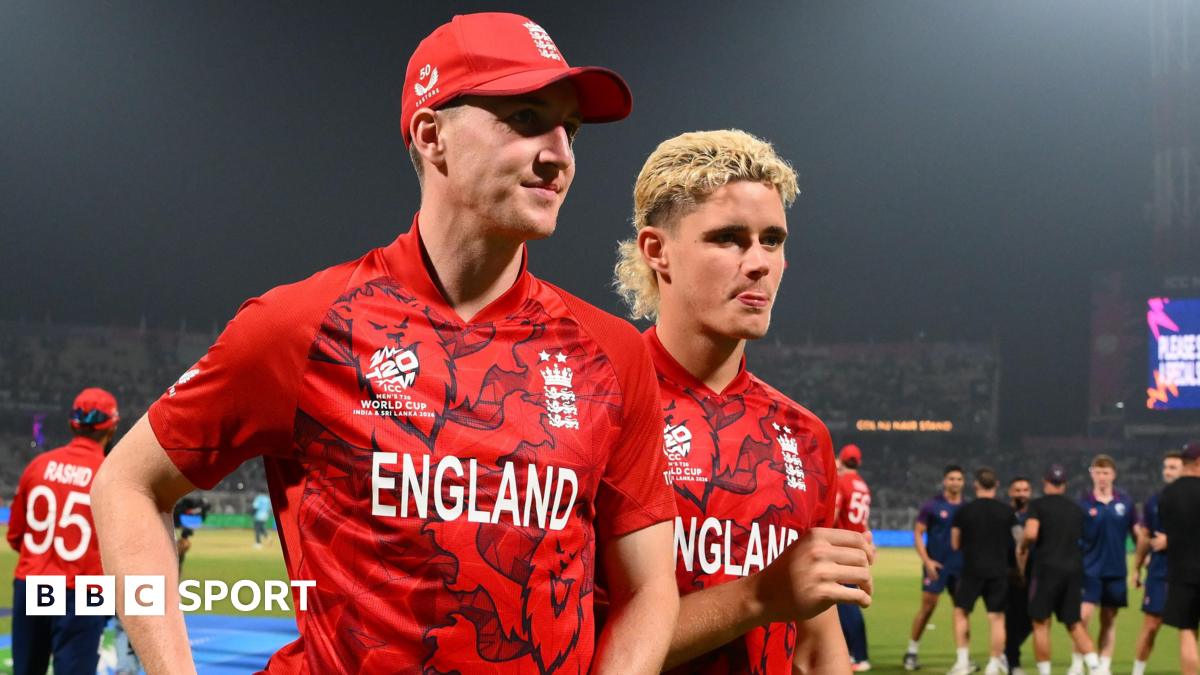
The following year, away to India in Rajkot: 224-2 in reply to 445, with Ravichandran Ashwin out of the match to attend a family emergency. England lost. In July of this year, England needed 73 more to pull off a record chase against India at The Oval with Harry Brook and Joe Root at the crease making hundreds. England lost.

It is great the Bazballers have form for backs-to-the-wall run chases, but it’s just as good to win from a position of dominance. Stokes often says he does not like the word “ruthless”. Perhaps it is because his team are not.

The most galling part of this defeat is what it could have done to Australia.

The West Australian newspaper harangued England through Perth airport, called them crybabys, arrogant and cocky. It only took one ropey first-day performance from Australia for the West Australian to turn on them.

Lyon was limping again. There were whispers Australia had picked the wrong team. Knives were out for Usman Khawaja and his dodgy back. Now Khawaja is a national hero for allowing Head to open the batting.

Stand-in captain Steve Smith might have been asked why he had rehearsed a monologue about Monty Panesar’s appearance on Mastermind. Instead he sat at the post-match news conference as a winning skipper, literally slapping Head on the back. It had echoes of eight years ago in Brisbane, when Smith and Cameron Bancroft laughed through the Jonny Bairstow headbutt incident.

Now Australia go to the second Test in Brisbane, played in a day-night format they hardly ever lose. The hosts have the luxury of not rushing Pat Cummins’ return.

Mitchell Starc, 10 wickets in Perth, has wizarding skills with the pink ball Harry Potter would be proud of.

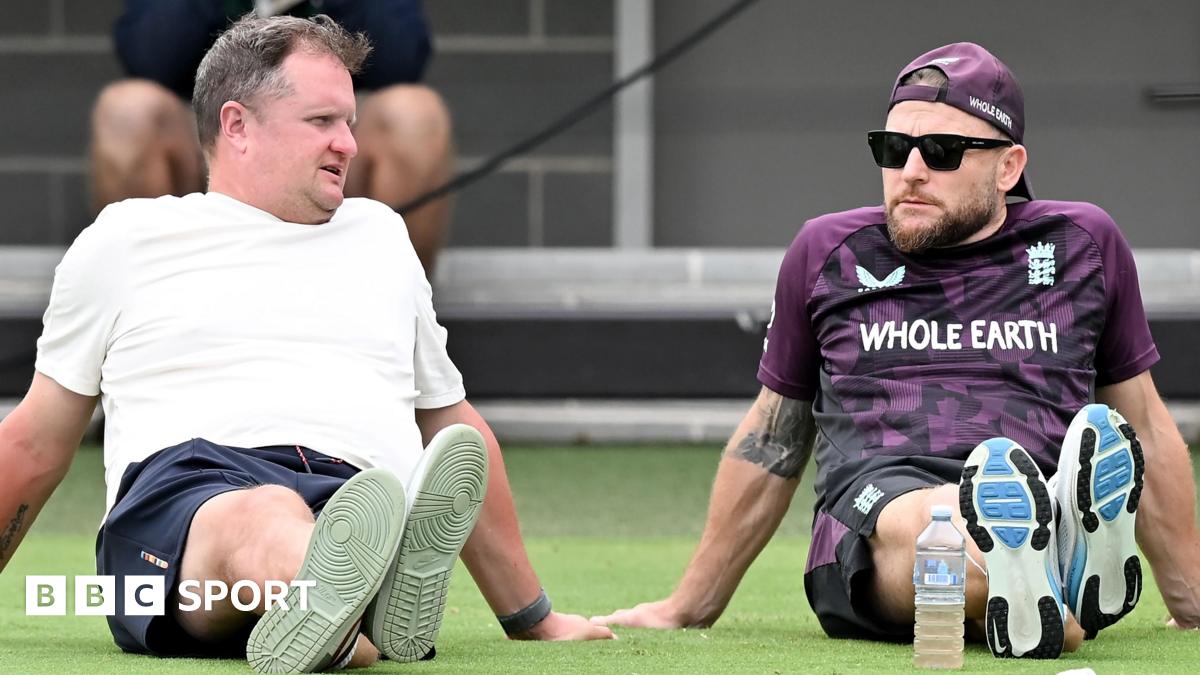
Where do England go from here? They have been beaten so swiftly in Perth they have time to fly home, have a week off, then fly back to Brisbane for a round of golf and the second Test.

Australia bowled out England twice in 67.3 overs in Perth. Not since 1904 have England survived so few deliveries in losing a Test.

Listening to Stokes and McCullum, it appears one place the bulk of the Ashes squad will not be going is Canberra for a two-day pink-ball match between England Lions and the Prime Minister’s XI next weekend. England will rest in Brisbane instead.

The opportunity to tune up under lights will be largely passed in the name of unity and morale. England have only one training session under lights in Brisbane.

It would not be a surprise if England field the same XI in the second Test. The batters will be backed and the five-pronged pace attack looked on to something in the first innings in Perth.

Source link

Jude Bellingham substitution: England’s best player or Thomas Tuchel’s problem to solve?

Bellingham has scored 41 goals in 111 appearances for Real Madrid since joining two years ago, playing a key role in a side which has won La Liga and the Uefa Champions League.

He flourished under the leadership of Carlo Ancelotti, renowned for his ability to handle the personalities in Los Blancos’ squad, but like his team-mates has found things more difficult under new manager Xabi Alonso this season.

“He has a great reputation in Madrid,” said Jesus Bengoechea, a writer for Real Madrid fan media outlet La Galerna.

“The fans love him, not only for his technical quality but his commitment to the team. He comes across as somebody who is really dedicated to the shirt and what it represents.

“He plays a very influential role in the dressing room – he is one of the players who has stepped up after players like Luka Modric, Toni Kroos and Karim Benzema left. It surprises a lot of people that he is not more acclaimed in England.

“Lately there have been some rumours about him being not so disciplined in some ways, certain things about the level of intense work Alonso is asking the players to do. But we haven’t seen that on the pitch and I find it hard to believe.

“Alonso is like Tuchel, both quite cold characters and very tactical. I think it is a matter of personalities that don’t gel.”

Source link

England v New Zealand: How England’s super-sub plan can blow away All Blacks

A couple of factors have helped England in making this tactical shift.

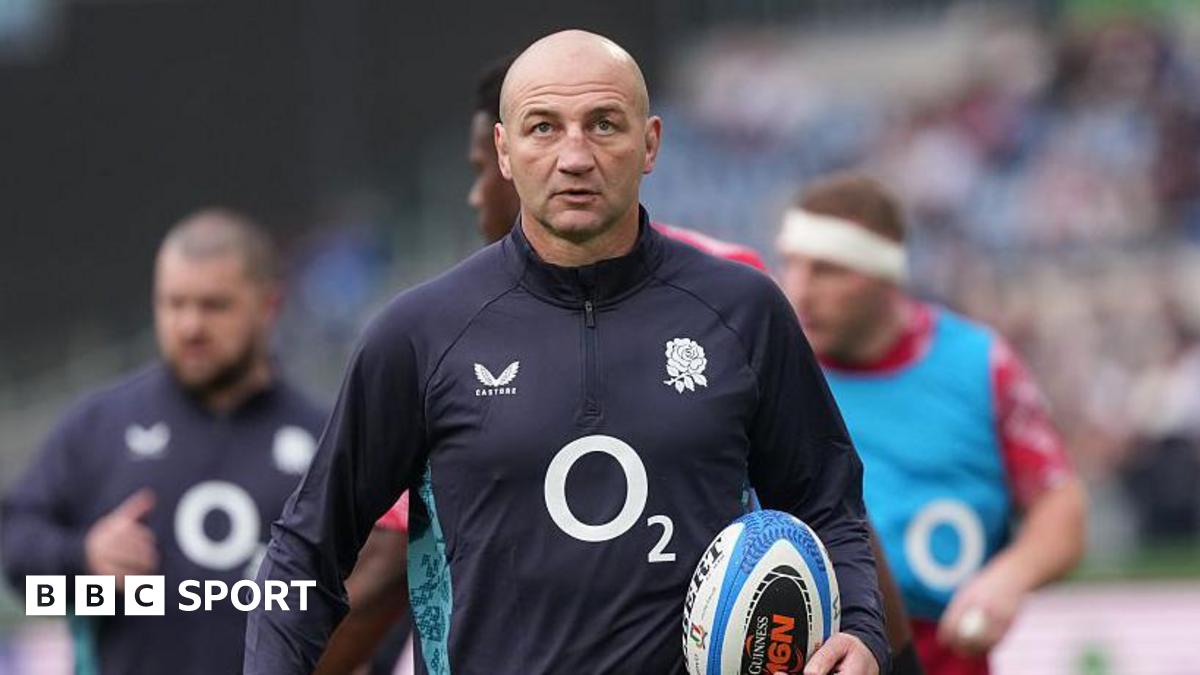
Firstly, rugby’s calendar. The Lions tour of Australia sucked up 13 first-choice England players the summer. It meant youngsters and fringe players were given a shot in Argentina and repaid Bothwick with back-to-back Test wins.

Guy Pepper made his international debut. Baxter and Heyes started together for the first time. Alex Coles was in the XV for the first time in two and a half years. Tom Roebuck cemented his place as Test wing. Freddie Steward and George Ford, who had managed one appearance each in the Six Nations earlier in the year, gave reminders of their quality.

All seven start on Saturday.

Secondly, however the personnel are distributed across the matchday 23, there has been a sharper focus on how to take the initiative – psychologically, physiologically and strategically – in the closing stages.

David Priestley, a psychologist who has previously worked with Leicester and Saracens, as well as Premier League side Arsenal, has been sharpening mental processes under pressure.

Sam Underhill, a key man in England’s last win over New Zealand six years ago in the Rugby World Cup semi-finals, says communicating amid the sound and fury of a match’s crescendo is crucial.

“Obviously there’s a focus on every quarter of the game, but I think in terms of doing well towards the tail-end, there’s a lot to be said for tactical clarity,” he told Rugby Union Weekly.

“For a lot of guys, breathwork’s important when you get breaks in play and you want to get your mental clarity as quickly as possible.

“You want to get your heart rate down and thinking clearly.

“You also want to get messages across to each other.

“Key decision-makers and key leaders in areas – defensive and attacking – will have the attention of the group.

“You don’t have an awful lot of time, you can’t say loads, so it’s about being as clear and concise as possible.

“What helps is your understanding in the week – what you want to do and how you want to do it

“The more understanding we have and the clearer we are as a group, the easier it is then for the decision-makers to tap into the things that we’ve learned in the week, as to what specifically our focus is going to be for maybe that play, or the next five or 10 minutes.”

Source link

The Ashes: When Fred Trueman refused to run around the boat – England’s last trip by sea

After launch there was the question of how to fill the days at sea.

“In my case, you eat,” says Larter. “Honestly, I’ve never had, either before or since, such a sustained spell of magnificent eating.

“The stewards loved us. They’d bring these great trolleys of wonderful food, and they knew we’d eat it.”

With copious amounts of food available and an Ashes series to prepare for, the players had to keep fit.

“We’d have an exercise session in the morning, then there were badminton courts netted off for us. We’d shove weights about, and jump up and down and things like that,” says Larter.

The England management wanted to take things a stage further.

By chance, Dexter found that British athlete Gordon Pirie was on board. Pirie won 5,000m silver at the 1956 Olympics in Melbourne.

“He was invited to organise us,” says Larter. “He turned up with his shorts on and decided the best exercise would be running around the boat.

“It’s quite a long way around one of those big boats, but I did what I was told.”

Not everyone in the touring party was as agreeable as Larter. Trueman, never shy of speaking his mind, had just bowled more than 1,100 overs in the English summer.

“Fred voiced an opinion which meant in no way was he running around,” says Larter. “That just wasn’t what we did to get fit. To get fit, we played cricket.

“Fred said he’d just bowled all those overs in the season, and he wasn’t going to run around a boat for anyone. The Gordon Pirie thing died off after that.”

For Larter, the trip was not just a first England tour, but a first time out of the country. On the upper deck he mixed with the wealthy travellers, lower down he encountered the Poms emigrating to a new life down under.

“We found the greatest reception came downstairs,” he says. “There were people emigrating or moving for all sorts of reasons. A lot of them were young, out to make new lives. It was interesting to meet them. There were more than a couple of decent bars and you could have a quiet pint.”

The journey was not a straight passage to Perth. Remarkably, England tuned up for a tour of Australia by hopping off in Sri Lanka to play a game in Colombo.

“We walked out on to the field and Ted Dexter said I would be opening the bowling,” says Larter.

“I marked out a run, ran in, and fell flat on my face. A real sprawler. I picked myself up, went back, came in again and did the same thing.

“I’d lost my land legs. They weren’t going where I wanted, because I’d been on the boat.

“Ted came across and said ‘what’s wrong?’. I said they don’t work! He took me off. Barry Knight had to finish the over.

“We were entertained and looked after by the British Army. They put on a big barbecue on the beach for us. How do you get to that from a small town in Suffolk? On the beach in Sri Lanka with all of these nice people. It was an eye-opener, just being there.”

Source link