elector

Arizona prosecutors dismisses fake elector case, seeks new indictment

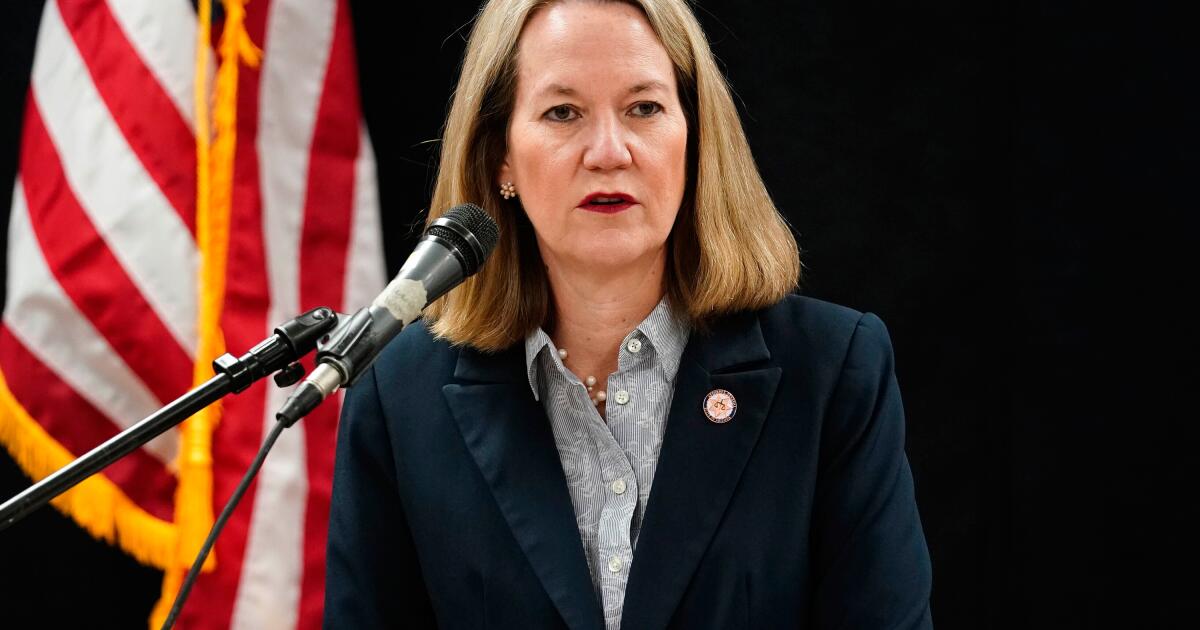
Arizona Atty. Gen. Kris Mayes is dismissing a sprawling criminal case that alleged President Trump’s former chief of staff Mark Meadows, former New York City Mayor Rudy Giuliani and others tried to overturn Trump’s 2020 loss in the state.

The decision, announced Thursday, marks the third such fake elector case filed by states to be dismissed, though the Democratic attorney general is vowing to bring it back to a grand jury in hopes of securing another indictment.

The legal maneuver is aimed at getting around a Friday deadline for starting new grand jury proceedings after Mayes lost an appeal earlier this month. The appeal was filed after defense attorneys argued successfully that the original grand jury hadn’t been shown the relevant parts of a law that governs how presidential contests are certified.

Courts have dismissed similar cases in Michigan and Georgia, and a special prosecutor dropped a federal case in late 2024 that charged Trump with conspiring to overturn the 2020 election. Those cases ended after Trump defeated Democratic Vice President Kamala Harris in 2024. Cases related to the fake elector scheme remain in Nevada and Wisconsin.

The Nevada charges were dismissed in 2024 after a judge concluded Clark County, the state’s most populous county and home to Las Vegas, was the wrong venue for the case. Later that year, though, the case was refiled in Carson City, Nevada’s capital.

The Arizona case had been stalled for well over a year while Mayes pursued the appeal.

In Arizona, defense lawyers argued the law allowed for multiple slates of electors to be submitted to Congress in case the results were disputed. Federal law was amended in 2022 to specify that any given state could put forward only one slate of electors and that state governors are responsible for signing off.

Joe Biden won Arizona in 2020 by 10,457 votes.

The state attorney general has faced steep challenges in making her case.

It was filed nearly three and a half years after the 2020 election and levels complicated conspiracy charges against the 18 defendants. A dozen dismissal requests filed by defense attorneys have slowed progress in court.

The first judge on the case recused himself in late 2024 after an email surfaced in which he told fellow judges to speak out against attacks on Harris’ campaign for the presidency. The next judge ordered the case to be sent back to a grand jury.

Of the 18 Arizona defendants, two were former Trump aides, five were lawyers working for Trump and 11 were Republicans who submitted a document falsely claiming Trump won Arizona.

Three defendants have resolved their cases, including one who pleaded guilty to a misdemeanor charge.

The rest pleaded not guilty. Some said they signed the certificate in case Trump won court challenges and a new slate of electors was needed urgently before Congress’ Jan. 6 deadline to tally votes.

The case has factored into Arizona’s attorney general race, where both Republican challengers to Mayes have publicly said they will dismiss the charges if they were elected to the post.

Billeaud writes for The Associated Press.
Source link

Former Trump attorneys, aides plead not guilty to Wisconsin fake elector felony charges

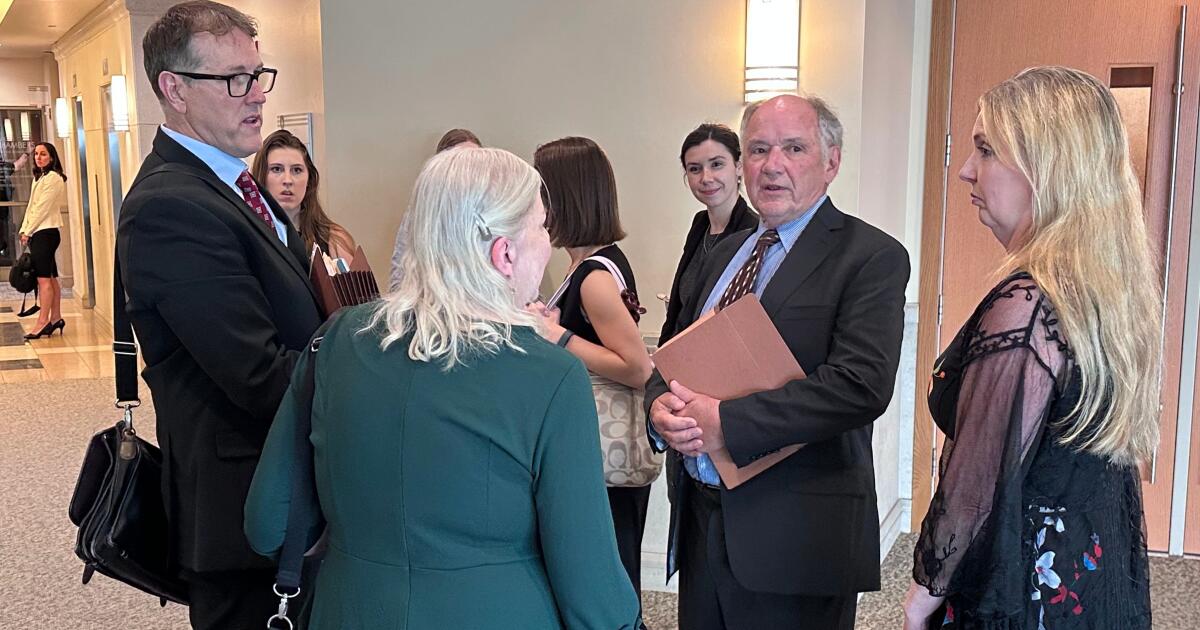
President Trump’s attorney for the 2020 campaign in Wisconsin and two former aides all pleaded not guilty Tuesday to felony forgery charges for their roles in a fake elector scheme designed to overturn Trump’s loss in the swing state.

Jim Troupis, a former judge who was Trump’s Wisconsin campaign attorney; Mike Roman, Trump’s director of election day operations in 2020; and Ken Chesebro, a former Trump legal advisor, all entered the pleas in Dane County Circuit Court.

Troupis, who lives in the Madison area, appeared in person. Roman and Chesebro appeared via Zoom.

The Wisconsin fake electors case is moving forward even as others in the battleground states of Michigan and Georgia have faltered. A special prosecutor last year dropped a federal case alleging Trump conspired to overturn the 2020 election. Another case in Nevada is still alive.

The fake elector scheme, under which Republican electors in battleground states submitted documentation to Congress attesting that Trump had won their states even though he lost to President Biden, originated in Wisconsin.

Troupis, Chesebro and Roman argue that they committed no crime and were just trying to keep their options alive in case a court ruled that Trump had actually won the state.

But prosecutors allege that the three defendants defrauded the 10 Wisconsin Republican electors who cast their ballots for Trump in 2020.

Prosecutors contend that Troupis, Chesebro and Roman lied to the electors about how the certificate they signed would be used as part of a plan to submit paperwork to then-Vice President Mike Pence, falsely claiming that Trump had won the battleground state that year.

A majority of the electors told investigators that they did not believe their signatures on the elector certificate would be submitted to Congress without a court ruling, the complaint said. Also, a majority said they did not consent to having their signatures presented as if Trump had won without such a court ruling, the complaint said.

The arraignment on Tuesday came two years and two weeks after the first charges were brought against the three by Wisconsin Democratic Atty. Gen. Josh Kaul. Troupis, Chesebro and Roman face 11 felony forgery charges that are each punishable by up to six years in prison and a $10,000 fine.

Troupis and Roman both filed motions seeking to relocate the trial from Dane County, which includes Madison, to neighboring Jefferson County, saying negative publicity had tainted the potential jury pool.

Trump carried Jefferson County by 15 percentage points in 2020. He lost Dane County by nearly 53 points.

“This case is headed to trial,” wrote Troupis’ attorney, Joe Bugni, in Troupis’ motion. “No question. Neither side is going to blink. And when we get to trial, Troupis has the right to a fair and impartial jury.”

Troupis and Roman also argued that one of the 11 felony counts against them should be dropped because Trump issued a pardon for any federal crimes related to their work on the fake elector scheme. They argued that the state can’t prosecute them over the casting of electoral votes, which is a federal process, and therefore Trump’s pardon applies.

Trump also pardoned Chesebro.

The judge said Tuesday he would set a schedule to hear arguments on those motions.

The state charges against the Trump attorneys and aide are the only ones in Wisconsin. None of the electors have been charged. The 10 Wisconsin electors, Chesebro and Troupis all settled a lawsuit that was brought against them by Democrats seeking damages.

Bauer writes for the Associated Press.

Source link

Arizona Supreme Court denies prosecutor appeal against sending fake elector case back to grand jury

The Arizona Supreme Court has denied a prosecutor’s appeal of an order that the state’s fake elector case against President Trump’s former chief of staff Mark Meadows, former New York City Mayor Rudy Giuliani and others over the 2020 presidential election be sent back to a grand jury.

The decision marks another setback for Democratic Atty. Gen. Kris Mayes as she struggles to push the sprawling case through the courts. Mayes’ office said it will again present the case in its entirety to a grand jury rather than end the prosecution.

The ruling came after similar cases in Michigan and Georgia were dismissed by the courts and a special prosecutor dropped a federal case in late 2024 that charged Trump with conspiring to overturn the 2020 election. Cases related to the fake elector scheme remain in Arizona, Nevada and Wisconsin.

A lower-court judge in Phoenix concluded in May that the case’s first grand jury hadn’t been shown the text of the Electoral Count Act, a 19th century law that governs the certification of presidential contests and was invoked by those charged in defending themselves.

Defense lawyers argued the law allowed for multiple slates of electors to be submitted to Congress in case the results were disputed, though it was amended in 2022 to specify that a state could put forward only one slate of electors and that it was the governor who would sign off.

There has been no movement in the Arizona case at the trial court level since mid-May.

Former President Joe Biden won Arizona in 2020 by 10,457 votes.

Billeaud writes for the Associated Press.

Source link