drug

Jordan strikes drug, arms smugglers in Syria border region: Reports | Drugs News

Jordan’s military said the attacks ‘neutralised arms and drug traffickers’ and destroyed their laboratories and factories.

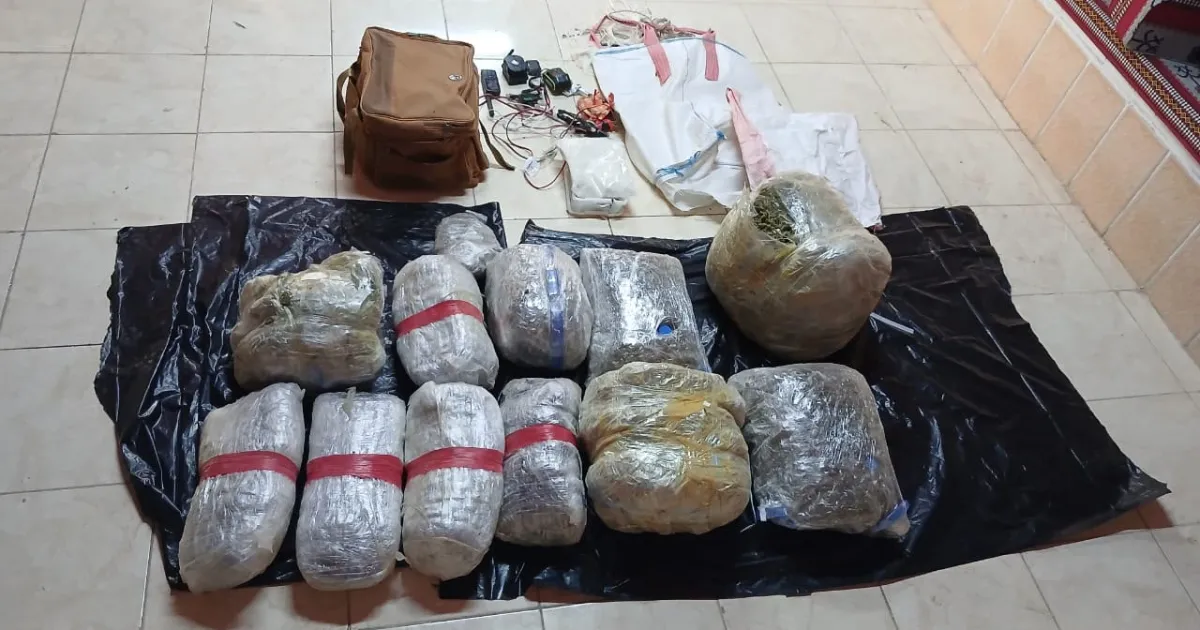
Jordan’s military has launched strikes on drug and weapons smugglers in the country’s northern border regions with Syria, targeting sites used as “launch points” by trafficking groups into Jordanian territory, according to reports.

The Jordan News Agency, Petra, said the strikes on Wednesday “neutralised a number of arms and drug traffickers who organise weapons and narcotics smuggling operations along the northern border of the Kingdom”.

Recommended Stories

list of 4 itemsend of list

Jordan’s armed forces destroyed “factories and workshops” used by the trafficking groups, Petra reports, adding that the attacks were carried out based on “precise intelligence” and in coordination with regional partners.

The Jordanian military did not name the partner countries involved in the strikes but warned that it would “continue to counter any threats with force at the appropriate time and place”, Petra said.

Syrian state broadcaster Al-Ikhbariah TV reported on its Telegram channel that the Jordanian army had carried out air strikes on locations in the southern and eastern countryside of Syria’s Suwayda governorate.

A resident of Syria’s Suwayda border region told the AFP news agency that the bombardment “was extremely intense and targeted farms and smuggling routes”, while the UK-based Syrian Observatory for Human Rights said jets and helicopters had reportedly taken part in the raid.

The observatory said photos taken at the scene of the attacks showed destruction at an abandoned military barracks of the former al-Assad regime in Suwayda.

There were no initial reports of casualties from the Jordanian attacks and no official comment from authorities in Damascus.

A farm believed to have been used for storing drugs was among the targets, according to the Zaman Al Wasl online news site, which also reported that similar Jordanian attacks had been carried out previously in a bid to stem the flow of captagon – an addictive, amphetamine-type stimulant.

Before the removal of Syria’s President Bashar al-Assad in December 2024, captagon had become the regime’s largest export and key source of funding amid the country’s years of grinding civil war.

Produced in vast quantities in Syria, the synthetic drug flooded the region, particularly the Gulf states, prompting neighbouring countries to announce seizures and call on both Lebanon and Damascus to ramp up efforts to combat the trade.

Although Damascus denied any involvement in the drug trade, analysts estimated that production and smuggling of captagon brought in billions of dollars for al-Assad, his associates and allies as they looked for an economic lifeline amid the civil war, which was fought between 2011 and the regime’s toppling last year.

INTERACTIVE - What is Captagon-1733989747

Source link

Trump announces new deal with pharma companies to cut drug prices | Health News

United States President Donald Trump announced new agreements aimed at lowering prescription drug prices.

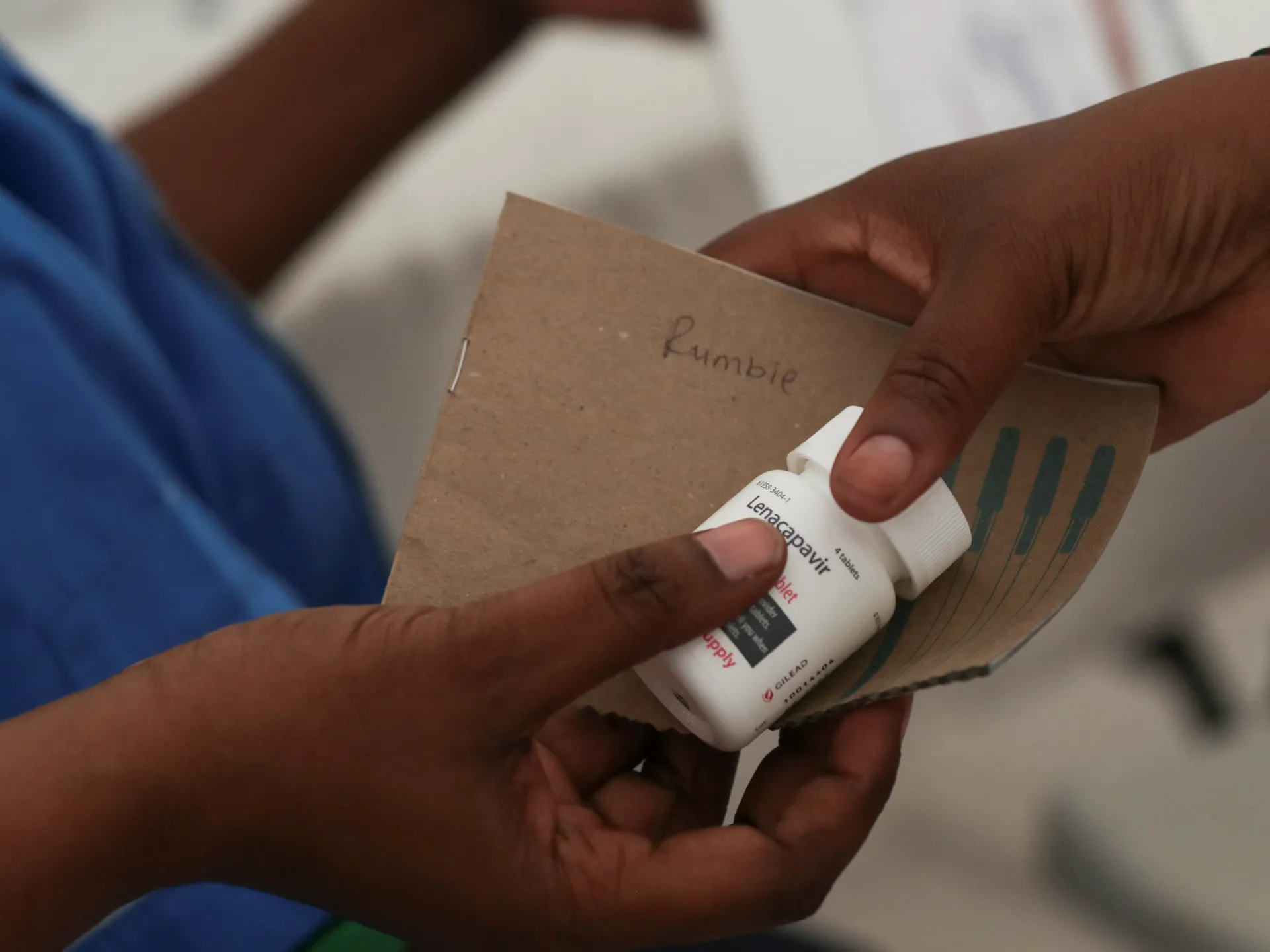
On Friday, alongside leaders from Bristol Myers Squibb, Gilead Sciences, and Merck, among other leading pharma giants, the president announced deals that would cut prices on their medications to match that of the developed nation with the lowest price.

Recommended Stories

list of 4 itemsend of list

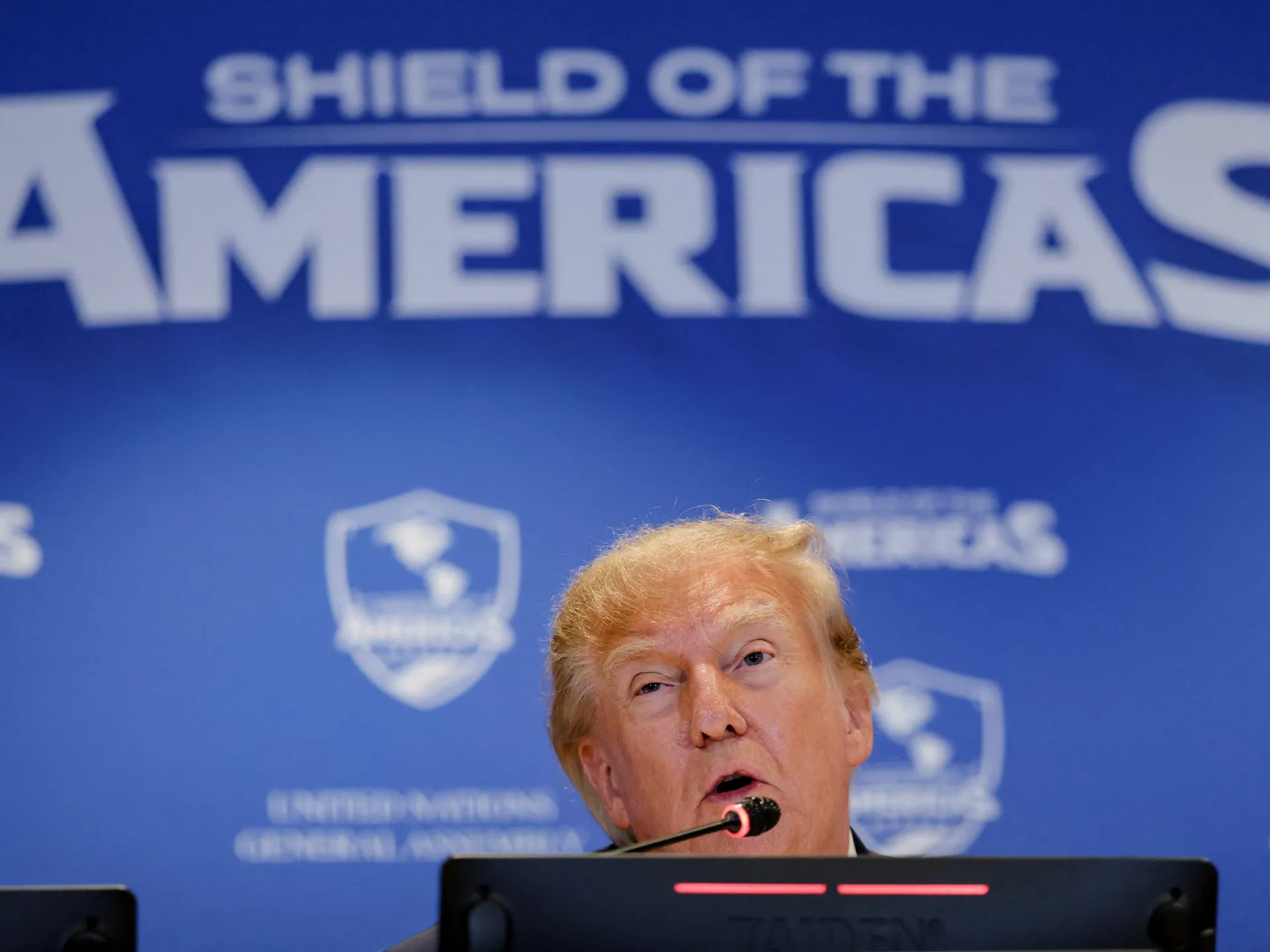
“Starting next year, American drug prices will come down fast and furious and will soon be some of the lowest in the developed world,” Trump said.

“This is the biggest thing having to do with drugs in the history of the purchase of drugs.”

Under the deals, each drugmaker will cut prices on some of the drugs sold to the Medicaid programme for low-income people, senior administration officials said, promising “massive savings” on widely used medicines without giving specific figures.

“We were subsidising the entire world. We’re not doing it anymore,” Trump said at a White House news conference, flanked by nine pharma executives.

Mehmet Oz, the director of the Centres for Medicare and Medicaid Service, said Regeneron, Johnson & Johnson, and AbbVie would visit the White House after the holidays for the launch of the government’s TrumpRx website.

US patients currently pay by far the most for prescription medicines, often nearly three times more than in other developed nations, and Trump has been pressuring drugmakers to lower their prices to what patients pay elsewhere.

The details of each deal were not immediately available, but officials said they included agreements to cut cash-pay direct-to-consumer prices of select drugs sold potentially through the TrumpRx.gov website, to launch drugs in the US at prices equal to – not lower than – those in other wealthy nations and to increase manufacturing. In return, companies can receive a three-year exemption from any tariffs.

Drug prices fall

Merck said it will sell its diabetes drugs Januvia, Janumet and Janumet XR – set to face generic competition next year – directly to US consumers at about 70 percent off list prices. If approved, its experimental cholesterol drug enlicitide will also be offered through direct-to-consumer channels.

Enlicitide is one of two Merck drugs expected to receive a speedy review under the FDA’s new, fast-track pathway, the Reuters news agency has previously reported.

Amgen said it will expand its direct-to-patient programme to include migraine drug Aimovig and rheumatoid arthritis medicine Amjevita, offering both at $299 a month – nearly 60 percent and 80 percent below current US list prices.

In July, Trump sent letters to leaders of 17 major pharmaceutical companies, outlining how they should provide so-called most-favoured -nation prices to the US government’s Medicaid health programme for low-income people, and guarantee that new drugs will not be launched at prices above those in other high-income countries.

So far, five companies have struck deals with the administration to rein in prices. They are Pfizer, Eli Lilly, AstraZeneca, Novo Nordisk and EMD Serono, the US division of Germany’s Merck.

A portion of revenues from each company’s foreign sales will also be remitted to the US to offset costs, officials said.

The companies pledged together to invest more than $150bn in the US for R&D and manufacturing, according to officials, although it was unclear whether that included earlier commitments. Several also agreed to donate drug ingredients to the US strategic reserve.

Trump has long focused on the disparity between drug prices in the US and other wealthy countries, which have government-run health systems that negotiate price discounts.

The spectre of tighter price controls by the US government initially spooked investors, but the terms of the deals announced so far have calmed many of those fears.

Analysts have noted that Medicaid, which accounts for only approximately 10 percent of US drug spending, already benefits from substantial price discounts, exceeding 80 percent in some cases.

Source link

Romanian court sentences U.S. rapper Wiz Khalifa to 9 months for drug possession

American rapper Wiz Khalifa was sentenced by a court in Romania on Thursday to nine months in jail for drug possession, more than a year after he took part in a music festival in the Eastern European country.

Khalifa was stopped by Romanian police in July 2024 after allegedly smoking cannabis on stage at the Beach, Please! Festival in Costinesti, a coastal resort in Constanta County. Prosecutors said the rapper, whose real name is Cameron Jibril Thomaz, was found in possession of more than 18 grams of cannabis, and that he consumed some on stage.

The Constanta Court of Appeal handed down the sentence after Khalifa was convicted of “possession of dangerous drugs, without right, for personal consumption,” according to Romania’s national news agency, Agerpres. The decision is final.

The decision came after a lower court in Constanta County in April issued Khalifa a criminal fine of 3,600 lei ($830) for “illegal possession of dangerous drugs,” but prosecutors appealed the court’s decision and sought a higher sentence.

Romania has some of the harsher drugs laws in Europe. Possession of cannabis for personal use is criminalized and can result in a prison sentence of between three months and two years, or a fine.

It isn’t clear whether Romanian authorities will seek to file an extradition request, since Khalifa is a U.S. citizen and doesn’t reside in Romania.

The 38-year-old Pittsburgh rapper rose to prominence with his breakout mixtape “Kush + Orange Juice.” On stage in Romania last summer, the popular rapper smoked a large, hand-rolled cigarette while singing his hit “Young, Wild & Free.”

Source link

Doctor gets house arrest for supplying ketamine used by Matthew Perry

Another physician who played a role in providing ketamine to Matthew Perry weeks before the actor’s overdose death was sentenced to eight months of house arrest by a federal judge Friday.

Mark Chavez, a former doctor, pleaded guilty to one count of conspiracy to distribute ketamine last October. In his plea agreement, Chavez acknowledged that he and Salvador Plasencia — an ex-doctor sentenced to nearly three years in prison earlier this month — colluded to deceive medical ketamine suppliers and illegally distribute the drug to Perry for profit.

Chavez, 54, was also sentenced to three years of supervised release following his house arrest and must perform 300 hours of community service.

Chavez was one of five individuals charged last year for their alleged roles in Perry’s October 2023 death. The others include Perry’s acquaintance Erik Fleming, personal assistant Kenneth Iwamasa, and Jasveen Sangha, a North Hollywood woman allegedly known as the “Ketamine Queen.” All have pleaded guilty to federal charges and await sentencing in the coming months.

During the sentencing, U.S. District Judge Sherilyn Peace Garnett brought up concerns about sentencing disparities between Chavez and Plasencia. Assistant U.S. Attorney Ian Yanniello argued that the government’s recommended sentence of six months of house arrest was due to Chavez’s cooperation with investigators.

“As doctors, their conduct was egregious,” Yanniello said. “The difference was what they did when they got caught.”

Before charges were brought against the five alleged distributors, Chavez surrendered his medical license and sought a plea deal with the government.

According to an indictment, Plasencia contacted Chavez to purchase ketamine after learning Perry was interested in depression-related treatments in September 2023. Chavez then supplied Plasencia with ketamine vials and orally transmitted “lozenges” that were fraudulently obtained under another patient’s prescription, his plea agreement said.

“If today goes well we may have repeat business,” Plasencia texted Chavez less than a month before Perry’s death.

“Let’s do everything we can to make it happen,” Chavez responded, court records show.

Chavez had faced a potential maximum of 10 years in prison, prosecutors said.

Prosecutors argued that Chavez improperly obtained authorization from the Drug Enforcement Administration to prescribe and administer medical ketamine.

Chavez purchased 22 vials of liquid ketamine, ketamine lozenges and other medical supplies from wholesale distributors to provide to Plasencia, who would personally deliver them to Perry, the judge said before her ruling.

During his Dec. 3 sentencing hearing, a federal judge castigated Plasencia for his medical malpractice and for teaching Perry’s personal assistant to administer the drug at the actor’s Pacific Palisades home. Chavez never met with Perry in person, but allowed Plasencia to continue the treatments despite knowing that Plasencia had “little” experience with ketamine treatments, according to his plea agreement.

According to the plea agreement, Chavez called Plasencia on the day of Perry’s death to inquire whether he believed they distributed drugs that may have killed him. Prosecutors said that ketamine was not supplied by the physicians.

Chavez offered a brief apology immediately before his sentencing.

“As a doctor, I’ve had a wonderful opportunity to help people’s lives, but I’ve also had to deal with the tragedies,” Chavez said. “My heart goes out to the Perry family.”

Chavez’s attorney said that he would reside in Mexico with his father after serving his sentence.

Source link

Angels insurers may play role in Skaggs wrongful death trial

Four years after the family of deceased Angels pitcher Tyler Skaggs filed a wrongful death suit against the Angels, and two months into often contentious testimony in an Orange County Superior Court courtroom, jurors are set to begin deliberations on whether Skaggs’ widow and parents deserve hundreds of millions of dollars.

During closing statements Monday, plaintiffs lawyer Daniel Dutko argued that the Angels were negligent in failing to supervise Eric Kay, the drug-addicted team communications director who gave Skaggs the fentanyl that killed him in 2019.

However, Angels lawyer Todd Theodora insisted that Skaggs was a selfish, secretive opioid addict who for years manipulated Kay into obtaining drugs for him. Theodora told the jury that the Angels didn’t owe the Skaggs family any award.

“He died when he was doing things we teach our children and grandchildren not to do — do not chop up and snort pills from the street,” Theodora said.

But it’s not just Skaggs’ family and the Angels who have a lot riding on the jury’s decision. Among those powerful stakeholders who have been watching the proceedings closely are the agencies that insure the Angels.

According to people with knowledge of the Angels’ defense, the team is insured by several companies that each provide coverage with various limits, and it’s possible that those insurers could facilitate a case settlement even before the jury reaches its verdict.

“Insurance companies are in the business of mitigating risk; they don’t like uncertainty,” said Brian Panish, a Los Angeles personal injury lawyer who was not involved in the case but has won several landmark jury verdicts. “They calculate risk and proceed from there. In this case we are talking about multiple insurance companies, a tower of insurance.”

Even though the insurance companies represent the Angels, they ultimately could reduce risk for the Skaggs family and their lawyers through an 11th-hour settlement.

Legal experts say that in cases where enormous sums of money are at stake, the two sides can reach what is called a high-low agreement, with the insurance companies promising to pay plaintiffs an agreed-upon sum even if the jury awards nothing. In exchange the plaintiffs accept an agreed-upon cap to their award — even if the jury thought they deserved more.

A nightmare outcome for the Skaggs family would be the jury awarding them nothing, meaning that in addition to widow Carli Skaggs and parents Debbie Hetman and Darrell Skaggs leaving empty-handed, their high-powered legal team that has spent thousands of hours on the case wouldn’t be paid. Their contingency fee — typically 35% to 40% of an award — would be zero.

A high-low agreement with the Angels would ensure that Skaggs’ lawyers are paid and the family gets some money even if the jury denies them anything.

Both sides are scrambling to assess risk before the jury returns a verdict. Another source of information for the Angels has been a “shadow jury,” a half-dozen or so people hired by the insurance companies to sit in on the trial and provide feedback to the Angels lawyers on their reactions to the testimony.

Next could come negotiations with little time to spare.

“Who is going to blink first?” Panish said. “The posturing and maneuvering is over. The hay is in the barn. The bricks have been laid. I’d be very surprised if they aren’t talking already.”

A person with knowledge of backroom negotiations between the two sides said one insurance company with a relatively low limit on its coverage of the Angels — near the bottom of the tower — has blocked progress toward a settlement. The insurance companies eventually made a “lowball offer” more than a month ago that was rejected by the Skaggs family.

“If a settlement proposal is within the insurance policy limits, there will be pressure on the defense to settle,” Panish said. “But if it is above the limits, say coverage is for $50 million and the demand is $100 million, the insurance companies can’t force the Angels to settle because they would have to pay the excess amount.”

The facts regarding Skaggs’ death are not in dispute. An autopsy concluded the 27-year-old left-hander accidentally died of asphyxia after aspirating his own vomit while under the influence of fentanyl, oxycodone and alcohol the night of July 1, 2019, when the Angels were in Texas for a three-game series against the Rangers.

Kay provided Skaggs with the counterfeit oxycodone pill laced with fentanyl and is serving 22 years in federal prison for his role in the death.

The Skaggs family legal team, led by attorneys Rusty Hardin, Shaun Holley and Dutko, argued that several Angels employees knew about Kay’s own years-long addiction to opioids and ignored team and Major League Baseball policies by failing to report or punish Kay.

Dutko said Kay was operating within his scope of employment when he gave Skaggs and several other players opioid pills — a stance vigorously opposed by Theodora. Dutko referred to testimony that Kay did anything he could to please players — obtaining Viagra prescriptions and marijuana vape pens for them, booking tee times and massages, and humoring them by taking a fastball off his knee and eating pimples off the back of star outfielder Mike Trout.

“From Viagra to vape pens to opioids. Eric Kay’s job responsibility was to get the players anything they wanted,” Dutko said.

Theodora continually portrayed Skaggs as a conniving drug addict who callously pressured Kay to obtain pills for him and doled out pills to teammates, even pressuring Kay to deliver opioids shortly after the longtime employee and admitted drug addict came out of rehab.

On Monday, Theodora reviewed testimony from five of Skaggs’ teammates dating back to 2011 and argued that not only had Skaggs’ drug use escalated over a nine-year period, but that Skaggs had introduced Kay to them and personally obtained pills for the players.

“It’s called the chain of distribution,” Theodora said.

The Skaggs family is seeking not only lost earnings and emotional distress damages but also punitive damages. California law doesn’t allow punitive damages in a wrongful death case, but precedent going back to the O.J. Simpson case makes an exception if the person suffered property damage before death. Skaggs lawyers believe Kay was responsible for fentanyl contaminating the pitcher’s iPad, which was confiscated and never returned to the family.

“The jury first must find the defendant liable for economic and emotional distress damages, and then a second deliberation will determine if punitive damages are appropriate,” said Edson K. McClellan, an Irvine lawyer who specializes in high-stakes civil and employment litigation. “The purpose of punitive damages is to send a message to the defendant: Don’t do this again.”

McClellan said a purpose of closing statements is to “sway hearts,” to persuade jurors who might not have made up their minds. Both sides gave impassioned arguments that the case they presented over two months validated a verdict in their favor.

Source link

Andy Dick says fentanyl caused his overdose, not crack cocaine

Andy Dick says he is “110 percent” fine after video of him slumped over unresponsive on some steps from an apparent overdose in Hollywood circulated this week.

The comedian and convicted sex offender has been updating numerous outlets about the incident, telling the New York Post on Friday that he believes fentanyl is to blame for his medical emergency. This follows his Wednesday interview with TMZ in which he mentioned he doesn’t “mind doing a little crack [cocaine] every now and then.”

“It has to be [fentanyl],” Dick said to the Post, explaining that paramedics told his friends that the synthetic opioid was the likely cause. “That’s the only thing that can kill you that quickly, like I just dropped.”

Dick recounted to both outlets how he was out with friends Tuesday when he saw a stranger waving him over. He then “snuck away” briefly and did some drugs.

“There was a guy that was my age and I felt for him,” Dick said to TMZ. “He was depressed and he was on the sidewalk … and then he whipped out [what looked like] crack. And I’m like, you know what, I might need a little bit of that.”

He told the Post that he then “just dropped,” but declined to elaborate any further.

According to Shawn Harrell, who came across the scene as friends were trying to revive the unresponsive comedian and was present when first responders arrived, Dick was in pretty bad shape Tuesday.

“He was blue. His hands [were] blue and his face was blue,” Harrell told People. “His body was limp. It was like deadweight. … I thought he passed away.”

But after being administered some Narcan, the brand name of a medication used to reverse opioid overdoses, Dick reportedly was able to leave the area with a friend and was not transported to a hospital.

“It was a group effort,” one of Dick’s friends said to TMZ.

According to the Post, Dick’s comments about crack were meant to be a joke.

“I jokingly said ‘a little crack every now and then [is] not gonna kill anybody,’ but it killed me,” Dick said. “It killed me. I died, you know, my lips turned purple.”

Dick has a history of incidents involving drugs and alcohol, including arrests for public intoxication, drug possession, sexual misconduct and domestic violence. He reportedly indulges in more alcohol than drugs, according to a Friday TMZ report.

Source link