Where is hot in November? Five of the best destinations where it’s still over 24C – with holidays from £35 a night
SEARCHING for sun in November but don’t know where to find it? Here are five great options with temperatures well over 20C.
Whether you’re after short-haul breaks or lengthy holidays, check out these destinations where you’ll certainly get a healthy dose of vitamin D.
Morocco
For a bit of autumn sun that isn’t far or breaks the bank, Morocco is a solid option.
Brits can get there in less than three hours and the country basks in highs of 24C in November, while the UK average highs of between 10-12C.
Marrakesh is one of the most popular cities with Brits with vibrant markets, souks, palaces and pretty hotels.
Essaouira on the other hand sits on the Atlantic Coast and has sandy beaches if you fancy heading for a beach break.


Meanwhile, the city’s capital of Rabat is another coastal spot that’s considered an ‘understated seaside gem’ and has enormous royal palaces.
In November, return flights to Essaouira and Rabat can be as little as £28.
Holidays are affordable too for a quick break – two adults can check into Las Palmeras in Marrakesh for four-nights from £279pp or £34.87pppn.
This includes return flights to London Gatwick, a full board stay at the four-star hotel which has an outdoor swimming pool, on-site restaurant and wellness area with treatments available.
Thailand
Thailand is a popular autumn and winter destination for Brits seeking some sun and it has highs of 34C in November.
There’s something for everyone from its bustling cities to beautiful coastlines and incredible islands.
Thailand’s capital, Bangkok was recently named the best city in the world by Conde Nast Traveller being praised for its “buzzy markets, glittering palaces and captivating religious sites unite – street food sellers dishing up tasty food between them all, of course.”
If getting out of your city and lazing about on a beautiful island is more your bag, it’s very easy to get from the mainland across to the likes of Phuket, and Koh Samui.
The likes of Eva Air and Thai Airways offer direct flights from London Heathrow to Bangkok in November from around £831.
If you opt for a stopover – these can be much cheaper with some dropping to almost half the price.
Air Arabia offers a roundtrip from London Gatwick to Bangkok International Airport from £484 with a two hour layover at Sharjah International Airport.
With Expedia, 10-day package holidays to Bangkok are around £800 – including direct return flights and accommodation, breaks to the neighbouring island of Koh Samui package breaks here with Expedia around £760.
Dubai, UAE

Thanks to its hot desert climate and very little rainfall, Dubai is ideal for autumn sunshine.
From its luxury five-star hotels to beaches, incredible restaurants and shopping scene, Dubai is known for glitz and glamour.
However you can visit on a budget too as Deputy Travel Editor Kara Godfrey and Assistant Travel Editor Sophie Swietochowski when they visited the city.
They lots of tasty treats at the Grand Souk, like breads stuffed with cheese or Nutella for £1.22, or Iranian falooda — a sorbet-like dessert made of thin rice noodles and syrup — for £1.
When its time to cool off, head to one of Dubai’s many waterparks like Aquaventure World with day passes from £50 – but it is so huge, you’ll have to spent the day there.
With On the Beach two adults can stay for 10-nights at the Arabian Park Dubai, An Edge By Rotana Hotel from £870pp.
This is for half board and return flights from London Gatwick departing on November 21.
The hotel has a large swimming pool, gym, spa, the Wafi City shopping centre is five minutes away and it’s 20-minutes from the beach.
Dominican Republic, Caribbean
Of all the Caribbean islands, the Dominican Republic is considered one of the cheapest – and it’s 30C in November
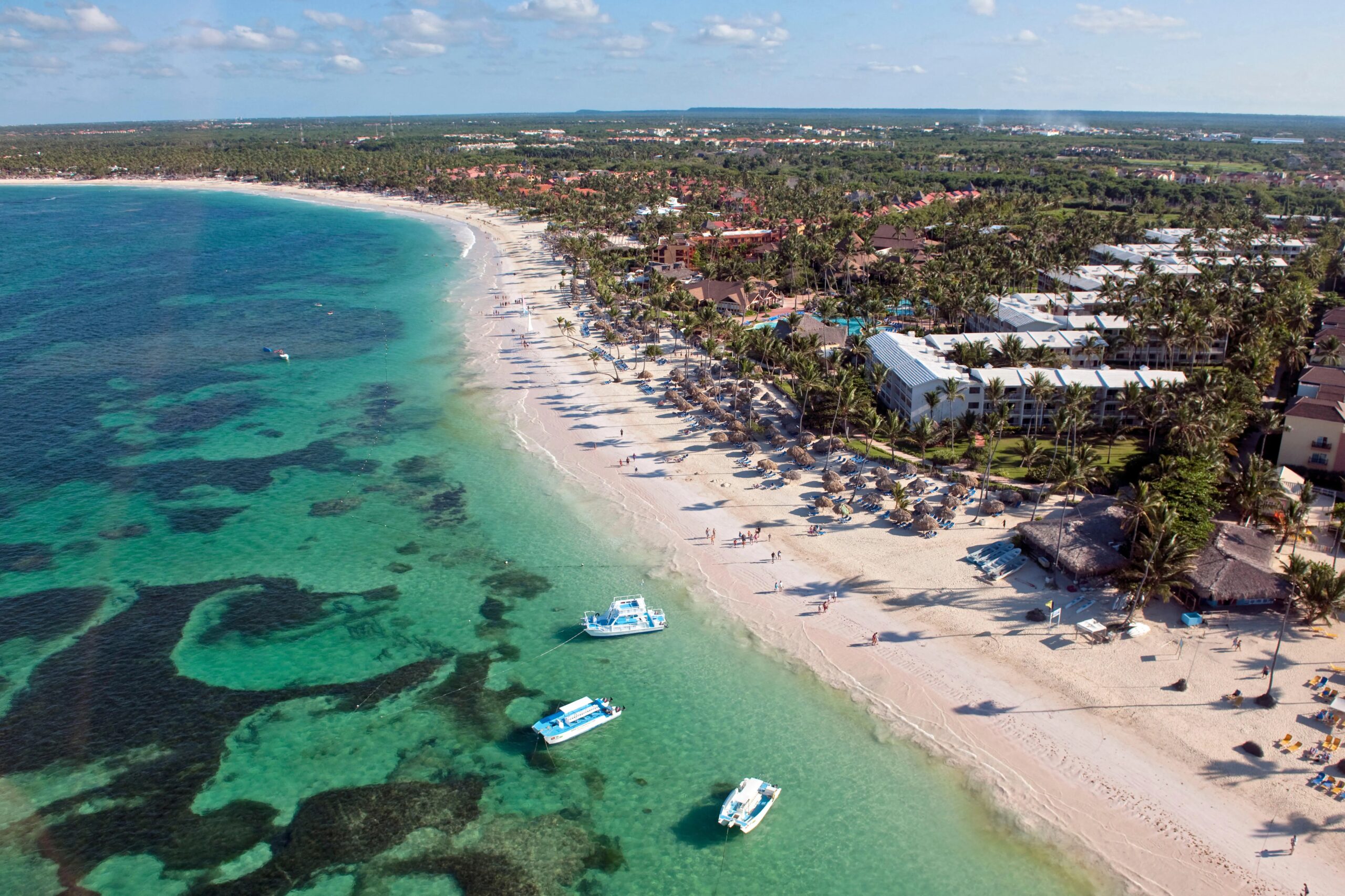
Some of the top places to visit include Punta Cana, a town on the eastern coast known for its stunning white-sand beaches and bright blue waters.
There’s also Santo Domingo, the island’s capital, where you’ll find plenty of bars – the average price of a local beer is 150DOP (£1.78).
The Dominican Republic also has two of the best in the world; Canto de la Playa and Bahia de las Aguilas.
In the waters you’re likely to see vibrant coral reefs, tropical fish, sea turtles, stingrays – sometimes even sharks, dolphins and humpback whales.
In November, you can get a 10-night all-inclusive holiday for two from £1,579pp.
This includes flights from London Heathrow departing on November 1 and a stay at Whala Boca Chica.
It’s a four-star beachside hotel with two outdoor swimming pools and two restaurants.
Florida, USA
Known for being a theme park have, Florida enters its dry season so there’s little rainfall and highs of 26C.
This makes it pleasant for a wander, checking out the rides, and heading to the state’s beautiful beaches in the likes of Miami and Florida Keys.
Florida is home to the mega theme park, Walt Disney World which s the same size as San Francisco and even has waterparks too.
Nearby is also Universal Resort Orlando which last year opened it’s new theme park, Epic Universe which has a How to Train Your Dragon themed-world and an immersive Wizarding World.
If you want to visit the theme parks but want to cut down the price, stay out of the parks like Avanti International Resort.
With Thomas Cook, a 10-night stay for two starts from £720pp including return flights from London Gatwick departing on November 22.
The hotel has a swimming pool, beach volleyball set up, and bar a grill along with free shuttle buses to the theme parks – so there’s no need to hire a car.
Or if you’d rather a different holiday vibe, head to Boca Raton which Head of Sun Travel Lisa Minot called ‘Florida’s secret paradise‘.