Diwali

Smog blankets New Delhi as Diwali firecrackers worsen air quality | Climate Crisis News

Air quality in Indian capital reaches severe levels, posing heightened health risks for more than 30 million residents.

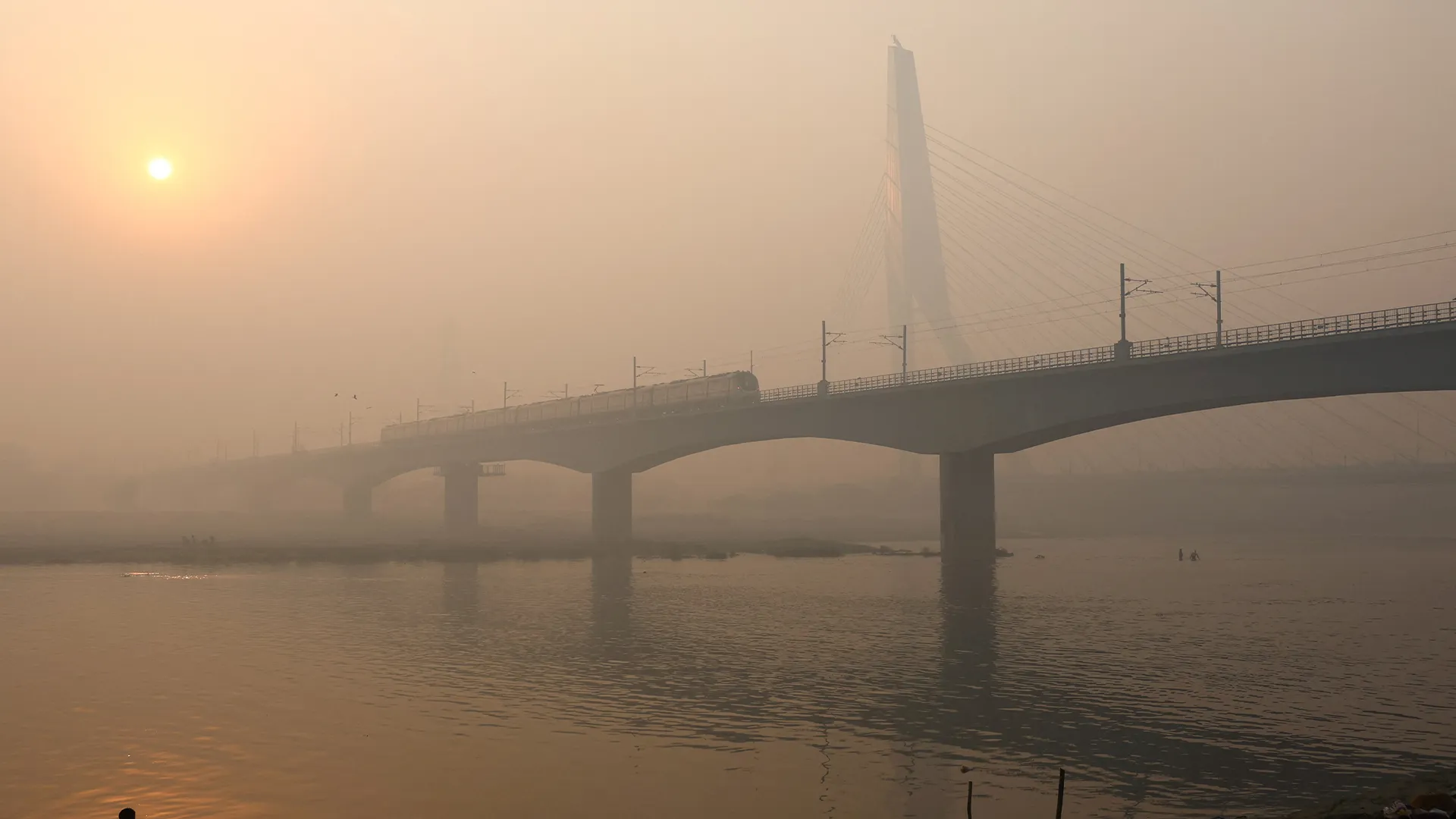
Heavy smog has blanketed New Delhi after firecrackers lit up the Indian capital during Diwali celebrations, worsening the seasonal pollution crisis.

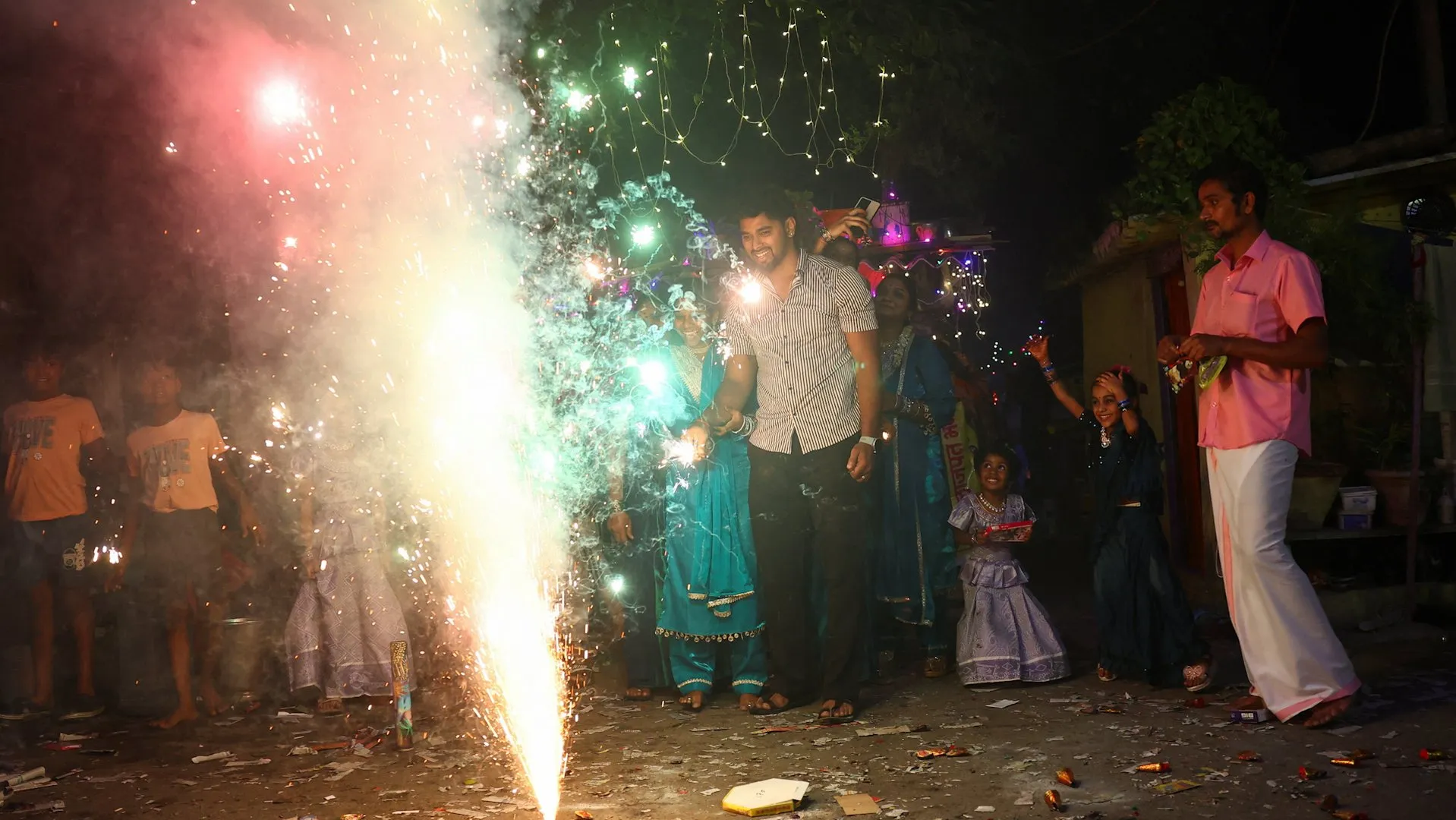
Diwali, the Hindu festival of lights, was celebrated across India on Sunday. Despite restrictions on fireworks, New Delhi residents celebrated the festival of lights with firecrackers throughout Sunday evening, releasing smoke and fine particulate matter into the atmosphere.

Recommended Stories

list of 3 itemsend of list

On Monday morning, the Air Quality Index exceeded 350 in several parts of the capital, categorised as “severe” and posing significant health risks, according to the World Health Organization’s (WHO) recommended exposure thresholds.

Last month, India’s Supreme Court put in place restrictions to limit Diwali pollution, allowing only approved “green firecrackers” under specified conditions for three-hour windows on Saturday and Sunday. The approved crackers produce fewer emissions but are not pollution-free.

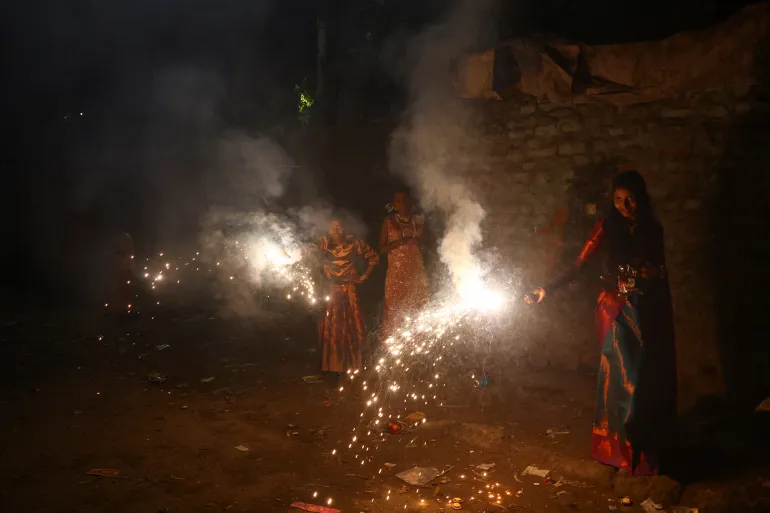
Girls hold lit sparklers during Diwali, the Hindu festival of lights, in New Delhi, India, November 8, 2026. REUTERS/Anushree Fadnavis
Girls hold lit sparklers during Diwali, the Hindu festival of lights, in New Delhi, India, on November 8, 2026 [Anushree Fadnavis/Reuters]

Seasonal pollution

On Wednesday, days before Diwali, toxic air pollution in New Delhi surged to more than 30 times the WHO’s recommended daily limit, data from air monitors showed.

New Delhi, home to 30 million people, persistently ranks among the world’s most polluted capital cities.

The issue is exacerbated during the winter, when cooler temperatures, low wind speeds and stagnant atmospheric conditions prevent pollutants from dispersing.

Vehicles account for 23 percent of New Delhi’s winter pollution, while biomass burning, including farm stubble fires, contributes 20 percent, according to India’s Ministry of Environment, Forest and Climate Change.

The result is a thick haze that can linger over the capital and surrounding areas for days.
Source link

Rangoli makers adapt to rising costs to preserve colourful Diwali tradition | Business and Economy

Rangoli makers in India are adapting to rising material costs by turning to organic alternatives, as families seek affordable ways to preserve the colourful Diwali tradition.

Source link

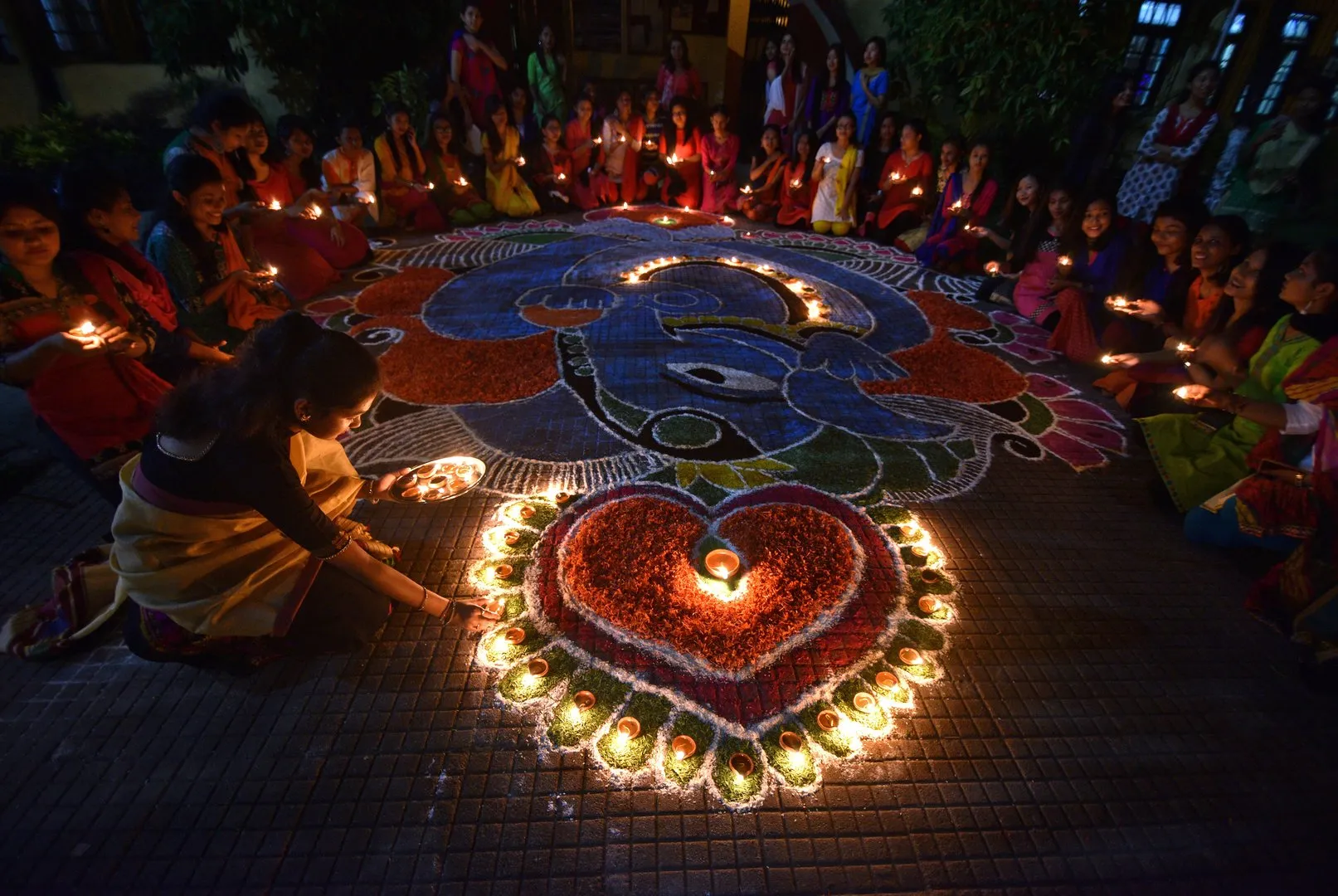
Photos: Diwali celebrations light up India and its global diaspora | Religion News

Diwali, the festival of lights, is being celebrated across India and among its vast diaspora, marking one of the most important days of the year for Hindus.

More than one billion people of different faiths take part in the celebrations in the world’s most populous nation, gathering for prayers, family reunions and the lighting of fireworks.

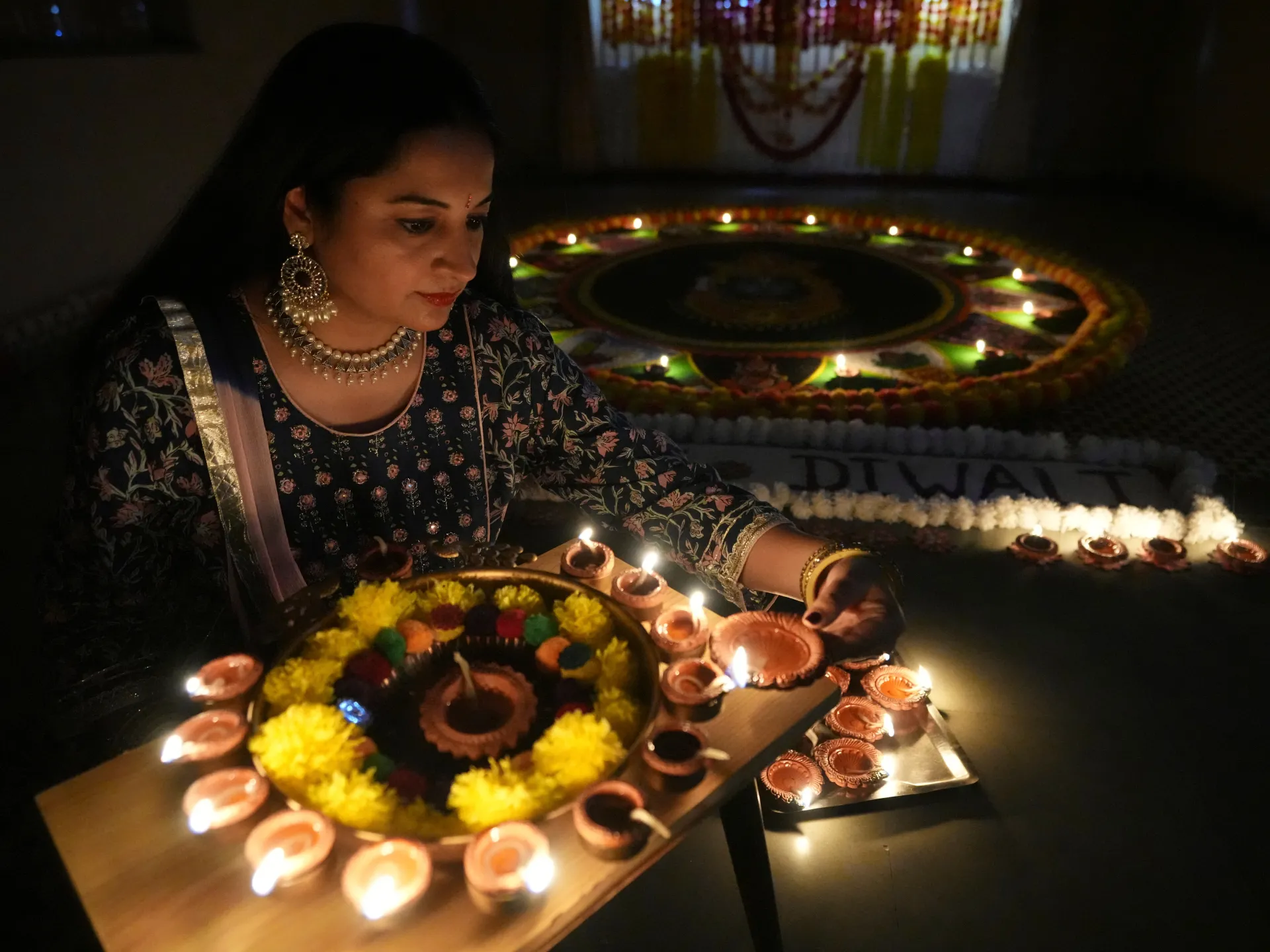
The name Diwali comes from “Deepavali”, meaning “a row of lights”, and many families place clay oil lamps outside their homes to symbolise the triumph of light over darkness and knowledge over ignorance.

The festival follows the Hindu lunar calendar and usually falls in late October or early November. This year, Diwali is marked on November 8.

While Diwali is rooted in Hindu tradition, it is also observed by Sikhs, Jains and Buddhists, with regional origin stories that share a common theme – the victory of good over evil.

Celebrations often include feasting, new clothes, rangoli floor designs, and the exchange of sweets and gifts with friends and neighbours.

Source link

Air turns hazardous in New Delhi days before Diwali | Climate Crisis News

New Delhi’s air quality has deteriorated to hazardous levels days before Diwali, the Hindu festival of lights, when celebrations often involve fireworks. Residents report breathing difficulties and eye irritation as the toxic haze blankets India’s capital.

Source link