
Denmark

The sunny Danish island that’s a poster child for the good life – and perfect for a spring break | Denmark holidays

‘We have lammerullepøllselamb rolled sausage – today,” says Daniel Hesseldal-Haines, chef at Det Lille Sommerhotel on the Danish island of Samsø. “It tastes better than the translation sounds. And,” he gestures towards a woman sitting by the window, “the lamb is from Camilla’s farm.”

Camilla gives us a friendly wave, and my eyes fix upon her sweater, featuring row upon row of colourful motifs. Think Fair Isle but less orderly: each stripe holds a different design. “Oh, I made this,” she says. “It’s hønsestrik – chicken knitting. You can use it to tell your story – so this one is about hiking,” she adds, pointing to each section: “These are my footprints, this is my tent, my coffee flask …”

Samsø, just 43 sq miles (112 sq km), lies off the coast of the Jutland peninsula, an hour’s ferry ride from Aarhus, and is something of a poster child for sustainability and the good life, being known as “Denmark’s vegetable garden” because of its fertile soil and beneficial climate. It’s been energy-positive since 2007, thanks to community buy-in to initiatives including windfarm ownership and biomass heating systems powered by agricultural waste. The aim is to be completely fossil fuel-free by 2030 – two decades ahead of Denmark’s goal of carbon-neutrality by 2050.

One of the beaches that draws mainlanders and many other tourists to Samsø.

Centuries ago, Samsø was a site of strategic importance during the Viking age: the Kanhave canal, hand-hewn through its narrowest point to facilitate maritime passage, is testament to that. But for many Danes, Samsø is simply a summer holiday destination – not only because of its reliable sunshine, but also because of its beaches, Guinness World Records-certified world’s largest maze and protected northern hills. For almost 100 years, mainlanders’ families have owned summerhouses here and, during the warmer months, the population of about 3,500 inhabitants swells, with visitors numbering more than 300,000.

My visit is in early spring and Det Lille Sommerhotel, in the busy harbour village of Ballen, is my base. Run by Daniel and his wife Lea, who took it over from her mother five years ago, its cosy, seaside theme fits its location perfectly. Spring is a great time to visit – the island is just beginning to wake up. Small groups of walkers pace the lanes. Crops are being harvested, and honesty boxes full of leeks and onions are set up outside homes. Everywhere, hedges and trees are studded with tight green buds on the brink of unfurling.

I head out in the spring sunshine to meet Aage Madsen, the owner of Samsø Bær, on the north-east coast. He makes juices, jams, oils and liqueurs from the island’s natural bounty (the schnapps even comes from the plumules from the birch tree in his back garden). You can tour the factory’s premises with tastings included, as well as stocking up on products to take home, and like many businesses on the island, there’s an honesty system with mobile-pay in place when the shop is unattended.

Great views are to be had from the island’s striking white lighthouse, Vesborg Fyr. Photograph: mauritius images GmbH/Alamy

Over a coffee in Aage’s kitchen, I recognise the work of Samsø potter Sigrid Hovmand on the shelf; the previous day I had spent time in her Nordby studio (open year round by appointment), learning about how she shapes her hand-thrown ceramics into irresistibly tactile, organic yet practical forms.

Even in the warmth of summer, temperatures rarely crack 22C, but springtime sunshine makes a perfectly respectable 15C seem quite balmy. It’s ideal weather for hiking and biking – two of the best ways to explore – and indeed, Samsø is set up for both, with myriad routes to tackle on foot, plus multiple cycling routes and rental stores. Peaceful country roads take me on a leisurely cycle from Ballen to Vesborg Fyr, a striking white lighthouse built in 1858 on the island’s south-western point. When I climb the coiled staircase to the top, the views in every direction are wonderful: breeze-ruffled fields, sparkling sea and the lazy cartwheeling of wind turbines. Only occasionally do I spot a vehicle purring through the landscape. Indeed, there’s not a single traffic light on the island – although there are a lot of electric charging points, most in Tranebjerg, Samsø’s “big city” – a relative term, but where the tourist office, hospital and supermarket are located.

Sams Island Distillery, where locally sourced produce is used – including ants.

It’s also the site of Sams Island Distillery. Established in 2017 by Mads Nielsen and a former business partner, the brand prides itself on sourcing its ingredients locally. Mads even grows his own beets to provide the “sugar” for his rum, creates small-batch liqueurs with seasonal berries and hunts Lasius fuliginosusants with a citrusy secretion in their abdomen – to give his gin a lemony kick. We venture into the woods and he shows me his gathering ground: here, inspired by the of ants in Copenhagen’s former restaurant Noma’s botan ebi (jumbo shrimp dish), he spent months crawling around in search of them.

Before I leave, I hike out along the Besser Rev spit. At 3 miles (5km), it’s an overground reef, formed of glacial marine deposits and forming a narrow, stony path, tufted with scrubby, low-lying vegetation. Brushed on its western side by the shallow waters of Stavns fjord, and by the stronger currents of the Kattegat Sea on the east, passage is sometimes denied by tidal activity. Although I’ve timed my walk carefully, I’m prevented from reaching the reef’s final stretches by signs forbidding access from 1 April until 15 July: it’s nesting season and this area is a vital breeding ground for sea birds. My progress thwarted, I’m content to sit on the sand by the adgang forbudt sign with my face tilted towards the gentle sun, listening to the sounds of nature and contemplating Googling “properties for sale on Samsø”.

The trip was provided by VisitSamsø and VisitDenmark. Det Lille Sommerhotel has B&B doubles from 745DKK (£86) a night

Source link

19 injured in head-on train crash in Denmark

1 of 2 | Two trains collided between Hilleroed and Kagerup at Isteroedvejen, Denmark, Thursday morning. At least 19 are injured. Photo by Steven Knap/EPA

April 23 (UPI) — Two passenger trains crashed head-on in Denmark on Thursday leaving 18 injured, five of them critically, law enforcement officials said.

The trains collided at 6:29 a.m. CEST, traveling on a line that connects Hillerød and Kagerup in the North Zealand region of northeast Denmark. Hillerød is about 19 miles from Copenhagen. There were 37 people aboard. North Zealand police said the trains were traveling fast, but the exact speed wasn’t known.

No cause of the crash has been determined, said Tim Ole Simonsen of the Greater Copenhagen Fire Department, but he told Danish TV that all the injured were taken to the hospital by either ambulance or air.

“I am deeply shaken and shocked, and my thoughts are with all those involved,” Gribskov Mayor Trine Egetved posted on Facebook. “The local track is used by many Gribskov citizens, employees and pupils. Emergency services are working at full pressure, and we are trying from the central team to get an overview of what has happened more accurately and make sure that everyone gets the help they need.”

Fire and rescue service leader Christoffer Buhl Martekilde told reporters, “The two trains collided head-on, causing large damage to them and sending broken glass flying everywhere.”

North Zealand Police Inspector Morten Pedersen said his agency will work with Denmark’s Accident Investigation Board to find out what happened, the BBC reported.

Klaus Jensen, accident board manager, told TV2 that investigators were exploring “all hypotheses,” including “a failure in the signalling system or whether there may have been a failure due to human factors,” the BBC reported.

Several train staff were injured, said Claus Pedersson, safety director at Lokaltog, the Danish railway company, to Danish broadcaster DR.

He said the crash was “one of the worst we can imagine in the railway industry.”

“We see accidents like this happen from time to time, and the most important thing is that we learn from it,” Pedersson said.

Danish Prime Minister Mette Frederiksen said in a statement that she was “very moved by the terrible train accident on the Gribskov line this morning.” She told TV2, “Several people are in a critical condition. My thoughts go out to the injured, their relatives and everyone affected by the accident.”

Swedish Prime Minister Ulf Kristersson said he offered help for the incident response, but Danish police declined the offer.

Source link

Italy to play Bosnia in 2026 World Cup playoff final, Kosovo face Turkiye | Football News

Italy beat Northern Ireland 2-0 to boost their bid to reach a men’s World Cup for the first time since 2014, as Bosnia and Herzegovina, Sweden, Poland, Turkiye, Kosovo, the Czech Republic and Denmark also won their European playoff semifinals.

Four-time champions Italy, who lost out in the playoffs for the 2018 and 2022 editions, travel to Bosnia on Tuesday for the final, knowing a win will send them to June and July’s tournament in Canada, Mexico, and the United States.

Recommended Stories

list of 4 itemsend of list

Sandro Tonali blasted in superbly from the edge of the box in the second half of a nervous one-off semifinal in Bergamo on Thursday before Moise Kean made the game safe.

“We made life a bit difficult for ourselves, but in the second half we found our rhythm,” Italy coach and 2006 champion Gennaro Gattuso said. “Now we’re going to play this final. We know it’s difficult. The tension we feel will be felt by our opponents, too.”

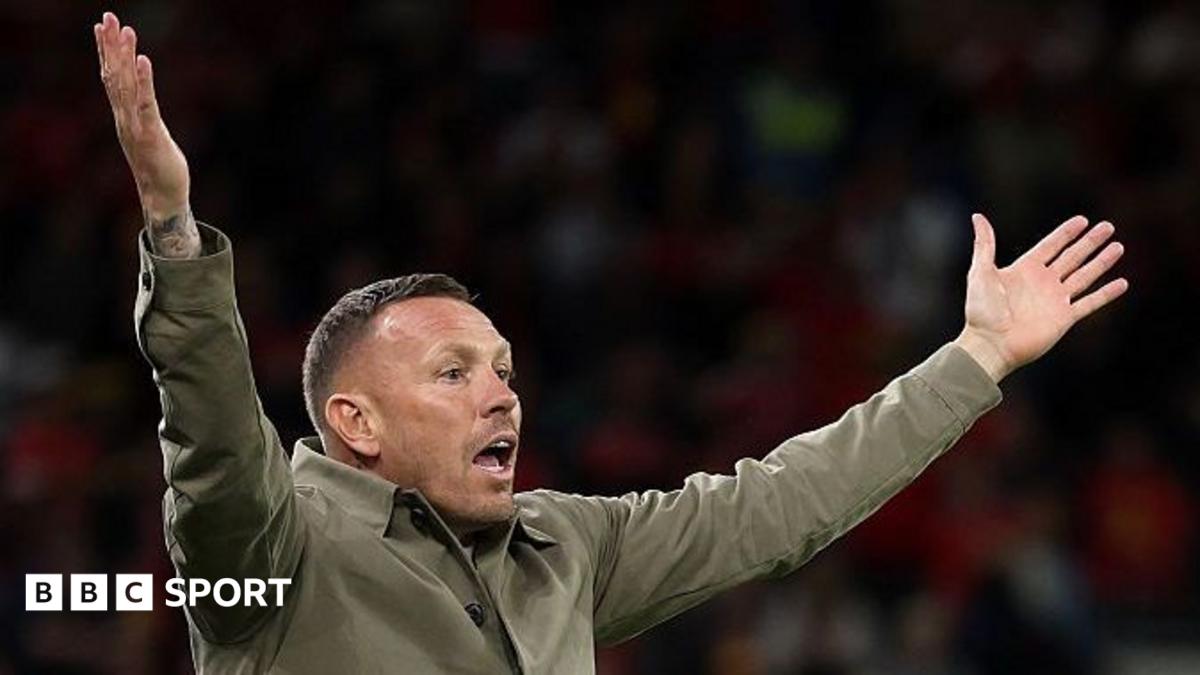
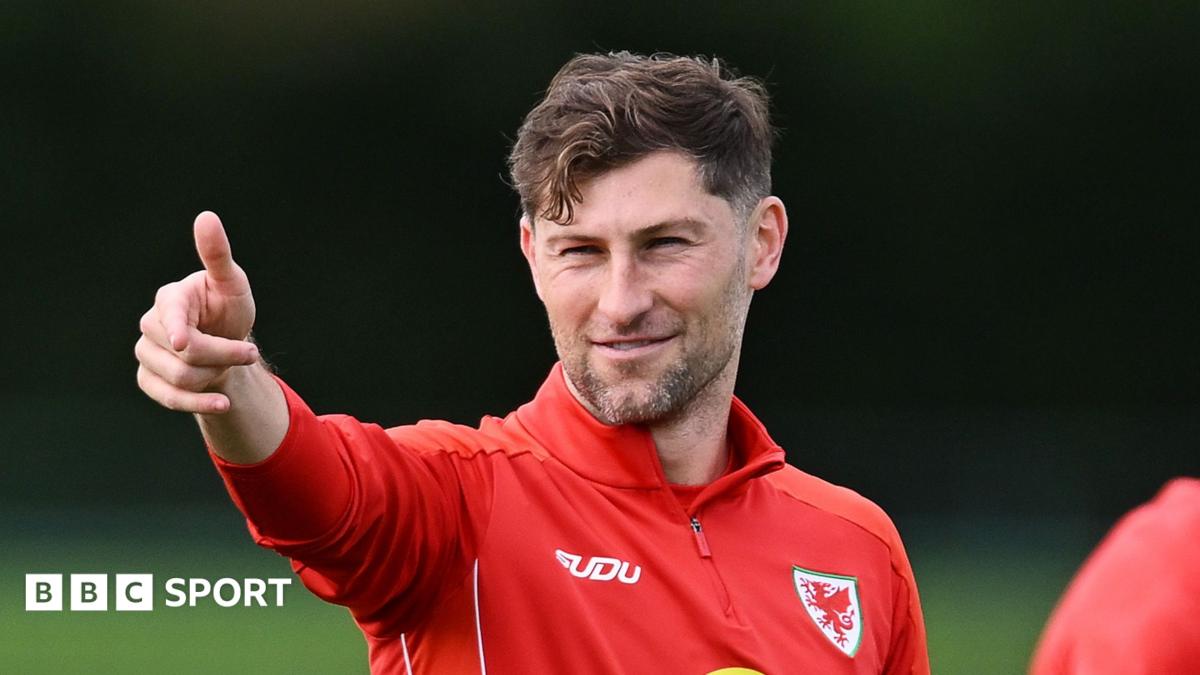
Bosnia overcame Wales on penalties in Cardiff following a 1-1 draw after extra time.

Daniel James used his pace to score early in the second period for the hosts, and Karl Darlow then made a wonder save from an Ermedin Demirovic header. Edin Dzeko, 40, levelled late on in normal time.

Darlow saved again from Demirovic in the shootout, but Brennan Johnson and Neco Williams both missed.

Kosovo have never reached a World Cup, but are through to Tuesday’s playoff final at home to Turkiye after winning a wild game in Slovakia 4-3.

The Kosovans twice wiped out a deficit, and Kreshnik Hajrizi’s goal on 72 minutes proved the difference.

Ferdi Kadioglu’s second-half goal put Turkiye through after a tight 1-0 home win over Romania.

Kadioglu calmly netted on 53 minutes after Arda Guler’s magical assist at Besiktas’s stadium in Istanbul.

Romania’s 80-year-old coach Mircea Lucescu, who counts Turkiye among his former jobs, was left to rue Nicolae Stanciu hitting the post as the Tricolours missed the World Cup for the seventh straight edition.

Turkiye, third in 2002, have not reached a men’s World Cup since.

Viktor Gykeres bagged a hat-trick in Sweden’s 3-1 win over Ukraine in Valencia. Ukraine have not played at home since the Russian full-scale invasion more than four years ago, and miss out on another World Cup.

Graham Potter’s Swedes next take on Poland, who came from behind to defeat Albania 2-1 in Warsaw.

Arbr Hoxha pounced 42 minutes after Jan Bednarek’s mistake as Albania dreamed of moving closer to a first World Cup appearance. But record Poland scorer Robert Lewandowski equalised, and Piotr Zielinski won it in style with a goal from distance.

Gustav Isaksen scored twice in two minutes to help Denmark thump North Macedonia 4-0 and set up a meeting away to the Czech Republic, who needed penalties to get past Ireland in Prague.

Troy Parrott, the hero as the Irish made the playoffs at the end of November’s group stage, netted the opener from the spot, and an own goal summed up the poor Czech defence.

But the hosts pulled one back through Patrik Schick’s penalty and Ladislav Krejci’s late header to make it 2-2, prompted by a cagey extra time, with the Czechs prevailing in a shootout.

This year’s tournament, in North America in June and July, will feature an expanded 48 teams, meaning more nations have a chance to qualify.

Twelve European countries have already gotten through by winning their groups. The playoffs are made up of second-placed teams and sides who did well in the previous Nations League.

Bolivia beat Suriname, Jamaica edge New Caledonia to reach playoff finals

In FIFA’s intercontinental playoff games on Thursday, Bolivia rallied to beat Suriname 2-1 to qualify for the final qualifying playoff against Iraq.

Liam Van Gelderen put Suriname ahead in the 48th minute, but Moises Paniagua tied the score at the 72nd, and Miguel Terceros had the winning goal on a penalty kick in the 79th minute for the Bolivians, who are aiming for their second World Cup appearance.

The Bolivians have only previously played in the 1994 World Cup in the US. Suriname were looking to qualify for the first time.

Bolivia will play Iraq next Tuesday in Monterrey, with the winner qualifying for Group I with France, Norway and Senegal.

Elsewhere on Thursday, a first-half goal by Wrexham striker Bailey Cadamarteri gave Jamaica a 1-0 victory over New Caledonia and a place in the international playoff final against the Democratic Republic of the Congo (DRC).

The Reggae Boyz have only one World Cup appearance, at France in 1998. New Caledonia, from Oceania, saw their chance to advance to a first World Cup end.

Jamaica will face DRC next Tuesday at Akron Stadium in Guadalajara. DRC qualified for the playoff by defeating Nigeria in an African playoff.

The winner in Guadalajara will play in Group K in the tournament along with Colombia, Portugal and Uzbekistan.

Source link