Iran’s top envoy says S. Korean ships can transit Strait of Hormuz only after coordination with Tehran

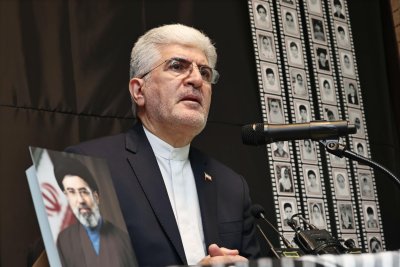
Iranian Ambassador to South Korea Saeed Koozechi speaks during a press conference at the Iranian Embassy in Seoul on Thursday. Photo by Yonhap
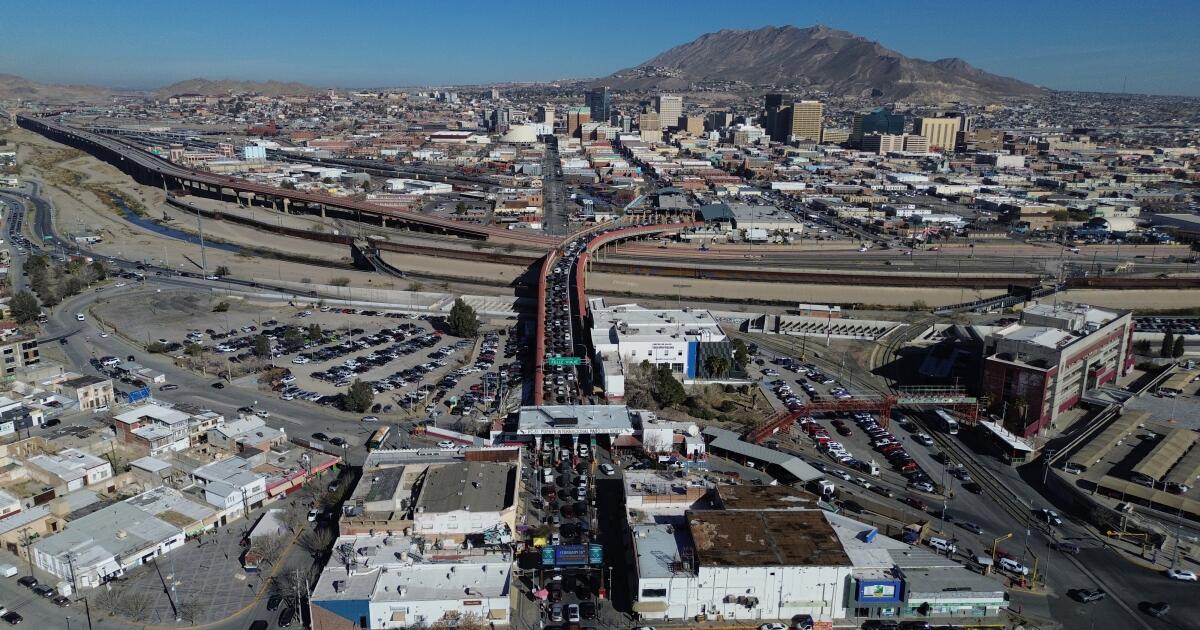
Iran’s top envoy to Seoul said Thursday South Korean ships can pass through the Strait of Hormuz, but only with prior coordination with Tehran, saying that his country has asked Seoul to provide details of the vessels stranded in the key waterway amid the ongoing conflict.
Iranian Ambassador to South Korea Saeed Koozechi made the remarks in a press conference, as 26 South Korean ships with about 180 crew members aboard remain stranded in the shipping lane effectively blocked by Iran following attacks by the United States and Israel.
Koozechi also said that Iran considers South Korea a non-adversarial country.
“There are no problems with the vessels,” he said through an interpreter. “But in order for them to pass through, you need coordination, prior consultations with the Iranian military and government.”
Koozechi went on to say that Tehran had asked Seoul to provide the details of the stranded ships during the phone talks between their foreign ministers on Monday, without specifying whether the request was meant to start negotiations on the ships’ passage.
“Iran is acting in good faith and is willing to allow South Korean ships to transit the Strait of Hormuz, but the process will depend on receiving the relevant information and the vessels list. Once they are provided, we will consider it,” he said.
When asked to confirm Iran’s request, Seoul’s foreign ministry said it was a request for cooperation on safety measures in the event of a humanitarian situation on the anchored vessels, and not related to their transit.
“We have not negotiated (with Iran) on (the passage) of vessels,” a ministry official said, adding that it has received no such request from Tehran, nor has it provided any details of the ships.
In the phone talks with his Iranian counterpart, Foreign Minister Cho Hyun called on Tehran to ease tensions and ensure safe navigation through the vital waterway for global energy supplies.
Cho also requested Iran’s cooperation regarding the safety of stranded South Korean vessels and their crew, but the issue of permitting their transit was reportedly not addressed.
While Iran sees South Korea as a non-hostile country, restricting activities of ships engaged in business with U.S. companies has been unavoidable as part of its self-defense measures, the ambassador said.
“Imposing restrictions on them is only natural,” Koozechi said. “Blocking their activities and enforcing economic restrictions is Iran’s right to self-defense.”
Thursday’s press event featured a photo exhibition and documentary screening at the Iranian Embassy in Seoul. The materials highlighted the impact of U.S.-Israeli attacks on Iran, including images of destroyed buildings and footage of children killed in an airstrike at an elementary school and their grieving families.
Copyright (c) Yonhap News Agency prohibits its content from being redistributed or reprinted without consent, and forbids the content from being learned and used by artificial intelligence systems.