
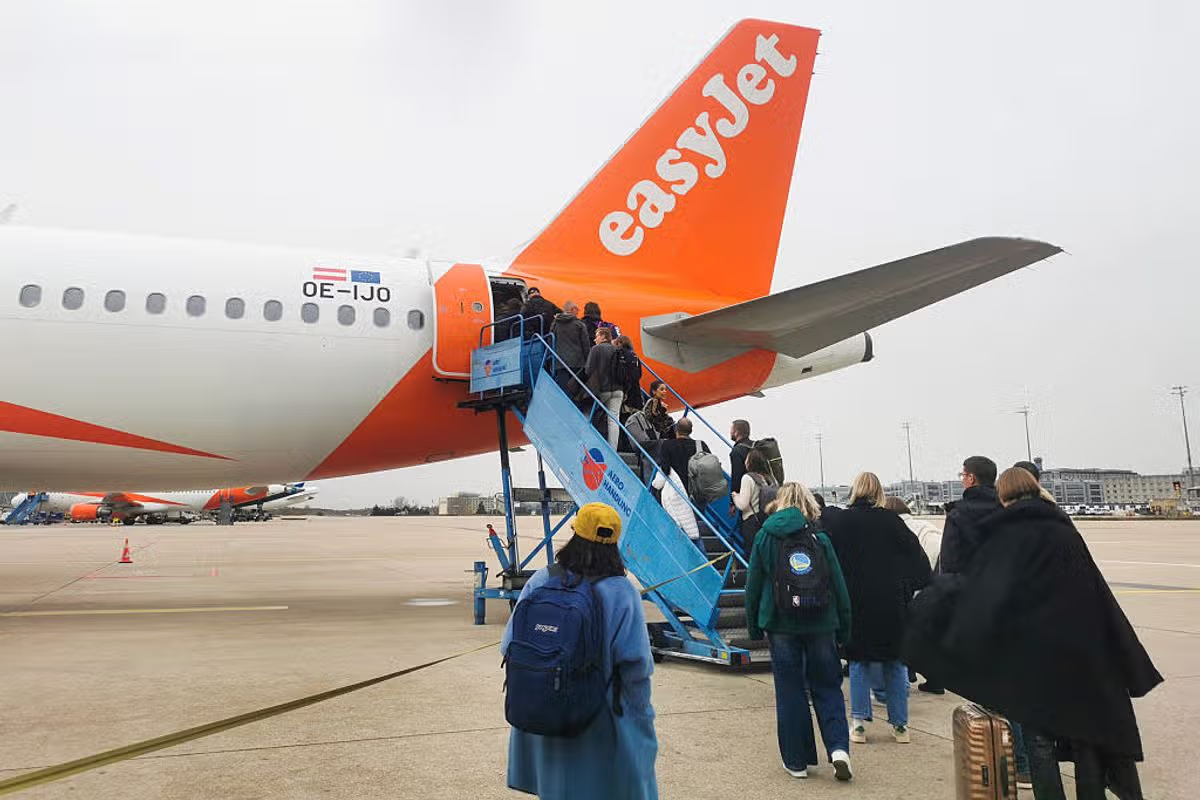
Budget airline easyJet cancelled around 100 flights out of France last weekend with the possibility of further disruption this summer due to industrial action

easyJet strikes by French cabin crew have caused chaos for some travellers(Image: Beata Zawrzel/NurPhoto via Getty Images)
Thousands of UK passengers are being urged to check if they are eligible for compensation after strikes by easyJet’s French cabin crew.
The budget airline cancelled around 100 flights out of France last weekend with the possibility of further disruption this summer. easyJet passengers flying through Paris, Nice, Bordeaux and Lyon are among those that have faced cancellations and delays.
Under EU regulation 261/2004, passengers can claim compensation if their flight is cancelled in certain circumstances. This can range from €125 (£106) to €600 (£513) – and this is per person.
How much money you are due depends on the length of the flight, plus how much notice you were given for the cancellation and the time of your alternative flight.
For example, if your flight distance was less than 1,500km and it was cancelled less than seven days before you were due to depart, you would be due €125 compensation if your rescheduled flight takes off more than one hour before your original flight, and arrives less than two hours after it.
You can find a full breakdown of the payouts below. But it is important to note that the airline normally only has to pay if it was their fault your flight was cancelled. This can include strikes involving an airline’s staff, including cabin crew, as this is deemed the responsibility of the airline.
Strikes outside of an airline’s control – such as air traffic control, airport security or baggage handlers – are seen as extreme circumstances, and would therefore be unlikely to qualify for compensation.
Consumer rights expert Martyn James said: “The strike compensation rules can seem a little confusing, but the rule of thumb is: if the staff work directly for the airline (cabin crew, pilots) then you should get compensation for delayed or cancelled flights.
“If the staff work as ground crew or for the airport, they don’t directly work for the airline, so the business can’t be considered to have ‘anticipated’ the situation and prevented it.
“Needless to say airlines don’t like this reading of the law. And in fact it was only clarified after they were taken to court by a disgruntled passenger.
“So remember to push back if they refuse your claim – or if they try to blame something else, like the weather or ground crew. As for a written response to your claim, especially if they turn it down.”
The flight you were on must have departed from a UK airport on any airline, or arrived at an airport in the UK on an EU or UK airline, or arrived at an airport in the EU on a UK airline.
If you believe you are entitled to compensation for a cancelled flight, you can make a complaint directly to your airline.
If the airline refuses to pay out, your next step should be to contact the relevant alternative dispute resolution (ADR) scheme.
Flight was cancelled between 7 and 14 days before departure
- Distance; Less than 1,500km – Rescheduled flight takes off more than two hours before your original flight, and arrives less than two hours after it – €125 compensation
- Distance; Less than 1,500km – Rescheduled flight takes off more than two hours before your original flight, and arrives more than two hours after it – €250 compensation
- Distance; Less than 1,500km – Rescheduled flight arrives more than four hours after your original flight – €250 compensation
- Distance; Between 1,500km and 3,500km – Rescheduled flight takes off more than two hours before your original flight, and arrives less than three hours after it – €200 compensation
- Distance; Between 1,500km and 3,500km – Rescheduled flight takes off more than two hours before your original flight, and arrives three to four hours after it – €400 compensation
- Distance; Between 1,500km and 3,500km – Rescheduled flight arrives more than four hours after your original flight – €400 compensation
- Distance; More than 3,500km – Rescheduled flight departs more than two hours before your original flight, and arrives less than four hours after it – €300 compensation
- Distance; More than 3,500km – Rescheduled flight arrives more than four hours after your original flight – €600 compensation
Flight was cancelled less than 7 days before departure
- Distance; Less than 1,500km – Rescheduled flight takes off more than one hour before your original flight, and arrives less than two hours after it – €125 compensation
- Distance; Less than 1,500km – Rescheduled flight arrives more than two hours after your original flight – €250 compensation
- Distance; Between 1,500km and 3,500km – Rescheduled flight departs more than one hour before your original flight, and arrives less than three hours after it – €200 compensation
- Distance; Between 1,500km and 3,500km – Rescheduled flight arrives more than three hours after your original flight – €400 compensation
- Distance; More than 3,500km – Rescheduled flight departs more than one hour before your original flight, and arrives less than four hours after it – €300 compensation
- Distance; More than 3,500km – Rescheduled flight arrives more than four hours after your original flight – €600 compensation