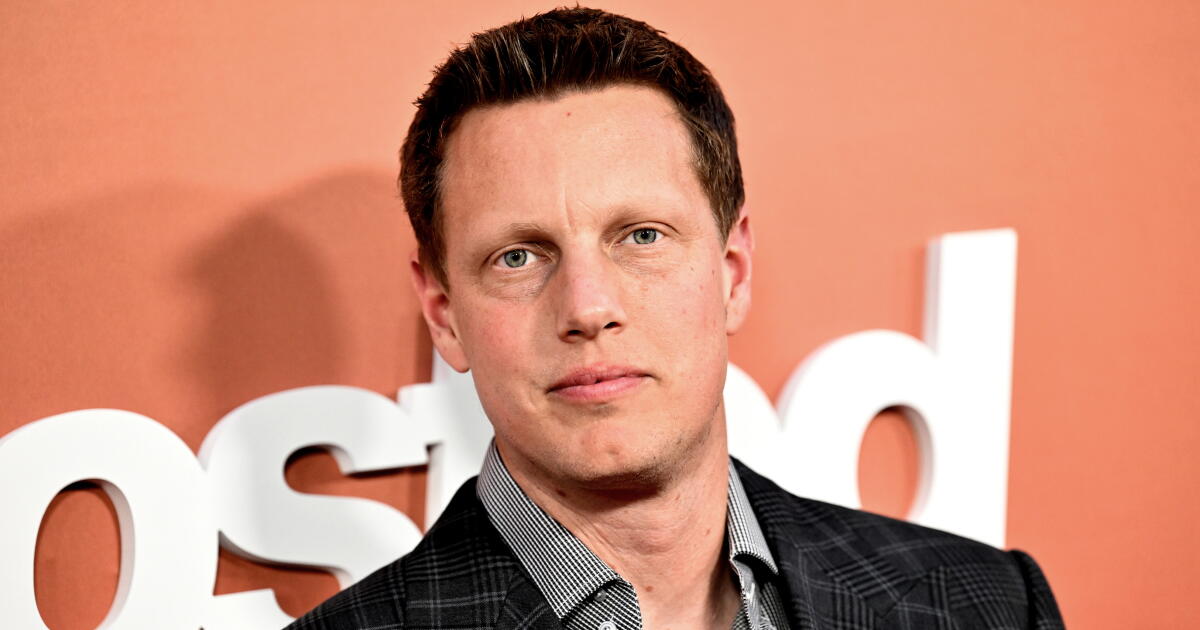
Last week’s settlement of the antitrust lawsuit between state attorneys general and Paramount Skydance over its planned merger with Warner Bros. Discovery marked a clear victory for David Ellison.
If approved by a judge, the settlement would clear the way for the emerging Hollywood mogul to complete the blockbuster $111-billion purchase after months of uncertainty over whether the deal would overcome intense opposition in Hollywood.
What’s more, Ellison achieved the settlement without having to agree to any so-called structural remedies that California Atty. Gen. Rob Bonta had been seeking.
But Ellison can hardly rest on his laurels. The Paramount Skydance chief executive will have to work hard to repair badly frayed relations with Hollywood talent who fiercely opposed the consolidation of two historic studios as a bad deal for workers. And the 43-year-old tech scion will be constrained by some of the terms that were imposed in the consent decree negotiated with Bonta and other attorneys general.
“I don’t envy David Ellison. You bought this ship, now you’ve got to sail it. And you’re facing threats on all fronts: bad will, everybody rooting for you to fail and operating a business in an incredibly uncertain, challenging time,” said Gabriel Kahn, a professor at the USC Annenberg School for Communication and Journalism. “At the same time, you are going to have to mortgage everything to make these debt payments.”
As part of the deal, Paramount agreed to a slate of requirements that, if it fails to deliver, could induce financial penalties, litigation and other costs.
For one thing, Paramount would have to pay a penalty and divest the Miramax film studio if it does not distribute 30 or more films a year in theaters.
The studio also pledged to spend $300 million more each year on film production in the U.S. and further boost its film spending if the federal government adopts a film tax credit of at least 20%; it agreed not to sell or close its lot on Melrose or the Warner Bros lot in Burbank and to operate them “in a manner consistent with past practices,” until 2031.
Additionally, Paramount is required to establish a board to ensure editorial independence for CNN and CBS News, though it will be appointed by Paramount directors with the authority to remove its members.
Beyond attempting to smooth the industry’s many ruffled feathers, Hollywood’s newest mogul must now also wrestle down an astonishing $80 billion in debt accrued as a result of this highly leveraged merger.
Ellison’s father, billionaire Larry Ellison, late last year agreed to backstop the $47 billion in equity needed to complete the acquisition. Royal families from Saudi Arabia, Qatar and Abu Dhabi have agreed to contribute another $24 billion for an equity stake by assuming some of Ellison’s financial commitments.
The months-long battle was bitter and hard fought and enmity within the industry has yet to subside.
On Tuesday, the morning after Bonta announced the settlement agreement, protesters converged outside of Paramount Skydance’s Melrose Avenue gate criticizing the deal. Some held fake gravestones that read: “RIP local business,” “RIP crew call” and “RIP creativity.”
Two days later, a coalition of several groups including the Committee for the First Amendment, filed an amicus brief asking the court to reject the consent decree, saying that it failed to address the anti-competitive concerns of the state attorneys general and would not protect jobs or consumers.
The sense of betrayal was acute.
“Hate to say it but we all got played,” wrote actor Mark Ruffalo, a leading organizer in Block the Merger, a grassroots organization made up of 1st Amendment advocates and Hollywood celebrities who aggressively opposed it, in a post on X.
Sen. Elizabeth Warren (D-Mass.) repudiated the deal, saying in a statement. that it “enables a handful of billionaires to call the shots in the media.”
The entertainment unions struck more cautionary notes.
SAG-AFTRA, the actors union, wrote in a statement that the deal “addresses some of our deep concerns,” but added, “We hope that the process of engaging with the attorneys general has impressed upon them the fact that in addition to collective bargaining, our members rely on the law to help protect our interests. These are the lowest standards that our employers must meet.”
Bonta, who had spearheaded the antitrust suit, gave a tepid endorsement of the consent decree.
“I want to be clear about something right up front: This settlement is not a vote of support for this merger. It is not a blessing,” he said.
During Paramount’s heated and often contentious legal and political wrangling to wrest control of Warner Bros., many in Hollywood became increasingly apprehensive. Combining two legacy studios, opponents feared, would bring even more job losses to an industry already battered by runaway production.
The skepticism hardened as the Ellisons made several controversial moves after Skydance acquired Paramount last summer. They included agreeing to pay $16 million to settle a lawsuit filed by President Trump over a “60 Minutes” interview segment, canceling the “Late Show With Stephen Colbert,” ending diversity, equity and inclusion programs and appointing Bari Weiss as editor in chief of CBS News, who engaged in a wholesale overhaul that led to a revolt at the esteemed “60 Minutes.”
When the newly formed Paramount Skydance announced its intention to swallow up Warner Bros. Discovery just months later, a massive wave of political pressure and public backlash began.
But the Ellisons dug in.
In January — after Netflix threw a surprise wrench into the Ellisons’ designs on Warner Bros. by offering $72 billion, which the studio accepted — Paramount took Warner Bros. to court and launched a hostile takeover bid.
A month later, Netflix walked away from the deal and collected a $2.8-billion termination fee after the Warners’ board agreed to Paramount’s higher all-cash bid.
But many in Hollywood began agitating against the planned merger and pushing for guardrails and protections.
In April, Block the Merger released an open letter declaring their opposition; its list of professionals across the film and television industry eventually swelled to nearly 6,000 names, including Ruffalo, Jane Fonda, Ben Stiller, Sofia Coppola, Trey Parker and Denis Villeneuve.
“The future of free media and a strong entertainment industry in America is at stake here,” said Norm Eisen, co-founder and executive chair of Democracy Defenders Fund, who also helped lead the Block the Merger campaign.
The Writers Guild of America sued to stop the deal, saying it violated antitrust laws. The union last week settled its lawsuit, citing the costs of continuing the litigation, after Paramount agreed not to lay off writers at CBS Broadcast News for years and to pay $17.5 million to the union’s health fund. Nonetheless, the guild said: “We continue to believe the merger will cause damage to writers and the industry at large.”
Some backed the megadeal, including power broker Ari Emanuel.
The WME executive and chairman and CEO of TKO came out swinging, excoriating the antitrust suit, in an op-ed for the Wall Street Journal in July. “They say they are protecting competition. Their actions threaten to destroy it,” he wrote.
The Ellisons’ ongoing ties with Trump — whose administration has clashed with ABC, CNN and other networks — only deepened the suspicions.
Oracle co-founder Larry Ellison has been a Trump supporter and friend. In addition to political donations, he participated in a Nov. 14, 2020, conference call that discussed ways to challenge Trump’s presidential election defeat.
Both Ellison and his son David reportedly promised the president they would make “sweeping” changes at CNN, which is owned by Warner Bros. Discovery.
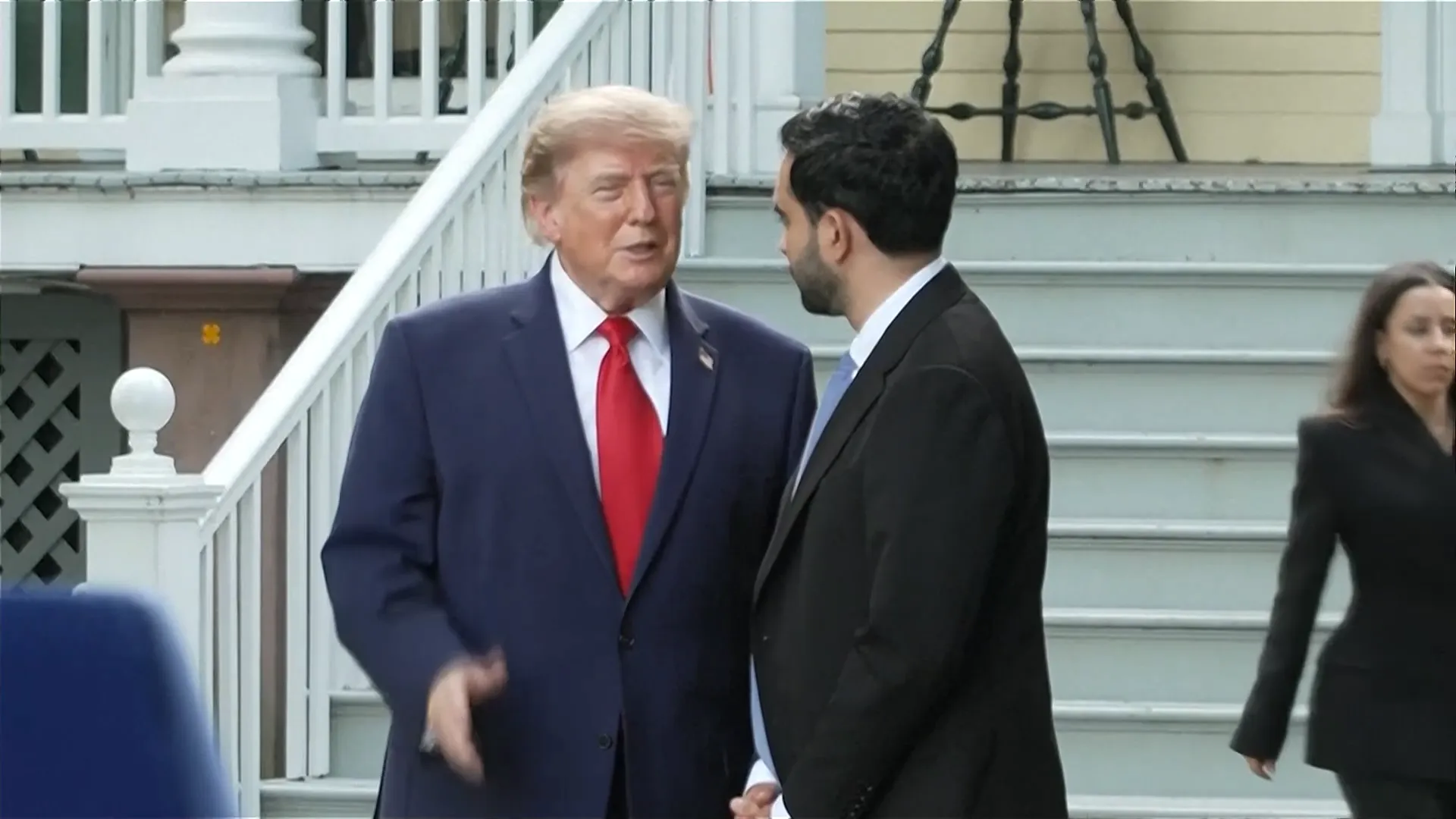
In June, David Ellison attended the “UFC Freedom 250” event hosted by Trump on the South Lawn of the White House, and last week he was a guest at the White House state dinner honoring Chinese President Xi Jinping.
Amid the high-level public-facing Trump engagements, Paramount had been quietly trying to allay fears about the relationship to industry insiders.
Two individuals in the entertainment industry, who declined to be named for fear of retaliation, said that Paramount sent emissaries to extend a kind of olive branch, explaining their commitment to Hollywood and downplaying the relationship as a necessary step to get the deal done.
In August, Ellison published an op-ed in the New York Times in which he extolled his lifelong love of movies and laid out his case that he could be “trusted as a steward” of the media giant he was amassing, that includes two institutional news organizations (CBS and CNN) and the legacy studios he wished to combine.
However, his seemingly conciliatory message was undercut that same month when he threatened to relocate Paramount’s base to Tennessee or Texas. Ellison built his Skydance production in Santa Monica.
Across the industry, workers viewed the mixed messaging with wariness and anger.
“If Ellison truly wants to be a steward and do the things that he said he can do and wants to do in that article, I think people would welcome it,” said Pamala Buzick Kim, a co-founder of Stay in LA, the 23,000-member grassroots campaign aimed at boosting local film and television production. “They just have no evidence of it.”
Aside from the bad blood, Ellison’s biggest challenge may be financial.
At a time of massive industry upheaval, most observers believe that the company will have to lay off droves of workers to bring its costs down.
“I will honestly say that the biggest work that they have cut out for them is servicing this debt, and that’s going to guide every decision,” said Kahn, the USC professor.
“Now they’re going to have to fire lots of people in order to reduce costs to be able to make this deal pencil out, and they’re going to be skating on the razor’s edge to make sure that they have enough revenue coming in going forward to service this debt. They have almost no room to maneuver.”
But Paramount has one thing working in its favor: leverage. David (as in Ellison), for better or worse, is now the industry’s Goliath.
“I think temper tantrums can be easily forgotten if the work is there,” said Buzick Kim. “I think most people would be happy to leave it behind them — if the work is there.”
Times staff writers Meg James, Stephen Battaglio and Samantha Masunaga contributed to this report.