Rep. Kevin Kiley measure would block key element of proposed California wealth tax
WASHINGTON — As progressives seek to place a new tax on billionaires on California’s November ballot, a Republican congressman is moving in the opposite direction — proposing federal legislation that would block states from taxing the assets of former residents.
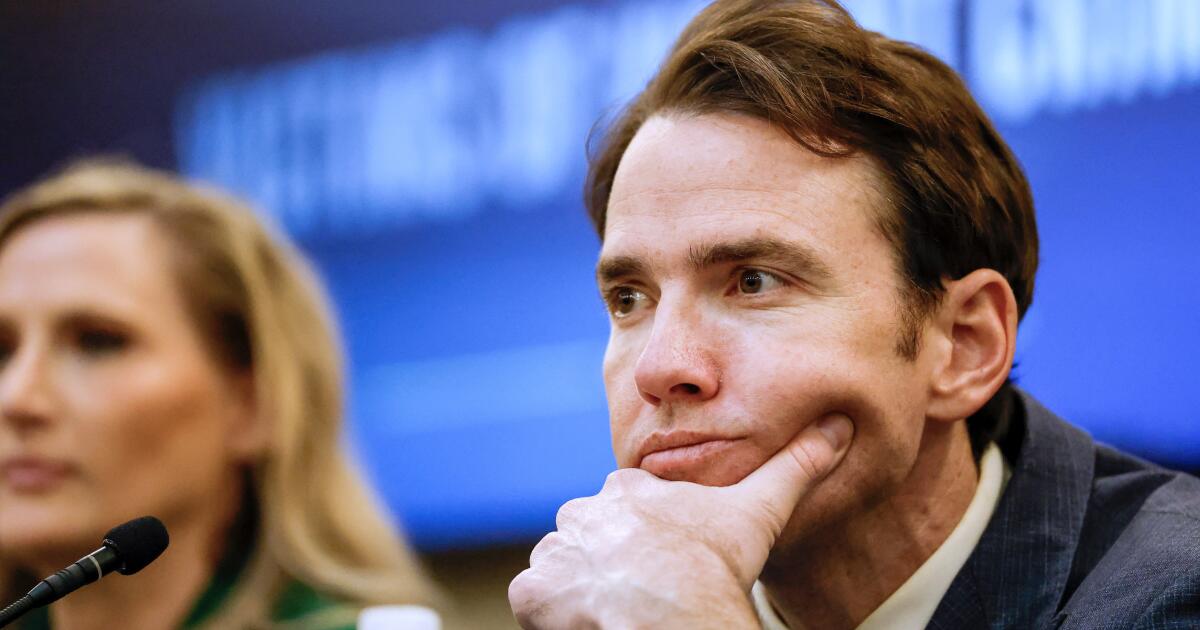
Rep. Kevin Kiley (R-Rocklin), who faces a tough re-election challenge under California’s redrawn congressional maps, says he will introduce the “Keep Jobs in California Act of 2026” on Friday. The measure would prohibit any state from levying taxes retroactively on individuals who no longer live there.
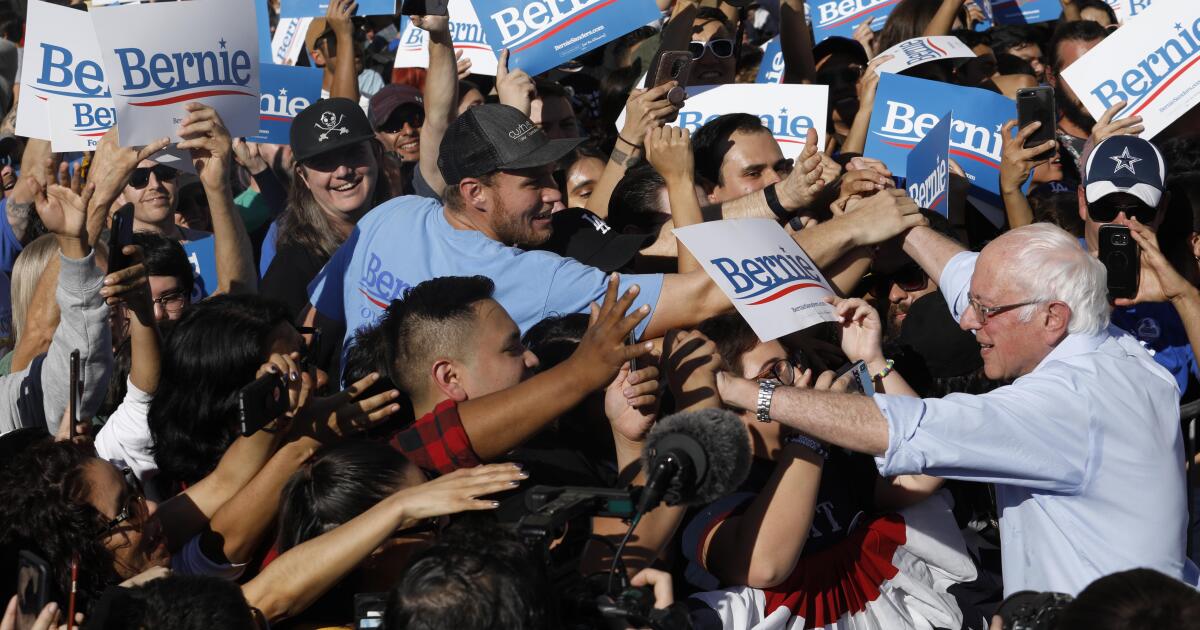
The proposed legislation adds another layer to what has already been a fiery debate over California’s approach to taxing the ultra-wealthy. It has created divisions among Democrats and has placed Los Angeles at the center of a broader political fight, with Bernie Sanders set to hold a rally on Wednesday night in support of the wealth tax.
Kiley said he drafted the bill in reaction to reports that several of California’s most prominent billionaires — including Meta Chief Executive Mark Zuckerberg and Google co-founders Larry Page and Sergey Brin — are planning to leave the state in anticipation of the wealth tax being enacted.
“California’s proposed wealth tax is an unprecedented attempt to chase down people who have already left as a result of the state’s poor policies,” Kiley said in a statement Wednesday. “Many of our state’s leading job creators are leaving preemptively.”
Kiley said it would be “fundamentally unfair” to retroactively impose taxes on former residents.
“California already has the highest income tax of any state in the country, the highest gas tax, the highest overall tax burden,” Kiley said in a House floor speech earlier this month. “But a wealth tax is something unique because a wealth tax is not merely the taxation of earned income, it is the confiscation of assets.”
The fate of Kiley’s proposal is just as uncertain as his future in Congress. His 5th Congressional District, which hugs the Nevada border, has been sliced up into six districts under California’s voter-approved Proposition 50, and he has not yet picked one to run in for re-election.
The Billionaire Tax Act, which backers are pushing to get on the November ballot, would charge California’s 200-plus billionaires a onetime 5% tax on their net worth in order to backfill billions of dollars in Republican-led cuts to federal healthcare funding for middle-class and low-income residents. It is being proposed by the Service Employees International Union-United Healthcare Workers West.
In his floor speech, Kiley worried that the tax, if approved, could cause the state’s economy to collapse.
“What’s especially threatening about this is that our state’s tax structure is essentially a house of cards,” Kiley said. “You have a system that is incredibly volatile, where top 1% of earners account for 50% of the tax revenue.”
But supporters of the wealth tax argue the measure is one of the few ways that can help the state seek new revenue as it faces economic uncertainty.
Sanders, an independent from Vermont who caucuses with the Democrats, is urging Californians to back the measure, which he says would “provide the necessary funding to prevent more than 3 million working-class Californians from losing the healthcare they currently have — and would help prevent the closures of California hospitals and emergency rooms.”
“It should be common sense that the billionaires pay just slightly more so that entire communities can preserve access to life-saving medical care,” Sanders said in a statement earlier this month. “Our country needs access to hospitals and emergency rooms, not more tax breaks for billionaires.”
Other Democrats are not so sure.
Gov. Gavin Newsom, who is eyeing a presidential bid in 2028, has opposed the measure. He has warned a state-by-state approach to taxing the wealthy could stifle innovation and entrepreneurship.
Some of he wealthiest people in the world are also taking steps to defeat the measure.
Brin is donating $20 million to a California political drive to prevent the wealth tax from becoming law, according to a disclosure reviewed by the New York Times. Peter Thiel, the co-founder of PayPal and the chairman of Palantir, has also donated millions to a committee working to defeat the proposed measure, the New York Times reported.