Benjamin Netanyahu

‘No middle ground’: Israelis back Iran war, despite taking mounting hits | US-Israel war on Iran News

Itamar Greenberg laughed when asked if he thought he should be afraid. The 19-year-old Israeli antiwar activist had just described being spat on in the street and is the target of an online hate campaign.

“Yes!” he finally responded. “If I thought about it, I probably should be. I just don’t have time.”

Voices like Greenberg’s are rare in Israel at a time when public clamour for war is growing, and genocidal language already familiar to millions of Palestinians is reemerging, but with a different target – Iran.

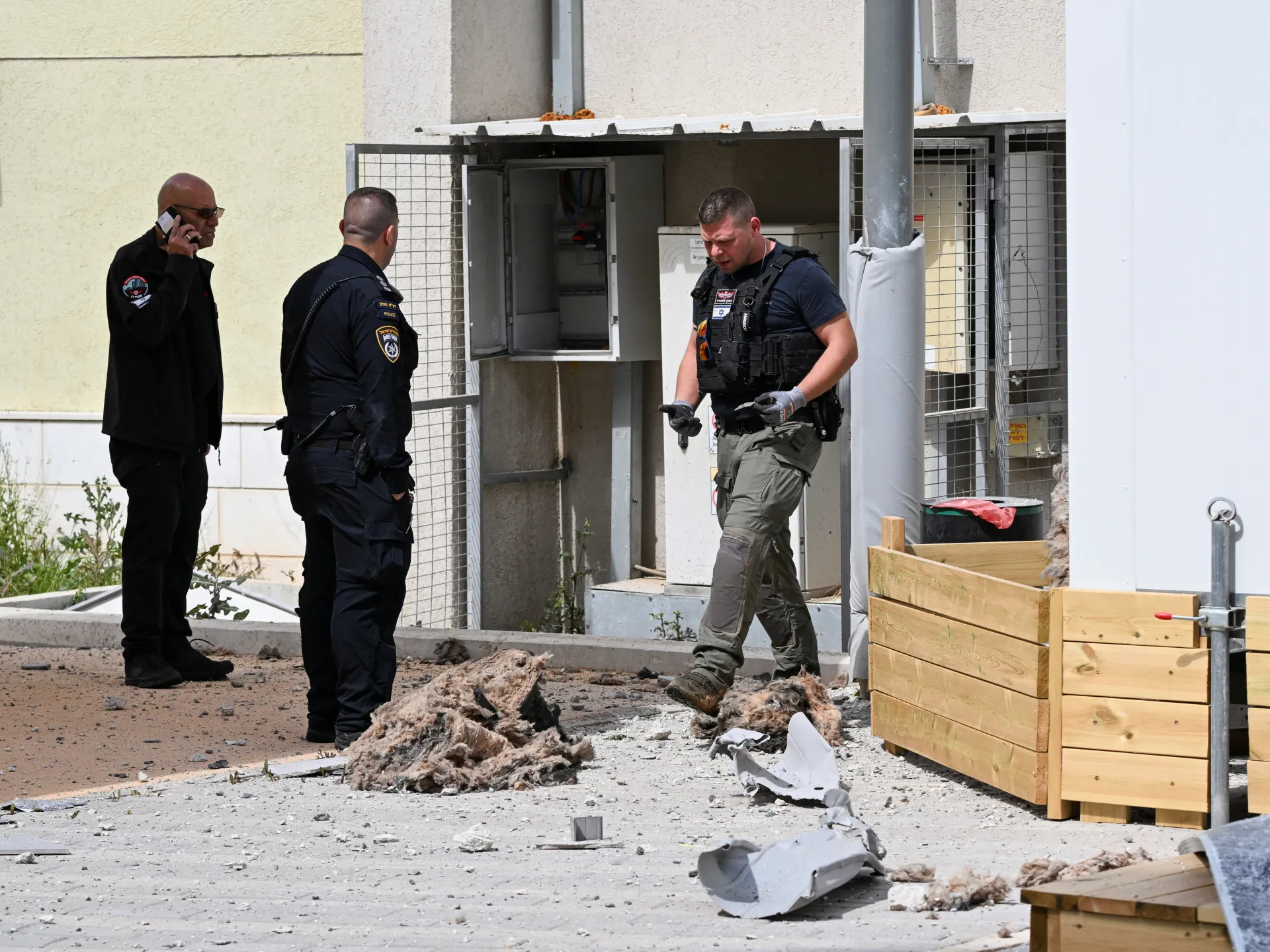
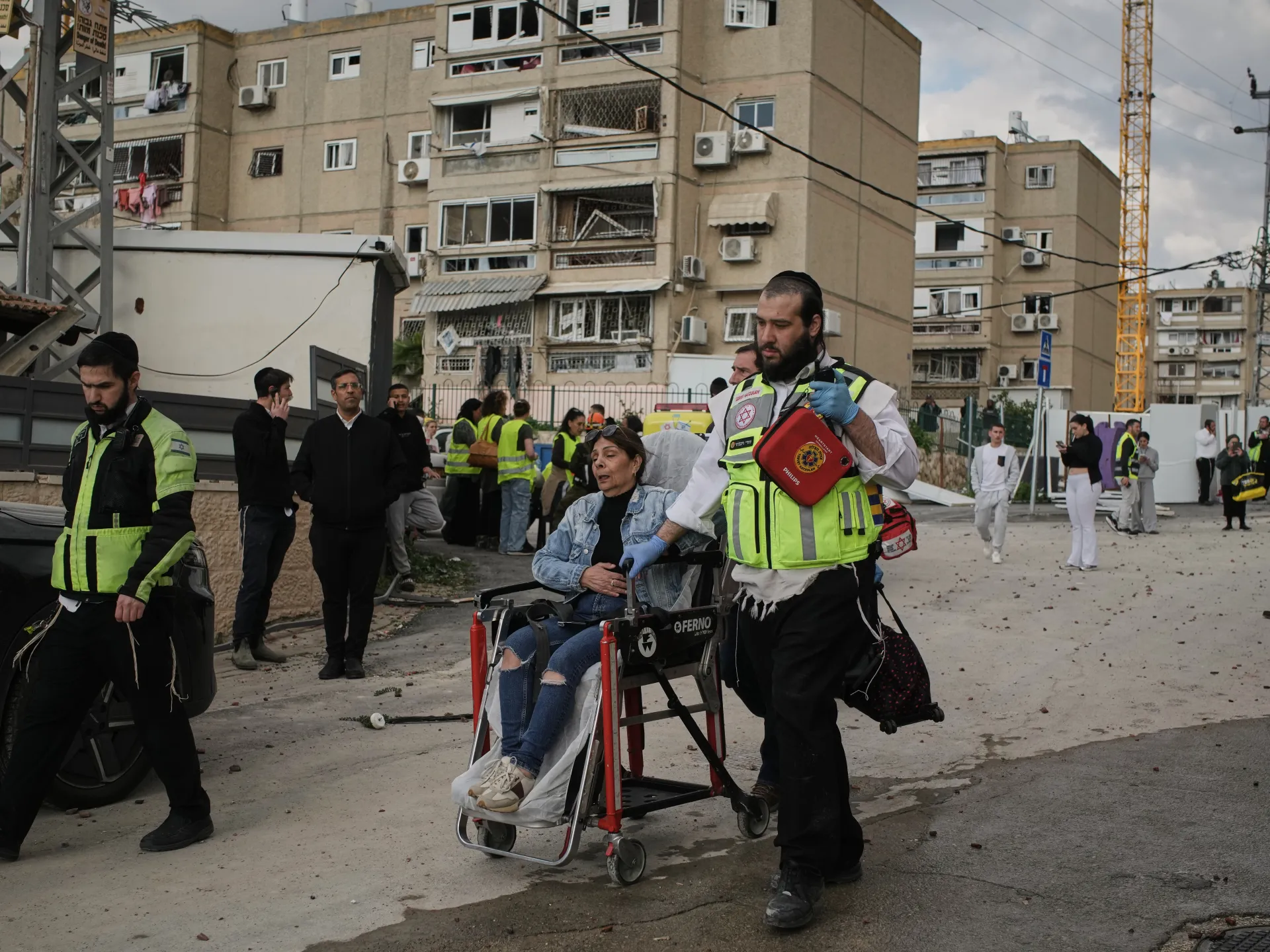
Officially, 11 Israelis have been killed in Iranian strikes since the US and Israel launched their war on Iran on February 28. What the actual number might be, or how many of Iran’s ballistic missiles may have penetrated the country’s Iron Dome defence shield, is unknown.

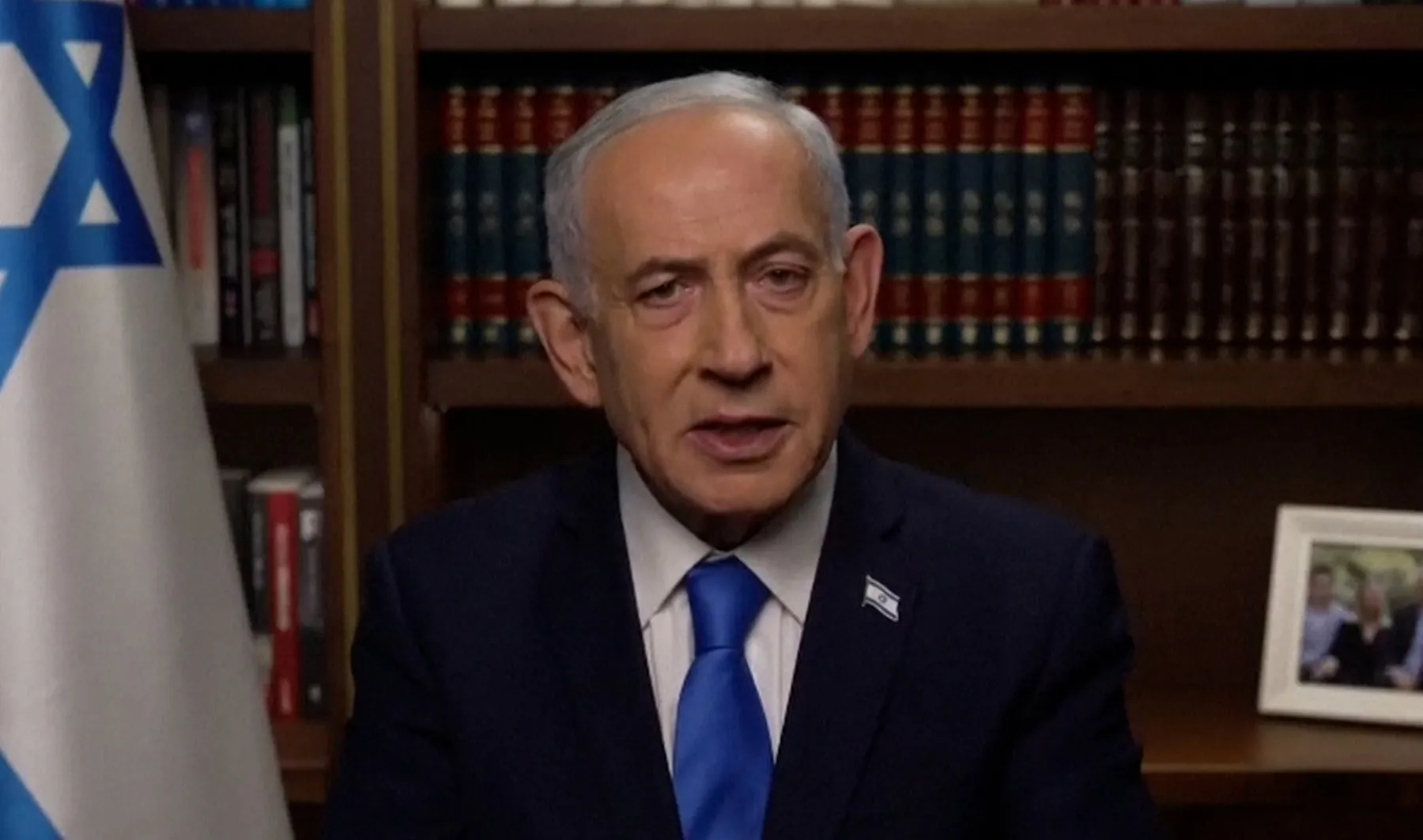
Speaking at the site of an Iranian missile strike in West Jerusalem, shortly after the start of the US-Israeli attacks on Iran, Israeli Prime Minister Benjamin Netanyahu returned to the use of apocalyptic language that has characterised the genocide his country has conducted in Gaza. Comparing Iranians with the Jewish people’s biblical foe, Amalek, who the Jews had been divinely ordered to wipe from the face of the planet, Netanyahu told reporters: “In this week’s Torah portion, we read, “‘Remember what Amalek did to you.’ We remember, and we act.”

So far, Iran claims to have launched strikes across Israel, saying its missiles and drones hit military sites, symbolic infrastructure, and even Netanyahu’s office. Tehran has described the attacks as precise and strategic, rather than indiscriminate and part of a broader regional response. Iran also claims to have targeted locations such as Tel Aviv, Ben Gurion airport and Haifa.

However, Israeli officials have denied many of the specific claims. Netanyahu’s office dismissed Iranian assertions about hitting his office, or affecting his condition, as “fake news”, with stringent reporting restrictions on Iranian strikes within Israel making confirmation either way difficult.

What is clearer is that against the drumbeat of Iranian strikes, the fervour for war appears to be increasing among the public. A poll carried out last week by the Israel Democracy Institute (IDI) suggested overwhelming public support for the war, with 93 percent of Jewish-Israeli respondents expressing support for the strikes on Iran, and 74 percent expressing support for Netanyahu, the country’s historically divisive prime minister.

“No one’s talking about opposition to the war,” Greenberg said, describing an environment in which figures from across Israel’s media and political landscape – with the exception of the left-wing Hadash party and antiwar organisations such as Greenberg’s Mesarvot – had lined up behind the war. “It’s also getting increasingly violent,” he said.

“We held a protest on Tuesday, where the police were already waiting. They beat and arrested us. I was illegally strip-searched,” he said, describing it as efforts intended to humiliate him.

Greenberg is no stranger to such tactics. Six months ago, after being arrested for protesting the genocide in Gaza, prison guards had threatened to carve a Star of David on his face, a permanent reminder of what they thought his priorities should be.

It’s not just antiwar activists who have faced the brunt of the Israeli security establishment’s force.

“The atmosphere is very violent,“ lawmaker Ofer Cassif of the Hadash party told Al Jazeera. “When I leave the house, I’m more worried by the danger posed by a physical attack by fascists than I am by any missile,” he said.

Hadash and lawmakers like Cassif have been targeted by physical threats and attacks throughout the Gaza war. But criticism of the Netanyahu government’s handling of Israeli captives in Gaza meant that opposition to the Gaza war was – comparatively – more socially acceptable. When it comes to Iran, the current climate is toxic, Cassif said.

“We’re often accused of supporting the regime in Tehran,” Cassif explained of the attempts to delegitimise their opposition to the war.

“We’re unequivocally not. We want to see that regime go, but we’re not going to allow Netanyahu to say he’s doing this for the Iranian people. He isn’t. That’s not just rhetoric, that’s fact. The Israeli leadership was just as supportive of the shah as the US, and he was a murderous dictator no less than the current regime,” Cassif said, referring to Mohammad Reza Pahlavi, the leader of Iran before the Islamic revolution.

For now, analysts and observers in Israel describe a society that believes it is almost engaged in a holy war.

“They brought an antiwar activist onto one of the light news programmes,” political analyst Ori Goldberg said from near Tel Aviv, “and she was treated like you would a flat-earther. It’s as if it’s inconceivable that anyone would oppose this war.

“Israel has become a society with no middle ground, no capacity for conversation. It’s as if our entire existence is dependent on our ability to do anything we want. And if the world tries to stop that, then the world’s anti-Semitic, and we all burn.”
Source link

War against Iran: How far will it go? | Israel-Iran conflict

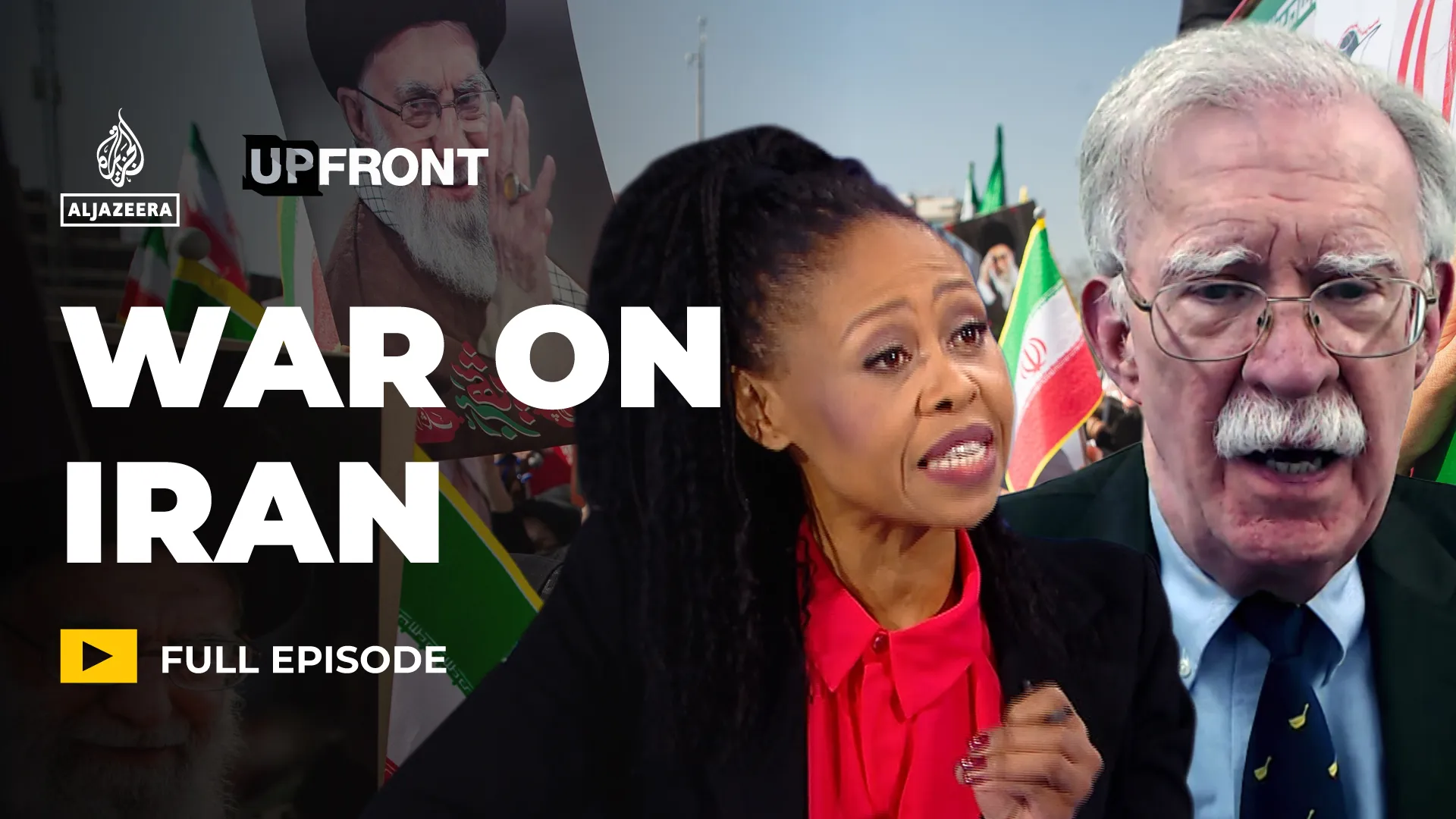
Redi Tlhabi challenges former US Ambassador to the UN John Bolton on why he supports war and regime change in Iran.

This past week, the United States and Israel launched a war on Iran under the banner of regime change. But as the war escalates and with Iran firing missiles at US bases across the region and at Israel – questions are mounting over how far this conflict could spiral.

This week on UpFront Redi Tlhabi challenges former National Security Adviser and former US Ambassador to the United Nations John Bolton on why he believes that a diplomatic end to the war would be a mistake, and we speak to Joe Cirincione, author of, Nuclear Nightmares: Securing the World Before it is Too Late, about the risk of nuclear proliferation.

Source link

How long can Israel sustain a military conflict with Iran? | Israel-Iran conflict News

Leaders in Israel and the United States have indicated that the conflict against Iran could continue for weeks.

The US, led by President Donald Trump, has emphasised that this will not be a problem, and that its military has the capacity to conduct an extended fight. But for Israel, already fatigued by the cost of having inflicted a genocide on Gaza, as well as wars or attacks in Lebanon, Syria, and a previous round with Iran, a lengthy conflict could be more costly.

Recommended Stories

list of 3 itemsend of list

Since it attacked Iran on Saturday, Israel has endured repeated missile and drone strikes, forcing widespread air raid alerts, school closures, and the mobilisation of tens of thousands of reservists.

Cities like Haifa and Tel Aviv have faced sustained attacks, emergency services are stretched, and a public, unused to war on the scale their government has inflicted upon others, has spent the past few days in and out of bomb shelters.

For now, enthusiasm for the war is high. Interviews with Israelis in most major cities show a hunger to confront an enemy that the public was told for decades was determined to exterminate them. With the exception of the far-left, politicians have rallied to the government banner.

“As soon as the war started, Israel was swept in a wave of militarism,” Israeli political economist Shir Hever said.

“It was not the same as [the June 2025 12-day war]. Then, it was mostly panic, an existential fear that Iran could destroy Israel. Now, it is gung-ho militarism and overconfidence. Even the war critics – who are few and far between – recommend that [Israeli Prime Minister] Netanyahu keep the war ‘short’, as if Israel can decide when it ends.”

Support for the war is part of what many see as a radicalisation of Israeli society. Previously peripheral far-right politicians have made their way into the centre of government, with political polarisation and economic strain accelerating the flow of the young and talented out of the country.

Those who remain are already conditioned to think of Iran as the fundamental enemy of their country, and weeks of war may militarise the society even further.

“It’s like the UK blitz in World War II,” Daniel Bar-Tal, an academic at Tel Aviv University, said.

“Then, the British accepted this bombardment because they saw themselves as fighting this ultimate evil. Israelis have the same feeling. We are indoctrinated into believing, almost from birth, that Iran is evil, which is reinforced through kindergarten, high school, and the army.”

For Bar-Tal, it is impossible to guess what kind of Israeli society might emerge from weeks of renewed war, only that the country’s past moral certitude in the righteousness of its establishment had not been dented by the massacres committed during the 1948 Nakba, nor the recent Gaza genocide.

“Now, we have a generation who are still more militaristic and more rightist, with Netanyahu telling us we now need to live by the sword. It’s just more evidence that Israel needs enemies to survive.”

Bombs and guns

Beyond the social impacts, Israel has military calculations to take into account if the war does drag on.

Most pressing is determining how long Israel can sustain the current levels of warfare against an opponent of Iran’s scale and military heft. This will be affected by both the support it receives from its allies, such as those in the US and Europe, and whether its defences become exhausted before those of Iran, defence analyst Hamze Attar said.

“In the first three days of the war, Iran launched more than 200 ballistic missiles at Israel,” he told Al Jazeera. “To put that into context, during the 12-day war, they launched around 500, each requiring that Israel counter by launching an interceptor rocket. That’s probably more than Israel has the capacity to counter, so, without US help, it would probably have lost control of its airspace by now.”

Israel has three different air defence systems: the Iron Dome, for short-range rockets and artillery; David’s Sling, to counter medium-range rockets and cruise missiles; and Arrow 2 and Arrow 3, designed to intercept ballistic missiles

The Israelis do not disclose the number of interceptors they have in stock, but Israel began to run low on interceptor stocks during the 12-day war, indicating that it will become more difficult to maintain a high level of interceptions if the war continues for a lengthy period. This would lead to a rationing of interceptors and a focus on defending military and political targets, potentially leading to more civilian casualties.

According to Israeli and US sources, Iran has been producing ballistic missiles at a rate of 100 per month in the aftermath of June’s conflict, Attar said, which would suggest that Tehran had already amassed a significant stockpile.

However, Attar was quick to point out that the Iranian threat is also based on the types of ballistic missiles they have.

“We don’t know what type of ballistic missiles,” Attar said, outlining the different types of missiles: long-range, reaching as far as Greece and the Mediterranean; medium-range, reaching Israel; and short-range, which can target the Gulf states.

“Likewise, we don’t know how many [missiles] they [Iran] had before the 12-day war, how many were destroyed during that war, or how many launchers they have,” Attar added. “If you don’t have the launchers, which the US and Israel are targeting, it doesn’t matter how many missiles you have. It’s like having bullets without a rifle.”

Economic considerations

More than two years of almost constant war have taken their toll on Israel’s economy, analysts warned, with the cost of munitions weighing on the Israeli purse, and the deployment of a reservist force numbered in their hundreds of thousands for periods far longer than any planners had originally conceived of.

Israel’s spending in 2024 on the wars in Lebanon and Gaza was reported to have reached $31bn, contributing to the country’s highest budget deficit in years. Preliminary figures from 2025 show spending on war reaching $55bn.

The pressure on the economy led to the downgrading of Israel’s sovereign credit rating in 2024 by all three major credit rating agencies.

“Israel is experiencing a debt crisis, an energy crisis, a transportation crisis, [and] a health service crisis,” Hever said.

But none of these would be enough to halt Israel’s military campaigns on their own, the political economist cautioned. “This is not a question of economy, but a question of technology.”

“If the US can keep supplying Israel with weapons that are so advanced that they can load themselves, aim themselves, and kill from such a distance that the soldiers don’t need to risk their own lives, I don’t see how the economic crisis inside Israel would be enough to stop Israel’s aggression,” he said.

Source link

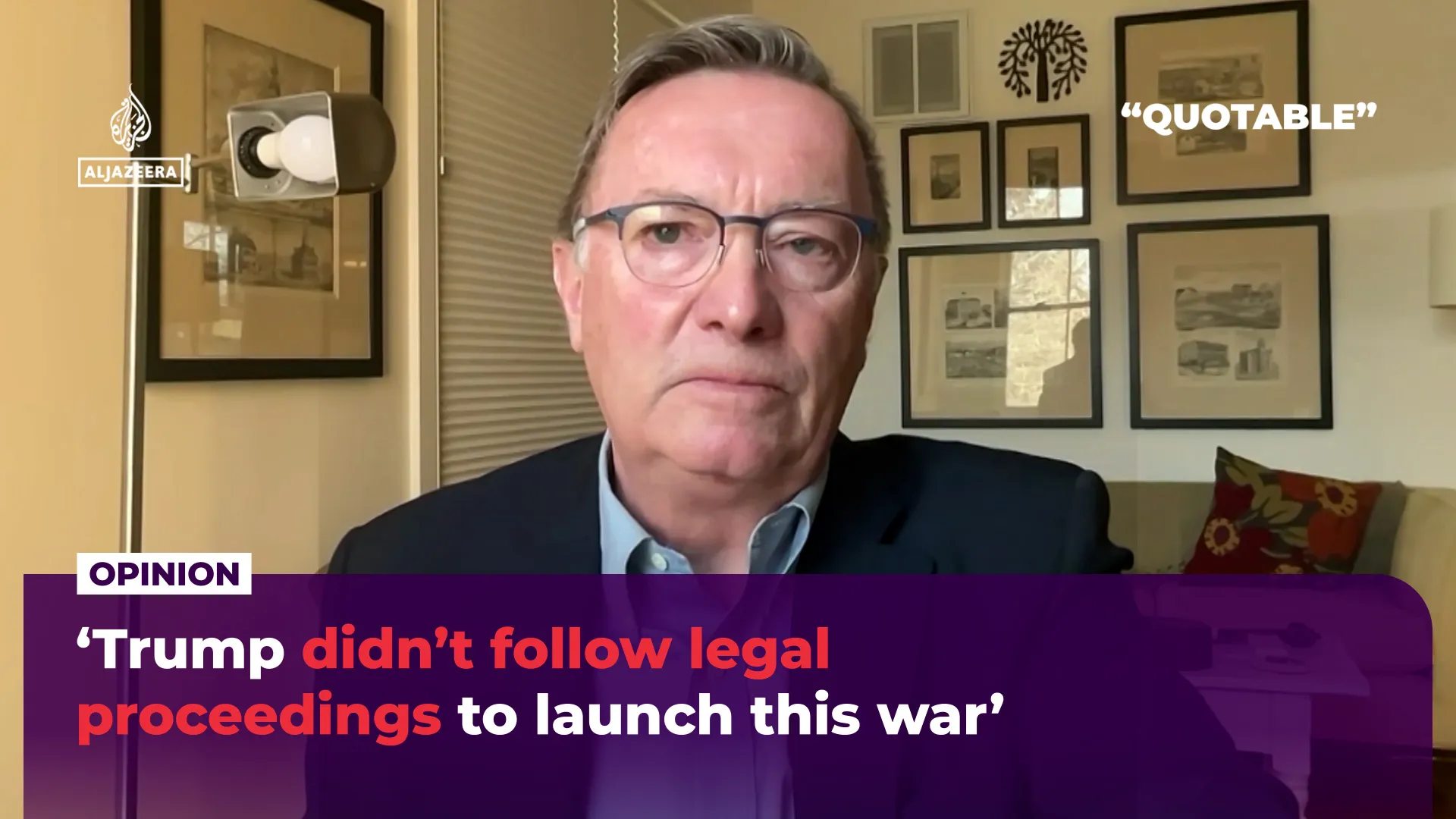
‘Trump didn’t follow legal proceedings to launch this war’ | Benjamin Netanyahu

Jeffrey Feltman, former US Assistant Secretary of State for Near Eastern Affairs, questions the legal basis and endgame of the US-Israel war on Iran, saying he does not believe Iran posed an imminent threat to the United States that would justify war.

Source link

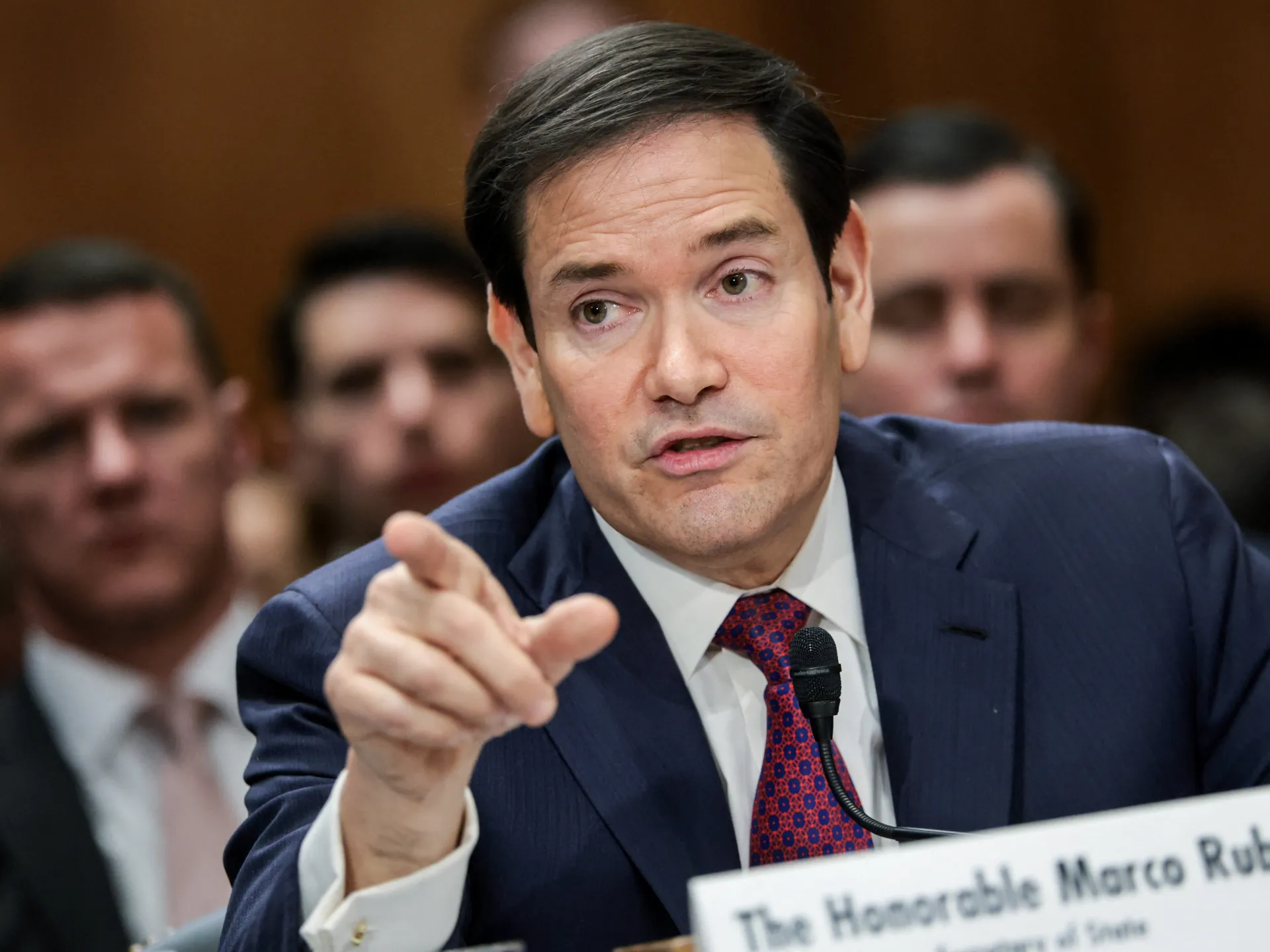
Rubio suggests US strikes on Iran were influenced by Israeli plans | Israel-Iran conflict News

Secretary of state says he hopes Iranian people would overthrow regime as US military says six service members killed.

US Secretary of State Marco Rubio has suggested that a planned Israeli attack against Iran determined the timing of Washington’s assault against the government in Tehran.

The United States’ top diplomat told reporters on Monday that Washington was aware that Israel was going to attack Iran, and that Tehran would retaliate against US interests in the region, so American forces struck pre-emptively.

Recommended Stories

list of 3 itemsend of list

“We knew that there was going to be an Israeli action. We knew that that would precipitate an attack against American forces, and we knew that if we didn’t pre-emptively go after them before they launched those attacks, we would suffer higher casualties,” Rubio said.

The US secretary of state’s comments came minutes before the US military confirmed that its death toll from the conflict has risen to six after recovering two bodies from a regional facility struck by Iran.

Tehran retaliated against the joint US-Israeli attacks that killed Supreme Leader Ali Khamenei, several top officials and hundreds of civilians with drone and missile launches across the region, including against American bases and assets in the Gulf.

Rubio’s assertion highlights the Israeli role in bringing about the war, which Israeli Prime Minister Benjamin Netanyahu has been seeking for years.

On Sunday, Netanyahu said the attacks on Iran are happening with the assistance of his “friend”, US President Donald Trump.

“This coalition of forces allows us to do what I have yearned to do for 40 years,” the Israeli prime minister said in a video message.

For his part, Rubio told reporters on Monday that an attack on Iran had to happen because Tehran was amassing missiles and drones that it would have used to protect its nuclear programme and acquire an atomic bomb.

Israel and the US launched the war less than 48 hours after a round of talks between American and Iranian officials over Tehran’s nuclear programme.

Rubio said the goal of the war is to destroy Iran’s missile and drone programmes, but stressed the US would welcome ending the current ruling system in Tehran.

“We would not be heartbroken, and we hope that the Iranian people can overthrow this government and establish a new future for that country. We would love for that to be possible,” he said.

Source link

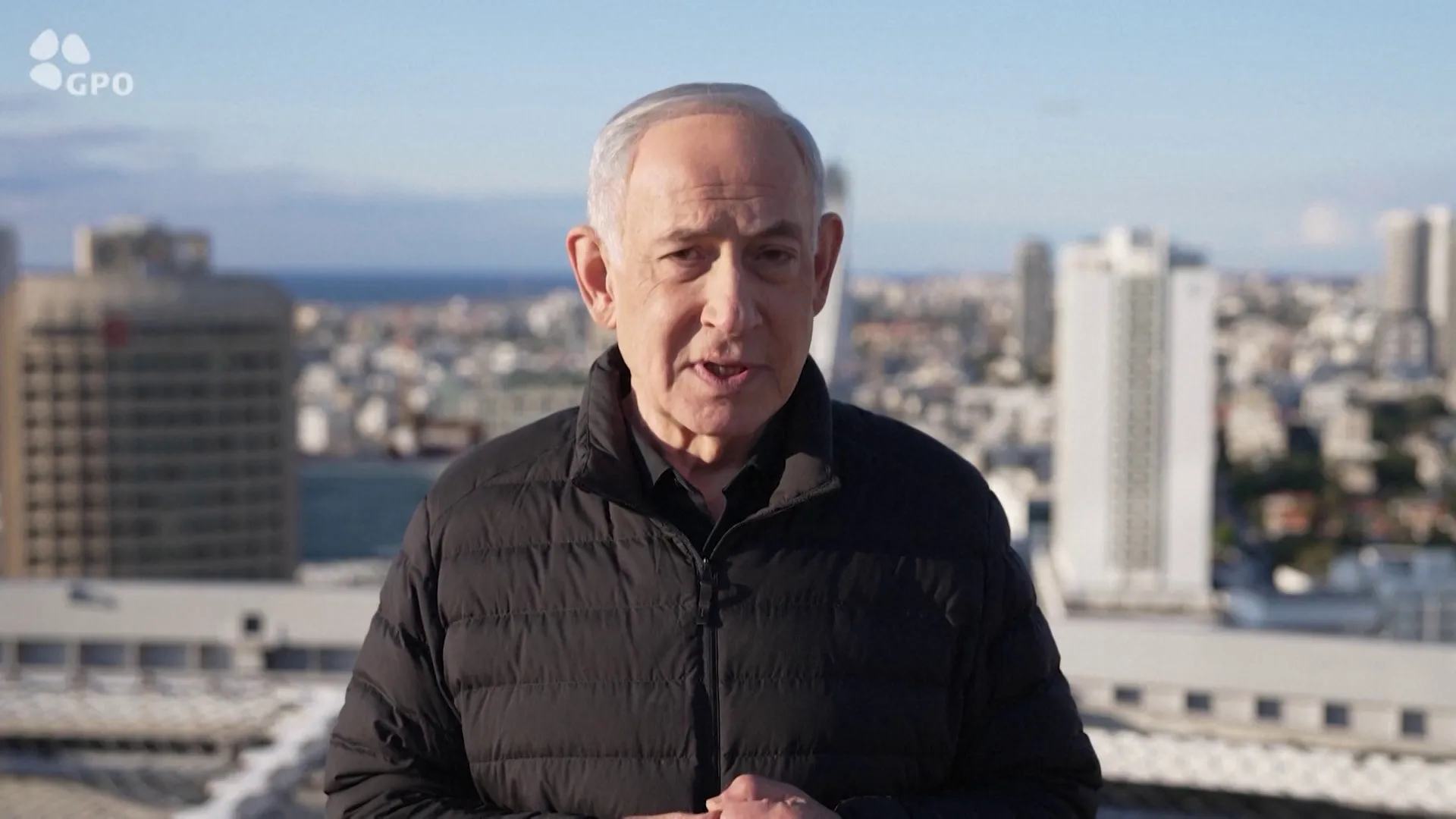
Netanyahu vows increasing strikes on Tehran | Israel-Iran conflict

NewsFeed

Israel’s prime minister says strikes on Tehran will increase in the coming days, with US support, to do what Benjamin Netanyahu says he’s ‘hoped to do for 40 years’. Israel and the US killed Iran’s Supreme Leader on Saturday in a renewed war on Iran.

Source link

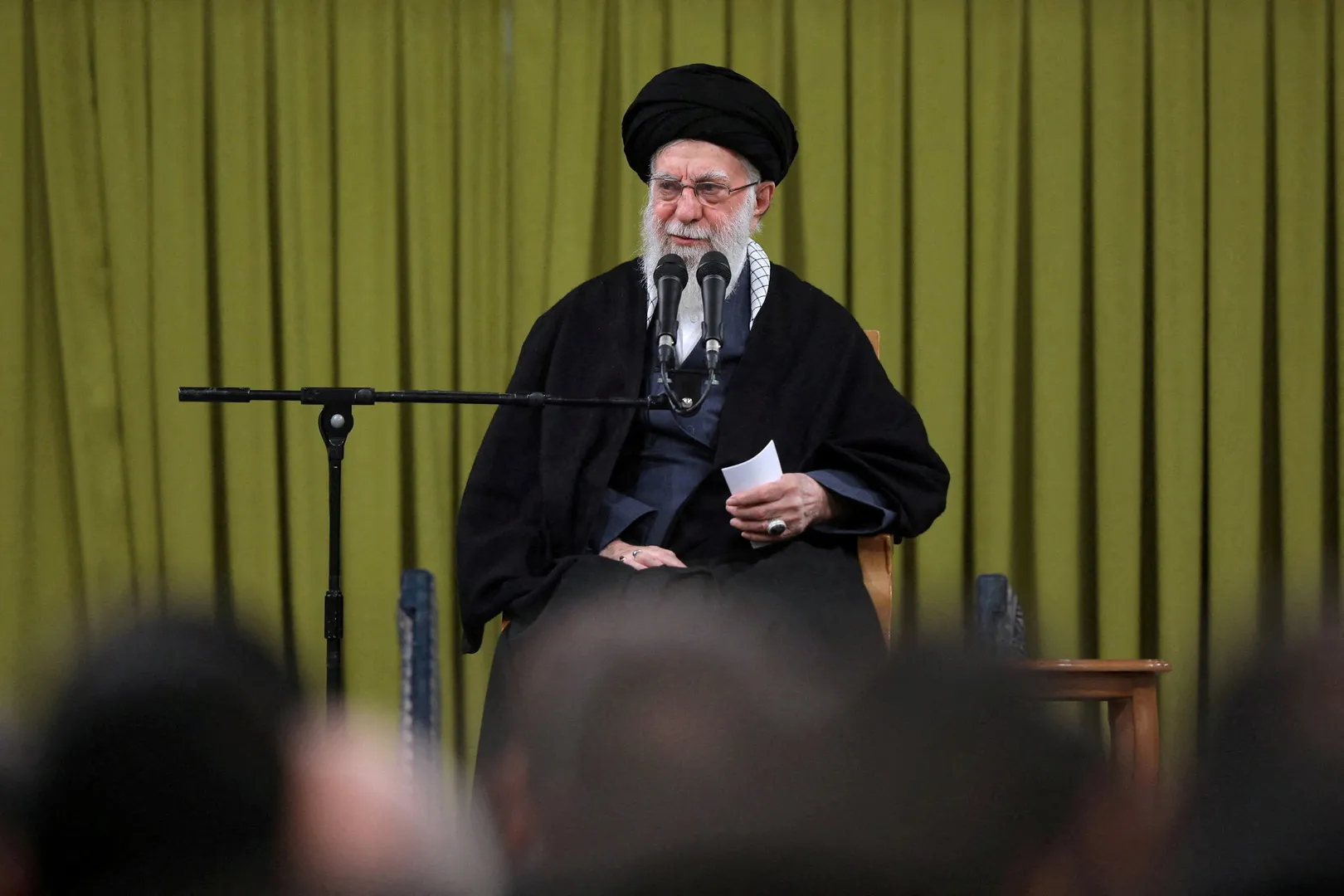
Trump: Khamenei dead after US strikes Iran | Conflict

NewsFeed

US President Donald Trump says Iran’s Supreme Leader Ayatollah Ali Khamenei was killed in joint US-Israeli strikes. Israeli officials cite “growing signs” he’s dead. Iranian state media deny the claim, saying Khamenei remains in command. At least 201 reported killed as Iran retaliates.

Source link

Netanyahu says US and Israel attacked Iran to remove ‘existential threat’ | Benjamin Netanyahu

NewsFeed

Israel’s Prime Minister Benjamin Netanyahu says the joint US‑Israel strikes on Iran aim to remove an ‘existential threat.’ He hailed the joint action as empowering the Iranian people to shape their own future and praised US President Donald Trump for his leadership.

Source link