Beirut

Beirut port blast anniversary overshadowed by new wave of destruction | Israel attacks Lebanon News

Zawtar al-Gharbiyeh, Lebanon – Every year on August 4 since 2020, families of the victims of a massive explosion at Beirut port gather outside the site of what was one of the largest non-nuclear blasts in modern history.

They continue to press Lebanese authorities for justice and accountability for the explosion of ammonium nitrate that was unsafely stored with highly inflammable materials.

Yet there has been none, despite a change in leadership that promised to support an independent judiciary into the blast that killed more than 200 people.

This year I couldn’t attend the commemorations because I was covering another tragedy – only the latest to devastate Lebanon.

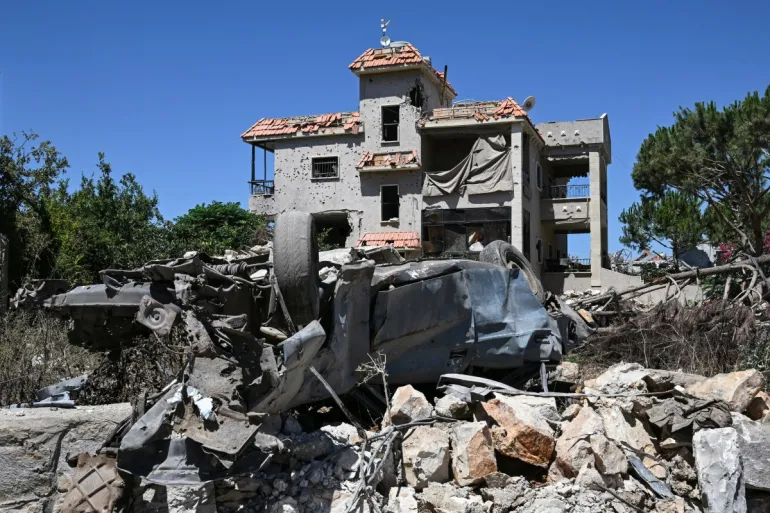
I was in Zawtar al-Gharbiyeh, a small town in southern Lebanon that lies in ruins after weeks of Israeli air attacks, shelling and at times deliberate demolitions of people’s homes amid fighting with the Lebanese group Hezbollah.

Residents are trying to start again – but they can’t.

Israel and Hezbollah have been fighting since October 2023, with different levels of intensity, but the former has twice escalated the conflict – first in September 2024 and then in early March this year, after the start of the US-Israel war on Iran.

People in Zawtar al-Gharbiyeh had not recovered from the first escalation before they found themselves escaping bombing and displaced yet again.

The majority of houses in the town are so badly damaged they are uninhabitable.

I watched a man in his 80s cry as he showed me the mountain of concrete that used to be his home. “I feel humiliated,” he said. “I have no choice but to collect the scrap metal from my destroyed home to sell in order to be able to survive.”

In 2019, Lebanon’s economy, local currency and the banking sector all but collapsed, leaving people unable to access their savings. And little if anything has been done by the political class to carry out required financial reforms to bring in much-needed international funds.

A photograph shows the damage in Zawtar al-Gharbiya on July 28, 2026, as residents return to inspect their homes after the Lebanese army deployed to the southern village last week as part of a framework deal reached with Israel
Damaged buildings in Zawtar al-Gharbiyeh [File: Joseph Eid/AFP]

The reconstruction bill for the latest escalation is in the billions of dollars. Officials do not have an exact figure but say it could climb to $20bn.

It might be a conservative estimate. I have been visiting villages across southern Lebanon since the reduction in violence a few weeks ago. The devastation is unprecedented. Basic services are no longer available. In some areas, there are no telecommunication networks.

And then there are the dozens of villages that we cannot access because they are occupied by the Israeli military.

There, homes continue to be demolished, water facilities destroyed, and agricultural land and olive groves torched. The deliberate destruction continues regardless of what is supposed to be a ceasefire, a framework agreement with Lebanon and condemnations by Lebanese officials who took the controversial and divisive decision to engage in direct talks with Israel.

Reconstruction as a card

When hostilities escalated in March this year, reconstruction from the previous round of fighting in 2024 had not even begun. Then, the World Bank estimated losses at $11bn – money the nearly bankrupt Lebanese government did not have.

Then, like now, there was no offer to help by international donors. Reconstruction aid was and continues to be used as leverage to force the disarmament of Hezbollah.

It was not just the lack of funds.

During the 15 months following a November 2024 ceasefire and the latest escalation, the Israeli military maintained pressure by systematically targeting all recovery and rebuilding efforts in southern Lebanon.

They bombed heavy machinery and construction equipment, destroyed factories and prefabricated house units, and attacked workers clearing rubble to prevent displaced residents from returning. Nearly 100,000 people were already displaced before this year’s war that forced more than a million people from their homes.

More destruction

On the sixth anniversary of the port blast, Lebanon has had to face more destruction.

I remember writing the same words last year, on the fifth anniversary. Like in 2025, this year’s destruction came from outside the country – from Israel. Areas where Hezbollah has influence remain covered in rubble following Israel’s attacks.

Yet again, there is a need to rebuild. Yet again, many Lebanese have to pick up the pieces of their lives on their own.

While they try, they live in fear. In the front-line town of al-Mansouri, we met the head of the municipality, Haidar Mudayhi, who told us not to approach the hills around the town’s centre.

“The Israelis drop stun grenades every time someone tries to reach those areas … every day there is machinegun fire around the village … the other day there were air strikes in the hills … there is no stability,” he said.

It is a story we hear time and time again in villages north of the occupation zone.

The relative calm is fragile. No agreement exists that guarantees Israel and Hezbollah will not go to war again.

Israel acts as if there is no ceasefire, while the signed agreement between Lebanon and Israel, which the United States has called “historic”, does not include a commitment or a timeline for an Israeli withdrawal from southern Lebanon.
Source link

Israel strikes Beirut, accuses Hezbollah of cease-fire violation

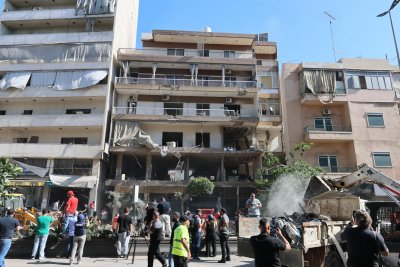
People stand near the site of an apartment targeted by an Israeli airstrike in Beirut’s southern suburbs on Sunday. Photo by Wael Hamzeh/EPA

June 14 (UPI) — The Israeli military launched an attack on Hezbollah targets in Beirut on Sunday, accusing the group of violating a cease-fire agreement earlier in the day and throwing an Iranian peace deal into question.

The Israeli strikes hit the southern suburbs of Beirut, specifically in Dahiyeh, a neighborhood where Hezbollah holds sway, The New York Times reported.

Lebanon‘s state-run news agency, NNA, reported that two people died and four others sustained injuries in the attack. A strike hit a residential building, the agency said, as reported by NBC News.

Lebanese security sources told NBC News that Israel fired two missiles in a targeted strike. Israel said it hit a Hezbollah command center used to “advance terrorist attacks against the citizens of the state of Israel and [Israel Defense Force] soldiers operating in southern Lebanon.”

Hours before the strike, the Israeli military accused Hezbollah of violating a cease-fire by firing toward Israel.

Israeli Prime Minister Benjamin Netanyahu and Defense Minister Israel Katz issued a joint statement confirming they ordered the strike.

“Israel will not tolerate fire into its territory,” they said.

Sunday’s violence between Israel and Lebanon could complicate U.S. and Iranian negotiations for a peace deal. The United States and Pakistan — which has acted as a mediator — said Saturday the agreement was ready to be signed Sunday in an additional round of talks, but Iranian Foreign Ministry spokesman Esmail Baghaei said there were no plans for Iran’s negotiators to be involved in any talks for the next few days.

Mohammad Bagher Ghalibaf, Iran’s speaker of parliament and chief negotiator with the United States, accused Washington of “giving the green light” to Israel for its attack on Dahiyeh.

“The game of bad cop and good cop is outdated,” he said in a post on X.

“If you lack the will and ability to fulfill your commitments, speaking of continuing the path is not possible.”

President Donald Trump was apparently incensed about Sunday’s attack and issued a rare rebuke against Netanyahu — saying he has “no [expletive] judgment” — in comments to Axios.

Trump called on Israel and Hezbollah to stand down in a post on Truth Social.

“This morning’s attack on Beirut should not have happened, particularly on a special day when we are so close to a Peace Deal with Iran,” he wrote. “Israel has the right to defend itself against threats, but the attack it was responding to was very small and meaningless, nobody was hurt, injured, or killed, and should not disrupt this important process.

“This could be the beginning of a long and beautiful peace — Let’s not blow it!”

Source link

Al Jazeera reports from Israeli attack site in southern Beirut | US-Israel war on Iran

NewsFeed

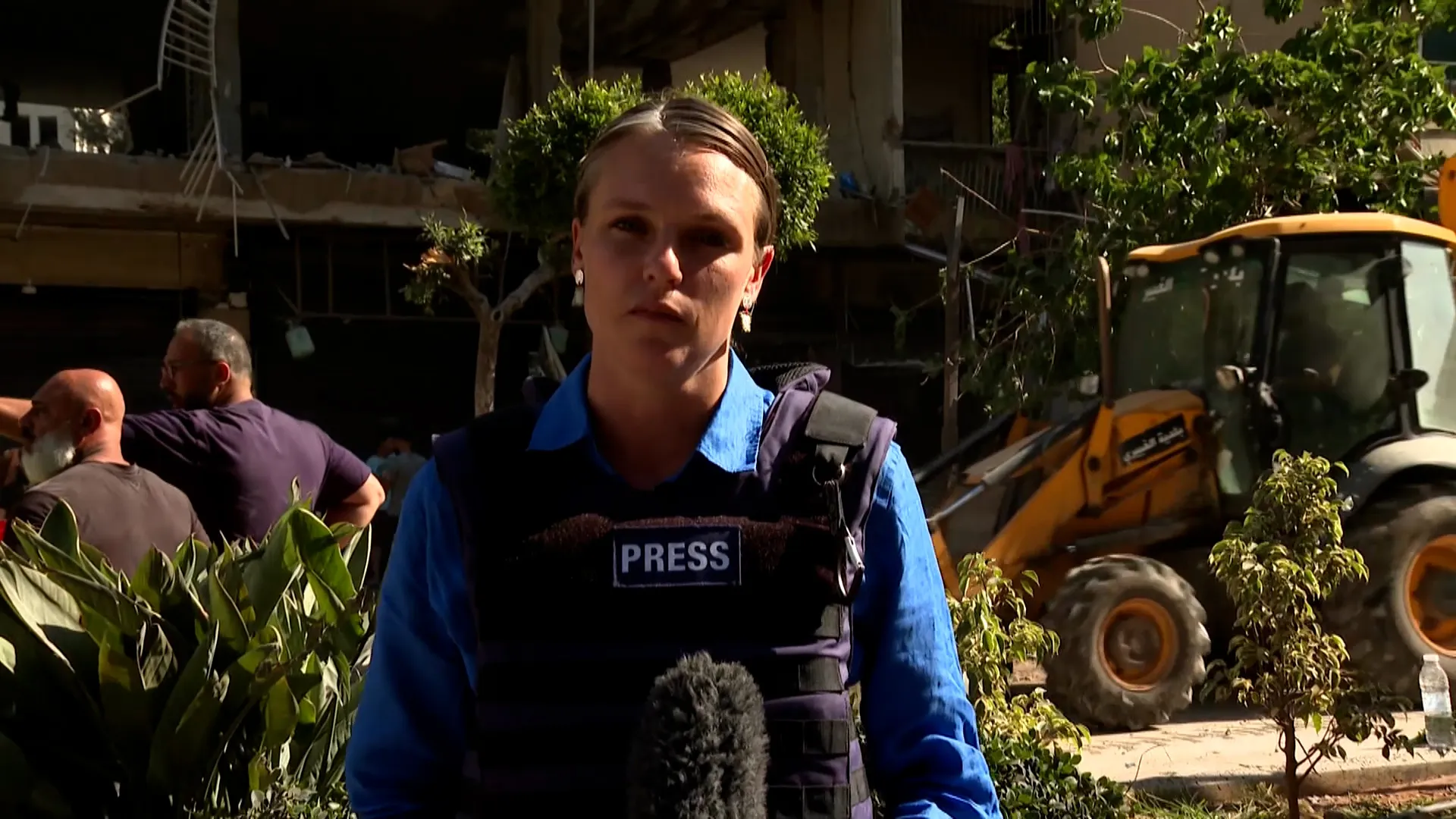
Al Jazeera’s Heidi Pett reports from the site of an Israeli attack on a residential building in southern Beirut, which Israel calls a Hezbollah command centre. The strike came hours before President Trump said a US-Iran deal was meant to be signed.

Source link

Israel attacks Beirut on same day Trump says Iran deal to be signed | Israel attacks Lebanon

NewsFeed

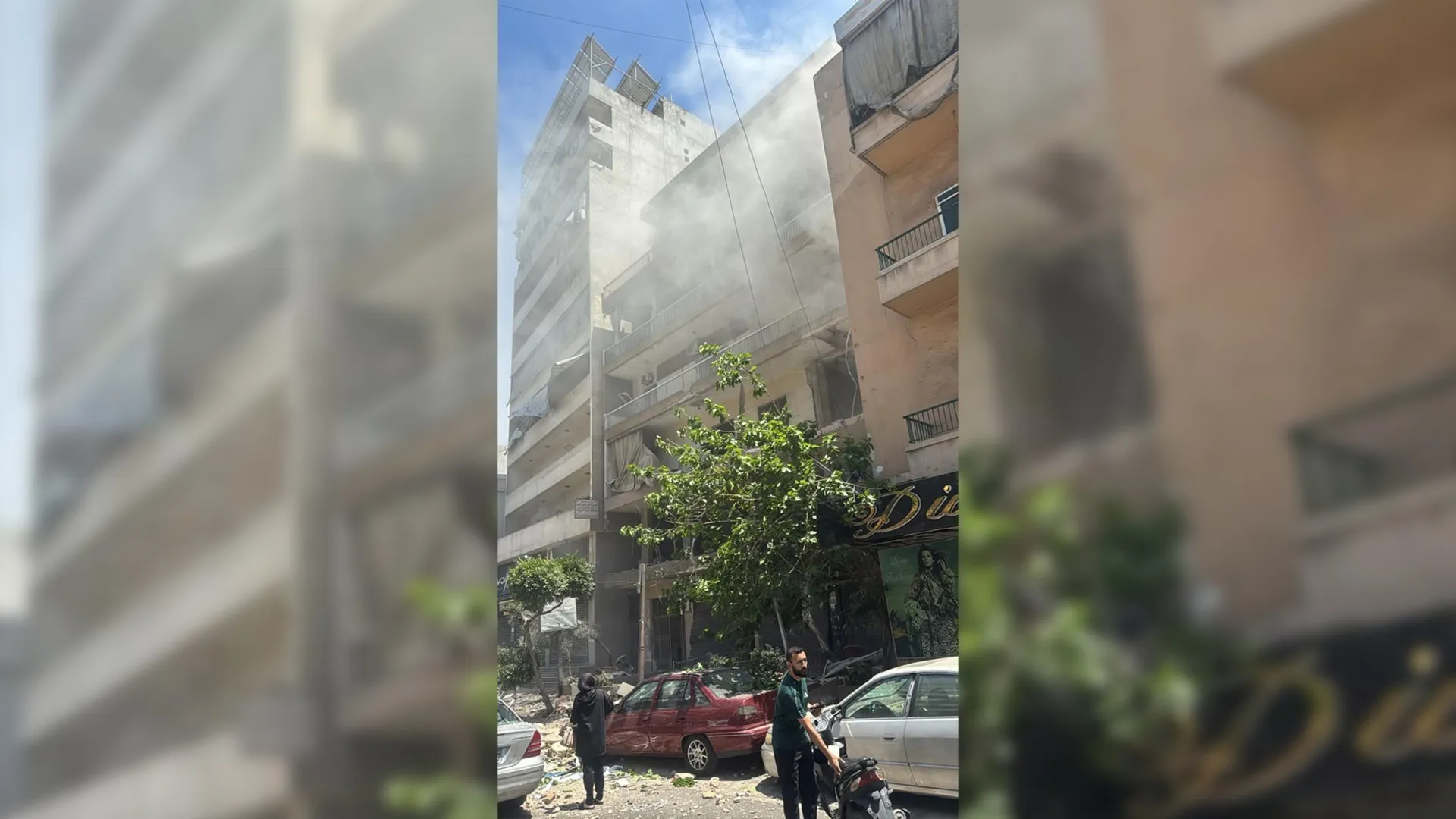
Israel has bombed the southern suburbs of Beirut, saying it targeted Hezbollah ‘infrastructure’ in response to cross-border fire. The strikes come as Israel continues to violate a supposed ceasefire with incursions and daily bombardment in southern Lebanon. Trump has said a deal to end the war on Iran will be signed on Sunday.

Source link

Iran fires missiles at Israel after it attacked Beirut | US-Israel war on Iran

NewsFeed

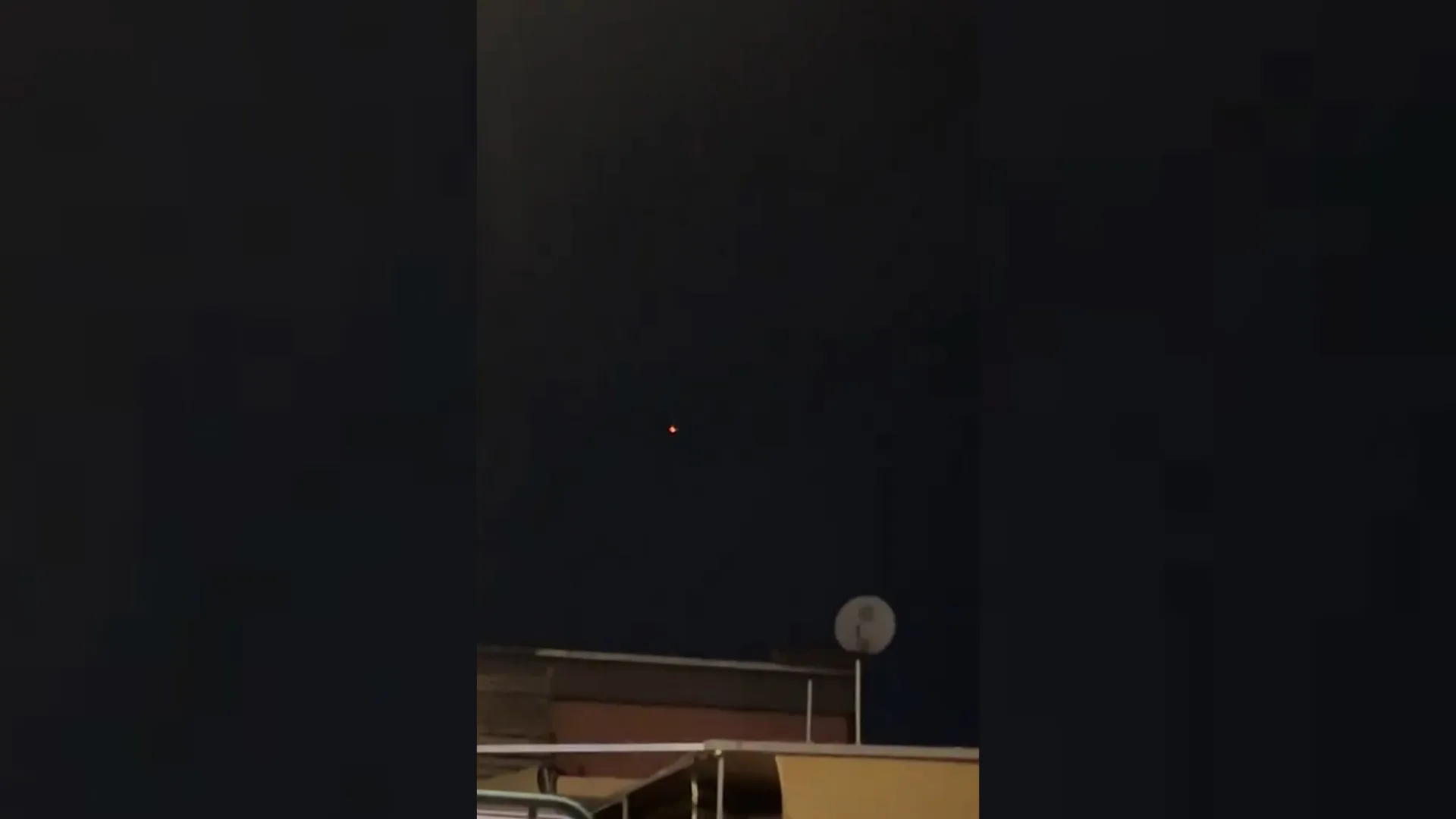
Videos show missiles over Israel as the Israeli military says Iran launched a new wave of attacks. The escalation follows a deadly Israeli strike on Beirut, with Iran warning it would abandon negotiations and return to ‘direct confrontation’.

Source link

Israel strikes southern suburbs of Lebanon’s capital Beirut | Israel attacks Lebanon

NewsFeed

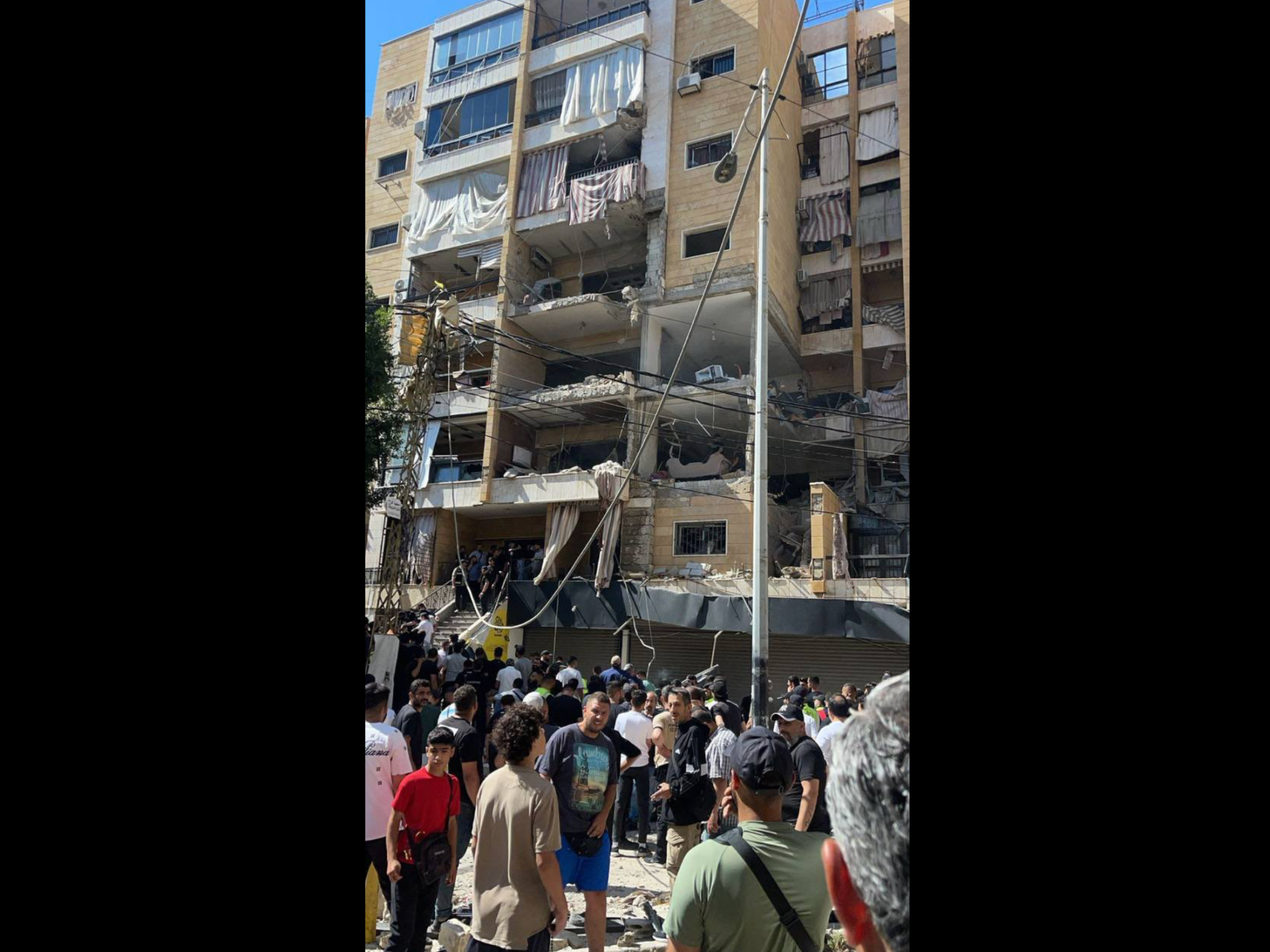
Videos show the aftermath of an Israeli attack on Beirut’s southern suburbs, with multiple explosions reported. Israel says it targeted Hezbollah headquarters, while Lebanese media says residential apartments were hit. The attack comes just days after US President Donald Trump told Benjamin Netanyahu that Beirut was off limits as Washington pursues a deal with Iran.

Source link

Inside a Beirut barbershop shaped by war and crisis | US-Israel war on Iran News

For nearly 20 years, Mario Habib has run a barbershop in Beirut’s Furn el Chebbak neighbourhood – through wars, economic collapse and political crisis in Lebanon. Mario says many customers now come not just for haircuts, but for relief, conversation and a sense of normal life in a country where, as he puts it, ‘normal life itself became the dream’.

Source link