Federal judge orders halt to White House ballroom project
April 1 (UPI) — A federal judge has blocked construction of President Donald Trump‘s $400 million White House ballroom, ruling the New York real estate developer does not have congressional authorization to continue the project.
“The President of the United States is the steward of the White House for future generations of First Families. He is not, however, the owner!” U.S. District Judge Richard Leon for the District of Columbia wrote in the ruling.
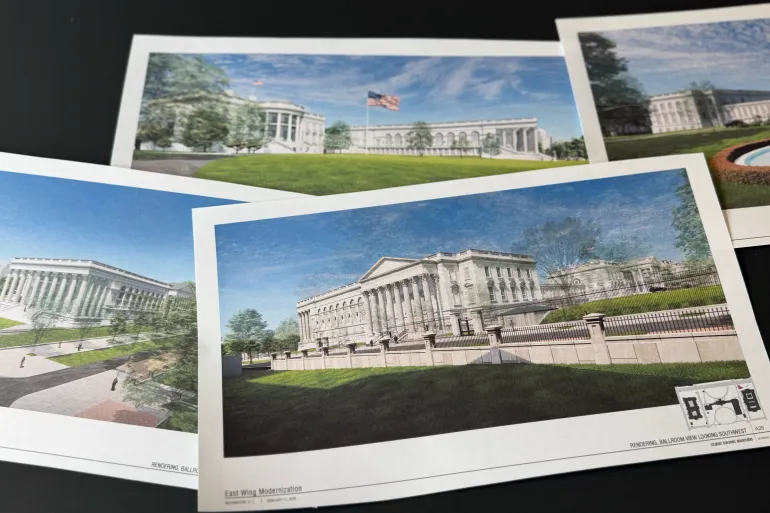
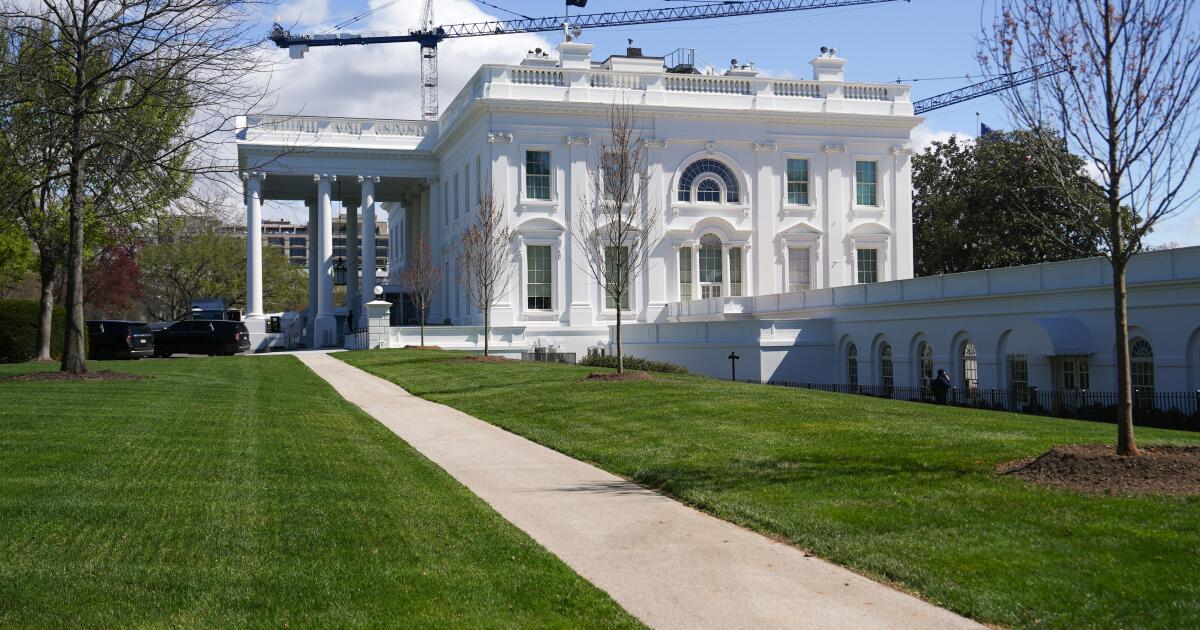
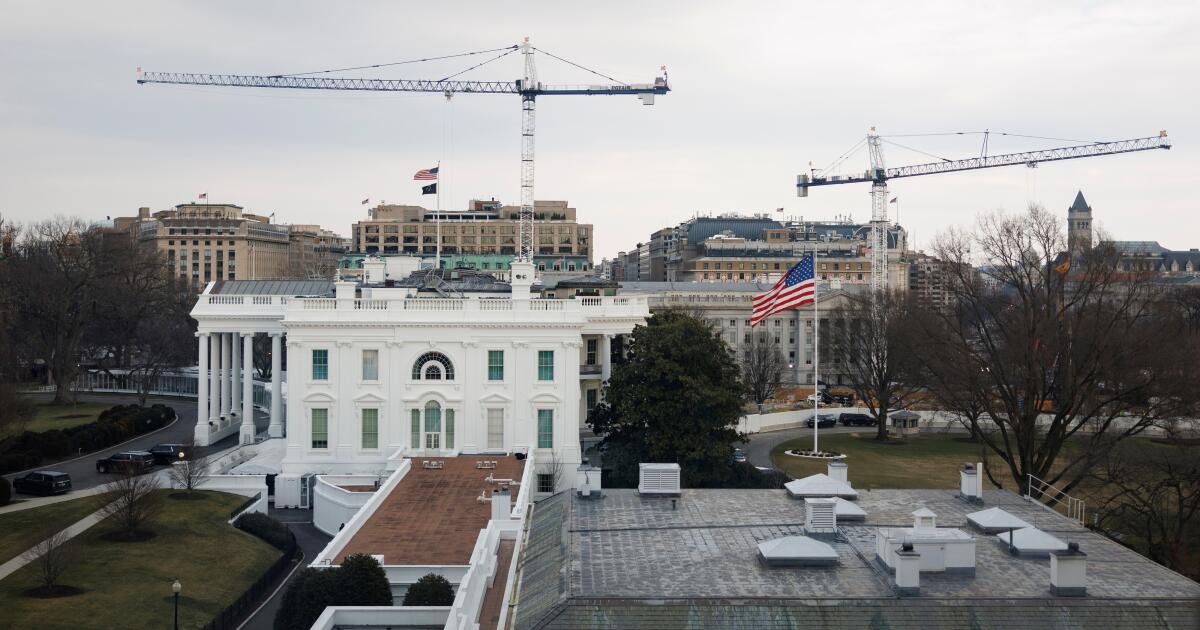
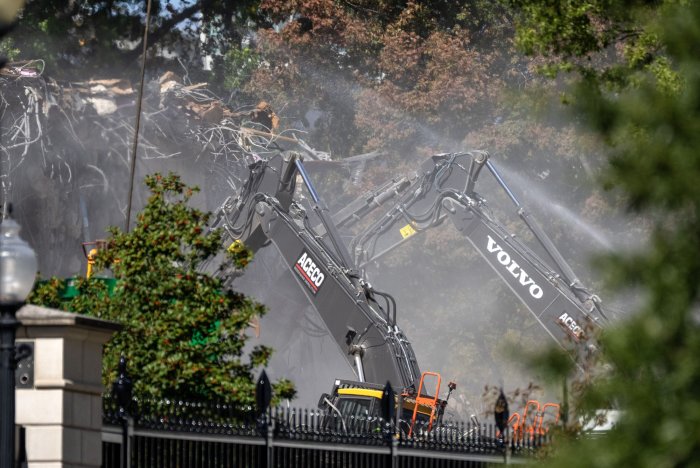
Trump has said building a White House ballroom had been a dream of his since before he was president. Construction of the 90,000-square-foot building began with the demolition of the East Wing of the White House in October. Initially said to cost $200 million, the ballroom’s price tag has since doubled. Trump has said it will be financed by private donors.
In December, the National Trust for Historic Preservation sued the Trump administration to halt construction, arguing the project has not been authorized by Congress as required by U.S. law.
In response, the Trump administration has claimed Congress has already given him authority to construct the project, pointing to a statute that Leon, a President George W. Bush appointee, said only permits the president “to conduct ordinary maintenance and repair of the White House.”
Leon said the Trump administration’s understanding of the law assumes Congress has granted “nearly unlimited power to the President to construct anything, anywhere on federal land in the District of Columbia, regardless of the source of funds.”
“This clearly is not how Congress and former Presidents have managed the White House for centuries, and this Court will not be the first to hold that Congress has ceded its powers in such a significant fashion,” he said in the 35-page ruling.
For Trump to continue with the project, he can ask Congress to either appropriate the funds or approve of another funding scheme, he said.
“Unfortunately for Defendants, unless and until Congress blesses this project through statutory authorization, construction has to stop!”
In awarding the National Trust for Historic Preservation an injunction, Leon delayed its enforcement for 14 days in acknowledgment that the Trump administration intends to appeal his decision and that stopping an ongoing construction project may raise logistical issues.
“We are pleased with Judge Leon’s ruling today to order a halt to any further ballroom construction until the Administration complies with the law and obtains express authorization to go forward,” Carol Quillen, president and CEO of the nonprofit organization, said in a statement.
“This is a win for the American people on a project that forever impacts one of the most beloved and iconic places in our nation.”
Trump lambasted the decision on his Truth Social platform.
“He is WRONG! Congressional approval has never been given on anything in these circumstances, big or small, having to do with construction at the White House,” he said in a statement.
In an earlier statement issued after the ruling was made, Trump insulted the National Trust for Historic Preservation as “a Radical Left Group of Lunatics.”
According to the White House Historical Association, Congress has long been responsible for appropriating funds for the care, repair, refurnishing and maintenance of the White House, and Congress approved the Truman-era reconstruction project from 1948 to 1952.