All-inclusive holidays are common across the Mediterranean, Mexico and the Caribbean, but the concept has evolved over the decades — and, as I found, is still changing…
For the past 15 years, if anyone ever even hinted at holidaying at an all-inclusive resort across the Mediterranean, I would shudder. Just the thought would evoke visions of a package holiday, full of Brits seeking the same cheap thrills for which they crave over here.
Don’t get me wrong – I’m not a snob. I’m the son of a travel agent, whose most popular getaways were these trips to the likes of Spain, Portugal and Greece. Brits love them.
But I’ve just come back from Greece. And from an all-inclusive resort. And, yes, I’ll eat humble pie – my view was misjudged. My trip to Ella Rocrita Resort Crete was glorious. It was a slice of luxury in a little-known corner of Crete, where tourists can enjoy the fascinating traditions, culture and nature the island has quietly boasted for decades.
Many Brits were there too. But this holiday, an all-inclusive, offered that bit of sun we here fondly miss, as well as a glimpse of Cretan life. Our boat trip to the ancient island of Spinalonga and excursion to Toplou Monastery will remain happy memories for many years.
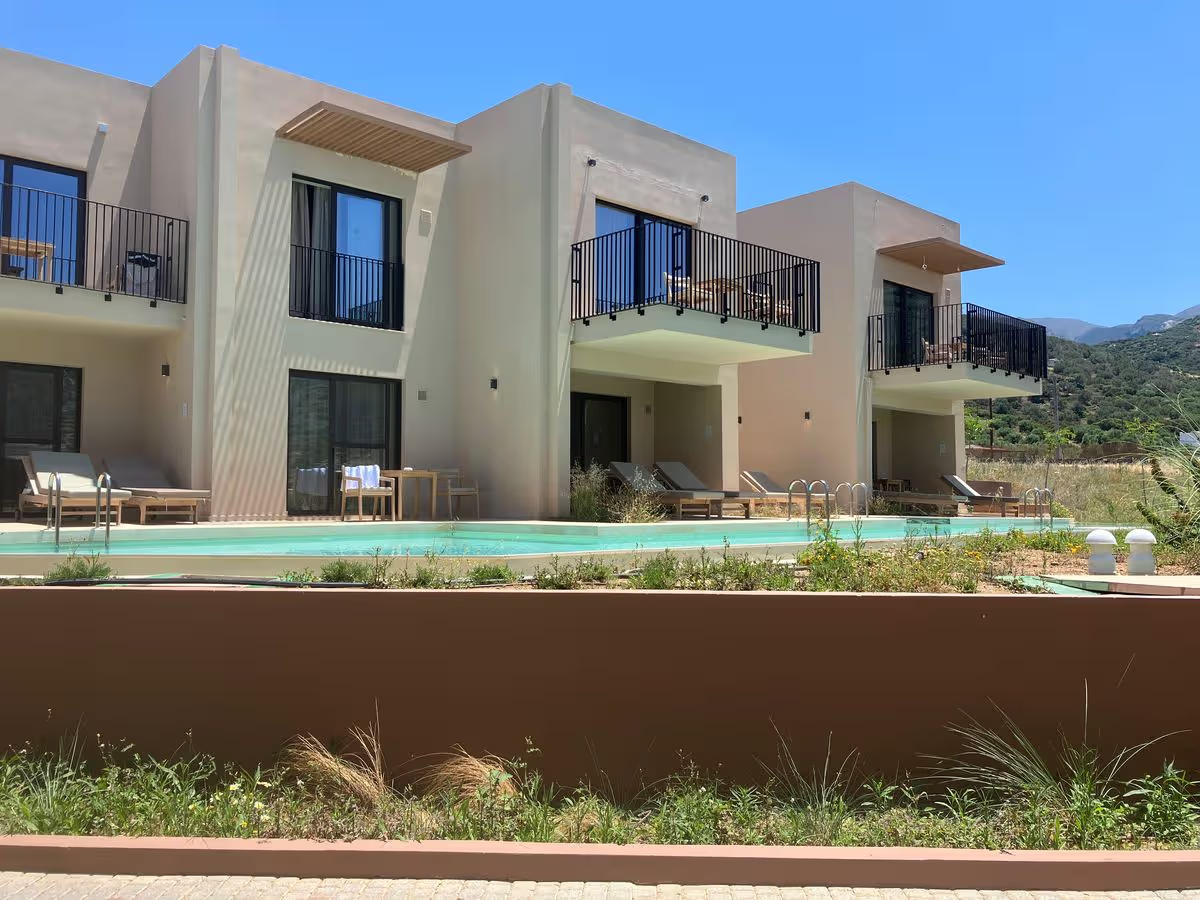
Ella Rocrita Resort Crete is the fourth Ella Resort, having opened in April in the wake of successes on the likes of Corfu. These luxury all-inclusive complexes are essentially sprawling villages, and the newest is complete with five restaurants, several other bars with live entertainment and two large outdoor pools. Many of the 350-odd rooms and suites have quaint plunge pools, shared by only around half a dozen.
The brand, founded in 2021 but properly bursting onto the scene in 2023, has created these eco‑chic resorts in a bid to transform the identity of the all-inclusive, presumably from the image I had in my mind.
Rocrita, near the little fishing village of Mochlos, caters to families just as much as it does to couples. There’s an on-site crèche, kids club, babysitting service and a ninja pool — the latter just as appealing for youngsters as it is for big kids at heart, like myself.
I like to immerse myself in the culture of a new place, so I was a little reticent about staying at an all-inclusive. Excursions are available, though, and I was pleasantly surprised by how much culture I could absorb in the area. The stunning, lesser-known coastal spot in the northeast of the Greek island is tempting for travellers who want a true holiday experience without the hustle and bustle of tourist towns.
Every morning at Mochlos, I found myself instinctively looking up at the majestic peaks that surrounded us. Whether I was walking to breakfast, relaxing by the pool, or gazing back at the resort from the boat, the mountains were always there, providing an awe-inspiring backdrop to every moment of my stay at Ella Rocrita Resort. Even now, when I close my eyes, I can still picture them rising above me, as striking and unforgettable as ever.
Culture
On one particularly memorable day I visited Toplou Monastery. Founded in the 14th century, it is still functioning. The monks there make wine and were happy to treat us to a splendid wine-tasting session.
Travel west along the coast, hop on a little boat and spend a short while on Spinalonga. This island, maintained as a fortress for centuries under Venetian rule, became a leper colony in the early 20th century. It has been uninhabited since 1962 and is now the second-most-visited tourist site in Crete.
But those who enjoy activities closer to home can hit the private beach and make a splash with the wide variety of watersports. Yoga and pilates sessions are held most mornings on the lawn, play padel – the new racquet sport taking Europe by storm – and even enjoy a massage or facial in the wellness centre.
Food
This resort was ridiculous in the very best way possible. The days seemed to blur into one. I rarely knew what day it was, my screen time plummeted, and the food was so good it left me in a constant state of bliss. If you’re looking to immerse yourself in Greek culture, Ella Rocrita Resort’s culinary offering is a fantastic place to start, with five exceptional restaurants showcasing a variety of flavours and experiences.
I like to try the local cuisine and one of the eateries, Smigo, offers just that. Diners are encouraged to have meze, a selection of small dishes served as appetisers. These include grilled octopus, stuffed zucchini flowers, delicious fresh salads, oysters and wholesome bread boards.
At the Viola restaurant, dedicated chefs prepare Italian dishes, including a gorgeous prawn pasta creation. Carūma Fusion Restaurant offers South American and Cretan fusion cuisine, exotic cocktails, and an intimate setting for a dinner of tropical tastes. My crispy salmon with a fried rice dish was a gorgeous meal, but other diners enjoyed vegetarian delights at all the restaurants. The salads are light but wholesome and feature beautiful tomatoes and cucumbers.
Entertainment
The brand’s approach to entertainment has a way of drawing everyone in. It is understated, and not the happy-clappy fanfare I had feared as I prepared for the all-inclusive venture. Smooth jazz-inspired singers set the tone in the late bars, but the poolside watering hole boasts a DJ desperate to lure guests up to dance.
But it wasn’t an in-your-face theatre of performers, begging families up to stages to dance to unpalatable cheesy tunes. Instead, there are quiet spots across the whole of the resort where couples can relax and simply enjoy cocktails. The choice of which, by the way, is impressive; from a strong and oaky Manhattan to the resort specials, like the smooth Amber Spark (rum-based but with ginger tones).
There’s plenty for the children too, including sweet performances at the little amphitheatre and entertainment provided at the kids’ club. The arcade, complete with pool tables, is popular with youngsters and competitive adults alike.
Newly opened resort
At the end of the day — whether that means an early night or finally calling it quits after dancing until the bar closes at 1am — you retreat to one of the resort’s newly renovated rooms. Fresh, contemporary and infused with a relaxed Mediterranean aesthetic, the accommodation provides a comfortable sanctuary, with many rooms offering beautiful views across the pool or out towards the sea.
That sense of ease extends throughout the resort. From the soft, sun-washed colour palette and calming interiors to the intuitive layout that seamlessly connects rooms, restaurants and communal spaces, everything has been designed with relaxation in mind. It’s the kind of place where you quickly settle in, never feel lost, and can focus entirely on enjoying your holiday.
Book it
Rooms at Ella Rocrita start from approx. £184 per night, depending on season.